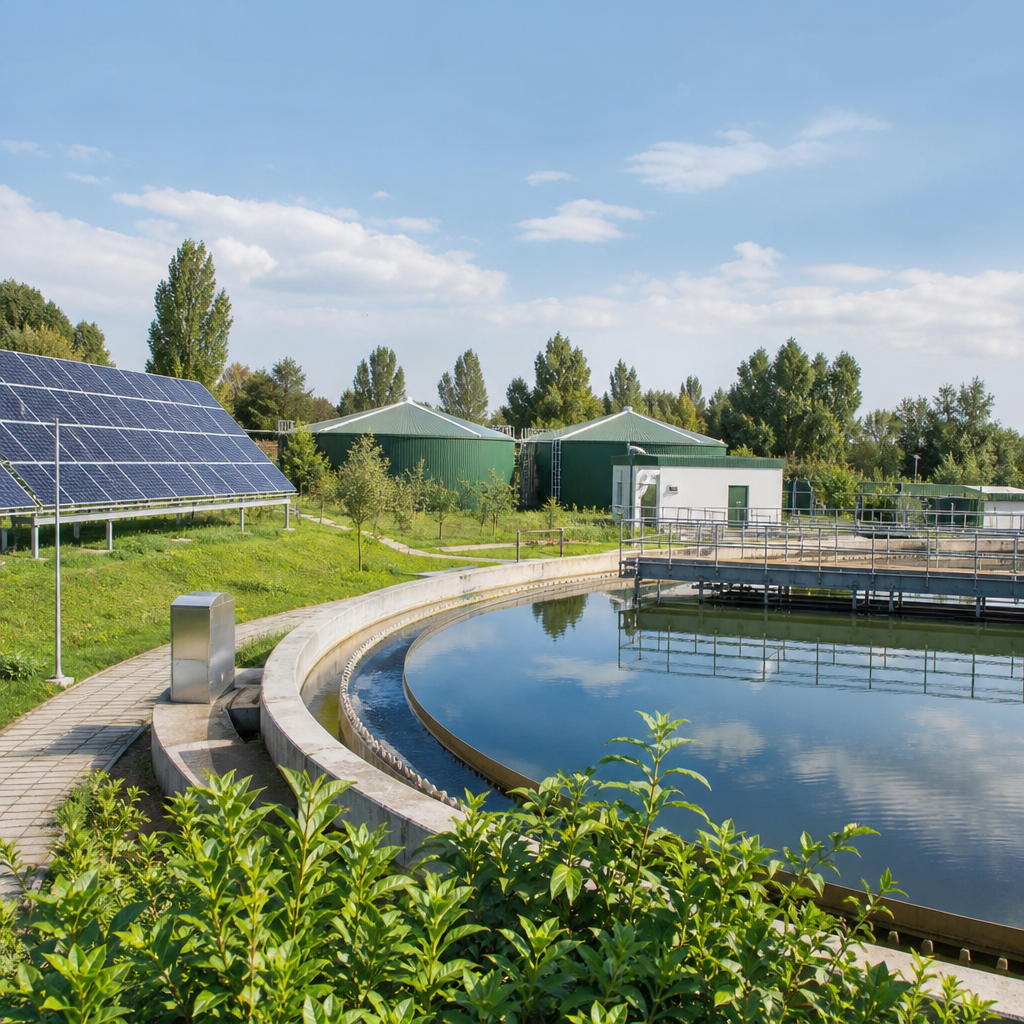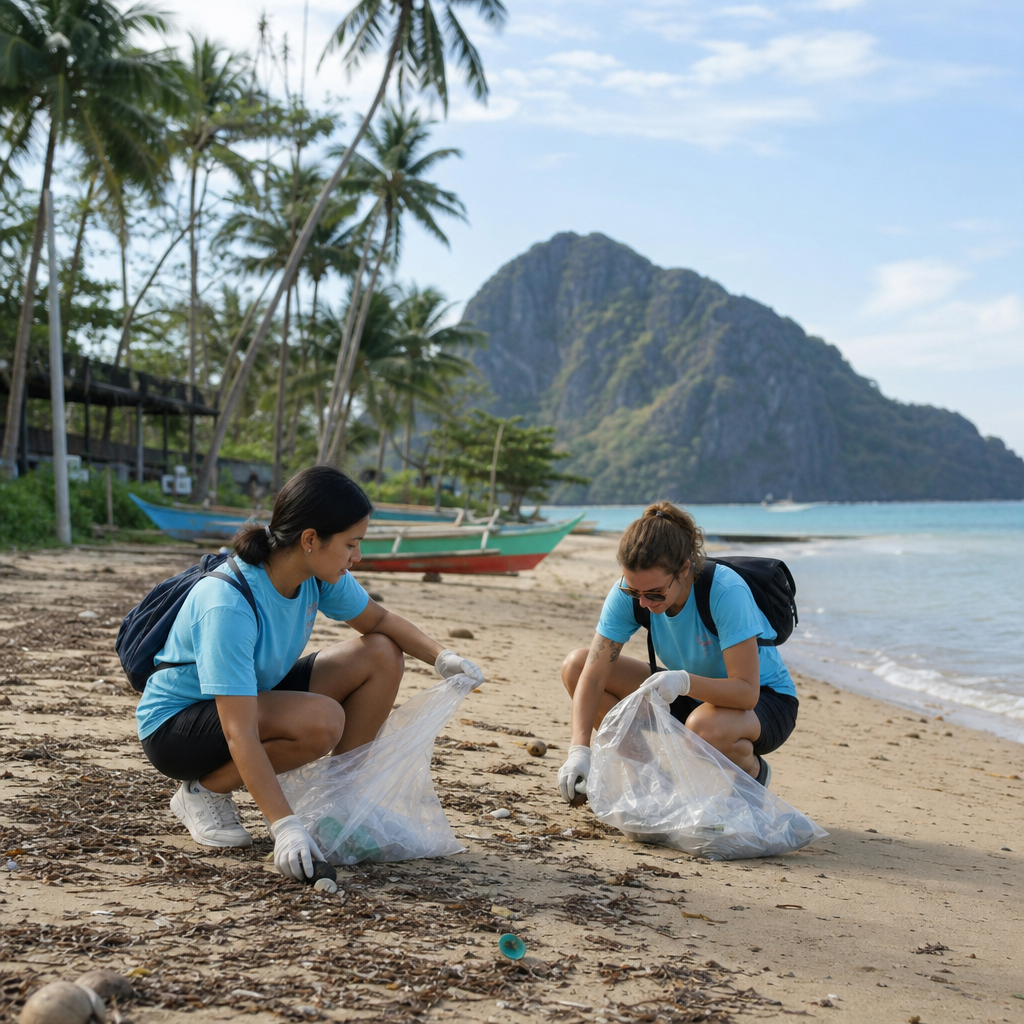
Sustainable tourism and global sanitation efforts are tightly linked because every destination depends on clean water, safe waste management, and public health systems that can serve residents first while also handling visitor demand. Sustainable tourism means travel that protects environmental resources, supports local communities, and preserves economic value over time. Sanitation includes toilets, sewerage, fecal sludge management, wastewater treatment, handwashing infrastructure, and the policies that keep these systems safe and inclusive. When these systems are weak, tourism growth can strain beaches, rivers, heritage sites, and neighborhoods. When they are strong, destinations become healthier, more resilient, and more attractive to travelers, investors, and workers.
I have seen this connection most clearly in coastal and high-growth destinations where visitor numbers rise faster than infrastructure budgets. Hotels can install efficient fixtures and recycling systems, but if municipal wastewater treatment is failing, untreated discharge still damages coral reefs, fisheries, and local trust. The reverse is also true: a town that invests in sewage networks, decentralized treatment, public toilets, and hygiene services often improves quality of life for residents while lifting its tourism reputation. This is why sanitation is not a side issue in tourism planning. It is a foundational system that influences disease risk, ecosystem health, destination branding, labor productivity, and the long-term carrying capacity of a place.
At the global level, sanitation sits at the intersection of development finance, climate adaptation, public health, and urban management. The most widely used benchmark is Sustainable Development Goal 6, especially the target focused on equitable sanitation and hygiene for all. The World Health Organization and UNICEF Joint Monitoring Programme tracks progress through service ladders such as safely managed sanitation, basic sanitation, limited service, unimproved service, and open defecation. For tourism stakeholders, those categories matter because they reveal whether a destination can safely manage waste beyond the hotel fence line. A luxury resort cannot compensate for a district where households, informal workers, and public spaces lack safe services.
This hub article explains the major global initiatives and collaborations in sanitation through the lens of sustainable tourism. It covers the institutions setting standards, the financing models moving projects forward, the technologies helping destinations close service gaps, and the governance practices that determine whether systems actually work. It also highlights why sanitation planning must include informal settlements, transport hubs, parks, and small enterprises, not only flagship tourism zones. If you want to understand how sanitation improvements protect destinations, support inclusive growth, and reduce environmental damage, this overview maps the essential issues and the practical pathways.
Why sanitation is central to sustainable tourism
Sanitation is central to sustainable tourism because travelers and residents share the same watersheds, roads, beaches, public spaces, and health risks. Poor wastewater management can close beaches, contaminate groundwater, and trigger disease outbreaks that hurt both communities and visitor confidence. In many destinations, tourism creates sharp seasonal peaks in water use and waste generation. Cruise arrivals, festivals, religious tourism, and school holidays can temporarily multiply demand for toilets, desludging, and treatment capacity. If planners rely only on annual averages, systems become overloaded exactly when public exposure is highest.
The practical consequences are easy to observe. In island destinations, nutrient-rich wastewater can fuel algal blooms that reduce water clarity and damage reefs, undermining dive tourism and fisheries at the same time. In mountain towns, leaking septic systems can contaminate streams that supply lodges and downstream villages. In historic cities, inadequate public toilets push waste into drains and alleys, creating unpleasant streetscapes and labor risks for sanitation workers. Sustainable tourism therefore requires destination-wide sanitation planning, not isolated property-level fixes.
There is also a strong business case. The World Bank, regional development banks, and national tourism boards routinely emphasize that environmental quality is a core asset for destination competitiveness. Cleanliness, safety, and visible public services influence online reviews, repeat visitation, and investor confidence. For employers, sanitation matters inside the workforce as well. Hospitality workers need reliable toilets, handwashing, and menstrual hygiene support in hotels, restaurants, transport terminals, and staff housing. A destination that neglects these basics may still attract visitors in the short term, but it accumulates operational, reputational, and health costs.
Global frameworks shaping sanitation action
Global sanitation efforts are guided by a set of frameworks that give countries, cities, and development partners common targets and measurement tools. The anchor is Sustainable Development Goal 6, which links sanitation to water quality, wastewater treatment, efficiency, ecosystem protection, and community participation. In practice, this matters for tourism because destination management agencies increasingly align infrastructure plans with national SDG reporting, climate commitments, and public health strategies. A sanitation project gains durability when it fits all three.
The WHO and UNICEF Joint Monitoring Programme provides the most recognized service definitions, allowing governments to compare rural, urban, school, and health-care access over time. UN-Water coordinates across agencies, while UN-Habitat contributes urban service planning and slum upgrading expertise that is highly relevant to tourism gateway cities. The World Health Organization’s sanitation safety planning approach helps operators identify health risks along the sanitation chain, from containment to transport, treatment, and reuse or disposal. I rely on this framework because it moves debate away from toilet counts and toward actual risk reduction.
Another important reference point is the human right to water and sanitation recognized by the United Nations General Assembly. For tourism, this principle is not abstract. It means residents’ access should not be displaced by visitor demand, and informal workers serving the tourism economy must not be excluded from safe services. Destinations that apply rights-based planning typically make better decisions on tariff design, public toilet access, and service coverage in peripheral areas where many tourism workers live.
Who leads and how collaboration works
Global sanitation progress depends on collaboration among governments, multilaterals, utilities, civil society organizations, researchers, and private operators. National governments set policy, standards, and budget priorities. Local governments handle land use, public toilet provision, service contracts, and enforcement. Utilities manage networks and treatment plants, while private firms often provide desludging, equipment, software, construction, and operations support. Nonprofits such as WaterAid, the World Toilet Organization, and SNV often help pilot approaches in underserved communities and build local capacity.
Tourism bodies have a specific role that is often underestimated. Destination management organizations, hotel associations, cruise authorities, and airport operators can supply demand forecasts, co-finance public sanitation in high-use zones, and align visitor messaging with local environmental goals. In several destinations I have studied, the most effective collaborations started when tourism planners shared occupancy and arrival data with water and sanitation departments. That simple data exchange improved forecasting for peak-season waste volumes, truck routes, and emergency maintenance.
Research institutions also matter because sanitation decisions benefit from evidence rather than assumptions. Organizations such as the International Water Management Institute, the Stockholm International Water Institute, and university-based public health departments contribute data on pathogen risks, wastewater reuse, nutrient recovery, and service equity. When this evidence is integrated into tourism master plans, destinations avoid the common mistake of funding attractive waterfront projects while underinvesting in hidden pipes, pumping stations, and sludge treatment.
Financing models and investment priorities
Sanitation requires sustained finance because infrastructure has high upfront costs and long operating lives. Capital expenditure covers sewers, treatment plants, transfer stations, vacuum trucks, public toilets, and monitoring systems. Operating expenditure covers electricity, chemicals, staffing, repairs, desludging, laboratory testing, and asset management. In tourism destinations, the challenge is that benefits are spread across residents, businesses, ecosystems, and public health budgets, while revenues may come from fragmented sources.
Blended finance is increasingly common. Public budgets may fund trunk infrastructure, while development banks support major upgrades and private operators handle selected services under performance-based contracts. Tourism taxes, bed levies, cruise fees, concession payments, and environmental user charges can also contribute if ring-fenced transparently. The strongest models I have reviewed dedicate tourism-linked revenues to measurable sanitation outcomes, such as beach water testing, market toilet maintenance, or expansion of fecal sludge treatment capacity.
| Financing option | Typical use | Strength | Limitation |
|---|---|---|---|
| Municipal budget | Public toilets, drainage, local repairs | Direct public control | Competes with many priorities |
| Development bank loan | Networks and treatment plants | Large scale capital | Requires long-term repayment |
| Tourism levy | High-traffic destination services | Links visitors to impact funding | Needs transparent governance |
| Public-private partnership | Operations, desludging, facilities | Performance incentives | Contract design is critical |
Investment priorities should follow risk. First, stop uncontrolled discharge into water bodies used for recreation, fishing, or drinking supply. Second, close service gaps in dense settlements and worker housing connected to tourism economies. Third, ensure public toilets and hygiene services in transport nodes, beaches, heritage areas, and markets. Fourth, fund monitoring and maintenance, because neglected assets fail quietly until a crisis makes them visible.
Technology choices for destinations
There is no single best sanitation technology for every tourism destination. Dense urban centers may justify sewer expansion and centralized wastewater treatment, but small islands, peri-urban resorts, and mountain communities often need decentralized systems. Options include septic tanks with regulated desludging, package treatment plants, constructed wetlands, anaerobic baffled reactors, membrane bioreactors, and fecal sludge treatment plants. The right choice depends on topography, soil conditions, energy reliability, land availability, institutional capacity, and lifecycle cost.
In practice, the most successful destinations choose technologies they can operate consistently, not merely those that look advanced on a proposal. Membrane systems can deliver high treatment performance, yet they require strong technical management, stable power, and disciplined maintenance. Constructed wetlands are lower energy and can fit eco-lodge branding, but they need land and good pretreatment. Fecal sludge management is especially important where many properties are off-grid. Without scheduled desludging, septic tanks are not treatment systems; they become overflow risks.
Digital tools are improving performance. Utilities use geographic information systems for asset mapping, sensors for pump and tank monitoring, and laboratory dashboards for effluent compliance. Some cities now track desludging trucks by GPS to reduce illegal dumping. For tourism, this matters because environmental claims are more credible when backed by traceable service data. Hotels seeking Green Key, EarthCheck, or GSTC-aligned sustainability programs increasingly need evidence that wastewater is being handled safely beyond the property boundary.
Equity, climate resilience, and workforce inclusion
Sanitation planning fails when it serves visitors visibly but leaves residents, informal settlements, and low-wage workers behind. Tourism often depends on a large service workforce commuting from peripheral neighborhoods where infrastructure is weakest. If those communities lack safely managed sanitation, disease burdens rise, children miss school, and households face time and cash costs that the tourism economy quietly transfers onto them. Inclusive planning is therefore not charity; it is sound destination management.
Climate change raises the stakes. Flooding can overwhelm sewers, damage pit latrines, and spread contamination across hotels, homes, and public spaces. Drought concentrates pollutants and intensifies competition for water reuse. Sea-level rise can infiltrate coastal sewer networks and raise groundwater tables, making conventional onsite systems less effective. Resilient sanitation plans account for these hazards through flood-safe siting, backup power, corrosion-resistant materials, and emergency desludging capacity.
Workforce inclusion must also cover sanitation workers themselves. Safe sanitation depends on trained operators, mechanics, cleaners, and desludging crews who often face dangerous conditions. The International Labour Organization’s occupational safety principles, proper personal protective equipment, mechanized emptying, and vaccination access should be standard, not optional. Destinations that claim sustainability while tolerating unsafe manual cleaning practices are undermining their own credibility. Real progress means cleaner beaches and safer jobs together.
What effective destination governance looks like
Effective governance turns sanitation from scattered projects into a functioning public service. The first requirement is clear institutional responsibility across the full sanitation chain. Too many destinations assign toilets to one agency, sewers to another, sludge to no one, and tourism impacts to a separate board with little operational authority. A stronger model uses joint planning between tourism, public works, health, and environment departments, supported by shared data and annual service targets.
Second, governance needs measurable indicators. Useful metrics include beach and river water quality, treatment plant compliance, desludging coverage, public toilet uptime, customer complaints, worker safety incidents, and service access in low-income areas. Third, destinations need honest communication. Publishing water quality results, maintenance schedules, and investment plans builds trust with residents and businesses. It also helps justify visitor levies when people can see where funds go.
For a sub-pillar hub on global initiatives and collaborations in sanitation, the central lesson is simple: durable progress comes from aligning infrastructure, finance, regulation, and community needs. Sustainable tourism benefits directly from that alignment because destinations with reliable sanitation protect ecosystems, reduce health risks, and deliver better visitor experiences without sacrificing resident welfare. The most credible programs treat sanitation as essential economic infrastructure, not background maintenance.
If you are building strategy in this area, start by mapping the sanitation chain across your destination, identifying peak tourism pressure points, and comparing current services against recognized global benchmarks. Then connect those findings to financing, climate risk, workforce protection, and public reporting. That process reveals where collaboration is weak and where investment will have the highest return. Clean, inclusive, climate-ready sanitation is one of the strongest foundations any tourism destination can build. Make it the anchor for every related article, policy discussion, and project plan in this sanitation hub.
Frequently Asked Questions
Why are sustainable tourism and sanitation so closely connected?
Sustainable tourism and sanitation are deeply connected because tourism puts direct pressure on the basic systems that keep destinations healthy, functional, and attractive. Every hotel room, restaurant, public restroom, beach shower, cruise terminal, campground, and tour site depends on reliable water supply, safe toilets, wastewater treatment, drainage, handwashing facilities, and waste management. When those systems are strong, tourism can support local economies without undermining public health or environmental quality. When they are weak, even a modest increase in visitors can strain infrastructure, contaminate water sources, overload sewer networks, and create unsafe conditions for residents and travelers alike.
This relationship is especially important because sanitation is not just about convenience; it is a foundation of environmental protection and community well-being. Poorly managed sewage and wastewater can pollute rivers, lakes, coral reefs, wetlands, and coastal areas that often serve as the main attractions for visitors. That damage can reduce biodiversity, harm fisheries, create foul odors, increase disease risks, and weaken the long-term tourism value of a destination. In contrast, well-planned sanitation systems help preserve ecosystems, protect drinking water, and maintain the cleanliness and public trust that destinations depend on.
There is also a social dimension. Sustainable tourism should serve local communities first, not redirect essential services away from them. If tourism development leads to luxury facilities for visitors while nearby residents lack safe toilets or reliable wastewater services, the model is neither equitable nor sustainable. Strong sanitation planning helps destinations avoid that imbalance by designing systems that benefit residents year-round while also accommodating seasonal visitor demand. In practical terms, sustainable tourism succeeds best where sanitation is treated as core infrastructure rather than an afterthought.
How does poor sanitation affect tourist destinations, local communities, and the visitor experience?
Poor sanitation can affect a destination at every level, from immediate public health outcomes to long-term economic resilience. For local communities, inadequate toilets, weak sewerage systems, unmanaged fecal sludge, and insufficient wastewater treatment can contribute to water contamination, disease transmission, degraded living conditions, and environmental injustice. Residents are usually the first to experience the consequences because they rely on these systems every day, not only during peak travel periods. If sanitation fails, communities may face unsafe drinking water, polluted recreation areas, and increased burdens on already stretched health services.
Tourist destinations also suffer environmentally. Untreated or poorly treated wastewater can damage beaches, rivers, and marine ecosystems, while overflow from sanitation systems can affect streets, public spaces, and cultural sites. These impacts are particularly serious in places where tourism depends on natural beauty, such as island destinations, mountain towns, heritage cities, and coastal resorts. Once a destination develops a reputation for dirty water, unsafe food handling conditions linked to poor hygiene, or visibly polluted public spaces, that reputation can spread quickly and become difficult to reverse.
For visitors, poor sanitation changes the travel experience in very practical ways. Travelers notice whether public restrooms are accessible and clean, whether handwashing facilities are available, whether wastewater smells are present near accommodations, and whether swimming or recreational areas appear safe. In severe cases, poor sanitation can lead to outbreaks of gastrointestinal illness or other preventable health issues that affect both tourists and hospitality workers. Even when health risks are not immediately obvious, inadequate sanitation reduces confidence in a destination’s management and quality standards. In short, sanitation is not a background issue; it shapes comfort, safety, trust, and the overall sustainability of tourism.
What does good sanitation planning look like in a sustainable tourism destination?
Good sanitation planning in a sustainable tourism destination starts with the understanding that infrastructure must be designed around real population patterns, not just resident counts. Many destinations experience sharp fluctuations during holidays, festival seasons, cruise arrivals, pilgrimage periods, or peak vacation months. Effective planning accounts for those surges by evaluating water use, toilet access, wastewater volumes, drainage needs, fecal sludge management capacity, and maintenance staffing under both normal and peak conditions. This prevents systems from being overwhelmed when visitor numbers rise.
Strong planning also considers the full sanitation chain. That means it is not enough to build toilets if waste cannot be safely collected, transported, treated, and disposed of or reused. A sustainable approach connects user access with sewerage where feasible, onsite containment where appropriate, regular desludging services, wastewater treatment, stormwater management, and safe final discharge or resource recovery. Destinations often need a mix of solutions rather than a single model, especially in rural, coastal, informal, or environmentally sensitive areas. What works for a dense historic city center may not be the right choice for an ecotourism lodge, a national park, or a small island community.
Good planning also includes governance, regulation, and inclusion. Hotels, restaurants, transport hubs, tour operators, municipalities, utilities, and public health authorities all have roles to play. Clear standards for wastewater disposal, restroom access, hygiene facilities, maintenance schedules, and emergency response are essential. Equally important is making sure systems are accessible for women, children, older adults, people with disabilities, and workers across the tourism economy. When sanitation planning is integrated into destination management, land use, environmental protection, and public health policy, tourism becomes more resilient and far more likely to deliver long-term value.
How can the tourism industry support global sanitation efforts in a meaningful way?
The tourism industry can support global sanitation efforts by moving beyond symbolic sustainability messaging and investing in practical, measurable improvements. One of the most direct ways is through infrastructure investment. Hotels, resorts, airports, attractions, and tourism developments can fund or co-fund wastewater treatment upgrades, water-efficient sanitation systems, handwashing stations, septic improvements, sludge management services, and public toilet facilities that benefit both visitors and residents. In many destinations, private sector participation can help close financing gaps, especially when coordinated with local governments and utilities.
Businesses can also improve standards within their own operations. This includes monitoring water use, maintaining sanitation systems properly, ensuring safe wastewater disposal, training staff in hygiene and cleaning protocols, and auditing supply chains for sanitation and labor conditions. Tourism operators that claim to be sustainable should be able to demonstrate how they manage toilets, wastewater, greywater, stormwater, and guest hygiene in practice. Certifications and sustainability reporting can help, but the real value comes from transparent implementation and accountability.
Another meaningful contribution is advocacy and partnership. The tourism sector has influence with policymakers, investors, development agencies, and consumers. It can use that influence to support sanitation-inclusive planning, stronger public infrastructure, and destination-level standards that protect residents first. It can also help educate travelers by promoting responsible water use, proper waste disposal, and respect for local environmental limits. At a broader level, aligning tourism development with sanitation goals strengthens progress in public health, environmental stewardship, and local economic stability. That is why sanitation should be seen not as a side issue for hospitality, but as one of the industry’s core responsibilities.
What should travelers, businesses, and policymakers prioritize to make tourism more sustainable through better sanitation?
All three groups have important roles, but the priority should be building sanitation systems that are reliable, inclusive, and designed for long-term community benefit. For policymakers, this means treating sanitation as essential public infrastructure tied to tourism planning, not as a reactive cleanup issue. Authorities should assess visitor-related demand, enforce wastewater and hygiene regulations, fund maintenance as well as construction, and coordinate across health, environment, water, and tourism agencies. They should also ensure that tourism growth does not outpace the capacity of local sanitation systems, especially in water-stressed or ecologically fragile destinations.
For businesses, the priority is responsible operation and collaboration. Tourism enterprises should invest in efficient fixtures, safe toilets, proper wastewater handling, and regular maintenance while also supporting destination-wide improvements. They should not assume that private facilities alone are enough; workers, nearby communities, and public spaces also need adequate sanitation. The strongest business approach combines internal standards with external partnership, such as contributing to local infrastructure planning, supporting public hygiene access, or sharing data that helps authorities prepare for peak demand periods.
For travelers, the most important priorities are awareness and behavior. Visitors can choose accommodations and operators with credible sustainability practices, use water responsibly, respect local sanitation guidance, and avoid actions that burden fragile systems. While individual choices cannot replace infrastructure investment, they do influence market demand and social norms. Ultimately, sustainable tourism through better sanitation requires shared responsibility: governments create the enabling systems, businesses operate responsibly within them, and travelers support destinations that protect health, water quality, and community well-being. When these priorities align, tourism becomes far more capable of contributing to environmental protection and global sanitation progress at the same time.