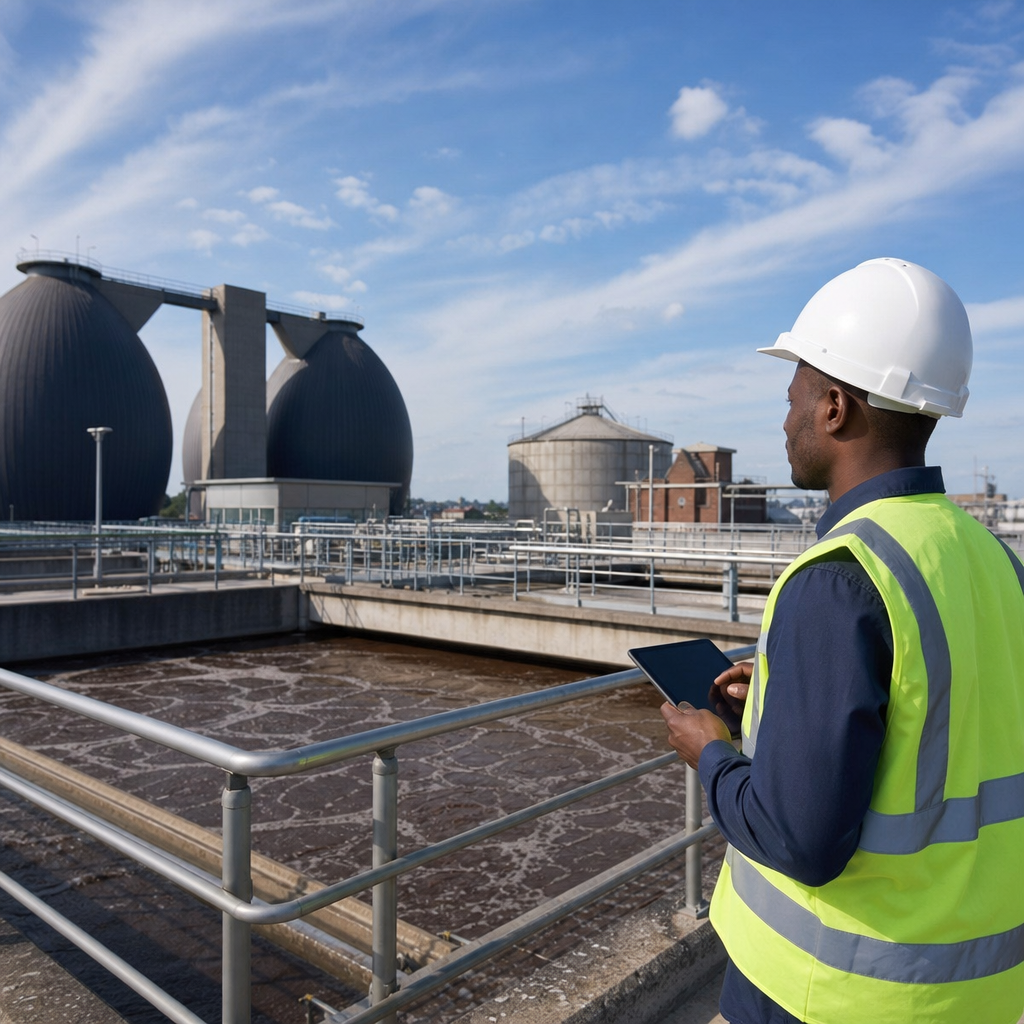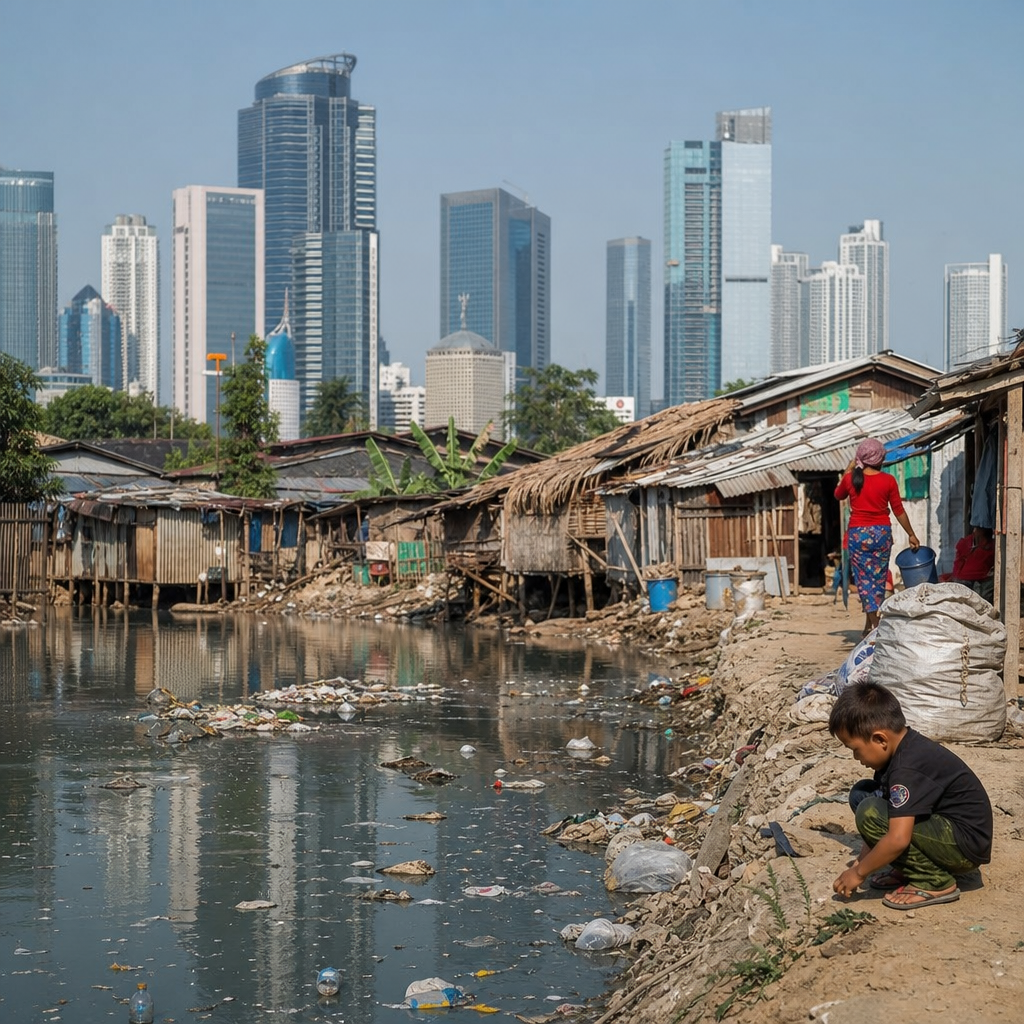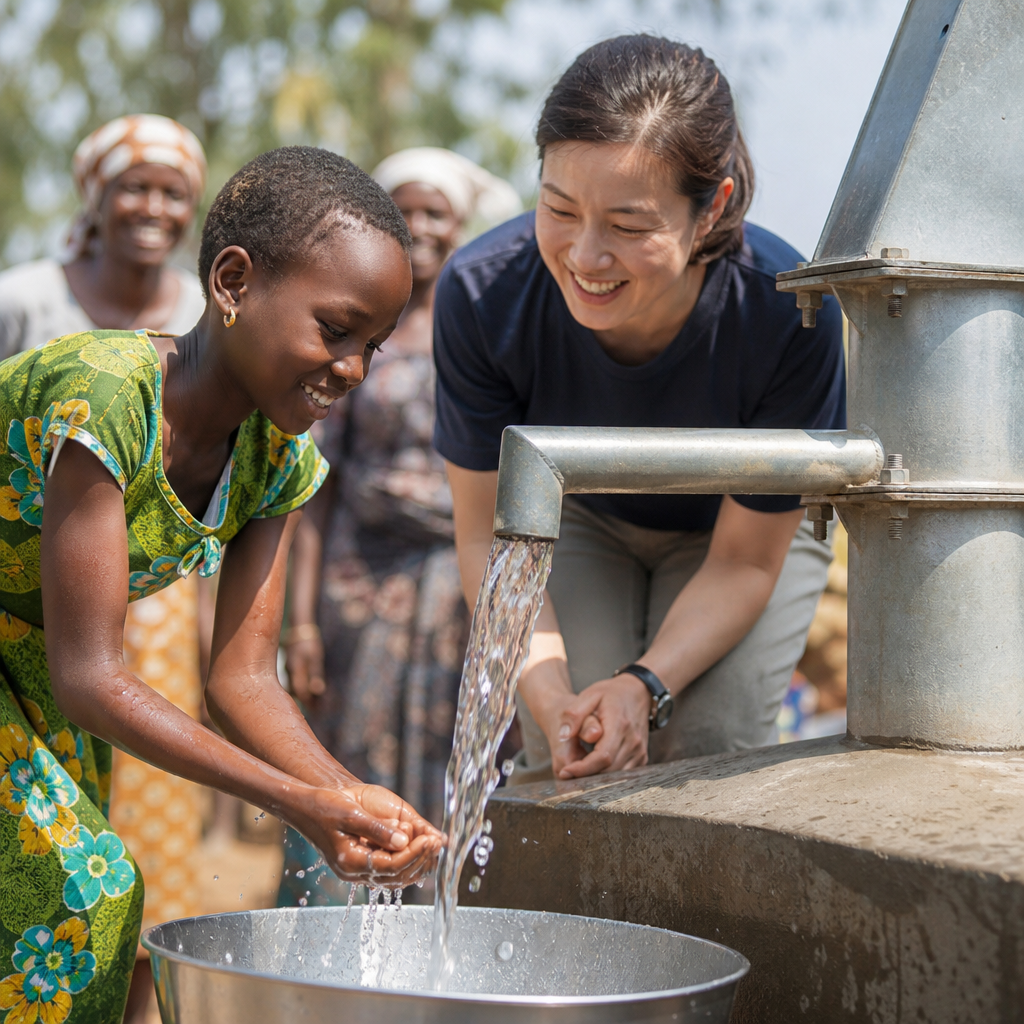
Global partnerships for clean water access and sanitation are the backbone of any serious effort to tackle sanitation challenges on a global scale. Clean water means water that is safe for drinking, cooking, and hygiene, while sanitation covers the systems that safely manage human waste, wastewater, stormwater, and hygiene services such as handwashing. In development practice, I have seen these terms used too narrowly, as if a well alone solves water insecurity or a toilet alone solves sanitation. It does not. Lasting progress depends on complete service chains: water source protection, treatment, distribution, household access, toilet design, fecal sludge management, drainage, hygiene behavior, financing, and accountable governance.
This matters because water and sanitation sit at the intersection of health, education, gender equality, climate resilience, and economic growth. The World Health Organization and UNICEF Joint Monitoring Programme has repeatedly shown that billions of people still lack safely managed drinking water or sanitation services, and hundreds of millions practice open defecation or rely on unimproved facilities. Unsafe water and poor sanitation drive diarrheal disease, cholera outbreaks, stunting, lost school days, and reduced worker productivity. Women and girls carry a disproportionate burden when they spend hours collecting water, face safety risks using distant toilets, or miss school during menstruation because facilities are inadequate.
As a hub topic within global challenges and opportunities, sanitation deserves a systems view. The core question is not whether the world knows how to build toilets or drill boreholes. It does. The harder question is how governments, utilities, nongovernmental organizations, donors, private firms, researchers, and communities can coordinate across borders to finance, build, maintain, and scale inclusive services. Global partnerships matter because sanitation is both intensely local and deeply international. Pathogens do not respect borders, supply chains for pipes and pumps are global, financing terms are often set by multilateral institutions, and climate shocks can erase years of progress in a single flood or drought.
This article explains how global partnerships work, where they succeed, why many fail, and which approaches now define best practice. It also serves as a hub for the wider sanitation subtopic by connecting the main themes decision-makers, students, nonprofits, and businesses need to understand: infrastructure, urban informality, rural service delivery, school and healthcare facilities, climate adaptation, financing, governance, innovation, and measurement. If you want a practical overview of global clean water access and sanitation, start here.
Why sanitation challenges remain global in scale
Sanitation challenges persist because they are not single-sector problems. They combine engineering constraints, weak institutions, public health risks, behavior change, land tenure issues, and chronic underinvestment. In informal settlements, I have worked with projects where toilets were built quickly, yet within a year many were unusable because pits filled, desludging trucks could not access narrow alleys, and no operator had a viable business model. The lesson is simple: infrastructure without operations is temporary.
Rapid urbanization intensifies the problem. Cities across sub-Saharan Africa and South Asia are growing faster than sewer networks, drainage systems, and treatment plants. Rural areas face a different challenge: sparse populations make centralized systems uneconomical, so sustainability depends on community management, local supply chains, and district-level support. Climate change compounds both settings through drought, salinity intrusion, flooding, and storm damage. In coastal and flood-prone zones, toilets can contaminate shallow aquifers if containment is poor. In drought-prone regions, utilities struggle to maintain pressure, forcing households to rely on unsafe sources.
Health impacts are equally broad. Poor sanitation increases exposure to bacteria, viruses, protozoa, and helminths through contaminated water, surfaces, soil, and food. The result is not only acute disease but also chronic effects such as undernutrition and impaired cognitive development. Healthcare facilities without reliable water and hygiene expose mothers and newborns to infection. Schools without toilets see lower attendance, especially for adolescent girls. That is why sanitation planning now increasingly aligns with public health surveillance, education policy, and urban resilience strategies.
How global partnerships create measurable progress
Effective partnerships align four functions: policy leadership, financing, technical delivery, and community accountability. National governments set standards, regulate providers, and integrate water, sanitation, and hygiene into development plans. Multilateral institutions such as the World Bank, UNICEF, WHO, regional development banks, and UN agencies provide financing, data frameworks, technical support, and convening power. NGOs and civil society organizations help with last-mile delivery, inclusion, social mobilization, and monitoring. Private firms contribute design, construction, treatment technology, digital tools, and operations expertise. Researchers and universities evaluate what works and why.
When these actors coordinate well, outcomes improve. Bangladesh offers a strong example in rural sanitation, where government leadership, donor alignment, local entrepreneurship, and social mobilization significantly reduced open defecation over time. The gains were not driven by subsidies alone. They came from market development for latrine components, district-level follow-up, and behavior-centered campaigns. In East Africa, citywide inclusive sanitation approaches are reshaping how municipalities think about non-sewered areas, combining fecal sludge collection, transfer stations, treatment, and reuse rather than waiting decades for universal sewer expansion.
Partnerships also matter in emergencies. After floods, earthquakes, or displacement crises, water trucking and temporary latrines are only the first step. Humanitarian and development actors must connect relief to durable systems, otherwise camps and host communities remain dependent on expensive stopgap services. The most credible partnerships plan for transition from day one: who will run the facility, who will pay for maintenance, how spare parts will be sourced, and which public authority will absorb the service into routine management.
Models that work across countries and contexts
There is no universal template, but several partnership models consistently perform better than isolated projects. The first is utility strengthening paired with targeted pro-poor investment. Rather than funding infrastructure alone, this model improves asset management, non-revenue water control, tariff design, customer databases, and operator training while extending service to underserved neighborhoods. Utilities in places such as Cambodia and parts of Zambia have shown that stronger institutions can expand coverage more reliably than one-off construction campaigns.
The second model is citywide inclusive sanitation. This approach accepts that many cities will rely on a mix of sewers, septic tanks, container-based sanitation, decentralized treatment, and fecal sludge management for the foreseeable future. It prioritizes public health outcomes across the whole city instead of focusing only on households connected to a sewer. This is especially relevant in dense settlements where conventional sewerage is technically difficult or financially unrealistic in the short term.
The third model is results-based financing. Here, funders disburse money when verified outputs or outcomes are achieved, such as functioning household connections, treated sludge volumes, or safely managed school facilities. Used carefully, this can improve accountability and reduce the incentive to overreport progress. The tradeoff is that weaker local providers may struggle with cash flow unless contracts are designed with realistic milestones and support.
| Partnership model | Best use case | Main strength | Common limitation |
|---|---|---|---|
| Utility strengthening | Urban and peri-urban network expansion | Builds long-term institutional capacity | Reform can be politically slow |
| Citywide inclusive sanitation | Dense cities with mixed service needs | Addresses entire sanitation chain | Requires coordination across agencies |
| Results-based financing | Programs needing verified delivery | Improves accountability for outcomes | Can exclude smaller providers without support |
| Community-led rural sanitation | Low-density rural districts | Encourages ownership and behavior change | Slippage occurs without follow-up services |
Financing clean water access and sanitation at scale
Money is not the only barrier, but insufficient and poorly structured finance is a central reason progress stalls. Sanitation is chronically underfunded because benefits are distributed across health, education, environment, and productivity, while costs often sit with local governments or households. Many ministries still budget for capital expenditure without protecting operations and maintenance. That creates a visible ribbon-cutting culture and an invisible failure cycle.
Strong financing strategies blend public budgets, concessional loans, grants, tariffs, microfinance, and private capital where appropriate. Public funding is essential for regulation, services in poor and remote areas, and public goods such as drainage and wastewater treatment. Tariffs can support operations when designed around affordability and service quality, but they rarely finance universal expansion on their own. Household sanitation often needs a mix of consumer financing, targeted subsidies for the poorest, and local supplier development. In several countries, sanitation marketing has helped households buy improved latrines through installment payments, but uptake depends on trust, product quality, and after-sales support.
Blended finance works best when the revenue model is clear. Fecal sludge treatment plants, for example, can combine municipal service fees with tipping fees and resource recovery from compost, briquettes, or biogas, but these by-products rarely cover full costs without strong demand and quality control. Development finance institutions increasingly require climate risk screening, social safeguards, and utility performance benchmarks before lending. That is good discipline. It pushes projects toward long-term viability rather than short-lived construction targets.
Equity, gender, and services for underserved populations
A partnership is not successful if averages improve while excluded groups remain unserved. The hardest sanitation gaps are usually found among low-income urban residents, people with disabilities, remote rural households, migrants, refugees, and communities affected by conflict. Reaching them requires design choices that standard programs often miss. Accessible toilets need ramps, handrails, adequate turning space, and doors that can be secured safely. Menstrual hygiene needs disposal options, water, privacy, and reliable maintenance. Shared facilities can be acceptable in dense settlements if they are clean, well lit, safely located, and professionally managed.
I have seen projects fail because engineers optimized around unit cost rather than user experience. A cheaper toilet block placed too far from homes or without lighting will not be used consistently, especially by women at night. Inclusive partnerships put users into planning through household surveys, participatory mapping, and grievance systems. They also disaggregate data by location, income, gender, disability, and service level so blind spots are visible.
Schools and healthcare facilities deserve special emphasis. WASH in schools improves attendance and supports learning, while WASH in healthcare facilities reduces infection risk and improves maternal and newborn outcomes. Global initiatives increasingly tie infrastructure investment to maintenance plans, cleaning budgets, and staff responsibilities. That shift is overdue. A school toilet without water, soap, or janitorial support is not a service; it is a liability.
Innovation, data, and climate resilience
Technology is most useful when it solves operational problems, not when it showcases novelty. Remote sensors can help utilities detect leaks, monitor tank levels, and reduce downtime. Geographic information systems support asset mapping and service gap analysis. Mobile money and digital billing improve collection rates in some markets. Container-based sanitation offers a safer option in flood-prone or extremely dense settlements where pits and septic tanks perform poorly. Decentralized wastewater treatment can be effective for institutions, housing clusters, and secondary towns when skilled operators and effluent standards are in place.
Data is equally important. The JMP service ladders, safely managed service definitions, and SDG 6 indicators give governments and partners a shared language for measuring progress. Strong monitoring systems track not just access, but reliability, quality, emptying frequency, treatment performance, and customer satisfaction. Independent verification matters because self-reported coverage data often exaggerates functionality.
Climate resilience must be built into every partnership now. That means protecting watersheds, diversifying water sources, elevating sanitation infrastructure in flood zones, using drought-resistant service models, and planning for energy outages. In practice, resilience also means simpler details: drain maintenance before rainy seasons, contingency chlorination supplies, backup pumps, and contracts for emergency desludging. The countries making the most durable gains are those treating water and sanitation as critical infrastructure, not charity.
What this sanitation hub should help you explore next
As a hub article, this page should guide deeper work on the major branches of tackling sanitation challenges on a global scale. The first branch is urban sanitation, including sewer expansion, non-sewered sanitation, informal settlements, and utility reform. The second is rural sanitation, where supply chains, local governance, and post-triggering follow-up often determine whether gains hold. The third is institutional WASH in schools and healthcare facilities. The fourth is financing, from tariffs and subsidies to blended capital and donor coordination. The fifth is climate adaptation and disaster resilience. The sixth is innovation, including treatment technologies, digital monitoring, and fecal sludge reuse. The seventh is policy and governance, especially regulation, decentralization, and accountability.
These branches are connected. A city cannot improve public health if wastewater management is ignored. A rural district cannot sustain open-defecation-free status if pits collapse every rainy season. A donor cannot claim value for money if maintenance budgets are absent. The most effective global partnerships understand these links and plan accordingly. They move beyond counting infrastructure and focus on whether people receive safe, reliable, affordable service over time.
Global partnerships for clean water access and sanitation succeed when they treat sanitation as a full public service, not a one-time construction exercise. The central lesson across countries is consistent: align government leadership, local accountability, technical competence, and long-term finance, and progress becomes durable. Ignore any one of those pieces and systems weaken quickly, especially in poor, fast-growing, or climate-exposed areas.
For anyone working within global challenges and opportunities, sanitation is one of the clearest places where coordinated action produces measurable human benefit. Better water and sanitation reduce disease, protect dignity, support girls’ education, strengthen health systems, and improve economic resilience. They also reveal whether institutions can deliver for the people most often left behind. That is why this topic deserves hub-level attention and sustained analysis.
Use this page as your starting point for deeper exploration of urban sanitation, rural service delivery, financing, climate resilience, school and healthcare WASH, and inclusive infrastructure design. If you are building a program, shaping policy, researching interventions, or evaluating partners, begin with the service chain, follow the incentives, and insist on evidence of sustained performance. That is how global sanitation challenges become solvable at scale.
Frequently Asked Questions
What do global partnerships for clean water access and sanitation actually involve?
Global partnerships for clean water access and sanitation bring together governments, local utilities, community organizations, NGOs, multilateral institutions, researchers, and private sector actors to solve water and sanitation challenges in a coordinated way. In practice, these partnerships are not just about funding a well or building a toilet block. They are about strengthening the full system that allows people to reliably access safe water for drinking, cooking, and hygiene, while also ensuring that human waste, wastewater, and stormwater are managed safely and sustainably.
A strong partnership usually combines several functions at once: infrastructure investment, technical support, public health planning, local workforce training, policy development, financing, data collection, and community engagement. For example, one partner may support capital costs for piped water systems, another may help train operators and maintenance teams, and another may work with local leaders to promote handwashing, menstrual hygiene, and safe sanitation use. This matters because water and sanitation outcomes depend on more than physical assets. If systems are poorly maintained, unaffordable, socially excluded, or disconnected from hygiene behavior, the long-term impact is limited.
The most effective global collaborations also recognize that clean water and sanitation are deeply interconnected. Safe water access reduces disease risk, but without proper sanitation and wastewater management, water sources can quickly become contaminated. Likewise, toilets alone do not solve sanitation if sludge is not safely collected, treated, and disposed of or reused. Global partnerships help align these moving parts, which is why they are often considered essential to achieving durable public health and development gains.
Why is it not enough to simply build wells or toilets?
Building wells and toilets can be important first steps, but they are only part of a much larger picture. Water insecurity is not solved by a single water point if that source becomes contaminated, breaks down, dries up seasonally, or is too far away for regular use. In the same way, sanitation is not solved by installing toilets if they are unsafe, inaccessible, culturally inappropriate, unaffordable to maintain, or disconnected from systems that manage waste after it leaves the latrine or toilet.
This is one of the most common misunderstandings in water, sanitation, and hygiene work. A well provides access to water, but clean water requires quality monitoring, source protection, treatment where needed, storage safety, and reliable operation over time. A toilet provides a place for waste containment, but true sanitation includes the entire service chain: capture, containment, emptying, transport, treatment, and safe disposal or reuse. If any part of that chain fails, public health risks remain.
There are also social and institutional realities to consider. Communities need clear ownership, repair systems, trained technicians, spare parts, and transparent financing models. Schools and clinics need facilities designed for women, girls, children, and people with disabilities. Urban areas need wastewater and stormwater planning, while rural areas may need decentralized approaches. Global partnerships are valuable because they help move efforts beyond one-off construction toward resilient service delivery that people can trust every day, not just on project launch day.
How do international partnerships improve long-term sustainability in water and sanitation projects?
Long-term sustainability improves when partnerships are designed around systems, not short-term outputs. International collaboration can help local institutions build the technical, financial, and operational capacity needed to keep services functioning for years. That means supporting utility governance, operator training, water safety planning, sanitation regulation, supply chains for spare parts, monitoring systems, and realistic cost recovery strategies, all alongside infrastructure development.
One major advantage of international partnerships is that they can combine global expertise with local knowledge. Engineering solutions may come from external technical teams, but community priorities, land realities, cultural norms, and day-to-day management practices must come from local actors. When those perspectives are integrated well, projects are more likely to be used properly, accepted by communities, and maintained over time. This is especially important in fragile settings or rapidly growing urban areas, where imported solutions often fail if they are not adapted to context.
Sustainability also depends on accountability. Effective partnerships establish clear roles, performance metrics, and monitoring frameworks so that results can be tracked beyond initial implementation. Instead of counting only how many taps or toilets were built, stronger partnerships ask whether water remains safe, whether sanitation services remain functional, whether wastewater is treated, whether schools have soap and handwashing stations, and whether underserved populations are being reached. That shift from construction to service reliability is what separates lasting impact from temporary success.
What role do local communities play in successful clean water and sanitation partnerships?
Local communities are central, not peripheral, to successful partnerships. No matter how well funded or technically advanced a project may be, it is unlikely to succeed if the people meant to benefit from it are not involved in planning, design, implementation, and oversight. Communities understand seasonal water availability, household priorities, safety concerns, cultural practices, and barriers to usage in ways that outside organizations often cannot fully see at first.
Community participation improves both relevance and trust. For example, residents can help determine where water points should be located, what hours service is needed, whether women and girls feel safe using sanitation facilities, and how tariffs or maintenance fees can be structured fairly. They can also identify whether facilities are accessible to older adults and people with disabilities, whether handwashing stations are practical, and whether community education is needed to support safe hygiene practices. These details have a major influence on whether infrastructure is actually used and maintained.
Beyond consultation, community members often contribute directly to governance and sustainability. Water user committees, sanitation champions, school management groups, and local health volunteers can monitor functionality, report breakdowns, promote hygiene behavior, and help protect local water sources. The strongest global partnerships do not treat communities as passive recipients of aid. They treat them as co-owners of outcomes. That approach leads to better adaptation, stronger accountability, and more durable gains in public health and dignity.
What are the biggest challenges global partnerships face in expanding clean water access and sanitation?
Global partnerships face a wide range of challenges, and many of them are structural rather than purely technical. Financing is one of the biggest barriers. Water and sanitation systems require large upfront investment, but they also need long-term operating budgets for staffing, maintenance, treatment, monitoring, and repairs. Many projects struggle because capital funding is available while long-term service funding is not. Without a credible plan for sustained operation, even well-designed systems can deteriorate quickly.
Coordination is another major challenge. Water, sanitation, hygiene, drainage, public health, education, housing, and environmental protection are often managed by different institutions with different mandates. In many countries, that fragmentation slows implementation and weakens accountability. Partnerships must work across ministries, local governments, donors, utilities, and community groups, which can be difficult without strong leadership and shared objectives. Political turnover, regulatory gaps, and uneven institutional capacity can make this even harder.
Climate change and rapid urbanization are also reshaping the sector. Droughts, floods, salinity intrusion, and extreme weather can damage infrastructure and contaminate water supplies. Informal settlements may grow faster than services can expand. In these contexts, partnerships need to be flexible, data-driven, and focused on resilience. Finally, equity remains a persistent challenge. The people most in need of safe water and sanitation are often those in remote rural communities, informal urban settlements, conflict-affected areas, or socially marginalized groups. Reaching them requires intentional planning, inclusive design, and policy commitment. That is why the most effective global partnerships are not only technical alliances but long-term, justice-oriented efforts to ensure that safe water and sanitation reach everyone.