Multilateral agencies shape sanitation progress by financing infrastructure, setting norms, coordinating governments, and turning public health evidence into large-scale action. In sanitation, the term covers the safe management of human waste across the full service chain: access to toilets, containment, emptying, transport, treatment, reuse, and final disposal. It also includes hygiene behavior, menstrual health support, wastewater management, and the institutional systems that keep services reliable. When people ask why multilateral agencies matter in sanitation initiatives, the answer is straightforward: few other actors can mobilize capital, technical standards, diplomatic leverage, and cross-border learning at the same time.
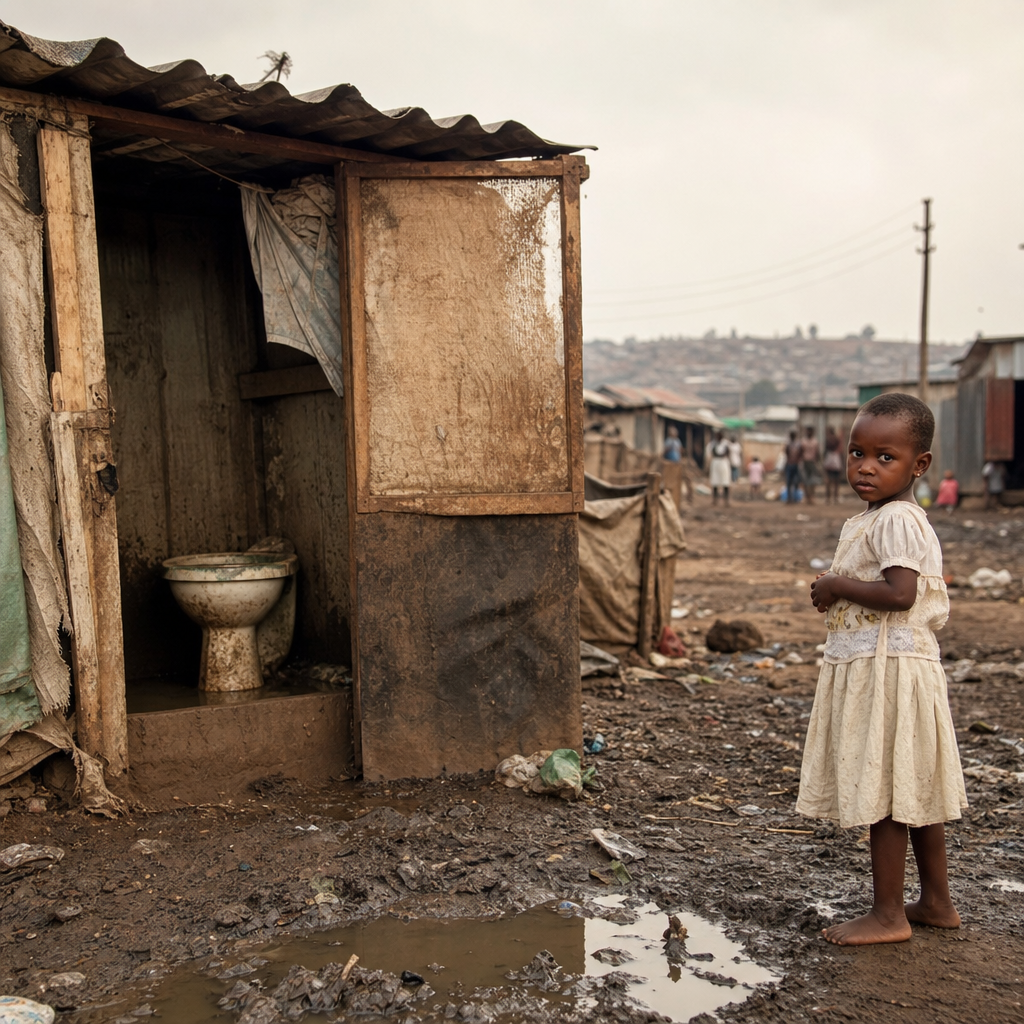
Sanitation is not a narrow engineering issue. It affects child survival, nutrition, school attendance, women’s safety, urban productivity, groundwater quality, and climate resilience. The World Health Organization has long linked poor sanitation to diarrheal disease, intestinal infections, and preventable deaths, especially among children under five. The World Bank has documented large economic losses from inadequate sanitation through health costs, lost work time, lower tourism revenue, and environmental damage. In dense informal settlements, weak fecal sludge management can contaminate drains and water sources even where toilets exist. That is why modern sanitation policy focuses on service chains and institutions, not just construction targets.
This hub article explains how global sanitation initiatives work, which multilateral agencies lead them, how collaboration is structured, what financing models are used, and where the biggest implementation gaps remain. I have worked on sanitation programs where strong donor coordination shortened procurement timelines and clarified accountability, and I have also seen projects stall because national regulations, utility incentives, and community behavior were treated as separate issues. The central lesson is consistent: sanitation improves fastest when agencies align finance, data, policy, and operations around country-owned plans. For readers exploring global challenges and opportunities, this overview maps the institutions, partnerships, and practical mechanisms that define international sanitation collaboration today.
Why Multilateral Agencies Matter in Global Sanitation
Multilateral agencies matter because sanitation suffers from three chronic barriers: underinvestment, fragmented responsibilities, and weak political visibility. Unlike roads or power plants, sanitation assets are often less visible, split across ministries, and difficult to fund through user tariffs alone. Households, municipalities, utilities, health departments, and environmental regulators may each control part of the system. Agencies such as the World Bank, UNICEF, WHO, regional development banks, and UN-Habitat help bridge these gaps by combining finance with policy support and technical guidance.
Their influence begins with agenda setting. The Sustainable Development Goals, especially SDG 6.2 on sanitation and hygiene, created a common global benchmark: safely managed sanitation services. That phrase changed the conversation. Earlier efforts often counted improved toilets without asking whether waste was safely contained and treated. Multilateral agencies pushed countries to adopt monitoring frameworks through the WHO and UNICEF Joint Monitoring Programme, which now provides the standard global dataset used by governments, researchers, and investors.
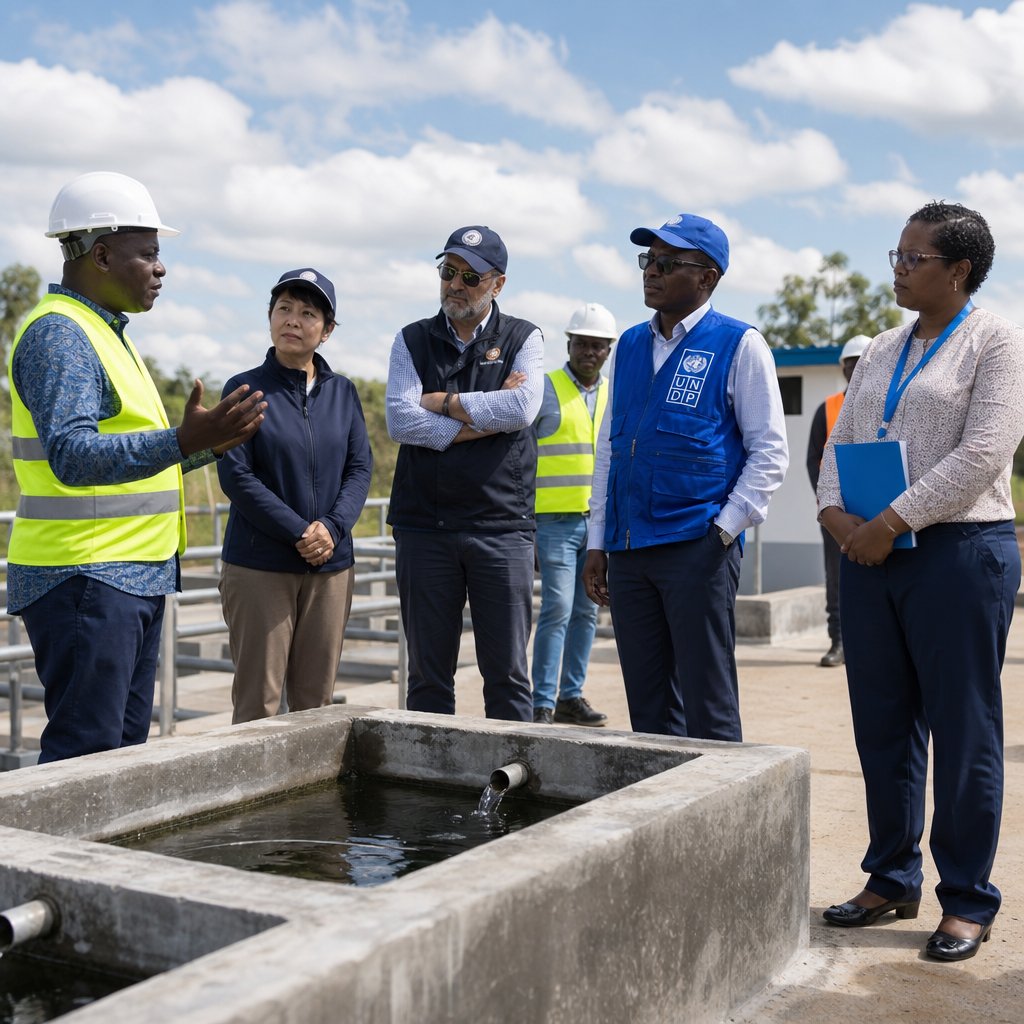
These agencies also lower transaction costs. In practice, one ministry may need engineering standards, another may need behavior change expertise, and a city utility may need credit enhancement for capital borrowing. A multilateral platform can bundle those functions. During urban sanitation planning, for example, development banks may finance treatment plants and sewer networks, UNICEF may support hygiene promotion in schools, and WHO may provide health risk guidance for wastewater reuse. That division of labor reduces duplication and gives national governments a coherent partner ecosystem.
Key Institutions and What Each One Does
No single agency runs global sanitation. The system works through complementary mandates. The World Bank is one of the largest financiers of water and sanitation infrastructure and sector reform, often supporting utilities, cities, and ministries through loans, grants, and results-based operations. UNICEF plays a leading role in rural sanitation, hygiene behavior, school WASH, and emergency response. WHO sets health-oriented norms and supports sanitation safety planning, wastewater guidelines, and disease prevention frameworks. UN-Habitat focuses on urban services, informal settlements, and city governance. Regional development banks, including the African Development Bank, Asian Development Bank, and Inter-American Development Bank, translate global frameworks into region-specific investment pipelines.
Other specialized actors are equally important. The Global Water Security and Sanitation Partnership, Sanitation and Water for All, and the UN-Water system convene governments, donors, civil society, and utilities around shared targets. The Green Climate Fund and climate adaptation facilities increasingly intersect with sanitation where flood risk, wastewater resilience, and methane management are involved. In humanitarian contexts, agencies such as UNHCR and OCHA help integrate sanitation into displacement responses, while multilateral health funds can support outbreak control where sanitation failures accelerate cholera or other waterborne disease.
The practical value of this ecosystem is specialization without isolation. A ministry of finance often trusts the macroeconomic analysis of a development bank. A ministry of health may rely on WHO standards. Local governments may engage more directly with UNICEF or UN-Habitat on community systems. Effective sanitation collaboration depends on agencies staying within their comparative advantages while working from a shared country framework.
How Global Sanitation Initiatives Are Designed and Funded
Most sanitation initiatives move through five stages: diagnostic assessment, policy alignment, financing design, implementation support, and monitoring. Diagnostics identify service gaps by geography, income group, and service chain stage. Policy alignment then clarifies who regulates onsite sanitation, who pays for sludge treatment, how tariffs are set, and what environmental standards apply. Financing design determines the blend of public budget, concessional lending, grants, household contributions, and sometimes private participation. Implementation support covers procurement, engineering, community engagement, utility reform, and contractor management. Monitoring tracks outputs, service quality, equity, and environmental compliance.
In my experience, the strongest multilateral programs spend more time than expected on institutional mapping. A city may have donor funding for toilets, yet no legal authority to license emptiers or no budget line for treatment plant operations. Agencies that ignore those details build stranded assets. Agencies that address them early can unlock durable service delivery.
| Agency type | Typical sanitation contribution | Common example |
|---|---|---|
| Development bank | Loans, grants, utility reform, procurement oversight | Financing a fecal sludge treatment plant and network upgrades |
| UN technical agency | Norms, health guidance, monitoring standards | Supporting sanitation safety planning and national indicators |
| Child-focused agency | Behavior change, school sanitation, rural outreach | Community campaigns to end open defecation |
| Urban agency | City planning, informal settlement upgrading | Integrating communal toilets into slum upgrading plans |
| Global partnership | Coordination, advocacy, mutual accountability | Bringing ministers and donors together on financing commitments |
Financing models vary by context. Rural household sanitation may rely on behavior change, targeted subsidies for poor households, and local supply chain development. Urban sewerage requires long-term capital finance, while non-sewered sanitation often needs municipal contracts for pit emptying and treatment. Results-based financing has grown because it links disbursement to verified outcomes, such as households gaining access or sludge being safely treated. That model can sharpen accountability, but only when verification systems are strong and local implementers have enough working capital to perform before reimbursement.
Major Global Collaborations and Flagship Approaches
Several collaborations define the modern sanitation landscape. The Joint Monitoring Programme is the authoritative source for global sanitation coverage estimates and trend analysis. Its classifications influence national planning, donor reporting, and investment priorities. Sanitation and Water for All has strengthened political commitment by convening finance ministers, sector ministers, donors, and civil society around mutual accountability. This matters because sanitation progress often stalls not from lack of technology but from weak coordination between policy and budget decisions.
Community-Led Total Sanitation, though implemented by governments and NGOs rather than owned by one agency, spread globally with significant support from UNICEF and partners. It helped shift attention from subsidized toilet delivery to behavior change and collective action against open defecation. The approach delivered important gains in some rural settings, but experience has shown its limits as well. It works best where follow-up is strong, markets can supply affordable latrine upgrades, and local officials remain engaged after triggering. It is less effective when poverty is deep, soil conditions are difficult, or dignity and inclusion are sacrificed for target pressure.
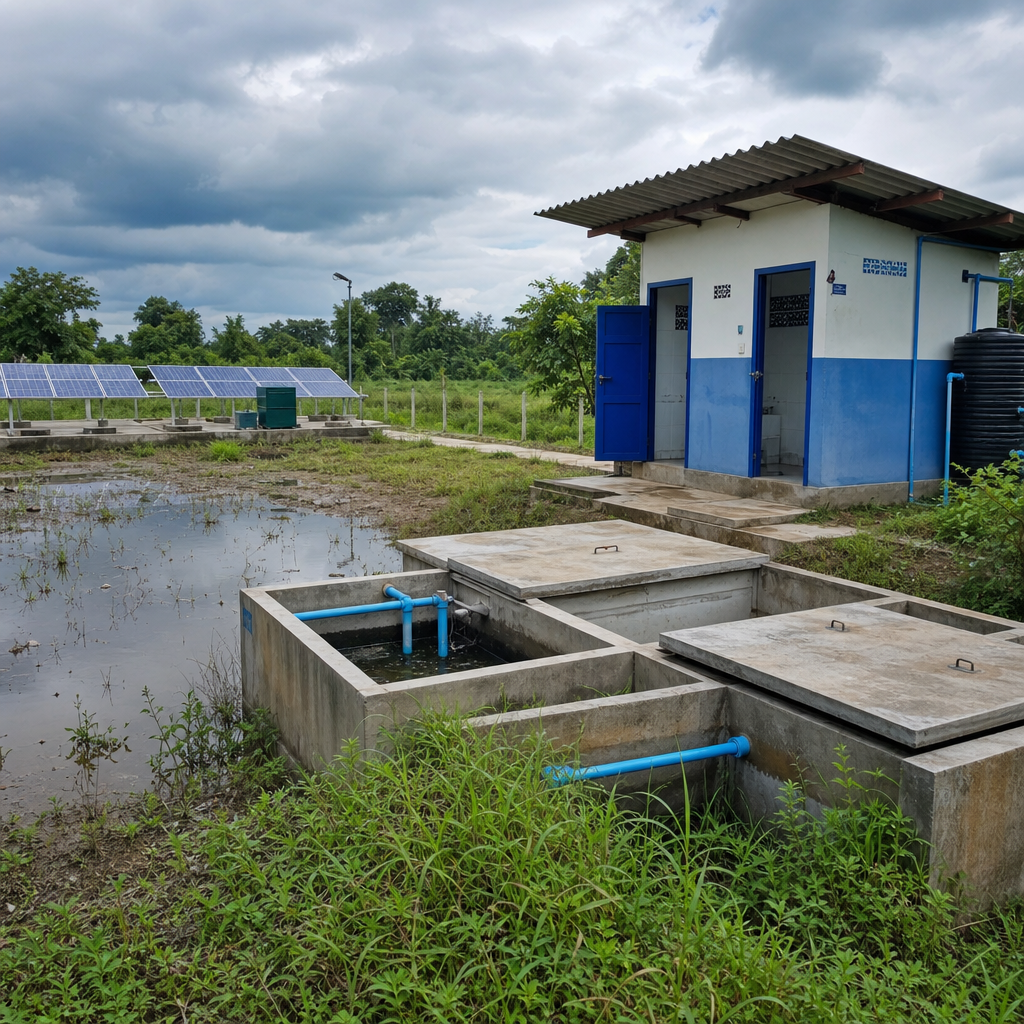
Citywide Inclusive Sanitation has become a major urban framework because it recognizes that sewers alone will not reach everyone quickly or affordably. Backed by development institutions, utilities, and city networks, it promotes mixed systems: sewers where they make sense, septic and container-based services where they do not, and treatment standards across the full chain. This approach reflects reality in many African and Asian cities where most residents depend on onsite sanitation. Multilateral agencies support it through planning tools, regulatory reform, and investment packages that treat fecal sludge management as core infrastructure rather than an interim fix.
From Policy to Practice: What Successful Programs Look Like
Successful sanitation initiatives share a repeatable pattern. First, they define the service objective clearly. Is the priority eliminating open defecation, reducing child stunting, improving urban wastewater treatment, or protecting a watershed? Second, they align incentives. Utilities need revenue and performance targets, municipalities need operational budgets, and households need services they can afford and trust. Third, they sequence investments logically. Building treatment capacity before collection systems operate below scale can waste money, while promoting toilet access without sludge services can simply relocate contamination.
Consider Bangladesh, where sustained collaboration among government, UNICEF, NGOs, and development partners contributed to major reductions in open defecation over two decades. The progress did not come from one funding cycle or one institution. It came from local government engagement, social mobilization, market development for latrine products, and repeated monitoring. Another instructive case is India’s sanitation drive under Swachh Bharat Mission, which mobilized enormous political attention and construction scale. Multilateral agencies and research institutions helped evaluate outcomes and identify where usage, sludge management, and urban wastewater treatment still required deeper follow-through. The lesson is that national campaigns can accelerate access, but durable sanitation demands systems for operation, maintenance, and safe waste management.
In urban Africa, cities such as Dakar have informed global thinking on fecal sludge management through structured emptying markets, transfer points, and treatment systems. Agencies supported planning, regulation, and financing mechanisms that made non-sewered sanitation more visible to policymakers. Those examples matter because they show that progress does not depend on copying high-income sewer models. It depends on matching service design to settlement form, income levels, hydrology, and institutional capacity.
Persistent Challenges, Tradeoffs, and What Comes Next
Despite stronger collaboration, major challenges remain. The financing gap is large, especially for operations and maintenance. Donors and lenders are often better at funding capital projects than recurring service delivery. Data gaps persist in informal settlements, secondary towns, and fragile states. Equity is a continuous concern because national averages can hide exclusion by disability, gender, caste, migration status, or location. Climate change is raising the stakes by increasing flood damage to latrines, overloading drainage systems, and spreading contamination through storm events. Conflict and displacement create further pressure, requiring sanitation systems that can be deployed quickly without abandoning long-term standards.
There are also tradeoffs. Sewerage can deliver high service levels in dense cities, but it is expensive and water intensive. Onsite systems are often cheaper and faster to expand, yet they require disciplined regulation and treatment logistics. Subsidies can improve access for poor households, but poorly designed subsidies can distort local markets or reward construction over sustained use. Multilateral agencies are most effective when they acknowledge these tradeoffs openly and help governments choose the least-cost, safest pathway rather than the most politically attractive technology.
The next phase of global sanitation collaboration will be defined by integration. Sanitation will increasingly be linked to climate adaptation, circular economy models, public health surveillance, and urban resilience planning. Methane capture from wastewater, reuse of treated effluent, digital tracking of desludging services, and blended finance for municipal systems are already moving from pilot concepts to mainstream discussion. For governments, practitioners, and researchers, the core message is clear: multilateral agencies are not peripheral actors in sanitation initiatives; they are often the institutions that make scale, standards, and sustained cooperation possible. Use this hub as a starting point, then explore the related articles on financing, governance, technology, and community implementation to build a fuller sanitation strategy.
Frequently Asked Questions
1. What do multilateral agencies actually do in sanitation initiatives?
Multilateral agencies play several roles at once, which is why they are so influential in sanitation progress. At the most visible level, they provide financing for infrastructure such as toilets, sewer networks, fecal sludge treatment facilities, wastewater systems, and service delivery improvements in schools, health centers, and underserved communities. But their role goes far beyond funding construction. They also help governments design national sanitation strategies, strengthen public institutions, improve regulation, and build the data systems needed to track whether services are safe, equitable, and sustainable over time.
Just as important, multilateral agencies help define what effective sanitation means. Modern sanitation is not only about building toilets. It includes the entire service chain: access, containment, emptying, transport, treatment, reuse, and safe final disposal of human waste. Many agencies also integrate hygiene promotion, menstrual health support, wastewater management, climate resilience, and public health protection into sanitation programming. By encouraging this broader approach, they help countries move away from short-term access targets and toward systems that actually reduce disease, protect water resources, and serve populations consistently.
Another major function is coordination. Sanitation often involves multiple ministries and authorities, including health, water, education, urban development, finance, and local government. Multilateral agencies can convene these actors, align donor support, and create common frameworks for implementation. This matters because sanitation failures are rarely caused by one missing facility alone; they are usually the result of fragmented planning, weak incentives, limited budgets, or poor accountability. Multilateral agencies help address those institutional gaps, making them central to turning sanitation policy into large-scale public health action.
2. Why are multilateral agencies so important for scaling sanitation services in low- and middle-income countries?
Sanitation is difficult to scale because it requires both physical infrastructure and durable service systems. Building a toilet is relatively straightforward compared with ensuring that waste is safely contained, collected when needed, transported, treated, and managed without harming communities or the environment. In low- and middle-income countries, governments may face financing gaps, rapid urbanization, informal settlements, limited utility capacity, and competing development priorities. Multilateral agencies are important because they can support solutions at the scale these challenges require.
One of their biggest advantages is the ability to mobilize long-term capital and pair it with technical support. National and local governments often need large investments that cannot be covered through annual budgets alone. Multilateral agencies can offer loans, grants, blended finance, and results-based mechanisms that make sanitation expansion more feasible. They also help structure projects so that investments are not isolated assets, but part of a broader service model that includes operations, maintenance, workforce training, tariff considerations, and monitoring.
They are also influential because they translate public health evidence into policy and implementation frameworks. Decades of research show that poor sanitation is linked to diarrheal disease, child stunting, environmental contamination, and wider economic losses. Multilateral agencies use that evidence to justify reforms, persuade finance ministries, and support programs that prioritize high-burden populations. In practice, this means sanitation can move from being seen as a narrow household issue to being treated as a national development priority tied to health, education, dignity, gender equity, and economic productivity.
Finally, multilateral agencies bring continuity and international experience. They work across countries and can adapt lessons from one context to another while still accounting for local realities. That comparative perspective is valuable when governments are deciding how to regulate fecal sludge management, improve sanitation in dense urban areas, or integrate climate and resilience planning into wastewater systems. Their importance lies not only in what they fund, but in how they help countries build repeatable, accountable systems for long-term service delivery.
3. How do multilateral agencies influence sanitation policy and standards?
Multilateral agencies shape sanitation policy by helping governments establish goals, definitions, regulatory frameworks, and implementation plans grounded in evidence and international best practice. This influence often begins with technical guidance. Agencies support the development of sanitation policies that define responsibilities across national and local institutions, clarify service standards, and set priorities for rural areas, urban settlements, schools, healthcare facilities, and vulnerable populations. Because sanitation intersects with public health, environmental protection, and municipal services, these frameworks are essential for avoiding fragmented or incomplete responses.
They also influence standards by promoting a service-chain perspective. Rather than measuring success only by toilet construction, multilateral agencies increasingly encourage countries to track whether waste is safely managed from the point of capture through treatment and final disposal or reuse. That shift is significant because it raises the quality of policy discussion. A city may report high toilet coverage, for example, while still discharging untreated waste into drains, waterways, or open land. Multilateral agencies help governments adopt standards and indicators that reflect actual health and environmental outcomes, not just facility counts.
In addition, these agencies often support sector diagnostics, benchmarking, and data platforms that reveal where policy reforms are needed. If regulations do not allow safe emptying services to operate, if utilities have no mandate for fecal sludge management, or if wastewater treatment is underfunded, those weaknesses can be identified and addressed through policy reform. Multilateral agencies may also help draft investment plans, revise building codes, improve environmental compliance rules, and create accountability mechanisms tied to budgets and performance.
Their role is especially important in ensuring that sanitation policy includes equity and inclusion. Strong sanitation standards should account for affordability, disability access, menstrual health needs, school sanitation, and the realities of informal settlements and peri-urban growth. By embedding these priorities into policy advice and financing conditions, multilateral agencies can help governments build standards that are not only technically sound, but also socially responsive and more likely to deliver public health gains at scale.
4. Do multilateral agencies only fund toilets and sewer systems, or do they support the full sanitation service chain?
Leading multilateral agencies increasingly support the full sanitation service chain, not just front-end infrastructure. That distinction matters because sanitation systems fail when attention stops at access. A toilet without safe containment, regular emptying, transport, treatment, and responsible end-use or disposal does not deliver the full health and environmental benefits that sanitation is meant to provide. For this reason, many agencies now frame sanitation as a managed service rather than a one-time construction output.
In practical terms, this broader support can include household and public toilet access, septic tank design improvements, fecal sludge collection services, transfer stations, treatment plants, wastewater treatment facilities, sewer rehabilitation, drainage interfaces, and systems for reuse such as treated effluent or biosolids where appropriate and safe. It can also include less visible but equally important investments such as operator training, utility strengthening, regulatory oversight, laboratory capacity, digital monitoring systems, and municipal planning tools. These are the components that allow sanitation systems to function reliably after ribbon-cutting ceremonies are over.
Multilateral agencies also often support complementary areas that strongly affect sanitation outcomes. Hygiene behavior change is a major example, because handwashing and safe hygiene practices are critical to reducing disease transmission. Menstrual health support is another, especially in schools and public institutions where inadequate sanitation can undermine attendance, safety, and dignity. Wastewater management, stormwater interactions, and climate resilience planning are also increasingly included, particularly in rapidly growing cities facing flooding, water scarcity, or pollution pressures.
So while toilets and sewers remain important, the current direction of multilateral sanitation support is much more comprehensive. The focus is on creating systems that are safe, inclusive, financially viable, and environmentally sound. That systems-based approach reflects a more mature understanding of what sanitation requires: not isolated assets, but institutions, services, behaviors, and infrastructure working together across the full chain.
5. What are the biggest challenges multilateral agencies face when supporting sanitation initiatives?
One of the biggest challenges is that sanitation is institutionally complex. Responsibility is often split across ministries, utilities, municipalities, environmental regulators, and health agencies, with no single actor fully accountable for outcomes across the entire service chain. This fragmentation can slow decision-making, create financing gaps, and leave major parts of the system, such as fecal sludge management or treatment operations, under-prioritized. Multilateral agencies may be well positioned to convene stakeholders, but aligning institutions around shared goals is still difficult and often takes years.
Another challenge is political economy. Sanitation has enormous public health importance, yet it often receives less political attention than water supply, roads, or electricity because its benefits can be less visible in the short term. Investments in sewers, treatment plants, sludge management, and regulatory reform may not generate the same immediate public recognition as household toilet campaigns or new infrastructure in other sectors. Multilateral agencies therefore have to make a strong case that sanitation is fundamental to health, human capital, environmental protection, and economic development, not a secondary service.
Affordability and sustainability are also persistent concerns. Sanitation systems require ongoing operating budgets, maintenance, trained personnel, and in many cases cost-recovery mechanisms that must be designed carefully to avoid excluding low-income households. If tariffs are too low, services may degrade; if they are too high, access and equity suffer. Multilateral agencies must balance financial viability with social inclusion, often while working in contexts where municipal revenue systems are weak and service providers have limited technical capacity.
Finally, there is the challenge of measuring success accurately. Toilet coverage alone is not enough, and reliable data on