
Ecological sanitation, often shortened to EcoSan, sits at the intersection of public health, water security, climate resilience, and circular economy policy, making it one of the most practical sanitation frameworks in global environmental governance. EcoSan refers to sanitation systems that safely recover nutrients, organic matter, and sometimes water from human waste rather than treating excreta only as something to dispose of. In practice, that can include urine-diverting dry toilets, composting systems, decentralized wastewater treatment, and reuse models that return treated outputs to agriculture or landscaping. I have worked on sanitation content and policy mapping long enough to see one pattern repeatedly: where sanitation is treated only as an engineering problem, results remain narrow; where it is treated as an environmental policy issue linked to food systems, water planning, and urban development, adoption becomes more durable.
This matters because sanitation failures are not isolated failures. Poorly managed waste contaminates groundwater, overloads rivers with nutrients, spreads enteric disease, increases methane and nitrous oxide emissions, and weakens school attendance, especially for girls and women. At the same time, conventional sewered systems can require large capital investment, steady electricity, chemical inputs, and reliable institutions that many fast-growing cities and rural districts do not yet have. EcoSan offers a different policy logic: close loops, reduce pollution at the source, and convert sanitation by-products into usable resources. That logic aligns closely with global priorities around sustainable development, climate adaptation, biodiversity protection, and resource efficiency.
Across international policy discussions, EcoSan is increasingly relevant because governments are under pressure to deliver sanitation access while also meeting water, climate, and pollution commitments. The sanitation target under the Sustainable Development Goals is often cited, but the policy landscape is broader. EcoSan touches integrated water resources management, nature-based solutions, nutrient recovery, safe reuse standards, and financing models for decentralized infrastructure. It also supports resilience in places facing drought, flood risk, fragile sewer networks, or expanding informal settlements. As a hub topic, global initiatives and collaborations in sanitation are best understood not as separate projects but as a connected architecture of targets, standards, institutions, donors, utilities, researchers, and communities.
The core question for policymakers is no longer whether sanitation influences environmental outcomes; that is settled. The real question is how global environmental policies can accelerate sanitation systems that are safe, affordable, socially accepted, and resource efficient. EcoSan provides a useful lens because it forces decision-makers to look beyond toilet access toward the full sanitation service chain: containment, collection, treatment, reuse, regulation, financing, monitoring, and long-term maintenance. It also highlights tradeoffs. Resource recovery is valuable, but only when pathogens are controlled, users are trained, and legal frameworks allow safe end use. The strongest policies recognize both the opportunity and the operational discipline required.
For readers exploring global challenges and opportunities, this article serves as a hub for the subtopic of global initiatives and collaborations in sanitation. It explains how major international frameworks shape sanitation decisions, where EcoSan fits within them, which institutions drive implementation, what financing and technology models are emerging, and where collaboration still falls short. The goal is practical clarity: understand how environmental policy translates into sanitation action on the ground, and why EcoSan deserves a central place in that conversation.
How Global Environmental Frameworks Shape EcoSan
Global environmental policy influences sanitation through targets, compliance pressures, funding eligibility, and technical guidance. The most visible anchor is Sustainable Development Goal 6, especially target 6.2 on adequate and equitable sanitation and hygiene and target 6.3 on improving water quality, wastewater treatment, and safe reuse. EcoSan fits these targets because it reduces untreated discharge and supports productive reuse. Yet its policy relevance extends beyond one goal. Nutrient recovery links to food security, reduced eutrophication supports ecosystem protection, and water-saving sanitation technologies contribute to drought resilience. When countries prepare national development plans, climate adaptation plans, or river basin strategies, EcoSan can be included as a cross-sector intervention rather than a stand-alone sanitation pilot.
International agreements and standards also influence which sanitation models gain legitimacy. The World Health Organization guidelines on sanitation and health, along with guidance on safe wastewater, excreta, and greywater use, provide the risk management basis for reuse. The Sanitation Safety Planning approach, developed by WHO, is especially important because it gives utilities, municipalities, and service providers a step-by-step method to identify hazards and control exposure from toilet to end use. In my experience, projects that frame EcoSan through sanitation safety planning are taken more seriously by regulators because they move the discussion from ideology to documented risk control.
Climate policy is another strong driver. Wastewater and excreta management contribute to greenhouse gas emissions, especially methane from anaerobic decomposition and nitrous oxide from nitrogen pathways. EcoSan systems can lower emissions when they reduce blackwater volumes, avoid energy-intensive conveyance, and recover nutrients that would otherwise require synthetic fertilizer production. That does not mean every EcoSan system is automatically low carbon. Collection logistics, treatment performance, and user behavior matter. Still, in national climate planning, decentralized and resource-recovering sanitation is increasingly recognized as part of mitigation and adaptation portfolios, particularly in water-stressed regions.
Key International Initiatives and Collaborative Platforms
Sanitation progress is driven by collaboration more than by any single institution. UN-Water coordinates messaging and reporting across the United Nations system, helping align sanitation with water, health, and development agendas. UNICEF and the World Health Organization jointly maintain the JMP, the Joint Monitoring Programme, which remains the primary global source for tracking drinking water, sanitation, and hygiene service levels. For policymakers, the JMP matters because what gets measured shapes what gets funded. If safely managed sanitation becomes the benchmark, then investments must extend beyond toilet construction to include sludge management, treatment performance, and safe reuse pathways.
Other collaborative mechanisms translate policy into implementation support. The Sanitation and Water for All partnership brings together governments, donors, development banks, civil society, and utilities around mutual accountability. The Global Water Partnership supports integrated water management discussions where sanitation increasingly features as a water quality and resilience issue. The International Water Association provides technical exchange on non-sewered sanitation, wastewater management, nutrient recovery, and utility practice. On the financing side, the World Bank, regional development banks, and bilateral agencies such as GIZ, Sida, and the Netherlands Enterprise Agency have backed sanitation programs that include decentralized and reuse-oriented models.
One reason EcoSan has remained relevant is that it benefits from both policy coalitions and technical communities. The Sustainable Sanitation Alliance, commonly known as SuSanA, has been particularly influential as a knowledge-sharing platform connecting practitioners, researchers, NGOs, consultants, and governments. Its working groups have helped normalize discussions about reuse, citywide inclusive sanitation, and non-sewered solutions. That matters because many local officials still assume modern sanitation means conventional sewer expansion only. Global collaboration platforms create the evidence base and peer examples needed to challenge that assumption.
| Initiative or Institution | Main Role in Sanitation | Relevance to EcoSan |
|---|---|---|
| WHO | Health guidelines and risk management frameworks | Supports safe reuse through sanitation safety planning and exposure control |
| UNICEF-WHO JMP | Global monitoring of sanitation access and service levels | Pushes countries to measure full service chains, not just toilet coverage |
| Sanitation and Water for All | Political coordination and accountability | Raises sanitation investment and policy visibility |
| World Bank and regional banks | Financing and sector reform support | Can scale decentralized and resource-recovering systems through programs |
| SuSanA | Knowledge exchange and practitioner collaboration | Shares evidence, case studies, and technical guidance for EcoSan adoption |
Policy Areas Where EcoSan Creates Environmental Value
EcoSan contributes most clearly in four policy areas: water conservation, nutrient management, pollution reduction, and climate resilience. Water conservation is straightforward. Urine-diverting dry toilets and other low-water systems reduce demand in areas where freshwater is scarce or expensive to pump and treat. In peri-urban settlements, where piped water is intermittent, reducing dependence on flush systems can make sanitation more reliable. Nutrient management is equally important. Human urine contains most of the nitrogen and a large share of the phosphorus excreted by households. When safely treated and reused, those nutrients can offset synthetic fertilizers, whose production depends heavily on fossil energy and mined phosphate.
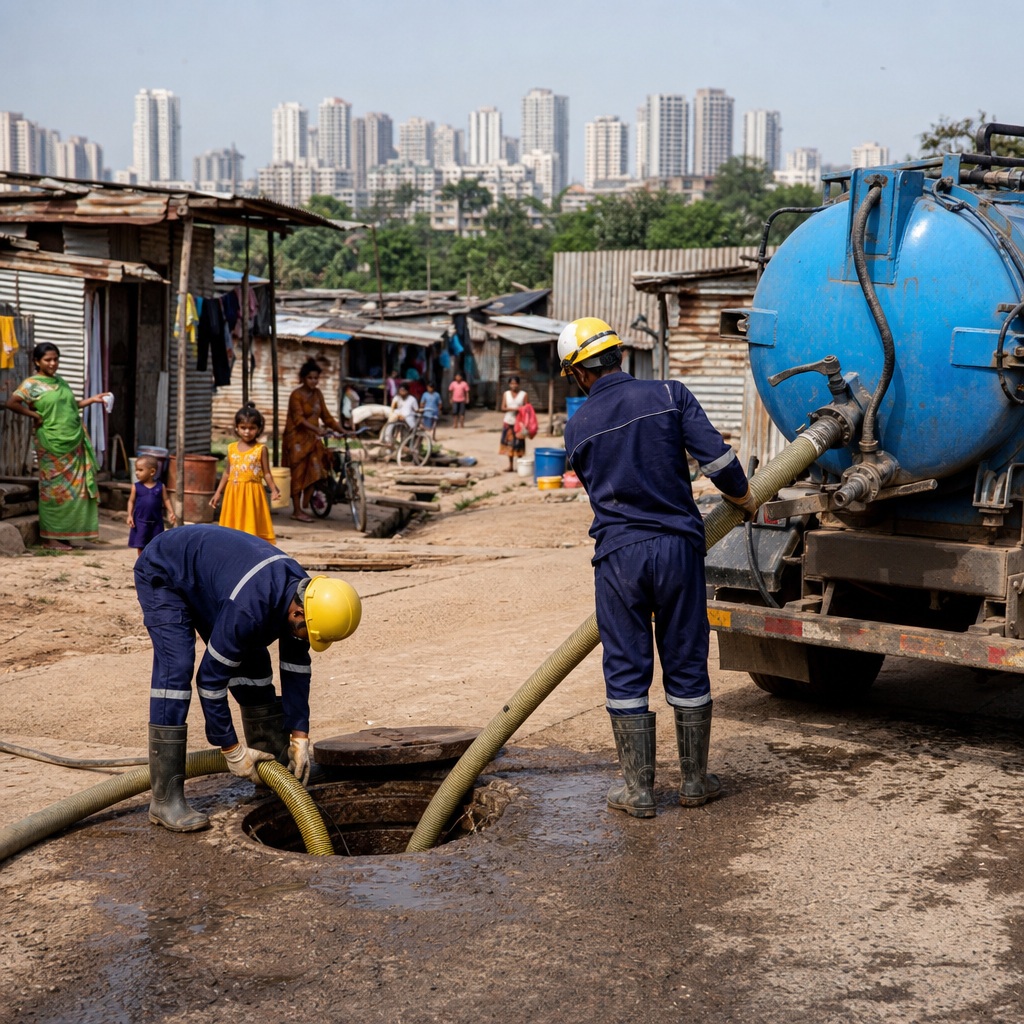
Pollution reduction is often the strongest immediate benefit. In many low- and middle-income settings, wastewater treatment coverage remains limited, and fecal sludge is frequently dumped into drains, wetlands, or waterways. EcoSan systems can prevent direct discharge by keeping waste streams separate and manageable. For example, urine diversion reduces pathogen loads in the nutrient stream and allows tailored treatment. Composting and dehydrating systems can reduce volume and improve handling if properly operated. Decentralized treatment units can serve schools, apartment clusters, or institutions where sewers are absent or overloaded. The environmental gain comes from preventing uncontrolled release, not simply from adopting an alternative toilet design.
Climate resilience adds another layer. Flood-prone communities often face septic overflow and latrine collapse, while drought-prone areas struggle to justify water-intensive flushing. EcoSan can be designed for these conditions, although design quality is critical. Raised installations, sealed storage, lined vaults, and protected reuse protocols are necessary in flood zones. In dry regions, the ability to maintain sanitation with minimal water use is a major adaptation advantage. The lesson from field practice is that EcoSan works best when matched to local hydrology, settlement density, agricultural demand, and maintenance capacity rather than promoted as a universal template.
Implementation Models, Financing, and Governance
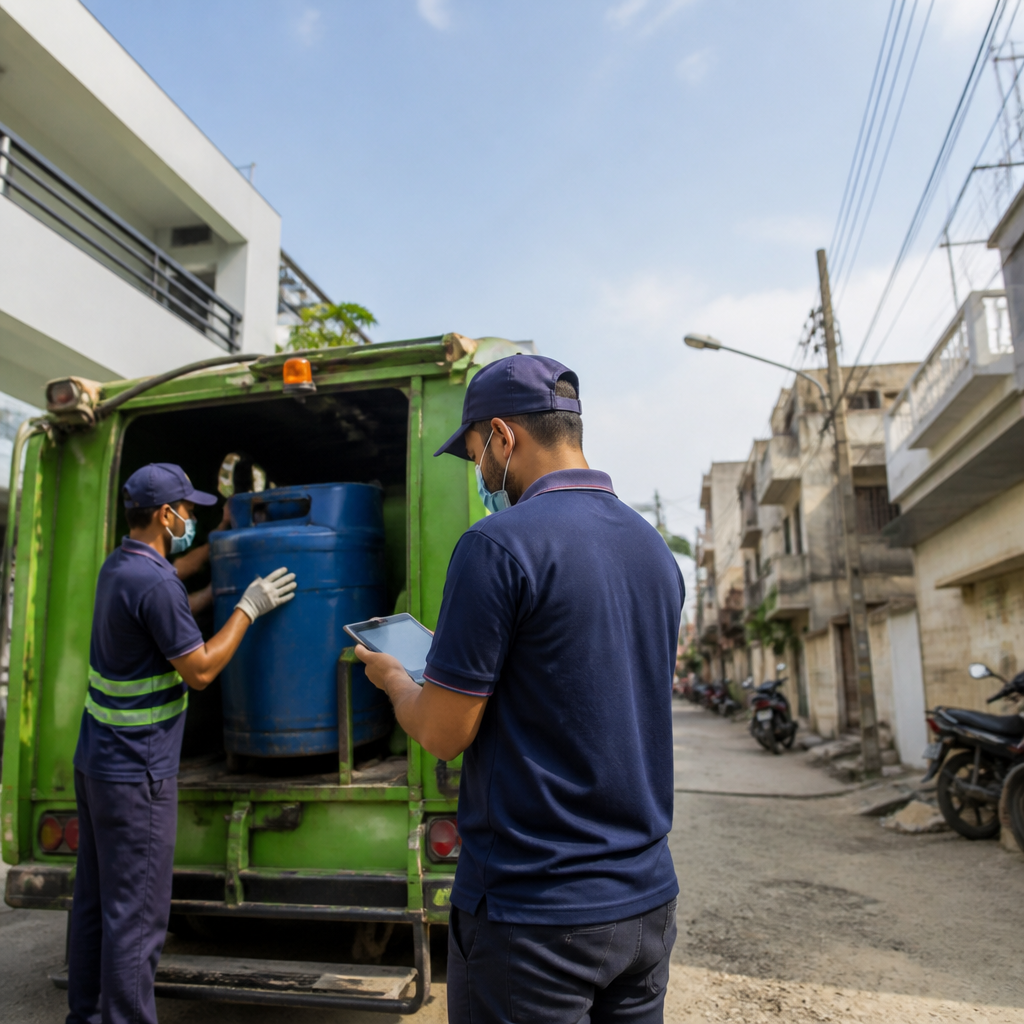
Global sanitation collaboration increasingly focuses on service delivery models, not just technologies. That shift helps EcoSan because successful systems depend on governance. Someone must be responsible for maintenance, collection, treatment verification, product quality control, user education, and occupational safety. In a rural household context, family-managed systems may work when designs are simple and extension support is strong. In dense urban settings, container-based sanitation, scheduled collection, transfer logistics, and professional treatment operators are often more realistic. Municipalities need clear by-laws, licensing rules, and land allocation for treatment and reuse facilities. Without these institutional basics, technically sound pilots stall after donor funding ends.
Financing remains one of the biggest barriers and one of the clearest opportunities. Conventional cost comparisons often underestimate EcoSan because they ignore avoided sewer expansion, reduced water demand, and agricultural value recovery. At the same time, proponents sometimes overstate revenue from compost or urine-based fertilizers. In most cases, resource sales improve economics but do not fully fund the service. Sustainable models usually blend household payments, municipal budgets, public health subsidies, climate or resilience funding, and development finance. Results-based financing, revolving funds, and sanitation tariffs can all play a role, but only if regulators accept decentralized systems as legitimate public infrastructure.
Several implementation approaches are proving useful globally. Citywide inclusive sanitation has gained traction because it focuses on delivering safe services for everyone through a mix of sewers, onsite systems, fecal sludge management, and non-sewered solutions. That framework is practical for EcoSan integration because it avoids the false choice between centralized and decentralized models. Another important trend is the rise of ISO 30500 performance standards for non-sewered sanitation systems, which help manufacturers and governments evaluate safety and treatment quality. Standardization matters. It gives procurement agencies confidence, supports local manufacturing, and reduces the perception that EcoSan is experimental or informal.
Case Examples, Persistent Barriers, and the Way Forward
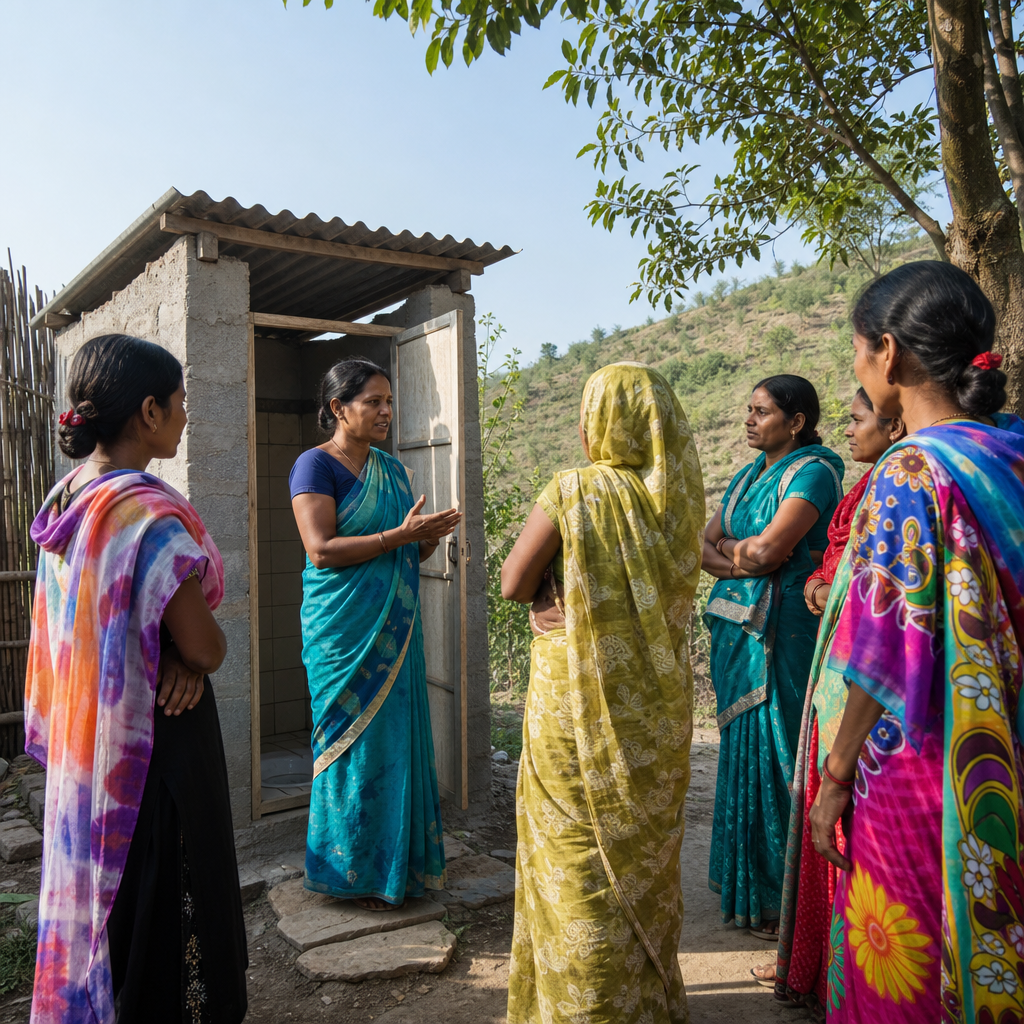
Real-world experience shows both promise and limits. Sweden helped pioneer ecological sanitation research and nutrient recycling discussions, especially around urine diversion and source separation. In parts of East Africa, NGOs and social enterprises have tested urine-diverting dry toilets, container-based systems, and compost-based reuse models in schools, informal settlements, and rural communities. South Africa has long experience with urine-diverting toilets in water-scarce areas, revealing a crucial lesson: installation numbers do not equal sustained use. Where maintenance support, user training, and product redesign were weak, acceptance suffered. Where follow-up was structured and local government stayed engaged, performance improved. The technology never succeeds on hardware alone.
The barriers are consistent across countries. Social acceptance can be difficult when users associate modernity with flush toilets or are uncomfortable handling reuse products. Regulatory frameworks may classify recovered products ambiguously, leaving operators unsure whether they are handling waste, fertilizer, or both. Agricultural uptake depends on quality assurance, transport costs, and farmer trust. Gender and accessibility issues are sometimes poorly addressed in early designs. Monitoring is another weak point. Many projects report toilets built but provide limited data on pathogen reduction, nutrient recovery rates, user satisfaction, or lifecycle cost. Global collaboration should now focus less on advocacy slogans and more on evidence-backed operational performance.
Looking ahead, EcoSan will gain ground where policy makers connect sanitation to larger environmental strategies instead of isolating it inside narrow infrastructure departments. The strongest pathway is integrated planning: combine sanitation targets with water reuse rules, fertilizer policy, climate adaptation measures, and urban resilience investment. Support utilities and local governments with standards, training, and procurement guidance. Fund long-term service systems, not short-term installations. Build national monitoring around safe management and verified reuse outcomes. For organizations working across global challenges and opportunities, this is the central takeaway: EcoSan is not a fringe alternative but a policy-ready approach for cleaner water, stronger resilience, and smarter resource use. Explore the linked articles in this hub to examine specific initiatives, financing models, technologies, and regional partnerships in greater depth.
Frequently Asked Questions
What is EcoSan, and why is it important in global environmental policy?
Ecological sanitation, or EcoSan, is an approach to sanitation that treats human waste as a resource that can be safely recovered and reused rather than simply disposed of. Instead of relying only on conventional sewer-based systems that often consume large amounts of water and energy, EcoSan systems are designed to recover nutrients such as nitrogen and phosphorus, organic matter, and in some cases water. Common examples include urine-diverting dry toilets, composting toilets, and decentralized treatment systems that allow safe reuse in agriculture or landscaping.
Its policy relevance is growing because EcoSan supports several environmental and development priorities at the same time. It can reduce freshwater demand, limit pollution entering rivers and coastal waters, lower dependence on synthetic fertilizers, and improve sanitation access in places where centralized infrastructure is expensive or impractical. In the context of global environmental policy, EcoSan is especially important because it aligns with integrated resource management, climate adaptation, circular economy principles, and public health protection. That combination makes it more than a sanitation technology; it is a governance tool that connects waste management, food systems, water stewardship, and resilience planning.
How does EcoSan support international sustainability and climate goals?
EcoSan contributes directly to many of the goals that shape international environmental policy. It is closely tied to the Sustainable Development Goals, especially those related to clean water and sanitation, good health, sustainable cities, responsible consumption, climate action, and life below water. By reducing untreated wastewater discharge and encouraging safe reuse of nutrients and water, EcoSan helps governments move toward more efficient and less polluting sanitation systems.
From a climate perspective, EcoSan can also play a meaningful role. Conventional sanitation and wastewater treatment can be energy-intensive and may generate greenhouse gas emissions if waste is poorly managed. EcoSan systems, particularly decentralized and low-water designs, can reduce infrastructure burdens and in some contexts lower emissions linked to pumping, treatment, and fertilizer production. They also strengthen climate resilience by offering sanitation options in drought-prone, flood-affected, or infrastructure-limited areas. Because global climate policy increasingly values adaptation, resource efficiency, and local resilience, EcoSan fits well within broader strategies for sustainable development and environmental risk reduction.
What are the main environmental benefits of EcoSan compared with conventional sanitation systems?
One of the biggest environmental advantages of EcoSan is nutrient recovery. Conventional sanitation systems often flush valuable nutrients away, after which they become pollutants in waterways or are lost during treatment. EcoSan aims to capture and safely process those nutrients so they can be returned to soils, reducing waste and supporting agricultural productivity. This is particularly significant for phosphorus, which is a finite resource and essential for food production.
EcoSan also offers major water-saving benefits. Many systems use little or no water for transport, making them especially valuable in regions facing water scarcity or high costs for water supply and wastewater treatment. In addition, by reducing sewage discharge and leakage, EcoSan can help prevent eutrophication, groundwater contamination, and broader ecosystem damage. Another important benefit is its compatibility with decentralized infrastructure. Instead of requiring large sewer networks that are expensive to build and maintain, EcoSan can be implemented at household, community, or institutional scale. That flexibility can reduce environmental disturbance, improve access in underserved areas, and create more locally manageable sanitation solutions.
What policy challenges affect the adoption of EcoSan around the world?
Although EcoSan offers strong environmental and social benefits, its wider adoption often depends on policy reform and institutional coordination. One major challenge is that sanitation regulations in many countries were written primarily for centralized sewer systems and may not clearly support reuse-based or decentralized models. This can create uncertainty around health standards, treatment requirements, product certification, and responsibility for operation and maintenance. Without clear rules and oversight, even well-designed EcoSan initiatives can struggle to scale.
There are also financial, cultural, and governance barriers. In some places, public investment still favors conventional infrastructure because it is more familiar to planners, utilities, and lenders. Social acceptance can be another issue, especially where there is limited awareness about safe resource recovery from human waste. EcoSan often requires education, training, and behavior change alongside hardware installation. Successful policy frameworks usually combine sanitation regulation, agricultural reuse standards, local capacity building, and public communication. In other words, the challenge is not only technical feasibility; it is creating a policy environment that recognizes sanitation as part of a broader circular and ecological system.
How can governments and institutions integrate EcoSan into future environmental strategies?
Governments can begin by recognizing EcoSan as a legitimate component of national sanitation, water, climate, and circular economy planning rather than treating it as a niche alternative. That means updating regulations to allow safe decentralized treatment and reuse, setting health-based standards for recovered products, and incorporating EcoSan into building codes, rural development programs, and urban resilience plans. Public agencies can also support pilot projects, demonstration sites, and monitoring systems that generate evidence on performance, safety, cost-effectiveness, and user acceptance.
Long-term integration works best when EcoSan is linked to cross-sector policy goals. For example, ministries responsible for sanitation, agriculture, environment, and climate adaptation can collaborate to create incentives for nutrient recovery, water conservation, and low-impact waste management. Schools, housing developments, refugee settlements, peri-urban communities, and drought-vulnerable regions are often strong entry points for implementation. International development institutions and city governments can further support EcoSan through technical standards, financing mechanisms, and knowledge-sharing networks. As environmental policy shifts toward regenerative systems and resource efficiency, EcoSan gives institutions a practical way to turn sanitation from a disposal problem into a cornerstone of sustainable infrastructure.