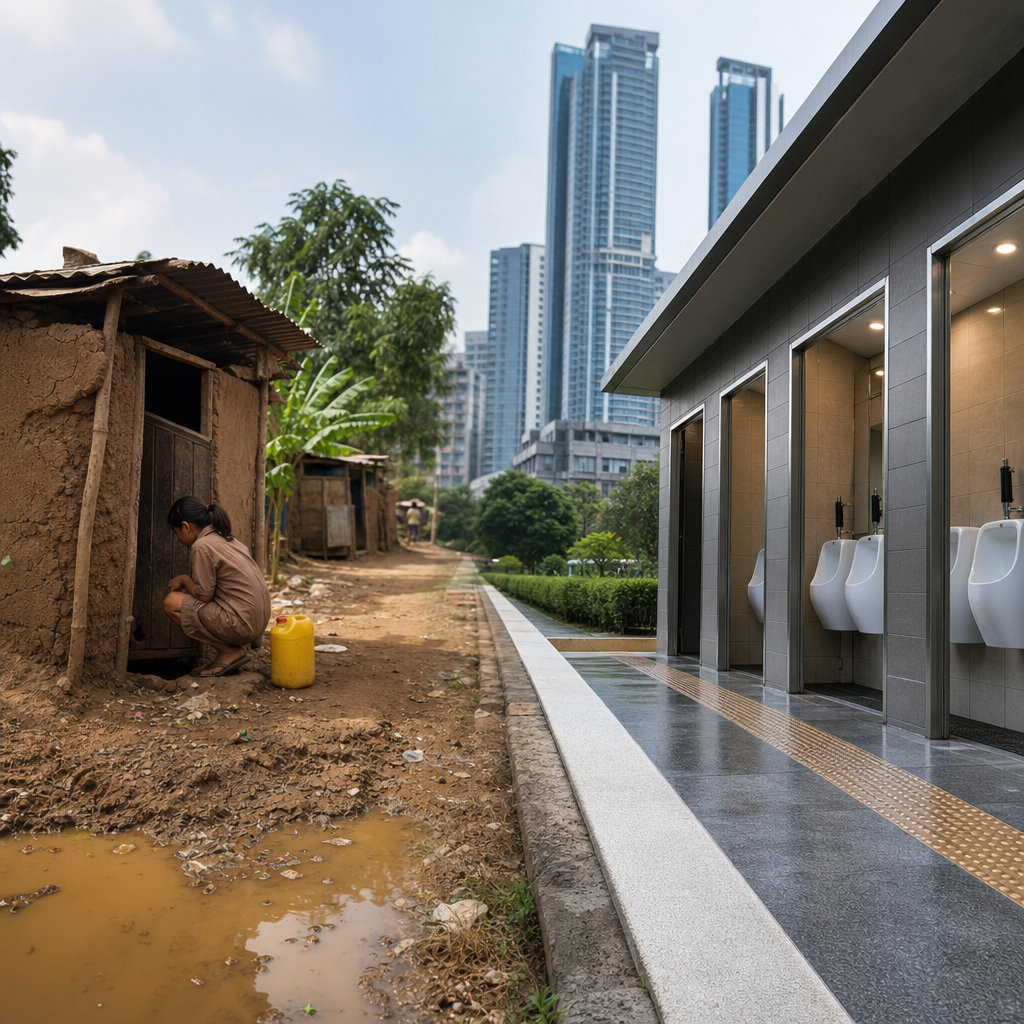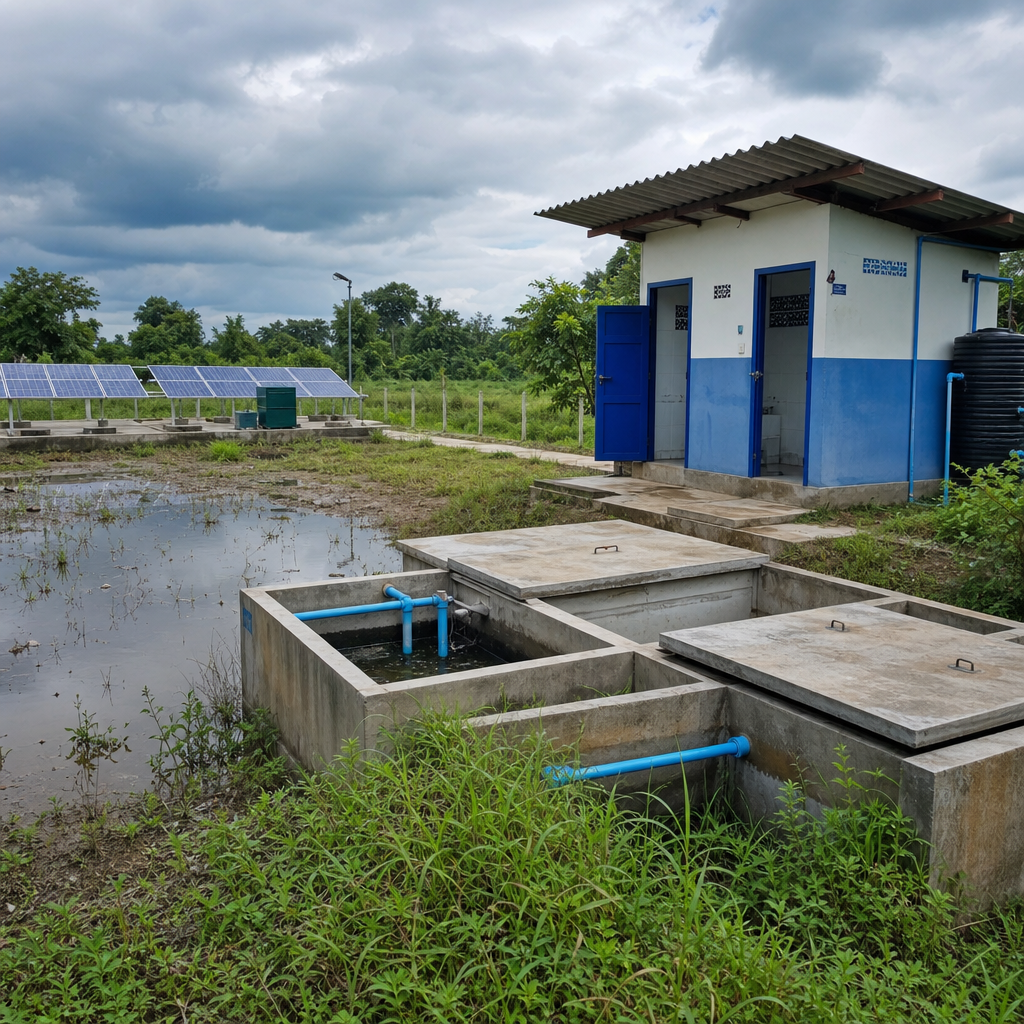
Developing international standards for sanitation is one of the clearest ways to turn a basic human need into a measurable public health system that governments, utilities, donors, and manufacturers can improve together. In practice, sanitation standards define what safe service looks like across the full chain: toilet access, containment, emptying, transport, treatment, reuse, worker protection, environmental discharge, and user dignity. They matter because poor sanitation still drives diarrheal disease, stunting, lost school days, unsafe work, and polluted waterways, especially in rapidly growing cities and underserved rural areas. I have worked on sanitation programs where the hardest problem was not choosing a technology, but aligning ministries, local operators, NGOs, and financiers around comparable targets. International standards make that alignment possible. They create common terminology, minimum performance thresholds, testing methods, and reporting expectations, so a container-based sanitation service in one country or a fecal sludge treatment plant in another can be assessed on transparent criteria. For a hub article on global initiatives and collaborations in sanitation, the key point is simple: standards are not abstract paperwork. They are the operating language that connects the Sustainable Development Goals, the World Health Organization’s sanitation safety planning guidance, ISO technical committees, UNICEF and World Bank programs, utility benchmarking, and city-level regulation into a coherent global effort.
Why global sanitation standards are needed
Sanitation fails when systems are fragmented. A household may have a toilet, yet waste leaks from a cracked pit, is emptied unsafely, or is dumped untreated into drains or rivers. That is why the modern sector no longer measures success by toilet counts alone. The accepted service-chain approach tracks excreta from capture to final disposal or beneficial reuse. International standards are needed because countries start from different legal traditions, engineering capacities, financing models, and urban forms, but they still face the same core risks: pathogen exposure, groundwater contamination, occupational hazards, greenhouse gas emissions, and inequitable access for women, children, people with disabilities, and informal settlements. Shared standards help compare service levels across these differences. They also reduce procurement confusion. When a ministry buys school toilets, handwashing facilities, sludge pumps, or treatment equipment, standardized specifications lower the chance of mismatched parts, unsafe designs, or exaggerated vendor claims. In my experience, donor-funded sanitation projects move faster when bid documents reference recognized standards instead of ad hoc descriptions written from scratch. That consistency supports better regulation and better finance. Lenders and development banks are more willing to back sanitation infrastructure when monitoring indicators, laboratory methods, and environmental compliance expectations are explicit and repeatable. Standards therefore improve both accountability and bankability.
The institutions shaping international sanitation standards
No single organization governs sanitation globally. Instead, progress comes from layered collaboration. The World Health Organization sets influential public health guidance, including sanitation safety planning, wastewater and reuse risk management, and norms linked to disease prevention. UNICEF drives policy and implementation support for household, school, and healthcare facility sanitation, especially through WASH programming. The World Bank, regional development banks, and bilateral agencies fund infrastructure and sector reform while promoting utility performance frameworks and inclusive service delivery. The Joint Monitoring Programme of WHO and UNICEF provides the best-known global metrics for drinking water, sanitation, and hygiene under SDG 6, including the widely used ladder from unimproved service to safely managed sanitation. On the formal standardization side, the International Organization for Standardization develops technical standards through expert committees that include regulators, engineers, manufacturers, testing bodies, and national standards agencies. ISO 30500, for example, established performance requirements and test methods for non-sewered sanitation systems, a major milestone for innovations designed for areas where sewer expansion is impractical. Partnerships such as the SuSanA network, the Toilet Board Coalition, and city alliances create the less formal but equally important spaces where operators, researchers, social enterprises, and governments compare evidence and push emerging practice toward consensus. That ecosystem matters because sanitation advances when public health guidance, engineering standards, financing criteria, and field experience reinforce each other rather than compete.
Core areas where standards create the most value
International sanitation standards are most useful when they define outcomes, not just hardware. The strongest frameworks cover safety, service quality, inclusivity, resilience, and environmental protection. Safety includes pathogen reduction, containment integrity, safe emptying procedures, and treated effluent or biosolids meeting discharge or reuse requirements. Service quality includes reliability, accessibility, maintenance intervals, odor control, and user satisfaction. Inclusivity requires design features such as menstrual hygiene support, child-friendly interfaces, disability access, privacy, lighting, and location safety. Resilience addresses flood risk, drought, power outages, conflict settings, and climate-related stresses that can disable centralized systems. Environmental protection covers nutrient releases, eutrophication, groundwater infiltration, and sludge disposal. These areas intersect across technologies. A flush toilet connected to a sewer is not inherently superior if treatment fails and downstream pollution rises. Likewise, an on-site system is not adequate unless emptying and treatment are managed safely. A useful way to understand this is to compare standards by function.
| Sanitation area | What standards define | Why it matters | Example of global relevance |
|---|---|---|---|
| User interface | Privacy, cleanliness, accessibility, handwashing linkage | Improves use, dignity, and disease prevention | School and healthcare facility sanitation design |
| Containment | Leakage control, structural integrity, storage volume | Prevents soil and groundwater contamination | Septic tanks and lined pits in dense settlements |
| Emptying and transport | Worker safety, equipment performance, spill prevention | Reduces exposure for operators and communities | Vacuum truck and small-scale desludging services |
| Treatment | Pathogen reduction, process control, monitoring methods | Protects waterways and enables safe reuse | Fecal sludge treatment plants and DEWATS systems |
| Reuse or disposal | Quality thresholds for biosolids, effluent, energy recovery | Supports circular economy without raising health risk | Agricultural reuse, compost, and briquettes |
When these functions are standardized, countries can adapt technologies locally without losing sight of health outcomes. That is the real value of international guidance: it provides a common floor while leaving room for context-specific design.
Global initiatives moving standards from policy to practice
Several global initiatives have shifted sanitation from isolated projects toward shared standards and comparable results. SDG 6.2 created a common international target for access to adequate and equitable sanitation and hygiene, with special attention to women, girls, and people in vulnerable situations. Because the target emphasizes safely managed services, it pushed governments and funders beyond counting latrines toward measuring containment, transport, treatment, and disposal. The WHO sanitation safety planning approach translated that ambition into a practical risk management process modeled on preventive public health logic: identify hazards along the sanitation chain, assess exposure routes, define control measures, monitor performance, and verify improvement. That framework has been applied by utilities and municipalities to prioritize investments where surveillance data and budgets are limited. Citywide Inclusive Sanitation, promoted by the World Bank and partners, has also been influential. It argues that cities must deliver equitable sanitation outcomes using a mix of sewers, non-sewered systems, and fecal sludge management rather than relying on a single network model. In implementation, that means standards for service quality must apply to all neighborhoods, including informal settlements. Another important initiative is the growth of standards for non-sewered sanitation, which opened the door for independently tested systems serving apartments, schools, refugee settings, and peri-urban zones where conventional sewers are too slow or costly to extend. These initiatives work because they connect global policy to operational questions that local authorities actually face.
Collaboration models that make standards stick
Sanitation standards only matter if they are adopted, financed, enforced, and updated. The most effective collaborations share four features. First, they combine ministries that usually work separately, including health, water, urban development, education, environment, and labor. Occupational safety in desludging, for example, often falls between agencies unless standards explicitly assign responsibilities. Second, they involve local service providers early. Utilities, emptiers, pit emptier associations, and private treatment operators can quickly identify whether a proposed requirement is realistic, too costly, or easy to evade. Third, they connect academic evidence with field validation. Research institutions can demonstrate pathogen reduction or nutrient recovery performance, but city pilots reveal maintenance burdens, electricity needs, spare-parts constraints, and user behavior that determine real results. Fourth, durable collaborations tie standards to incentives. Procurement rules, licensing, tariff design, output-based aid, and results-based financing can all reward compliance. I have seen municipalities make faster progress once fecal sludge operators could only renew licenses by proving safe disposal at approved treatment sites. That single regulatory link changed behavior more effectively than awareness campaigns alone. International collaboration also helps countries avoid reinventing methods for sampling, lab testing, operator certification, or accessibility audits. Shared templates shorten reform timelines. The best standards programs therefore act less like one-off conferences and more like living implementation platforms supported by data, training, and periodic revision.
Challenges, tradeoffs, and the path ahead
Developing international sanitation standards is difficult because sanitation is intensely local. Soil conditions, water availability, settlement density, land tenure, climate, and household income all shape what is feasible. A standard that is too rigid can block innovation or make compliance impossible for low-capacity municipalities. A standard that is too vague becomes symbolic and unenforceable. Cost is another real constraint. Testing protocols, accredited laboratories, and operator certification systems improve safety, but they require sustained funding. Informal providers also complicate implementation. In many cities, small emptiers and transporters deliver essential services long before regulators recognize them. Bringing them into compliance demands phased regulation, training, and realistic transition periods, not sudden bans. Data gaps remain serious as well. Many countries still lack reliable fecal sludge flow mapping, treatment performance data, or occupational health records. Without those baselines, standards can exist on paper without changing outcomes. The path ahead is clear nonetheless. Future standards will need to integrate climate resilience, antimicrobial resistance concerns, digital monitoring, and resource recovery economics more explicitly. They should also align sanitation with housing, drainage, and public space planning, since contaminated floodwater and poor solid waste management often undermine sanitation gains. For governments and development partners, the practical next step is to review existing national rules against recognized global guidance, identify the biggest service-chain gaps, and build collaborative implementation plans around them. Strong standards do not replace local judgment. They give it a tested foundation, helping countries scale safer, more inclusive sanitation systems faster. If your organization works on global challenges and opportunities, use this hub as a starting point and map every sanitation initiative back to one question: does it create consistently safe service for everyone?
Frequently Asked Questions
What does it mean to develop international standards for sanitation?
Developing international standards for sanitation means creating shared, evidence-based benchmarks that define what safe, effective, and dignified sanitation should look like across different countries and service settings. Rather than focusing only on toilets, these standards typically cover the entire sanitation service chain: access to appropriate facilities, safe containment of waste, hygienic emptying, secure transport, effective treatment, responsible reuse or disposal, worker safety, environmental protection, and the experience of users. The goal is to give governments, utilities, regulators, donors, manufacturers, and service providers a common language for performance and accountability.
In practical terms, standards translate a broad public health objective into measurable requirements. They help answer questions such as: What counts as safely managed sanitation? How should fecal sludge be contained and handled? What level of pathogen reduction is acceptable at a treatment facility? What protective equipment and procedures are required for sanitation workers? How should systems protect groundwater, nearby waterways, and neighborhoods? By setting clear expectations, standards make it easier to design systems, compare performance, guide procurement, and improve services over time.
International standards are especially valuable because sanitation challenges vary widely. Dense urban settlements, rural communities, informal neighborhoods, schools, health facilities, and refugee settings all face different constraints. Good standards do not impose a single technology everywhere; instead, they establish minimum outcomes for safety, reliability, and dignity while allowing flexibility in how those outcomes are achieved. That balance is what makes standards useful both for public health planning and for real-world implementation.
Why are international sanitation standards so important for public health?
International sanitation standards matter because poor sanitation remains a major driver of disease, especially diarrheal illness, intestinal infections, and other conditions linked to human waste exposure. When sanitation systems fail at any point in the chain, pathogens can spread through water, soil, food, hands, insects, and surfaces. Standards help break those transmission pathways by defining what safe service requires from the household level all the way to treatment and final discharge or reuse.
From a public health perspective, standards create consistency. Without them, one city may consider a pit latrine “improved” even if it leaks into groundwater, while another may report service access without measuring whether waste is ever safely treated. That inconsistency makes it difficult to assess risk, compare outcomes, or prioritize investments. International standards improve this by aligning reporting and performance around health-based criteria, not just infrastructure counts. A toilet alone is not enough if the waste is later emptied unsafely, dumped into drains, or handled without protection.
Standards also strengthen prevention. They support disease control by promoting safer design, operation, monitoring, and maintenance. For example, standards can specify containment performance, treatment thresholds, safe sludge handling procedures, and discharge limits that reduce environmental contamination. They can also require attention to handwashing access, accessibility, privacy, menstrual hygiene considerations, and the needs of children, older adults, and people with disabilities. In that sense, sanitation standards are not just technical documents; they are public health tools that help turn sanitation from a patchwork of facilities into a reliable system for reducing illness and protecting communities.
What areas should international sanitation standards cover?
Strong international sanitation standards should cover the full sanitation value chain, because health risks do not begin or end with the toilet. At the front end, standards should address access, usability, privacy, cleanliness, odor control, lighting, accessibility, safety for women and girls, and the dignity of users. Facilities should be designed to work for diverse populations, including people with disabilities, older adults, children, and those in schools, health centers, workplaces, and public spaces. Standards should also consider affordability and cultural appropriateness so that facilities are actually used and maintained.
Beyond access, standards should define requirements for containment and conveyance. This includes septic tanks, pits, sewer connections, onsite systems, and other containment options. They should specify how systems prevent leaks, overflow, structural failure, and contamination of soil and water sources. Standards for emptying and transport are equally important, covering operator training, equipment performance, spill prevention, route management, vehicle hygiene, and emergency procedures. Without this middle portion of the chain, sanitation services can appear functional while creating serious downstream hazards.
Treatment, reuse, and disposal are also essential. International standards should define treatment objectives based on risk reduction, including pathogen removal, solids management, and safe handling of byproducts. Where reuse is practiced, such as in agriculture, energy generation, or soil products, standards should address quality thresholds and exposure controls. Worker health and safety should be a dedicated area as well, covering personal protective equipment, vaccination policies where appropriate, training, confined-space protocols, and legal protections. Finally, standards should include monitoring, testing, reporting, environmental discharge limits, and performance verification so that compliance can be measured rather than assumed. The most effective standards are comprehensive enough to protect health, yet practical enough to guide implementation in varied economic and technical contexts.
Who uses sanitation standards, and how do they influence real-world decisions?
Sanitation standards are used by a wide range of actors, and each group relies on them for different decisions. Governments and regulators use standards to write laws, establish service requirements, license operators, set discharge rules, and monitor compliance. Utilities and municipal authorities use them to plan infrastructure, manage service contracts, improve operations, and track whether systems are meeting health and environmental targets. Donors and development banks often rely on standards to evaluate projects, define safeguards, and determine whether investments support long-term, safe service delivery rather than short-term construction alone.
Manufacturers, engineers, and service providers also benefit directly from international standards. Product makers can design toilets, tanks, pumps, treatment units, and protective equipment to recognized specifications, which helps improve quality and interoperability across markets. Engineers can use standards during design and procurement to compare options more fairly and reduce ambiguity in technical requirements. Service providers, including pit emptying operators and treatment plant managers, can use them as practical guidance for training, safety, maintenance, and recordkeeping. Shared standards reduce confusion and support more predictable, scalable service delivery.
For communities and civil society, standards create transparency. They make it easier to ask whether a service is truly safe, inclusive, and reliable, rather than simply present. They also support better measurement, which is critical for accountability. If cities and countries use comparable indicators, it becomes easier to identify gaps, target underserved populations, and evaluate progress over time. In the real world, that means standards influence everything from the wording of a tender document to the design of a school toilet, the route of a sludge truck, the staffing of a treatment plant, and the way national progress toward sanitation goals is reported.
What challenges arise when creating international sanitation standards, and how can they be addressed?
One of the biggest challenges is the sheer diversity of sanitation contexts. A standard that works well for a high-income city with a large sewer network may not fit a rapidly growing informal settlement, a flood-prone rural district, or an emergency camp. Climate, water availability, land constraints, governance capacity, income levels, and social norms all affect what is feasible. For that reason, international sanitation standards must avoid being overly rigid or technology-specific. They should focus on health outcomes, safety principles, and performance requirements while allowing multiple compliant pathways for different settings.
Another challenge is uneven institutional capacity. Some countries have strong regulators, accredited laboratories, trained operators, and reliable monitoring systems; others do not. If standards are too complex or expensive to verify, they may exist on paper but not in practice. Addressing this requires tiered implementation approaches, realistic transition periods, and guidance documents that translate high-level requirements into operational steps. Capacity building is essential, including training for inspectors, utilities, local governments, engineers, and sanitation workers. Funding mechanisms must also support compliance, because standards without resources can widen inequities instead of reducing them.
There are also political and social challenges. Sanitation often receives less attention than water supply, despite its direct relevance to health. Waste management can be stigmatized, and the needs of frontline workers and marginalized users may be overlooked. Effective standard-setting should therefore be inclusive, bringing together public health experts, engineers, utilities, worker representatives, disability advocates, environmental authorities, manufacturers, and community voices. When standards are built through broad consultation and grounded in practical evidence, they are more likely to be adopted and implemented. Ultimately, the strongest international sanitation standards are those that combine scientific rigor with flexibility, equity, affordability, and a clear focus on reducing disease and protecting human dignity.