Innovations in wastewater treatment are reshaping how cities, industries, and communities address global sanitation challenges, turning polluted water from a liability into a recoverable resource. Wastewater treatment is the set of physical, biological, and chemical processes used to remove contaminants from sewage, industrial effluent, and stormwater so water can be safely discharged, reused, or returned to the environment. In practice, I have seen the topic move far beyond the old goal of simple pollution control. Today, treatment plants are expected to protect rivers, reduce disease, recover energy, capture nutrients, and support water security at the same time. That shift matters because sanitation failures still affect billions of people. According to WHO and UNICEF monitoring, billions lack safely managed sanitation services, and untreated wastewater remains a major driver of waterborne illness, ecosystem damage, and economic loss. For a hub page focused on addressing global sanitation challenges, wastewater treatment sits at the center because it links public health, urbanization, climate resilience, agriculture, and industrial development. Effective systems reduce pathogen exposure, limit nitrogen and phosphorus pollution, cut greenhouse gas emissions, and create reliable nonpotable water supplies for irrigation, cooling, and groundwater recharge. The most important innovation is not a single machine. It is the integration of smarter treatment technologies, decentralized service models, digital monitoring, and circular economy design that makes sanitation systems more affordable and scalable across very different local conditions.
Why wastewater treatment is central to global sanitation progress
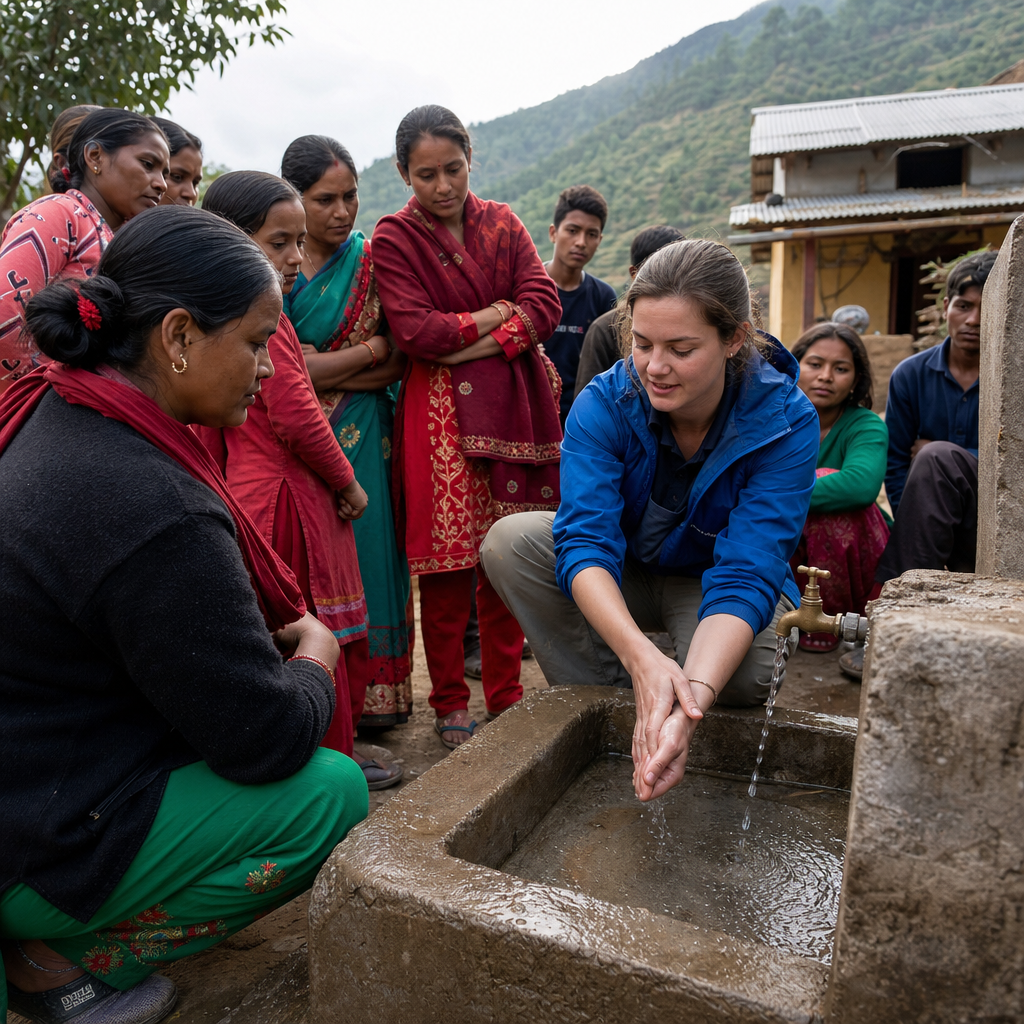
Wastewater treatment matters because sanitation is not solved when a toilet is installed. Human waste must be safely contained, transported, treated, and either disposed of or reused. When any link in that service chain fails, pathogens such as cholera, typhoid, hepatitis A, and intestinal parasites can spread through water, food, and surfaces. In rapidly growing cities, I have repeatedly seen sewer expansion lag behind population growth, leaving utilities to manage overloaded plants, illegal discharges, and contaminated waterways. In rural areas and informal settlements, centralized sewers may be unrealistic, making onsite or decentralized treatment essential. This is why the sanitation sector increasingly uses the idea of a full service chain, from capture to final treatment.
Global sanitation progress also depends on regulation and measurable outcomes. The European Union Urban Wastewater Treatment Directive pushed member states to build treatment capacity and tighten nutrient removal. In the United States, the Clean Water Act established enforceable discharge limits through permits. Singapore’s long-term water strategy demonstrated how treated wastewater can become a high-value supply through advanced reclamation. These examples show that treatment innovation succeeds when technical advances are matched by financing, operator training, and strong institutions. For readers exploring this sanitation hub, related topics include fecal sludge management, urban water reuse, industrial pollution control, and climate adaptation in water infrastructure.
Biological treatment advances: better removal with lower energy use
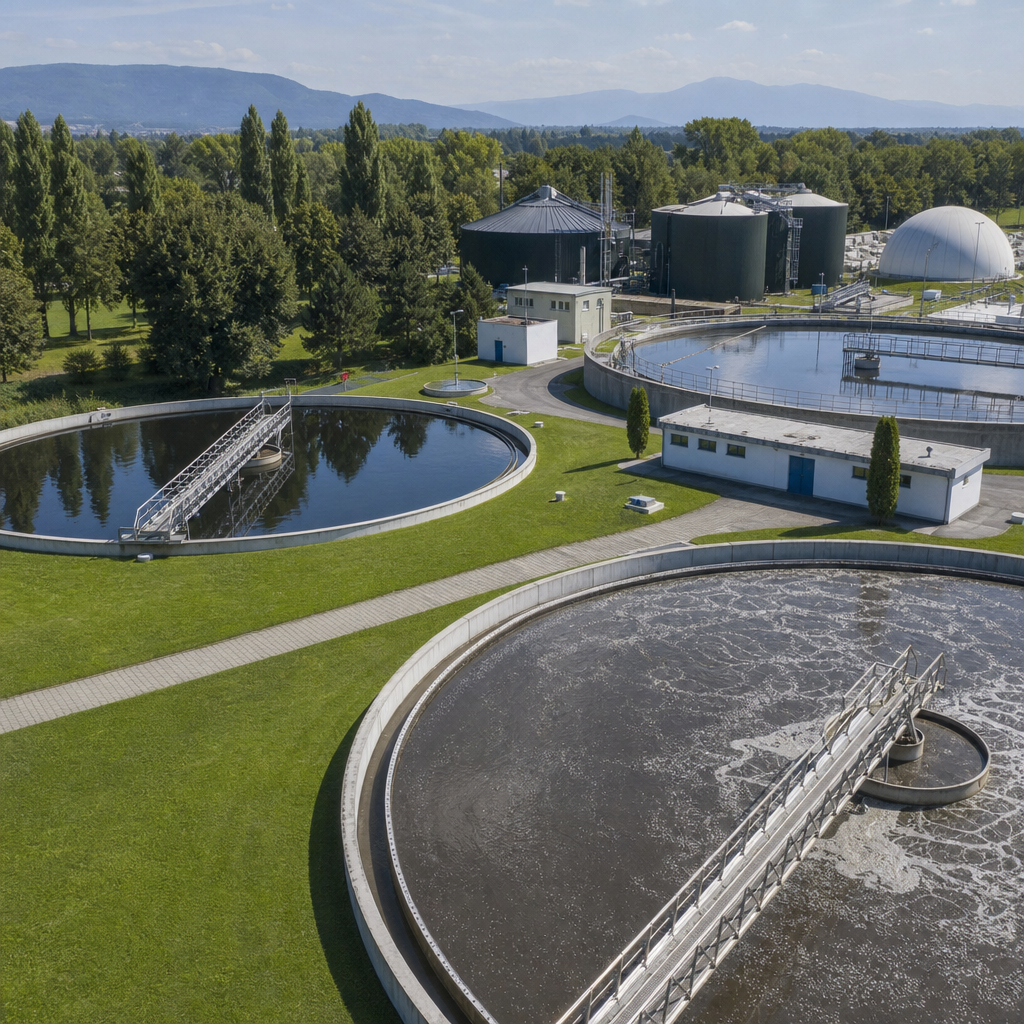
Biological treatment remains the backbone of municipal wastewater management, but it has improved dramatically. Conventional activated sludge uses aeration and microbial communities to break down organic matter, yet it can consume more than half of a plant’s electricity. Newer approaches aim to maintain effluent quality while reducing energy demand and improving nutrient control. One major development is moving bed biofilm reactor technology, which grows microorganisms on small plastic carriers suspended in treatment tanks. Because the biomass is attached rather than entirely free-floating, operators can stabilize performance under variable loads and often retrofit existing basins without building completely new plants.
Another important innovation is membrane bioreactor treatment, which combines biological degradation with membrane filtration. Membrane bioreactors produce a very high-quality effluent with low turbidity and excellent solids removal, making them valuable for water reuse in dense cities where land is expensive. I have seen them chosen for airports, coastal developments, and industrial parks because they fit a smaller footprint than many conventional plants. The tradeoff is higher capital cost and membrane maintenance, including fouling control through cleaning and careful operation. Even so, as membrane prices have fallen and operator experience has improved, membrane bioreactors have become a mainstream option rather than a niche technology.
For nutrient removal, shortcut nitrogen pathways are especially significant. Processes such as partial nitritation-anammox allow ammonia to be converted with much less oxygen and no external carbon source compared with traditional nitrification-denitrification. This is particularly effective for sidestream treatment at plants with anaerobic digestion, where reject water contains high ammonia concentrations. The result is lower aeration energy, reduced sludge production, and a smaller carbon footprint. These are not abstract gains. Utilities in Europe, China, and North America have adopted anammox-based systems because the savings are large enough to change long-term operating economics.
Advanced treatment and water reuse: from discharge to resource recovery
One of the clearest innovations in wastewater treatment is the rise of water reuse. Instead of treating effluent only to meet discharge standards, utilities increasingly polish it for irrigation, industry, urban landscaping, aquifer recharge, and even indirect potable use. Advanced treatment commonly includes microfiltration or ultrafiltration, reverse osmosis, activated carbon, and ultraviolet disinfection with advanced oxidation. Each barrier targets different contaminants, from suspended solids and pathogens to trace organics and dissolved salts. The key principle is multiple barriers backed by rigorous monitoring.
Singapore’s NEWater program remains a landmark example. Treated municipal wastewater is purified through microfiltration, reverse osmosis, and UV disinfection, then supplied to industry and blended into reservoirs. Orange County, California, operates one of the world’s largest potable reuse systems, using advanced purification to recharge groundwater. Namibia’s Windhoek has practiced potable reuse for decades under arid conditions. These examples matter globally because they prove reuse can be safe, publicly accepted, and economically rational where water stress is severe.
Emerging contaminants have also pushed innovation. Pharmaceuticals, personal care products, PFAS, endocrine-disrupting compounds, and microplastics are not always fully removed by conventional treatment. Ozonation, powdered activated carbon, granular activated carbon, and advanced oxidation processes are increasingly used to reduce these compounds. No single method solves every contaminant problem, and costs can be substantial. Still, utilities now have a growing toolkit to match local risk profiles, regulatory requirements, and reuse objectives.
| Technology | Primary Strength | Typical Use Case | Main Limitation |
|---|---|---|---|
| Membrane bioreactor | High effluent quality in small footprint | Urban reuse, industrial parks, dense developments | Membrane fouling and higher energy use |
| Reverse osmosis | Removes salts and many dissolved contaminants | Advanced reuse and desalination blends | Brine disposal and pressure-related energy demand |
| UV disinfection | Strong pathogen inactivation without chemical residuals | Final disinfection before discharge or reuse | Performance drops if water has high turbidity |
| Ozonation | Oxidizes trace organics and improves color and odor | Tertiary polishing for advanced treatment | Energy cost and possible byproduct formation |
Decentralized and non-sewered systems for underserved communities
Centralized sewerage is not always the best answer, especially in fast-growing secondary cities, peri-urban settlements, small towns, refugee settings, and flood-prone regions. Decentralized wastewater treatment systems can serve individual buildings, clusters of homes, institutions, or neighborhoods. Common designs include anaerobic baffled reactors, constructed wetlands, sequencing batch reactors, package plants, and containerized membrane systems. The main advantage is that they avoid the huge capital cost and long construction timeline of expanding trunk sewers across every area.
Constructed wetlands are especially useful where land is available and energy budgets are tight. They use gravel beds, plants, and microbial biofilms to remove organic matter, solids, and some nutrients. They are not a universal solution, but I have seen them work well for schools, resorts, and small communities because operations are simpler than in highly mechanized plants. Container-based sanitation and fecal sludge treatment are also gaining attention in places where pit latrines and septic tanks dominate. Innovations here include sludge drying, black soldier fly larvae processing, geotextile dewatering, and compact thermal treatment systems. The sanitation challenge is often not only wastewater in pipes but also the safe management of sludge collected by trucks from onsite systems.
Decentralized systems require different governance. Performance depends on service contracts, monitoring, spare parts, desludging schedules, and local operator capacity. Too many projects fail because the technology is installed without a long-term business model. The strongest programs treat sanitation as an ongoing utility service rather than a one-time construction project.
Energy, nutrients, and the circular economy in treatment plants
Modern wastewater treatment increasingly treats sewage as a source of energy, nutrients, and reusable water. Anaerobic digestion of sludge is already well established, producing biogas rich in methane that can generate electricity and heat. Some advanced plants approach energy neutrality by combining digestion with efficient aeration, heat recovery, and onsite solar. Co-digestion adds food waste or organic industrial residues to increase gas yield. This is one of the most practical innovations because it improves both waste management and plant economics.
Nutrient recovery is another important shift. Wastewater contains nitrogen and phosphorus, both essential for agriculture. Phosphorus is especially strategic because global phosphate rock is finite and geographically concentrated. Struvite precipitation systems recover magnesium ammonium phosphate from sludge liquors, reducing scaling in pipes while creating a marketable fertilizer product. Urine diversion, source separation, and ammonia stripping are also being tested or deployed in specialized settings. These approaches are not yet universal, but they represent a move away from linear disposal toward circular resource management.
Carbon management is becoming equally important. Utilities now account for direct emissions such as methane and nitrous oxide alongside electricity use. In many cases, process optimization can cut emissions significantly without sacrificing water quality. Fine-bubble diffusers, advanced aeration control, and better digester sealing all matter. As climate policies tighten, low-emission wastewater treatment will become a competitive and regulatory necessity.
Digital monitoring, resilience, and the future of global deployment
Digital tools are changing plant operations from reactive to predictive. Online sensors for dissolved oxygen, ammonia, nitrate, turbidity, pH, oxidation-reduction potential, and flow allow operators to tune treatment in real time. Supervisory control and data acquisition systems have long been standard in large plants, but newer analytics, cloud dashboards, and machine learning tools can detect anomalies, predict equipment failure, and optimize chemical dosing. In my experience, the biggest gains often come from simple visibility: when operators can see process trends clearly, they respond faster and waste less energy and reagent.
Resilience is now a design requirement. Wastewater systems must withstand floods, droughts, sea-level rise, power outages, and rapid urban growth. This changes technology choices. Coastal plants may need elevated electrical systems and corrosion-resistant materials. Water-scarce regions prioritize reuse. Informal settlements may need modular decentralized units that can expand in phases. Humanitarian contexts need treatment systems that are portable, robust, and easy to maintain with limited specialist support. There is no universal best technology. The correct solution is always shaped by influent characteristics, land availability, climate, governance, and affordability.
Financing remains the deciding factor for many countries. Blended finance, development bank lending, output-based aid, and tariff reform are all part of the implementation picture. Strong regulation helps, but so do procurement standards, operator certification, and transparent performance reporting. The future of wastewater treatment will belong to systems that are modular, measurable, resource-efficient, and designed around complete sanitation service delivery rather than isolated assets.
Innovations in wastewater treatment offer a practical route to addressing global sanitation challenges because they improve health protection, strengthen water security, and recover value from waste. The global review is clear: better biological processes lower energy demand, advanced treatment enables safe water reuse, decentralized systems extend service where sewers are impractical, and circular economy models turn sludge and nutrients into assets. Digital monitoring and climate-resilient design make these systems more reliable in the face of urban growth and environmental stress. The central lesson is that successful wastewater treatment is never only about equipment. It depends on regulation, operations, finance, and service-chain thinking from containment to final reuse or disposal. For this sanitation hub, the most useful next step is to explore connected topics such as fecal sludge management, potable reuse, nutrient recovery, and utility resilience, then assess which approaches fit your local context. Start with the service gaps you can measure, match them to proven treatment options, and build from there.
Frequently Asked Questions
1. What are the most important recent innovations in wastewater treatment worldwide?
Recent innovations in wastewater treatment are transforming the field from a basic pollution-control service into a resource recovery and public health protection system. Around the world, some of the most important advances include membrane bioreactors, advanced oxidation processes, anaerobic digestion improvements, nutrient recovery systems, decentralized treatment technologies, and digital monitoring powered by sensors and automation. Membrane bioreactors, for example, combine biological treatment with membrane filtration to produce very high-quality effluent in a smaller footprint than many conventional systems. This makes them especially attractive in dense urban areas where land is limited and water reuse is becoming essential.
Another major area of progress is the use of advanced treatment methods to remove contaminants that older systems were never designed to address. These include pharmaceuticals, personal care product residues, microplastics, PFAS in some applications, and other emerging pollutants. Technologies such as ozonation, ultraviolet disinfection, activated carbon adsorption, and advanced oxidation are increasingly being added to treatment trains to improve water quality and reduce environmental risk. At the same time, wastewater plants are becoming energy producers rather than just energy consumers. Through enhanced anaerobic digestion, biogas capture, and combined heat and power systems, many facilities are generating renewable energy from sludge and organic waste streams.
Equally significant is the shift toward nutrient recovery. Instead of simply removing nitrogen and phosphorus, newer systems are designed to capture these nutrients for reuse in fertilizers and industrial inputs. This reflects a broader circular economy approach, where wastewater is treated as a source of water, energy, and materials. Globally, innovation is not just about high-tech systems in wealthy regions. It also includes modular, decentralized, and lower-cost solutions that can expand sanitation access in rapidly growing cities and underserved communities. In that sense, the most important innovation may be the changing mindset: wastewater treatment is no longer only about disposal, but about resilience, recovery, and long-term sustainability.
2. How is wastewater treatment shifting from pollution control to resource recovery?
The traditional goal of wastewater treatment was straightforward: remove enough contaminants to meet discharge standards and protect nearby rivers, lakes, and coastal waters. That mission remains important, but the field has evolved substantially. Today, leading treatment systems are designed not only to reduce pollution, but also to recover useful resources embedded in wastewater. These resources include clean water for reuse, nutrients such as nitrogen and phosphorus, organic matter that can be converted into energy, and in some cases even heat and valuable industrial byproducts. This shift is one of the defining changes in the global wastewater sector.
Water reuse is one of the clearest examples. In water-stressed regions, treated wastewater is increasingly being used for irrigation, industrial cooling, groundwater recharge, landscape watering, and even indirect or direct potable reuse in highly controlled systems. This reduces pressure on freshwater supplies and strengthens climate resilience, especially where drought, population growth, or aging infrastructure threaten water security. Nutrient recovery is another major development. Phosphorus is a finite resource and nitrogen production is energy-intensive, so systems that recover these compounds from wastewater can reduce waste while supporting agriculture and industry.
Energy recovery is also changing plant design and economics. Sludge and high-strength organic waste can be processed through anaerobic digestion to generate biogas, which can then be used for electricity, heat, or upgraded into biomethane. Some advanced facilities now aim for energy neutrality or even net-positive energy performance. In parallel, utilities are recovering biosolids for land application where regulations and safety standards allow, and some are exploring extraction of cellulose, bioplastics precursors, or other reusable materials. The broader significance of this transition is that wastewater is being redefined as a managed resource stream. That shift improves environmental outcomes, can lower long-term operating costs, and aligns treatment systems with circular economy and sustainability goals now being adopted across the world.
3. Why are decentralized and modular wastewater treatment systems gaining attention globally?
Decentralized and modular wastewater treatment systems are attracting global interest because they offer flexibility, scalability, and faster deployment in places where conventional large centralized plants may be too expensive, too slow to build, or poorly matched to local conditions. In many rapidly growing urban and peri-urban areas, sewer networks have not kept pace with population growth. Extending centralized infrastructure to every neighborhood can require enormous capital investment, long construction timelines, complex land acquisition, and high maintenance capacity. Decentralized systems provide an alternative by treating wastewater closer to where it is generated, whether at the building, district, industrial site, or community scale.
These systems are especially valuable in regions facing fragmented development patterns, water scarcity, tourism-driven seasonal demand, disaster recovery needs, or underserved rural settlements. Modular treatment units can often be expanded incrementally as populations grow, which helps align infrastructure spending with actual demand instead of forcing communities into oversized systems from the start. This phased approach can improve affordability and make service expansion more realistic in low-resource settings. In practice, technologies used in decentralized treatment may include compact biological systems, membrane units, constructed wetlands, package plants, anaerobic reactors, and hybrid designs tailored to local wastewater characteristics.
Another reason for growing interest is resilience. Decentralized systems reduce dependence on a single large plant and can make treatment networks less vulnerable to failures, floods, power disruptions, or overload events. They can also support local reuse of treated water for irrigation, flushing, or landscaping, reducing transport costs and conserving freshwater. That said, successful decentralized treatment depends on strong operation, maintenance, and regulatory oversight. Without those, performance can decline quickly. The global lesson is that decentralized innovation is not simply about smaller technology. It is about designing treatment infrastructure that fits local governance, financing, land availability, water reuse goals, and service delivery capacity. When those elements are aligned, decentralized systems can play a major role in closing sanitation gaps and improving water sustainability.
4. How are digital technologies and automation improving wastewater treatment performance?
Digital technologies are becoming a central part of modern wastewater treatment because they help operators make faster, better-informed decisions while improving efficiency, compliance, and reliability. Historically, treatment plants relied heavily on manual sampling, scheduled inspections, and operator experience. Those remain important, but today they are increasingly supported by real-time sensors, remote monitoring platforms, predictive analytics, automated controls, and data-driven optimization tools. These systems allow plants to continuously track key parameters such as dissolved oxygen, turbidity, pH, ammonia, nitrate, flow rate, chemical dosing, sludge levels, and energy use.
The practical benefits are substantial. Real-time monitoring can identify process instability before it turns into a permit violation or equipment failure. Automated aeration control, for instance, can maintain biological treatment performance while reducing one of the largest energy costs in the plant. Predictive maintenance systems can flag pumps, blowers, membranes, or valves that are likely to fail based on vibration, pressure, runtime, or historical patterns. This reduces downtime and helps utilities shift from reactive repairs to planned maintenance. Digital twins and advanced process models are also being used in some leading facilities to simulate plant behavior under changing loads, storm events, industrial discharges, or future expansion scenarios.
Automation also supports workforce challenges. Many utilities are dealing with aging staff, skills shortages, and rising performance expectations. Smart systems can help standardize operations, improve documentation, and allow experts to oversee multiple sites remotely. For smaller or decentralized facilities, remote monitoring may be especially valuable because on-site staffing is limited. Of course, digitalization is not a cure-all. It requires reliable calibration, cybersecurity safeguards, staff training, and clear operational protocols. But when implemented well, digital tools can improve treatment consistency, lower operating costs, reduce energy consumption, and strengthen regulatory compliance. In a global context, this is one of the most important shifts in the sector because it turns wastewater treatment into a more adaptive, measurable, and resilient service.
5. What are the biggest challenges to adopting innovative wastewater treatment technologies at scale?
Although innovation in wastewater treatment is accelerating, scaling new technologies remains challenging for technical, financial, institutional, and social reasons. One of the biggest barriers is cost. Many advanced systems require high upfront capital investment, and utilities or municipalities may struggle to justify those expenses when budgets are constrained and rate increases are politically sensitive. Even when a technology promises long-term savings through energy efficiency, water reuse, or resource recovery, decision-makers often face procurement rules and financing structures that prioritize lower initial cost over lifecycle value. This can slow adoption significantly.
Operational complexity is another major issue. Advanced treatment technologies may demand specialized training, more sophisticated maintenance, tighter process control, and a stronger supply chain for spare parts, chemicals, membranes, or sensors. In regions where technical capacity is limited, a simpler and more robust system may outperform a more advanced one over time. Regulatory frameworks can also lag behind innovation. In some countries, standards for water reuse, nutrient recovery, biosolids reuse, or treatment of emerging contaminants are still evolving, which creates uncertainty for investors and utilities. Permitting agencies may be cautious about unfamiliar technologies, especially when public health is involved.
Public acceptance matters as well. Water reuse projects, sludge reuse, and new recovery pathways can face resistance if communities do not trust the treatment process or understand the safeguards in place. Strong communication, transparency, and performance monitoring are essential to building confidence. There is also the challenge of context. A technology that works well in one country may not translate directly to another due to differences in wastewater composition, climate, energy prices,