Sanitation in coastal and island communities sits at the intersection of public health, infrastructure, climate resilience, and local livelihoods. In these settings, the basic goal of sanitation is straightforward: safely contain, transport, treat, and reuse or dispose of human waste without harming people or ecosystems. In practice, that goal becomes unusually complex when settlements are dense, land is scarce, groundwater is shallow, storms are frequent, and economies depend on fisheries, tourism, or both. I have worked on sanitation planning in shoreline settlements where a system that looked acceptable on paper failed within a single wet season because tides infiltrated pits, pumps lost power, and discharge points contaminated nearshore waters used for bathing and shellfish harvesting.
Addressing global sanitation challenges requires understanding why coastal and island conditions are different from inland ones. Conventional pit latrines often flood or leach into aquifers. Septic tanks may be installed without sufficient desludging services or proper soakaway design. Centralized sewers can be prohibitively expensive where populations are dispersed across multiple islands or where roads are narrow and excavation is difficult. At the same time, the consequences of failure are immediate. Fecal contamination drives diarrheal disease, hepatitis A, cholera risk where outbreaks occur, helminth transmission, and environmental degradation that affects coral reefs, mangroves, and seagrass beds. The World Health Organization and UNICEF Joint Monitoring Programme defines safely managed sanitation as use of improved facilities that are not shared with other households and where excreta are safely disposed in situ or transported and treated off-site. That definition matters because it links the toilet to the entire service chain, not just the user interface.
For a global sanitation hub, coastal and island communities are essential because they expose nearly every weakness in sanitation governance and engineering. They also reveal practical solutions. Effective programs combine fecal sludge management, climate-adapted design, drainage control, utility financing, hygiene behavior support, and regulation of wastewater discharge. The most successful initiatives start with a simple question: what happens to waste after the toilet flushes or the pit fills? Answering that question honestly creates a roadmap for investment and accountability. This article explains the major sanitation barriers in coastal and island contexts, the technologies that work, the policy choices that matter, and the implementation steps that turn isolated pilots into reliable public services.
Why sanitation risks are amplified in coastal and island environments
Coastal and island environments intensify sanitation risk because water moves everywhere people do not want it to move. High groundwater tables reduce the vertical separation needed for on-site treatment, allowing pathogens and nutrients to migrate into wells and shorelines. Saltwater intrusion corrodes pipes, pumps, reinforcement, and electrical controls. Seasonal tourism can double or triple the population served by a system, overwhelming tanks and treatment units sized for residents alone. Informal settlements on beaches, estuaries, and reclaimed land may lack legal tenure, which discourages investment in permanent facilities. In low-lying atolls and delta islands, sea-level rise and storm surge convert occasional flooding into routine system failure.
These conditions create a direct pathway from poor sanitation to economic loss. When wastewater reaches lagoons and beaches, enterococci and E. coli counts rise, triggering bathing advisories and damaging tourism revenue. Nutrient enrichment fuels algal growth that depletes oxygen and stresses reefs already affected by warming seas. Shellfish can bioaccumulate pathogens, turning sanitation failure into a food safety issue. Small islands face an additional constraint: there may be no suitable inland area for low-cost waste stabilization ponds, and importing chemicals, spare parts, or vacuum trucks is expensive. That is why sanitation planning in these places must be tied to land use, watershed management, marine protection, and emergency preparedness rather than treated as a narrow public works problem.
Common sanitation system failures and what they reveal
Most failures in coastal sanitation are not caused by a single bad toilet choice. They come from breaks in the service chain. A septic tank without watertight construction is not a treatment system. A communal toilet without scheduled cleaning and sludge removal will not remain usable. A treatment plant without trained operators, spare pumps, and a tariff for electricity becomes a stranded asset. In many island towns, I have seen households invest in pour-flush toilets because they are dignified and familiar, yet the downstream tanks overflow into drains because desludging is informal and treatment sites are absent. The result is hidden open defecation by pipe.
Another common failure is copying inland standards without coastal adaptation. Pit latrines may be approved using setback distances that assume deeper unsaturated soils than actually exist. Sewer outfalls may be placed too close to shore, with inadequate diffusion and no monitoring of receiving waters. Temporary emergency toilets installed after storms often remain in place for years without a maintenance contract. These examples reveal a central principle for addressing global sanitation challenges: hardware is only one part of the system. Regulation, service delivery, finance, asset management, and user behavior determine whether infrastructure protects health or simply relocates waste.
Technology options that work better in coastal and island communities
No single sanitation technology fits every coastal setting, but several options consistently perform better when matched to local constraints. Raised latrines and elevated septic or holding tanks can reduce flood damage in areas with shallow groundwater. Urine-diverting dry toilets and other low-water systems are useful where freshwater is scarce or desalinated water is expensive. Container-based sanitation can work in dense informal settlements or on small islands where vacuum truck access is limited, provided there is a dependable collection and treatment service. Small-bore sewers and solids-free sewers can reduce excavation and capital cost where clustered neighborhoods justify networked transport. Decentralized wastewater treatment systems, including anaerobic baffled reactors, constructed wetlands, and package plants, can serve institutions, resorts, or villages when land, energy, and operator capacity are assessed realistically.
The right choice depends on soil permeability, groundwater depth, density, flood frequency, electricity reliability, desludging logistics, and local willingness to pay. The table below summarizes practical tradeoffs.
| Option | Best use case | Main strengths | Key limitations |
|---|---|---|---|
| Raised latrine or elevated septic system | Flood-prone low-lying settlements | Reduces inundation and backflow risk | Needs safe sludge removal and stable foundations |
| Container-based sanitation | Dense areas with poor road access | Minimal groundwater pollution, rapid deployment | Requires disciplined collection service and treatment endpoint |
| Small-bore sewer | Compact neighborhoods with pre-treatment | Lower cost than conventional sewer, flexible alignment | Needs septic tank maintenance and utility oversight |
| Decentralized treatment | Villages, schools, clinics, resorts | Scalable, avoids long trunk sewers | Performance depends on operator skill and monitoring |
| Urine-diverting dry toilet | Water-scarce islands or rocky terrain | Very low water demand, nutrient recovery potential | Requires strong user acceptance and maintenance routines |
In resort islands in the Maldives and parts of the Caribbean, decentralized treatment paired with effluent reuse for irrigation has reduced freshwater demand while protecting beaches. In peri-urban coastal Mozambique and Bangladesh, flood-resilient raised toilets have improved continuity during monsoon periods, though only where emptying services were included. In informal waterfront settlements, container-based sanitation has shown that households will pay for clean, reliable service when it is convenient, private, and professionally managed.
Fecal sludge management is the backbone of practical progress
For most coastal and island communities, the biggest sanitation gains come not from sewers but from fecal sludge management. This means scheduled or on-demand emptying, safe transport, treatment, and end use or disposal of sludge from pits and tanks. Where on-site systems dominate, ignoring sludge management guarantees environmental release. Cities such as Dumaguete in the Philippines demonstrated the value of scheduled desludging supported by local ordinance, utility billing, and dedicated treatment facilities. That model matters because it turns emptying from a crisis purchase into a routine public service.
In island contexts, logistics drive cost. Vacuum trucks may need ferries, barges, or smaller transfer units. Treatment plants must handle variable solids content because tanks are often poorly built or infiltrated by stormwater. Drying beds may require covers in high-rainfall zones, while co-composting with green waste can improve biosolids handling where agriculture exists. The critical lesson is that sanitation planning should start with a sludge flow diagram, not just a toilet inventory. When municipalities map where waste is generated, who empties it, where it goes, and what leaks into drains or the sea, investment priorities become obvious. Often the first high-value intervention is not a new treatment plant but licensing emptiers, enforcing disposal rules, and creating a transfer station that makes legal disposal faster than illegal dumping.
Climate change and disaster resilience must be built into sanitation design
Sea-level rise, stronger rainfall extremes, cyclones, and coastal erosion are no longer future risks for sanitation systems. They are current design conditions. A sanitation asset with a twenty-year life that is not screened against flood elevations, corrosion exposure, and backup power needs is likely to underperform long before it is depreciated. Resilience begins with siting. Critical assets such as pump stations, control panels, and treatment units should be placed above design flood levels, with protected access during storms. Pipes in unstable shorelines need flexible joints and scour protection. Septic tanks and toilets in surge zones need anchoring, sealed access covers, and backflow prevention.
Operational resilience is equally important. Utilities and local governments need spare parts, fuel or solar backup for pumps, emergency desludging plans, and pre-arranged contracts for debris removal. Schools and evacuation centers need sanitation facilities sized for surge occupancy, with handwashing, menstrual hygiene support, and accessible cubicles. After disasters, rapid sanitation assessments should check containment integrity, groundwater contamination, and overflow pathways before simply rebuilding the same vulnerable designs. The communities that recover fastest are usually those that integrated sanitation into broader disaster risk reduction, not those that treated it as an afterthought to water supply.
Governance, finance, and community trust determine long-term success
Sanitation fails when nobody clearly owns the outcome. In many coastal towns, households own toilets, private operators empty tanks, health departments inspect nuisances, utilities manage sewers, and environment agencies regulate discharge, yet no institution is accountable for the entire chain. Closing that gap requires clear mandates, service standards, and financing. Tariffs, local taxes, tourism levies, output-based subsidies, and climate adaptation funds can all support sanitation, but revenue must match the actual cost of operation and maintenance. Capital grants without an O&M plan create fragile systems.
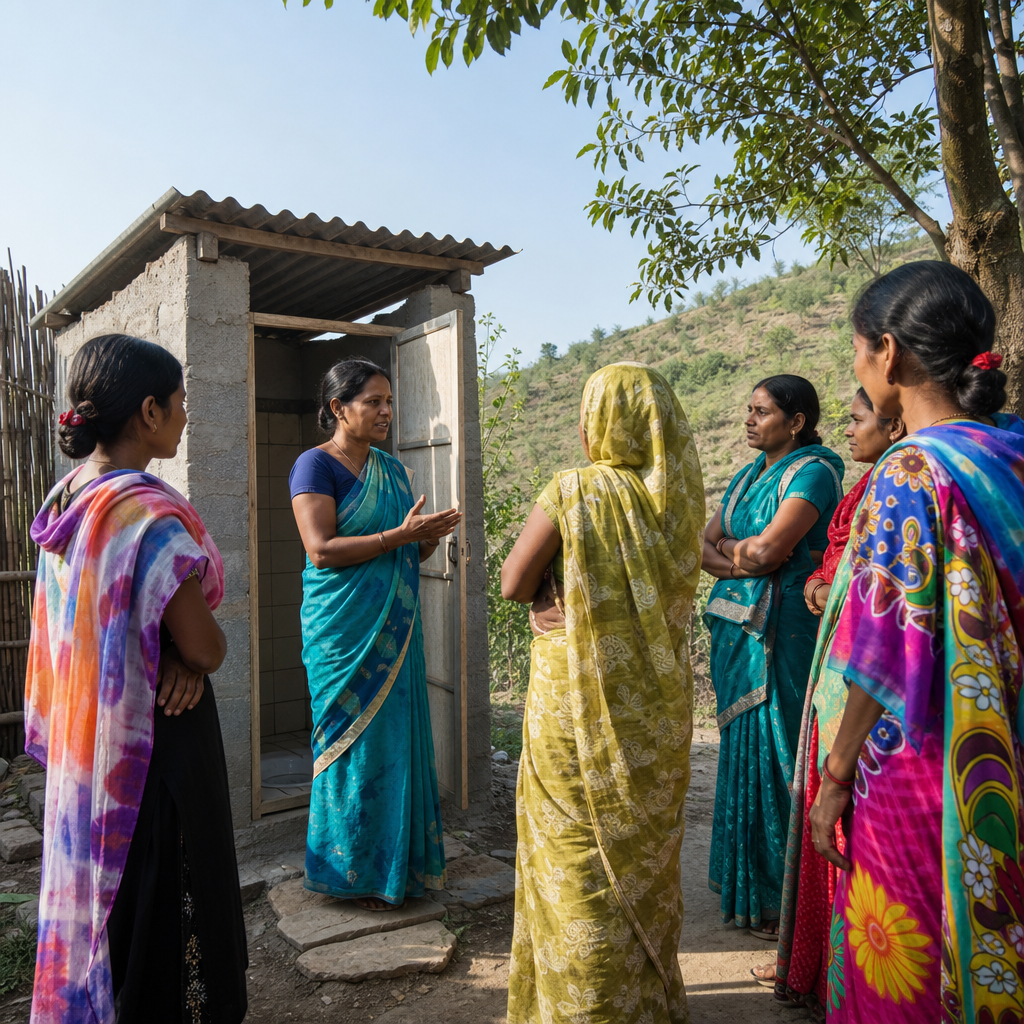
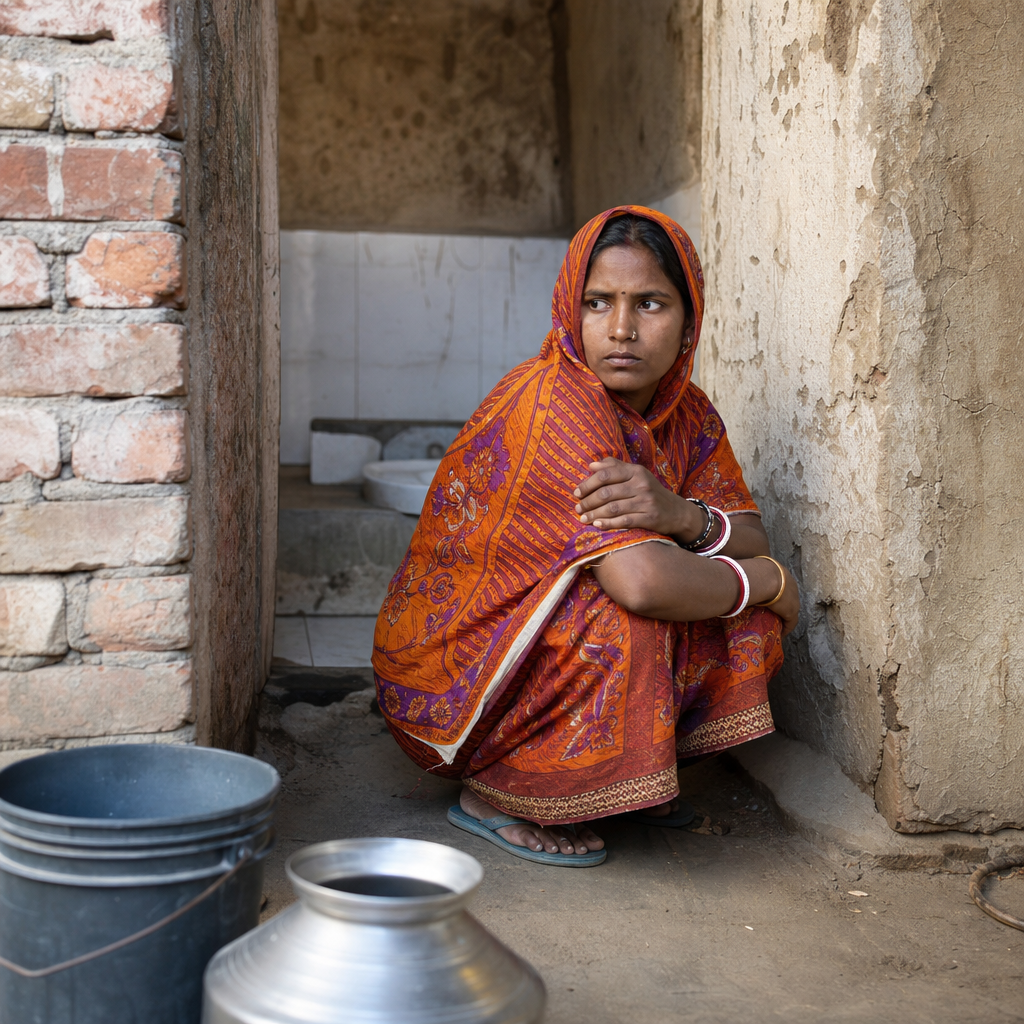
Community trust is equally decisive. Residents are more willing to connect, pay, and maintain facilities when services are predictable and transparent. Gender and accessibility matter here. Women and girls often bear the greatest burden when toilets are distant, unsafe, or unusable during menstruation. Older adults and people with disabilities need designs with handrails, adequate space, lighting, and manageable steps. Programs that include local leaders, fisher groups, hotel operators, and health workers tend to outperform top-down engineering projects because they align sanitation with daily realities. If this hub article points to one overarching lesson for addressing global sanitation challenges, it is this: successful sanitation is a service system, not a construction project. Assess your sanitation chain, identify where waste escapes, and prioritize solutions that your community can operate for decades.
Frequently Asked Questions
Why is sanitation especially challenging in coastal and island communities?
Sanitation is more difficult in coastal and island communities because the environmental and physical conditions leave very little margin for error. Many settlements are densely populated, built on narrow strips of land, or spread across small islands where space for toilets, septic systems, drainage, and treatment facilities is limited. Groundwater is often shallow, which means poorly designed pits, tanks, or soakaways can quickly contaminate drinking water sources. In addition, tidal influence, saltwater intrusion, erosion, and seasonal flooding can damage sanitation infrastructure or reduce its effectiveness over time.
Climate and livelihoods add another layer of complexity. Heavy rains and storms can overwhelm containment systems, spread waste into homes and streets, and wash pathogens into lagoons, reefs, mangroves, and fishing grounds. Because many local economies depend on fisheries and tourism, sanitation failures do not just create health risks such as diarrhea, cholera, typhoid, and parasitic infections; they can also harm coral ecosystems, reduce water quality, damage community reputation, and threaten income. That is why sanitation planning in these areas must go beyond simply building toilets. It needs to account for land constraints, groundwater protection, storm resilience, maintenance capacity, safe sludge management, and the protection of fragile coastal ecosystems.
What types of sanitation systems work best in places with limited land and high groundwater?
There is no single best system for every coastal or island community, but the most suitable options are usually those designed to protect groundwater, operate reliably in wet or flood-prone conditions, and fit within local space and service constraints. In areas with high groundwater, conventional deep pit latrines are often a poor choice because waste can seep into the water table. Instead, communities may consider raised toilets, sealed containment tanks, urine-diverting dry toilets, composting systems where conditions and management allow, or septic and small-scale treatment systems that are specifically engineered for shallow soils and flood risk. In denser settlements, simplified sewers, solids-free sewers, or decentralized wastewater treatment can sometimes be more effective than household-level pits or tanks.
The key is not just the toilet technology itself, but the entire service chain. A system only works when waste is safely contained, emptied, transported, treated, and either reused or disposed of without polluting the environment. For example, a sealed tank can protect groundwater, but only if there is a dependable emptying service and a treatment site that can handle the waste. Similarly, dry sanitation can reduce water use and contamination risks, but it requires strong user acceptance, regular maintenance, and clear management arrangements. The best solutions are usually chosen through local assessment of soil conditions, flood exposure, housing density, cultural preferences, operating costs, and the ability of local institutions or service providers to keep the system functioning over the long term.
How does poor sanitation affect public health, fisheries, and tourism in coastal areas?
Poor sanitation has immediate and long-term consequences for public health. When human waste is not safely managed, pathogens can spread through drinking water, floodwater, food, surfaces, and direct contact, increasing the risk of diarrheal disease, intestinal worms, skin infections, and other illnesses. Children, older adults, and people with weakened immune systems are often most vulnerable. In communities with repeated flooding or limited healthcare access, the health burden can become especially severe. Sanitation failures also affect dignity, safety, school attendance, and overall quality of life, particularly for women, girls, and people with disabilities who may face additional barriers when facilities are inadequate or damaged.
The economic and environmental impacts are equally important. Untreated sewage and poorly managed fecal sludge can release nutrients, pathogens, and other pollutants into coastal waters, harming seagrass beds, coral reefs, shellfish areas, and nearshore fisheries. This can reduce fish stocks, contaminate seafood, and weaken the ecosystems that support local livelihoods and storm protection. For tourism-dependent communities, visibly polluted beaches, bad odors, algal growth, and reports of illness can quickly damage visitor confidence. In short, sanitation is not a separate issue from economic development or environmental conservation. It is foundational to healthy communities, productive fisheries, and clean, attractive coastal destinations.
How can sanitation systems be made more resilient to storms, flooding, and climate change?
Climate-resilient sanitation starts with understanding local hazards and designing systems for the conditions that are likely to become more severe over time. In coastal and island settings, that means considering storm surge, sea-level rise, higher groundwater tables, erosion, saltwater intrusion, and more intense rainfall. Toilets and containment structures may need to be raised above expected flood levels, watertight, securely anchored, and located away from erosion-prone shorelines and drinking water sources. Pipes, pumps, and treatment units should be protected from inundation and power disruptions where possible, and communities should have contingency plans for emergency emptying, repairs, and safe hygiene practices after storms.
Resilience also depends on governance, operations, and financing, not just engineering. Sanitation assets need regular inspection, desludging schedules, spare parts, trained operators, and clear institutional responsibility before disasters occur. Decentralized or modular systems can sometimes recover faster than a single centralized network, especially on remote islands where transport and repairs are difficult. Integrating sanitation into broader coastal planning is also critical. Land use, drainage, solid waste management, housing design, and water supply all influence whether sanitation systems hold up under climate stress. The most resilient approach is one that combines durable infrastructure, practical maintenance systems, emergency preparedness, and long-term adaptation planning.
What should local leaders and communities prioritize when improving sanitation in coastal and island settlements?
Local leaders should begin by treating sanitation as a full public service rather than a one-time construction project. That means identifying current risks across the entire sanitation chain: where waste is stored, whether facilities flood, how sludge is emptied, where it is taken, and whether final treatment actually protects people and ecosystems. A good starting point is mapping vulnerable areas such as dense informal settlements, shorelines, flood-prone neighborhoods, schools, markets, health centers, and places near wells, lagoons, or fishing areas. This helps decision-makers prioritize investments where health and environmental risks are highest.
From there, the most effective strategy is usually a mix of infrastructure, service delivery, regulation, and community engagement. Communities need sanitation options that fit local conditions and income levels, but they also need reliable maintenance, trained service providers, fair tariffs or subsidies, and enforcement that prevents unsafe dumping. Public education matters as well, especially around toilet use, handwashing, child feces disposal, and what should not enter sanitation systems. Local participation is essential because solutions are more likely to succeed when residents, businesses, fishers, tourism operators, and public agencies all understand the trade-offs and share responsibility. Ultimately, the priority should be building sanitation systems that are safe, affordable, environmentally protective, and resilient enough to support public health and local livelihoods for the long term.