Ecological sanitation, commonly shortened to EcoSan, turns human waste from a disposal problem into a resource stream, and that shift makes it one of the most practical pathways to the Sustainable Development Goals. EcoSan refers to sanitation systems designed to safely contain, treat, and reuse nutrients, water, and organic matter from urine and feces, often through urine-diverting dry toilets, composting toilets, dehydration vaults, and decentralized treatment units. In projects I have worked on, the most successful EcoSan programs were never just about toilets; they connected public health, water security, agriculture, local enterprise, and community dignity. That is why EcoSan belongs at the center of any serious discussion about global opportunities in sanitation.
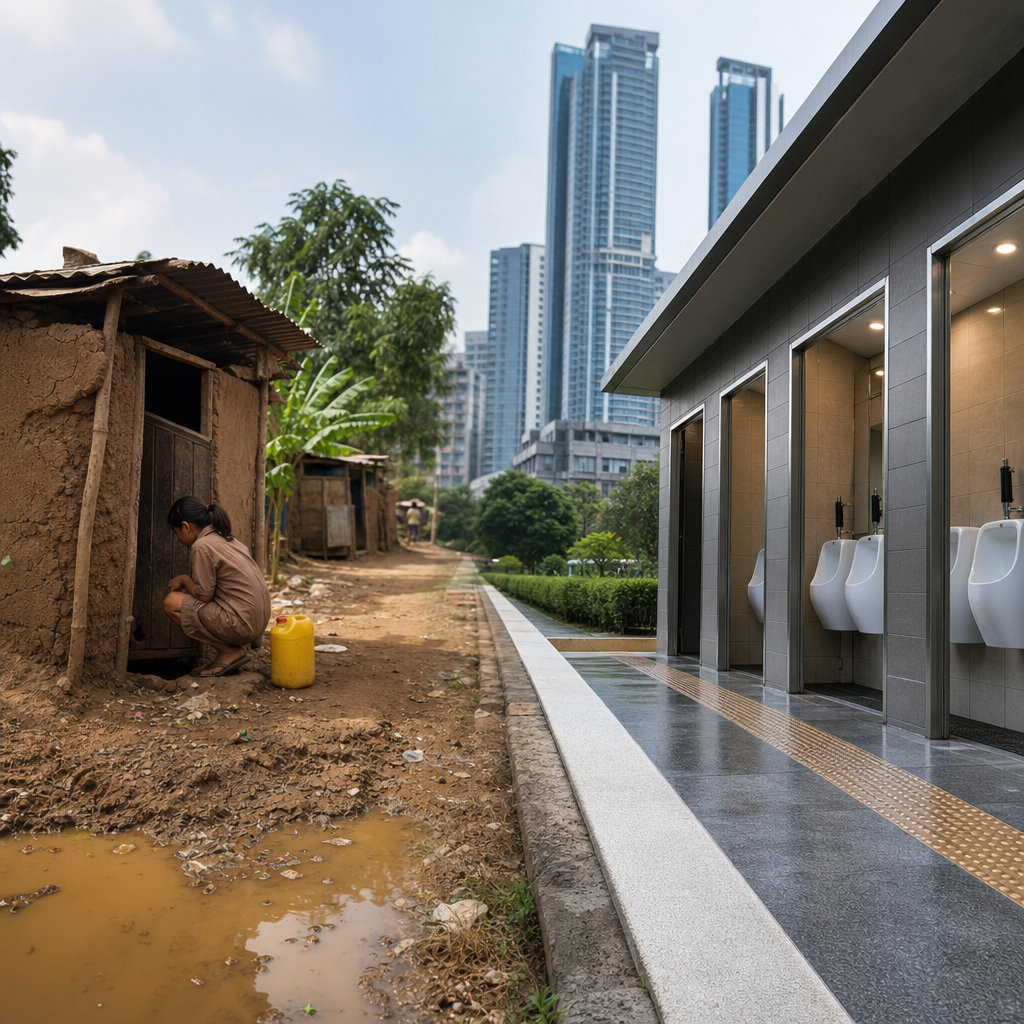
The global sanitation challenge is still immense. According to WHO and UNICEF Joint Monitoring Programme estimates, billions of people lack safely managed sanitation, while hundreds of millions still practice open defecation. Poor sanitation drives diarrheal disease, parasitic infection, stunting, lost school days, environmental contamination, and healthcare costs. Conventional sewered systems can solve many urban sanitation problems, but they are capital intensive, water dependent, energy demanding, and often unrealistic in informal settlements, flood-prone zones, arid regions, and dispersed rural areas. EcoSan matters because it addresses the sanitation gap with a different engineering and economic logic: separate waste at source, reduce water use, recover nutrients, protect groundwater, and build local treatment capacity rather than relying only on large centralized networks.
For a hub page on global opportunities in sanitation, EcoSan is especially important because it links directly to multiple development outcomes. It supports health by interrupting fecal-oral transmission pathways. It supports food systems by recovering nitrogen, phosphorus, potassium, and organic carbon for soil improvement. It supports climate resilience by reducing water demand and, when managed well, lowering emissions associated with wastewater transport and treatment. It supports inclusion by offering adaptable designs for schools, peri-urban settlements, humanitarian contexts, and areas beyond sewer coverage. It also creates a framework for circular economy sanitation, where value is captured from compost, dried fecal matter, treated effluent, black soldier fly feed systems, and urine-derived fertilizers.
Understanding EcoSan requires clear terms. “Safely managed sanitation” means excreta are hygienically separated from human contact and either treated and disposed of safely or reused safely. “Resource recovery” means extracting useful outputs such as fertilizer, irrigation water, soil conditioner, energy, or biomass inputs. “Decentralized sanitation” means treatment occurs near the point of generation, at household, neighborhood, school, or institutional scale. The core principle is not simply reuse at any cost; it is safe reuse under defined treatment barriers, operational controls, and user education. That distinction is essential, because poorly managed reuse can spread pathogens, contaminate food, and undermine public trust. Well-designed EcoSan succeeds only when technical design, behavior change, regulation, and operations reinforce one another.
Why EcoSan aligns with the Sustainable Development Goals
EcoSan is most obviously connected to SDG 6, clean water and sanitation, because it expands access to sanitation services while protecting water resources. Yet its real strength is cross-sector impact. By reducing contamination of wells, drains, and surface waters, EcoSan contributes to SDG 3 on health. By making toilets feasible in schools, particularly for menstruating students, it supports SDG 4 on education and SDG 5 on gender equality. By creating local service jobs in construction, emptying, transport, treatment, compost production, and input sales, it advances SDG 8 on decent work. By recovering nutrients and reducing dependence on imported synthetic fertilizers, it supports SDG 2 on food security and sustainable agriculture.
The resource logic is compelling. Human urine contains most of the nitrogen and a large share of the phosphorus excreted by households. Feces contain organic matter and additional nutrients valuable for soil structure and moisture retention. In water-scarce regions, dry or low-water EcoSan systems avoid flushing nutrients away with potable water. In settlements where sewers are financially or physically out of reach, source separation reduces treatment burdens and opens cheaper pathways to reuse. I have seen municipalities become more receptive to EcoSan after comparing lifecycle costs: a sewer extension may take years of capital planning, while decentralized sanitation blocks can be deployed faster and upgraded incrementally.
EcoSan also helps reconcile sanitation planning with climate and resilience goals. Conventional wastewater systems are vulnerable to power cuts, infiltration, overloaded treatment plants, and storm surges. Dry or low-water systems are less exposed to these failures, especially in drought-prone areas. In flood-prone zones, raised toilets, sealed vaults, and container-based service models can prevent overflow into living areas. These are not universal replacements for sewers, but they are strategic complements. A practical sanitation portfolio includes networked systems where density and financing support them, and EcoSan or other non-sewered systems where they deliver safer, faster, and more resilient results.
How EcoSan systems work in practice
EcoSan is a family of systems rather than a single technology. The design chosen depends on climate, settlement density, cultural acceptance, water availability, soil conditions, and service capacity. Urine-diverting dry toilets separate urine and feces at the pan, reducing odor and simplifying treatment. Feces may be dried with ash, lime, or soil in sealed vaults, then stored long enough to reduce pathogens before handling. Composting toilets rely on controlled aerobic decomposition, usually with bulking agents such as sawdust. Container-based sanitation collects excreta in sealable units that are transported to treatment hubs. Decentralized wastewater treatment systems can also fit within an EcoSan model when effluent and sludge are treated for productive reuse.
The technical objective is source control plus treatment barriers. Separation keeps nutrient-rich urine relatively clean and easier to use after storage, while isolating fecal solids that require stricter pathogen reduction. Safe handling depends on retention time, moisture control, pH, temperature, and operator discipline. The World Health Organization’s sanitation safety planning approach is useful here because it maps hazards from toilet to transport to treatment to end use. In field implementation, small design details matter enormously: a urine-diverting pedestal must match user posture, ventilation pipes must be correctly sized, vault access doors must seal tightly, and collection services must be dependable. Projects fail less from theory than from neglected operational details.
| EcoSan option | Best-fit context | Main advantage | Key management need |
|---|---|---|---|
| Urine-diverting dry toilet | Water-scarce rural and peri-urban areas | Very low water use and nutrient recovery | User training on separation and vault care |
| Composting toilet | Households, eco-lodges, institutions | Produces soil-conditioning compost | Moisture, aeration, and temperature control |
| Container-based sanitation | Dense informal settlements | Works where pits and sewers are impractical | Reliable collection logistics and treatment hub |
| Decentralized treatment with reuse | Schools, apartments, campuses | Local water and biosolids recovery | Skilled operation and monitoring |
No EcoSan technology is plug-and-play. In humid climates, dehydration is harder and storage periods may need adjustment. In dense urban areas, household management alone is rarely enough; a professionalized service chain is essential. In cold regions, composting slows down. In places with strong taboos around excreta reuse, acceptance may depend on indirect reuse pathways, such as tree crops, fuel briquettes, or municipal landscaping. The lesson from global sanitation programs is straightforward: start with user needs and service models, then choose the technology. When planners reverse that sequence, adoption drops and maintenance suffers.
Global opportunities in sanitation through resource recovery and circular systems
The strongest global opportunity in sanitation today is moving from linear waste disposal to circular resource management. EcoSan makes that transition tangible. Urine can be stored and applied as fertilizer under controlled conditions, reducing demand for industrial nitrogen and mined phosphorus. Treated fecal solids can improve soils with low organic matter, especially where farmers struggle with declining fertility. Sludge from decentralized systems can feed composting or co-composting operations when mixed with market waste. Some enterprises produce fuel pellets, insect protein inputs, or construction materials from treated waste streams, although these pathways require quality assurance and market development.
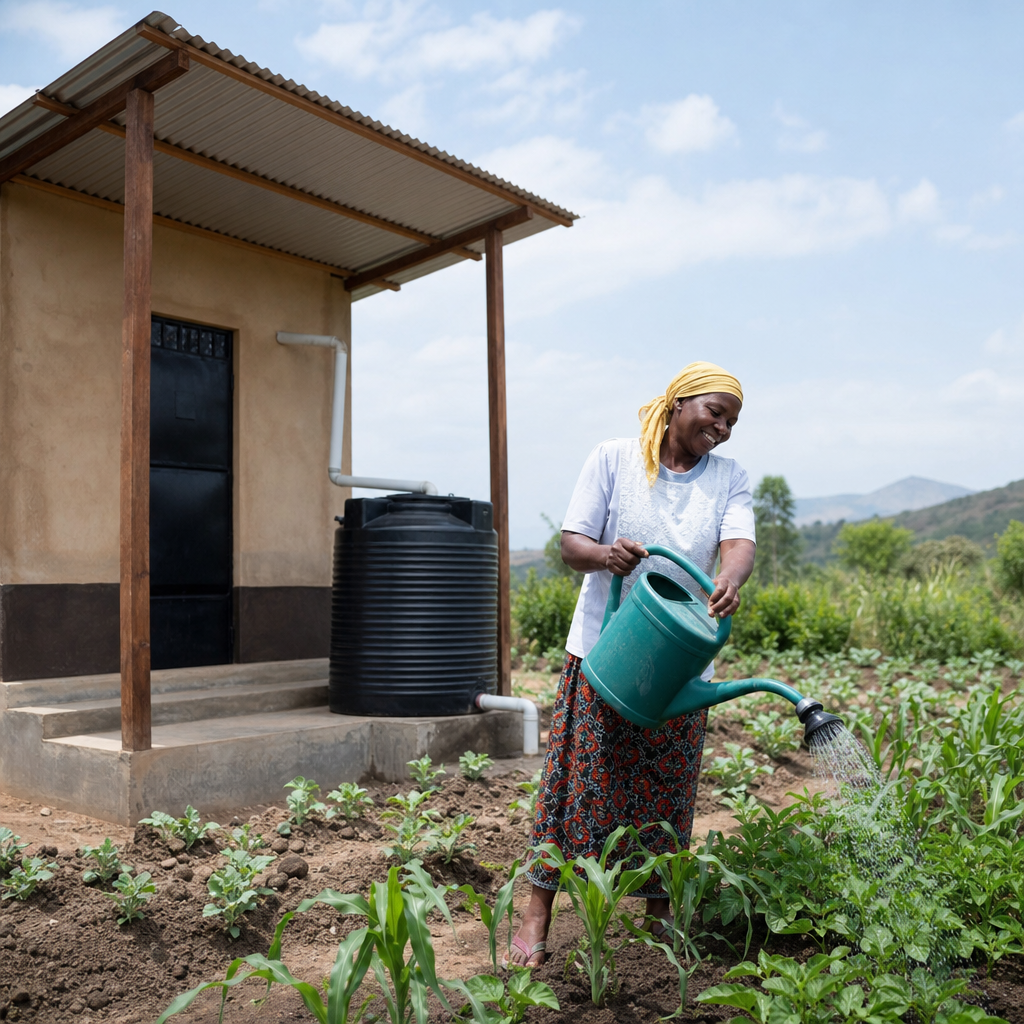
Agriculture is where EcoSan often demonstrates measurable value fastest. Farmers care about yield, input cost, and soil performance, not abstract circularity. In demonstration plots I have reviewed, the most persuasive results came from side-by-side comparisons using treated urine or compost against no input and against standard fertilizer practice. Even when recovered products do not fully replace synthetic fertilizers, they can supplement them, improve soil structure, and reduce expenditure. This is especially relevant in low-income and import-dependent countries, where fertilizer price shocks hit smallholders hard. Sanitation planners should recognize that nutrient recovery is not a side benefit; in many regions it is the financing logic that can help sustain service delivery.
Urban sanitation offers a different but equally important opportunity. Rapidly growing cities face land constraints, overloaded drains, and informal settlements beyond sewer reach. EcoSan-compatible service chains, particularly container-based sanitation and scheduled desludging tied to treatment hubs, can deliver immediate public health gains while cities plan long-term network expansion. This staged approach is often more realistic than waiting for universal sewer access. It also creates local businesses in toilet manufacturing, maintenance, waste transport, and treatment. When municipalities set clear standards, license operators, and monitor outputs, non-sewered sanitation becomes a formal urban service rather than a stopgap.
Schools, health centers, refugee settlements, and climate-vulnerable communities are high-value settings for EcoSan. In schools, reliable toilets with handwashing and menstrual hygiene accommodations improve attendance and dignity. In health facilities, decentralized systems can reduce exposure from poorly managed pits. In humanitarian response, containerized or raised dry systems can be deployed where groundwater is shallow or flooding is severe. For islands and water-stressed regions, reducing flush water demand is itself a major strategic benefit. These are concrete global opportunities in sanitation because they solve urgent service gaps while building local capacity that remains useful after projects end.
Barriers, safeguards, and what successful scale-up requires
EcoSan is promising, but scaling it responsibly requires honesty about barriers. The first is social acceptance. People may resist handling products derived from human waste, even when treatment makes them safe. The second is operational discipline. If vaults are misused, if urine is diluted with flush water, or if collection services break down, performance declines quickly. The third is regulation. Many countries have sanitation rules focused on sewerage and septic systems, with unclear standards for source separation, product certification, transport permits, and reuse. Financing is another challenge because the value from recovered products often accrues to farmers or municipalities, while households bear the upfront cost of toilets.
Successful scale-up therefore depends on complete service-chain thinking. User education must be practical and repeated, not limited to one handover session. Local masons and operators need training on construction tolerances, ventilation, emptying procedures, and occupational safety. Municipal authorities need monitoring protocols for pathogen reduction, storage duration, and end-use restrictions. Schools and public institutions need dedicated maintenance budgets. In my experience, projects become durable when responsibilities are explicit: who cleans, who collects, who tests, who pays, and who enforces standards. Ambiguity is the enemy of sanitation performance.
Policy support matters as much as technology. Governments can integrate EcoSan into citywide inclusive sanitation strategies, rural sanitation programs, fertilizer policy, and climate adaptation plans. Development banks and donors can finance pilots that include long-term operations, not just capital works. Researchers can help generate local evidence on pathogen inactivation, nutrient content, and farmer acceptance. Private operators can professionalize collection and treatment. The best results come from blended models, where public oversight, community engagement, and enterprise incentives are aligned. EcoSan should not be framed as a niche environmental choice. It is a serious sanitation pathway with clear relevance to public health, resilience, and resource security.
EcoSan offers a practical route from sanitation deficit to development gain because it treats human waste as both a health risk and a recoverable resource. It expands the toolkit beyond sewers, making safe sanitation more achievable in rural areas, informal settlements, water-scarce regions, schools, and climate-stressed communities. Its value reaches far beyond toilets: cleaner water, lower disease exposure, better nutrient cycling, stronger local agriculture, and more resilient service delivery. For a hub on global opportunities in sanitation, that breadth is exactly why EcoSan deserves close attention.
The central lesson is simple. EcoSan works when systems are designed around the full service chain: user-friendly toilets, dependable collection or storage, verified treatment, safe reuse, and clear institutional responsibility. It fails when projects focus only on hardware or assume that communities can absorb technical and maintenance burdens without support. The opportunity is not merely to install alternative toilets. The opportunity is to build circular sanitation systems that match local conditions and produce measurable social, environmental, and economic returns.
Decision-makers should evaluate EcoSan alongside sewered and septic options, using lifecycle cost, water demand, land constraints, climate risk, and reuse potential as decision criteria. Practitioners should prioritize standards, training, and monitoring from the outset. Communities and institutions should ask a practical question: what sanitation model can we operate safely for the next ten years, not just inaugurate this year? Start there, explore the most suitable EcoSan pathway, and use it to turn sanitation from a persistent liability into a platform for sustainable development.
Frequently Asked Questions
1. What is EcoSan, and why is it considered a practical pathway to achieving the Sustainable Development Goals?
Ecological sanitation, or EcoSan, is an approach to sanitation that treats human waste not simply as something to be discarded, but as a resource that can be safely recovered, treated, and reused. Instead of relying only on centralized sewer systems that often require large investments in pipes, pumping, and wastewater treatment infrastructure, EcoSan systems are designed to contain and process urine, feces, water, and organic matter close to where they are generated. Common examples include urine-diverting dry toilets, composting toilets, dehydration vaults, and small-scale decentralized treatment systems.
EcoSan is considered a practical pathway to the Sustainable Development Goals because it directly supports multiple goals at once. It contributes to SDG 6 by improving access to safe sanitation and protecting water resources. It supports SDG 3 by reducing exposure to pathogens and improving public health outcomes. It advances SDG 2 by recovering nutrients that can be used in agriculture, helping improve soil fertility and food production. It also connects with SDG 11 through more resilient community infrastructure, SDG 12 through resource recovery and circular economy principles, and SDG 13 by reducing emissions associated with poorly managed waste and energy-intensive sanitation systems.
What makes EcoSan especially practical is that it can be adapted to places where conventional sanitation struggles, such as water-scarce regions, flood-prone settlements, informal urban areas, and rural communities with limited budgets. In these settings, EcoSan offers a way to improve sanitation service delivery while also creating value from recovered nutrients and organic matter. That combination of public health, environmental protection, and resource efficiency is why EcoSan is increasingly recognized as a realistic and scalable contribution to sustainable development.
2. How does EcoSan help protect public health and the environment at the same time?
EcoSan protects public health by interrupting the pathways through which disease spreads. When human waste is poorly managed, pathogens can contaminate water sources, soil, food, and hands, increasing the risk of diarrheal disease, intestinal parasites, and other sanitation-related illnesses. EcoSan systems are designed to safely contain excreta, reduce direct human contact, and apply treatment processes such as dehydration, composting, storage, or controlled biological breakdown that lower pathogen loads before any reuse takes place. When correctly designed, operated, and maintained, these systems can significantly reduce health risks in households and communities.
At the same time, EcoSan protects the environment by reducing pollution loads that would otherwise enter rivers, groundwater, and coastal ecosystems. Conventional sanitation gaps often result in untreated or partially treated waste being discharged into the environment. EcoSan addresses this by managing waste at source and recovering useful components instead of allowing them to become pollutants. Urine contains much of the nitrogen and phosphorus excreted by the human body, and fecal matter contains organic matter and nutrients that can be stabilized and reused under safe conditions. By keeping these materials in a controlled loop, EcoSan helps prevent eutrophication, groundwater contamination, and soil degradation.
There is also an important water conservation benefit. Many EcoSan systems, especially dry or low-water designs, use little or no flush water. That matters in regions where freshwater is limited or where supplying water for flushing is expensive and unsustainable. In short, EcoSan creates a strong health-environment link: it reduces exposure to harmful waste while preserving water quality, conserving water resources, and turning potential pollutants into productive inputs. The key, however, is proper training, monitoring, and safe reuse protocols, since the success of EcoSan depends on both sound engineering and responsible management.
3. In what ways does EcoSan support agriculture, food security, and a circular economy?
One of the strongest advantages of EcoSan is that it aligns sanitation with agriculture and resource efficiency. Human excreta contains nutrients that crops need, especially nitrogen, phosphorus, potassium, and valuable organic matter. In a conventional linear system, these nutrients are treated as waste and often lost to water bodies or buried in sludge disposal sites. EcoSan takes a circular approach by capturing and treating these materials so they can potentially be returned to the soil in a safe and beneficial way.
This nutrient recovery can support SDG 2, which focuses on ending hunger, improving nutrition, and promoting sustainable agriculture. Farmers in many regions face rising fertilizer costs and declining soil quality. Properly treated urine and fecal compost or biosolids from EcoSan systems can help improve soil structure, support plant growth, and reduce dependence on synthetic fertilizers. In smallholder farming systems, this can be especially valuable because it closes local nutrient loops and makes sanitation systems economically and environmentally more meaningful to users.
EcoSan also reflects the principles of a circular economy, which seeks to keep materials in use for as long as possible and reduce waste generation. Rather than investing only in disposal, communities can think in terms of recovery, reuse, and local value creation. Depending on the system and local regulations, recovered products may include compost, soil conditioners, treated water for landscaping, or nutrient-rich liquid fertilizers. This does not mean all waste should automatically be reused; it means that where treatment standards, cultural acceptance, and governance systems are in place, sanitation can become part of a productive local cycle rather than a permanent environmental liability.
For this reason, EcoSan is not just a toilet technology. It is a broader systems approach that connects sanitation, agriculture, waste management, and local livelihoods. When implemented responsibly, it helps communities move away from extract-and-dispose models and toward regenerative resource management.
4. What are the main challenges of implementing EcoSan, and how can they be addressed successfully?
Although EcoSan has major benefits, it is not a one-size-fits-all solution, and successful implementation depends on more than installing toilets. One common challenge is user acceptance. In some communities, the idea of handling or reusing products derived from human waste may face cultural resistance, stigma, or misunderstanding. Another challenge is operation and maintenance. EcoSan systems often require users or service providers to separate waste streams, manage storage periods, add cover material, inspect chambers, or handle treatment by-products correctly. If these steps are neglected, system performance and safety can suffer.
Technical design is another critical factor. A system that works well in a dry rural area may not be suitable in a dense urban settlement, a flood-prone environment, or a place with different soil and climate conditions. Poorly adapted designs can lead to odors, insect problems, difficult maintenance, or user dissatisfaction. Governance and policy can also be barriers. In some countries, regulations for reuse are unclear, institutional responsibilities are fragmented, and financing mechanisms favor conventional sewered systems even when those systems are not realistic for the area.
The good news is that these challenges are manageable when EcoSan is approached as a service system rather than a stand-alone product. Community engagement should start early, with clear communication about health, safety, convenience, and benefits. Designs should be selected based on local context, not imported as generic models. Training for households, caretakers, masons, operators, and local authorities is essential. Reliable maintenance arrangements, supply chains for spare parts or cover materials, and realistic cost recovery plans all improve long-term sustainability.
Just as important, monitoring and regulation must support safe treatment and reuse. When governments, NGOs, utilities, and communities work together to establish technical standards and practical management systems, EcoSan becomes far more effective. In other words, the main barriers are rarely about the concept itself; they are usually about planning, user support, institutional coordination, and sustained follow-through.
5. Where is EcoSan most effective, and what should decision-makers consider before adopting it?
EcoSan is often most effective in places where conventional sewerage is too expensive, technically impractical, or environmentally unsuitable. This includes rural communities far from centralized infrastructure, peri-urban settlements with limited drainage networks, water-scarce regions where flush toilets place pressure on scarce supplies, rocky or high-water-table areas where pit latrines perform poorly, and flood-prone locations where unmanaged waste can quickly contaminate the surrounding environment. In these contexts, decentralized EcoSan solutions can offer a more resilient and cost-effective path to sanitation improvement.
Decision-makers should begin by looking at the full sanitation chain: containment, collection if needed, treatment, reuse or disposal, user behavior, institutional responsibility, and long-term financing. EcoSan works best when all of these elements are considered together. It is not enough to ask whether a toilet can be installed; the more important questions are whether it will be used correctly, whether treatment can be managed safely, whether there is a plan for maintenance, and whether any recovered resources can be applied in line with health and environmental standards.
They should also consider social and market factors. Is the community open to the concept? Are there local farmers or landscaping users interested in treated compost or urine-derived fertilizer products? Are there trained technicians who can build and service the systems? What do national sanitation policies and public health regulations allow? These questions influence whether an EcoSan program will remain a pilot project or become a durable part of local sanitation strategy.
When adopted thoughtfully, EcoSan can be far more than an alternative toilet model. It can become a strategic tool for achieving sanitation access, conserving water, recovering nutrients, strengthening local resilience, and accelerating progress across several Sustainable Development Goals. That is why