Sanitation, a fundamental aspect of human well-being, remains an elusive goal for many developing countries. Despite progress, significant challenges persist in providing adequate sanitation facilities to all. This article delves into these challenges, exploring both the underlying issues and potential solutions that can guide us towards a more sanitary and sustainable future.
The Present State of Sanitation in Developing Countries
Statistics paint a worrying picture of global sanitation. As of 2022, around 57% of the world’s population had access to safely managed sanitation services. However, over 1.5 billion people still lacked basic sanitation, such as private toilets or latrines, with millions resorting to open defecation. This issue is most acute in low-income regions, particularly Sub-Saharan Africa, where only one in five people use safe sanitation. The lack of safe sanitation is linked to numerous diseases like cholera, dysentery, and typhoid, exacerbating health crises in these regions.
Challenges and Consequences
The challenges of improving sanitation in developing countries are multifaceted. Rural areas, in particular, struggle with inadequate infrastructure and resources. The impact of poor sanitation extends beyond health risks; it also affects education, especially for girls, and hinders economic development. The World Bank estimates that poor sanitation costs billions to some countries, significantly impacting their GDP. For instance, in India, the economic losses were about 6.4% of its GDP in 2006.
Progress and Its Impact
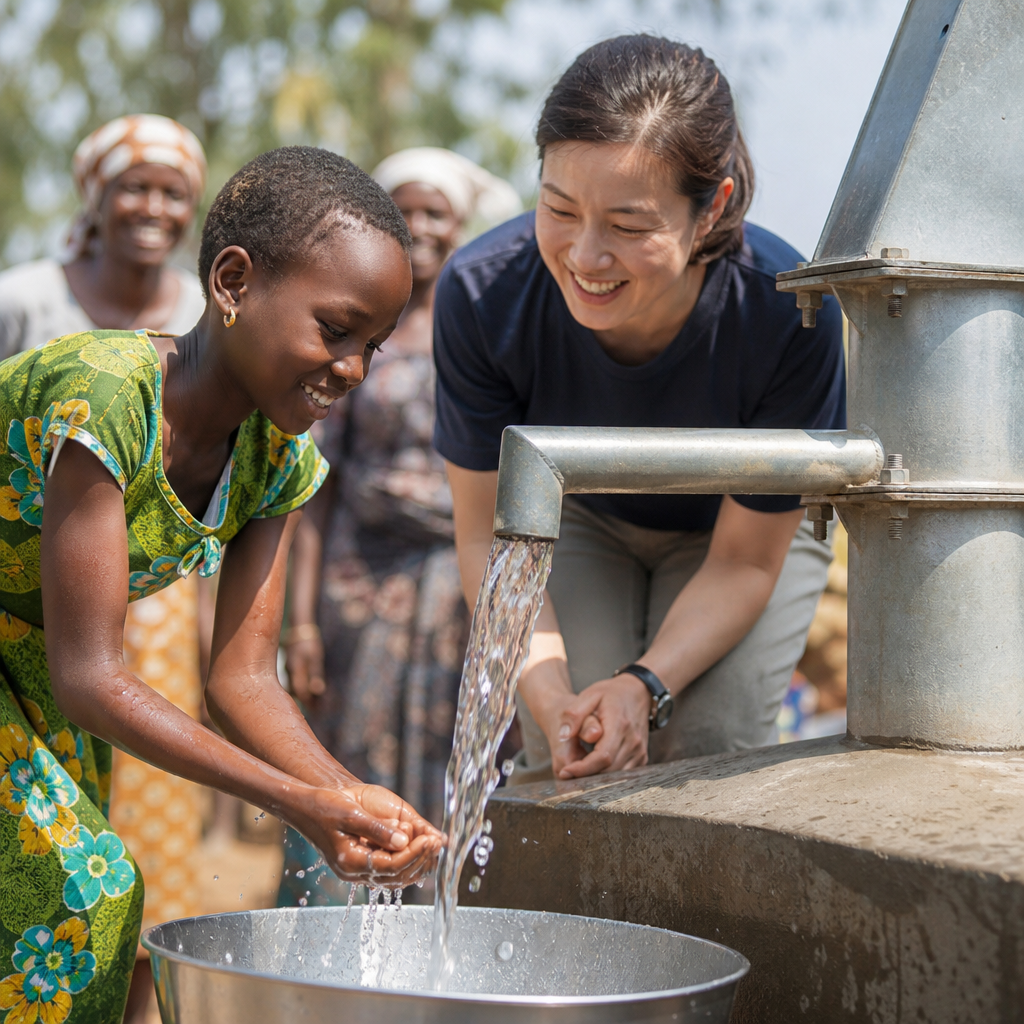
Despite these challenges, progress has been made. Between 2000 and 2020, around 2.4 billion people gained access to improved toilets or latrines. This improvement in sanitation has manifold benefits, including reducing disease burden, improving nutrition, reducing stunting in children, and enhancing overall quality of life. Moreover, improved sanitation facilities in schools, particularly for girls, boost attendance and educational outcomes.
Strategic Solutions
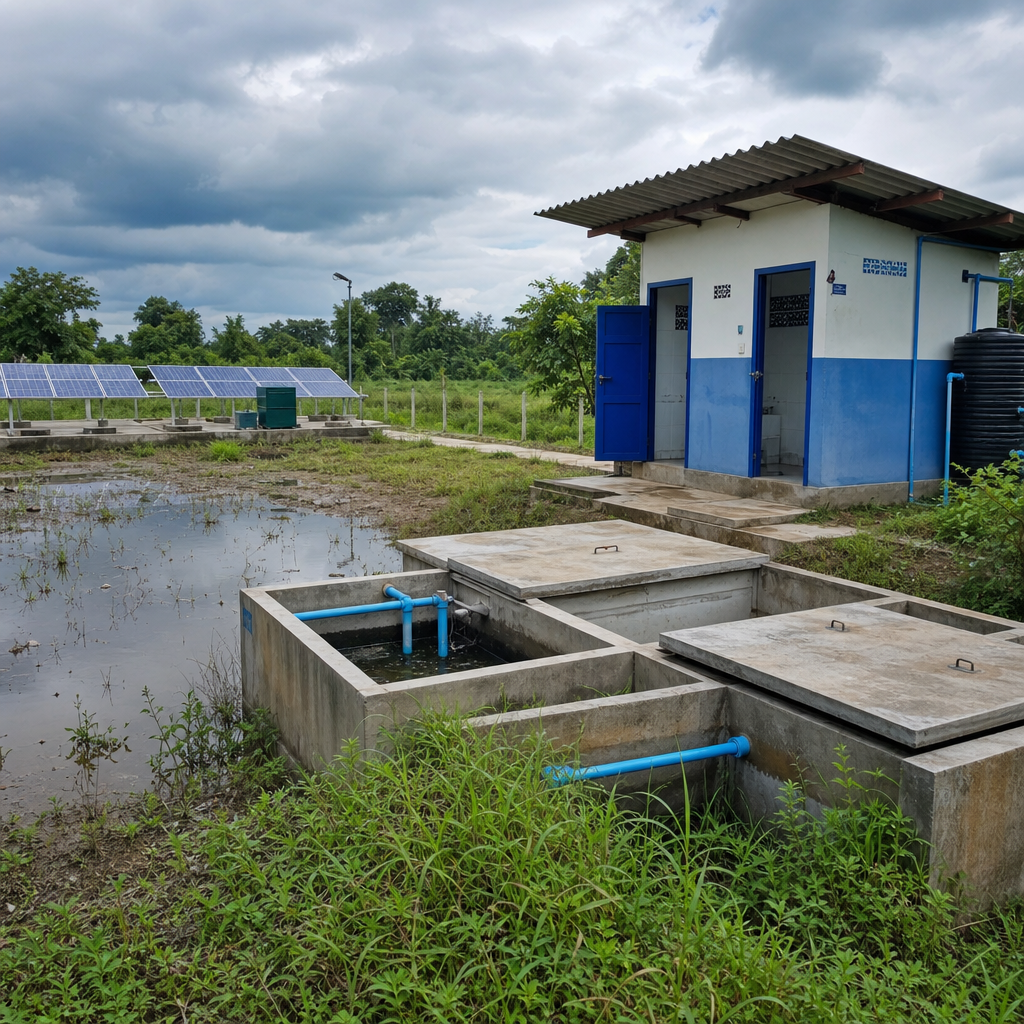
To effectively address the sanitation challenges, a multi-faceted approach is needed. Investment in infrastructure is crucial. This includes building more public toilets and improving wastewater treatment systems. Additionally, promoting behavioral changes through education and community engagement is vital for sustaining these improvements. Innovative solutions like eco-friendly toilets can also play a role, especially in areas with water scarcity or lack of sewerage systems.
The Role of Global and Local Efforts
International organizations and local governments must collaborate to tackle these issues. Initiatives by the UN, WHO, and UNICEF, alongside local NGOs, have made significant contributions. These efforts need to be scaled up and supported by increased investment and policy reforms tailored to the unique challenges of each region. Ensuring access to sanitation is also integral to achieving other Sustainable Development Goals, like good health and well-being, quality education, and gender equality.
Economic and Social Returns
Investment in sanitation yields high economic and social returns. For example, a WHO study in 2012 found that every US$1.00 invested in sanitation brought a return of US$5.50 in lower health costs, increased productivity, and fewer premature deaths. Improved sanitation also contributes to economic growth by creating job opportunities and improving the health and productivity of the workforce.
Looking Forward
The path to achieving universal sanitation is challenging but achievable. It requires concerted efforts from governments, NGOs, international organizations, and communities. Innovative approaches, sustained funding, and effective policies tailored to local contexts are the keys to success. By addressing sanitation issues, we not only improve public health but also contribute to social and economic development, paving the way for a healthier, more sustainable future.

The Road Ahead: Integrating Technology and Community Engagement
As we navigate the road ahead, integrating technology and community engagement is vital. Innovative solutions like mobile applications for reporting sanitation issues, or using data analytics to identify and address areas most in need, can play a pivotal role. Furthermore, community-led initiatives, where residents take charge of maintaining local sanitation facilities, can foster a sense of ownership and responsibility, leading to more sustainable outcomes.
Education and Awareness: Key to Behavioral Change
Education and awareness campaigns are essential in changing behaviors related to sanitation. These campaigns can inform communities about the health risks associated with poor sanitation and the benefits of improved practices. Schools can serve as critical hubs for disseminating this information, thereby instilling good hygiene practices from a young age.
Women and Sanitation: Addressing Gender-Specific Needs
The issue of sanitation has a disproportionate impact on women and girls, often affecting their education, dignity, and safety. Providing safe, accessible, and private sanitation facilities is crucial in addressing the needs of women and girls. This not only promotes gender equality but also empowers them by reducing the risk of assault and increasing school attendance.
Partnerships and Collaboration
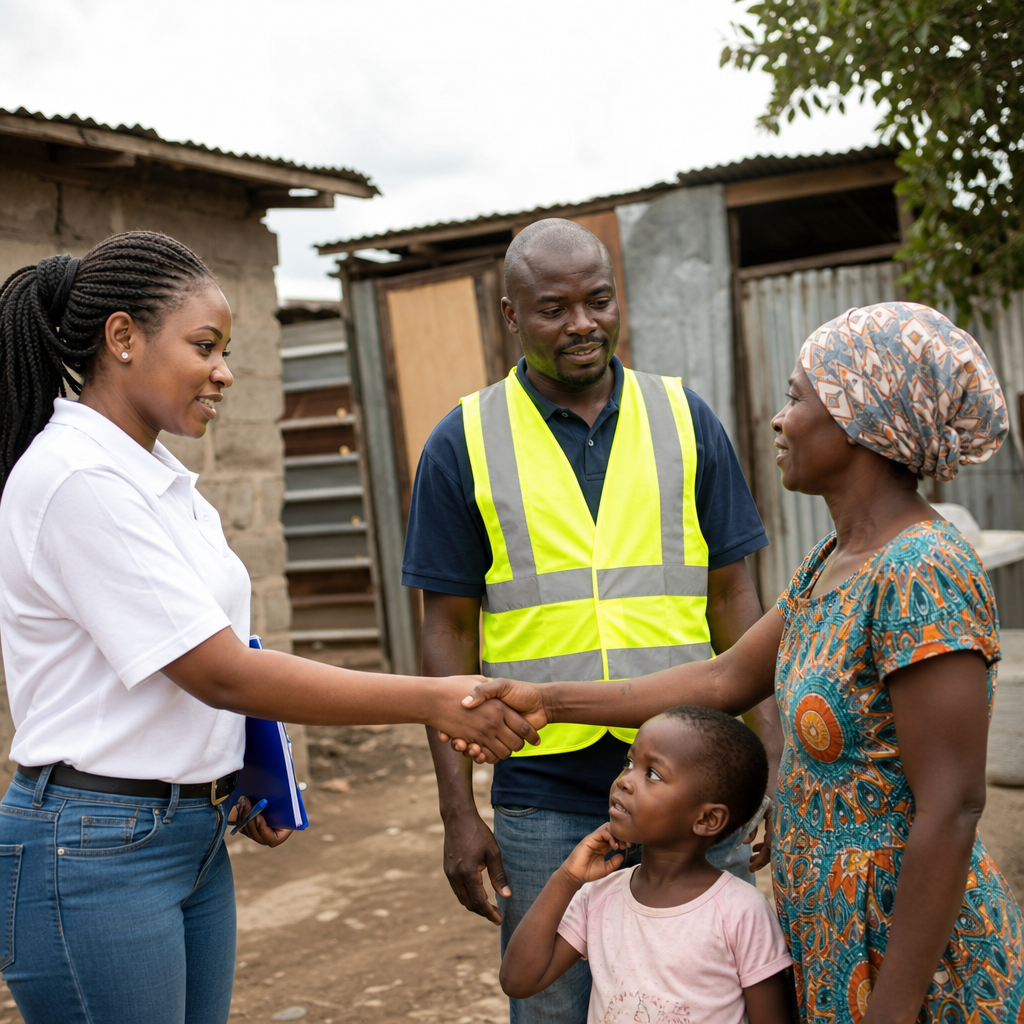
Forging strong partnerships between governments, NGOs, private sector entities, and communities is essential. Collaborative efforts can pool resources, expertise, and innovations to address the complex challenges of sanitation more effectively. International aid and support from developed countries can also play a significant role in supporting these initiatives.
Climate Change and Sanitation
The effects of climate change, such as increased flooding and droughts, pose new challenges to sanitation. Developing resilient infrastructure that can withstand extreme weather conditions is critical. Moreover, eco-friendly sanitation systems that recycle waste into resources like biogas or fertilizers can contribute to both sanitation improvement and environmental sustainability.
Monitoring and Evaluation
To ensure the effectiveness of sanitation programs, robust monitoring and evaluation systems are necessary. These systems can track progress, identify areas for improvement, and ensure that resources are being used effectively. Feedback loops involving the community can also provide insights into how programs can be adapted to better meet local needs.
Final Thoughts: A Collective Responsibility
Improving sanitation in developing countries is a collective responsibility. It requires a concerted effort from all sectors of society. By addressing these challenges, we can make a substantial impact on global health, education, and economic development, ultimately leading towards a more equitable and sustainable world.
Conclusion
Sanitation is more than just a convenience; it is a cornerstone of human dignity and development. Overcoming the infrastructure challenges in developing countries calls for a multifaceted approach, integrating technology, community participation, education, and international cooperation. As we work towards this goal, we are not only enhancing health and well-being but also paving the way for a more just and prosperous global community.