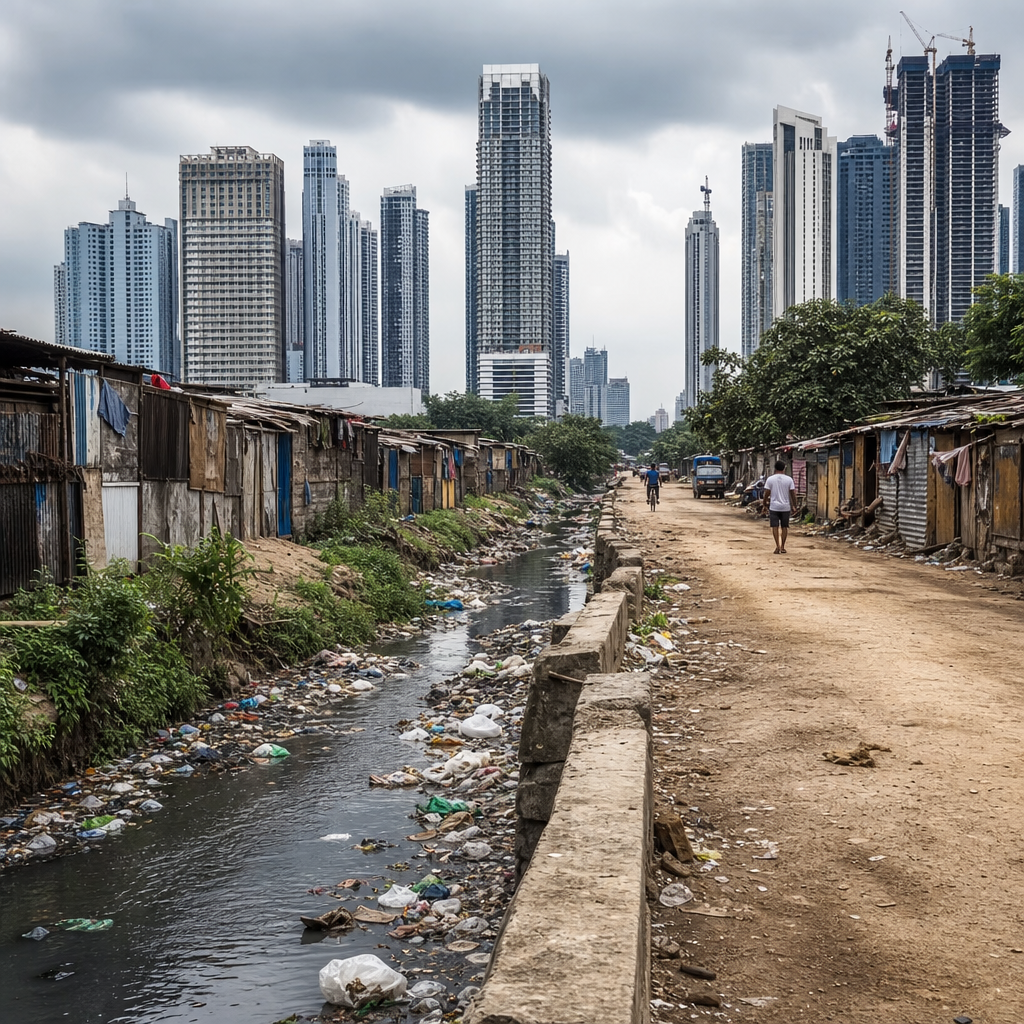
Cultural adaptability in global sanitation practices determines whether toilets are used, treatment systems are maintained, and public health gains last beyond a pilot phase. In sanitation, cultural adaptability means designing services, technologies, messages, and governance arrangements that fit local beliefs, daily routines, gender norms, climate realities, settlement patterns, and affordability. I have seen technically sound projects fail because planners assumed that one latrine design, one sludge collection schedule, or one hygiene message would work everywhere. I have also seen modest systems succeed because local preferences were treated as engineering inputs rather than social afterthoughts.
Sanitation covers the full service chain: capture, containment, emptying, transport, treatment, reuse, and safe disposal of human waste. It also includes menstrual hygiene management, handwashing support, drainage interactions, and behavior around shared facilities. Cultural adaptability matters across that chain. A toilet that faces the wrong direction for local privacy expectations may sit unused. A fecal sludge treatment plant placed without regard for neighborhood stigma may trigger protests. A school sanitation block that ignores menstrual needs will reduce attendance even if the plumbing is flawless. In each case, the barrier is not only infrastructure; it is the mismatch between service design and lived reality.
This matters globally because sanitation is both a health issue and an economic opportunity. Safe sanitation reduces diarrheal disease, intestinal parasite transmission, undernutrition, and environmental contamination. The World Health Organization has long linked sanitation investment to lower healthcare costs and productivity gains. At the same time, global opportunities in sanitation include decentralized treatment markets, sludge logistics, water-efficient toilet innovation, nutrient recovery, data services, inclusive urban planning, and climate-resilient infrastructure. For governments, utilities, NGOs, and private operators, the central lesson is straightforward: scalable sanitation solutions are rarely copied unchanged across regions. They are adapted, tested, localized, and then expanded through institutions people trust.
Why cultural adaptability is the foundation of global sanitation success
Sanitation programs succeed when they align with what people value and how communities organize everyday life. That includes norms about purity, privacy, caste or class separation, child feces disposal, anal cleansing materials, shared maintenance responsibilities, and who makes household spending decisions. In practice, these factors shape demand as much as price or hardware quality. A community may prefer pour-flush systems because water-based cleansing is standard. Another may reject them because water is scarce for much of the year. In dense informal settlements, households may accept shared toilets if cleaning systems are transparent and safety is credible, while detached household units remain unrealistic because of land tenure or space limits.
From field implementation, one pattern appears repeatedly: standardization helps procurement, but rigid standardization hurts adoption. For example, ventilated improved pit latrines, septic tanks, urine-diverting dry toilets, container-based sanitation, and simplified sewers can all be effective in the right context. None is universally best. The right choice depends on hydrogeology, flooding risk, population density, water access, emptying services, local masons’ skills, and user preferences. Cultural adaptability is therefore not cosmetic localization. It is risk management. It reduces abandonment, unsafe modifications, and operation failures that erase health gains.
It also supports legitimacy. Communities are more likely to pay tariffs, report faults, and participate in maintenance when they believe the service reflects their needs. That legitimacy becomes especially important in sanitation because many benefits are collective. One family’s safe containment helps neighbors by reducing contamination pathways. When people trust the system, they are more willing to cooperate with sludge collection schedules, school hygiene rules, and neighborhood treatment siting. In global sanitation practice, trust is not a soft variable. It is a performance variable.
How local norms shape toilet design, service models, and communication
Toilet design choices should begin with use patterns, not catalog pages. Squat pans versus sitting toilets, water seals versus dry interfaces, single-sex versus unisex blocks, lighting levels, locks, entrance orientation, child-friendly features, and accessible ramps all affect use. In parts of South Asia, water availability and cleansing practices make pour-flush systems more acceptable than dry systems, provided pits or tanks are built to be emptied safely. In parts of sub-Saharan Africa, raised toilets may be necessary in flood-prone areas, but that raises accessibility issues for older adults and people with disabilities unless ramps or handrails are integrated from the start.
Service models also depend on culture. In some cities, households are comfortable with scheduled desludging subscriptions because recurring service payments resemble existing utility patterns. Elsewhere, people prefer on-demand payment because incomes are irregular and trust in service providers is low. Container-based sanitation has shown promise in areas where sealed cartridges can be collected regularly and users value cleanliness in tight urban spaces. Yet it requires strong customer support and clear messaging so families understand handling procedures, odor control, and fee structures. Without that social layer, even a technically excellent service can be perceived as intrusive.
Communication must be equally tailored. Fear-based campaigns often backfire, especially where sanitation is tied to dignity and status. Direct, respectful messaging that addresses convenience, child safety, women’s privacy, neighborhood cleanliness, and aspirational home improvement usually performs better. Community-Led Total Sanitation demonstrated that collective behavior can change rapidly, but many practitioners now recognize that triggering alone is insufficient without durable infrastructure, financing pathways, and inclusive follow-up. Effective communication answers practical questions people actually ask: How much water will this use? Who empties it? Is it safe for children at night? What happens when it floods? How much will it cost in one year, not just today?
Global opportunities in sanitation across technology, finance, and public systems
The largest global opportunities in sanitation sit at the intersection of adaptation and scale. Urban growth is creating demand for non-sewered and hybrid service models, especially in secondary cities where conventional sewer expansion is too slow or too expensive. Fecal sludge management is one of the clearest opportunities. Many cities rely on onsite systems, yet emptying and treatment remain fragmented. Formalizing operators, setting discharge rules, tracking loads, and investing in treatment plants can rapidly improve public health. I have watched cities gain traction once they treated pit emptiers and vacuum truck operators as essential service providers rather than informal nuisances.
Resource recovery is another major opportunity. Treated biosolids can support soil conditioning when standards are met. Biogas from anaerobic digestion can offset energy costs at treatment sites. Nutrient recovery, including nitrogen and phosphorus capture, is attracting interest where fertilizer prices are volatile. These opportunities are real, but only when product quality, pathogen reduction, and market acceptance are addressed. Farmers will not use recovered products simply because a project team declares them sustainable. They need proof of safety, consistent supply, and practical value.
Digital systems are improving sanitation operations too. Geographic information systems help map unserved areas and overflow risks. Mobile payment platforms support tariff collection for shared facilities or desludging subscriptions. Barcode or manifest systems can verify that collected sludge reaches authorized treatment facilities. Sensors can track fill levels in some containment systems, though maintenance and calibration need realistic budgeting. The opportunity is not technology for its own sake; it is better decision-making. When municipalities can see where demand is rising and where containment is failing, they can target investments with far greater precision.
| Opportunity area | What it solves | Example of culturally adaptive execution |
|---|---|---|
| Fecal sludge management | Unsafe manual emptying and illegal dumping | Licensing local operators, setting neighborhood pickup norms, and using payment schedules matched to irregular incomes |
| Container-based sanitation | Space constraints in dense settlements | Designing discreet collection routines and customer support around privacy expectations and tenant-landlord dynamics |
| School sanitation | Absenteeism and poor hygiene among children | Separate facilities, menstrual support, child-sized fixtures, and cleaning plans agreed with teachers and caregivers |
| Resource recovery | High treatment costs and waste disposal burdens | Testing products against standards and building trust with farmers through demonstrations and transparent quality data |
| Climate-resilient systems | Flooding, drought, and infrastructure failure | Elevated containment, water-efficient fixtures, and seasonal maintenance plans aligned with local risk calendars |
What governments, utilities, and organizations must do differently
Policy and institutional design often determine whether culturally adaptive sanitation remains a pilot concept or becomes normal practice. Governments need service-based regulation, not only infrastructure-based regulation. That means defining outcomes across the sanitation chain, setting standards for containment and treatment, licensing emptiers, and clarifying municipal responsibility for onsite sanitation. Utilities that only manage sewers miss most of the urban sanitation reality in many low- and middle-income countries. Expanding mandates to include non-sewered sanitation, either directly or through regulated partnerships, is increasingly necessary.
Procurement should reward lifecycle performance, not lowest upfront cost alone. A cheap public toilet block becomes expensive when it is unsafe, inaccessible, impossible to clean, or abandoned within a year. Better tendering includes requirements for user research, gender-sensitive design, disability access, maintenance plans, spare parts availability, and operator training. Recognized frameworks from the WHO Guidelines on Sanitation and Health, the Sanitation Safety Planning approach, and ISO-aligned management practices help institutions move from ad hoc builds to risk-based service delivery. These are not paperwork exercises. They are tools for preventing contamination, managing hazards, and assigning responsibility.
Financing must also reflect local realities. Household credit, targeted subsidies, output-based aid, and blended finance can each play a role. The key is matching instruments to the barrier. If demand exists but upfront cost is the obstacle, microfinance or staged payments may work. If the health benefit is largely public and the poorest households are excluded, subsidies are justified. If operators need confidence to invest in trucks or transfer stations, long-term contracts and enforceable tipping arrangements matter more than short grants. The strongest programs combine public funding for public goods with private incentives for efficient service delivery.
Workforce development is another overlooked priority. Masons, pit emptiers, treatment plant operators, school caretakers, and municipal inspectors all need practical training. Cultural adaptability should be built into that training. For example, operators serving mixed neighborhoods need protocols for privacy, respectful communication, and conflict prevention, not just pump maintenance. School staff need clear cleaning responsibilities and menstrual waste procedures. In my experience, systems become reliable when frontline workers understand both the technical standard and the social expectation attached to it.
Building resilient, inclusive sanitation systems for the future
Future-ready sanitation must respond to climate stress, migration, urban density, and rising expectations for dignity and inclusion. Flooding can inundate pits, spread pathogens, and disable treatment assets. Drought can make water-based systems unaffordable or impractical. Heat can intensify odors and accelerate infrastructure wear. Culturally adaptive planning addresses these risks through local hazard mapping, seasonal operating plans, resilient materials, and clear emergency procedures. In delta cities or informal settlements near waterways, raised containment, sealed storage, and protected transfer routes are often more realistic than waiting decades for universal sewer coverage.
Inclusion is equally central. Women and girls need privacy, lighting, disposal options for menstrual materials, and safe access at night. Older adults and people with disabilities need handrails, wider doors, non-slip surfaces, and manageable distances. Tenants need service models that do not depend entirely on landlord goodwill. Refugees, mobile populations, and peri-urban residents need systems that can scale quickly without sacrificing safety. Inclusive sanitation is not a niche add-on. It is the benchmark for whether a service actually works under real conditions.
The biggest long-term opportunity is to treat sanitation as a locally adapted service economy rather than a one-time construction sector. When cities build reliable chains for containment, collection, transport, treatment, reuse, monitoring, and customer care, they create jobs, protect water resources, and improve resilience. The practical takeaway is simple: start with user realities, design for the whole service chain, and institutionalize adaptation instead of improvising it. Organizations that do this consistently deliver higher usage, better health protection, and stronger financial performance. If you are shaping strategy under global challenges and opportunities, make sanitation planning culturally adaptive from day one, then invest where local trust and operational evidence show the model can grow.
Frequently Asked Questions
What does cultural adaptability mean in global sanitation practices?
Cultural adaptability in global sanitation practices means shaping sanitation services so they fit the way people actually live, not the way planners assume they live. It includes adapting toilet design, waste treatment methods, hygiene messaging, maintenance systems, pricing, and governance to local beliefs, customs, routines, household structures, and environmental conditions. In practical terms, this could mean recognizing that some communities prefer water for cleansing rather than paper, that some households need privacy for women and girls at specific times of day, or that shared facilities may be more realistic in dense informal settlements than individual household toilets.
It also means understanding that sanitation is never purely technical. A toilet may be well engineered, affordable on paper, and compliant with health standards, but still go unused if it conflicts with social norms, is inconvenient for elderly users, does not allow for accepted cleansing practices, or creates safety concerns after dark. Cultural adaptability helps bridge the gap between engineering performance and real-world adoption. When sanitation systems reflect local preferences and realities, people are more likely to use them consistently, maintain them properly, and support them over the long term.
Why do technically sound sanitation projects still fail when cultural factors are ignored?
Many sanitation projects fail not because the technology is bad, but because the design process overlooks the social and cultural context that determines everyday behavior. A latrine model that works well in one region may be rejected in another because of beliefs about purity, smell, privacy, gender separation, child use, or proximity to the home. Similarly, treatment systems may break down if they require maintenance routines that no one has been trained for, or if they depend on governance structures that do not match local institutions and responsibilities.
Failure often begins with a one-size-fits-all mindset. Planners may assume that every household wants the same toilet, can pay the same fees, has the same land availability, or follows the same daily rhythm. In reality, sanitation choices are shaped by climate, flood risk, settlement density, cultural expectations, labor availability, and trust in service providers. If these factors are ignored, communities may avoid using the facilities, revert to older practices, neglect cleaning and repairs, or resist cost recovery systems. The result is a project that looks successful during installation but loses function, acceptance, and public health value after the pilot phase ends.
How can sanitation programs be designed to respect local beliefs and daily routines?
The most effective approach is to begin with listening rather than prescribing. Sanitation programs should include early community engagement to understand how people manage defecation, bathing, menstrual hygiene, child feces disposal, and caregiving within the constraints of their environment and social norms. This means asking practical questions about who uses the toilet, when they use it, how they cleanse, who empties pits or tanks, what people consider safe and acceptable, and what barriers affect use. These insights should directly influence design decisions rather than being treated as secondary information.
Respecting local beliefs and routines also requires flexibility in technology and service models. For example, some communities may prefer toilets with seated options for elderly users, while others may strongly favor squatting pans. In flood-prone areas, raised systems may be essential. In dense settlements, container-based sanitation or professionally managed shared toilets may be more viable than on-site pits. Communication strategies should also reflect local language, trusted messengers, and culturally appropriate framing. Instead of relying only on health education, successful programs often connect sanitation to dignity, convenience, child safety, and neighborhood pride. When people see that a system aligns with their daily lives and values, they are much more likely to adopt and sustain it.
What role do gender, affordability, and climate play in culturally adaptable sanitation?
Gender, affordability, and climate are central to whether sanitation systems are usable and sustainable. Gender affects privacy needs, safety concerns, menstrual hygiene management, caregiving responsibilities, and decision-making power within households. A sanitation system that ignores women’s experiences may technically exist yet still fail to provide safe and reliable access. For example, poor lighting, distant facilities, lack of locks, or inadequate space for menstrual hygiene can discourage use and expose users to risk. Designing with women, girls, elderly people, and people with disabilities in mind improves both equity and consistent use.
Affordability matters just as much as design quality. If construction costs, user fees, desludging charges, or replacement parts exceed what households can realistically pay, the system will struggle to survive. Culturally adaptable sanitation does not assume that low-cost automatically means acceptable; it aims for solutions that balance financial realism with user preferences and dignity. Climate adds another layer. High water tables, seasonal flooding, drought, cold temperatures, and difficult soils all influence what is feasible and acceptable. A culturally adaptable approach recognizes that environmental realities shape behavior just as strongly as social norms do. When programs account for all three factors together, they are far more likely to deliver lasting health benefits and reliable service.
How can organizations measure whether a sanitation solution is truly culturally adaptable and sustainable?
Organizations should look beyond installation numbers and focus on long-term use, satisfaction, maintenance, and service continuity. A culturally adaptable sanitation solution is not proven by the number of toilets built alone; it is proven by whether people use them regularly, keep them clean, feel safe using them, can afford to maintain them, and have access to functioning waste management over time. Good measurement includes user feedback, observation of actual use patterns, maintenance records, pit emptying or sludge service performance, and follow-up assessments long after project launch.
It is also important to measure inclusion and local ownership. Are women and marginalized groups satisfied with the facilities? Do local operators understand and perform maintenance tasks? Are tariffs, financing models, or community contributions realistic? Have local authorities or community institutions taken responsibility for oversight? Sustainable sanitation depends on both technical reliability and social fit. If a project remains functional after several seasons, continues to be used across different household members, and is supported by a locally accepted management system, that is a strong sign of cultural adaptability. In other words, success is not just whether the infrastructure exists, but whether it has become part of normal life in a way people value and sustain.