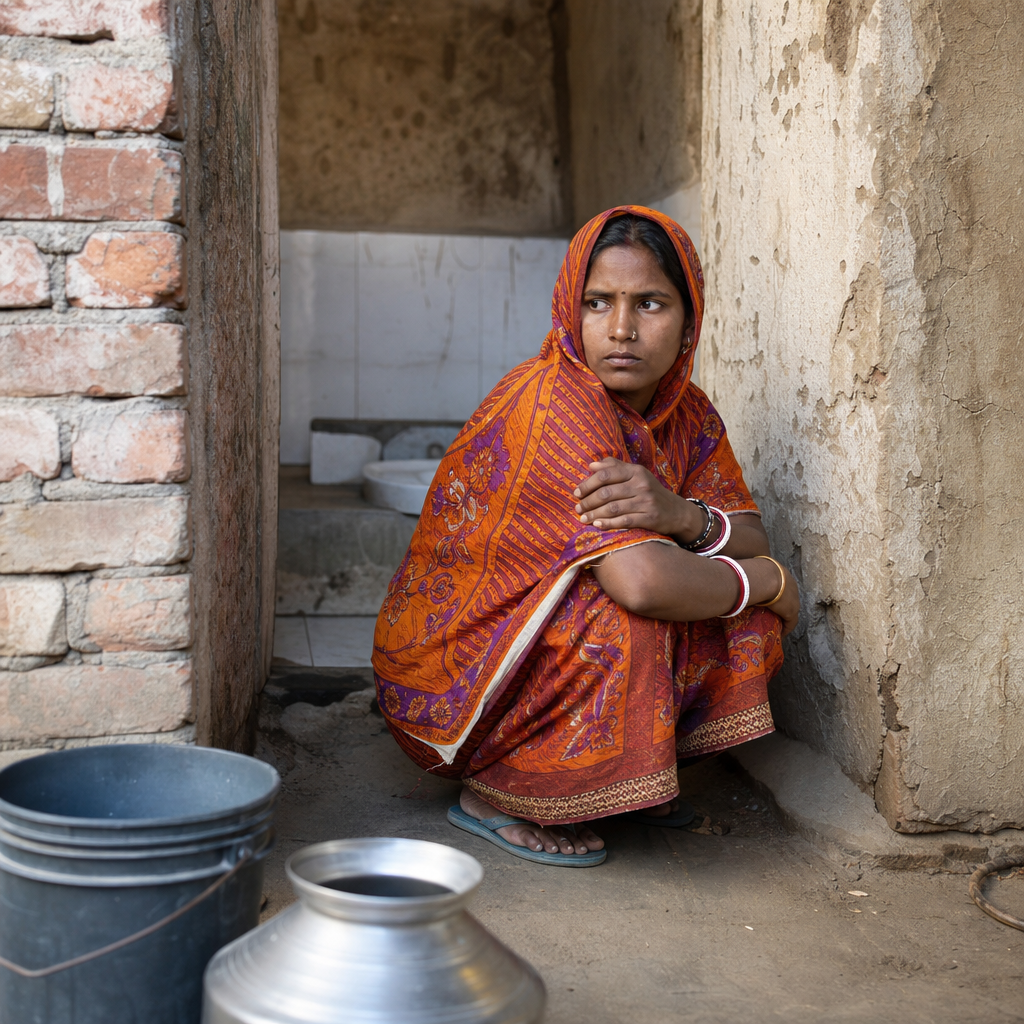
Gender-specific challenges in sanitation access shape health, safety, education, and economic opportunity across the world, making them central to any serious effort to address global sanitation challenges. Sanitation access refers not only to the presence of a toilet, sewer connection, or latrine, but also to privacy, affordability, safe waste management, handwashing facilities, menstrual hygiene support, and the ability to use services without fear, stigma, or physical risk. In practice, I have seen sanitation projects fail when planners counted infrastructure but ignored who could safely reach it, who controlled household spending, and who faced discrimination at the point of use. That gap matters because sanitation is never gender neutral. Women, girls, transgender people, nonbinary people, older adults, people with disabilities, and caregivers experience sanitation differently, and those differences influence whether a system protects dignity or deepens inequality.
The scale of the challenge is well established. UNICEF and the World Health Organization, through the Joint Monitoring Programme, have repeatedly shown that billions still lack safely managed sanitation, while hundreds of millions continue to practice open defecation. Yet headline figures alone can hide unequal burdens inside households and communities. A family may be listed as having improved sanitation, but if the toilet is unlit, lacks a door lock, is too far away, or cannot accommodate menstrual needs, access is incomplete. For girls in school, inadequate toilets can contribute to absenteeism. For women in informal settlements, long walks to communal toilets can mean harassment or assault risk, especially at night. For transgender users, facilities divided strictly by binary gender categories can create exclusion, confrontation, or forced avoidance. Sanitation policy therefore has to move beyond coverage rates and ask a more precise question: who can use sanitation safely, consistently, and with dignity?
This hub article explains the main gender-specific sanitation barriers, why they persist, and which responses work at household, community, institutional, and national levels. It also serves as an overview of the wider field of addressing global sanitation challenges, linking the technical side of toilets and wastewater to governance, urban planning, public health, school attendance, climate resilience, financing, and human rights. The core lesson is straightforward: sanitation systems perform better when they are designed around real user needs rather than assumed averages. A gender-responsive approach does not benefit only one group. It improves service quality, public health outcomes, and long-term sustainability for everyone.
Why sanitation barriers are gendered
Sanitation barriers are gendered because social roles, physical needs, safety risks, and decision-making power are not distributed equally. In many settings, women and girls manage water collection, childcare, cleaning, and care for older relatives, which means they interact with sanitation infrastructure more frequently and under more time pressure. Pregnancy, menstruation, postpartum recovery, and menopause also create practical needs that standard facility designs often overlook. A toilet without water, disposal bins, shelf space, or washing areas can be technically present but functionally unusable for part of the population. The same pattern affects caregivers helping children, sick relatives, or disabled family members who need more space, support rails, or easier access paths.
Safety is another defining factor. Poor lighting, distant facilities, broken doors, and isolated routes expose users to harassment, violence, and fear of violence. Even where reported incidents are low, the anticipatory burden changes behavior: people limit food and fluid intake, wait until daylight, use containers indoors, or resort to open defecation in unsafe conditions. These coping strategies increase dehydration, urinary tract problems, constipation, and psychosocial stress. In dense informal settlements, shared toilets may also force women and girls to queue at peak times, negotiate payment for each use, or face surveillance and shame. The gendered challenge is therefore not abstract; it changes bodily routines every day.
Social exclusion compounds these risks. Caste, disability, migration status, homelessness, and poverty interact with gender to create layered disadvantage. A low-income adolescent girl in a refugee settlement faces different sanitation barriers than a middle-income office worker in a city center, even if both technically have access to a toilet. Effective sanitation planning uses this intersectional lens because one-size-fits-all solutions miss the people most likely to be left behind.
Health, education, and livelihood impacts
The public health case for inclusive sanitation is strong. Inadequate sanitation contributes to diarrheal disease, intestinal worms, skin infections, and environmental contamination, but the gendered consequences go further. When women restrict urination or defecation because toilets feel unsafe or inaccessible, clinicians often see increased urinary tract infections and bladder discomfort. During menstruation, the absence of private washing spaces or reliable disposal can lead to poor hygiene practices, anxiety, and missed work or school. Maternal health is also affected when pregnant women lack nearby facilities or when postnatal recovery occurs in overcrowded settings without clean sanitation.
Education outcomes are closely tied to school sanitation quality. Across multiple country contexts, schools with separate, usable, well-maintained toilets and handwashing stations are better positioned to support attendance, concentration, and retention, especially for adolescent girls. The key word is usable. I have audited schools where toilets existed on paper but lacked water, locks, bins, or menstrual products, turning “access” into a misleading metric. Teachers then managed recurring absenteeism as a discipline issue rather than an infrastructure problem. For students with disabilities, inaccessible cubicles or steps can exclude them entirely from full-day attendance.
Livelihood effects are equally concrete. Market vendors, factory workers, agricultural laborers, domestic workers, and transport workers all depend on sanitation near the workplace. When facilities are absent, costly, unsafe, or discriminatory, workers lose time, income, and physical comfort. Women in low-wage informal work are especially affected because they often have less control over breaks and fewer alternatives nearby. The result is not only individual hardship but also lower labor productivity, weaker urban inclusion, and persistent inequality.
Key settings where sanitation inequality appears
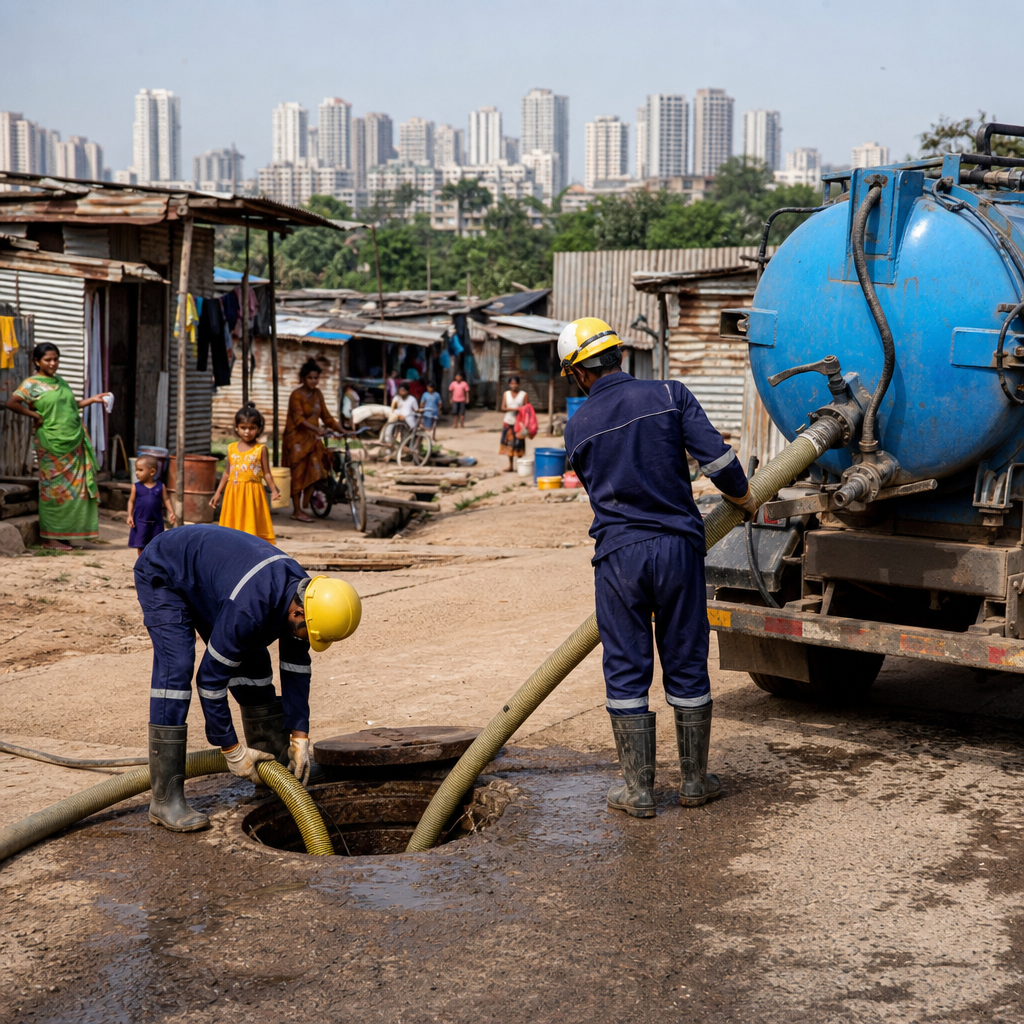
Gender-specific sanitation challenges appear differently in rural areas, urban informal settlements, schools, workplaces, healthcare facilities, and humanitarian contexts. Rural households may have space for onsite systems such as pit latrines or septic tanks, yet affordability, water availability, soil conditions, and social norms can delay construction or limit quality. Urban informal settlements face another pattern: land tenure insecurity, overcrowding, and weak utility connections make private household toilets difficult, leading to dependence on poorly managed communal blocks. In these settings, operation and maintenance are as important as initial construction.
Healthcare facilities deserve special attention because poor sanitation undermines infection prevention and respectful care simultaneously. Maternity wards need clean, accessible toilets with water, menstrual materials, waste disposal, and designs that support people with limited mobility. The WHO and UNICEF have repeatedly emphasized WASH in healthcare facilities because basic service gaps directly affect patient safety and staff performance. In humanitarian emergencies, the timeline compresses further. Camps and temporary shelters require fast deployment, but emergency latrine placement, lighting, queuing patterns, and community consultation determine whether facilities are actually used.
Workplaces and transit hubs are another neglected frontier. Bus terminals, construction sites, farms, and markets often serve large populations while offering inadequate facilities, especially for women and gender-diverse users. Where pay-per-use models dominate, even a modest fee can discourage frequent use for low-income workers. A sanitation strategy that ignores these everyday settings will miss major pathways through which inequality persists.
What inclusive sanitation design looks like
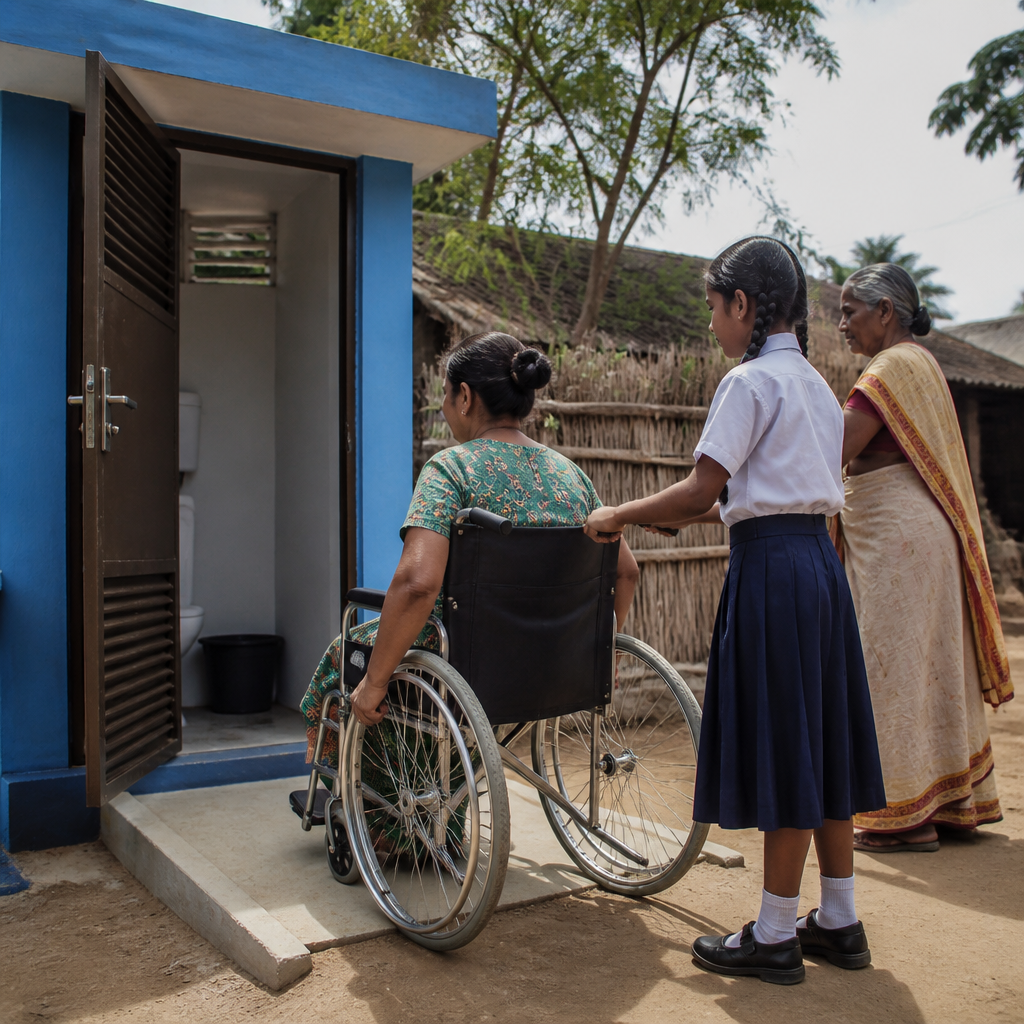
Inclusive sanitation design starts with user research, not engineering assumptions. The strongest projects I have worked on began with simple but disciplined questions: Who uses the facility at different times? What do menstruating users need? Can a caregiver assist another person inside? Is the route lit and safe? What happens when water supply fails? Answers to those questions shape practical design choices, including location, locks, internal space, ramps, grab bars, drainage, ventilation, bins with lids, washing points, and maintenance plans.
Shared and public toilets need especially rigorous design because poor management quickly destroys trust. Facilities should be visible enough to feel safe but not so exposed that privacy is compromised. Doors must lock from the inside, and walls must fully screen users. Lighting should cover entrances, pathways, and cubicle interiors. Menstrual hygiene needs are not optional extras; they require water, soap, disposal mechanisms, and surfaces for changing materials. Where sewer networks are unavailable, fecal sludge management becomes essential. A clean toilet connected to an overflowing pit is not a sanitation success; it is a deferred failure.
| Setting | Common gender-specific barrier | Effective response |
|---|---|---|
| Schools | No locks, water, or menstrual disposal | Separate usable toilets, bins, soap, maintenance budgets |
| Informal settlements | Distant communal toilets and night safety risks | Lit pathways, local attendants, scheduled cleaning, nearby blocks |
| Workplaces | Insufficient breaks and inadequate female facilities | Labor standards, accessible toilets, water, private changing space |
| Healthcare facilities | Infection risk and inaccessible maternal sanitation | WASH standards, accessible cubicles, continuous cleaning protocols |
| Refugee camps | Unsafe siting and lack of user consultation | Protection-led layout, gender consultation, rapid maintenance systems |
Technology choices also matter. Container-based sanitation, urine-diverting dry toilets, simplified sewers, and decentralized wastewater treatment can all play a role depending on density, cost, groundwater conditions, and local management capacity. There is no universal best toilet. The right option is the one users can reach, afford, maintain, and trust over time.
Governance, finance, and accountability
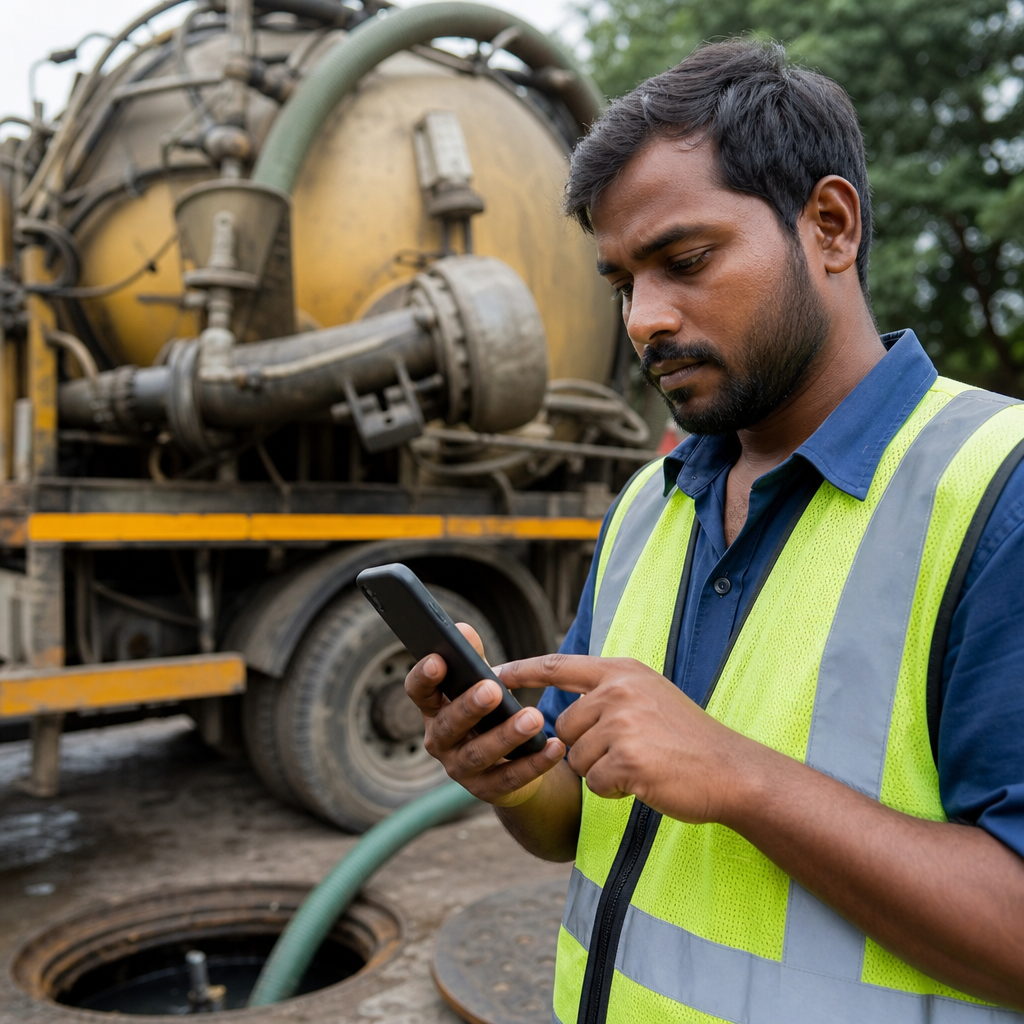
Sanitation inequality persists when institutions measure construction more carefully than service quality. Governments, utilities, municipalities, school systems, and employers need indicators that capture usability, safety, accessibility, and reliability. The JMP service ladders remain useful for benchmarking, but local monitoring should go further by tracking downtime, cleanliness, user satisfaction, lighting, menstrual support, and disability access. Community scorecards, mobile reporting tools, and independent audits can reveal whether facilities function after ribbon-cutting ceremonies end.
Finance is equally decisive. The poorest households often face the highest unit costs for sanitation, especially in informal settlements where legal connections are limited and landlords underinvest. Targeted subsidies, microfinance for toilet improvements, output-based aid, and blended finance can all help, but they must be paired with regulation and technical support. In fecal sludge management, citywide inclusive sanitation approaches have gained traction because they recognize that sewers alone will not solve urban sanitation deficits. Cities need full service chains, from containment and emptying to transport, treatment, reuse, or safe disposal.
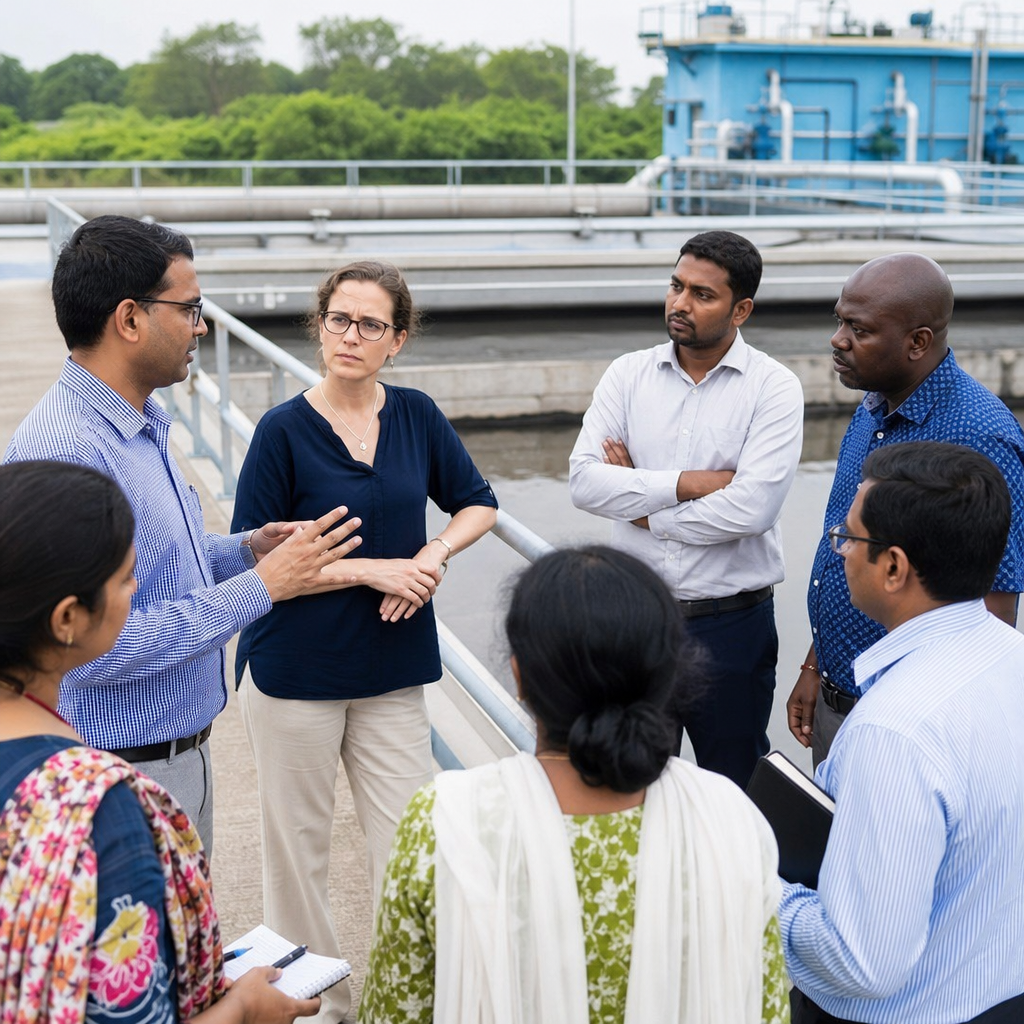
Accountability improves when affected groups participate in planning and oversight. Women’s committees, disabled persons’ organizations, school management bodies, labor representatives, and LGBTQ+ advocates often identify risks that engineers or administrators miss. Participation should influence budgets and technical specifications, not merely validate predetermined plans. That is how sanitation moves from nominal access to real service.
How this hub connects the wider sanitation agenda
Addressing global sanitation challenges requires linking gender-responsive design to broader systems change. This hub topic connects household toilet access with wastewater treatment, hygiene behavior, child health, school infrastructure, urban service delivery, climate adaptation, and public finance. Flooding, drought, and heat already strain sanitation systems, and poorly planned facilities can contaminate water sources during extreme weather. Rapid urbanization adds pressure by increasing demand in settlements where networks, land rights, and drainage remain inadequate. Meanwhile, behavior change campaigns fail when they ask families to adopt practices unsupported by safe, affordable infrastructure.
For readers exploring the full subtopic, the next logical areas include sanitation in schools, menstrual health management, fecal sludge management, rural sanitation financing, urban informal settlement service models, WASH in healthcare facilities, and sanitation in humanitarian response. Each area has its own technical details, but the through line is consistent: sanitation works when services are designed around users, supported by institutions, and maintained across the entire chain. Gender-specific challenges are not a niche concern within that agenda. They are a practical test of whether a sanitation system truly serves the population it claims to cover.
The most effective next step is to assess sanitation as a lived service rather than a construction target. Review who is excluded, where risks concentrate, and which design and governance changes can be implemented first. When planners, funders, schools, employers, and community leaders act on that evidence, sanitation becomes safer, more equitable, and more durable. Use this hub as the starting point for deeper work across the sanitation sector, and prioritize solutions that deliver dignity as well as infrastructure.
Frequently Asked Questions
What are gender-specific challenges in sanitation access?
Gender-specific challenges in sanitation access are the obstacles people face because sanitation systems are often designed without considering different physical needs, social roles, safety concerns, and cultural expectations. For women and girls, this commonly includes lack of privacy, inadequate menstrual hygiene support, poor lighting, long distances to toilets, and heightened exposure to harassment or assault when using shared or public facilities. In many communities, women are also expected to manage household water, cleaning, and caregiving, which means sanitation failures create a larger daily burden for them.
These challenges also affect men, boys, transgender people, and non-binary individuals in distinct ways. Men and boys may face pressure to use unsafe or informal sanitation in workplaces, schools, or public spaces. Transgender and gender-nonconforming people often encounter stigma, exclusion, or violence when facilities are rigidly gendered or when they are forced to choose between unsafe options. In short, sanitation access is not just about whether a toilet exists. It is about whether people can use it safely, affordably, privately, hygienically, and with dignity. When those conditions are missing, the consequences extend far beyond convenience and become a serious issue of public health, equity, and human rights.
Why does sanitation access affect women’s and girls’ health, safety, and education so strongly?
Sanitation access has an outsized effect on women and girls because their needs are often more complex and more frequently overlooked. A facility that lacks doors, locks, running water, soap, disposal systems, or space for washing can be difficult or impossible to use during menstruation, pregnancy, or postpartum recovery. When toilets are far from home or only available at night, women and girls may delay using them, reduce food and water intake, or rely on unsafe alternatives. Over time, this can contribute to urinary tract infections, dehydration, constipation, stress, and broader hygiene-related health risks.
The safety dimension is equally important. Many women and girls report fear of harassment, assault, or humiliation when using open defecation sites, isolated latrines, or poorly maintained shared toilets. That fear affects daily routines and freedom of movement. In education, inadequate school sanitation is a major barrier to attendance and participation, especially for adolescent girls. If a school does not provide private toilets, clean water, and menstrual hygiene facilities, students may miss class during their periods or leave school altogether. This creates a long-term chain reaction: reduced educational attainment can limit future income, decision-making power, and economic independence. That is why gender-responsive sanitation is not a narrow infrastructure issue; it is deeply tied to health outcomes, personal security, and equal opportunity.
How does menstrual hygiene relate to sanitation access?
Menstrual hygiene is a core part of sanitation access, not a separate issue. A person cannot manage menstruation safely and with dignity without reliable access to private toilets, clean water, soap, disposal options, and spaces to change or wash materials. When these elements are missing, people may be forced to improvise in unhealthy, uncomfortable, or socially risky ways. This is especially common in schools, workplaces, informal settlements, refugee settings, and low-income rural areas where sanitation infrastructure is limited or poorly maintained.
Good menstrual hygiene support means more than simply providing products. It includes toilets with functional locks, water inside or near the stall, bins or disposal systems for used materials, facilities that are clean enough to use without fear, and information that reduces stigma and misinformation. Without these basics, menstruation can become a source of anxiety, absenteeism, and exclusion. Girls may miss school, workers may lose income, and many people experience shame or silence around a normal biological process. Integrating menstrual hygiene into sanitation planning improves health, confidence, mobility, and participation in public life. It is one of the clearest examples of why sanitation systems must be designed around real human needs rather than minimal technical standards alone.
Are gender-specific sanitation challenges only a problem in low-income countries?
No. While the most visible and severe sanitation gaps are often documented in low-income settings, gender-specific sanitation challenges exist across all income levels and in urban and rural areas alike. In wealthier countries, the issue may appear differently but remains significant. Homeless populations, migrants, residents of informal housing, people in prisons, workers in agriculture or the gig economy, students in underfunded schools, and people relying on public restrooms can all face gendered barriers to safe sanitation. Problems such as lack of menstrual products, inaccessible public toilets, unsafe transit routes to facilities, exclusion of transgender users, and high user fees can all limit access even where basic infrastructure is widespread.
In addition, sanitation quality matters as much as sanitation presence. A city may have many toilets on paper, but if they are not open when needed, are not safe to reach, are not maintained, or do not support changing, washing, and disposal, then access remains incomplete. Gender norms and discrimination also operate everywhere. For example, some women avoid public toilets because they feel unsafe, and some transgender individuals avoid them because of the risk of confrontation or abuse. So although the scale and form of the problem vary by context, the underlying principle is universal: sanitation must be safe, inclusive, affordable, and dignified for everyone.
What solutions help address gender-specific challenges in sanitation access?
Effective solutions start with recognizing that sanitation is both an infrastructure issue and a social equity issue. The most successful approaches combine physical improvements with inclusive planning and long-term management. On the infrastructure side, this means building toilets in convenient and safe locations, ensuring adequate lighting, providing doors and locks, including handwashing stations with soap, creating systems for menstrual product disposal, and designing facilities that are accessible for pregnant people, caregivers, people with disabilities, and those accompanying children. In schools and workplaces, separate and private facilities can make a major difference when paired with reliable water and cleaning services.
Just as important is involving affected communities directly in planning and decision-making. Women, girls, transgender people, sanitation workers, and marginalized groups often know exactly what barriers exist, but their perspectives are frequently excluded. Gender-sensitive budgeting, affordable user fees, anti-harassment policies, maintenance funding, community monitoring, and public education campaigns can all improve outcomes. Data collection also matters. If governments and institutions do not measure safety, privacy, menstrual hygiene support, affordability, and inclusion, they may overestimate access and miss critical gaps. Ultimately, the goal is not simply to install more toilets. It is to create sanitation systems that people can actually use consistently, safely, and with dignity, because that is what produces real gains in health, education, safety, and economic opportunity.