Technology and innovation are reshaping global sanitation efforts at a moment when safe toilets, wastewater treatment, and hygiene services remain out of reach for billions of people. In practical terms, sanitation means the systems that safely contain, transport, treat, and reuse or dispose of human waste, greywater, and related sludge. It includes household toilets, sewer networks, septic tanks, fecal sludge management, handwashing infrastructure, drainage, and treatment plants. Innovation in sanitation covers both hardware and operating models: low-water toilets, smart sensors, container-based services, sludge-to-energy systems, digital payment platforms, and data tools that help utilities and governments make better decisions.
The issue matters because sanitation sits at the intersection of public health, education, gender equity, climate resilience, and economic development. Unsafe sanitation spreads diarrheal disease, cholera, typhoid, intestinal worms, and environmental contamination. The World Health Organization has long linked poor water, sanitation, and hygiene services to preventable illness and child mortality, while the World Bank has shown that inadequate sanitation also reduces productivity and raises health expenditures. In the communities where I have worked with utility planners and nonprofit delivery teams, the sanitation gap is never only about infrastructure. It is also about affordability, land tenure, maintenance capacity, political incentives, and whether systems are designed for real user behavior.
As a hub for addressing global sanitation challenges, this article explains where technology is making the greatest difference, where it falls short, and how governments, utilities, investors, and community organizations can build systems that last. It covers core sanitation technologies, urban and rural service models, fecal sludge management, wastewater treatment, digital monitoring, finance, behavior change, and climate adaptation. It also points to the central lesson practitioners learn quickly: there is no universal sanitation solution. Effective global sanitation efforts combine engineering, service design, regulation, and local ownership so that toilets remain usable, waste is safely managed, and public health gains persist over time.
The global sanitation challenge: scale, inequity, and system failure
Global sanitation challenges are defined by both access gaps and service quality gaps. A household may have a toilet, yet still lack safe sanitation if waste leaks into drains, groundwater, rivers, or open land. That distinction matters. International monitoring frameworks separate basic access from safely managed sanitation because the entire service chain determines health outcomes. In dense informal settlements, for example, pit latrines may fill quickly, septic tanks may be poorly constructed, and emptying services may be informal or unsafe. In rural areas, open defecation may decline, but poorly sited pits can contaminate shallow wells during floods or seasonal rises in groundwater.
I have seen this system failure most clearly in fast-growing secondary cities. Local leaders often focus first on visible assets such as toilet blocks or trunk sewers, but the larger bottleneck is operations. Who empties pits? Where does sludge go? Can the treatment site handle variable loads? Is there a tariff structure that covers fuel, labor, repairs, and compliance testing? Without answers, infrastructure quickly underperforms. That is why addressing global sanitation challenges requires a chain-of-service perspective: capture, containment, collection, conveyance, treatment, reuse, and final disposal.
Innovation helps when it is applied to specific constraints. In water-scarce regions, low-flush or dry sanitation technologies reduce dependence on piped water. In flood-prone settlements, raised toilets and sealed containment reduce overflow risk. In cities without full sewer coverage, scheduled desludging and transfer stations can outperform expensive network expansion in the near term. The best sanitation programs do not chase novelty for its own sake. They use technology to close operational gaps, lower life-cycle costs, and make safe sanitation viable for households that have historically been excluded.
Toilet technologies and containment systems that fit local conditions
Choosing the right toilet and containment system is the foundation of effective sanitation. Flush toilets connected to sewers are often treated as the gold standard, but they are not always the best first investment. Sewerage demands reliable water supply, substantial capital, pumping energy in many topographies, and long-term maintenance. Where those conditions are missing, on-site systems can deliver safer outcomes faster. Options include ventilated improved pit latrines, pour-flush toilets to septic tanks, urine-diverting dry toilets, composting toilets, and prefabricated modular units designed for dense settlements.
The key design principle is fit-for-context engineering. Septic tanks require proper baffling, adequate retention time, and soakaway conditions that match soil permeability and groundwater depth. Pit latrines need lining decisions based on collapse risk and emptying access. Dry toilets require consistent user training and an operating plan for by-product handling. In refugee settings or peri-urban settlements where land is constrained, container-based sanitation has emerged as a practical alternative. Households use sealable cartridges or cartridges integrated into toilets, and service operators collect and transport waste on a schedule to treatment sites. This model can outperform unmanaged pits where access roads are narrow and tenure is insecure.
Technology is also improving user experience, which directly affects adoption. Better slab materials, odor control, handwashing integration, lighting, menstrual hygiene features, and accessibility design make facilities more acceptable for women, older adults, and people with disabilities. A toilet is only a sanitation solution if it is used consistently, cleaned easily, and connected to a safe downstream service.
Fecal sludge management and non-sewered sanitation innovation
For much of the world, the most urgent sanitation opportunity is not sewer expansion but better fecal sludge management. Fecal sludge management covers the emptying, transport, treatment, and reuse or disposal of waste from pits, septic tanks, and other on-site systems. When this chain breaks, sludge is dumped into drains, fields, water bodies, or informal sites. That is why many sanitation experts now treat non-sewered sanitation as a core public service, not a temporary compromise.
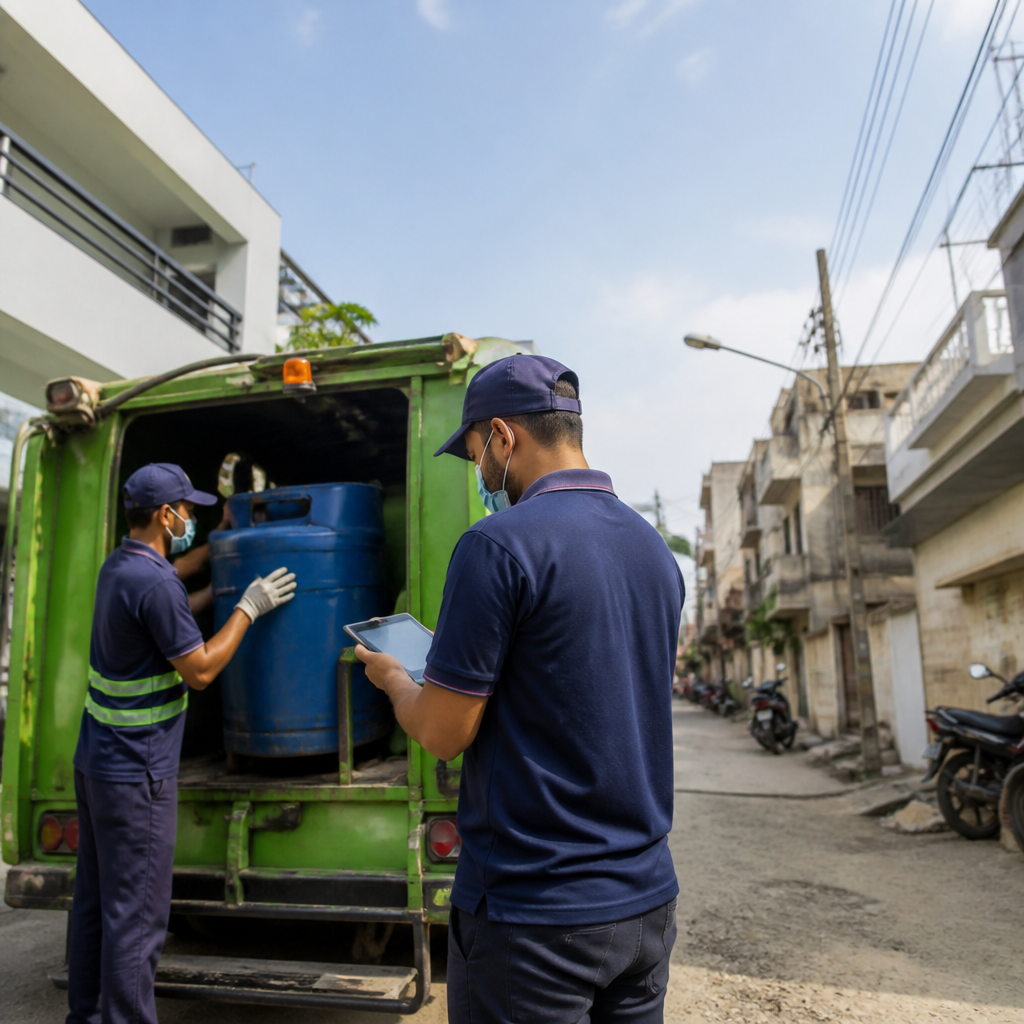
Innovation in this area has been practical and measurable. Vacuum trucks remain important, but smaller mechanized emptying devices, gulpers, transfer pumps, and handcart-based systems improve access in dense neighborhoods where full-size trucks cannot enter. Scheduled desludging programs, used in cities such as Dumaguete in the Philippines and increasingly adapted elsewhere, shift emptying from emergency response to preventive service. This improves treatment plant loading, reduces illegal dumping, and gives utilities a predictable revenue stream.
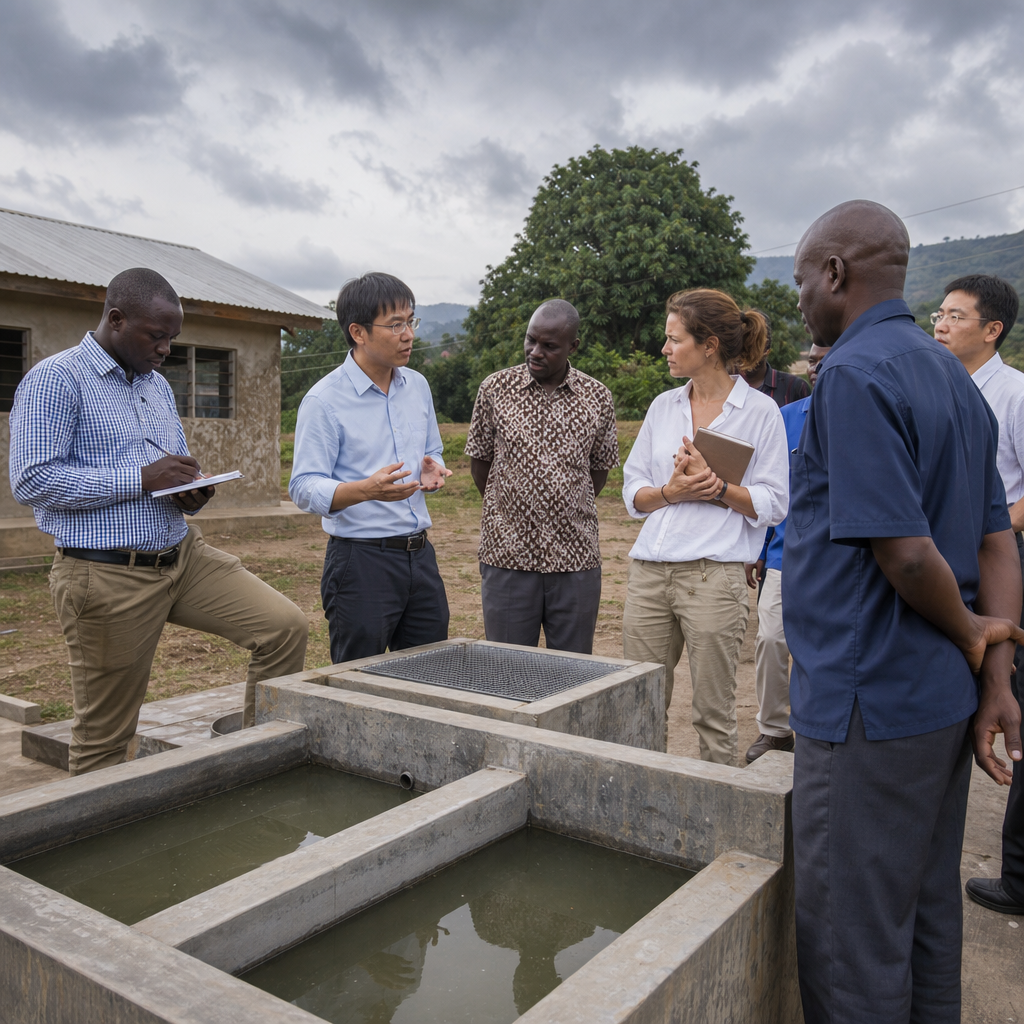
Non-sewered treatment technologies have expanded as well. Planted drying beds, geobags, co-composting units, anaerobic digesters, black soldier fly larvae treatment, and thermal drying systems can all be viable depending on climate, land, energy prices, and end-use markets. The engineering choice should follow expected sludge characteristics and operator skill levels. Sludge from poorly maintained septic tanks behaves differently from fresh pit contents, and treatment systems that ignore that variability tend to fail.
| Sanitation approach | Best use case | Main advantage | Main limitation |
|---|---|---|---|
| Conventional sewerage | Dense urban cores with reliable water and utility capacity | High user convenience and centralized treatment | Very high capital and maintenance costs |
| Septic tanks with scheduled desludging | Peri-urban and suburban areas | Lower upfront network cost and scalable service chain | Requires strict construction standards and regular emptying |
| Container-based sanitation | Informal settlements, difficult access zones, temporary communities | Works without sewers or large water demand | Needs disciplined collection logistics and customer service |
| Dry or urine-diverting toilets | Water-scarce or remote areas | Minimal water use and possible nutrient recovery | User training and by-product management are essential |
The strongest fecal sludge management systems treat sanitation as logistics plus treatment plus regulation. That means licensing emptiers, tracking discharge points, testing effluent or biosolids quality, and creating incentives for lawful delivery. Without those basics, even excellent toilet technologies produce poor public health outcomes.
Wastewater treatment, resource recovery, and circular sanitation
Wastewater treatment is evolving from a narrow disposal function into a broader resource recovery platform. Traditional treatment goals remain essential: reduce pathogens, organic load, nutrients, and pollutants before discharge. However, utilities and municipalities increasingly look for ways to recover water, energy, and nutrients from waste streams. This matters in regions facing water scarcity, high fertilizer costs, and rising energy prices.
Established treatment technologies still anchor most systems. Waste stabilization ponds, activated sludge plants, sequencing batch reactors, membrane bioreactors, trickling filters, and constructed wetlands each have their place. The right choice depends on influent quality, land availability, electricity reliability, effluent standards, and operator capacity. I generally advise planners to be cautious about highly complex systems in cities with weak maintenance budgets. A simpler treatment train that operators can run consistently almost always outperforms an advanced plant that sits idle for lack of spare parts or trained staff.
Resource recovery improves the economics of sanitation when markets are real, not assumed. Anaerobic digestion can produce biogas for heat or electricity. Treated wastewater can irrigate agriculture or support industrial reuse if quality standards are met. Biosolids or co-composted organic matter can improve soils where farmers trust the product and logistics are feasible. Nutrient recovery technologies, including struvite precipitation in selected settings, are technically promising, but they require careful cost assessment and regulatory oversight. Circular sanitation works best when product quality, public acceptance, and supply chains are planned from the start rather than added after construction.
Digital tools, data systems, and smart monitoring for sanitation services
Some of the most useful sanitation innovation is digital rather than mechanical. Utilities, city governments, and service providers now use geographic information systems, mobile surveys, remote sensors, and digital payment systems to manage sanitation assets more effectively. In field programs, I have seen GIS mapping transform sanitation planning by showing exactly where pits, septic tanks, treatment facilities, flood zones, and emptying routes overlap. That kind of visibility helps managers prioritize investments and reduce service blind spots.
Smart monitoring tools can track fill levels, pump performance, truck movements, treatment plant inflows, and effluent quality. When used well, they improve accountability. GPS-enabled fecal sludge trucks, for example, make it easier to confirm that loads reach authorized discharge points. Utility dashboards can flag delayed desludging cycles or abnormal plant loading before breakdowns occur. Mobile money and prepaid systems also matter because they reduce cash handling, improve revenue collection, and make it easier for low-income households to pay in small increments.
Data systems do have limits. Sensors fail, connectivity is uneven, and software subscriptions can become a hidden cost. The rule I follow is simple: digitize decisions, not just devices. If no one will act on the data, the technology adds little value. Strong sanitation data systems connect field measurements to budgets, maintenance schedules, public reporting, and regulatory enforcement.
Financing, governance, and behavior change that make innovation stick
Technology alone does not solve sanitation. Sustainable progress depends on financing, governance, and user behavior. Sanitation often suffers from fragmented responsibility: utilities manage sewers, health departments run promotion campaigns, local governments license emptiers, and private operators handle transport. Unless roles are clearly assigned, systems drift. Successful cities establish service standards, enforce construction codes, define tariffs or subsidies, and monitor outcomes across the full sanitation chain.
Financing is equally decisive. Household toilets may need microfinance, targeted subsidies, or output-based aid for low-income users. Citywide sanitation infrastructure often combines public capital, concessional finance, utility revenues, and donor support. The most credible financial models use life-cycle costing rather than just construction budgets. Emptying, treatment chemicals, electricity, spare parts, land management, laboratory testing, and staff training all need funding. Underpricing sanitation may look politically attractive, but it usually leads to declining service quality and unsafe disposal.
Behavior change remains central because sanitation systems depend on daily habits. Toilet use, handwashing, menstrual hygiene management, safe child feces disposal, septic maintenance, and willingness to pay all influence outcomes. Community-led approaches, school programming, social marketing, and behaviorally informed messaging can all help, but only if they respect local norms and avoid one-off campaigns. The strongest sanitation programs pair infrastructure with customer service, feedback loops, and visible reliability. People adopt and maintain services they trust.
Climate resilience, equity, and the future of global sanitation efforts
Climate change is forcing sanitation planning to become more adaptive. Floods can inundate pits, septic tanks, and treatment plants. Drought reduces water available for flushing and increases the appeal of dry systems and reuse. Heat can alter biological treatment performance and accelerate odors in poorly managed sites. Coastal areas face salinity intrusion that affects groundwater and sanitation design. Future-ready sanitation therefore requires resilient siting, raised or sealed containment, backup power where pumping is essential, and emergency emptying or overflow protocols.
Equity must guide those decisions. The hardest sanitation deficits are concentrated in informal settlements, remote rural areas, schools, healthcare facilities, and crisis settings. Women and girls are disproportionately affected by unsafe, inaccessible, or poorly lit toilets. People with disabilities are often excluded by narrow doors, steps, and inadequate support rails. Migrants and renters may be missed entirely by subsidy programs tied to formal property ownership. Good sanitation policy corrects these gaps deliberately through inclusive standards, pro-poor service models, and disaggregated data.
The future of global sanitation efforts will be hybrid. Some cities will expand sewers strategically while improving on-site services elsewhere. More utilities will adopt scheduled desludging, digital oversight, and resource recovery where economics support it. More governments will regulate sanitation as a public service across the whole chain, not just at the toilet or treatment plant. If you are building a sanitation strategy under the broader Global Challenges and Opportunities agenda, start with service-chain mapping, context-specific technology choices, realistic finance, and measurable public health goals. That is how sanitation innovation becomes durable progress.
Frequently Asked Questions
What does “technology and innovation” actually mean in global sanitation efforts?
In global sanitation, technology and innovation refer to the tools, systems, processes, and service models that improve how human waste, greywater, and sludge are safely contained, transported, treated, and reused or disposed of. This includes visible infrastructure such as toilets, sewer networks, septic systems, drainage channels, and treatment plants, but it also includes less visible advances like digital monitoring, low-cost sensors, data platforms, mobile payment systems, treatment chemicals, improved pit emptying equipment, and decentralized treatment units. In many settings, innovation is not just about inventing something entirely new. It often means adapting existing technologies to work better in low-resource, rapidly urbanizing, flood-prone, or informal environments where conventional sewerage may be too expensive or impractical.
Importantly, sanitation innovation is increasingly focused on the full service chain rather than a single product. A toilet alone is not enough if waste cannot be safely emptied, transported, treated, and managed downstream. That is why many promising solutions combine engineering, public health, urban planning, financing, and behavior change. Examples include container-based sanitation for dense urban areas, smart fecal sludge tracking systems, compact wastewater treatment systems for schools and clinics, and resource recovery technologies that turn waste into biogas, compost, water for reuse, or fuel. The goal is not simply modernization for its own sake. The goal is safer, more inclusive, more affordable sanitation that protects health, preserves water resources, reduces environmental pollution, and serves communities reliably over time.
How are new sanitation technologies helping communities that lack sewer systems?
Many communities around the world will not have access to large centralized sewer networks anytime soon, so innovation is increasingly centered on non-sewered and decentralized sanitation solutions. These technologies are designed to work where water is scarce, land is limited, electricity is unreliable, or municipal infrastructure is underdeveloped. Examples include improved pit latrines, urine-diverting dry toilets, septic upgrades, container-based sanitation, modular treatment units, and neighborhood-scale systems that treat wastewater closer to where it is generated. These approaches can expand access much faster than waiting for conventional sewer buildout, especially in peri-urban settlements, informal neighborhoods, refugee settings, and rural areas.
What makes these technologies especially valuable is that they can be paired with service innovations. Scheduled desludging programs, GPS-enabled emptying fleets, mobile billing, and digital records help ensure that waste is not abandoned in pits, dumped into waterways, or handled unsafely. In some cases, treated waste can also be converted into usable products such as compost, briquettes, or energy, helping offset operating costs and creating local economic value. When designed well, non-sewered solutions can be highly effective, but success depends on more than hardware. Communities need maintenance support, regulation, trained operators, financing, and public trust. The strongest sanitation programs recognize that technology must fit local realities and be supported by long-term service delivery, not just one-time installation.
What role do digital tools and data play in improving sanitation systems?
Digital tools are becoming a major force in sanitation because they help governments, utilities, NGOs, and private operators make better decisions and respond faster to failures. In many cities, sanitation systems have historically suffered from poor records, fragmented oversight, and limited visibility into what happens after waste leaves a household or public toilet. Data platforms can map toilets, septic tanks, sewer lines, drainage assets, treatment facilities, and service gaps, giving planners a clearer picture of where investments are needed most. Sensors and remote monitoring can track flow rates, overflow risks, treatment performance, fill levels, groundwater impacts, and equipment breakdowns, helping operators prevent small problems from becoming health emergencies.
Digital innovation also improves accountability and efficiency across the sanitation service chain. Mobile apps can connect households to desludging providers, reduce illegal dumping through route verification, and document whether waste reached an approved treatment site. Utilities can use dashboards to monitor outages, schedule maintenance, and prioritize underserved neighborhoods. Public health agencies can combine sanitation data with disease surveillance to identify areas at higher risk of outbreaks. In schools, clinics, and public facilities, digital reporting systems can track handwashing station functionality, toilet cleanliness, and supply shortages. That said, data systems are only as useful as the institutions that manage them. Good sanitation data requires trained staff, reliable connectivity, privacy safeguards, and a willingness to use evidence in budgeting and policy. When those pieces are in place, digital tools can significantly strengthen planning, transparency, and long-term system performance.
Can sanitation innovation also support climate resilience and environmental sustainability?
Yes, and this is becoming one of the most important reasons to invest in better sanitation technology. Poorly managed sanitation contributes to water contamination, methane emissions, nutrient pollution, and ecosystem damage, while climate change is making sanitation systems more vulnerable to flooding, drought, sea-level rise, and extreme weather. Innovation helps address both sides of this challenge. Flood-resilient toilets, sealed containment systems, decentralized treatment, and upgraded drainage can reduce the risk of sewage overflow during storms. Water-efficient or dry sanitation options can be especially important in drought-prone regions. Improved wastewater treatment can also prevent pathogens and pollutants from entering rivers, lakes, aquifers, and coastal areas.
Some of the most promising innovations are based on circular economy principles, where waste is treated as a resource rather than simply a disposal problem. Technologies can recover biogas for cooking or electricity, nutrients for agriculture, treated water for irrigation or industrial use, and biosolids for soil improvement where regulations allow safe reuse. Better sludge treatment can also reduce greenhouse gas emissions compared with uncontrolled dumping or decomposition. However, sustainability claims must be grounded in real operating conditions. A climate-smart sanitation system must be affordable to run, accepted by users, and robust under local environmental stresses. In practice, the best outcomes come from combining engineering improvements with watershed protection, urban planning, maintenance funding, and strong environmental regulation. Innovation matters, but durable sustainability depends on how well these solutions are integrated into the broader sanitation and public health system.
What are the biggest barriers to scaling sanitation technology worldwide?
The biggest barriers are usually not the lack of ideas, but the difficulty of turning promising pilots into reliable, affordable services at scale. Financing is a major obstacle. Sanitation often receives less investment than water supply or other infrastructure sectors, even though the health and economic benefits are substantial. Many technologies also require ongoing operation, maintenance, and professional management, which means that funding must cover the full lifecycle of the service, not just construction. In low-income settings, households may not be able to pay the true cost of sanitation, so subsidies, blended finance, public budgets, and results-based funding can all play a role. Without durable financing, even technically sound solutions may fail after initial rollout.
Institutional and social barriers are just as important. Responsibilities for sanitation are often split across multiple agencies, creating gaps in regulation, enforcement, and service delivery. Local governments may lack technical capacity to evaluate technologies, manage contracts, or monitor treatment performance. Supply chains for spare parts and trained technicians may be weak, especially outside major cities. At the community level, user preferences, privacy concerns, cultural norms, gender considerations, and accessibility needs all influence whether a sanitation solution is accepted and used consistently. Successful scaling usually happens when innovation is paired with enabling policy, operator training, standards for safety and performance, community engagement, and a clear plan for maintenance and accountability. In other words, sanitation technology scales best when it is treated not as a standalone product, but as part of a complete and inclusive public service system.