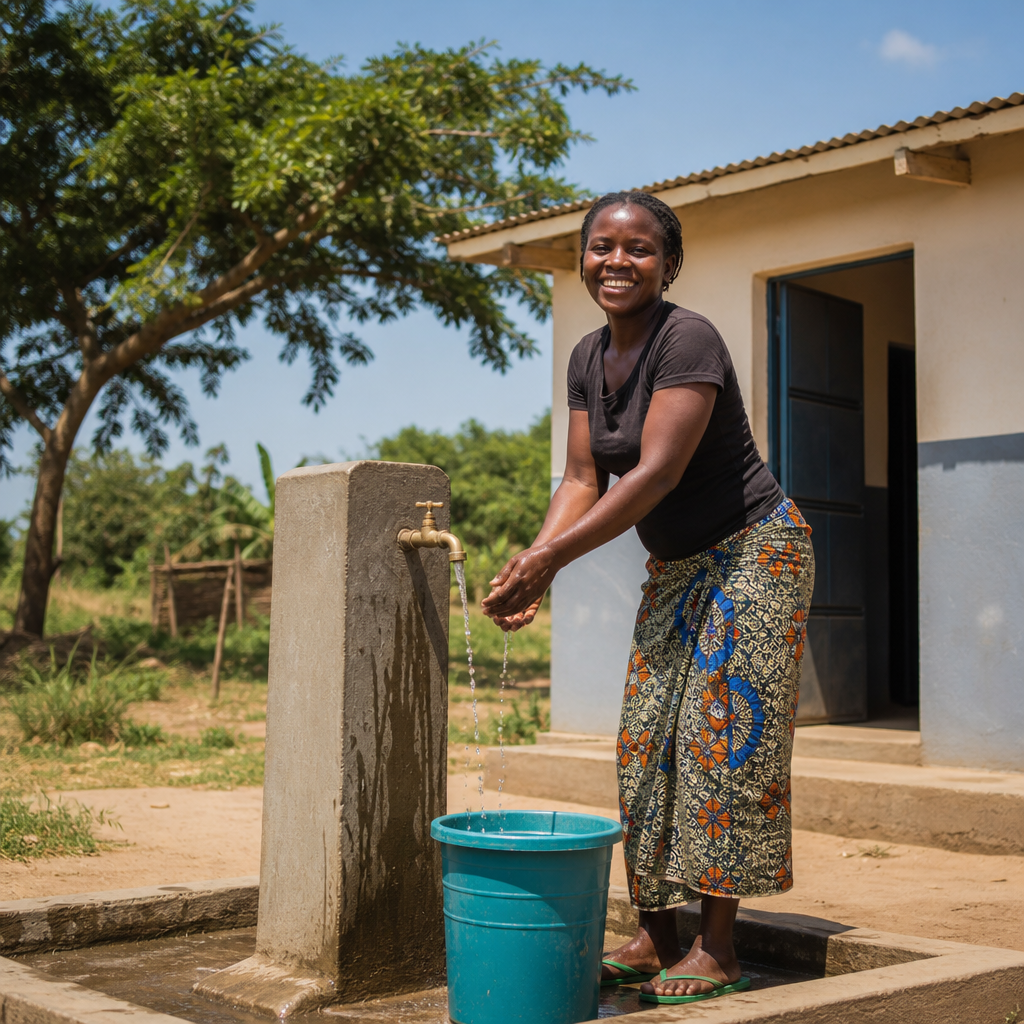
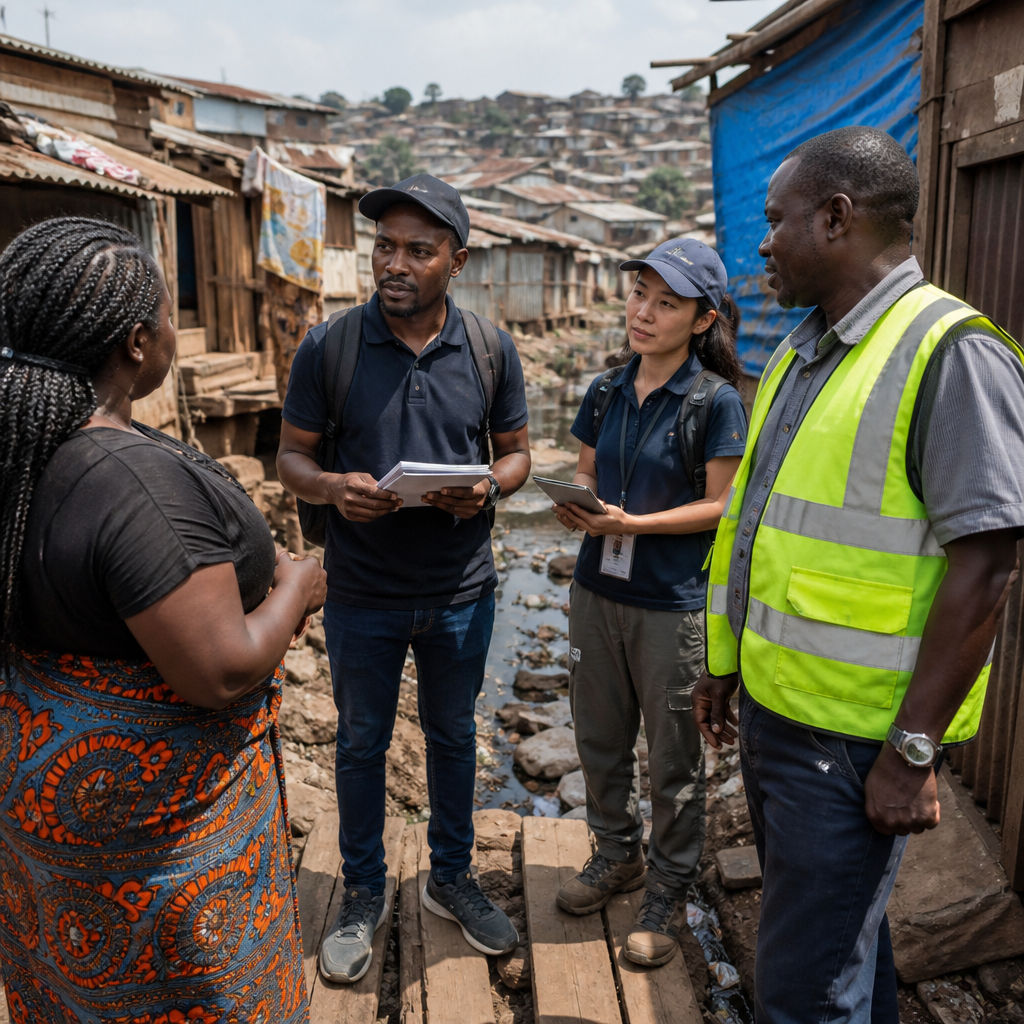
EcoSan’s role in achieving the Sustainable Development Goals is practical, measurable, and increasingly important as governments, utilities, and development agencies confront sanitation gaps, water stress, nutrient loss, and climate pressure at the same time. Ecological sanitation, commonly shortened to EcoSan, is an approach that treats human excreta and wastewater not as waste to be discarded, but as resources that can be safely managed, recovered, and returned to productive use. In field programs I have worked on, the distinction matters because conventional sanitation often ends at containment or disposal, while EcoSan asks a fuller question: how can sanitation protect health, conserve water, recover nutrients, and strengthen local resilience? That broader design logic aligns closely with the Sustainable Development Goals because the goals themselves are interconnected, especially SDG 6 on clean water and sanitation, SDG 3 on good health and well-being, SDG 2 on zero hunger, SDG 11 on sustainable cities and communities, SDG 12 on responsible consumption and production, and SDG 13 on climate action.
EcoSan systems include urine-diverting dry toilets, composting toilets, decentralized wastewater treatment, fecal sludge treatment with resource recovery, and reuse pathways for nutrients, soil amendments, water, and in some cases energy. The core principle is safe circularity. Waste streams are separated, treated to reduce pathogens, and reused under clear health safeguards. This can reduce freshwater demand, cut pollution loads entering rivers and aquifers, lower dependence on synthetic fertilizers, and improve sanitation access in places where sewers are impractical or unaffordable. The approach is especially relevant in informal settlements, water-scarce rural areas, climate-vulnerable regions, schools, health facilities, and fast-growing secondary cities. As a hub for global initiatives and collaborations in sanitation, this article explains where EcoSan fits, which institutions are driving progress, what implementation models work, and why success depends as much on governance, finance, and behavior change as on toilet technology itself.
Why EcoSan Matters Across the SDGs
EcoSan contributes to the SDGs because sanitation outcomes ripple through health systems, food systems, education, gender equity, and local economies. The most direct link is SDG 6. Safely managed sanitation requires that excreta be contained, transported, treated, and disposed of or reused safely. EcoSan strengthens this chain by designing for treatment and reuse from the start. In rural communities where pit latrines contaminate groundwater or flood during rainy seasons, urine diversion and above-ground containment can sharply reduce environmental exposure. In peri-urban areas where sewer expansion will take decades, decentralized treatment and scheduled fecal sludge management can deliver safer services sooner.
The health effect links EcoSan with SDG 3. Unsafe sanitation is associated with diarrheal disease, helminth infections, undernutrition, and environmental enteric dysfunction. The World Health Organization sanitation safety planning framework makes clear that risk reduction must cover the full sanitation chain. EcoSan can meet that standard when storage times, composting temperatures, dehydration conditions, and reuse controls are properly managed. I have seen strong results where operator training and routine inspection were treated as nonnegotiable; I have also seen projects underperform when hardware was installed without a service model. That is a central lesson for policy makers: the SDGs are not reached by toilet construction alone, but by durable systems.
EcoSan also supports SDG 2 because recovered nutrients can improve soil fertility. Human urine contains substantial nitrogen, phosphorus, and potassium, while treated biosolids can add organic matter that improves soil structure and water retention. This matters as fertilizer prices fluctuate and phosphorus security becomes a strategic concern. For SDG 12 and SDG 13, EcoSan reduces waste, shortens nutrient loops, and can lower emissions associated with water-intensive sewerage, synthetic fertilizer production, and unmanaged sludge decomposition. For SDG 5 and SDG 10, well-designed systems can improve safety, privacy, affordability, and inclusion, but only if facilities address menstrual hygiene, accessibility, and user dignity from the outset.
Global Initiatives Shaping EcoSan and Sanitation Collaboration
International sanitation progress is driven by a network of multilateral agencies, research institutions, financiers, city alliances, and civil society organizations. UNICEF and WHO jointly track global service levels through the Joint Monitoring Programme, which provides the benchmark language used across the sector: basic, limited, unimproved, open defecation, and safely managed sanitation. That monitoring architecture matters because it defines what counts and where investment gaps remain. UN-Water coordinates across the UN system, while UN-Habitat supports urban service planning and inclusive settlements. The World Bank, regional development banks, and bilateral donors finance citywide sanitation, wastewater treatment, and rural service delivery, increasingly with attention to non-sewered systems and resource recovery.
Specialized organizations have pushed EcoSan concepts into practical use. The Sustainable Sanitation Alliance created one of the most influential knowledge platforms for circular sanitation, hosting case studies, technology reviews, and policy discussions used by practitioners worldwide. The International Water Association advanced fecal sludge management, wastewater reuse, and citywide inclusive sanitation as professional fields rather than niche topics. The Stockholm Environment Institute and the Stockholm International Water Institute have long connected sanitation to nutrient cycles, agriculture, and water security. The Bill & Melinda Gates Foundation accelerated innovation in off-grid sanitation through the Reinvent the Toilet Challenge, helping shift the sector toward treatment performance, business models, and user-centered design.
National governments are equally important. India’s Swachh Bharat Mission dramatically expanded toilet coverage and public attention to sanitation, even though the harder task of safe sludge management and sustained use continues. South Africa has piloted urine-diverting dry toilets in water-scarce areas. Uganda, Kenya, Ethiopia, and Rwanda have supported sanitation marketing, school sanitation, and decentralized service models with varying degrees of reuse integration. In Europe, circular economy strategies and stricter wastewater directives are renewing interest in nutrient recovery from sludge and source-separated streams. The common pattern is collaboration: ministries set standards, municipalities plan services, utilities operate treatment, researchers validate safety, and community organizations build acceptance.
Implementation Models That Work in Practice
Successful EcoSan implementation follows service logic, not a one-time construction logic. The first model is household or compound-based source separation, often using urine-diverting dry toilets. This works best where water is scarce, soils are suitable for reuse, and households can maintain the system or pay for collection. The second model is institutional EcoSan in schools, clinics, markets, and transport hubs, where higher user numbers justify trained caretakers and scheduled maintenance. The third model is neighborhood or town-scale decentralized treatment, linking toilets, septic tanks, or container-based collection to transfer stations and treatment facilities that produce compost, briquettes, irrigation water, or industrial inputs.
Across these models, practitioners need to match technology to settlement form, hydrology, culture, and regulation. In flood-prone Bangladesh, raised containment and sealed handling are often more realistic than infiltration-based systems. In dense informal settlements in Kenya, container-based sanitation can outperform fixed on-site designs because space constraints and difficult emptying make pits hazardous. In drought-affected parts of Southern Africa, dry sanitation can reduce pressure on scarce water supplies, but only if ash, cover material, and maintenance are consistently available. I have found that projects succeed when they start with route-to-service questions: who empties, who transports, where treatment happens, who buys the product, and what standard proves safety.
| Implementation model | Best-fit context | Main SDG links | Typical collaboration partners |
|---|---|---|---|
| Urine-diverting dry toilets | Water-scarce rural areas, rocky ground, flood risk | SDG 6, SDG 2, SDG 12 | Local government, NGOs, agricultural extension |
| Composting toilets in institutions | Schools, clinics, parks, visitor facilities | SDG 3, SDG 4, SDG 6 | Facility managers, education ministries, health teams |
| Decentralized wastewater treatment | Peri-urban settlements, small towns, campuses | SDG 6, SDG 11, SDG 13 | Utilities, municipalities, engineering firms |
| Container-based sanitation with reuse | Dense informal settlements with poor access | SDG 1, SDG 6, SDG 10 | Social enterprises, city authorities, investors |
| Fecal sludge treatment and composting | Cities using pits and septic tanks | SDG 6, SDG 12, SDG 13 | Utilities, regulators, farmers, private operators |
Safety, Standards, and Public Acceptance
EcoSan only advances the SDGs when reuse is safe and trusted. The main risk categories are pathogens, chemical contaminants, operational failures, and inconsistent user behavior. WHO guidelines on sanitation and wastewater reuse provide the sector’s most widely recognized risk-management basis. Hazard analysis, multiple barriers, storage periods, treatment validation, protective equipment, crop restrictions, and hygiene controls are all part of responsible practice. Urine is typically lower in pathogen risk than feces, but storage and application rules still matter. Compost derived from excreta must reach adequate treatment conditions and be tested according to national requirements before agricultural use.
Public acceptance is often discussed as a cultural obstacle, but in practice it is a design and trust issue. People accept systems that are clean, private, odor-controlled, easy to use, and visibly managed. They reject systems that shift labor onto households without support or that create embarrassment, insect problems, or uncertain product quality. In Nepal and parts of Ethiopia, acceptance improved when farmers saw side-by-side crop results and received guidance on handling. In urban settings, acceptance often depends less on reuse itself than on service reliability. Households want assurance that containers will be collected on schedule, toilet cabins will be cleaned, and tariffs will be fair.
Regulation remains uneven. Many countries have building codes for septic tanks and sewers but no clear standards for source separation, dehydrated feces, or urine-derived fertilizers. That gap slows scaling because utilities and investors need legal certainty. A strong policy package usually includes product standards, operator licensing, sludge discharge controls, land application rules, and procurement pathways that allow municipalities to purchase circular sanitation services. Without that framework, promising pilots remain isolated demonstrations. With it, EcoSan becomes a legitimate infrastructure option within national sanitation planning rather than an experimental sideline.
Financing, Markets, and the Economics of Scale
One of the hardest questions in sanitation is who pays. EcoSan can reduce lifecycle costs in some contexts, especially where sewer networks would be prohibitively expensive, but it is not automatically cheap. Containers, vaults, diversion pedestals, treatment units, transport, and quality assurance all carry costs. Capital expenditure may be lower than full sewerage, yet operating expenditure can be substantial if collection is frequent or treatment standards are strict. The economic case strengthens when avoided costs are counted: lower water demand, reduced pollution, less expensive fertilizer imports, fewer flood damages from failing pits, and improved health outcomes.
Blended finance is common. Public funds usually cover part of the infrastructure because sanitation delivers public health and environmental benefits that markets alone do not capture. Tariffs or service fees can fund operations when they are matched to income levels and service quality. Carbon finance, results-based financing, and payments for resource recovery are emerging but still secondary in most markets. Social enterprises such as Sanergy helped demonstrate that container-based sanitation can create value from waste streams through insect protein, compost, or fuel products, yet those models still depend on strong logistics and a supportive city environment.
Scaling requires demand aggregation and standardization. Municipalities can bundle service zones, guarantee feedstock volumes for treatment plants, and use performance-based contracts tied to emptying frequency, pathogen reduction, and customer satisfaction. Agricultural markets matter too. If compost or urine-derived fertilizers are to offset costs, products must be consistent, legally recognized, and linked to extension services that teach correct application rates. In my experience, the strongest business cases do not rely on resource sales alone. They combine public finance for sanitation outcomes with commercial revenues from by-products, making the system less vulnerable to swings in commodity prices or seasonal demand.
The Road Ahead for Global Sanitation Partnerships
The next phase of EcoSan within global sanitation collaboration will be defined by integration. Cities are moving toward citywide inclusive sanitation because large populations will continue using on-site systems long after sewer master plans are approved. That makes fecal sludge management, decentralized treatment, and resource recovery central rather than peripheral. Climate adaptation is pushing the same direction. Water scarcity, flooding, and energy costs make conventional approaches less reliable in many places. EcoSan offers a portfolio of solutions that can be adapted to local constraints while still meeting public health objectives.
Three priorities stand out. First, countries need clearer regulatory pathways for source separation, treated excreta products, and decentralized operators. Second, monitoring must move beyond counting toilets to tracking the full sanitation chain, including treatment performance and reuse outcomes. Third, partnerships should connect sanitation ministries with agriculture, climate, housing, and urban finance institutions so circular benefits are recognized in budgets and plans. This subtopic matters globally because sanitation is no longer only about disposal. It is about resilient service systems that protect health, conserve resources, and support development across multiple goals.
For decision-makers, the core takeaway is simple: EcoSan is most powerful when treated as a service ecosystem supported by policy, finance, training, and market development. For practitioners, the lesson is equally clear: start with user needs, map the full chain, validate safety, and build partnerships early. For readers exploring global challenges and opportunities in sanitation, use this hub as a starting point for deeper work on fecal sludge management, nutrient recovery, decentralized treatment, school sanitation, urban service models, and sanitation finance. The SDGs will not be met without faster sanitation progress, and EcoSan provides one of the most credible pathways to make that progress durable, inclusive, and resource-smart.
Frequently Asked Questions
What is EcoSan, and why is it relevant to the Sustainable Development Goals?
Ecological sanitation, or EcoSan, is a sanitation approach built around the idea that human excreta and wastewater should be managed as recoverable resources rather than simply treated as waste. In practice, EcoSan systems are designed to safely separate, contain, treat, and reuse nutrients, organic matter, and in some cases water. That makes EcoSan especially relevant to the Sustainable Development Goals because it addresses several development challenges at once instead of solving sanitation in isolation.
Most directly, EcoSan supports SDG 6, which focuses on clean water and sanitation, by expanding access to safer sanitation services and reducing contamination of groundwater, rivers, and coastal areas. But its contribution goes much further. By recovering nutrients such as nitrogen and phosphorus for agriculture, EcoSan also supports SDG 2 on zero hunger through improved soil fertility and local food production. By reducing pollution and exposure to untreated waste, it contributes to SDG 3 on good health and well-being. Because many EcoSan models use little or no water compared with conventional sewer-based systems, they can also help communities facing water scarcity, linking directly to climate resilience and resource efficiency goals.
EcoSan matters in the SDG conversation because it is practical and measurable. Governments and utilities can track outcomes such as reduced open defecation, improved toilet access, lower wastewater discharge, nutrient recovery rates, reduced fertilizer dependence, and lower water use. In regions where centralized sewer infrastructure is too expensive, too slow to expand, or unsuitable for local geography, EcoSan offers a decentralized option that aligns with inclusive, resilient, and circular development. That combination of sanitation, environmental protection, and resource recovery is exactly why EcoSan is increasingly seen as a powerful tool for accelerating SDG progress.
Which SDGs does EcoSan support beyond SDG 6?
Although EcoSan is most commonly associated with SDG 6, its benefits clearly extend across multiple goals. One of the strongest links is to SDG 2, Zero Hunger. Properly treated sanitation by-products can be reused to improve soil health and return nutrients to agriculture, helping farmers reduce dependence on costly synthetic fertilizers. In places where soils are degraded and fertilizer access is limited, this nutrient recovery function can improve productivity and strengthen local food systems.
EcoSan also supports SDG 3, Good Health and Well-Being, because safe containment and treatment of human waste reduces exposure to pathogens that cause diarrheal disease, parasitic infection, and environmental contamination. Better sanitation has direct public health value, especially for children, older adults, and vulnerable households. There is also an important link to SDG 5, Gender Equality. When sanitation systems are accessible, private, safe, and close to home, women and girls benefit from improved dignity, reduced safety risks, and more manageable menstrual hygiene practices. Schools and public institutions can especially benefit from sanitation designs that are more responsive to gendered needs.
EcoSan contributes to SDG 11, Sustainable Cities and Communities, by offering flexible sanitation models for dense settlements, peri-urban growth areas, and places where sewer networks are incomplete or financially unrealistic. It aligns strongly with SDG 12, Responsible Consumption and Production, because it promotes circular resource use rather than linear disposal. There is also a growing connection to SDG 13, Climate Action. Many EcoSan systems can reduce emissions associated with wastewater mismanagement, lower the energy intensity of treatment, and strengthen resilience in drought-prone or flood-vulnerable settings. In short, EcoSan is not a single-goal intervention; it is a systems approach that helps bridge sanitation, health, food, water, and climate priorities in a way the SDG framework is designed to encourage.
How does EcoSan help address water scarcity and environmental pollution?
EcoSan helps address water scarcity by reducing the need to use clean water to transport waste. Conventional flush sanitation systems can require large volumes of freshwater every day, which becomes increasingly problematic in regions facing drought, seasonal water stress, weak water infrastructure, or rising competition among households, agriculture, and industry. Many EcoSan models, including urine-diverting dry toilets and other low-water sanitation systems, are specifically designed to minimize or eliminate flushing needs. That makes them especially useful in arid areas, informal settlements, remote communities, and institutions where water reliability is poor.
At the same time, EcoSan reduces environmental pollution by improving how excreta and wastewater are handled. When sanitation systems are absent, poorly maintained, or overloaded, untreated waste often enters drains, soils, rivers, lakes, and groundwater. This leads to microbial contamination, nutrient loading, algal blooms, and long-term ecosystem damage. EcoSan aims to break that pattern through safe containment, treatment, and controlled reuse. Instead of allowing nutrients to become pollutants in waterways, the system captures them for beneficial use under appropriate health and environmental safeguards.
This shift is important because nutrient loss is both an environmental problem and an economic inefficiency. Nitrogen and phosphorus discharged into water bodies can degrade ecosystems, yet those same nutrients are valuable for agriculture when properly treated and applied. EcoSan therefore turns a disposal problem into a resource management opportunity. It can also reduce pressure on centralized treatment systems and lower the cost of extending sanitation services to underserved areas. For planners and development agencies, that combination of water efficiency, pollution prevention, and resource recovery makes EcoSan a compelling strategy in places where traditional sanitation pathways are not delivering sustainable results.
Is EcoSan safe, and what conditions are needed for it to work effectively?
Yes, EcoSan can be safe and highly effective, but only when it is properly designed, operated, monitored, and matched to local conditions. Safety in EcoSan depends on one core principle: human waste must be handled through controlled processes that reduce pathogens before any reuse takes place. This means the sanitation chain matters at every stage, from user interface and waste separation to storage, treatment, transport, and final application. If any part of that chain is weak, health risks can increase. If the full chain is managed well, EcoSan can provide strong public health and environmental benefits.
Several conditions are important for success. First, the technology must suit the context. Soil conditions, groundwater levels, climate, population density, cultural preferences, user behavior, and institutional capacity all influence what type of EcoSan model is appropriate. Second, there must be clear operational responsibility. Households, service providers, local governments, or utilities need defined roles for maintenance, emptying, treatment oversight, and reuse protocols. Third, user education is critical. Even well-designed systems can underperform if users do not understand how to separate waste streams properly, keep facilities clean, or follow safe handling instructions.
Regulation and quality control are equally important. Standards for treatment time, storage conditions, pathogen reduction, and reuse practices help ensure that recovered products are safe for agriculture or landscaping. Monitoring should be built into implementation rather than treated as an afterthought. Successful EcoSan programs often combine infrastructure with training, extension services, community engagement, and market development for recovered resources. In other words, EcoSan is not just a toilet design; it is a managed sanitation system. When that system is supported by good governance and practical local capacity, it can be both safe and scalable.
What are the biggest barriers to scaling EcoSan, and how can they be overcome?
The biggest barriers to scaling EcoSan are usually institutional, financial, social, and operational rather than purely technical. One major challenge is perception. In many settings, sanitation planning has long been shaped by a linear model in which waste is removed and forgotten. EcoSan requires a different mindset: one that recognizes treated excreta and wastewater as recoverable resources. That can create resistance among policymakers, service providers, and users who are unfamiliar with reuse-based systems or who associate them with inconvenience, stigma, or lower status compared with sewered sanitation.
Another barrier is fragmented responsibility. EcoSan often sits at the intersection of sanitation, agriculture, water management, public health, and local government. When no single institution owns the full service chain, implementation can stall. Financing is also a challenge. Although EcoSan can be cost-effective over time, especially in areas where sewer expansion is unrealistic, upfront investment, maintenance systems, training, monitoring, and treatment logistics still require funding. In addition, many countries lack clear regulations for resource recovery, reuse standards, and performance measurement, which can slow adoption and reduce investor confidence.
Overcoming these barriers requires a systems approach. Policymakers need evidence from well-documented pilot programs and city or rural district case studies that show measurable outcomes in sanitation access, water savings, nutrient recovery, and cost performance. Public communication matters as well; communities are more likely to accept EcoSan when programs explain the health safeguards, practical benefits, and long-term value clearly and respectfully. Capacity building is essential for local governments, utilities, entrepreneurs, and farmers so that recovered resources can move through a safe and organized service chain.
Scaling also becomes more realistic when EcoSan is integrated into broader planning frameworks such as climate adaptation, circular economy strategies, WASH investment plans, and sustainable agriculture initiatives. Instead of treating EcoSan as a niche or temporary solution, decision-makers can position it as part of a diversified sanitation portfolio. That is often the most effective path forward: use EcoSan where it offers clear advantages, support it with standards and service models, and measure its contribution not only in toilets built, but in