Access to proper sanitation is a fundamental human right, yet millions of people living in informal settlements around the world still face daily challenges in accessing basic sanitation facilities. These challenges not only affect the health and wellbeing of residents but also their dignity and potential for economic development. Addressing these issues requires innovative, sustainable, and community-focused solutions.
The Challenges of Sanitation in Informal Settlements
Informal settlements, often characterized by high population density, inadequate infrastructure, and limited access to public services, pose unique challenges for sanitation. Traditional sewage systems are often non-existent, and where they do exist, they can be inaccessible or inadequate for the needs of the growing population. Moreover, the temporary nature of some settlements can discourage investment in permanent infrastructure.
Health and Environmental Impacts
The lack of proper sanitation facilities can lead to the spread of diseases such as cholera, dysentery, and typhoid. Poor sanitation also impacts the environment through the contamination of water sources, soil, and air, exacerbating the health problems in these communities.
Innovative Sanitation Solutions
Innovative approaches to sanitation focus on sustainability, affordability, and community engagement. These solutions often leverage technology and resource recovery to provide pragmatic and effective sanitation.
1. Community-Led Total Sanitation (CLTS)
Community-Led Total Sanitation is an approach that empowers communities to completely eliminate open defecation through their own initiatives. By facilitating community workshops and discussions, residents identify their own sanitation solutions, which can lead to a higher commitment to maintaining these systems. This approach has been successful in various countries, leading to significant improvements in community health.
2. Container-Based Sanitation Systems
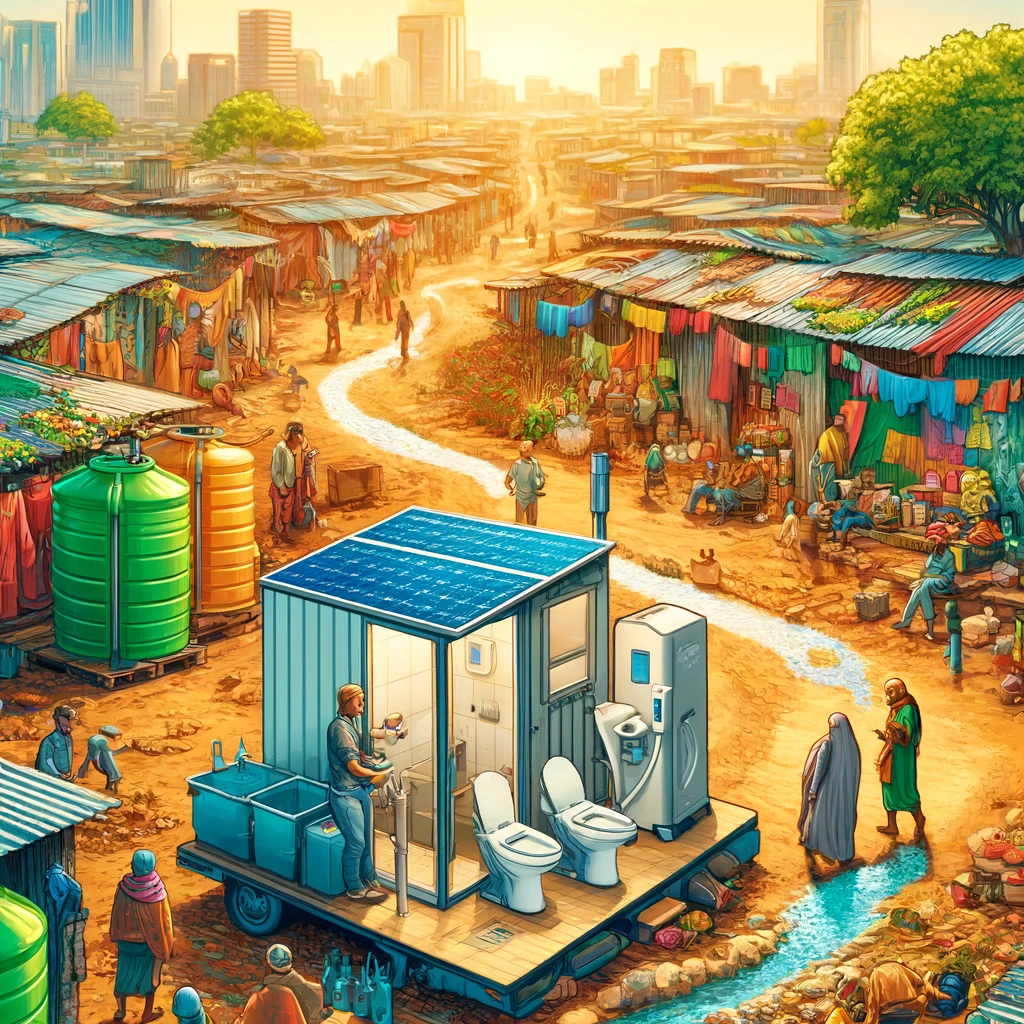
Container-based sanitation (CBS) systems provide a flexible, scalable solution for areas where traditional sewage systems are not feasible. Residents use sealable containers to collect waste, which is then regularly collected and transported to treatment facilities. This system not only prevents environmental contamination but also allows for the recovery of nutrients and energy from waste.
3. Biodegradable and Composting Toilets
Composting toilets offer a sustainable alternative that converts waste into compost, which can be used to improve soil fertility. These toilets require no water, making them ideal for areas with limited water resources. Additionally, biodegradable solutions, where toilets and waste bags can decompose naturally, reduce the need for waste removal and treatment infrastructure.
4. Mobile and Digital Technologies
Advancements in mobile and digital technologies can enhance the efficiency of sanitation services in informal settlements. Mobile applications for service requests, feedback, and payment systems can improve the management and monitoring of sanitation services, ensuring that resources are allocated where they are most needed.
Engaging the Community
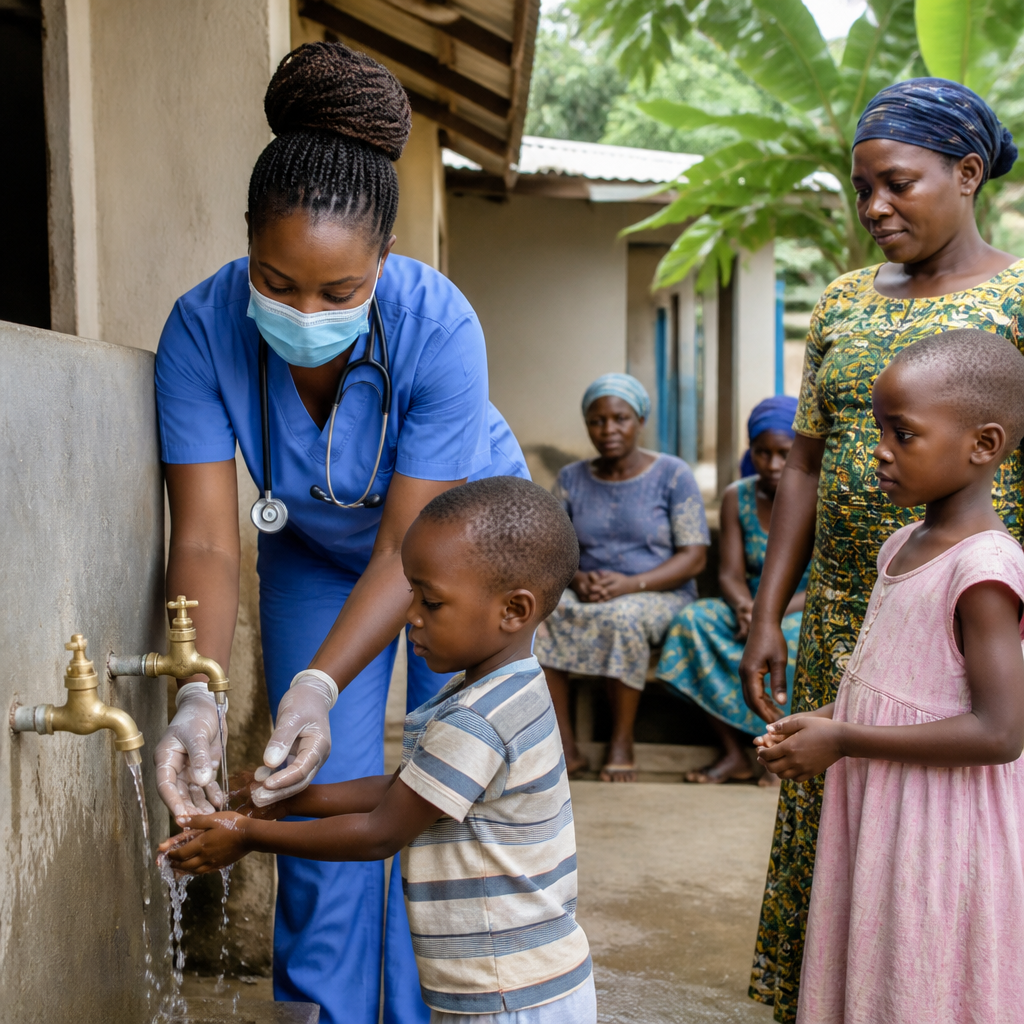
Engaging the community is crucial in the development and implementation of sanitation solutions. Community involvement ensures that solutions are tailored to the unique needs and preferences of the residents, which increases the likelihood of adoption and sustainability. Programs that incorporate training and education about hygiene and sanitation can further enhance the effectiveness of these solutions.
Policy Support and Funding
For these innovative solutions to be scalable and sustainable, supportive policies and adequate funding are essential. Governments, along with international organizations, must prioritize sanitation in policy agendas and provide the necessary resources to implement these solutions. Public-private partnerships can also play a key role in mobilizing resources and expertise.
Addressing the sanitation challenges in informal settlements requires a multifaceted approach that combines innovative technology, community engagement, and supportive policies. By embracing these innovative solutions, we can significantly improve the health, environment, and quality of life for millions of people living in these communities. The path forward involves not only technological innovation but also a strong commitment from all stakeholders to invest in a cleaner, healthier future.

Expanding Access Through Education and Training
Educating residents about the importance of sanitation and how to maintain new systems is key to ensuring the sustainability of solutions. Training programs can empower individuals with the knowledge to not only use but also repair and manage sanitation facilities. This not only fosters a sense of ownership but also builds capacity within the community to handle future challenges independently.
Social Innovations and Behavioral Change
Alongside technological solutions, behavioral change is crucial for improving sanitation conditions. Social innovations that encourage changes in sanitation habits can have a profound impact. Campaigns designed to alter public perception and behavior regarding waste management and toilet use are essential. These can involve community leaders and influencers to spread messages effectively, using cultural and social norms to reinforce positive behaviors.
Sustainable Design and Ecological Considerations
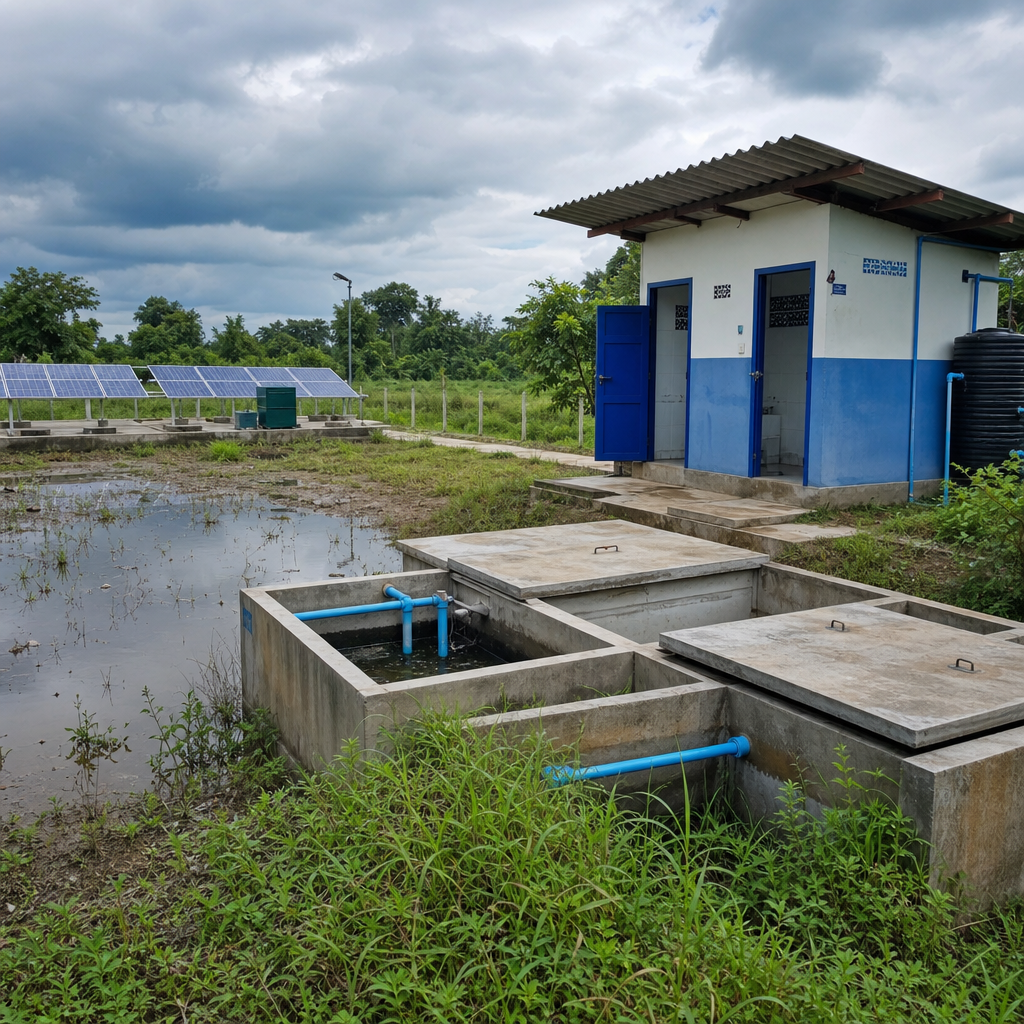
Incorporating ecological considerations into sanitation solutions can further enhance their sustainability. Designs that minimize water use and incorporate renewable energy sources, like solar-powered water pumps or waste-to-energy systems, can be particularly effective in informal settlements. These solutions not only address sanitation needs but also contribute to broader environmental goals such as reducing carbon footprints and enhancing biodiversity.
Public Health Integration
Integrating sanitation solutions with broader public health initiatives can maximize impact. This includes linking sanitation to water supply projects, waste management, and health education programs. Such integration ensures a holistic approach to improving health outcomes and can leverage synergies between different sectors and initiatives.
Challenges and Opportunities in Implementation
Implementing these innovative solutions is not without challenges. Issues such as funding constraints, land ownership disputes, and the transient nature of some informal settlements can impede progress. However, these challenges also present opportunities for creative solutions and partnerships. For instance, flexible, modular sanitation systems can be deployed in areas where permanent infrastructure is not feasible, and innovative financing models can be developed to support their deployment.
Looking Forward
The future of sanitation in informal settlements looks promising with the advent of new technologies and approaches. The ongoing development of smarter, more sustainable solutions and the increasing involvement of communities in the planning and maintenance of sanitation systems suggest a shift towards more resilient and inclusive urban development.
By continuing to innovate and adapt, stakeholders can ensure that sanitation solutions not only address the immediate needs of those in informal settlements but also contribute to long-term health, environmental sustainability, and social equity goals. As these solutions evolve, so too will the capacity of these communities to thrive in the face of urbanization and climate challenges.
Conclusion
Addressing sanitation in informal settlements is not merely about installing toilets but about creating sustainable systems that improve public health, protect the environment, and empower communities. The integration of innovative technologies with community-driven initiatives and supportive policies forms the cornerstone of effective sanitation solutions. By fostering a collaborative approach, we can transform the landscape of sanitation services in informal settlements and make significant strides towards achieving global sanitation targets.