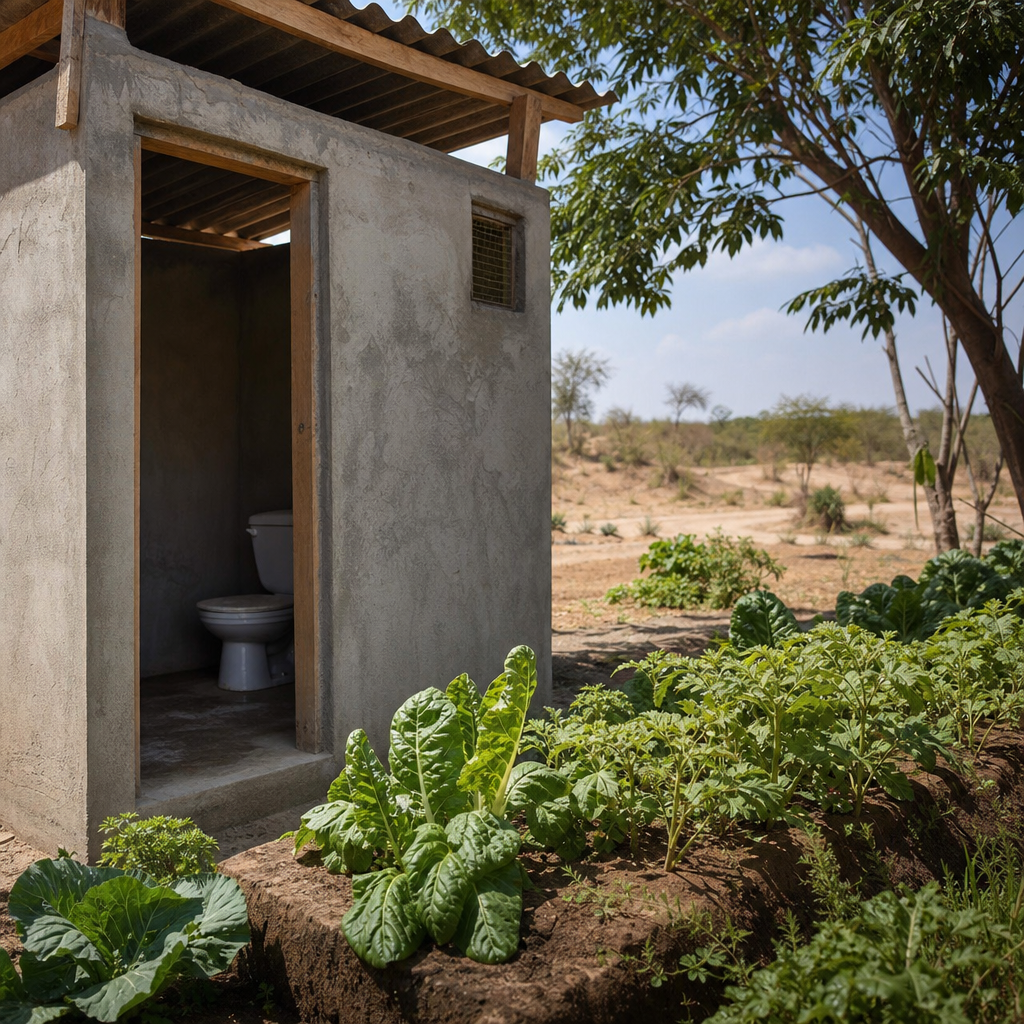
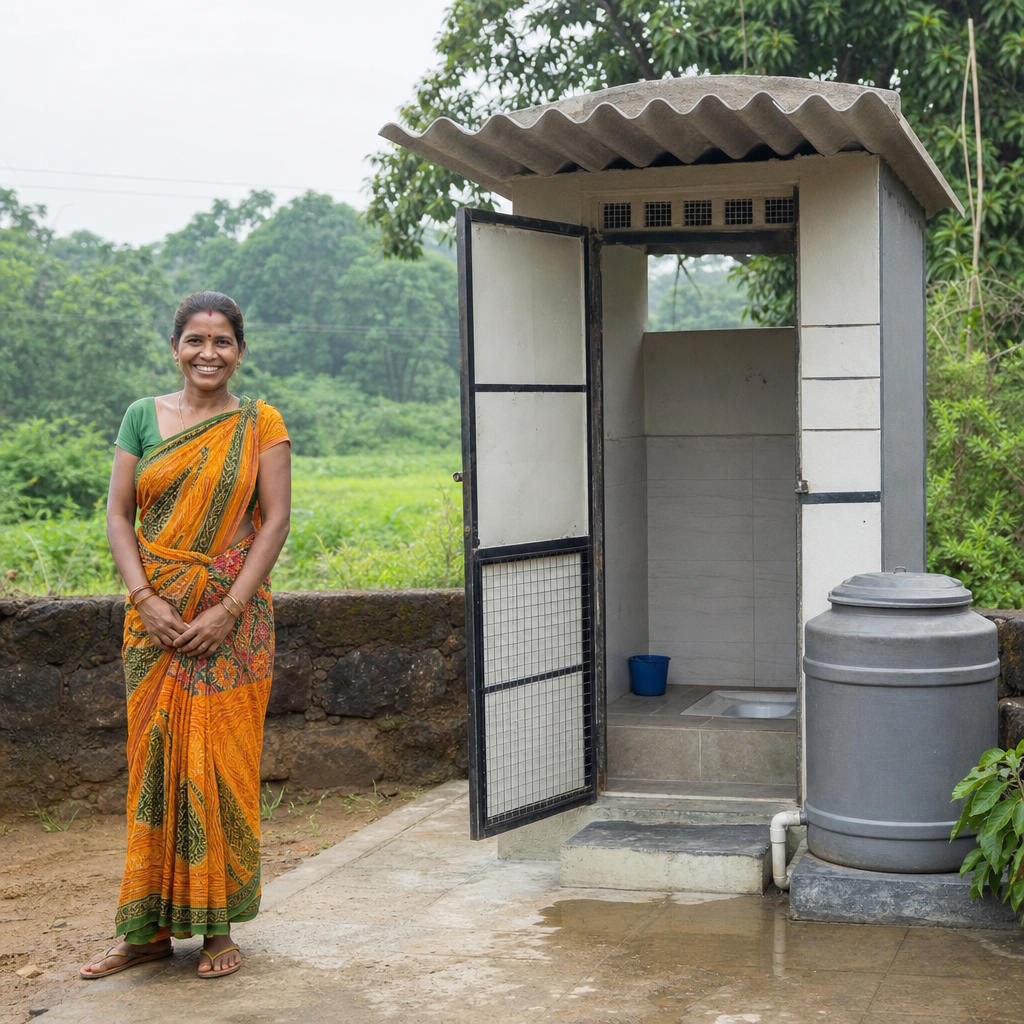
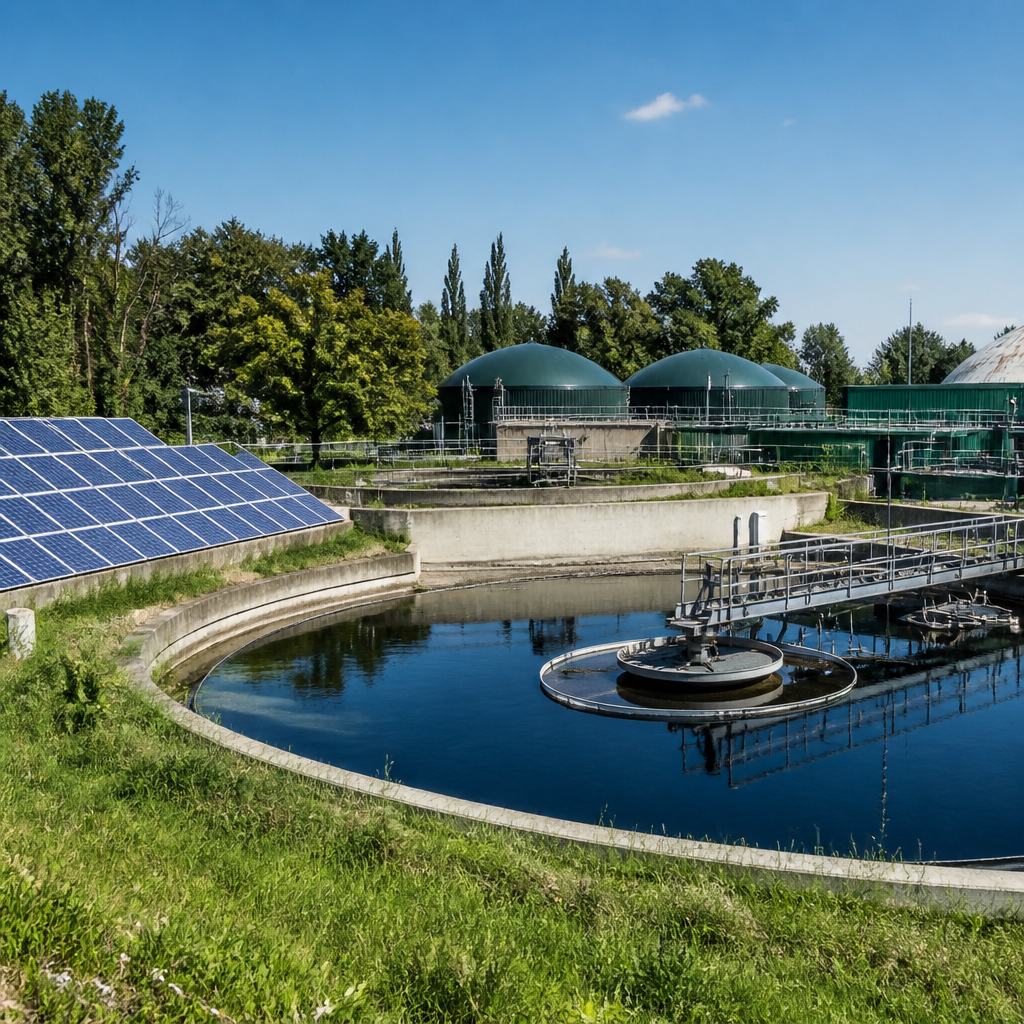
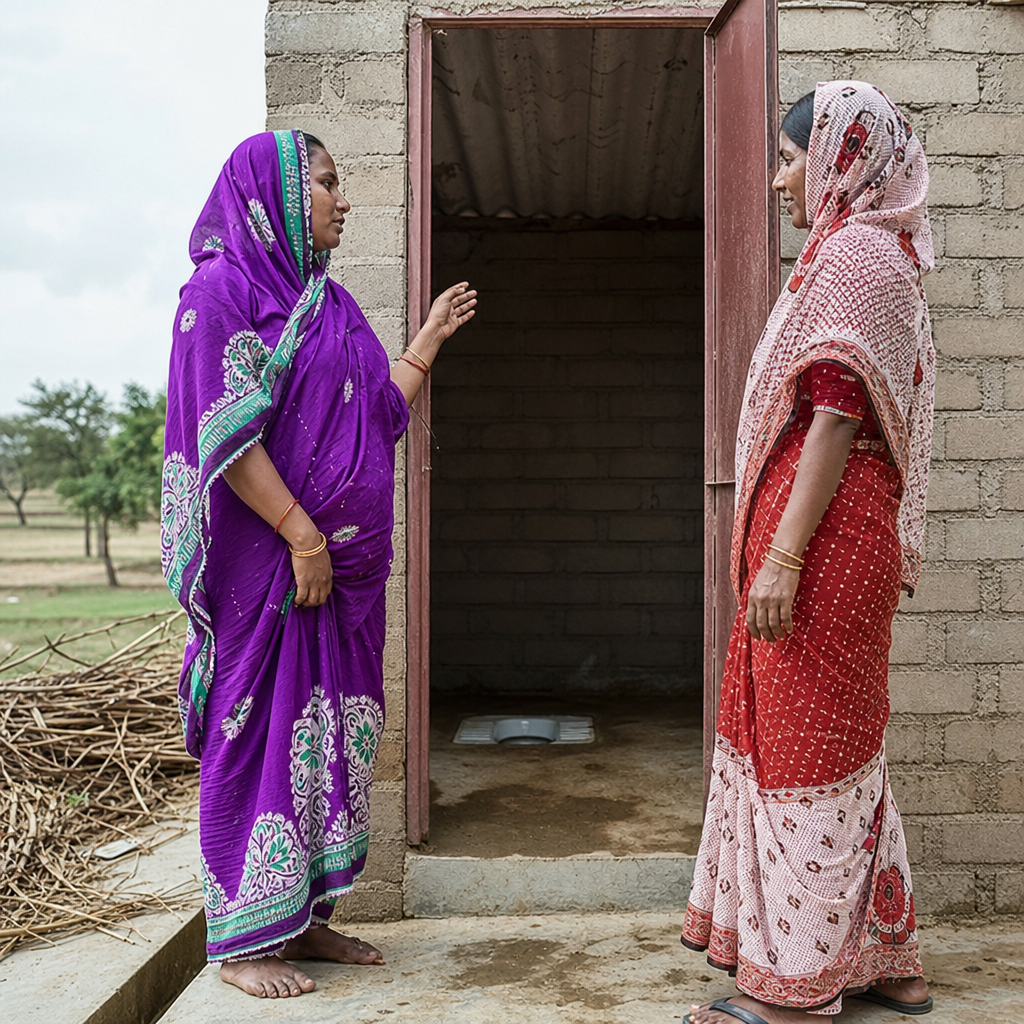
In today’s interconnected world, sanitation issues transcend borders, affecting global health, environment, and economies. International organizations play a pivotal role in addressing these challenges, contributing to sustainable development, and enhancing public health standards. This article delves into their impact, challenges faced, and opportunities for advancement in global sanitation efforts.
Vital Contributions and Approaches
International entities like the World Health Organization (WHO), the Global Water Security & Sanitation Partnership (GWSP) under the World Bank, and UNICEF are at the forefront of the global sanitation movement. Their contributions range from policy formulation, research, funding, and direct interventions in countries struggling with sanitation issues. These organizations focus on an array of areas, including improving access to clean water, promoting hygiene, and developing climate-resilient sanitation infrastructure.
The WHO’s annual reports on water, sanitation, and hygiene (WASH) highlight their continuous efforts in policy development and implementation across regions. Similarly, the GWSP collaborates with nations to manage water resources effectively, fostering resilient and inclusive development. Their actions are particularly crucial amidst the triple crisis of climate change, COVID-19, and lagging progress on Sustainable Development Goals.
Challenges and Emerging Issues
Global sanitation faces multifaceted challenges, largely stemming from poverty, inadequate infrastructure, and environmental degradation. For instance, unmanaged sanitation is a significant contributor to climate issues, with wastewater treatment accounting for a notable percentage of global methane emissions. Moreover, extreme weather events pose additional risks, compromising sanitation systems and exacerbating public health crises.
International organizations are combating these challenges through innovative initiatives. The Climate Resilient Sanitation Coalition, involving UNICEF, the World Bank, and others, advocates integrating climate resilience into sanitation policies and infrastructure. This highlights the intricate connection between environmental sustainability and sanitation.
Opportunities for Global Cooperation
There’s a growing realization of the need for comprehensive, integrated approaches involving multiple stakeholders. UN-Water exemplifies this, coordinating efforts among various UN entities to optimize the impact of water and sanitation programs. They play a key role in informing policies, supporting monitoring and reporting, and inspiring collective action towards achieving international agreements on water and sanitation.
Similarly, UNICEF’s work extends to providing WASH services in over 100 countries, emphasizing the need for access in schools, urban areas, and during emergencies. They stress the importance of sustainable systems, resilience, and equity in WASH services, particularly for marginalized communities.
The Road Ahead
To tackle the global sanitation crisis effectively, international organizations, governments, and civil society must collaborate. This involves:
- Policy Integration: Integrating climate-resilient strategies into sanitation policies.
- Innovative Solutions: Developing affordable, innovative technologies and service models.
- Financial Investment: Increasing investment in sustainable, climate-resilient sanitation.
- Data and Research: Improving the evidence base for effective adaptation and emission reduction strategies.
- Public Awareness: Raising awareness about the importance of sanitation for health and environmental sustainability.

As we continue to explore the role of international organizations in addressing global sanitation issues, it is vital to understand the broader context and the synergies created by their interventions. These organizations not only address immediate sanitation needs but also contribute to achieving broader sustainable development goals.
Synergy with Sustainable Development Goals
The involvement of international organizations in global sanitation directly supports the United Nations’ Sustainable Development Goals (SDGs), particularly SDG 6, which aims to ensure availability and sustainable management of water and sanitation for all. By focusing on initiatives that promote clean water and sanitation, these organizations help in reducing inequalities (SDG 10), improving health and well-being (SDG 3), and even contributing to quality education (SDG 4), as sanitation directly impacts school attendance and performance.
Building Resilience in Vulnerable Communities
One of the key opportunities for these organizations is building resilience in the most vulnerable communities. For example, in areas affected by natural disasters or conflicts, the provision of emergency WASH services is critical. By ensuring access to basic sanitation and hygiene facilities, these organizations play a crucial role in preventing disease outbreaks and maintaining human dignity in the most challenging circumstances.
Emphasis on Innovation and Technology
To address the multifaceted challenges of global sanitation, there is a growing emphasis on innovation and technology. This includes the development of sustainable sanitation solutions that are affordable, culturally acceptable, and environmentally friendly. By promoting research and innovation, these organizations are paving the way for more efficient and effective sanitation systems that can be implemented worldwide.
Encouraging Community Participation and Ownership
Community participation and ownership are crucial for the sustainability of sanitation projects. International organizations increasingly recognize the importance of involving local communities in the planning, implementation, and maintenance of sanitation systems. This approach not only ensures that the solutions are tailored to the specific needs of the community but also fosters a sense of ownership and responsibility, leading to better sustainability.
Promoting Gender Equity and Inclusivity
Gender equity and inclusivity are integral aspects of the global sanitation agenda. Women and girls are disproportionately affected by the lack of sanitation facilities, which impacts their health, education, and safety. International organizations are actively working to address these disparities and promote gender-sensitive approaches in WASH programs.
Advocacy and Policy Influence
Apart from direct interventions, international organizations play a crucial role in advocacy and influencing policies at the global and national levels. By providing data, research, and technical expertise, they assist governments in formulating and implementing effective sanitation policies and regulations that benefit the entire population.
Conclusion
The role of international organizations in global sanitation is indeed critical and multi-dimensional. Their work transcends mere provision of facilities and extends to influencing policy, promoting innovation, ensuring sustainability, and advocating for the rights and needs of the most vulnerable populations. As global challenges continue to evolve, the collaboration between these organizations, governments, and communities will remain pivotal in achieving the vision of a world where everyone has access to safe and sustainable sanitation.