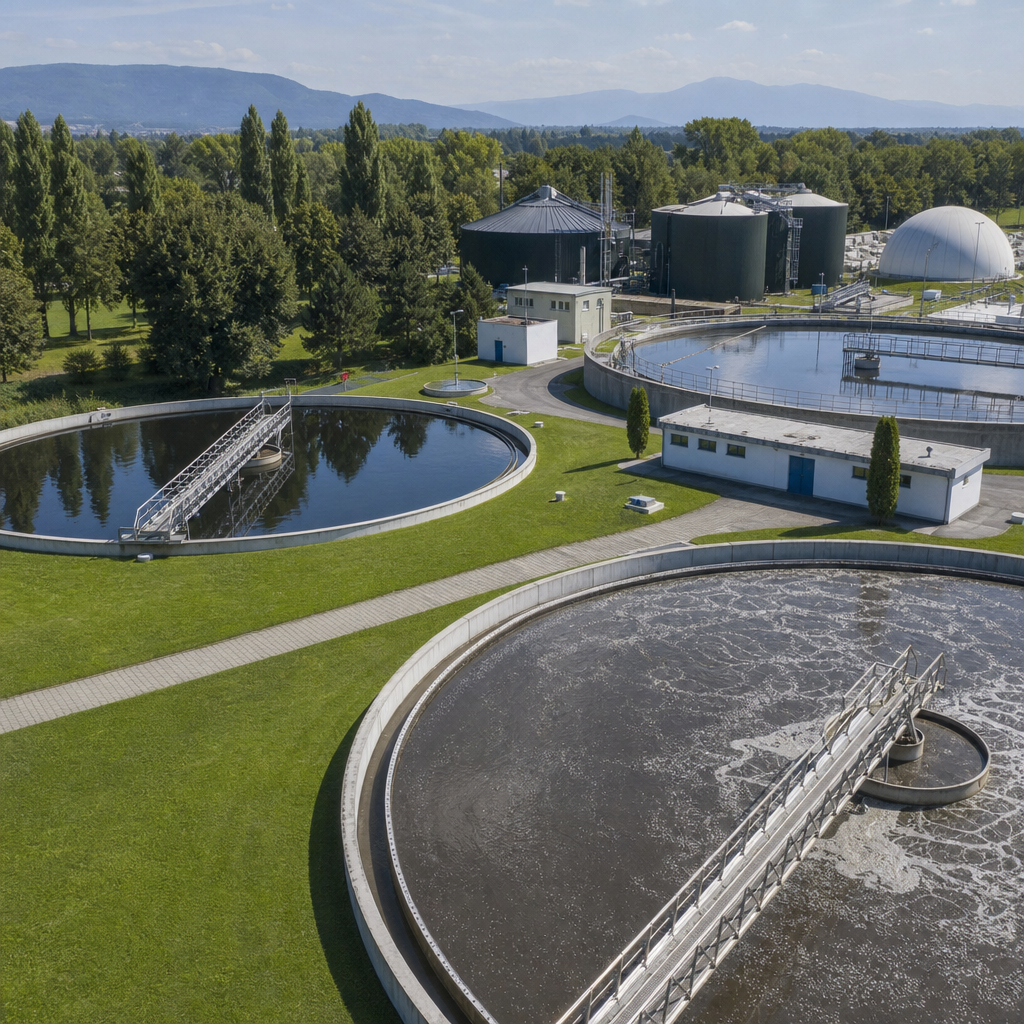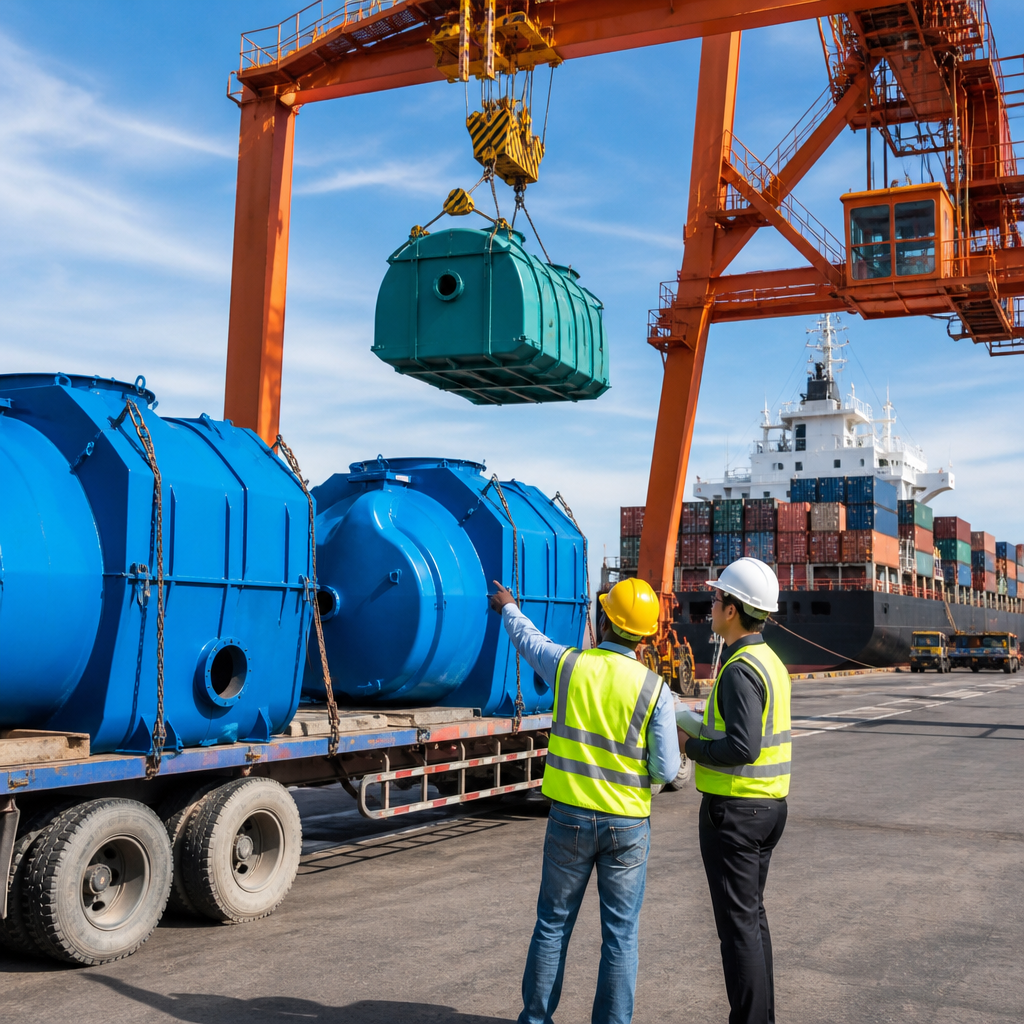
Promoting global trade in sanitation technologies is one of the most practical ways to expand safe water access, reduce disease, and build resilient urban and rural infrastructure across fast-growing economies. Sanitation technologies include the products, systems, and services used to collect, transport, treat, reuse, or safely dispose of human waste, wastewater, and fecal sludge. In practice, that range is broad: sewer pipes, decentralized wastewater treatment units, membrane bioreactors, septic management tools, sludge dewatering equipment, digital monitoring sensors, public toilet systems, and resource-recovery solutions that turn waste into water, energy, or fertilizer. When these technologies move efficiently across borders, countries can adopt proven solutions faster, lower costs through competition, and avoid reinventing systems that already work elsewhere.
The stakes are high. According to WHO and UNICEF Joint Monitoring Programme reporting, billions of people still lack safely managed sanitation, and inadequate sanitation continues to drive diarrheal disease, environmental contamination, stunting, and lost productivity. I have worked with sanitation market assessments where the biggest obstacle was not lack of demand, but a mismatch between local needs and available technologies, finance, standards, and service capacity. A city might need compact wastewater treatment because land is scarce, yet import duties make advanced packaged plants expensive. A rural district may need fecal sludge emptying services, but local operators cannot access durable pumps, hoses, and small vacuum trucks at workable prices. Global trade matters because sanitation is not just a health issue; it is an industrial supply-chain issue, a standards issue, and a market-development issue.
This hub article explains the main opportunities in global sanitation trade, the barriers that slow adoption, and the strategies governments, manufacturers, utilities, and investors can use to scale impact responsibly. It also serves as a practical overview of the wider Global Opportunities in Sanitation landscape, connecting sanitation innovation, export readiness, project finance, regulation, and service delivery into one market picture. For policy teams, the core question is simple: how can countries import the right technologies, support local adaptation, and create durable sanitation markets instead of one-off procurement cycles? For companies, the question is equally direct: which products solve real service problems, meet compliance requirements, and can be maintained affordably after installation? Answering those questions clearly is the foundation for effective sanitation trade.
Why global opportunities in sanitation are expanding
Global opportunities in sanitation are expanding because demographic, regulatory, and climate pressures are converging. Urban populations are growing faster than many sewer networks can expand. Industrial parks need wastewater treatment to meet discharge permits. Tourism zones require reliable sanitation to protect beaches, rivers, and brand reputation. Climate shocks are exposing the fragility of aging drainage and wastewater systems, especially where floods overload sewers or drought makes water reuse more valuable. These pressures create demand for modular, efficient, and serviceable sanitation technologies that can be deployed faster than conventional centralized infrastructure alone.
Several market shifts are especially important. First, decentralized sanitation has become a mainstream option rather than a niche idea. Containerized treatment plants, anaerobic baffled reactors, sequencing batch reactors, prefabricated public toilets, and fecal sludge treatment units can serve peri-urban settlements, schools, health facilities, industrial compounds, and secondary towns. Second, digital monitoring has improved asset management. Utilities and private operators increasingly use remote sensors, supervisory control and data acquisition systems, and mobile service apps to track pump performance, tank levels, energy use, and maintenance schedules. Third, circular-economy models are attracting attention because wastewater is no longer viewed only as waste. Treated effluent can be reused in agriculture or landscaping, biosolids can support soil improvement when standards are met, and biogas recovery can offset operating costs.
Countries that position themselves well can benefit on both sides of trade. Importing countries gain access to specialized technologies and process know-how. Exporting countries build manufacturing demand, engineering service revenues, and long-term maintenance relationships. In my experience, the strongest opportunities appear where imported equipment is paired with local assembly, operator training, and a realistic spare-parts strategy. That combination turns trade from a transactional sale into a functioning sanitation service system.
Which sanitation technologies have the strongest trade potential
The sanitation technologies with the strongest trade potential are the ones that solve urgent service gaps, fit varied site conditions, and can be standardized enough for procurement. Packaged wastewater treatment plants are a clear example. They are used in hotels, residential developments, hospitals, food-processing sites, mining camps, and small municipalities because they shorten construction time and reduce on-site civil complexity. Membrane systems, moving bed biofilm reactors, and compact activated sludge designs are especially attractive where effluent quality requirements are strict or land availability is limited.
Fecal sludge management equipment is another high-opportunity category. Many cities rely heavily on pits and septic tanks, yet the supply chain for safe emptying, transport, and treatment remains underdeveloped. Small vacuum tankers, transfer stations, screening units, geobags, sludge drying systems, and co-treatment interfaces for wastewater plants are all tradable technologies with clear public-health value. Public toilet systems also present cross-border opportunities, particularly where durable prefabricated units can be tailored for transport hubs, markets, schools, and informal settlements.
Water reuse technologies are gaining momentum as water stress intensifies. Tertiary filtration, ultraviolet disinfection, chlorination systems, reverse osmosis for specific industrial uses, and nutrient recovery systems all support treated wastewater reuse. Trade opportunities are strongest where regulations define reuse categories clearly and users such as farms, factories, and real estate developments can sign dependable offtake agreements.
| Technology segment | Typical use case | Trade advantage | Main adoption constraint |
|---|---|---|---|
| Packaged treatment plants | Hotels, housing, clinics, small towns | Fast deployment and standardized procurement | Operator skill and spare parts |
| Fecal sludge equipment | On-site sanitation service chains | Immediate public-health impact | Weak municipal enforcement and tariffs |
| Public toilet systems | Markets, schools, transit areas | Visible infrastructure with scalable designs | Operations and cleaning budgets |
| Water reuse systems | Agriculture, industry, landscaping | Links sanitation to water security | Reuse standards and buyer confidence |
| Digital monitoring tools | Utilities and private operators | Improves service reliability and reporting | Connectivity and integration capacity |
Digital and analytical tools deserve special attention because they travel well across markets. Low-cost sensors, telemetry devices, GIS mapping platforms, and laboratory testing kits strengthen compliance and maintenance without requiring a complete overhaul of infrastructure. For exporters, these tools often open doors to service contracts, training programs, and recurring software revenue. For buyers, they reduce downtime and make outcomes easier to verify.
What blocks trade in sanitation technologies
The biggest barriers are rarely technical alone. Tariffs, certification mismatches, weak procurement design, fragmented distribution, and inadequate after-sales support often stop good technologies from scaling. I have seen municipalities buy imported systems that met laboratory specifications but failed in the field because replacement blowers or membranes could not be sourced locally within weeks. Sanitation equipment is infrastructure, not consumer electronics; reliability depends on maintenance ecosystems, operator competence, and realistic life-cycle budgeting.
Standards and approvals are another major obstacle. A treatment unit accepted in one country may face lengthy registration, product testing, or construction code reviews in another. This is especially true for non-sewered sanitation systems, reused-water technologies, and sludge-derived products. Where regulations are outdated, innovative products fall into gray areas and projects stall. Harmonizing technical standards regionally can cut transaction costs significantly, especially for manufacturers trying to serve multiple neighboring markets.
Finance remains a structural constraint. Sanitation projects often generate public value that is larger than direct cash revenue, which means buyers may struggle to justify capital costs even when health and environmental returns are strong. Small private operators, such as desludging businesses, face a different problem: they need affordable equipment finance, not just grants. Development banks, export credit agencies, blended finance platforms, and leasing structures can all help, but only when procurement rules allow quality-based selection rather than lowest upfront price alone.
Trade logistics also matter more than many planners expect. Bulky equipment faces high shipping costs. Corrosion risks vary by climate. Power quality differs by grid. Chemical supply availability changes process design choices. Successful exporters adapt products to voltage standards, influent variability, language requirements, and local service norms. Without that adaptation, imported sanitation technologies can become stranded assets.
How countries can build a stronger sanitation trade ecosystem
Countries that want to expand sanitation trade should start with market clarity. That means publishing service gap data, wastewater and sludge management plans, discharge rules, reuse standards, and procurement pipelines. When suppliers can see where treatment capacity is needed, what effluent quality is required, and how projects will be funded, they can invest in distribution, local partnerships, and inventory. Predictable pipelines matter because sanitation suppliers usually need months to secure components, train partners, and structure warranties.
Governments should also simplify approval pathways without lowering safety. Performance-based standards work better than overly prescriptive specifications when new technologies are entering the market. For example, regulators can define pathogen reduction, nutrient removal, odor control, and residuals handling requirements while allowing multiple process designs to compete. This encourages innovation and prevents tenders from being written around one incumbent solution. Regional mutual recognition of testing and certification can further lower entry barriers for qualified manufacturers.
Local capacity building is equally important. Imported systems fail when operators are undertrained, spare-part channels are weak, or maintenance budgets are ignored. A stronger ecosystem includes accredited installer networks, vocational training for mechanics and plant operators, local fabrication where possible, and service-level agreements tied to performance. In markets I have supported, the most durable projects paired equipment procurement with commissioning support, operator manuals in local languages, twelve-month consumables planning, and remote troubleshooting access.
Public procurement needs reform as well. Sanitation outcomes improve when tenders evaluate total cost of ownership, energy demand, sludge handling, chemical consumption, ease of maintenance, and verified performance under local conditions. Lowest-capex decisions often create the highest long-term costs. Framework agreements, design-build-operate contracts, and performance-based service payments can produce better results than one-time equipment purchase models, particularly for decentralized systems.
Where the best commercial and development opportunities are emerging
The strongest opportunities are emerging in fast-urbanizing secondary cities, water-stressed regions, industrial growth corridors, climate-vulnerable coastal zones, and countries upgrading environmental enforcement. Secondary cities are especially important because they often grow faster than infrastructure budgets and cannot wait for full sewer buildout. They need modular treatment, fecal sludge logistics, and public sanitation assets that can be delivered in phases. Exporters that offer scalable systems, local training, and practical maintenance plans fit these markets well.
Industrial wastewater is another major opportunity because compliance requirements are usually clearer and payment capacity is stronger than in municipal systems. Food and beverage plants, textile facilities, pharmaceuticals, tanneries, and mining operations need specialized treatment for organic loads, chemicals, salinity, or metals. This creates room for high-value technologies and engineering services. Once vendors establish credibility in industrial applications, they often expand into nearby municipal or reuse projects.
Humanitarian and fragile settings also require attention, though the trade model is different. Refugee camps, disaster-response zones, and informal settlements need robust, rapidly deployable sanitation systems. Here, the opportunity is not only equipment export but design for portability, low water use, easy cleaning, and minimal energy dependence. Donor procurement can create early market demand for such systems, which later find commercial applications in remote schools, construction sites, and tourism facilities.
For companies entering this space, the best strategy is rarely broad product pushing. It is targeted problem solving. A supplier that understands desludging bottlenecks in West Africa, decentralized resort treatment in Southeast Asia, or reuse compliance in the Gulf will outperform a company selling generic units everywhere. Sanitation trade succeeds when market entry is built around service chains, not catalogs.
What successful global sanitation partnerships look like
Successful partnerships combine technology providers, local distributors, utilities, municipalities, financiers, and training institutions around measurable service outcomes. The model that works best in practice is usually hybrid. Core process equipment may be imported, while tanks, housing structures, piping, electrical assembly, and routine servicing are localized. This lowers cost, speeds repairs, and builds domestic capability without sacrificing process quality.
International organizations and development finance institutions play a catalytic role by reducing perceived risk. They can fund feasibility studies, support pilot validation, strengthen utility procurement, and provide concessional capital where public health benefits are high but revenue is limited. Standards bodies and sector associations also matter because they create common language around testing, safety, and performance. In sanitation, trust is built through demonstrated operation over time, not marketing claims.
The central lesson is straightforward: promoting global trade in sanitation technologies works when trade is tied to lasting service delivery. Countries need policies that reward performance, companies need local partnerships that support maintenance, and buyers need financing that reflects life-cycle value. If you are shaping this market, start by mapping priority sanitation gaps, identifying technologies that fit those gaps, and building cross-border partnerships that can deliver not just equipment, but dependable sanitation outcomes at scale.
Frequently Asked Questions
1. What does global trade in sanitation technologies actually include?
Global trade in sanitation technologies covers far more than just toilets or sewer pipes. It includes the full range of products, systems, software, engineering services, and operational support used to collect, transport, treat, reuse, and safely dispose of human waste, wastewater, and fecal sludge. In practical terms, that can include sewer networks, pumps, valves, treatment chemicals, sludge dewatering equipment, membrane bioreactors, decentralized wastewater treatment systems, septic and fecal sludge management solutions, monitoring sensors, laboratory testing tools, odor control systems, and water reuse technologies.
It also includes professional services tied to those technologies, such as system design, construction support, operator training, maintenance programs, digital monitoring, and performance auditing. In many markets, the most important traded sanitation solutions are not large centralized plants, but modular and decentralized systems that can be deployed quickly in peri-urban areas, secondary cities, industrial zones, schools, healthcare facilities, refugee settings, and rural communities.
Understanding the breadth of sanitation trade matters because countries have very different infrastructure gaps and capacity levels. Some need affordable sewer expansion materials, while others need compact treatment units, sludge emptying equipment, or reuse systems that can support agriculture or industry. Global trade helps match those needs with proven technologies, allowing governments, utilities, contractors, and private operators to adopt solutions that are technically appropriate, financially realistic, and scalable.
2. Why is promoting global trade in sanitation technologies so important for public health and economic development?
Promoting global trade in sanitation technologies is important because it accelerates access to systems that directly reduce disease transmission, improve environmental quality, and support long-term economic productivity. Poor sanitation contributes to water contamination, diarrheal disease, parasitic infections, lost school attendance, reduced labor productivity, and higher healthcare costs. When countries can more easily import or locally assemble effective sanitation technologies, they can close infrastructure gaps faster and reduce those risks at scale.
The public health impact is especially significant in fast-growing urban areas where population growth can quickly outpace sewerage and wastewater treatment capacity. Without adequate systems, untreated wastewater and fecal sludge often enter drainage channels, rivers, groundwater, or open land. Trade enables utilities and municipalities to access treatment equipment, collection systems, pumps, controls, and sludge management tools that may not be manufactured domestically in sufficient quantity or quality. That access can dramatically improve containment, treatment, and safe disposal.
There is also a strong economic case. Better sanitation lowers disease-related losses, improves tourism and investment conditions, protects water resources, and supports industrial growth by making water reuse and environmental compliance more achievable. Infrastructure development around sanitation also creates jobs in manufacturing, logistics, installation, operations, maintenance, and technical services. In other words, sanitation trade is not only about importing hardware; it is about enabling healthier communities, more resilient cities, and stronger economic ecosystems.
3. What barriers make international trade in sanitation technologies difficult?
Several barriers can slow or complicate global trade in sanitation technologies, even when demand is clear and the need is urgent. One of the biggest challenges is regulatory fragmentation. Different countries often apply different technical standards, certification rules, import procedures, environmental approvals, and public procurement requirements. A technology approved in one market may require lengthy retesting, recertification, or redesign before it can be used in another.
Financing is another major obstacle. Sanitation projects are frequently underfunded compared with water supply, energy, or transport infrastructure. Many municipalities and utilities face limited borrowing capacity, and households in lower-income settings may not be able to afford improved on-site systems without subsidies or credit. Even when technologies are available internationally, they may not move at scale unless there are financing mechanisms such as development bank loans, blended finance, export credit support, results-based funding, or performance-linked procurement.
Local capacity constraints also matter. Importing advanced treatment equipment is not enough if operators are not trained, spare parts are unavailable, or maintenance models are weak. Some sanitation technologies fail not because the equipment is poor, but because procurement focused on capital cost alone rather than lifecycle support. Additional barriers include tariffs, customs delays, limited after-sales networks, foreign exchange risk, unclear land-use regulations, and lack of reliable wastewater data for planning and technology selection.
Successful trade promotion usually means addressing these barriers together. That can involve standard harmonization, transparent procurement rules, local technician training, stronger utility management, better project preparation, and policies that encourage both international suppliers and domestic distribution or assembly partners.
4. How can countries promote sanitation technology trade while still supporting local industry and long-term resilience?
Countries do not need to choose between opening access to global sanitation technologies and building domestic industrial capacity. In fact, the strongest strategies usually combine both goals. Governments can promote trade by reducing unnecessary import barriers, clarifying standards, improving procurement transparency, and speeding up approvals for proven technologies. At the same time, they can support local industry through assembly incentives, joint ventures, technology licensing, workforce development, and procurement policies that reward quality, durability, and service capability rather than just lowest upfront price.
A balanced approach often starts with identifying which parts of the sanitation value chain are best sourced internationally and which can be built locally over time. For example, a country may initially import membranes, control systems, or specialized pumps while encouraging local manufacture of tanks, piping, structural components, enclosures, and service parts. As the market matures, domestic firms can move into more sophisticated fabrication, integration, and maintenance functions.
Resilience also depends on avoiding overreliance on technologies that are difficult to maintain in local conditions. Policymakers and utilities should evaluate solutions based on total lifecycle performance, operator skill requirements, energy use, spare parts availability, sludge handling needs, and climate suitability. Trade policy works best when it encourages appropriate technology, not simply advanced technology. The right objective is dependable sanitation service under real operating conditions.
Public-private collaboration can strengthen this model. Training centers, technical certification programs, local distributor networks, and service agreements help ensure that imported or co-manufactured technologies continue to perform well over time. When trade policy is linked to local skills, maintenance ecosystems, and realistic deployment planning, countries gain both access and resilience.
5. What should policymakers, utilities, and investors look for when choosing sanitation technologies for international deployment?
They should begin with one core principle: sanitation technologies must fit the context in which they will operate. That means selecting systems based on population density, water availability, energy reliability, land constraints, climate conditions, regulatory requirements, sludge characteristics, user behavior, and institutional capacity. A system that works extremely well in one country or city may be a poor match elsewhere if operating conditions are different.
Decision-makers should assess several practical factors. First is performance: can the technology consistently meet treatment standards and protect public health? Second is affordability: not only purchase price, but installation, energy, chemical inputs, staffing, maintenance, spare parts, and eventual rehabilitation. Third is operability: can local teams run the system reliably with available skills and support? Fourth is scalability: can the solution be expanded across neighborhoods, districts, or regions without excessive complexity?
It is also important to examine supply chain strength and service continuity. Investors and utilities should favor technologies backed by credible suppliers, local partners, clear warranties, operator training, spare parts access, and long-term technical support. Pilot projects can be useful, but only if they are designed with a pathway to sustained financing and institutional ownership. Too many sanitation pilots succeed technically and then stall because no one funds operations after installation.
Finally, leading decision-makers increasingly look at resource recovery and climate performance. Modern sanitation technologies can support water reuse, nutrient recovery, biogas production, and lower-emission treatment pathways. These features can improve project economics and environmental outcomes, especially in water-stressed or rapidly urbanizing regions. The best international sanitation investments are therefore not just compliant on paper; they are durable, maintainable, adaptable, and capable of delivering measurable health, environmental, and economic value over the long term.