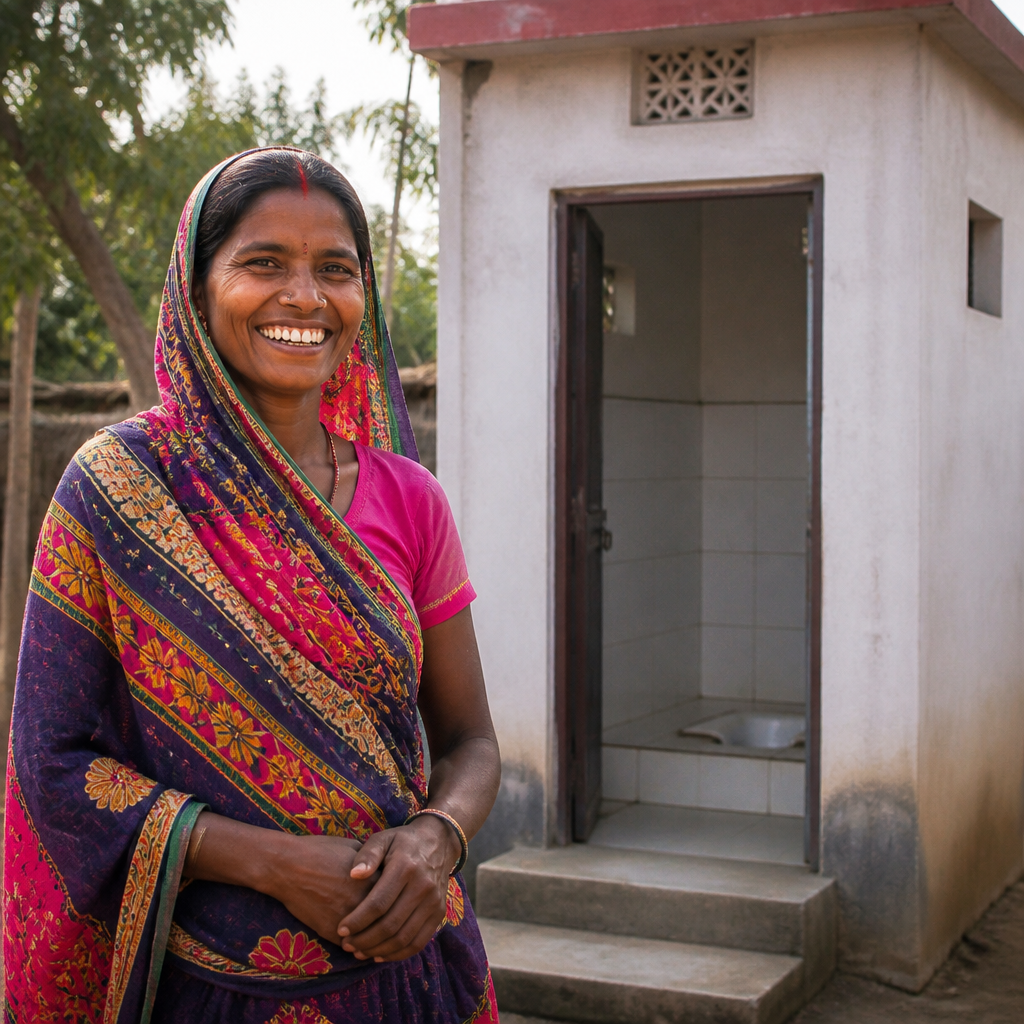
Empowering women through sanitation initiatives worldwide is one of the clearest examples of how infrastructure, public health, education, and economic development intersect in daily life. Sanitation refers to the systems, services, and behaviors that safely manage human waste, hygiene, menstrual health, wastewater, and the cleanliness of homes, schools, workplaces, and public spaces. When sanitation works, it protects health, preserves dignity, reduces disease, and creates conditions in which women and girls can study, work, travel, and participate in community life without avoidable barriers. When sanitation fails, women usually carry the heaviest burden, from lost school days and unsafe journeys to toilets, to unpaid caregiving when preventable illness spreads through households.
I have worked on content and strategy around water, sanitation, and hygiene programs long enough to see the same pattern across countries: sanitation is often discussed as pipes, toilets, or latrines, yet its deepest effects are social and economic. The World Health Organization and UNICEF Joint Monitoring Programme has repeatedly shown that billions of people still lack safely managed sanitation, and that service gaps are most damaging where poverty, weak urban planning, conflict, disability exclusion, and gender inequality overlap. For women, inadequate sanitation is not a narrow household inconvenience. It shapes physical safety, reproductive health, time use, school attendance, labor force participation, and long-term opportunity.
This hub article covers global opportunities in sanitation with women’s empowerment at the center. It explains where sanitation initiatives create the biggest gains, how governments, nonprofits, utilities, schools, employers, and local entrepreneurs contribute, and which models are working in both rural and urban contexts. It also serves as a practical starting point for deeper exploration of sanitation finance, menstrual health, climate resilience, school sanitation, inclusive design, behavior change, and women-led enterprise. The core idea is simple: improving sanitation is not only a public works task. It is a proven route to stronger health systems, safer communities, more resilient cities, and more equitable growth.
Why sanitation is a women’s empowerment issue
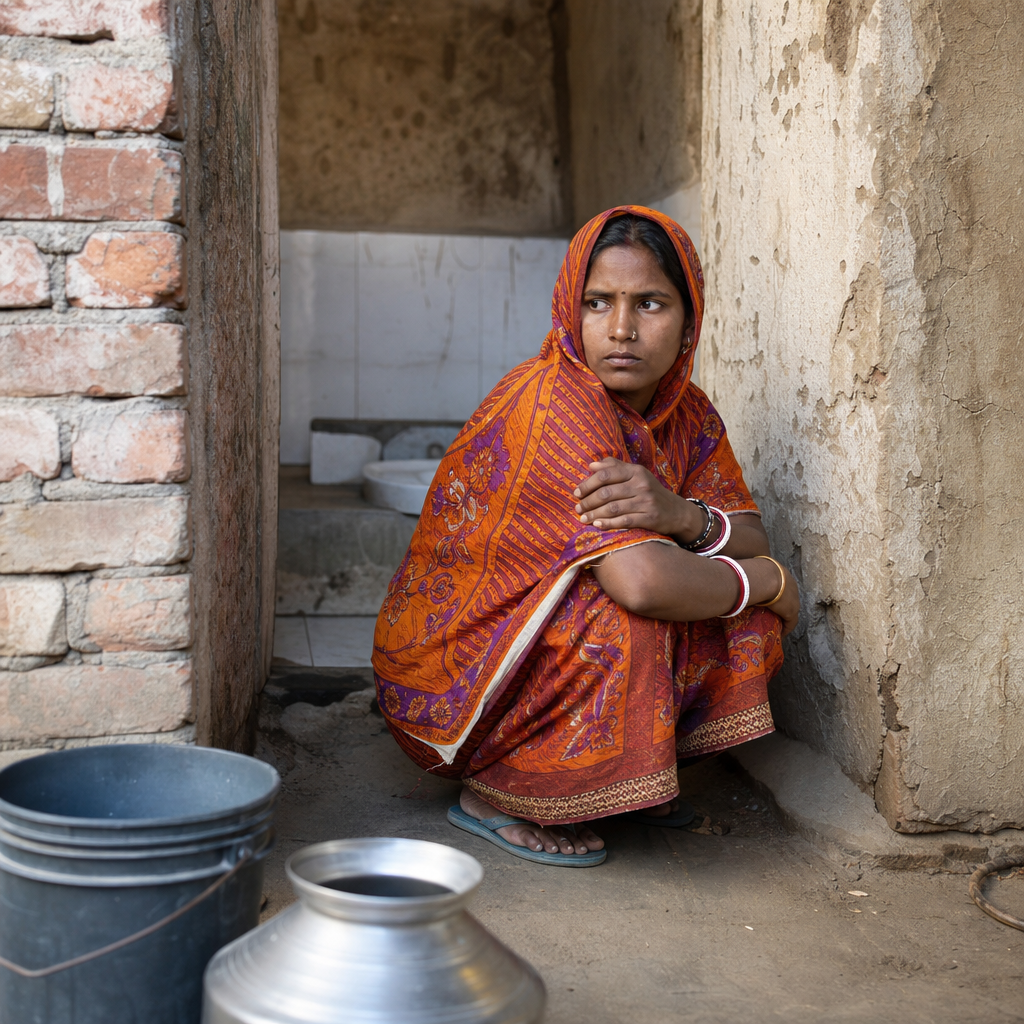
Sanitation empowers women because it removes structural barriers that limit autonomy. In communities without safe toilets, women and girls often delay urination or defecation until dark, increasing risk of urinary tract problems, dehydration, constipation, and sexual violence during trips to isolated areas. In schools without private toilets, menstrual hygiene facilities, water, soap, and disposal bins, attendance drops and concentration suffers. In workplaces, missing or poor sanitation reduces productivity and pushes women out of formal employment, especially in factories, markets, transport hubs, and agricultural settings. Good sanitation improves health, but its practical value is broader: it protects privacy, dignity, mobility, and the ability to use time productively.
These effects are measurable. Diarrheal disease remains strongly linked to inadequate sanitation and unsafe hygiene, and women frequently absorb the indirect cost as caregivers. Maternal and newborn health also depends on clean delivery environments and functioning sanitation in health facilities. The World Bank has documented how poor sanitation reduces economic productivity through health costs, time losses, and environmental contamination. At household level, I have seen the time dimension underestimated again and again. If a woman spends significant time each day finding a safe place to relieve herself, collecting water for washing, cleaning contaminated living spaces, or caring for sick family members, that time cannot be invested in paid work, education, rest, or leadership.
Empowerment in this context means more than providing a toilet. It means designing sanitation systems around women’s real routines and risks. Facilities must be safe at night, accessible during menstruation and pregnancy, usable by older women and women with disabilities, and affordable over time. Public toilets must be located where women actually travel, not where planners assume they do. School sanitation must include privacy and disposal. Urban sanitation must account for tenants in informal settlements, not only property owners connected to sewers. The best initiatives understand that women are not merely beneficiaries. They are users, planners, workers, business owners, advocates, and decision-makers.
Global opportunities in sanitation: where the biggest gains are
The global sanitation opportunity is large because the challenge extends far beyond toilet construction. The strongest opportunities sit in five connected areas: safely managed household sanitation, school and healthcare facility sanitation, urban fecal sludge management, menstrual health integration, and women-led sanitation services. In rural areas, the need may center on durable latrines, handwashing stations, and behavior change that eliminates open defecation while maintaining safety and usability. In dense cities, the bigger gap is often containment, emptying, transport, treatment, and reuse, especially where sewer networks are incomplete or unaffordable. In both settings, the opportunity grows when programs treat sanitation as a service chain rather than a one-time construction project.
One important lesson from global implementation is that sanitation outcomes improve when they are linked to financing and regulation. Households may want better toilets but cannot pay upfront. Utilities may need tariff reforms, blended finance, or results-based funding to expand safely managed services. Municipalities need bylaws for septic tank standards, desludging schedules, treatment, and occupational safety. Donors and development banks increasingly support citywide inclusive sanitation, an approach that recognizes every resident needs a safe service, whether through sewered or non-sewered systems. This matters for women because informal neighborhoods, peri-urban settlements, refugee contexts, and low-income rental housing are exactly where safety and affordability concerns are most acute.
The opportunity also lies in connecting sanitation to broader development goals. Better sanitation supports school completion, nutrition outcomes, tourism, labor productivity, environmental quality, and climate adaptation. When wastewater and sludge are treated properly, cities reduce contamination of waterways and can recover resources such as energy, compost, or water for non-potable reuse. When public institutions set standards for inclusive toilets in schools, transit stations, clinics, and markets, they create long-term demand for better design and maintenance. For women, these system-level gains translate into daily reliability: a place to go, water and soap when needed, and less exposure to shame, danger, and preventable illness.
What effective sanitation initiatives have in common
The most effective sanitation initiatives share a consistent set of design principles. They start with user insight rather than engineering alone. They map how women, adolescent girls, caregivers, elderly people, and people with disabilities actually use sanitation across the day. They budget for maintenance from the beginning. They define who empties pits or septic tanks, where waste goes, how performance is monitored, and how complaints are resolved. They also treat social norms seriously. Infrastructure without behavior change often fails, while behavior campaigns without durable services rarely last. Sustainable progress depends on both hardware and service delivery.
Programs that work well also measure more than coverage. Counting toilets is not enough. A facility may exist but be unsafe, inaccessible, locked, filthy, or unusable during menstruation. Strong programs track functionality, cleanliness, water availability, soap availability, privacy, lighting, lockable doors, accessibility features, and safe waste management. In schools, they monitor student-to-toilet ratios and girls’ attendance. In health facilities, they assess infection prevention and control standards. In cities, they track desludging rates, treatment volumes, and environmental discharge. These indicators matter because women’s empowerment depends on actual use and reliability, not ribbon-cutting statistics.
| Sanitation opportunity | What it includes | Why it benefits women | Example of implementation |
|---|---|---|---|
| School sanitation | Separate toilets, water, soap, disposal bins, privacy | Improves attendance, menstrual dignity, concentration | Gender-segregated blocks with maintenance budgets and student hygiene clubs |
| Public and market toilets | Safe location, lighting, attendants, cleaning schedules | Supports mobility, trading, commuting, safety | Women-managed pay-per-use facilities near transport hubs |
| Urban fecal sludge management | Containment, emptying, transport, treatment, reuse | Reduces neighborhood contamination and caregiving burden | Scheduled desludging with licensed operators and treatment plants |
| Healthcare sanitation | Toilets, hand hygiene, waste handling, cleaning protocols | Protects maternal and newborn health | Facility upgrades aligned with infection prevention standards |
| Women-led sanitation enterprise | Construction, pit emptying, menstrual products, maintenance | Creates income and local leadership | Microfranchises training women as sanitation service providers |
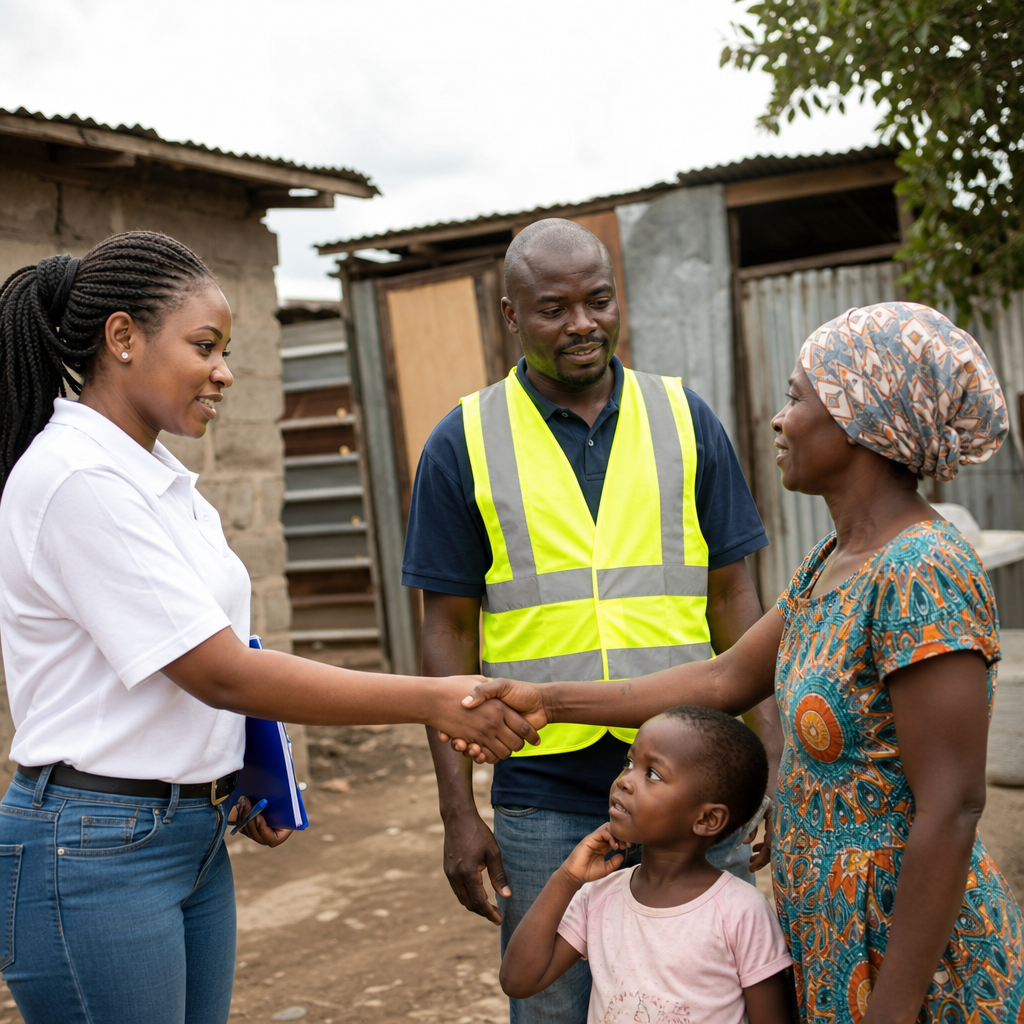
A final common trait is governance that includes women in decisions. I have seen sanitation committees succeed when women hold real authority over siting, budgets, maintenance oversight, and grievance handling. I have also seen projects underperform when women are consulted symbolically after designs are already fixed. Participation is not automatically empowering; it must influence outcomes. Practical steps include setting leadership quotas in water and sanitation committees, paying women for technical roles instead of assigning unpaid volunteer labor, and procuring from women-owned local suppliers where possible.
Rural, urban, and institutional solutions in practice
Rural sanitation initiatives often succeed when they combine community mobilization with targeted support for the poorest households. Community-led approaches helped many countries reduce open defecation, but experience has shown that declarations of success can fade without follow-up, durable materials, water access, and plans for pit emptying or upgrades. For women, a fragile latrine that collapses in the rainy season is not a solution. Better rural models now incorporate climate-resilient designs, local masons trained in inclusive construction, and financing tools such as revolving funds, sanitation loans, or output-based subsidies for low-income families.
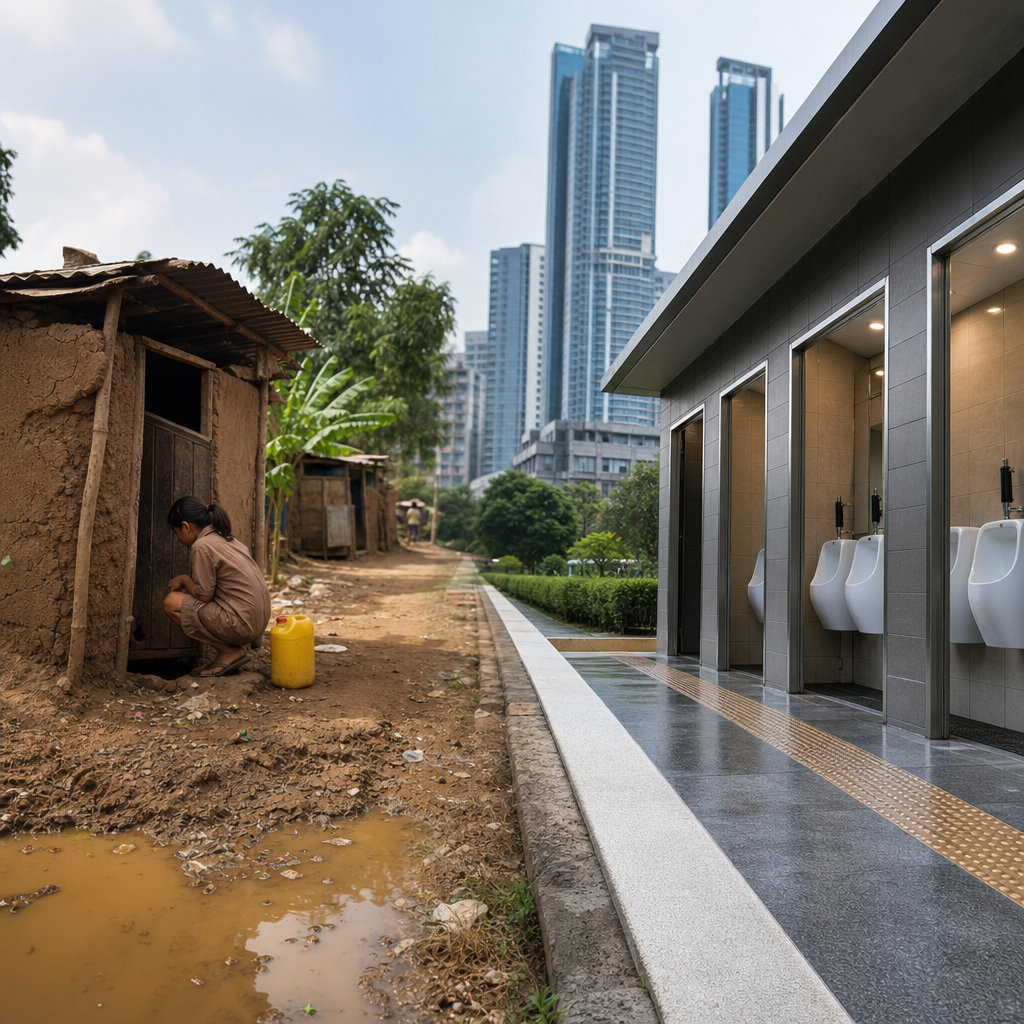
Urban sanitation is more complex because density changes everything. In informal settlements, households may share compound toilets, landlords may avoid investing, and utilities may lack legal authority or infrastructure. Here, women benefit most from service models that address the full chain: safe containment, regular emptying, treatment, and well-maintained public or shared facilities where household toilets are not feasible. Cities such as Dakar have been cited for structured fecal sludge management systems, while utilities and social enterprises in parts of South Asia and East Africa have tested container-based sanitation, toilet block management, and digital desludging requests. The common thread is reliable service, not a single technology.
Institutional sanitation in schools, clinics, workplaces, and public venues is one of the highest-return investments available. A school toilet that lacks doors, water, or bins may exist on paper but exclude girls in practice. A maternity ward without dependable sanitation increases infection risk for mothers and newborns. A factory without adequate toilets can violate worker welfare standards and reduce retention. Strong institutional programs define cleaning responsibilities, maintenance budgets, supply chains for soap and consumables, and monitoring systems that reach beyond construction. These are not glamorous details, but they are exactly what determine whether sanitation empowers women or disappoints them.
Women as leaders, workers, and entrepreneurs in sanitation
Sanitation initiatives become more durable when women shape and deliver them. Across countries, women have served effectively as community mobilizers, hygiene promoters, pump mechanics, masons, toilet attendants, small-scale sludge service operators, social marketers, and founders of menstrual health businesses. This matters for two reasons. First, women often identify design flaws that male planners miss, such as poor lighting, door placement, disposal needs, or the impact of user fees on adolescent girls. Second, sanitation can become a source of income and technical status rather than a topic women are expected to manage informally at home.
There are still barriers. Sanitation labor is frequently stigmatized, underpaid, and unsafe, especially where manual pit emptying persists. Women entering the sector may face restrictions on mobility, finance, equipment ownership, and training access. Effective empowerment therefore requires more than celebrating female participation. It requires protective equipment, mechanization, fair contracts, insurance, credit, business mentoring, and clear occupational standards. Organizations working in sanitation markets have shown that women can run toilet maintenance services, produce slabs, sell cleaning products, manage public facilities, and lead customer engagement for utilities when these structural supports exist.
From a market perspective, women-led sanitation enterprise is one of the most promising global opportunities in sanitation. It aligns service delivery with job creation, especially in fast-growing secondary cities where public systems are strained. Development agencies and impact investors increasingly back enterprises that bundle sanitation with digital payments, waste collection, menstrual products, or circular economy models such as composting and biogas. Not every model scales, and some depend heavily on local regulation, but the strategic direction is clear: sanitation is not only a cost center. Managed well, it is a service economy that can include women as owners, skilled workers, and decision-makers.
Policy, finance, and the path forward
Lasting progress depends on public policy and finance catching up with what practitioners already know. Governments need national standards that define safely managed sanitation, regulate on-site systems, and require inclusive design in schools, healthcare facilities, and public buildings. Municipalities need budgets for operations, not only capital expenditure. Regulators need data systems that distinguish access from service quality. Financial institutions can help by expanding sanitation microfinance, municipal borrowing for treatment infrastructure, and performance-based funding tied to verified service improvements. When sanitation is planned alongside housing, drainage, transport, and public health, women gain from systems that work consistently rather than from isolated pilot projects.
The essential takeaway is straightforward. Empowering women through sanitation initiatives worldwide means treating sanitation as foundational infrastructure for dignity, safety, health, education, and economic participation. The biggest global opportunities in sanitation are not confined to building more toilets. They include better service chains, stronger institutions, gender-responsive design, women-led enterprise, and smarter financing that reaches underserved communities. If you are building out this subtopic hub, use this page as the anchor and continue into related articles on menstrual health, school sanitation, urban wastewater, sanitation finance, inclusive design, and climate resilience. Better sanitation changes daily life immediately, and for women, that change opens the door to wider opportunity.
Frequently Asked Questions
1. Why are sanitation initiatives so important for women’s empowerment worldwide?
Sanitation initiatives matter for women’s empowerment because they influence health, safety, education, time use, dignity, and economic participation all at once. When women and girls lack access to safe toilets, clean water for hygiene, menstrual health support, and reliable waste management, the consequences go far beyond inconvenience. They may face higher risks of infection, miss school or work, spend hours each day finding private places to relieve themselves, and experience stress or fear related to harassment and unsafe public spaces. In many communities, poor sanitation also reinforces gender inequality by making everyday tasks more difficult for women, who are often responsible for caregiving, household hygiene, and water collection.
Well-designed sanitation systems change that reality in practical, measurable ways. Safe toilets in homes, schools, marketplaces, and health centers reduce exposure to disease and create more private, secure environments. Menstrual health support helps girls stay in school and participate confidently in daily life. Better wastewater and hygiene systems improve community health, lowering the burden of preventable illnesses that often fall hardest on women as caregivers. Over time, these improvements help women protect their health, preserve their dignity, use their time more productively, and access more opportunities in education, leadership, and income generation. That is why sanitation is not just a technical issue; it is a foundation for gender equality and long-term development.
2. How does access to sanitation affect girls’ education and women’s economic opportunities?
Access to sanitation has a direct impact on whether girls can attend school consistently and whether women can participate fully in the workforce. In schools, the absence of safe, private, and functional toilets can become a major barrier to attendance, especially for adolescent girls. If schools do not provide clean facilities, handwashing stations, water, and support for menstrual health, students may miss classes regularly or leave school altogether. Even when girls remain enrolled, poor sanitation can make concentration, confidence, and participation much harder. A school environment that lacks dignity and privacy can quietly undermine educational achievement over time.
For women, the same pattern often continues in workplaces, farms, factories, transport hubs, and informal markets. Reliable sanitation allows women to work longer, safer, and more comfortably. It reduces health-related absences, improves productivity, and supports participation in jobs that would otherwise be difficult to sustain. In many low-resource settings, women also lose significant time each day managing water and hygiene needs for their households. When sanitation infrastructure improves, that time can be redirected toward paid work, education, small business activity, or community leadership. Better sanitation also creates jobs in construction, maintenance, waste management, hygiene education, and public health outreach, and women can be included not only as beneficiaries but also as planners, entrepreneurs, technicians, and decision-makers in the sanitation economy.
3. What are the biggest sanitation challenges women and girls still face around the world?
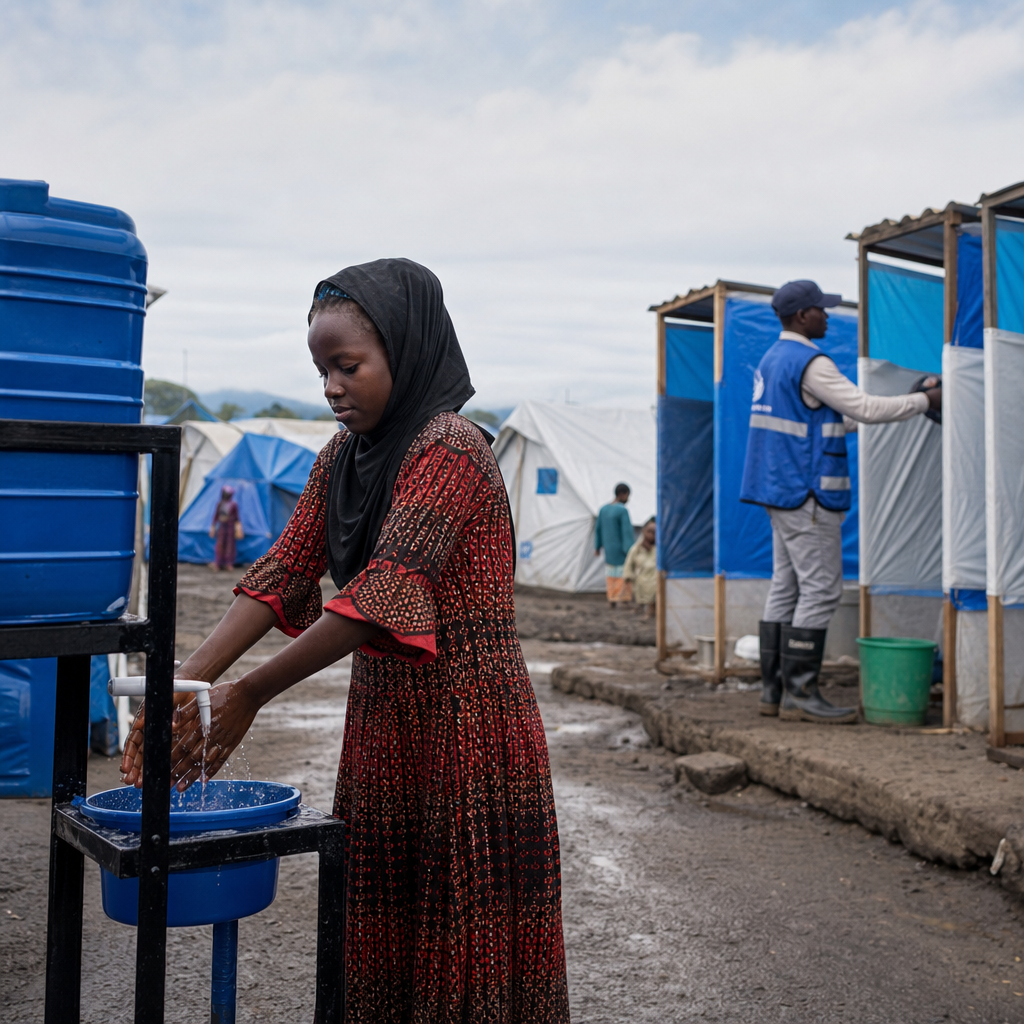
Although progress has been made, women and girls in many parts of the world still face serious sanitation challenges that are physical, social, and economic. One of the most basic problems is the lack of access to safe, private, affordable, and nearby toilets. In rural areas, facilities may be far from home, poorly maintained, or nonexistent. In urban informal settlements, overcrowding, unreliable services, and weak drainage systems can make toilets unsafe, unsanitary, or too expensive to use consistently. These challenges become even more severe during disasters, conflict, displacement, or climate-related flooding, when sanitation systems break down and public health risks rise quickly.
Another major issue is that sanitation services are often not designed with women’s actual needs in mind. Facilities may lack doors that lock, lighting, disposal options for menstrual products, water for washing, or accommodations for pregnancy, disability, and caregiving responsibilities. Social stigma can also prevent open discussion of menstruation, hygiene, and toilet access, making it harder to advocate for change. In addition, women and girls may face harassment or violence when traveling to isolated facilities, particularly at night. Financial barriers, weak governance, and underinvestment in maintenance further deepen these gaps. The result is that sanitation inequity continues to limit health, mobility, confidence, and opportunity for millions of women and girls, even where the issue is often overlooked in larger development conversations.
4. What kinds of sanitation initiatives are most effective in empowering women?
The most effective sanitation initiatives are those that combine infrastructure with inclusion, education, affordability, and long-term management. Building toilets alone is not enough if facilities are unsafe, inaccessible, culturally inappropriate, or impossible to maintain. Strong programs begin by involving women and girls in planning, design, and decision-making so that solutions reflect daily realities. That means considering location, privacy, lighting, menstrual hygiene needs, accessibility for people with disabilities, water availability, handwashing access, and the costs of ongoing use and maintenance. When women help shape sanitation systems, those systems are typically more practical, trusted, and sustainable.
Effective initiatives also connect sanitation to broader public health and social development goals. School-based programs that combine toilets, hygiene education, and menstrual health support can improve attendance and retention for girls. Community sanitation projects that include behavior change campaigns, local maintenance systems, and leadership roles for women often produce stronger long-term results than one-time construction efforts. In cities, inclusive sanitation planning can improve services in informal settlements where women face the greatest burdens. Financial models such as subsidies, microfinance, or public-private partnerships can make services more affordable. Just as important, initiatives that train women as health promoters, engineers, entrepreneurs, waste workers, or utility leaders help shift sanitation from being something done for women to something shaped by women. That transition is a key part of real empowerment.
5. How can governments, organizations, and communities support women through better sanitation policies and programs?
Governments, organizations, and communities can support women most effectively by treating sanitation as a core gender equality issue rather than a narrow infrastructure project. At the policy level, this means funding sanitation systems that are safe, affordable, inclusive, and resilient, especially in underserved rural areas, schools, clinics, public spaces, and informal urban neighborhoods. Standards should require privacy, lighting, handwashing facilities, menstrual hygiene support, and accessibility for people with disabilities. Data collection is also essential. When decision-makers track who lacks access and how poor sanitation affects women’s health, safety, education, and livelihoods, policies become more targeted and more accountable.
Implementation matters just as much as policy. Organizations can partner with local women’s groups, educators, health workers, and community leaders to design programs that reflect cultural realities and household needs. Communities can support maintenance systems, hygiene education, and open conversations that reduce stigma around menstruation and sanitation. Investments should also include training and employment pathways for women across the sanitation sector, from construction and facility management to advocacy and utility governance. In crisis settings, emergency sanitation planning must prioritize women’s safety and dignity from the beginning. Ultimately, the strongest sanitation programs are those that listen to women, include them in leadership, and recognize that lasting change comes from reliable services, local ownership, and sustained political commitment. When these elements come together, sanitation becomes a powerful tool for improving daily life and expanding opportunity for women worldwide.