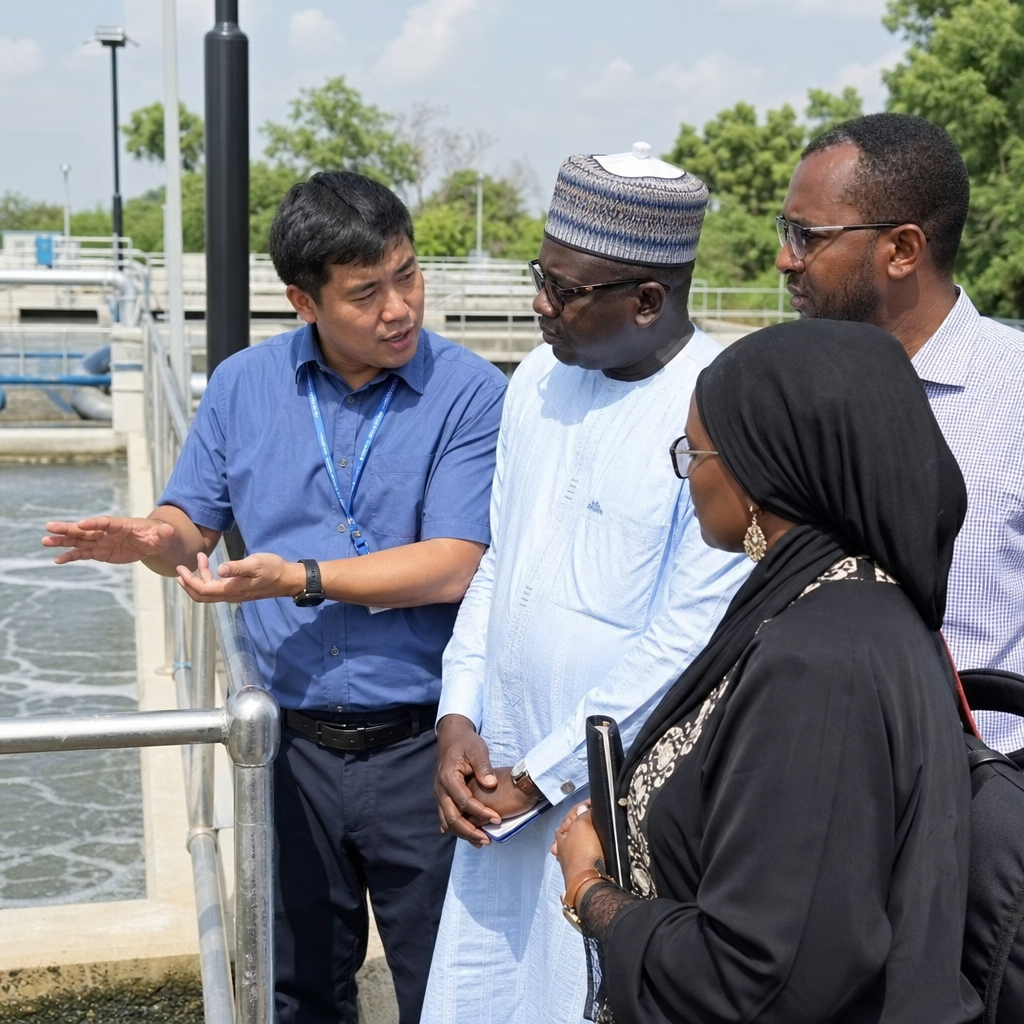
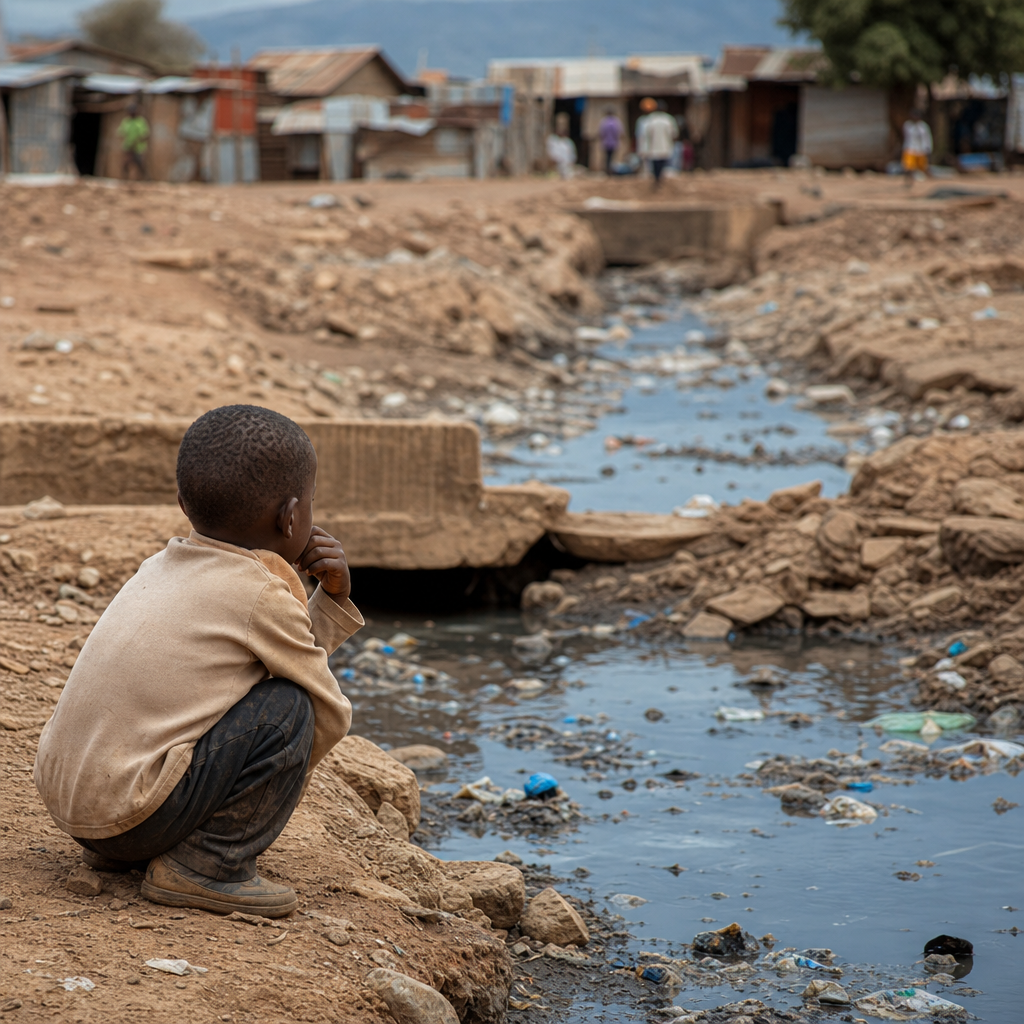
Global advocacy campaigns for better sanitation shape public health, gender equity, education, and economic development across every region. Sanitation refers to the systems, behaviors, policies, and infrastructure that safely manage human waste, wastewater, menstrual health needs, and hygiene services. In practice, that includes toilets, sewer networks, fecal sludge management, handwashing facilities, treatment plants, and the institutions that keep those services running. When those systems fail, communities face preventable disease, unsafe schools, lost productivity, and polluted rivers and groundwater. When they work, the gains spread far beyond the bathroom: child survival improves, girls miss fewer school days, tourism becomes more viable, and cities become more resilient.
This topic matters because the global gap remains large. According to the WHO and UNICEF Joint Monitoring Programme, billions of people still lack safely managed sanitation, and hundreds of millions continue to practice open defecation or use services that do not safely contain or treat waste. Sanitation is also one of the clearest examples of an issue that demands both local delivery and international advocacy. Governments must fund infrastructure and regulation, but civil society, multilateral agencies, utilities, researchers, and community groups drive accountability and public demand. I have worked on sanitation communications and policy messaging, and the lesson is consistent: technical fixes rarely scale without sustained advocacy that makes sanitation visible, fundable, and politically urgent.
As a hub for global opportunities in sanitation, this article explains how advocacy campaigns change policy, where the biggest opportunities lie, which models are producing results, and what organizations should prioritize next. It covers financing, behavior change, urban services, climate resilience, school and healthcare sanitation, private sector roles, and measurement. If a reader wants a clear answer to what effective sanitation advocacy looks like globally, the short version is this: successful campaigns combine credible data, human stories, practical solutions, and pressure on decision-makers to expand inclusive, safely managed services.
Why global sanitation advocacy works when it connects health, dignity, and economics
Advocacy succeeds when sanitation is framed as more than construction. A toilet built without water access, sludge removal, maintenance, or user acceptance is not a sanitation solution. The strongest campaigns explain sanitation as a service chain, from containment to transport, treatment, reuse, or safe disposal. That framing helps ministries of health, finance, education, water, and urban development see their role. It also prevents a common policy failure: counting installed toilets while ignoring whether they are safe, accessible, affordable, and still functioning three years later.
Health arguments remain powerful because the evidence is direct. Poor sanitation contributes to diarrheal disease, helminth infections, cholera outbreaks, and environmental enteric dysfunction that can affect child growth. Advocacy campaigns often pair this evidence with local cost arguments. The World Bank has long shown that inadequate sanitation imposes heavy economic losses through healthcare costs, lost time, lower productivity, and environmental damage. In campaign planning, I have seen finance officials respond more quickly to sanitation when advocates present not only mortality data but also the cost of inaction in urban flooding, school absenteeism, and tourism losses.
Dignity and safety are equally important. Women and girls face risks when toilets are distant, unlit, or unusable during menstruation. People with disabilities are routinely excluded by poor design. Global campaigns that foreground inclusion have influenced standards for accessible toilets, menstrual hygiene management in schools, and safeguards in informal settlements. This human-centered framing broadens coalitions. Public health specialists, disability rights groups, teachers, urban planners, and environmental advocates can all support the same campaign when sanitation is presented as a shared development priority rather than a narrow engineering issue.
Major global opportunities in sanitation today
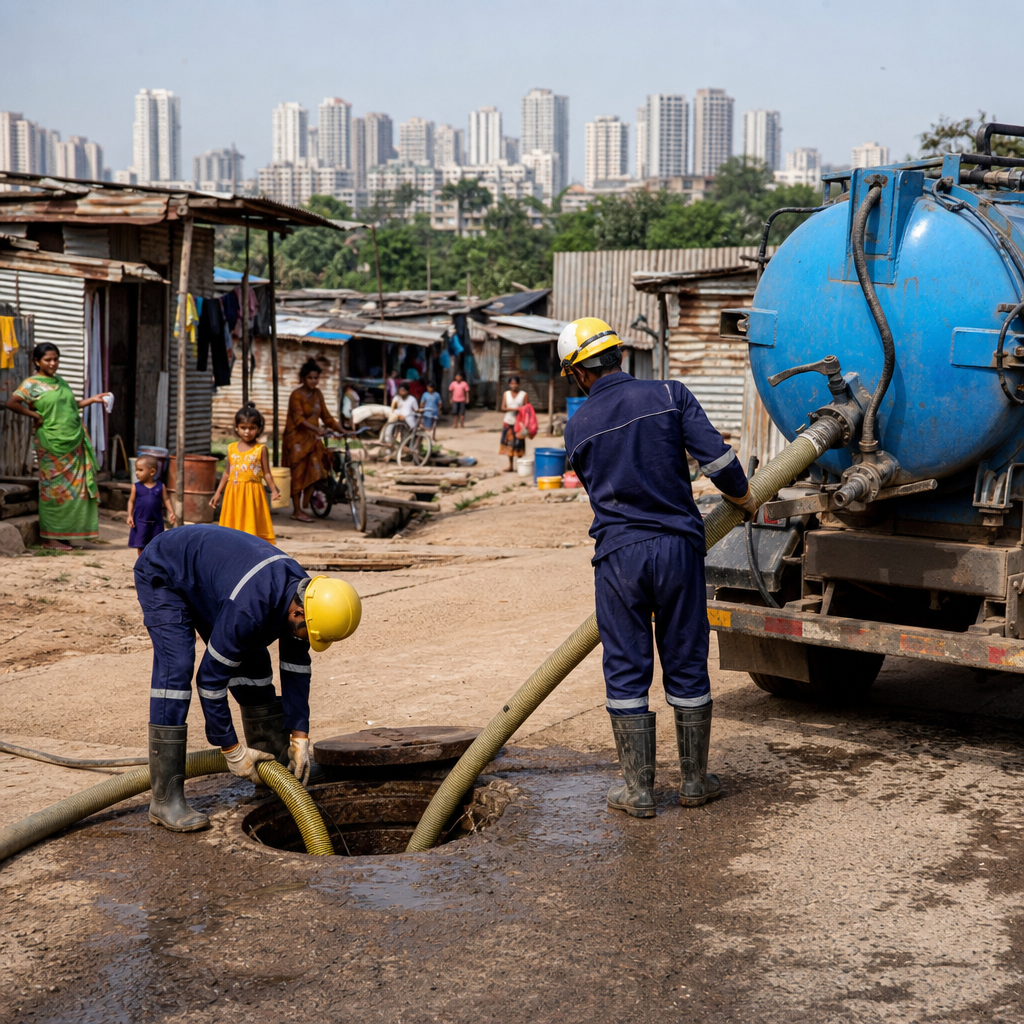
The biggest opportunity is the shift from one-off infrastructure projects to citywide and nationwide service delivery. Urban population growth means sewers alone will not solve the problem, especially in rapidly growing African and Asian cities where most households rely on onsite systems such as pit latrines and septic tanks. Campaigns that promote fecal sludge management, scheduled desludging, regulated emptying services, transfer stations, and treatment facilities are gaining traction because they match how cities actually function. The Citywide Inclusive Sanitation approach has become influential for this reason: it prioritizes equitable outcomes over a single technology.
A second opportunity is linking sanitation to climate adaptation. Flooding spreads fecal contamination, damages toilets, and overwhelms drainage and treatment systems. Drought reduces water available for flushing and handwashing. Advocacy that positions sanitation as climate-resilient infrastructure can unlock new sources of attention and finance. In coastal cities, elevated toilets, sealed containment, decentralized treatment, and resilient drainage planning are no longer optional design improvements; they are risk reduction measures. This climate framing resonates with mayors and development banks because it ties sanitation to disaster preparedness and infrastructure durability.
A third opportunity is institutional sanitation in schools and healthcare facilities. Campaigns that target ministries of education and health often achieve faster wins than broad national infrastructure reforms because the service points are defined and politically visible. A district can commit to sex-segregated school toilets with handwashing stations and menstrual hygiene disposal. A health ministry can establish minimum water, sanitation, and hygiene standards for clinics and maternity wards. These targeted actions produce measurable outcomes and can build momentum for broader reforms.
The fourth opportunity is data transparency. Households, utilities, investors, and local officials make better decisions when service levels, breakdowns, desludging coverage, and treatment performance are visible. Mobile reporting, GIS mapping, satellite imagery for settlement growth, and digital utility dashboards can strengthen campaigns by turning sanitation from an invisible issue into one that can be tracked and managed. Advocacy is far more persuasive when it can show which neighborhoods are underserved, which toilets are unusable, and which facilities discharge untreated waste into waterways.
Campaign models that have driven change across regions
Global sanitation advocacy campaigns generally follow four models: agenda-setting, accountability, behavior change, and market-building. Agenda-setting campaigns elevate sanitation in national and international forums. World Toilet Day, though sometimes treated lightly in public discourse, has become a serious platform for data releases, government commitments, and media attention. The Sanitation and Water for All partnership has also helped align governments, donors, and civil society around commitments, mutual accountability, and financing discussions tied to national planning.
Accountability campaigns focus on budgets, standards, and implementation. These efforts track whether funds reach municipalities, whether utilities serve low-income settlements, and whether public institutions meet legal obligations. In India, sanitation campaigns connected political leadership, mass communication, and local monitoring at exceptional scale. Results were mixed in quality across locations, but the lesson for advocates was important: when sanitation becomes politically salient at the highest level, administrative systems move faster, data systems improve, and local officials respond. The follow-up challenge is ensuring long-term usage, safe waste management, and independent verification.
Behavior change campaigns work best when they avoid blaming communities and instead make healthy practices easier and socially supported. Community-Led Total Sanitation influenced many rural programs by mobilizing communities against open defecation, but implementation quality varied widely. Where facilitators used coercive methods or pushed latrine construction without durable service support, results were weaker. Where programs combined local leadership, supply chain support, and verification, open defecation reduction proved more sustainable. Effective advocacy now emphasizes respectful engagement, affordability, and post-construction support rather than single-event mobilization.
Market-building campaigns target the supply side. They support sanitation enterprises, toilet financing, desludging operators, container-based sanitation providers, and reuse markets for treated waste products. In several countries, social enterprises have demonstrated models for safe emptying and treatment where municipal systems are weak. These examples matter in advocacy because they show decision-makers that scaling sanitation does not depend only on large sewer projects. It can also involve regulated private operators, microfinance for household toilets, franchised service providers, and public-private contracts with clear performance targets.
Where advocacy should focus: priorities, actors, and practical tactics
Strong advocacy starts by identifying the decision that must change. Campaigns are weakest when they ask for vague awareness. They are strongest when they seek a specific reform: a municipal desludging bylaw, a national budget line, school sanitation standards, utility service obligations in informal settlements, or tax treatment that lowers the cost of sanitation products. Once the decision is defined, advocates can map the actors who influence it, including ministries, regulators, parliamentary committees, mayors, donor agencies, professional associations, faith leaders, and journalists.
The message should match the audience. Finance ministries need unit costs, return on investment, and implementation capacity. Communities need clear information on service options, fees, and health benefits. Urban planners need land use implications and density-appropriate technologies. Journalists need local evidence and credible spokespeople. In sanitation campaigns I have supported, the most effective briefs were short, comparative, and practical: they showed the current gap, the policy solution, the expected cost, the implementation owner, and the measurable result within one budget cycle.
| Advocacy priority | Primary target | Key message | Example action |
|---|---|---|---|
| Urban fecal sludge management | Mayors and utilities | Most residents use onsite systems; safe emptying and treatment protect health faster than waiting for sewers | Adopt scheduled desludging and license operators |
| School sanitation | Education ministries | Safe, private toilets improve attendance, especially for girls | Fund sex-segregated toilets and handwashing stations |
| Healthcare sanitation | Health ministries | Clean births and infection prevention require reliable water and sanitation | Set facility standards and publish compliance data |
| Climate-resilient sanitation | Development banks and city planners | Flood-resistant sanitation reduces contamination and disaster losses | Include resilient sanitation in adaptation plans |
| Inclusive access | Regulators and local councils | Services must work for people with disabilities, tenants, and informal settlements | Mandate accessibility and pro-poor service rules |
Tactics should combine public pressure with technical credibility. Media briefings, citizen scorecards, budget analysis, legal advocacy, pilot demonstrations, and coalition letters each serve a different purpose. A pilot project can prove feasibility, but pilots alone rarely shift systems. They need policy pathways and financing plans. Conversely, a media campaign can create urgency, but urgency without implementable options leads to short-lived attention. The best global advocacy campaigns therefore pair storytelling with engineering realism, budget logic, and operating models that institutions can actually adopt.
Financing, partnerships, and the role of innovation
Sanitation financing remains the decisive bottleneck. Households finance much of onsite sanitation directly, but the public sector must fund regulation, treatment infrastructure, services for low-income areas, and institutional sanitation. Advocacy should push for blended financing rather than a single source. Public budgets, concessional loans, donor grants, climate finance, utility revenues, land value capture, and targeted household finance all have roles. The central principle is that sanitation has public-good characteristics, so relying entirely on user fees will leave the poorest communities underserved and environmental externalities unmanaged.
Partnerships matter because sanitation crosses sectors. Utilities need planners, public health teams, private emptiers, environmental regulators, and community-based organizations. Global advocacy networks can help standardize language, spread tested models, and elevate successful reforms. UNICEF, WHO, the World Bank, WaterAid, WSUP, and regional development banks have all contributed frameworks, data, or implementation lessons used widely in campaigns. Their value is not only funding. They also provide comparative evidence that allows local advocates to say, with confidence, that a proposed model has worked in cities facing similar constraints.
Innovation is useful when it solves service problems, not when it distracts from them. Container-based sanitation, remote sensors, urine diversion, simplified sewers, digital desludging dispatch, and resource recovery from biosolids can all be valid tools in the right context. But advocacy should avoid treating any single technology as universally superior. Dense informal settlements may need shared or container-based solutions before network expansion becomes feasible. Secondary towns may benefit more from improved septic management than expensive sewer construction. The opportunity is not to sell novelty; it is to match technology, finance, and governance to real service conditions.
How to measure success and sustain momentum
Sanitation advocacy should be judged by service outcomes, not campaign visibility. Useful indicators include safely managed sanitation coverage, open defecation rates, handwashing access, school and clinic functionality, fecal sludge treatment volumes, complaint resolution times, and equity of coverage across neighborhoods. Disaggregated data is essential because national averages can hide severe urban and rural disparities. Independent verification also matters. Governments need credit for progress, but credibility rises when monitoring includes regulators, researchers, and civil society.
Sustaining momentum requires institutionalizing gains. A campaign that wins a budget line has achieved only a first step; procurement, staffing, tariff design, maintenance, and enforcement must follow. Political transitions are another risk. Sanitation programs often slow when a champion leaves office, so advocates should seek rules, standards, and reporting mechanisms that outlast individuals. The most durable campaigns build local ownership, train municipal staff, engage users, and keep publishing results. If your organization works on global challenges and opportunities, sanitation deserves a central place in strategy because it delivers one of the highest combinations of health protection, dignity, environmental benefit, and economic return. Start with one concrete goal, build a coalition around evidence and lived experience, and push for services that remain safe long after the ribbon-cutting.
Frequently Asked Questions
1. What are global advocacy campaigns for better sanitation, and why do they matter?
Global advocacy campaigns for better sanitation are coordinated efforts led by international organizations, governments, nonprofits, researchers, community groups, and private-sector partners to raise awareness, influence policy, mobilize funding, and improve sanitation services at scale. These campaigns go far beyond simply promoting toilets. They focus on the full sanitation chain: safe containment of human waste, transport, treatment, reuse or disposal, menstrual health support, hygiene access, wastewater management, and the systems of governance and accountability required to sustain services over time. In practical terms, advocacy campaigns help move sanitation from being treated as an invisible household issue to being recognized as a public health, environmental, educational, and economic priority.
They matter because poor sanitation has wide-reaching consequences. Unsafe sanitation contributes to the spread of diarrheal diseases, cholera, parasitic infections, and other illnesses that disproportionately affect children, low-income communities, and people living in informal settlements or remote rural areas. It also affects dignity and safety, especially for women and girls who may face harassment, lost school time, or health risks when private, reliable facilities are unavailable. At the national and global levels, weak sanitation systems strain health services, contaminate water sources, reduce worker productivity, and slow economic development. Advocacy campaigns help keep these consequences visible and urgent.
Effective global sanitation advocacy also plays a critical role in shaping laws, budgets, and public commitments. It can push leaders to set measurable targets, include sanitation in climate and development planning, expand services to underserved populations, and strengthen regulation and maintenance systems. In many cases, campaigns succeed because they connect sanitation to outcomes decision-makers already care about, such as healthier communities, stronger school attendance, cleaner cities, gender equity, and long-term resilience. That is why global advocacy for sanitation is not just about infrastructure; it is about building the political will and social momentum needed to ensure sanitation is safe, inclusive, and sustainable for everyone.
2. How do sanitation advocacy campaigns improve public health and community well-being?
Sanitation advocacy campaigns improve public health by drawing attention to the links between safely managed sanitation and disease prevention. When human waste is not properly contained, collected, treated, and disposed of, pathogens can spread through water, soil, food, and hands. Advocacy helps communities and policymakers understand that sanitation is one of the foundational barriers against outbreaks and chronic illness. Campaigns often emphasize the need for integrated solutions, including toilets, handwashing stations, wastewater treatment, fecal sludge management, and public education around hygiene behaviors. By promoting these connected systems, advocacy supports environments where disease transmission is less likely.
The health effects are especially significant for children. Inadequate sanitation contributes to repeated infections, diarrhea, and intestinal parasites, which can in turn affect nutrition, growth, and cognitive development. Campaigns that prioritize sanitation in schools, health centers, and households can help reduce absenteeism, improve learning conditions, and protect vulnerable populations. In health facilities, safe sanitation is essential for infection prevention and control. Advocacy that targets hospitals and clinics often highlights how sanitation failures put patients, newborns, and health workers at risk, making sanitation a core part of quality care rather than an optional upgrade.
Community well-being also improves when advocacy campaigns address dignity, safety, and quality of life. Reliable sanitation reduces the need for open defecation, lowers exposure to polluted surroundings, and helps create cleaner, more livable neighborhoods. It can also reduce stress and insecurity for families, particularly in crowded urban areas where shared or unsafe facilities are common. Strong campaigns usually combine health messaging with practical improvements and community engagement, helping people see sanitation not only as a technical service but as a basic condition for a safer, healthier, and more dignified daily life.
3. What is the connection between sanitation advocacy, gender equity, and education?
The connection is direct and powerful. Sanitation advocacy frequently highlights how inadequate facilities affect women and girls differently and often more severely. When schools, workplaces, and public spaces lack private, safe, and clean toilets, along with water and menstrual health support, women and girls face barriers that can limit mobility, participation, and dignity. Advocacy campaigns help reframe sanitation as a gender equity issue by showing how poor access can increase safety risks, reinforce social exclusion, and create everyday burdens that are often ignored in infrastructure planning.
In education, the effects are especially visible. Girls are more likely to miss school when sanitation facilities are unusable, unsafe, or not designed to support menstrual health needs. Separate toilets, reliable water access, disposal options, and privacy are all critical to consistent attendance and participation. Sanitation advocacy pushes education systems and governments to treat these needs as essential components of school quality. It also encourages better data collection, so that officials can identify where facilities are lacking and direct resources more effectively. When schools have inclusive sanitation services, students benefit from healthier environments, reduced absenteeism, and greater confidence.
Advocacy also supports broader inclusion by drawing attention to the needs of people with disabilities, caregivers, older adults, and marginalized communities whose sanitation needs are often overlooked. Campaigns that center equity encourage the design of facilities and services that are accessible, affordable, and culturally appropriate. This matters because sanitation is not only about physical infrastructure; it is also about who gets served, who feels safe using services, and whose needs are considered in planning and budgeting. In that sense, strong sanitation advocacy can help drive both gender-responsive policy and more inclusive educational outcomes.
4. What strategies make global sanitation advocacy campaigns effective?
The most effective sanitation advocacy campaigns combine strong evidence, clear messaging, local relevance, and sustained political engagement. Data is a critical starting point. Campaigns are more persuasive when they can show the scale of the problem, the health and economic costs of inaction, and the measurable benefits of investment. This includes statistics on disease burden, school attendance, service coverage, open defecation, wastewater treatment gaps, and inequalities between urban and rural areas or between income groups. Good campaigns turn complex evidence into messages that are easy for the public and decision-makers to understand.
Another key strategy is linking sanitation to issues that already command public and political attention. Rather than presenting sanitation as a standalone concern, successful campaigns connect it to public health preparedness, climate resilience, clean water, urban development, tourism, education, women’s rights, and economic productivity. This broader framing helps build alliances across sectors and can attract more funding and stronger policy commitments. Campaigns also tend to work best when they include the voices of affected communities. Local leaders, sanitation workers, teachers, health professionals, women’s groups, and youth advocates often bring credibility and urgency that purely top-down messaging cannot match.
Long-term success also depends on accountability. Effective advocacy does not end with awareness days or public promises. It follows through by tracking budgets, monitoring service delivery, encouraging transparent reporting, and pressing institutions to meet targets. Many of the strongest campaigns blend media outreach, policy advocacy, grassroots organizing, partnerships, and public education. They recognize that sanitation challenges are technical, social, financial, and political at the same time. Because of that, the most impactful advocacy campaigns are those that remain consistent, evidence-based, inclusive, and focused on durable systems change rather than one-time visibility.
5. How do better sanitation systems support economic development and long-term sustainability?
Better sanitation systems support economic development in several interconnected ways. First, they reduce the health costs associated with preventable disease. When communities have safe sanitation and hygiene services, families spend less on treatment, workers lose fewer days to illness, and health systems face less pressure from sanitation-related infections. Those gains translate into stronger productivity, more stable household finances, and better conditions for learning and employment. In this sense, sanitation is not just a social service; it is a foundational economic investment that supports human capital and national development.
Sanitation also has major implications for infrastructure efficiency, urban growth, and environmental protection. Cities and towns with weak wastewater and fecal sludge systems often face flooding, water contamination, degraded ecosystems, and higher cleanup costs. By contrast, well-managed sanitation systems help protect rivers, groundwater, and public spaces, making communities more resilient and more attractive for business, housing, and tourism. Advocacy campaigns often stress that sanitation planning should be integrated into land use, housing policy, public health strategy, and climate adaptation. This is especially important as populations grow and climate pressures intensify, placing more stress on already limited water and sanitation systems.
From a sustainability perspective, strong sanitation systems depend on more than construction. They require financing models, operations and maintenance, regulation, trained workers, public institutions, and community trust. Global advocacy campaigns help keep attention on these long-term requirements. They can encourage governments and donors to invest not only in new facilities but also in service delivery systems that last. Increasingly, advocacy also highlights resource recovery, wastewater reuse, and climate-smart sanitation approaches that reduce environmental harm while improving efficiency. The broader message is clear: sanitation is essential to sustainable development because it protects health, strengthens economies, supports equity, and helps communities build a cleaner and more resilient future.