The global sanitation economy sits at the intersection of public health, infrastructure, climate resilience, urban development, and social equity. It includes the full chain of products, services, financing, labor, regulation, and innovation required to ensure people can safely manage human waste, wastewater, menstrual hygiene, and related sanitation needs. When sanitation systems function well, they reduce disease, protect water resources, improve school attendance, support worker productivity, and create jobs across construction, utilities, logistics, treatment, manufacturing, and data services. When they fail, the costs spread quickly through healthcare systems, local ecosystems, tourism, education, and national growth.
Sanitation is often misunderstood as simply building toilets. In practice, the sector is broader and more technical. Safe sanitation means that waste is hygienically separated from human contact, collected or contained, transported when necessary, treated to accepted standards, and either disposed of safely or reused productively. The Joint Monitoring Programme of WHO and UNICEF distinguishes between improved, basic, limited, unimproved, and open defecation conditions, while safely managed sanitation adds the requirement that excreta are treated or disposed of safely. That distinction matters because a toilet without reliable emptying, sewerage, or treatment can shift contamination rather than solve it.
The scale of the challenge is enormous. Billions of people still lack safely managed sanitation, and many cities face a parallel problem: aging sewers, overloaded treatment plants, informal settlements with no network access, and climate pressures that increase flood-driven contamination. In my work reviewing water and sanitation projects, the most consistent lesson has been that sanitation failures are rarely caused by one missing asset. They are usually system failures involving tariffs, land tenure, maintenance, utility governance, behavior change, procurement, and weak enforcement. That is why the sanitation economy deserves attention not only as a development issue, but also as a major global market with long-term investment potential.
For a hub page on addressing global sanitation challenges, the central questions are straightforward. What makes sanitation economically important? Which business models and technologies are gaining traction? Where are the biggest gaps in financing and policy? How can cities, utilities, governments, investors, and communities expand access without locking in fragile systems? The answers point to a sector that combines urgent social need with practical opportunities in infrastructure delivery, digital monitoring, circular resource recovery, climate adaptation, and inclusive service design.
Why sanitation is a foundational economic sector
Sanitation affects economic performance more directly than many policymakers assume. Poor sanitation increases diarrheal disease, parasitic infections, stunting, and exposure to environmental pathogens. It also contributes to lost workdays, higher household medical spending, lower school participation, and reduced safety for women and girls who must travel or wait to access facilities. The World Bank and related development studies have repeatedly shown that inadequate sanitation imposes substantial economic losses through health impacts, time costs, and environmental damage. Those losses are not abstract. They appear in missed harvests, overburdened clinics, polluted urban waterways, lower property values, and reduced investor confidence in fast-growing cities.
At the same time, sanitation spending generates economic activity across multiple tiers. Upstream demand includes pipes, pumps, precast concrete, toilets, sensors, chemicals, and treatment equipment. Midstream activity includes engineering, construction, fecal sludge emptying, sewer maintenance, and laboratory testing. Downstream opportunities include biosolids processing, nutrient recovery, biogas production, treated wastewater reuse, and data analytics for utilities. Unlike narrower infrastructure sectors, sanitation creates both public and private value, which means successful programs often blend public finance, utility revenues, household payments, and targeted subsidies.
The sector is also foundational because it supports other development priorities. Hospitals cannot deliver safe care without reliable sanitation and hygiene. Schools struggle with attendance and dignity when toilets are unsafe or unavailable. Food systems are affected when untreated wastewater contaminates irrigation channels. Tourism suffers when beaches, rivers, and heritage areas are polluted. Manufacturers evaluating industrial expansion routinely assess local water and wastewater capacity because unreliable sanitation infrastructure can create operational risk and regulatory exposure.
Market opportunities across the sanitation value chain
The sanitation economy includes several distinct market segments, each with different risk profiles and growth drivers. Sewered systems remain critical in dense urban areas, where networked collection and centralized treatment can achieve scale. However, most of the global opportunity today lies in non-sewered and hybrid models, especially in rapidly urbanizing regions where extending conventional sewers is too expensive, too slow, or physically impractical. This includes septic systems, container-based sanitation, decentralized wastewater treatment, and fecal sludge management businesses that collect, transport, and treat waste from on-site systems.
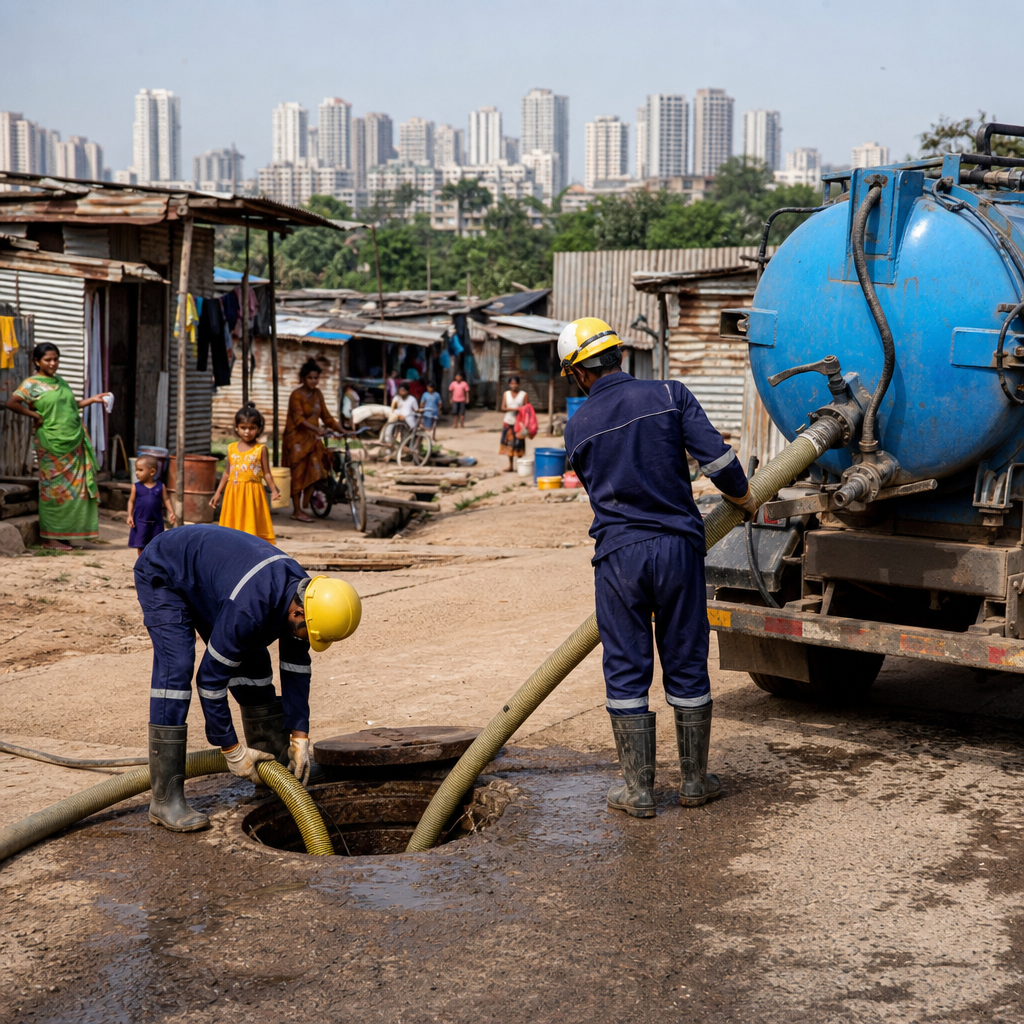
Fecal sludge management is one of the clearest examples of an underbuilt market. In many cities, most households rely on pits or septic tanks, yet emptying services are informal, treatment capacity is limited, and disposal is often unsafe. Formalizing this chain creates investable businesses in vacuum truck fleets, transfer stations, scheduling platforms, treatment plants, and quality assurance. Cities such as Dakar have been studied for structured fecal sludge service models, showing that improved regulation and treatment infrastructure can raise service quality while reducing illegal dumping.
Another major opportunity is resource recovery. Treated sludge can be converted into compost, soil conditioner, refuse-derived fuel, building materials, or biogas, depending on treatment quality and market demand. Wastewater treatment plants can also support water reuse for industry, landscaping, or agriculture, especially in water-stressed regions. These opportunities are real, but they depend on quality control, stable off-take markets, and clear environmental standards. I have seen projects fail when planners assumed recovered products would sell automatically. They do not. End-user trust, logistics, and compliance determine whether resource recovery becomes a revenue stream or a stranded asset.
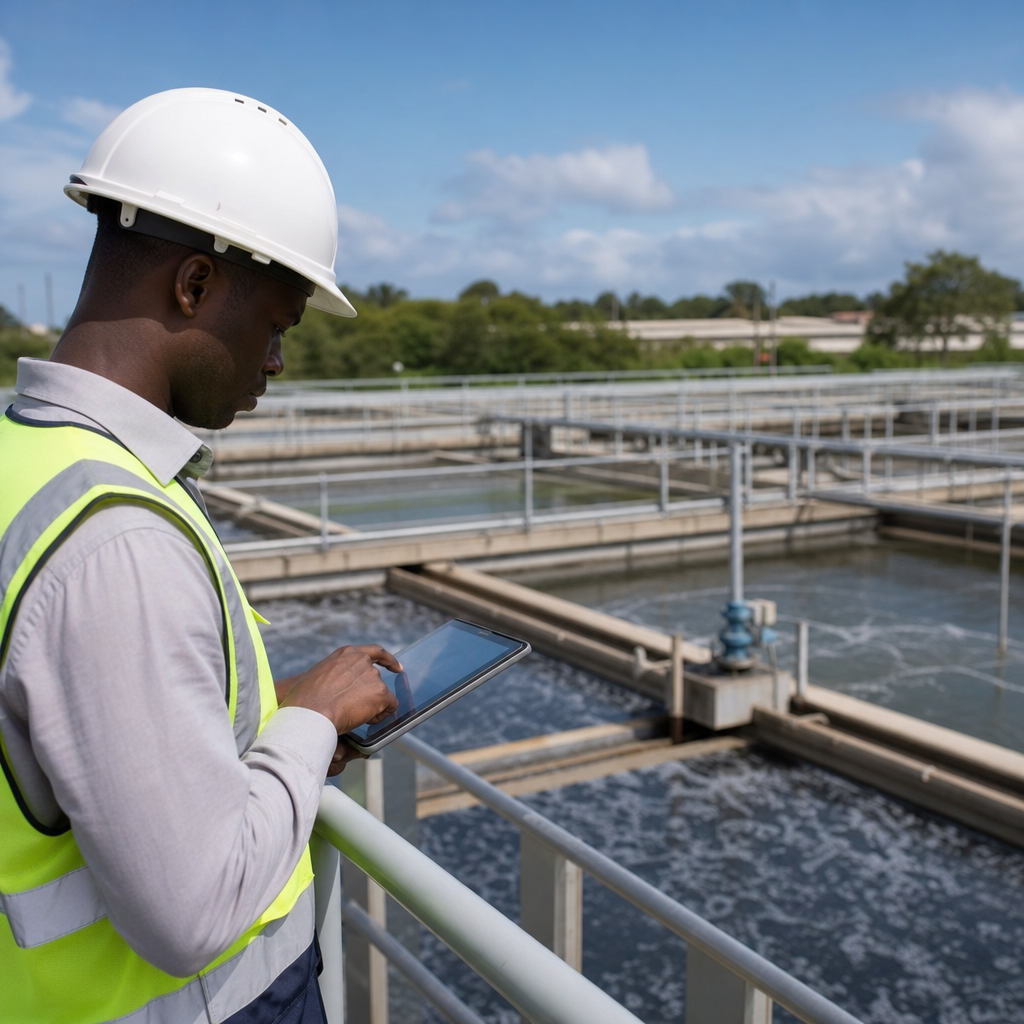
Digital tools are expanding quickly as well. Utilities and service operators increasingly use geographic information systems, remote sensors, billing platforms, route optimization, and work-order management software to reduce losses and improve response times. The sanitation economy therefore includes not only physical assets, but also software providers, monitoring firms, and performance-based service companies.
Technology pathways and service models that are reshaping access
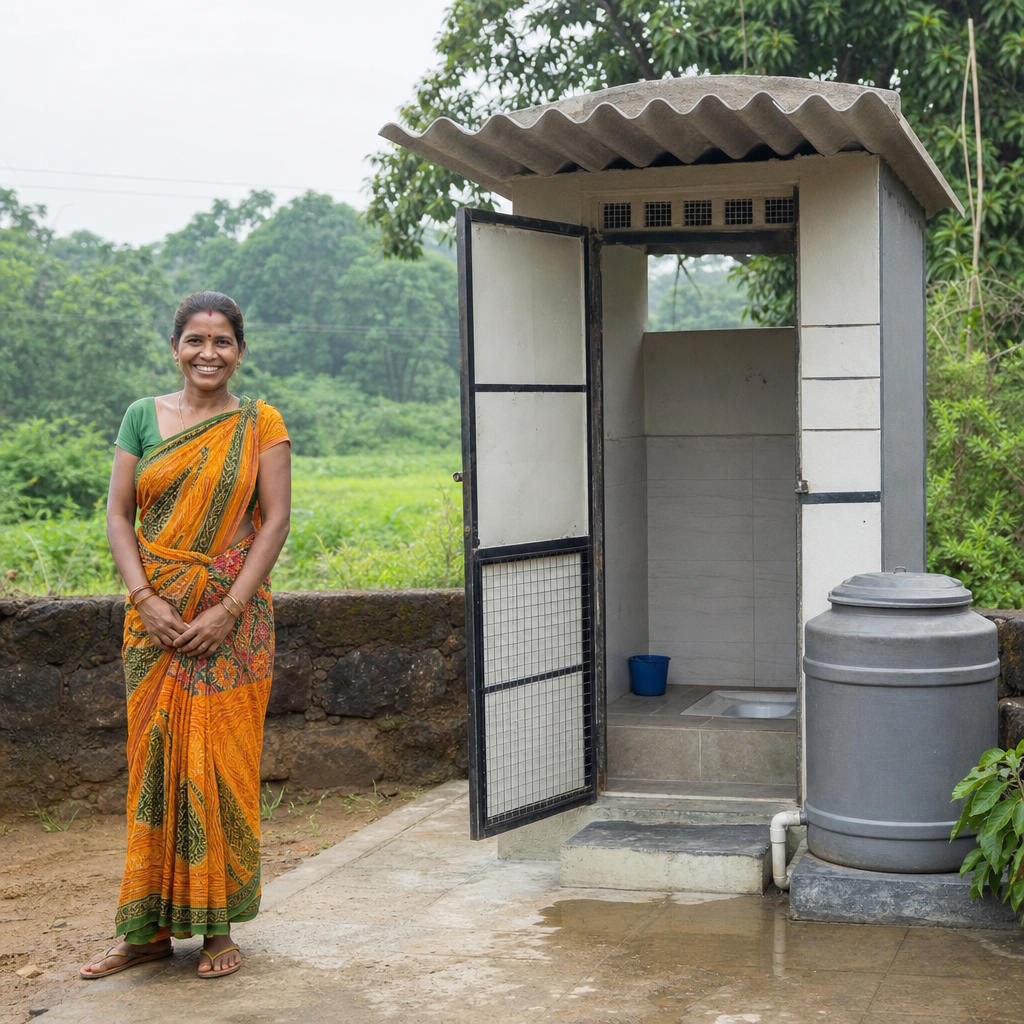
No single sanitation technology fits every settlement pattern, income profile, or climate condition. Dense informal settlements may require shared toilets with professional maintenance, simplified sewers, or container-based services. Peri-urban areas often rely on septic systems or communal treatment. Small towns may benefit from decentralized wastewater treatment systems, constructed wetlands, anaerobic baffled reactors, or modular package plants. Large cities may need a combination of trunk sewers, pumping stations, and upgraded biological treatment with nutrient removal. The right choice depends on topography, groundwater conditions, available land, energy reliability, affordability, and institutional capacity.
In practical terms, the most resilient service models are usually hybrid. They combine household-level containment, neighborhood collection, safe transport, treatment, and clear accountability for maintenance. That is why citywide inclusive sanitation has become such an important planning concept. It recognizes that urban sanitation cannot be solved by sewer expansion alone. Instead, authorities must plan for the whole city and the whole service chain, including low-income areas that are often excluded from utility investment plans.
| Service model | Best fit | Main advantages | Main constraints |
|---|---|---|---|
| Conventional sewerage | Dense formal urban areas | High conveyance capacity, centralized oversight | High capital cost, difficult retrofits, water dependence |
| Simplified or condominial sewers | Dense lower-income neighborhoods | Lower cost, adaptable layouts, community participation | Needs strong maintenance and local engagement |
| Septic tanks with desludging | Peri-urban and small-town settings | Scalable, familiar, lower network cost | Frequent failures from poor design and unsafe disposal |
| Container-based sanitation | Informal settlements with limited space or tenure | Fast deployment, controlled collection, low water use | Requires reliable logistics and recurring payments |
| Decentralized treatment | Campuses, housing clusters, small towns | Modular, reuse potential, reduced trunk infrastructure | Operator skill and effluent compliance are critical |
Innovation is strongest where technologies are paired with workable service contracts. For example, container-based sanitation providers have demonstrated that service reliability matters more than the novelty of the toilet itself. Similarly, decentralized plants perform well when operators are trained, spare parts are available, and effluent standards are monitored. The technology decision is therefore inseparable from the business model and the regulator’s enforcement capacity.
Financing gaps, policy barriers, and governance realities
The largest barrier to universal sanitation is not lack of proven technology. It is weak financing and governance. Sanitation has historically been underfunded because benefits are dispersed across health, environment, housing, and productivity, while costs sit with utilities or local governments that already face budget pressure. Households may pay for toilets, but they often cannot finance safe emptying or treatment infrastructure on their own. Utilities may collect tariffs, but those tariffs frequently do not cover operating costs, let alone capital renewal.
Blended finance is increasingly important. Public budgets remain essential for network backbones, treatment plants, pro-poor subsidies, and regulatory institutions. Development banks and climate funds can support long-tenor infrastructure. Private operators can participate in desludging, treatment services, data systems, and design-build-operate contracts when revenue models are credible. Results-based financing has also shown promise in some markets by linking disbursement to verified service delivery rather than simply asset construction.
Policy and governance matter just as much as capital. Sanitation projects fail when responsibilities are fragmented across ministries, municipalities, utilities, and health agencies with no unified performance framework. They also fail when building codes are ignored, septic design standards are weak, or illegal dumping is rarely penalized. Clear service mandates, transparent tariffs, licensing for emptiers, land allocation for treatment sites, and routine performance reporting are basic requirements for a functioning sanitation economy.
Political economy cannot be ignored. Sanitation is less visible than roads or power plants, so it often loses budget battles. Yet cities that delay investment usually pay more later through emergency response, polluted waterways, and expensive retrofits. Good governance means treating sanitation as essential economic infrastructure, not a marginal welfare program.
Equity, climate risk, and the future of addressing global sanitation challenges
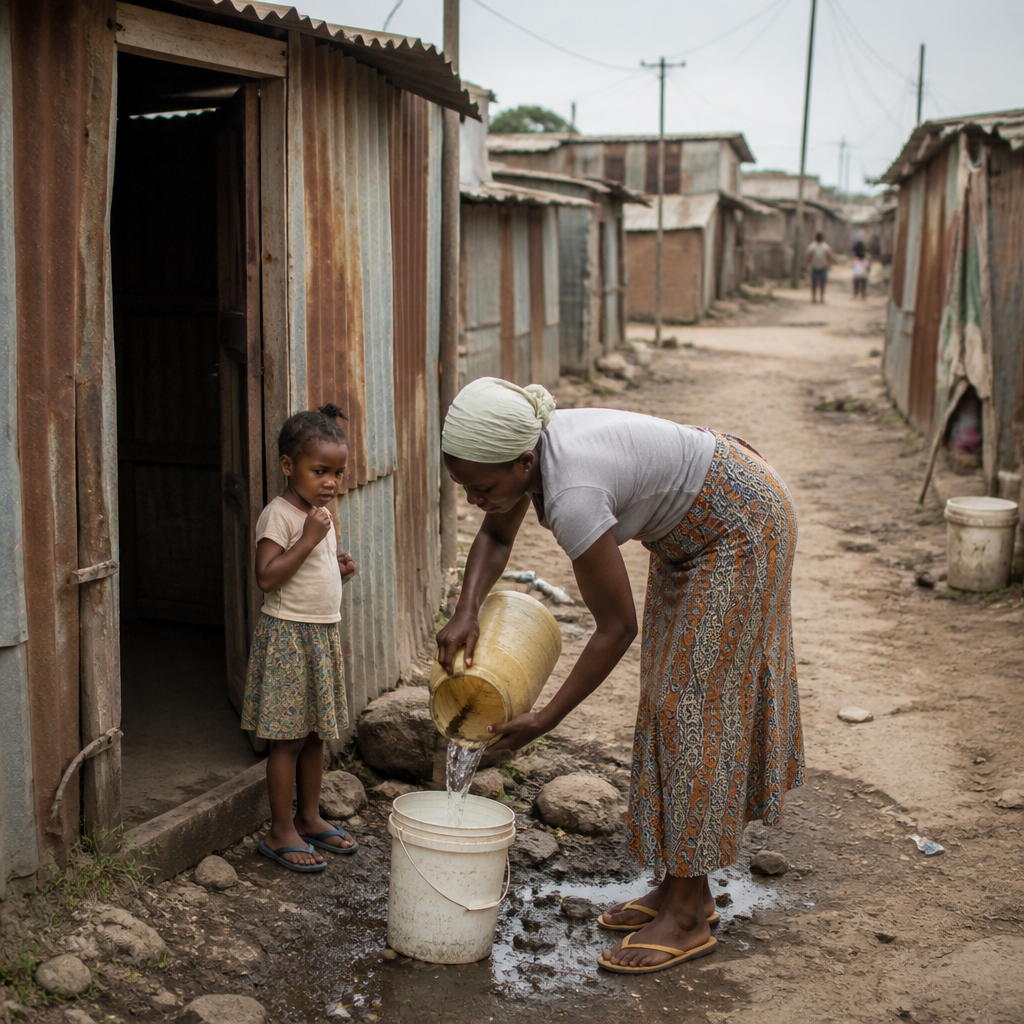
Addressing global sanitation challenges requires more than expanding coverage numbers. It requires equitable, climate-aware systems that serve people consistently and safely. Women, children, older adults, people with disabilities, migrants, and residents of informal settlements face the highest sanitation burdens. A facility may count as access on paper while still being unsafe, inaccessible at night, unaffordable to empty, or unusable during floods. Inclusive design standards, menstrual hygiene support, disability access, and service quality monitoring must therefore be built into planning from the start.
Climate change is raising the stakes. Floods can overwhelm sewers, spread fecal contamination, and disable treatment plants. Drought can reduce flows needed for sewer function and increase demand for wastewater reuse. Sea-level rise threatens coastal infrastructure and shallow groundwater, complicating on-site sanitation. Heat affects biological treatment performance and worker safety. Resilient sanitation planning now requires flood mapping, backup power, elevated equipment, protected sludge drying areas, and emergency service protocols.
There is also a workforce dimension. Sanitation workers, especially informal pit emptiers and sewer cleaners, often face dangerous exposure to toxic gases, pathogens, and physical hazards. Mechanization, protective equipment, labor standards, and formal contracts are not optional upgrades. They are central to a modern sanitation economy. Cities that professionalize this workforce improve public health while creating more stable local employment.
Looking ahead, the strongest sanitation strategies will integrate land use planning, utility reform, digital monitoring, resource recovery, and targeted subsidies for vulnerable households. They will recognize that the best investment is often not the most expensive technology, but the service model that can be maintained, regulated, and trusted over time. For governments, investors, and practitioners, the message is clear: sanitation is one of the most practical places to convert public need into measurable health, environmental, and economic gains.
The global sanitation economy offers a rare combination of urgency and opportunity. It addresses disease prevention, urban resilience, water security, and human dignity while opening markets in construction, treatment, logistics, reuse, and software. The core lesson is simple: sanitation works only when the entire service chain works, from containment to treatment to safe reuse or disposal. Projects that focus only on toilets, pipes, or plants without governance, financing, and maintenance usually underperform.
For anyone exploring this subtopic as a hub, the essential themes are now clear. Safe sanitation depends on system design, not isolated hardware. The biggest opportunities lie in fecal sludge management, hybrid urban service models, decentralized treatment, digital operations, and climate-resilient infrastructure. The biggest challenges remain fragmented institutions, weak cost recovery, land constraints, informal service chains, and unequal access for low-income communities. These are solvable problems when planning is citywide, standards are enforced, and funding matches long-term operating needs.
The benefit of getting sanitation right is cumulative. Health systems spend less on preventable illness, schools and workplaces function better, rivers and aquifers face less pollution, and cities become more investable. That is why sanitation should be treated as a core pillar of global development and economic strategy. Use this hub as a starting point to examine financing models, technology choices, governance reforms, and inclusive service delivery approaches that can turn sanitation from a chronic deficit into a durable engine of public value.
Frequently Asked Questions
What is the global sanitation economy, and why does it matter so much?
The global sanitation economy refers to the full ecosystem of goods, services, systems, and institutions that make safe sanitation possible. It includes toilets and containment systems, sewer networks, fecal sludge management, wastewater treatment, menstrual hygiene products and services, handwashing infrastructure, maintenance providers, sanitation workers, regulators, financiers, insurers, technology companies, and public agencies. In other words, it is not just about building toilets. It is about creating a functioning chain that safely captures, transports, treats, reuses, or disposes of human waste and related sanitation flows in ways that protect people and the environment.
This matters because sanitation is deeply connected to public health, education, economic growth, gender equity, and environmental protection. When sanitation systems fail, the consequences spread quickly: water sources become contaminated, disease transmission increases, schools and workplaces become less usable, and communities face higher healthcare costs and lower productivity. Poor sanitation can also undermine dignity and safety, especially for women, girls, children, older adults, people with disabilities, and informal workers. By contrast, reliable sanitation reduces exposure to pathogens, supports attendance in schools, improves worker well-being, and strengthens confidence in urban development and public infrastructure.
The sanitation economy also matters because it is a major area of investment and job creation. It supports engineers, operators, plumbers, waste collectors, treatment plant staff, manufacturers, data providers, public health officials, and social enterprises. In many regions, especially fast-growing cities, sanitation demand is increasing faster than infrastructure capacity. That creates opportunities for innovation in decentralized systems, digital monitoring, service delivery models, circular economy approaches, and blended finance. Seen this way, sanitation is not merely a social obligation; it is an essential economic sector with long-term returns for households, businesses, and governments.
What are the biggest business and investment opportunities within the sanitation economy?
The biggest opportunities tend to emerge where demand is high, service gaps are persistent, and traditional infrastructure alone cannot keep pace. One major area is non-sewered and decentralized sanitation, especially in peri-urban settlements, small towns, and dense neighborhoods where extending sewer networks is expensive or impractical. This creates space for toilet design companies, container-based sanitation providers, fecal sludge collection services, small-scale treatment technologies, and operators that can deliver reliable, recurring service models rather than one-time construction projects.
Another significant opportunity lies in wastewater treatment, reuse, and resource recovery. Treated wastewater can support agriculture, industry, landscaping, and groundwater recharge in water-stressed regions. Meanwhile, sludge and biosolids can be converted into compost, energy, fuel briquettes, or other useful by-products where regulation and market conditions allow. These circular economy models are especially attractive in places facing both sanitation deficits and resource constraints, because they can turn a costly waste stream into a source of value while reducing environmental pressure.
There is also growing momentum in sanitation-adjacent markets such as menstrual health management, hygiene products, monitoring systems, utility digitization, maintenance services, and climate-resilient infrastructure design. Investors are increasingly interested in technologies that improve system performance, reduce leakage and contamination, enable predictive maintenance, or track service delivery outcomes. Public-private partnerships, development finance, and impact investing can all play important roles, particularly where public benefits are high but user affordability is limited. The strongest opportunities usually come from models that align commercial viability with measurable social and environmental gains, rather than treating sanitation as a narrow construction category.
What are the main challenges preventing sanitation systems from working effectively at scale?
One of the biggest challenges is that sanitation requires an end-to-end system, and weak performance at any point in that chain can cause the entire system to fail. A community may have toilets, for example, but if waste is not safely emptied, transported, treated, and managed, the health benefits are limited. Many sanitation programs have historically focused on visible infrastructure while underinvesting in operations, maintenance, regulation, and behavior change. As a result, facilities may be built without a sustainable service model to keep them safe and functional over time.
Financing is another major barrier. Sanitation often delivers broad public benefits, but those benefits do not always translate into immediate or sufficient revenue for service providers. Households may struggle to afford regular emptying services or connection fees, while municipalities may lack the budget, creditworthiness, or institutional capacity to plan and maintain large-scale systems. Private investors may see demand, but still hesitate because of uncertain regulation, fragmented service territories, weak payment enforcement, or long payback periods. This makes sanitation a sector where blended finance, public subsidy, and strong governance are often necessary to unlock sustainable investment.
There are also important social and institutional challenges. In many places, sanitation work is undervalued despite being essential, and sanitation workers may face unsafe conditions, stigma, or inadequate labor protections. Land tenure issues can complicate infrastructure development in informal settlements. Rapid urbanization can outpace planning. Climate change increases flood risks, damages infrastructure, and spreads contamination through overwhelmed drainage and wastewater systems. Finally, regulation can be inconsistent or poorly enforced, allowing unsafe dumping or low-quality construction to persist. Solving these problems requires more than technology alone; it requires coordinated policy, long-term planning, workforce development, and accountability across the entire sanitation value chain.
How does sanitation connect to climate resilience, water security, and sustainable urban development?
Sanitation is closely tied to climate resilience because poorly managed waste and wastewater become even more dangerous under climate stress. Flooding can inundate pits, septic systems, drains, and treatment sites, spreading pathogens into homes, streets, and water bodies. Drought can concentrate pollution in limited water supplies and increase pressure to reuse wastewater safely. Heat can strain infrastructure and accelerate system deterioration. As climate extremes become more frequent, sanitation systems must be designed not only for normal operations but also for shocks such as storms, sea-level rise, power outages, and water scarcity.
It is also central to water security. When sanitation systems fail, they contaminate rivers, lakes, aquifers, and coastal areas, reducing the availability of safe water for drinking, agriculture, fisheries, and industry. Effective wastewater treatment and safe containment help protect these resources, while reuse systems can supplement water supplies in stressed regions. In this sense, sanitation is not separate from water management; it is one of the key ways societies preserve water quality and reduce competition over limited resources. Better sanitation planning can therefore strengthen both environmental protection and long-term economic resilience.
In cities, sanitation is a foundation of sustainable urban development. Dense populations require systems that can safely serve large numbers of people without polluting neighborhoods or waterways. This includes sewers in some contexts, but also hybrid approaches that combine centralized and decentralized services depending on geography, income levels, and settlement patterns. Good sanitation supports healthier housing, safer public space, more reliable schools and healthcare facilities, and stronger productivity. It also improves the investment climate by making cities more livable and better equipped to manage growth. For urban planners and policymakers, sanitation is not a secondary utility; it is a core building block of resilient, inclusive cities.
Why is social equity so important in the sanitation economy?
Social equity is essential because sanitation access, quality, and safety are distributed unevenly, and those gaps have serious consequences. Low-income households, rural communities, informal settlements, refugees, people with disabilities, and historically marginalized groups are often the least well served by conventional sanitation systems. They may rely on shared facilities, unsafe disposal practices, irregular emptying services, or infrastructure that does not meet their practical needs. These shortcomings expose people to disease, increase the burden of care within households, and reinforce broader inequalities in health, education, and income.
Gender is a particularly important dimension. Women and girls often face greater risks when sanitation is inaccessible, poorly lit, distant, or unsafe. Lack of adequate menstrual hygiene support can reduce school attendance, limit participation in work and public life, and increase stress and stigma. Children, older adults, and people with disabilities may also be excluded when facilities are not designed for accessibility, privacy, or ease of use. An equitable sanitation economy therefore needs to address more than coverage statistics. It must consider safety, affordability, dignity, accessibility, cultural fit, and continuity of service.
Equity also applies to labor conditions within the sector. Sanitation workers perform critical public health functions, yet many work without proper protective equipment, legal recognition, social protections, or safe technologies. In some contexts, the most dangerous sanitation tasks are shaped by deeply rooted discrimination and exclusion. Building a stronger sanitation economy means improving working conditions, formalizing services where appropriate, and ensuring that the people who keep systems running are protected and respected. Ultimately, equity makes sanitation systems more effective because services designed around real human needs are more likely to be used, maintained, trusted, and sustained over time.