Community-led approaches to sanitation in diverse contexts are central to addressing global sanitation challenges because they turn toilets, drainage, hygiene, and waste management from isolated construction projects into shared public systems that people use, maintain, finance, and defend over time. Sanitation, in practical terms, includes safe containment, collection, treatment, and disposal or reuse of human waste, along with behaviors and services that reduce exposure to pathogens. In field programs, I have seen the same lesson repeated from dense informal settlements to drought-prone villages: infrastructure matters, but local ownership determines whether that infrastructure actually protects health. This matters globally because billions still lack safely managed sanitation, and failures contribute to diarrheal disease, stunting, school absenteeism, polluted waterways, and lost income. A strong hub on addressing global sanitation challenges must therefore connect behavior change, governance, finance, climate resilience, gender equity, and service delivery across diverse contexts, not treat any one element as sufficient on its own.
Community-led sanitation means residents participate in identifying risks, setting priorities, choosing technologies, creating rules, monitoring use, and holding providers accountable. The approach goes beyond consultation. It asks who cleans shared toilets, who empties pits, who pays user fees, how disabled residents access facilities, where sludge goes after collection, and what happens during floods, conflict, or water shortages. These questions vary by setting, but the principle is consistent: sanitation systems work best when communities shape them and institutions support them with technical standards, financing, and enforcement. This article serves as a hub for the wider topic by explaining what works, where it works, what tradeoffs matter, and how practitioners, municipal leaders, donors, and local organizations can address global sanitation challenges with realistic, durable, community-led strategies.
Why community leadership improves sanitation outcomes
Community leadership improves sanitation outcomes because sanitation is partly a public good and partly a household service. One family’s open defecation, leaking septic tank, or clogged drain can expose an entire neighborhood to disease, especially where children play near wastewater or handwashing water is scarce. Top-down programs often fail when they install facilities without building routines, responsibilities, and demand. By contrast, community-led models create social norms around toilet use, maintenance, and safe disposal. I have watched settlements where a simple resident sanitation committee, backed by transparent fee collection and posted cleaning schedules, outperformed more expensive facilities built without local management. The mechanism is straightforward: users trust systems they helped design, and local leaders can respond faster than distant agencies to broken doors, blocked pipes, or unsafe nighttime access.
These approaches also improve inclusion. Women and girls often prioritize privacy, menstrual hygiene management, lighting, and security. Older adults and persons with disabilities may need ramps, handrails, wider doors, raised seats, or nearby access. Renters, migrants, and people living in informal settlements are frequently excluded from subsidy programs tied to formal land tenure. Community processes surface these realities early, before money is spent on inappropriate designs. They also help identify behavior barriers that engineering alone cannot solve. For example, a pour-flush toilet may be technically sound, but if water collection already consumes hours each day, regular use may be unrealistic during the dry season. When communities map these tradeoffs themselves, adoption rates rise and facilities are better matched to local routines, costs, and environmental constraints.
Rural sanitation: from triggering to sustained service delivery
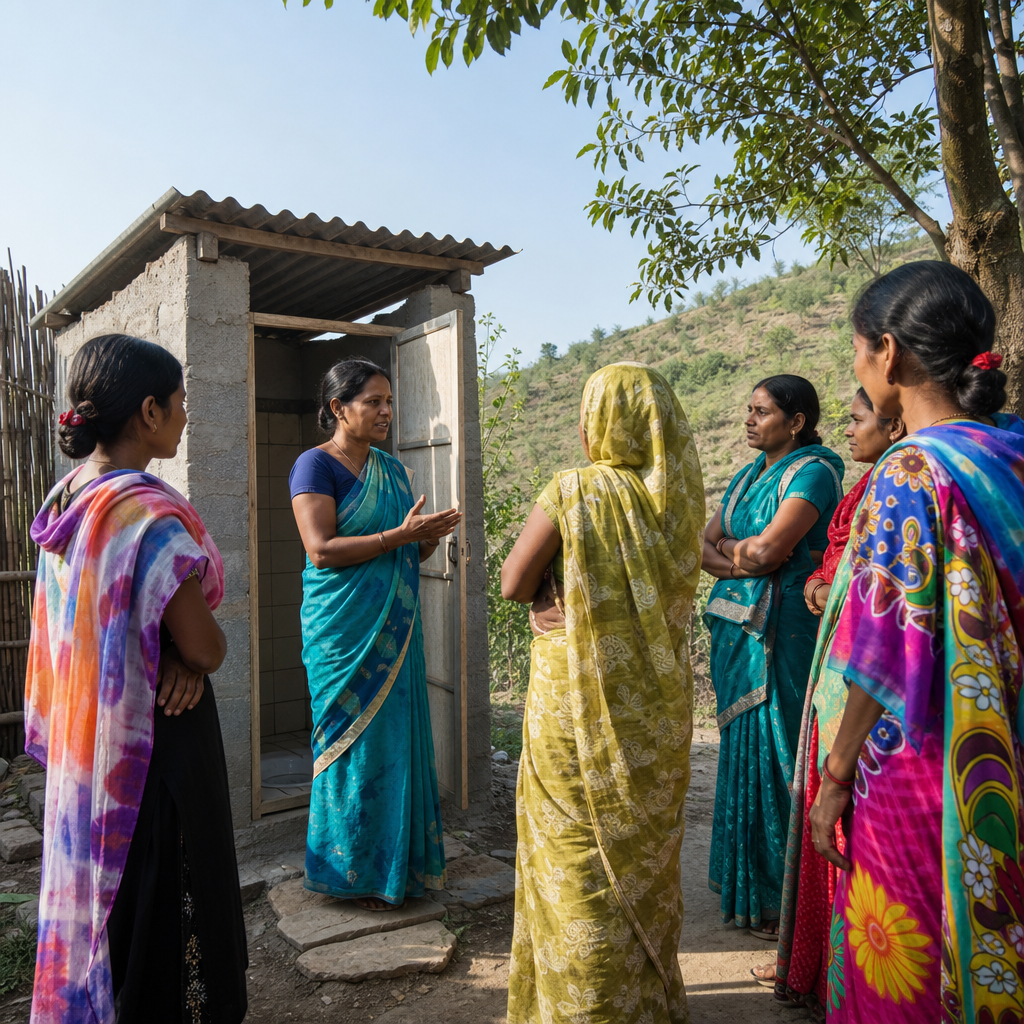
In rural areas, community-led sanitation is often associated with collective action to end open defecation. The best-known methods use participatory mapping, transect walks, and local analysis of contamination pathways to motivate change. These approaches can be powerful because they replace abstract health messaging with visible evidence of risk. Yet rural sanitation progress depends on what happens after mobilization. Villages need access to affordable materials, trained masons, financing options for the poorest households, and follow-up visits that verify use rather than just construction. Programs that celebrate initial latrine uptake but ignore pit fill-up, handwashing stations, or safe sludge management frequently see slippage, particularly after floods, droughts, or harvest shocks reduce household cash.
Successful rural models link behavior change to local markets and local government. In parts of South Asia and East Africa, I have seen better results where district officials tracked village-level sanitation status, local entrepreneurs supplied slabs and vent pipes, and community health workers revisited households during rainy seasons. Rural technology choice must fit soil conditions and groundwater levels. Unlined pits can collapse in sandy soils; high water tables can contaminate wells; rocky terrain can make excavation prohibitively expensive. Options such as twin pits, raised latrines, urine-diverting dry toilets, or septic systems each have operating requirements that need explanation in plain terms. The point is not to promote one universal design. It is to build village systems in which households understand their options, local suppliers can deliver them, and authorities provide ongoing support instead of one-time campaigns.
Urban and peri-urban sanitation: shared facilities, fecal sludge, and accountability
Urban sanitation requires a different lens because density changes everything. In low-income urban settlements, land is limited, tenure is insecure, and many households rely on shared toilets. Shared facilities are often dismissed, yet in practice they can be the only realistic near-term option where space and affordability constrain private toilets. The quality gap between good and bad shared sanitation is enormous. Well-managed facilities have clear cleaning responsibilities, lighting, water access, locks, menstrual waste bins, child-friendly features, and reliable emptying services. Poorly managed ones become unusable and drive residents back to open defecation or unsafe disposal. Community management groups, landlord associations, and women’s committees can keep standards visible, especially when linked to municipal inspection and operator contracts.
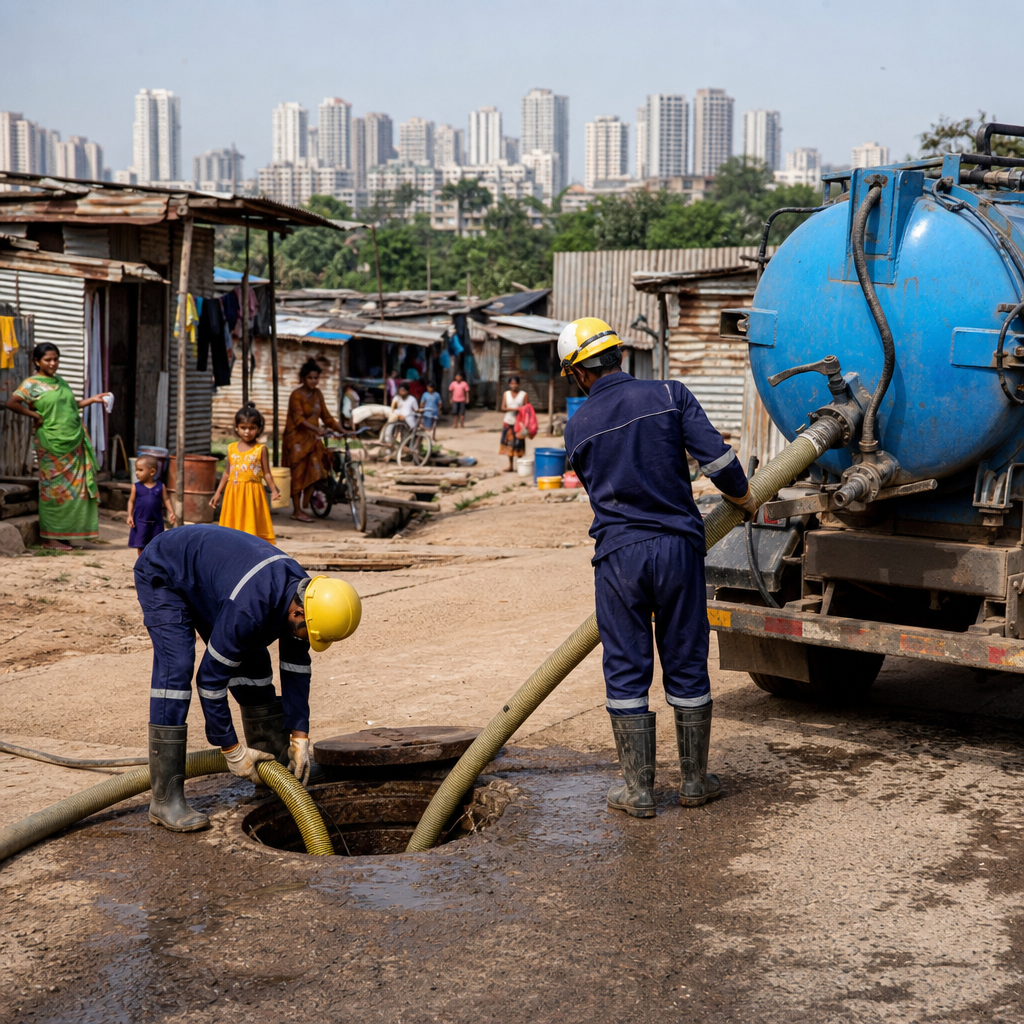
Urban sanitation also hinges on fecal sludge management. A toilet is only the front end of a sanitation chain. If pits and tanks are emptied unsafely into drains, rivers, or vacant land, the public health benefit collapses. Cities that make progress usually organize the full service chain: containment standards, licensed emptiers, transfer stations, treatment plants, and regulated disposal or reuse. The World Health Organization sanitation safety planning approach is useful here because it identifies hazards at each step and assigns control measures. In dense neighborhoods, I have found that residents respond well when service expectations are made concrete: how often pits should be emptied, who to call, what legal price range applies, and where sludge is taken. Without that transparency, informal payments and illegal dumping flourish.
| Context | Primary sanitation challenge | Community-led response | Key support needed |
|---|---|---|---|
| Rural village | Open defecation and weak follow-up | Household mapping, local champions, peer monitoring | Masons, materials, poverty-targeted finance |
| Informal settlement | Overused shared toilets and insecure tenure | User committees, cleaning rosters, landlord engagement | Municipal regulation, safe emptying services |
| Flood-prone delta | Latrine collapse and water contamination | Seasonal risk planning and elevated designs | Climate-resilient engineering, emergency funds |
| Refugee camp | Rapid demand, safety concerns, social fragmentation | Block representatives, women-led feedback systems | Fast deployment, protection protocols, O&M budgets |
Designing for culture, climate, and fragility
Diverse contexts demand sanitation designs that respect social norms while still meeting health objectives. Cultural expectations around privacy, anal cleansing materials, menstrual practices, child feces disposal, and gendered use patterns influence whether facilities are used consistently. A technically correct toilet that ignores these norms can sit idle. For instance, in some places users prefer water for cleansing, which affects water storage, drainage, and superstructure design. In others, households resist toilets located too close to cooking areas or shared with unrelated families. Community-led planning helps translate these preferences into viable design criteria rather than treating them as obstacles. The result is not cultural relativism; it is better engineering informed by actual human behavior.
Climate and fragility further complicate sanitation decisions. Flooding can inundate pits and spread fecal contamination across entire settlements. Drought can make water-based systems unusable or unaffordable. In conflict-affected settings, maintenance breaks down when supply chains fail and governance is disrupted. I have worked on programs where the most important sanitation intervention was not a new structure but a contingency plan: pre-positioned desludging agreements before monsoon season, emergency repair funds managed locally, or temporary communal facilities with strong protection measures during displacement. Resilience in sanitation means designing for shock, not just for average conditions. Elevated latrines, sealed containment, decentralized treatment, and service contracts with backup providers can all matter, but only if communities understand the risks and participate in preparedness and response.
Financing, governance, and measurement that sustain results
Sanitation fails when capital spending is separated from operations and maintenance. Community-led systems still need money, rules, and data. The financing mix may include household investment, targeted subsidies, municipal budgets, tariffs for shared services, microfinance, results-based funding, or cross-subsidies from utilities. Each has limits. Household contributions can build ownership but exclude the poorest. Subsidies can accelerate access but distort markets if poorly targeted. User fees support cleaning and minor repairs, yet they rarely cover treatment infrastructure on their own. The practical answer is blended financing tied to a clear service model. In successful programs, communities know which costs they own and which the municipality, utility, NGO, or private operator must cover. Ambiguity is one of the fastest routes to broken toilets and abandoned treatment sites.
Governance is equally decisive. Roles must be explicit from household to ward to city level. Who approves designs? Who enforces emptying standards? Who responds to complaints? Who publishes performance data? I recommend simple dashboards that track not only toilet coverage but also functionality, accessibility, emptying frequency, handwashing availability, and safe treatment. Coverage alone is a misleading metric. A settlement can report high access while residents avoid filthy facilities or while untreated sludge is dumped nearby. Strong monitoring combines community scorecards with service provider records and periodic independent checks. For anyone working on addressing global sanitation challenges, that is the core lesson: community leadership works best when it is embedded in accountable institutions, informed by local realities, and supported across the entire sanitation chain, from first use to final treatment. Use this hub as a starting point, then map your own context, identify the weakest link, and build solutions with the people who rely on them every day.
Frequently Asked Questions
What does a community-led approach to sanitation actually mean in practice?
A community-led approach to sanitation means that local people are not treated as passive recipients of toilets or hygiene messages; instead, they help define the problem, set priorities, choose workable solutions, and organize long-term upkeep. In practice, this includes community discussions about open defecation, drainage, solid and liquid waste, handwashing, menstrual hygiene, and the everyday barriers that prevent safer behavior. It also means recognizing that sanitation is more than infrastructure. A latrine that is poorly located, unaffordable to empty, unsafe for women at night, or inaccessible to older adults and people with disabilities is unlikely to deliver lasting health benefits.
In many settings, community-led sanitation begins with collective analysis. Residents map where waste accumulates, identify contamination pathways, discuss seasonal flooding, and examine who is most affected by poor sanitation conditions. That process can help shift sanitation from being seen as an individual household matter to a shared public concern. Once there is local ownership of the issue, communities often form committees, establish user rules, create savings mechanisms, negotiate with local government, and monitor progress themselves. These actions make it more likely that services will continue after outside organizations leave.
Importantly, community-led does not mean communities are expected to solve everything alone. The most effective models combine local leadership with technical guidance, financing, policy support, and service delivery from governments, utilities, nongovernmental organizations, or private providers. Communities may be best positioned to mobilize behavior change and social accountability, while public institutions remain essential for sludge management, regulation, inclusion, and funding for the poorest households. In that sense, community-led sanitation is best understood as a partnership model that puts people at the center of decisions while linking them to systems that can sustain results.
Why are community-led sanitation strategies especially important in diverse contexts?
Community-led sanitation strategies matter in diverse contexts because sanitation problems are shaped by local geography, settlement patterns, social norms, livelihoods, and public institutions. What works in a dense informal settlement may fail in a remote rural village. In flood-prone areas, pit latrines may contaminate groundwater or collapse seasonally. In water-scarce regions, water-intensive systems may be unrealistic. In conflict-affected or highly mobile communities, durability, rapid deployment, and trust-building may matter more than standard facility designs. Diverse contexts require adaptation, and communities are often the best source of practical knowledge about how people actually live, move, work, and use space.
Social diversity is just as important as physical diversity. Communities are not uniform. Gender, disability, age, caste, ethnicity, migration status, and income all influence who can access sanitation safely and who is left behind. A community-led process can surface these differences more effectively than top-down planning, especially when facilitators intentionally include marginalized voices. For example, women and girls may identify privacy, lighting, menstrual hygiene support, and protection from harassment as top priorities. Land tenants may need shared or portable options rather than permanent household facilities. People with disabilities may require ramps, handrails, or wider doors. These details are not minor design features; they often determine whether sanitation services are usable in real life.
Diversity also affects governance. In some contexts, traditional leaders carry strong authority. In others, youth groups, savings associations, religious institutions, neighborhood committees, or municipal officials may be more influential. Community-led approaches can work across these settings because they are flexible enough to build on existing structures rather than imposing a single participation model. When designed well, they create solutions that are technically appropriate, socially acceptable, and locally maintainable. That adaptability is one of the strongest reasons they remain central to long-term sanitation progress.
How do community-led sanitation programs improve behavior change and long-term use, not just construction?
Community-led sanitation programs improve long-term outcomes by focusing on habits, incentives, accountability, and service systems rather than stopping at facility construction. Many sanitation initiatives underperform because they count toilets built but do not ensure consistent use, maintenance, emptying, handwashing, or safe waste disposal. Community-led methods address this gap by making sanitation visible as a collective health and dignity issue. Through dialogue, mapping, household visits, demonstrations, and local monitoring, residents begin to understand how exposure to pathogens happens across shared environments, not only within individual homes.
This collective understanding can change behavior more effectively than one-way messaging. When people see how children’s illness, water contamination, stagnant wastewater, and unsafe disposal are linked, sanitation becomes a matter of community protection and mutual responsibility. Social norms then begin to shift. Households may feel greater motivation to build or upgrade facilities, keep them clean, wash hands at key times, and discourage unsafe practices because these behaviors are supported, expected, and reinforced locally. In successful cases, peer influence and local leadership become ongoing drivers of change.
Long-term use also depends on whether sanitation services are convenient and affordable over time. A toilet is only sustainable if it can be cleaned, repaired, emptied, and safely connected to wider waste management systems. Community-led programs are often stronger when they help residents plan for these lifecycle needs. This may include training local masons, organizing pit-emptying services, establishing fee collection for communal facilities, creating maintenance schedules, or linking neighborhoods to municipal service providers. In other words, durable sanitation outcomes come from combining behavior change with practical arrangements for operations, financing, and accountability. That is why community-led sanitation is often more resilient than infrastructure-only approaches.
What are the biggest challenges to making community-led sanitation inclusive and effective?
One of the biggest challenges is assuming that “community” automatically means everyone participates equally. In reality, local power structures can silence certain groups or shift benefits toward households with more land, money, or influence. If programs are not carefully facilitated, women, lower-income families, tenants, migrants, and people with disabilities may be consulted less, asked to contribute more, or excluded from decisions entirely. Inclusive community-led sanitation requires deliberate effort: accessible meeting times and locations, separate consultations when needed, transparent decision-making, and active representation of groups who are often overlooked.
Another challenge is the gap between mobilization and service delivery. Communities can organize around sanitation goals, but they cannot always solve technical or structural barriers on their own. In dense settlements, there may be no space for household toilets. In areas with high water tables or unstable soils, standard designs may be unsafe. In low-income settings, families may be unable to afford upgrades without subsidies or credit. Sludge transport and treatment often depend on municipal systems or regulated private operators. When outside institutions fail to provide these enabling conditions, community enthusiasm can weaken because residents are being asked to act without realistic options.
There is also the challenge of sustaining momentum over time. Initial campaigns can generate strong engagement, but sanitation is not a one-time achievement. Facilities fill, infrastructure breaks, populations grow, and climate risks change local conditions. Programs need follow-up, refresher engagement, and reliable mechanisms for monitoring and maintenance. Finally, measuring success can be difficult if attention focuses only on latrine coverage rather than safe management across the entire sanitation chain. Effective programs look beyond construction to assess use, cleanliness, access for vulnerable groups, fecal sludge handling, drainage conditions, and actual reductions in exposure to contamination. Without that broader view, progress may appear stronger on paper than it is on the ground.
What does success look like for community-led sanitation in the long term?
Long-term success in community-led sanitation is visible when sanitation becomes a normal, expected, and supported part of community life rather than a temporary project outcome. At the household level, success means people consistently use safe and acceptable sanitation options, practice handwashing, and maintain facilities that are private, functional, and accessible. At the neighborhood or village level, it means cleaner public spaces, reduced open defecation, better drainage, safer management of wastewater and fecal sludge, and stronger local systems for identifying and solving problems before they become public health crises.
Institutionally, success means community action is connected to reliable support structures. Local committees or user groups know their roles, but they are also linked to municipal authorities, health workers, schools, service providers, and financing mechanisms. There are pathways for repairs, upgrades, emptying, enforcement, and grievance reporting. Data are used to monitor who still lacks access and why. Importantly, the poorest and most marginalized households are not left behind; instead, programs include targeted support so that community progress does not mask persistent inequity.
From a broader development perspective, successful community-led sanitation strengthens resilience and local governance. Communities that organize around sanitation often build skills in planning, negotiation, monitoring, and collective action that extend into other public health and environmental issues. They may become better able to advocate for water services, solid waste management, flood mitigation, or safer public facilities. In the strongest examples, sanitation improvements are sustained through local ownership, backed by public systems, and adapted over time as conditions change. That combination of behavior change, infrastructure, equity, and institutional support is the clearest sign that a community-led approach is working as intended.