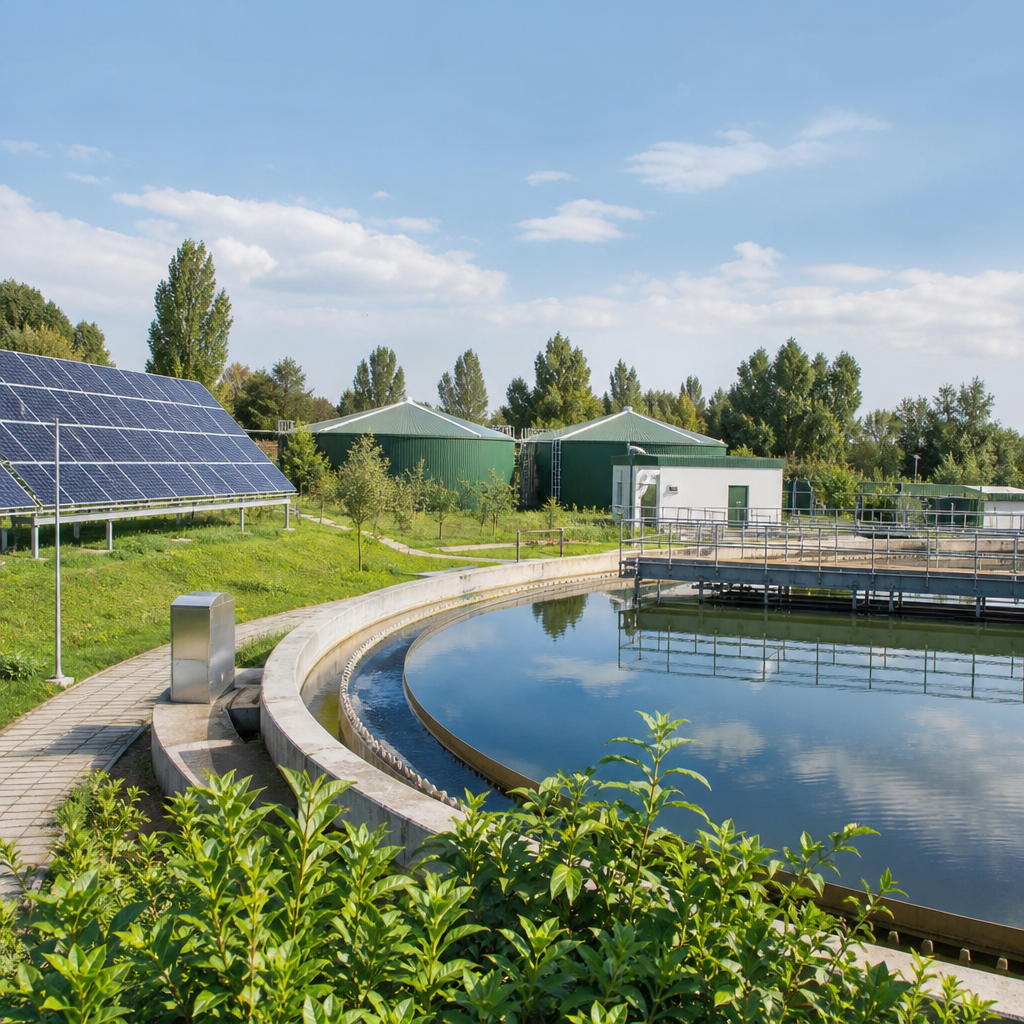
Sanitation in tourism sits at the intersection of public health, environmental management, destination competitiveness, and visitor experience. In practical terms, sanitation includes safe toilets, handwashing facilities, wastewater collection and treatment, solid waste handling, drainage, hygiene protocols, and the governance systems that keep these services working during peak travel periods. When destinations fail at sanitation, the effects are immediate: beaches close, guest reviews fall, disease risk rises, and local communities carry the burden of polluted water, overloaded sewers, and rising cleanup costs. When destinations get sanitation right, they protect ecosystems, improve resident wellbeing, strengthen hospitality brands, and create investable opportunities across infrastructure, operations, and technology.
I have worked on tourism and utility planning projects where a destination marketed itself as pristine while its wastewater network leaked into storm drains every holiday weekend. That contradiction is common. Tourism demand is often seasonal, concentrated, and politically sensitive, while sanitation systems are built for average daily loads, not spikes driven by festivals, cruise arrivals, school holidays, or sudden airlift growth. This gap matters globally because tourism is one of the world’s largest economic sectors, yet many destinations still lack resilient sanitation assets. According to UN tourism and water-sector reporting, infrastructure deficits are especially visible in coastal towns, island economies, informal tourism belts, heritage cities, and nature destinations where ecosystems are both the product being sold and the first asset degraded by poor sanitation.
This article serves as a hub for global opportunities in sanitation within tourism. The core question is simple: how can destinations meet growing visitor demand without exhausting water supplies, overwhelming wastewater systems, or shifting environmental costs onto residents? The answer is not a single technology. It requires demand forecasting, service standards, utility financing, decentralized treatment where networks are weak, water efficiency in hotels, sludge management, circular reuse, enforcement, and coordinated planning between tourism ministries, municipalities, operators, and communities. The opportunity is equally broad. Sanitation is no longer only a compliance issue; it is a strategic investment category linked to climate resilience, destination quality, and long-term tourism revenue.
Why sanitation is a core tourism asset
Sanitation is a tourism asset because it protects the conditions that make travel possible and desirable. Visitors may choose a destination for scenery, culture, or price, but they judge it through daily encounters with cleanliness, odors, beach water quality, public toilets, and hotel hygiene. A destination with unreliable toilets at transport hubs, untreated sewage near waterfronts, or overflowing bins in public areas loses appeal quickly. In online reputation data, complaints about cleanliness and bathroom conditions often appear alongside comments about safety and service, which means sanitation directly influences conversion, repeat visitation, and average length of stay.
The public health dimension is equally important. Safe sanitation reduces fecal-oral disease transmission, lowers contamination in bathing waters, and supports food safety in tourism corridors. This is especially important in destinations with dense footfall and mixed land use, where hotels, restaurants, informal vendors, marinas, and residential neighborhoods share limited water and sewerage systems. Outbreaks linked to poor hygiene can damage a destination far beyond the immediate health event because travel advisories and media coverage shape international demand. For local governments, sanitation spending is therefore defensive and growth-oriented at the same time: it reduces health risk while protecting tax revenues, jobs, and investor confidence.
Where global opportunities are emerging
Global opportunities in sanitation are emerging in places where tourism growth is outpacing legacy infrastructure. Coastal destinations are a leading example. Many beach economies depend on water quality, yet sewer overflows, septic leakage, and untreated discharge remain common. This creates demand for package treatment plants, sewer rehabilitation, fecal sludge treatment, and real-time water quality monitoring. Island destinations face even sharper constraints because they have limited land, thin freshwater lenses, high energy costs, and exposure to storms. In these contexts, compact wastewater treatment, greywater reuse, vacuum sewer systems, and solar-assisted treatment can create strong returns by reducing imported water needs and protecting reefs that support dive and marine tourism.
Urban heritage destinations present another major opportunity. Old city centers often have narrow streets, aging pipes, and fragmented building ownership, making conventional network expansion difficult. Here, the most effective sanitation improvements may include district-scale treatment, smart metering, leak reduction, public toilet concessions, and strict standards for hospitality wastewater pre-treatment. Nature-based destinations also need specialized approaches. National park gateways, mountain lodges, safari camps, and remote ecotourism sites may be too dispersed for centralized sewers, which makes modular systems, container-based sanitation, source separation, and off-grid treatment attractive. The common thread across all these settings is that tourism creates concentrated demand and revenue potential, allowing sanitation upgrades to be tied directly to destination management plans and user-financed models.
Balancing demand with sustainable system design
Balancing demand and sustainability starts with better sizing decisions. Too many destinations underbuild because planners rely on resident population, not transient occupancy. In tourism, the critical variable is peak equivalent population: the combined wastewater and water demand generated by residents, day visitors, overnight guests, staff, and seasonal workers during the busiest periods. Hotels also have distinct consumption profiles. Luxury resorts with pools, spas, and extensive laundry operations can use far more water per guest night than business hotels or hostels. Cruise terminals and event venues create short, intense surges that can overwhelm lift stations and treatment units even when annual totals look manageable.
Sustainable design means matching technology to local conditions rather than defaulting to conventional sewer expansion. In dense urban centers, network rehabilitation and inflow-infiltration control may unlock more capacity than new treatment alone. In peri-urban or low-density tourism belts, decentralized wastewater treatment can be faster and cheaper, especially when land is available. Water reuse is often the missing piece. Treated effluent can irrigate golf courses, hotel landscaping, and public green space, lowering freshwater withdrawals in water-stressed destinations. The design objective should be service reliability, manageable operating cost, low environmental discharge, and resilience during occupancy peaks, storms, and power interruptions.
| Tourism setting | Common sanitation stress | Best-fit response | Sustainability benefit |
|---|---|---|---|
| Coastal resort town | Seasonal sewer overload and beach contamination | Sewer rehabilitation plus tertiary wastewater treatment | Cleaner bathing waters and lower closure risk |
| Island destination | Water scarcity and expensive imports | Compact treatment with reclaimed water reuse | Reduced freshwater extraction |
| Heritage city center | Aging pipes and limited excavation space | District systems and leak reduction | Less disruption and lower loss rates |
| Remote ecotourism site | No sewer connection | Modular decentralized treatment | Lower energy use and habitat protection |
Technologies and operating models that work
The most successful sanitation projects in tourism combine proven engineering with disciplined operations. On-site and cluster-scale treatment systems are gaining traction because they can be deployed faster than citywide sewer extensions. Membrane bioreactors, moving bed biofilm reactors, sequencing batch reactors, constructed wetlands, anaerobic baffled reactors, and packaged tertiary systems all have roles depending on footprint, influent variability, energy access, and reuse goals. No technology is universally superior. In my experience, systems fail less from poor treatment science than from weak maintenance contracts, unrealistic staffing assumptions, and the absence of sludge management downstream. A hotel can install an advanced plant, but if sludge hauling is irregular or effluent monitoring is ignored, performance quickly degrades.
Public toilets are another overlooked operating model. High-traffic destinations need clean, safe, accessible toilets at transport nodes, promenades, markets, and attractions. The challenge is not just construction; it is cleaning frequency, attendants, consumables, payment systems, gender-sensitive design, accessibility, and security. Well-run concession models can work if contracts specify uptime, cleanliness scores, and maintenance response times. Digital tools now allow operators to track refill needs, usage counts, and fault reports, improving service quality with modest capital outlay. For municipalities, this is one of the clearest sanitation investments with visible benefits to visitors and residents alike.
Financing, governance, and standards
Financing sanitation in tourism requires aligning who benefits with who pays. Hotels, restaurants, attractions, transport operators, residents, and local governments all benefit from cleaner environments, but the cost burden is often pushed onto underfunded utilities. Better models blend municipal finance, user tariffs, tourism taxes, developer contributions, concession agreements, and climate or development finance where resilience outcomes are clear. In some destinations, accommodation levies earmarked for environmental services have funded wastewater upgrades and public realm sanitation. In others, developers are required to build on-site treatment or pay connection and capacity fees tied to projected occupancy.
Governance is as important as money. Sanitation performance improves when tourism authorities share demand forecasts with utilities, land-use planners reserve corridors and treatment sites early, and environmental regulators enforce discharge standards consistently. Recognized frameworks help. Water safety planning, HACCP-based hygiene controls in food service, ISO-aligned environmental management systems, and bathing water monitoring protocols all provide practical structure. Yet standards only matter if they are measured. The indicators that matter most include toilet availability and uptime, non-revenue water, wastewater compliance rates, sludge collection coverage, beach and river water quality, energy use per cubic meter treated, and complaint response time. Destinations that publish these metrics build trust and make investment decisions easier.
Community outcomes and inclusive growth
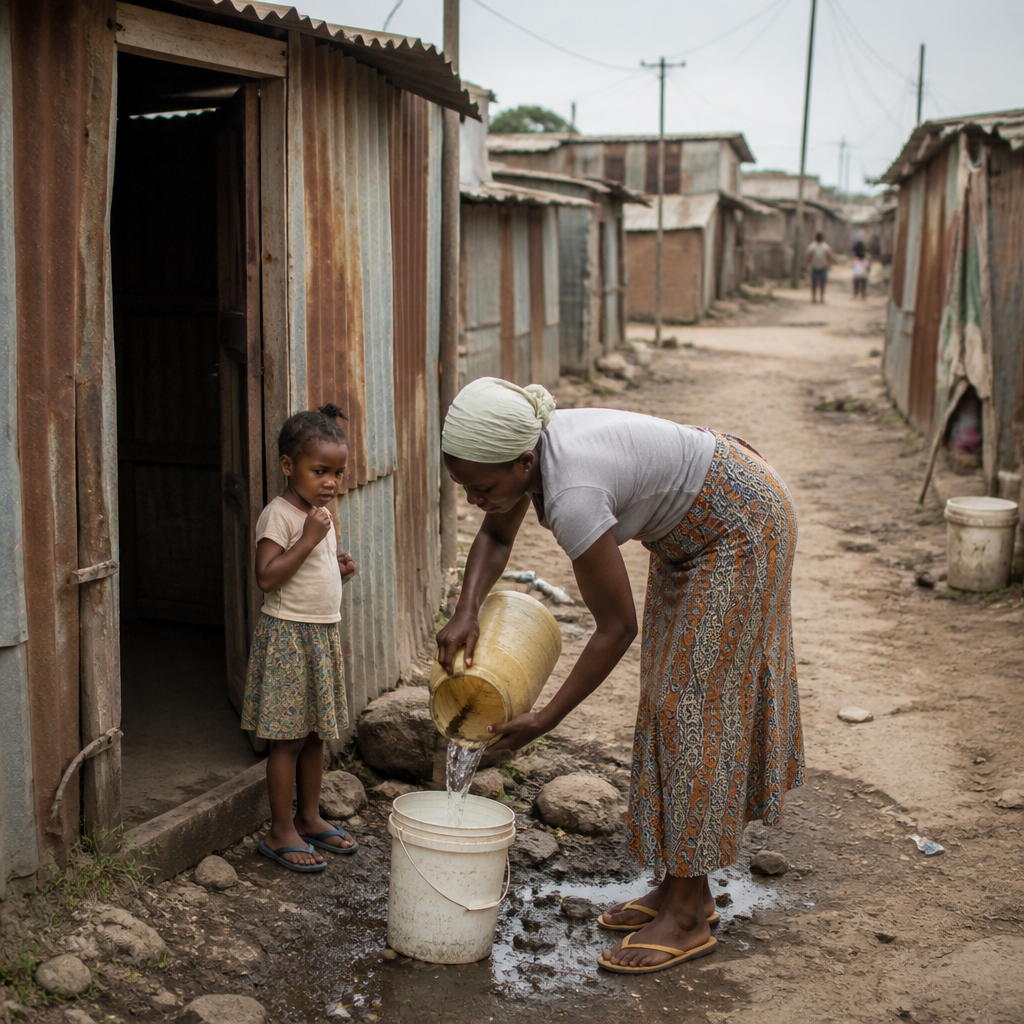
Tourism sanitation cannot be considered successful if it serves visitors while bypassing workers and nearby neighborhoods. Staff housing, informal settlements near resorts, and peri-urban communities around tourism zones often face the weakest services even though they support the visitor economy. This creates inequity and operational risk. Workers without reliable toilets, drainage, or handwashing are more vulnerable to illness and absenteeism. Nearby communities exposed to polluted runoff bear the environmental costs of tourism without sharing proportionately in the benefits. Inclusive sanitation planning therefore expands service areas, considers affordability, and formalizes fecal sludge collection where sewers are absent.
The economic opportunity here is substantial. Expanding sanitation value chains creates jobs in construction, plumbing, operations, laboratory testing, monitoring, desludging, parts supply, and facility management. Women-led enterprises often play important roles in hygiene product distribution, public toilet management, and community outreach. Destinations that integrate local suppliers into sanitation upgrades keep more tourism income circulating locally. Equally important, visible improvements in cleanliness and water quality can raise civic pride and resident support for tourism, which is a strategic advantage as many destinations confront overtourism and political resistance to further growth.
What destination leaders should do next
Destination leaders should begin with a sanitation baseline linked to tourism demand. Map every major source of pressure: hotels, short-term rentals, cruise berths, restaurants, transport terminals, event venues, staff housing, beaches, parks, and informal commerce areas. Compare peak occupancy with actual water, sewer, and toilet capacity. Test where wastewater goes, how often systems fail, whether sludge is safely treated, and which neighborhoods remain unserved. Then prioritize projects by health risk, environmental exposure, and tourism value. In many cases, the first wins are not glamorous: repairing leaks, upgrading lift stations, introducing beach sampling, formalizing desludging schedules, and enforcing grease-trap and pre-treatment rules for hospitality businesses.
The long-term agenda is broader. Build sanitation into tourism master plans, hotel approval processes, destination branding, and climate adaptation strategies. Require new developments to demonstrate realistic water and wastewater balances. Create shared dashboards so utilities and tourism agencies are not planning in separate silos. Pilot reuse projects where they can be monitored closely, then scale what performs. Most of all, treat sanitation as infrastructure that protects both natural capital and market access. Destinations that balance demand and sustainability will attract better investment, earn stronger visitor trust, and preserve the environmental quality that tourism depends on. If you are shaping a tourism strategy, make sanitation a first-order decision, not an afterthought.
Frequently Asked Questions
1. What does sanitation in tourism actually include, and why is it so important?
Sanitation in tourism goes far beyond keeping hotel bathrooms clean. It includes the full system that protects public health and environmental quality in destinations that receive visitors: safe and accessible toilets, handwashing stations, wastewater collection and treatment, septic management, stormwater drainage, solid waste handling, cleaning protocols, food-service hygiene, and the institutions responsible for operating, inspecting, financing, and maintaining these services. In tourism settings, these systems must work not only for local residents but also for fluctuating visitor populations that can rapidly increase demand during peak seasons, festivals, cruise arrivals, or holiday periods.
Its importance is immediate and practical. When sanitation systems perform well, destinations are healthier, cleaner, and more resilient. Visitors experience safer beaches, cleaner streets, reliable restrooms, better air and water quality, and greater confidence in the destination overall. Businesses benefit through stronger guest satisfaction, fewer complaints, better reviews, and reduced operational disruptions. Local communities benefit through lower exposure to contamination, less pressure on water resources, and more dignified public infrastructure.
When sanitation fails, the consequences show up quickly. Untreated wastewater can contaminate coastal areas, rivers, and groundwater. Overflowing bins and poor waste collection can attract pests and degrade public spaces. Inadequate toilets in high-traffic zones can create hygiene risks and damage the visitor experience. Weak drainage can worsen flooding, spread pollution, and disrupt mobility. In a tourism economy, these failures are not just infrastructure issues; they affect destination reputation, regulatory compliance, business performance, and long-term sustainability. That is why sanitation should be treated as core tourism infrastructure, not as a background utility.
2. How does poor sanitation affect destination reputation, visitor satisfaction, and tourism revenue?
Poor sanitation has a direct impact on how a destination is perceived, both in person and online. Travelers may not arrive expecting to evaluate drainage systems or wastewater treatment plants, but they notice the visible and experiential outcomes immediately: dirty or unavailable public toilets, foul odors, littered public areas, polluted beaches, murky water, or signs of sewage overflow. These experiences shape whether visitors feel safe, comfortable, and willing to recommend the destination to others.
Reputation damage can spread quickly because tourism decisions are highly influenced by reviews, social media, travel forums, and news coverage. A single sanitation-related incident, such as a beach closure due to contamination or reports of illness linked to poor hygiene practices, can reduce traveler confidence far beyond the affected site. Even if the problem is temporary, the digital footprint can linger, influencing future bookings and tour operator decisions. For destinations competing for repeat visitation and premium positioning, visible sanitation failures can erode brand value surprisingly fast.
The revenue implications are also significant. Lower visitor satisfaction can lead to shorter stays, reduced spending, fewer return visits, and weaker word-of-mouth promotion. Businesses may face higher cleaning costs, compensation claims, cancelled reservations, or stricter compliance obligations after a publicized incident. Public authorities may have to spend more on emergency response, cleanup, and image recovery than they would have spent on preventive maintenance. In short, sanitation is not merely a cost center. It is an economic safeguard that protects tourism income, local jobs, and destination competitiveness.
3. Why is balancing sanitation demand and sustainability such a challenge in tourism destinations?
The core challenge is that tourism demand is rarely constant, while sanitation infrastructure generally is. Many destinations experience sharp surges in population during holidays, weekends, cruise calls, or special events. A town or island designed around the needs of its permanent population may suddenly have to support several times that number in water use, toilet access, wastewater generation, and solid waste production. If infrastructure, staffing, and service planning are based only on resident demand, systems can become overloaded very quickly.
Sustainability adds another layer of complexity. Expanding sanitation services in tourism areas is necessary, but doing so without environmental planning can create new problems. High water consumption can strain local supplies, especially in drought-prone areas. Poorly managed wastewater can damage marine ecosystems, wetlands, coral reefs, and groundwater. Excess packaging, food waste, and disposable products can overwhelm local collection and landfill capacity. In coastal and nature-based destinations, the environment is often the main tourism asset, so unsustainable sanitation practices can undermine the very reason people visit.
There are also governance and financing issues. Tourism-related sanitation responsibilities are often divided among municipalities, hotels, transport hubs, environmental agencies, concession operators, and informal service providers. Without clear coordination, accountability gaps can emerge. Funding can be uneven as well: local governments may bear the infrastructure burden while private tourism operators capture much of the economic upside. The most effective destinations address this by planning for peak loads, investing in resilient systems, improving data on visitor flows, enforcing standards consistently, and aligning public and private stakeholders around shared sanitation goals. Balancing demand and sustainability is difficult precisely because it requires technical capacity, institutional coordination, and long-term thinking all at once.
4. What are the most effective strategies for improving sanitation in tourism while staying sustainable?
The strongest strategies combine infrastructure investment, operational discipline, and behavioral design. First, destinations need sanitation systems sized for real-world demand, including peak visitor periods rather than just average daily use. That means enough toilets in high-footfall areas, reliable handwashing facilities, consistent cleaning schedules, wastewater systems with adequate treatment capacity, and waste collection plans that can scale up during busy seasons. Preventive maintenance is especially important because breakdowns in tourism settings become visible immediately and can escalate quickly.
Second, sustainability must be built into the design and management of the system. Water-efficient fixtures, leak reduction, low-flow toilets, sensor-based taps, greywater reuse where appropriate, decentralized treatment in remote areas, proper septic management, and better waste segregation can all reduce environmental pressure. Hotels, resorts, attractions, and public facilities can cut unnecessary waste by reducing single-use items, improving recycling systems, and training staff on practical hygiene and waste-handling procedures. These measures work best when they are supported by procurement standards, inspection systems, and realistic budgets for ongoing operation rather than one-time installation.
Third, communication and governance matter just as much as hardware. Visitors should be able to find clean facilities easily and understand how to use local systems responsibly, especially in ecologically sensitive areas. Operators need clear standards and performance expectations. Local authorities need data, inspection routines, emergency protocols, and mechanisms for collaboration with the tourism sector. Increasingly, smart monitoring tools can help track fill levels, water use, maintenance needs, and service gaps in near real time. The destinations that improve sanitation sustainably are usually the ones that stop treating it as an invisible backend issue and instead manage it as a visible, strategic component of visitor experience and environmental stewardship.
5. How can tourism businesses and local governments work together to maintain high sanitation standards during peak travel periods?
Effective collaboration starts with recognizing that sanitation pressure rises across the whole destination, not just inside individual properties. Hotels, restaurants, attractions, transport terminals, beaches, and public spaces are interconnected from the visitor’s perspective. If a destination has excellent private accommodation but poor public toilets, overflowing waste bins near attractions, or beach water quality problems, the overall experience still suffers. That is why coordination between businesses and local government is essential, especially before and during high-demand periods.
In practical terms, collaboration should include joint demand forecasting, shared peak-season preparedness plans, and clearly assigned responsibilities. Local governments can map hotspots where visitor volumes stress sanitation systems and prioritize cleaning, waste collection, drainage checks, and temporary facility deployment in those locations. Tourism businesses can contribute operational data on occupancy, event schedules, and expected visitor surges to help improve planning. In some destinations, cost-sharing models, tourism levies, public-private service contracts, or business improvement districts can help finance expanded sanitation services where municipal budgets alone are not sufficient.
Standards and accountability are equally important. Governments should set clear sanitation requirements for licensing, wastewater disposal, waste handling, and hygiene compliance, while also providing transparent enforcement. Businesses should train staff thoroughly, monitor sanitation performance internally, report system issues quickly, and participate in destination-wide emergency protocols for contamination events, flooding, or service interruptions. Public communication should also be coordinated so visitors receive accurate guidance without confusion. When government and industry treat sanitation as shared destination infrastructure rather than a fragmented responsibility, they are far better positioned to protect public health, preserve environmental quality, and maintain a positive visitor experience even under intense seasonal pressure.