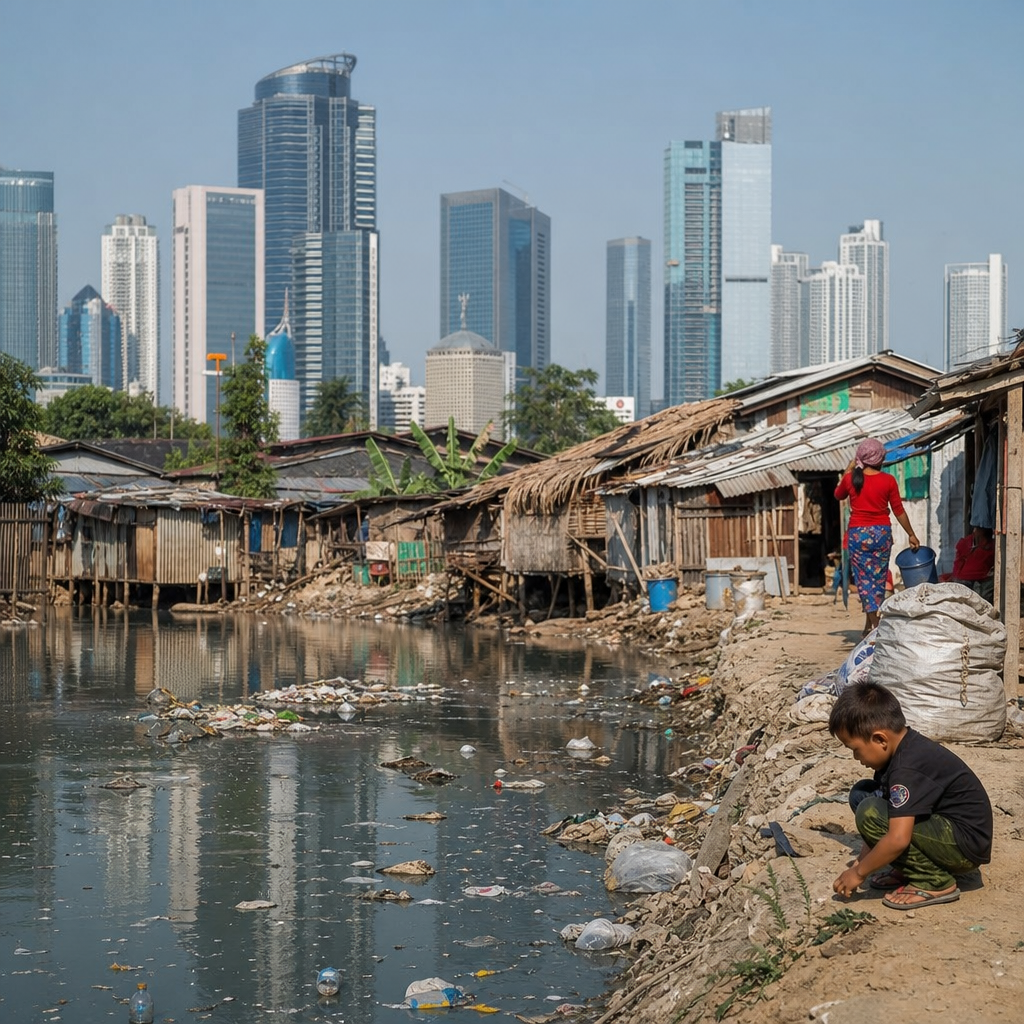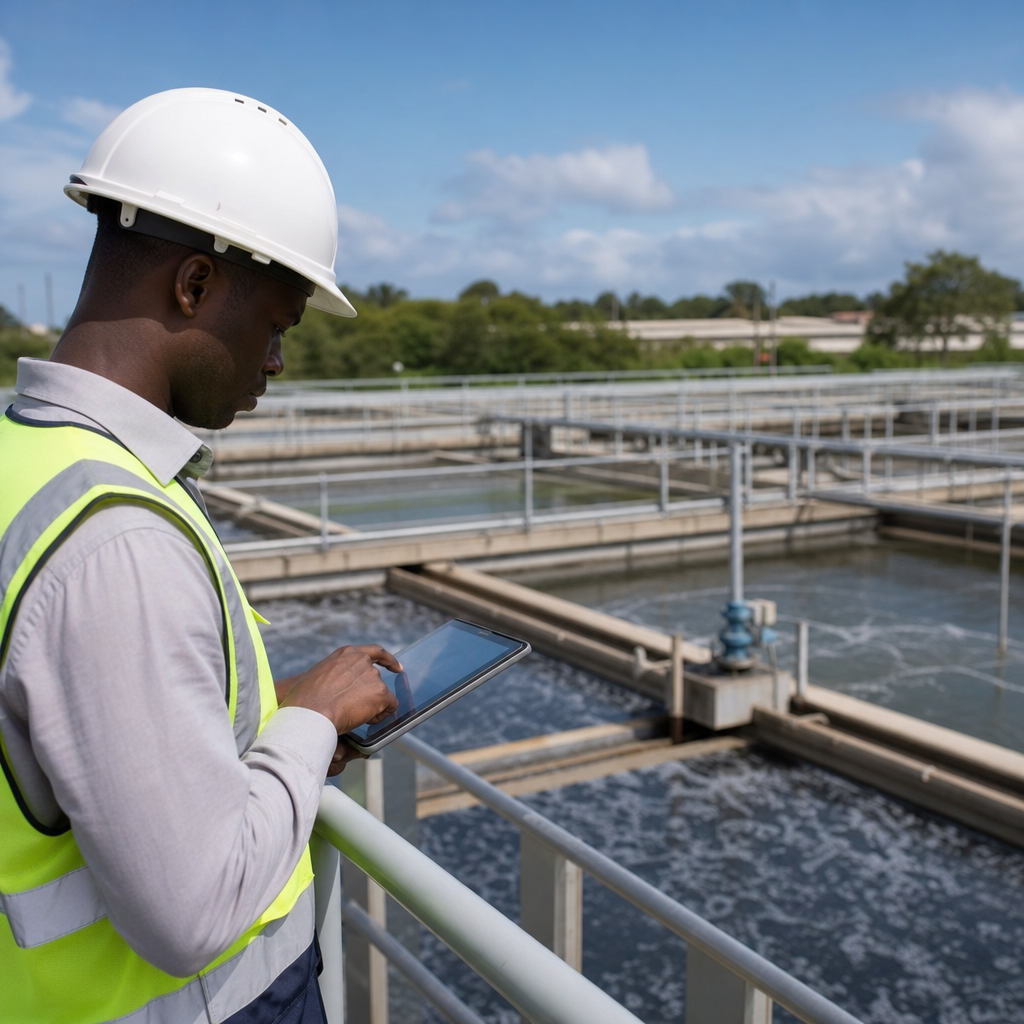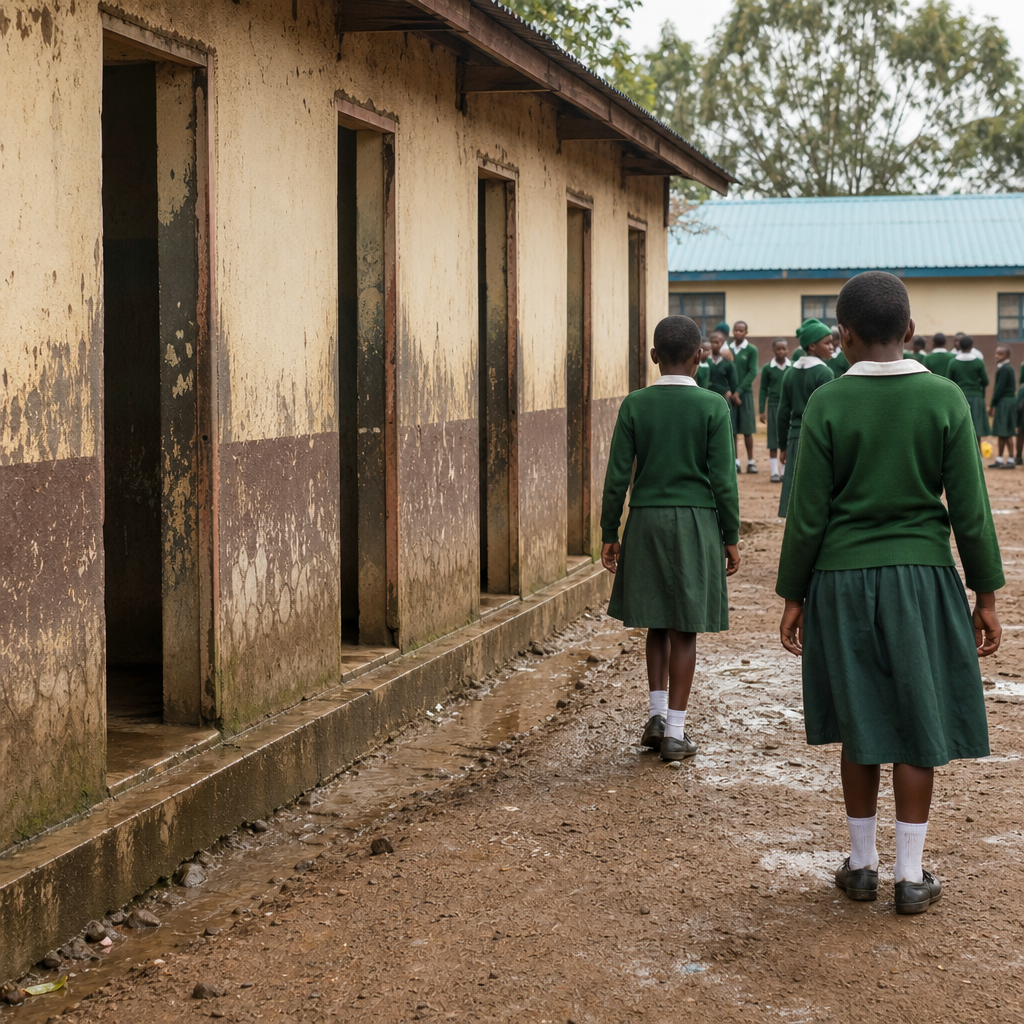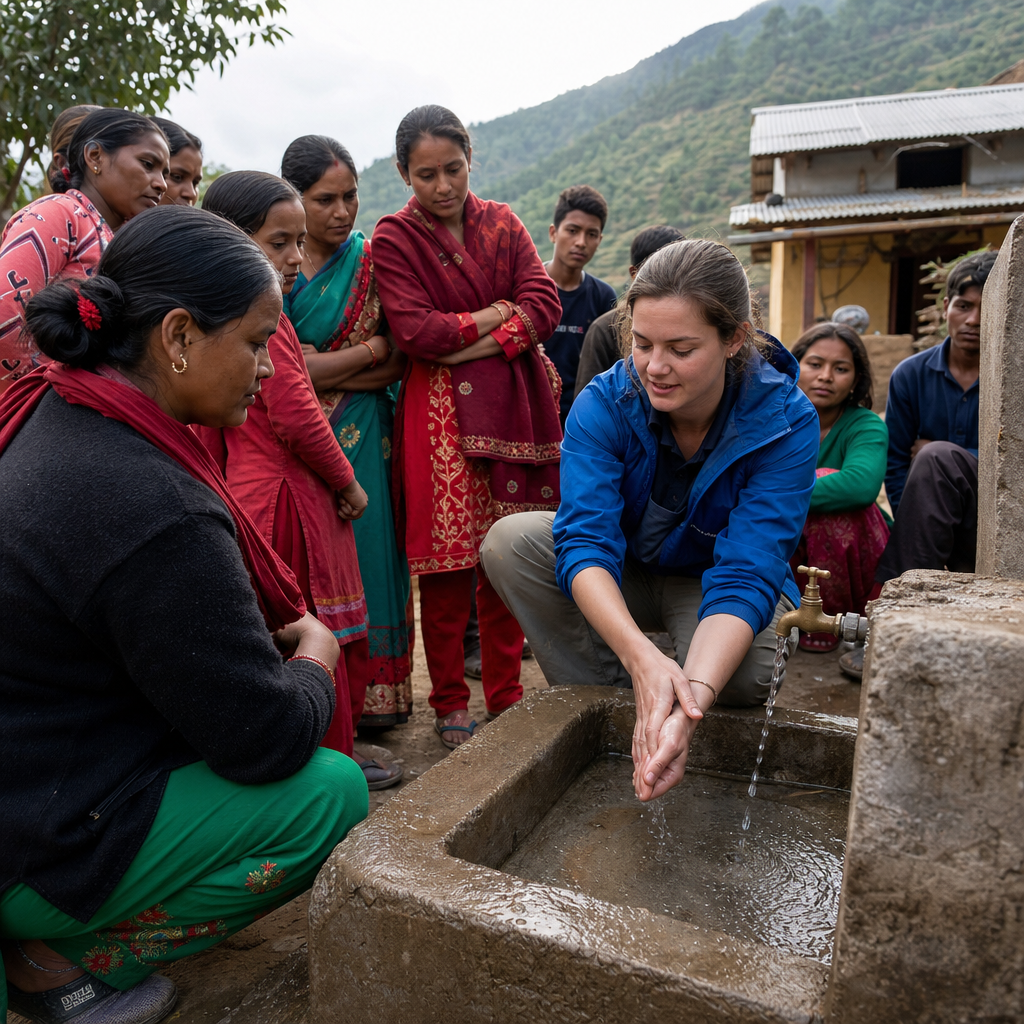
Cultural exchange programs focused on sanitation practices create practical, people-centered ways for communities, utilities, schools, and public health agencies to share solutions for safe toilets, wastewater management, hygiene behavior, and long-term service delivery. In this context, sanitation includes the systems that safely contain, transport, treat, and reuse or dispose of human waste, while cultural exchange programs are structured partnerships that allow participants from different regions to observe operations firsthand, compare social norms, and adapt proven methods at home. I have seen sanitation projects succeed or stall based less on hardware than on whether local leaders understood how another community solved maintenance, financing, and behavior change under similar constraints. That is why this topic matters within global challenges and opportunities: poor sanitation still affects health, education, gender equity, tourism, climate resilience, and economic productivity, yet effective ideas already exist across cities, villages, and institutions. Exchange programs turn those scattered ideas into transferable practice. They also connect the technical side of sanitation, such as fecal sludge treatment and sewer network management, with the social side, including trust, dignity, and everyday habits. As a hub topic, global initiatives and collaborations in sanitation covers government partnerships, nonprofit networks, academic research, utility alliances, school exchanges, and community-to-community learning. The central question is simple: how do people in one place learn from sanitation progress in another place without copying blindly? The best programs answer that by combining field immersion, local co-design, measurable goals, and long-term follow-up. When done well, they improve public health outcomes and strengthen local capacity rather than creating short visits with no lasting operational value.
Why cultural exchange is a serious sanitation strategy
Sanitation is often treated as an engineering challenge, but every major implementation decision is shaped by culture, governance, land use, affordability, and public trust. A toilet design that works in a dense informal settlement may fail in a flood-prone rural area; a sewer expansion plan may collapse if tariffs are politically unacceptable; a school hygiene campaign may underperform if menstrual health is ignored. Cultural exchange matters because it exposes participants to the context behind the infrastructure. Visiting teams can see how operators schedule desludging, how municipalities enforce service standards, how educators normalize handwashing, and how residents respond to new user fees. That direct observation is hard to replace with reports alone.
Many of the strongest sanitation gains have come from collaborative learning models. The World Health Organization and UNICEF Joint Monitoring Programme established a common vocabulary around safely managed sanitation, helping countries compare progress using shared indicators. The Sustainable Development Goals, especially Goal 6, created a global target that encourages cross-border cooperation. Practical exchanges then translate those broad frameworks into local action. City utility managers may learn non-revenue water reduction and sewer maintenance from peers; district officials may adapt community engagement methods from another country; entrepreneurs may discover container-based sanitation models or resource recovery approaches that fit markets underserved by conventional sewers.
These programs work because they reduce risk. Before a municipality spends scarce capital, leaders can inspect similar projects, ask blunt questions about breakdowns, and understand total lifecycle costs. I have watched local officials become more willing to fund sanitation after speaking directly with peers who explained how they handled odor complaints, sludge transport contracts, spare parts shortages, and customer billing. Exchange reduces the gap between policy ambition and operational reality. It also builds political confidence, because decision-makers can point to existing examples rather than abstract proposals.
Core models of global sanitation collaboration
Cultural exchange programs in sanitation usually follow a small set of models, each suited to different goals. Government-to-government partnerships often support regulatory reform, urban planning, utility management, and national monitoring systems. Utility twinning programs connect operators so they can compare treatment processes, staffing models, asset management, laboratory quality control, and emergency response procedures. University and technical institute exchanges focus on research, curriculum development, field laboratories, and professional training for engineers, public health specialists, and social scientists. Nonprofit and multilateral collaborations frequently emphasize community-led sanitation, behavior change communication, menstrual health, inclusive design, and service access in low-income areas.
School-based exchanges are especially valuable because they connect sanitation infrastructure with daily practice. Students and teachers can compare school toilet maintenance schedules, disability access, menstrual hygiene support, water availability, and student-led hygiene clubs. Community exchanges are often even more powerful. When neighborhood associations, women’s groups, sanitation workers, and local masons visit another community, they return with practical methods they can explain in familiar terms. Those methods may include toilet pit lining techniques, affordable handwashing stations, composting systems, or local fee collection mechanisms.
Short-term visits alone are rarely enough. The strongest collaborations include pre-visit baseline assessments, translation support, site selection based on comparable conditions, documented learning objectives, and post-visit technical assistance. Digital collaboration extends the value of travel through webinars, shared operating procedures, photo audits, GIS mapping reviews, and remote mentoring. In recent years, hybrid formats have become more common, allowing utilities and municipalities to compare data dashboards and maintenance logs before meeting in person. That sequence makes visits more efficient and more accountable.
What effective exchange programs actually transfer
The most useful sanitation exchanges do not just transfer technology. They transfer decision-making frameworks. Participants learn how host communities choose between sewered and non-sewered sanitation, how they regulate private desludging providers, how they finance toilet upgrades, and how they maintain services over time. For example, a city exploring fecal sludge management may study the full service chain: household containment, emptying frequency, transport routes, tipping fees, treatment standards, and reuse markets for biosolids or co-compost. Seeing that chain in operation helps visitors avoid the common mistake of funding toilets without planning sludge treatment.
Behavior change is another major area of transfer. Programs often examine how communities increased toilet use, reduced open defecation, improved school handwashing compliance, or strengthened household willingness to pay for safe emptying. Experienced facilitators know that messaging must fit local beliefs, language, and social dynamics. Exchange participants can compare what worked and what failed, including whether shame-based campaigns caused backlash, whether incentive schemes created dependency, or whether trusted local champions improved adoption.
Inclusion is equally important. Sanitation systems fail people with disabilities, older adults, women, girls, migrants, and residents of informal settlements when design and policy ignore daily realities. Exchange programs can show practical inclusive design features such as wider doors, handrails, lighting, menstrual waste bins, safe paths, and privacy measures. They also reveal management practices, like scheduling cleaning at school hours that minimize disruption or involving female operators in planning public toilet safety. These are small details with large impacts on use and dignity.
| Collaboration type | Main sanitation focus | Typical participants | Practical output |
|---|---|---|---|
| Utility twinning | Wastewater treatment, sewer maintenance, laboratory systems | Utility managers, engineers, operators | Standard operating procedures, maintenance plans |
| Community exchange | Toilet adoption, fecal sludge services, hygiene behavior | Residents, masons, local leaders, sanitation workers | Replicable construction and engagement methods |
| School partnership | WASH facilities, menstrual hygiene, student behavior | Teachers, students, school administrators | Facility checklists, hygiene club models |
| Academic collaboration | Research, monitoring, training, innovation pilots | Universities, public health teams, planners | Curricula, studies, pilot evaluations |
| Government partnership | Policy, regulation, financing, data systems | Ministries, municipalities, regulators | Guidelines, investment plans, service standards |
Examples of global initiatives and collaborations in sanitation
Several international efforts show how exchange and collaboration improve sanitation outcomes. The Sanitation and Water for All partnership has helped align governments, donors, civil society, and development banks around financing and accountability for water, sanitation, and hygiene. The World Bank’s work on citywide inclusive sanitation has given municipalities a practical planning approach that recognizes sewers are only one tool and that complete service chains matter. The Gates Foundation has funded innovation in non-sewered sanitation, including reinvented toilet concepts and fecal sludge treatment solutions, while supporting testing and commercialization pathways. These initiatives do not replace local ownership, but they create shared language, evidence, and funding channels that make exchange more actionable.
Regional networks also matter. African, Asian, and Latin American municipalities frequently learn most effectively from peers facing similar climate risks, income levels, governance constraints, and urban growth patterns. The IWA and utilities partnerships have supported professional peer learning on treatment efficiency, sludge handling, energy use, and operator training. In South Asia, fecal sludge management exchanges have helped secondary cities move faster than waiting for expensive sewer buildouts. In parts of sub-Saharan Africa, school and community WASH exchanges have improved maintenance planning and girls’ attendance by focusing on practical design and supply management rather than infrastructure counts alone.
One recurring lesson from these collaborations is that sanitation progress rarely comes from a single intervention. A treatment plant without collection and transport underperforms. Toilets without maintenance become unusable. Hygiene promotion without water access loses credibility. Effective exchange programs therefore present sanitation as a system, not a standalone facility. That systems view is one reason hub pages on global sanitation collaboration are useful: readers need to understand policy, finance, technology, behavior, equity, and operations together.
How to design a sanitation exchange program that produces results
Successful programs begin with a sharply defined problem statement. A municipality might need to improve septage treatment plant utilization, reduce school toilet downtime, formalize informal emptiers, or revise sanitation bylaws. Once that problem is clear, organizers should select host sites with comparable conditions and verified performance. I strongly recommend requesting operating records before a visit: effluent quality data, desludging volumes, tariff structures, staffing ratios, downtime logs, complaint response times, and maintenance budgets. Good hosts are not perfect; they are transparent about what works and what still fails.
Participants should include the people who can act on what they learn. That often means mixing technical staff, finance officers, procurement teams, health educators, elected officials, and community representatives. If only senior leaders travel, operational learning may not reach the crews who maintain pumps, toilets, drains, or sludge drying beds. If only engineers attend, social acceptance and financing issues may be missed. Structured agendas matter as much as site access. Every visit should include operations walkthroughs, resident or user conversations, documentation reviews, and a session devoted to lessons that should not be copied directly.
Follow-up is where many exchange programs fail. The visit must end with an adaptation plan, timeline, budget estimate, and named responsibilities. Remote check-ins at thirty, ninety, and one hundred eighty days keep momentum alive. It is also smart to define a few measurable indicators from the start: toilet functionality rates, emptying turnaround time, treatment compliance, handwashing station uptime, customer satisfaction, or percentage of sludge safely treated. Without measurement, exchange becomes inspirational travel instead of institutional learning.
Common barriers, tradeoffs, and how partnerships overcome them
The biggest barrier is context mismatch. Visitors sometimes admire a high-tech treatment system that depends on power reliability, chemicals, and specialist maintenance unavailable at home. Another barrier is political turnover: champions leave, priorities shift, and exchange lessons sit in reports. Language, procurement law, land tenure, and fragmented institutional mandates can also slow adaptation. Cultural misunderstandings matter too. A host community may present a polished version of success, while visitors hesitate to ask hard questions about cost recovery, workforce safety, or service gaps.
The answer is disciplined program design. Comparative peer selection matters more than prestige. Mid-sized cities may learn more from each other than from wealthy capitals. Programs should budget for translation, technical documentation, and return visits or virtual troubleshooting. Workforce safety deserves explicit attention, especially where sanitation workers still face hazardous manual handling, stigma, or weak access to protective equipment. Partnerships should also acknowledge tradeoffs honestly. Sewer systems can provide high service levels in dense urban areas, but they require major capital and reliable operation. On-site and fecal sludge management approaches can expand service faster and more affordably, but only if regulation and treatment keep pace.
Funding is another challenge. Travel and facilitation cost money, yet compared with failed infrastructure investments, the cost of learning from functioning systems is modest. Blended financing from governments, utilities, development agencies, and philanthropy often makes sense. The strongest case for funding is concrete: exchange can reduce design errors, improve procurement decisions, raise utilization of existing assets, and shorten the time between planning and implementation.
The future of sanitation exchange in a connected world
The future of cultural exchange programs focused on sanitation practices will be more digital, more interdisciplinary, and more accountable. Remote sensing, mobile data collection, and shared dashboards already let partners compare service coverage and asset performance before meeting onsite. AI-assisted translation and document analysis will make technical exchange faster, though field observation will still be essential for understanding user behavior and institutional culture. Climate adaptation will push more collaboration on flood-resilient sanitation, wastewater reuse, nutrient recovery, and decentralized treatment options. Public health preparedness will also keep sanitation linked to disease surveillance, school readiness, and urban resilience planning.
The main lesson is clear: sanitation improves fastest when communities learn from one another in structured, respectful, evidence-based ways. Cultural exchange programs focused on sanitation practices help people move beyond theory, see full service chains in action, and adapt proven methods to local realities. As the hub for global initiatives and collaborations in sanitation, this topic connects policy, engineering, behavior change, finance, equity, and operations into one practical field of action. If you are building a sanitation strategy, start by identifying a peer community with credible results, define the exact problem you need to solve, and turn exchange into a measurable implementation plan. That is how collaboration becomes cleaner streets, safer schools, healthier households, and durable public services.
Frequently Asked Questions
What are cultural exchange programs focused on sanitation practices?
Cultural exchange programs focused on sanitation practices are structured partnerships that bring together people, institutions, and communities from different regions to learn how others plan, manage, and improve sanitation systems. In this setting, sanitation goes far beyond toilets alone. It includes the safe containment, collection, transport, treatment, reuse, and disposal of human waste, along with related hygiene behaviors, maintenance systems, workforce training, and public health communication. These programs may involve utilities, municipal departments, schools, public health agencies, nonprofit organizations, engineers, community leaders, and residents who all play a role in how sanitation services function in daily life.
What makes these programs especially valuable is that they combine technical knowledge with lived experience. Participants do not simply review infrastructure designs or policy documents. They also observe how social norms, local beliefs, gender roles, affordability, climate conditions, and governance structures influence whether a sanitation solution actually works over time. A well-designed exchange might include site visits, peer workshops, classroom sessions, operator shadowing, household interviews, and joint problem-solving activities. The goal is to identify practical lessons that can be adapted responsibly, not copied without context. By creating space for mutual learning, these exchanges help participants improve service delivery, strengthen public trust, and build sanitation approaches that are technically sound, culturally appropriate, and more likely to last.
Why are cultural exchange programs important for improving sanitation outcomes?
These programs matter because sanitation challenges are rarely solved by technology alone. Many communities already know the basics of safe waste management, but they may struggle with long-term financing, maintenance, public acceptance, institutional coordination, operator training, or behavior change. Cultural exchange programs help participants see how others have addressed these same issues in real-world settings. Instead of relying only on theory, they can examine what has worked, what has failed, and why. That kind of practical learning is extremely useful for decision-makers who need solutions that fit local realities rather than idealized models.
Another major advantage is that exchange programs encourage humility and two-way learning. Communities with fewer financial resources may have strong experience in community mobilization, decentralized systems, or low-cost maintenance strategies. Larger utilities or public agencies may contribute expertise in regulation, monitoring, treatment technologies, or workforce systems. When these perspectives come together, participants often discover improvements that would not emerge from one-sided technical assistance alone. The result can be better program design, stronger institutional relationships, and more informed investments.
From a public health perspective, the impact can be significant. Better sanitation reduces exposure to pathogens, supports safer schools and healthcare settings, and improves dignity and safety, especially for women, children, older adults, and people with disabilities. Exchange programs can also help communities integrate sanitation with hygiene promotion, wastewater planning, environmental protection, and climate resilience. In short, they are important because they turn shared experience into better decisions, stronger services, and healthier communities.
Who typically participates in sanitation-focused cultural exchange programs?
Participation is usually broad because sanitation systems depend on many different actors working together. Local government officials may join to learn about planning, regulation, budgeting, and service oversight. Utility managers and treatment plant operators often participate to exchange ideas on operations, asset management, wastewater treatment, fecal sludge management, and worker safety. Public health professionals may focus on disease prevention, hygiene education, environmental monitoring, and outbreak response. In school-based programs, teachers, administrators, and student leaders may examine handwashing promotion, menstrual hygiene support, and the maintenance of school sanitation facilities.
Community voices are equally important. Effective programs often include neighborhood leaders, women’s groups, youth representatives, sanitation workers, and households who use the services every day. Their insights help ensure that solutions are not designed only from an institutional perspective. For example, a toilet block may look successful on paper, but users can reveal whether it feels safe, affordable, private, accessible, and well maintained. Including a diverse group of participants leads to more realistic learning and better adaptation of new ideas.
Private sector partners, researchers, and nonprofit organizations may also play a role. They can contribute expertise in service delivery models, innovation, training methods, financing tools, data collection, or monitoring and evaluation. The strongest exchange programs usually bring these groups together in a coordinated way so participants can understand how policy, infrastructure, behavior, culture, and operations interact. That broad participation is often what transforms a sanitation exchange from a simple study tour into a meaningful platform for long-term improvement.
What sanitation topics are usually covered in these exchange programs?
The topics can be wide-ranging, depending on the needs of the participating communities, but most programs cover the full sanitation service chain. This often starts with toilet access and design, including household toilets, shared facilities, school sanitation blocks, and accessible options for people with disabilities. From there, exchanges may explore how waste is contained and removed, whether through sewer networks, septic systems, pit emptying services, or fecal sludge collection. Transport logistics, treatment processes, worker protection, environmental safeguards, and final reuse or disposal are also common areas of focus.
Many programs also address behavior and management issues that are just as important as infrastructure. These include handwashing promotion, menstrual hygiene management, community engagement, tariff setting, customer education, facility cleaning schedules, preventive maintenance, complaint systems, and emergency preparedness during floods or disease outbreaks. In urban settings, discussions may center on wastewater plants, sewer maintenance, and informal settlement service gaps. In rural settings, the emphasis may be on household adoption, supply chains, local masons, and sustained behavior change.
Increasingly, exchanges also cover topics such as climate resilience, resource recovery, and circular economy approaches. Participants may examine composting, biogas production, treated wastewater reuse, nutrient recovery, and low-energy treatment options where appropriate. They may also discuss digital monitoring, performance indicators, financing mechanisms, and inclusion strategies for low-income or underserved groups. The most effective programs do not treat these topics in isolation. Instead, they show how technical choices, cultural practices, governance systems, and public expectations all affect sanitation performance over time.
How can communities make sure sanitation practices learned through exchange programs are successfully adapted locally?
Successful adaptation begins with the understanding that sanitation solutions should be translated, not transplanted. A practice that works well in one place may not fit another community’s climate, density, water availability, land tenure conditions, budget, regulations, or social norms. That is why strong exchange programs encourage participants to ask careful questions: What problem is this solution addressing? What local capacities make it work? What maintenance routines are required? Who pays for it? How do users perceive it? Answering those questions helps communities distinguish between the visible features of a system and the deeper conditions that support its success.
After the exchange, communities should conduct a local assessment before implementation. This might include stakeholder consultations, technical feasibility reviews, user research, cost analysis, and an evaluation of workforce and institutional readiness. Pilot projects are often the best next step. A small-scale trial allows teams to test a sanitation practice, gather feedback, measure performance, and adjust the design before investing more widely. For example, a school hygiene model, pit emptying service, or decentralized treatment approach may need changes in pricing, communication, training, or maintenance responsibilities to succeed in a new setting.
Long-term success also depends on ownership and follow-through. Communities should define clear roles, assign budgets, train staff, and establish monitoring systems that track both technical performance and user satisfaction. It is also wise to maintain ongoing relationships with exchange partners, since post-visit mentoring and peer support often help solve implementation challenges that arise later. When adaptation is deliberate, inclusive, and evidence-based, cultural exchange programs can do much more than inspire ideas. They can lead to sanitation improvements that are practical, accepted by users, and sustainable over time.