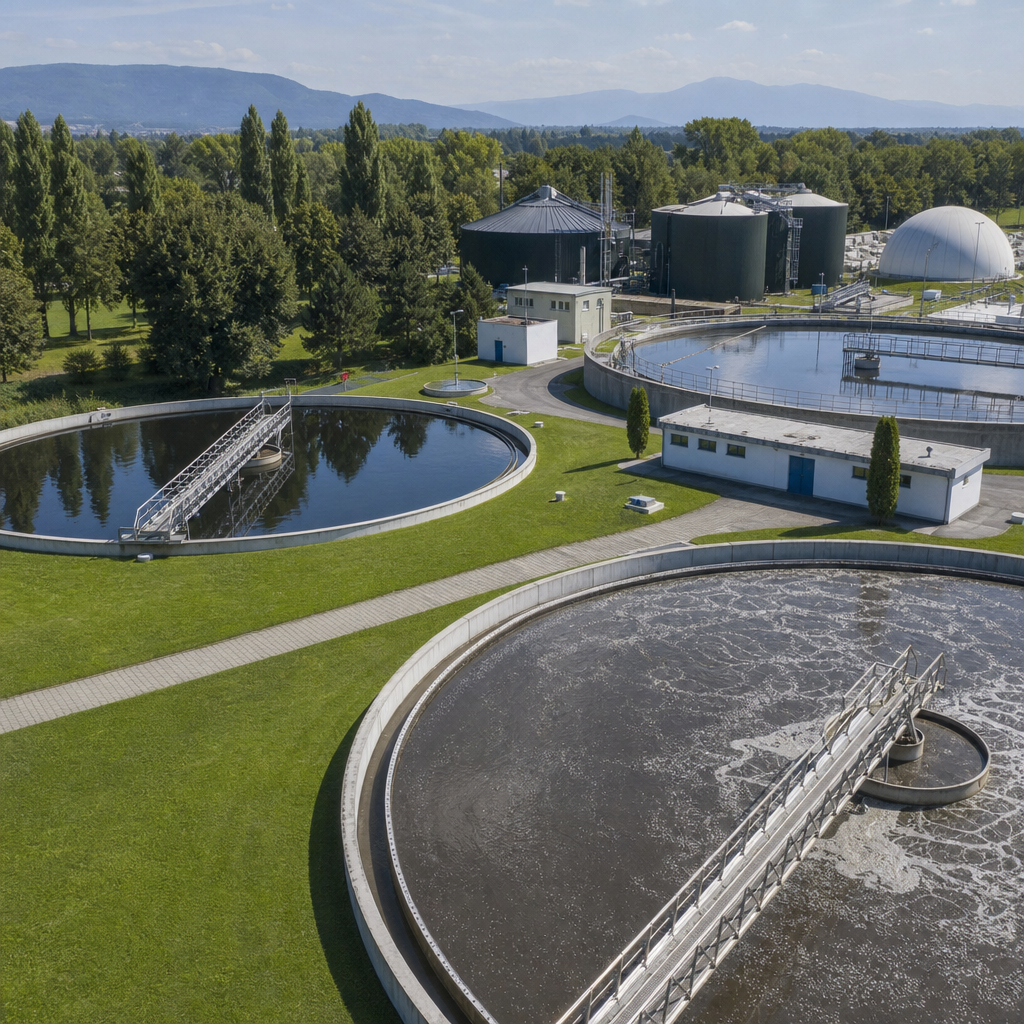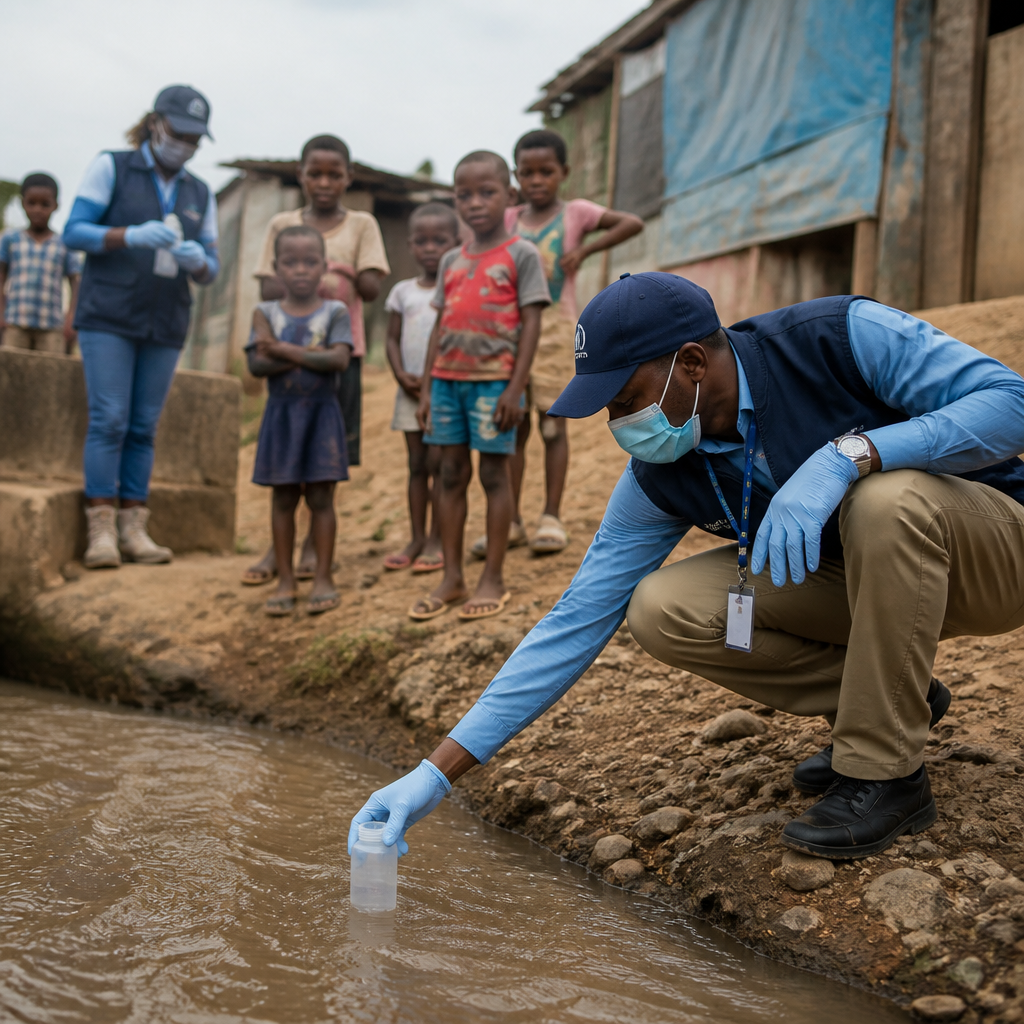
Global environmental change is reshaping sanitation faster than most infrastructure plans can adapt, and understanding that shift is now essential for public health, urban development, and climate resilience. In sanitation, the core goal is simple: safely contain, transport, treat, and reuse or dispose of human waste and wastewater without exposing people or ecosystems to harm. Global environmental change refers to the combined effects of climate change, biodiversity loss, land degradation, sea level rise, water stress, rapid urbanization, and shifting disease patterns. When these pressures intersect, sanitation systems fail in ways that are costly, dangerous, and often invisible until a flood, drought, outbreak, or utility breakdown exposes the weakness.
I have worked on sanitation planning discussions where the immediate concern sounded local—a pit latrine flooding, a treatment plant underperforming, a sewer extension becoming unaffordable—but the underlying cause was global in scope. A rising groundwater table can make onsite sanitation unsafe. Longer dry seasons can leave sewer networks without enough flow to function properly. Intense rainfall can overwhelm drains and wastewater plants in a matter of hours. Informal settlements expanding onto wetlands or steep slopes can outpace every conventional service model. Sanitation is no longer just an engineering question; it is a systems challenge shaped by environmental volatility.
This matters because sanitation underpins nearly every development outcome. The World Health Organization and UNICEF Joint Monitoring Programme tracks safely managed sanitation as a foundation for health and dignity, while the World Bank has repeatedly shown that poor sanitation drives economic losses through healthcare costs, lost productivity, and environmental damage. Sanitation also affects school attendance, nutrition, gender safety, child growth, tourism, and water security. Where systems fail, diarrheal disease, helminth infection, cholera risk, antimicrobial resistance pathways, and nutrient pollution rise together. Where systems are resilient, communities gain health protection, cleaner waterways, and stronger capacity to withstand shocks.
As a hub for tackling sanitation challenges on a global scale, this article explains how environmental change is altering sanitation risks, which system types are most vulnerable, what practical adaptation looks like, and where the biggest opportunities now sit. It also connects the topic to wider issues in urban planning, climate finance, fecal sludge management, wastewater reuse, and inclusive service delivery. The central point is definitive: sanitation cannot be planned using historical conditions alone. Utilities, municipalities, public health agencies, and development partners must design for hotter climates, less predictable rainfall, tighter water budgets, more fragile ecosystems, and faster population movement than the sector was built for.
How climate change disrupts sanitation systems
Climate change affects sanitation through five main mechanisms: flooding, drought, heat, sea level rise, and extreme weather variability. Flooding is the most visible threat. In combined sewer systems, heavy rainfall causes overflows that discharge untreated sewage into streets and waterways. In onsite systems such as pit latrines and septic tanks, floodwater can fill pits, mobilize pathogens, and contaminate shallow wells. During field reviews of flood-prone settlements, I have seen containment structures that functioned acceptably in normal seasons become direct exposure points after one major storm.
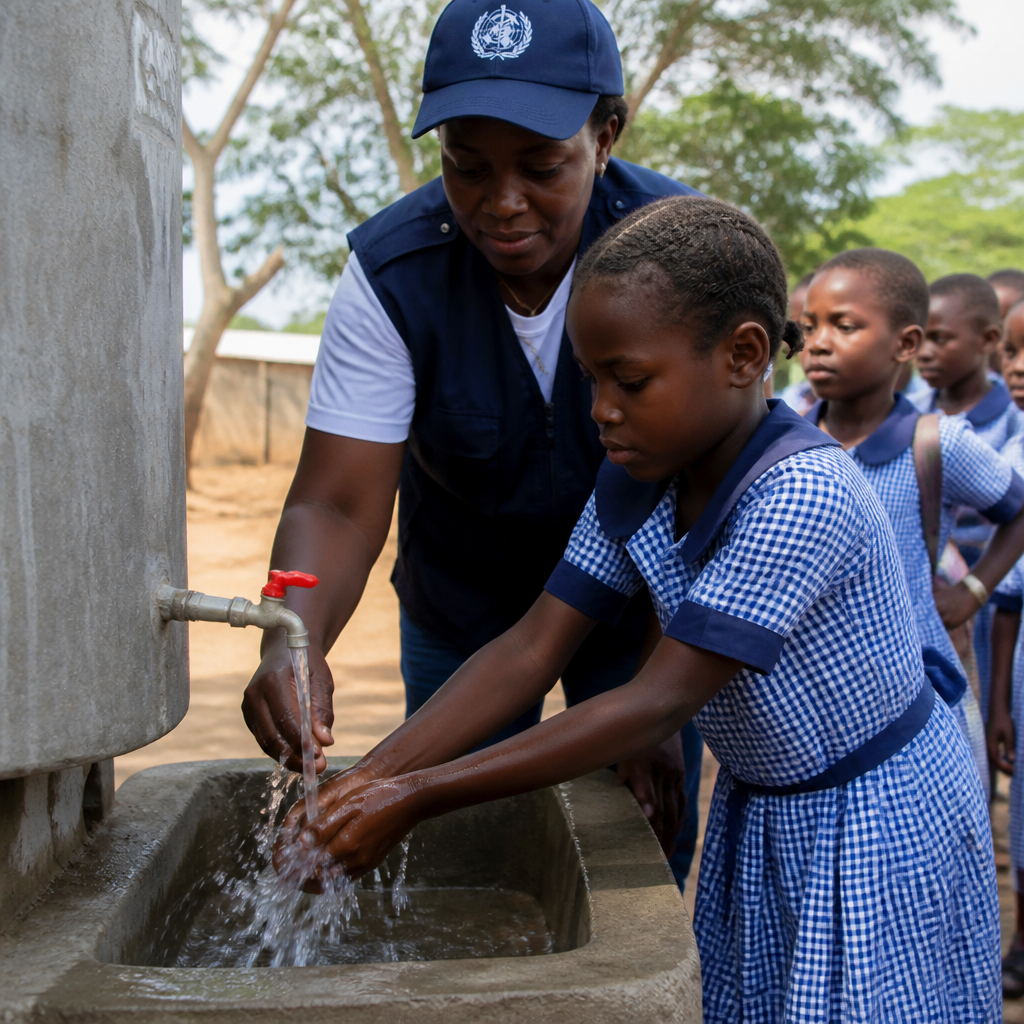
Drought creates different but equally serious problems. Low water availability reduces toilet usability, compromises handwashing, and can make conventional sewerage financially and operationally inefficient. Treatment plants designed for steadier flows may see stronger wastewater concentrations, affecting biological processes and sludge quality. Households facing water scarcity often ration flushing or switch to unsafe disposal practices. Heat intensifies odor, corrosion, pathogen growth conditions in some contexts, and worker safety risks across the sanitation chain. It also accelerates evaporation in waste stabilization ponds, which may help performance in one season but destabilize hydraulic assumptions over time.
Sea level rise and saline intrusion are especially damaging in low-lying coastal areas and deltas. Septic drain fields lose effectiveness when groundwater rises. Corrosion shortens the life of pumps, pipes, and treatment equipment. Salinity can interfere with biological treatment and complicate water reuse strategies. After cyclones and storm surges, the sanitation crisis is often not the physical damage alone but the prolonged contamination of land and water sources. That is why climate-resilient sanitation planning now starts with hazard mapping, groundwater assessment, and stress-testing assets against multiple future scenarios rather than one design storm.
Why water, land, and ecosystems now define sanitation performance
Sanitation does not operate in isolation from the environment; it depends on watershed health, soil conditions, drainage patterns, and the assimilative capacity of receiving ecosystems. When wetlands are filled, forests are removed, or urban land is paved over, runoff increases and natural filtration declines. That means more fecal contamination reaches homes, drains, rivers, and coastal zones. In dry regions, over-abstracted aquifers reduce dilution and raise the consequences of leakage from pits and sewers. In densely settled informal areas, the basic question is often spatial: is there enough safe room to contain waste without contaminating water or exposing neighbors?
This is why the sanitation sector increasingly uses a service chain lens: capture, containment, emptying, transport, treatment, and end use or disposal. Environmental change can break any link. For example, a latrine may provide access, but high groundwater can make containment unsafe. A fecal sludge treatment plant may exist, but roads become impassable during longer rainy seasons. A wastewater plant may meet dry-weather targets, but upstream erosion and storm inflow can push it beyond design conditions. Looking only at toilet access obscures these system failures. Safe sanitation requires performance across the entire chain.
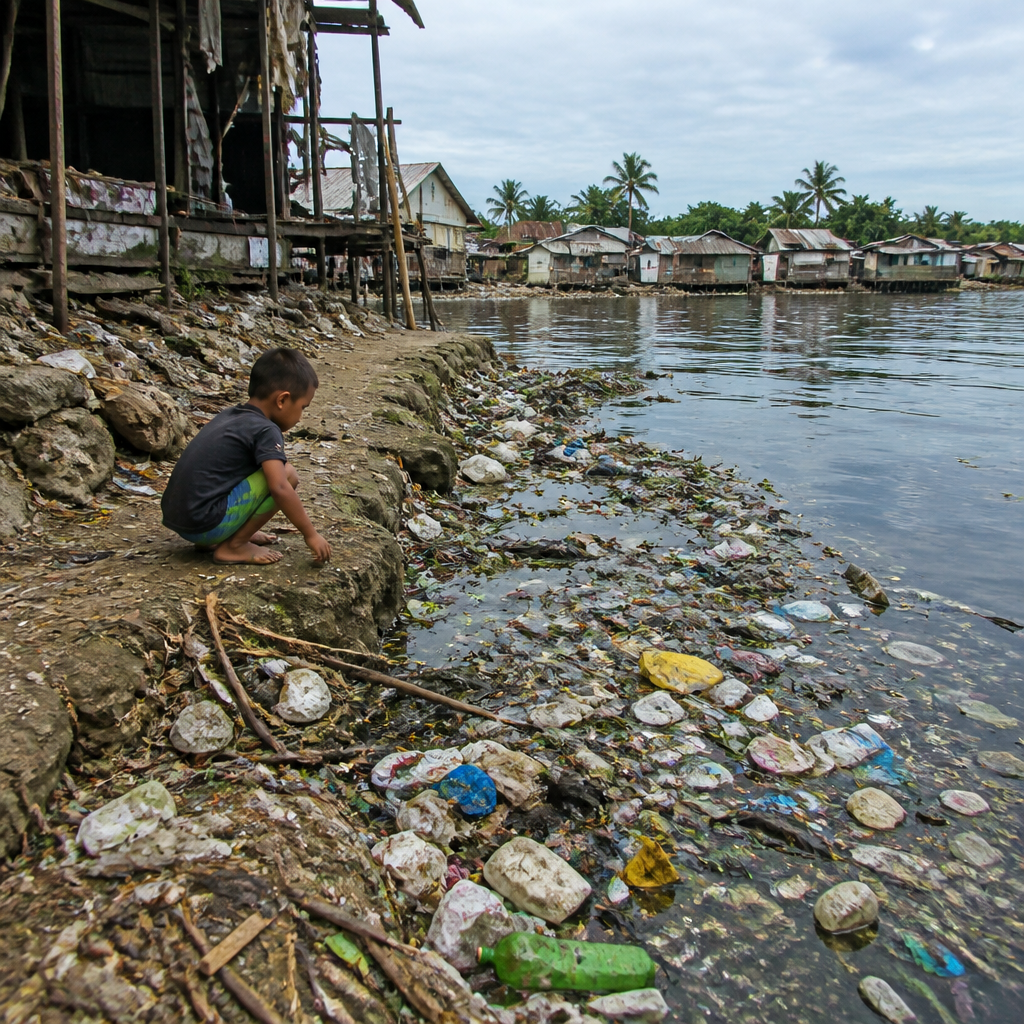
Biodiversity loss also matters more than many sanitation strategies acknowledge. Degraded rivers, lakes, and coastal waters have less resilience against nutrient loading and pathogen pollution. Algal blooms, fish kills, and oxygen depletion are often linked not to one source but to cumulative wastewater mismanagement across a basin. In tourism-dependent economies, that translates directly into lost revenue. In agricultural areas, polluted irrigation channels spread health risks and reduce trust in food systems. The practical implication is clear: sanitation planning must be integrated with catchment management, stormwater planning, and land-use regulation, not treated as a standalone utility function.
Sanitation challenges on a global scale: where the pressure is greatest
Global sanitation pressure is not evenly distributed. The most severe impacts are concentrated in rapidly urbanizing low-income and lower-middle-income settings, climate-vulnerable coastal zones, arid and semi-arid regions, small island states, conflict-affected areas, and floodplains with weak drainage infrastructure. According to JMP reporting, billions still lack safely managed sanitation, and the gap is widest where population growth and environmental risk are rising simultaneously. In practice, that means the places with the least fiscal space often face the most complex technical requirements.
| Pressure zone | Main sanitation risk | Typical failure mode | Practical response |
|---|---|---|---|
| Flood-prone cities | Intense rainfall and overflow | Sewer surcharge, pit flooding, contamination of drains | Separate stormwater management, raised containment, overflow control |
| Water-scarce regions | Low water availability | Unusable flush systems, concentrated wastewater, poor hygiene | Water-efficient toilets, reuse, decentralized treatment |
| Coastal settlements | Sea level rise and salinity | High groundwater, corroded assets, failing septic systems | Sealed containment, pumping strategies, saline-tolerant design |
| Informal settlements | Density and insecure land tenure | No space for safe containment or service access | Shared managed facilities, container-based service, FSM logistics |
| Fragile and conflict settings | Service disruption | Untreated discharge, unsafe sludge disposal, outbreak risk | Modular systems, emergency-to-permanent planning, rapid monitoring |
Sub-Saharan Africa illustrates the scale of the challenge. Urban populations are growing quickly, but sewer expansion remains slow and expensive, leaving most households dependent on onsite sanitation. That model can work if fecal sludge management is funded and regulated, yet in many cities emptying is informal, disposal sites are limited, and treatment capacity is inadequate. South Asia faces similar complexity, with monsoon flooding, groundwater stress, and dense settlement patterns demanding stronger links between sanitation, drainage, and water quality regulation. In small island states, limited land availability and exposure to storms make centralized solutions difficult, increasing the need for compact and robust decentralized systems.
Which sanitation approaches are most resilient
There is no universal best sanitation technology under global environmental change. The most resilient approach depends on hydrogeology, density, water availability, institutional capacity, and long-term operating finance. Conventional sewerage remains appropriate in some dense urban corridors, especially where utilities can manage inflow and infiltration, ensure treatment, and protect receiving waters. But it is often too capital-intensive or water-dependent to serve as the sole answer. In many cities, the most realistic pathway is a mix of networked sewerage, simplified sewers, decentralized wastewater treatment, and improved onsite sanitation linked to formal fecal sludge management.
From experience, the systems that perform best under environmental stress share common traits: they are modular, service-chain aware, maintainable with local skills, and designed around actual user behavior. Raised latrines can reduce flood risk in high-water-table areas. Urine-diverting dry toilets can reduce water demand where supply is unreliable, though they require consistent maintenance and user acceptance. Container-based sanitation can work in dense settlements with poor access, provided there is a reliable collection and treatment business model. Septic systems can remain viable only where soil conditions, setback distances, desludging services, and groundwater protection standards are enforced.
Resilience is also operational. Supervisory control and data acquisition systems, rainfall-linked overflow alerts, groundwater monitoring, and asset management plans matter as much as civil works. Utilities that map vulnerabilities, inspect pump stations before storm seasons, secure backup power, and maintain spare parts recover faster from shocks. Cities that regulate private emptiers, license disposal points, and track sludge volumes are better able to prevent the hidden failures that contaminate neighborhoods for years. The strongest sanitation systems are not always the most expensive; they are the ones aligned with environmental reality and managed continuously rather than episodically.
Public health, equity, and financing in a changing environment
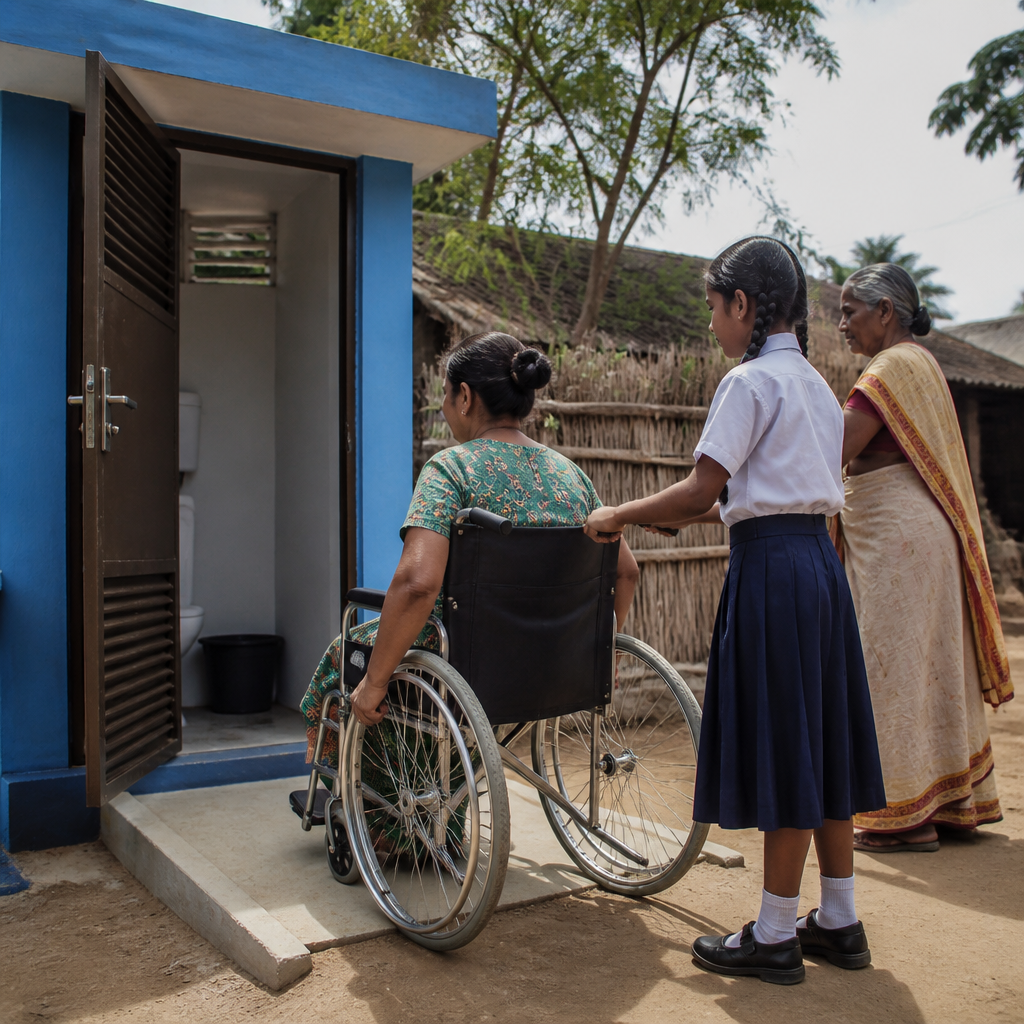
The sanitation consequences of global environmental change are not only technical. They are deeply unequal. Women and girls face greater safety and privacy risks when toilets flood or become inaccessible. Children are more vulnerable to enteric disease and the long-term effects of repeated exposure to fecal pathogens. Informal workers in emptying, sweeping, and treatment often face dangerous conditions without protective equipment or legal recognition. Rural households, peri-urban communities, and displaced populations are routinely the last to receive durable services even though they face the highest environmental exposure.
Health agencies increasingly recognize sanitation as part of climate adaptation because disease transmission rises when systems fail during shocks. Cholera outbreaks after flooding are the clearest example, but the broader burden includes diarrheal disease, skin infection, vector breeding in stagnant wastewater, and contamination of food chains through unsafe irrigation. Facilities matter too. Schools and healthcare centers need sanitation designed for continuity during disasters, with safe waste handling, accessible toilets, and water backup. A nonfunctional toilet block in a clinic is not a minor inconvenience; it undermines infection prevention and public trust.
Financing remains the sector’s hardest constraint. Sanitation produces public benefits that households alone cannot finance, yet many countries still rely on fragmented projects rather than sustained service budgets. Climate finance has begun to open new possibilities, but sanitation is underrepresented because proposals are often framed too narrowly. The strongest investment cases link adaptation, health protection, water security, methane reduction, nutrient recovery, and urban resilience. Blended finance, output-based aid, resilience bonds, and performance-based utility reform can help, but none replaces the need for predictable public funding, tariff realism where appropriate, and regulation that rewards safe outcomes instead of mere infrastructure counts.
What global-scale sanitation leadership should do next
Tackling sanitation challenges on a global scale requires a shift from infrastructure delivery alone to risk-based service governance. First, countries and cities should update sanitation plans using climate projections, groundwater data, and settlement growth scenarios rather than historical averages. Second, they should adopt citywide inclusive sanitation principles so that sewered and non-sewered areas are planned together. Third, they should strengthen fecal sludge management as a core public service, not a temporary substitute for sewerage. Fourth, they should integrate sanitation with drainage, solid waste, housing, and watershed protection because these systems fail together in real life.
Better monitoring is equally important. National reporting should track safe containment, treatment reliability, flood exposure, service continuity, and environmental discharge quality, not just toilet presence. Regulators should use risk-based inspections and enforce standards proportionately. Development partners should fund operations, maintenance, and utility capacity building alongside construction. Researchers should prioritize pathogen pathways, climate sensitivity of treatment processes, and evidence on which adaptive designs hold up over time in low-resource contexts. Local governments need practical decision tools, not abstract resilience language.
The main benefit of addressing the role of global environmental change in sanitation is straightforward: societies can prevent avoidable disease, protect water resources, and build infrastructure that still works under future conditions. Sanitation done well is climate adaptation, environmental protection, and public health delivery at the same time. As this hub on tackling sanitation challenges on a global scale shows, the path forward is not one technology or one policy. It is coordinated planning, realistic finance, resilient design, and inclusive service management. Use this page as your starting point, then map the risks in your own context and prioritize the sanitation upgrades that will matter most over the next decade.
Frequently Asked Questions
1. How does global environmental change affect sanitation systems?
Global environmental change affects sanitation by altering the conditions that sanitation systems were originally designed to handle. Rising temperatures, shifting rainfall patterns, stronger storms, sea-level rise, drought, land degradation, and ecosystem loss all place new pressure on toilets, sewers, drainage systems, treatment plants, sludge management, and wastewater reuse practices. In many places, sanitation infrastructure was built using historical climate assumptions, which means it may no longer perform reliably under today’s more variable and extreme conditions.
For example, intense rainfall and flooding can overwhelm sewers, pit latrines, septic systems, and wastewater treatment plants, causing untreated waste to spill into streets, homes, rivers, and coastal waters. Drought creates a different problem by reducing water availability for flushing, cleaning, and wastewater dilution, while also concentrating pollutants in smaller volumes of water. Sea-level rise can push saltwater into groundwater and low-lying sanitation networks, corroding equipment, damaging treatment performance, and making onsite sanitation systems less effective. Heat can speed up biological processes, sometimes helping treatment, but it can also increase odor, equipment stress, pathogen risks, and worker exposure.
Beyond climate alone, biodiversity loss, deforestation, and land degradation also matter because healthy ecosystems help absorb water, filter contaminants, stabilize soils, and support natural treatment processes. When ecosystems are weakened, sanitation failures can become more frequent and more damaging. Taken together, global environmental change is making sanitation more complex, less predictable, and more central to public health planning. It is no longer enough to build sanitation systems for average conditions; they must now be resilient to disruption, adaptable over time, and integrated with water, land, and climate planning.
2. Why is sanitation considered such an important public health issue in the context of climate and environmental change?
Sanitation is a frontline public health issue because it directly affects whether human waste is safely separated from people, food, water, and the broader environment. When sanitation systems fail, disease risks rise quickly. Global environmental change increases those risks by making failures more likely, more widespread, and sometimes harder to detect or control. This is especially important in dense urban areas, informal settlements, coastal zones, floodplains, arid regions, and places where sanitation services are already under strain.
Flooding can carry fecal contamination into drinking water supplies, homes, schools, health facilities, and public spaces, increasing the spread of diarrheal diseases, cholera, typhoid, hepatitis, and other infections. Drought can reduce hygiene practices when water becomes scarce, while heat can worsen odors, accelerate decomposition, and affect the survival and transport of certain pathogens. Environmental disruption can also interrupt collection services, damage roads used for fecal sludge transport, cut power to treatment facilities, and reduce the effectiveness of already limited public health response systems.
There is also an equity dimension. The health burden of sanitation breakdowns is rarely shared equally. Low-income communities, children, older adults, people with disabilities, and those living in informal or climate-exposed settlements are often the first to face the consequences. In this way, global environmental change turns sanitation from a technical utility issue into a broader question of health security, social protection, and resilience. Safe sanitation reduces disease transmission, protects water quality, supports dignity, and helps communities recover more quickly from shocks. That is why strengthening sanitation under changing environmental conditions is essential not only for infrastructure performance, but also for long-term public health stability.
3. What are the biggest risks to urban and rural sanitation from climate change and related environmental pressures?
Urban and rural sanitation systems face overlapping but distinct risks. In cities, one of the biggest threats is hydraulic overload. More intense rainstorms can exceed the capacity of sewer networks, stormwater drains, pumping stations, and treatment plants. This can lead to sewer overflows, treatment bypasses, basement backups, and direct discharge of untreated wastewater into waterways. Rapid urbanization makes this worse when infrastructure expansion cannot keep pace with population growth, paving increases runoff, and informal settlements develop in high-risk locations without adequate services.
In coastal cities and delta regions, sea-level rise and storm surge create additional risks by inundating sanitation assets, raising groundwater tables, and increasing salinity in pipes, tanks, and treatment units. That can reduce the lifespan of infrastructure and interfere with biological treatment processes. In water-scarce urban regions, prolonged drought can undermine conventional water-based sewer systems by limiting flows, increasing blockages, and forcing households to make difficult trade-offs between water use for sanitation and other basic needs.
In rural areas, onsite sanitation systems such as pit latrines and septic tanks are especially vulnerable to flooding, erosion, and high groundwater levels. Floodwaters can spread fecal contamination across farmland, wells, and surface water bodies. Drought can harden soils, reduce decomposition efficiency, and make sludge management more difficult. Land degradation and deforestation can intensify runoff and erosion, damaging sanitation facilities and reducing the landscape’s ability to buffer pollutants. Remote rural communities may also have fewer resources for maintenance, fewer treatment options, and less access to emergency support when systems fail.
Across both urban and rural settings, environmental pressures can disrupt the entire sanitation service chain: containment, emptying, transport, treatment, discharge, and reuse. A toilet alone is not enough if roads become impassable, treatment lagoons flood, power systems fail, or reuse practices expose farmers and consumers to unsafe conditions. The biggest risk, therefore, is not just isolated infrastructure damage, but systemic failure across interconnected services that were not designed for rapidly changing environmental realities.
4. How can sanitation systems become more resilient to global environmental change?
Building resilient sanitation systems starts with recognizing that no single technology works everywhere and that future conditions may differ sharply from past norms. Resilience means sanitation systems can continue to protect health and the environment during floods, droughts, heatwaves, storms, and long-term ecological change. To achieve that, planners and utilities need to move beyond conventional design assumptions and adopt risk-informed, flexible, locally appropriate approaches.
One important strategy is climate-resilient design. This may include elevating critical equipment above flood levels, separating stormwater from wastewater where possible, improving drainage around facilities, reinforcing containment structures, protecting assets from erosion, and designing treatment plants to handle variable flows and pollutant loads. In flood-prone areas, sealed or raised sanitation systems may be more appropriate than unprotected pits. In water-scarce regions, low-water or non-sewered systems may reduce dependence on unreliable supplies. In coastal areas, materials and processes must account for salinity, corrosion, and groundwater intrusion.
Resilience also depends on service chain management. Toilets must be paired with safe emptying, transport, treatment, and disposal or reuse systems that can operate during emergencies. Decentralized treatment, modular infrastructure, backup power, remote monitoring, and redundancy in key components can help reduce the chance that one failure cascades through the entire system. Nature-based solutions, such as wetlands, watershed restoration, and green infrastructure, can also support sanitation by slowing runoff, filtering contaminants, and reducing pressure on engineered systems.
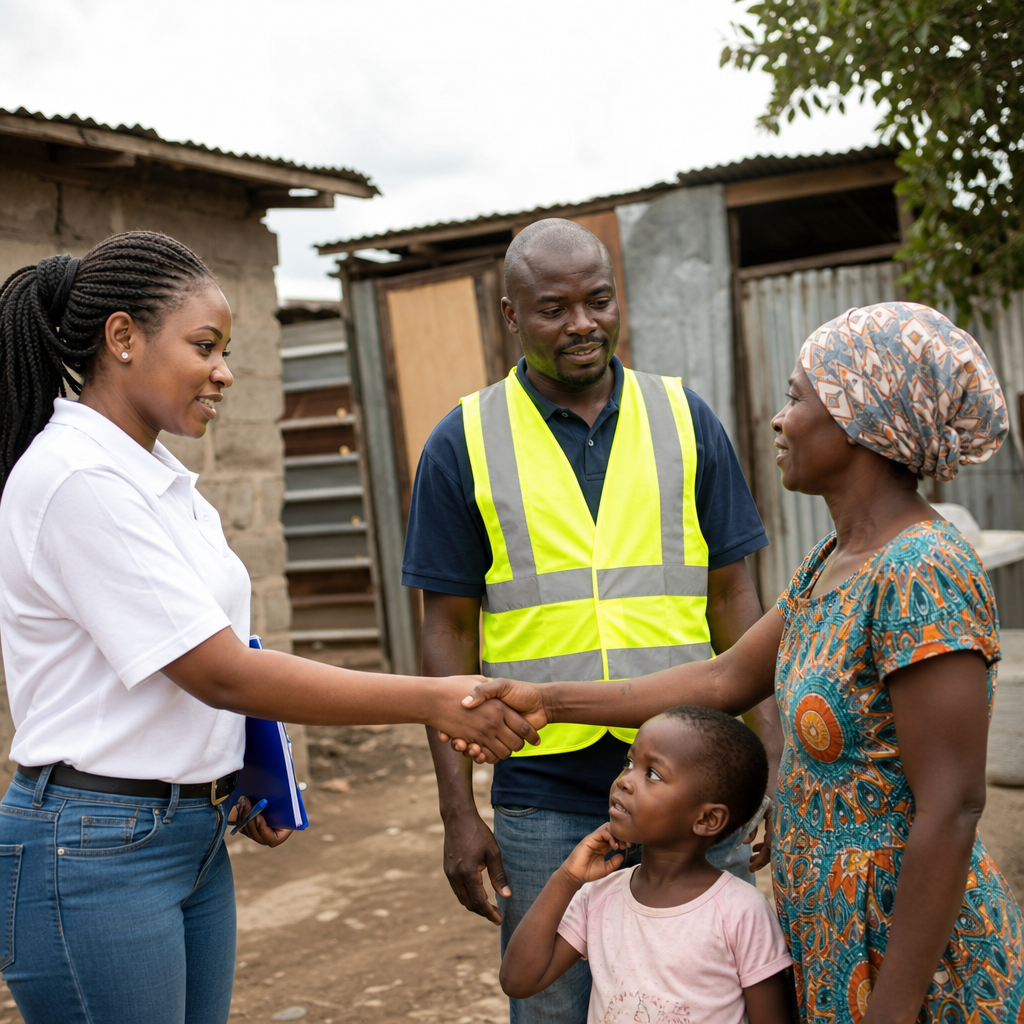
Equally important are governance and financing. Utilities, municipalities, and public health agencies need better climate data, stronger regulation, regular maintenance budgets, emergency response plans, and inclusive planning processes that reflect the needs of vulnerable communities. Resilient sanitation is not only a matter of stronger hardware; it also requires institutions that can learn, adapt, and invest over time. When sanitation planning is integrated with water management, land use, housing, and climate adaptation, communities are far better positioned to protect both people and ecosystems under changing environmental conditions.
5. Can sanitation also help address environmental and climate challenges, not just respond to them?
Yes. Sanitation is often discussed as something threatened by environmental change, but it can also be part of the solution. Well-designed sanitation systems protect rivers, groundwater, soils, wetlands, and coastal ecosystems from pollution. That alone is a major environmental benefit, especially as ecosystems face growing stress from climate change, land conversion, and biodiversity loss. Preventing untreated wastewater and fecal sludge from entering the environment reduces nutrient loading, pathogen contamination, oxygen depletion, and ecosystem degradation.
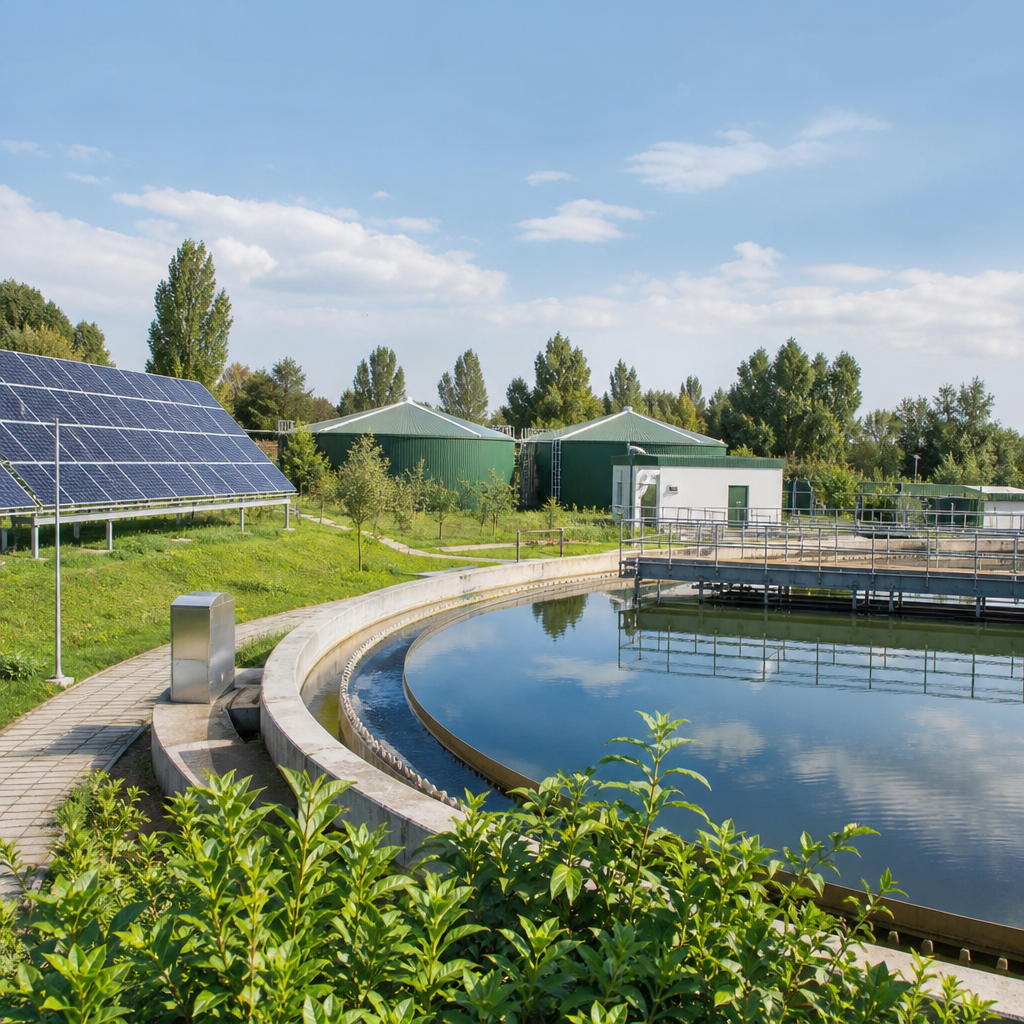
Sanitation can also support climate mitigation and resource recovery when managed strategically. Wastewater and fecal sludge contain water, energy, organic matter, nitrogen, and phosphorus that can be recovered and reused. Treatment processes can produce biogas, which may help offset fossil fuel use. Treated wastewater can support irrigation, industrial processes, or groundwater recharge in water-stressed regions, reducing pressure on freshwater sources. Nutrient recovery can help create fertilizers or soil amendments, supporting more circular and efficient resource use. These approaches are especially relevant as global environmental change increases pressure on water, food, and energy systems at the same time.
That said, the environmental benefits depend on safe management. Reuse without proper treatment or oversight can create health risks, especially where heat, water scarcity, or weak regulation encourage informal practices. Some sanitation systems also emit greenhouse gases such as methane and nitrous oxide if poorly designed or maintained. The goal, therefore, is not simply to expand sanitation, but to improve it in ways that are low-emission, resource-efficient, and protective of human and ecological health. In the broader sustainability picture, sanitation is no longer just a basic service. It is a critical part of climate resilience, pollution control