Enhancing global health through improved sanitation starts with a simple truth: safe toilets, reliable waste management, clean water access, and hygienic behaviors prevent disease more effectively than many high-cost medical interventions. Sanitation refers to the systems and services that separate people from human waste, safely contain or transport that waste, treat it, and prevent contamination of water, food, and living environments. In public health practice, sanitation also includes drainage, wastewater management, menstrual hygiene support, handwashing facilities, and the institutional capacity required to keep those systems functioning. When those basics fail, outbreaks spread faster, child growth falters, school attendance drops, and local economies lose productive time and income.
The scale of the challenge is global and measurable. According to UNICEF and the World Health Organization Joint Monitoring Programme, billions of people still lack safely managed sanitation services, and hundreds of millions continue to practice open defecation. In places where I have worked with municipal operators and community health teams, the consequences are visible almost immediately: overflowing pit latrines after heavy rain, fecal contamination in shallow wells, clinics treating repeated diarrheal disease, and schools where adolescent girls miss classes because sanitation facilities do not meet basic privacy needs. These are not isolated infrastructure problems. They are linked health, education, climate, gender, and governance issues.
This hub article explains how tackling sanitation challenges on a global scale improves health outcomes and why sanitation deserves a central place in development planning. It defines the major sanitation models, outlines the most urgent barriers, and shows how governments, utilities, donors, engineers, and communities can build systems that last. It also connects core subtopics that deserve deeper exploration, from fecal sludge management and urban wastewater treatment to rural behavior change and school sanitation standards. If the goal is healthier populations, fewer preventable infections, and more resilient cities and villages, sanitation is not a side issue. It is foundational public health infrastructure.
Why sanitation is a global health priority
Sanitation improves health because it interrupts the fecal-oral transmission pathways that spread pathogens such as cholera, rotavirus, Shigella, E. coli, hepatitis A, and many intestinal parasites. The principle is straightforward: when human waste is not safely contained and treated, microbes move through water, hands, soil, flies, food, and surfaces into another person’s mouth. Public health professionals often explain this through the classic F-diagram, which maps how feces contaminate fluids, fingers, flies, fields, and food. Toilets alone are not enough. The entire sanitation chain must work, from containment to emptying, transport, treatment, reuse, or disposal.
The health effects extend beyond acute diarrhea. Repeated enteric infections contribute to undernutrition, environmental enteric dysfunction, anemia, and stunting in children. Poor sanitation in healthcare facilities raises the risk of sepsis, surgical infections, and antimicrobial resistance because staff cannot maintain reliable infection prevention and control. In dense urban settlements, blocked drains and unmanaged wastewater create mosquito breeding grounds, worsening vector-borne disease risk. In humanitarian settings, inadequate sanitation rapidly turns displacement camps into outbreak zones. These links explain why sanitation is central not only to child survival, but also to maternal health, outbreak preparedness, education, and workforce productivity.
Understanding sanitation systems from household to city scale
Sanitation systems generally fall into two broad categories: onsite and sewered. Onsite sanitation includes pit latrines, ventilated improved pit latrines, composting toilets, urine-diverting dry toilets, septic tanks, and container-based sanitation. These systems store or partially treat waste near the point of generation. They are common in rural areas, small towns, and low-income urban neighborhoods because they can be installed incrementally and do not require extensive pipe networks. However, they still need safe emptying, transport, and treatment. Without those downstream services, a toilet simply shifts waste from open ground into an unregulated pit.
Sewered sanitation uses networks of pipes to move wastewater from homes, businesses, and institutions to centralized treatment plants. Properly designed sewerage can deliver significant public health gains in dense urban areas, but it is capital intensive and depends on steady water supply, skilled operators, electricity, and long-term maintenance budgets. Combined sewer overflows, illegal connections, and underperforming treatment plants can undermine these benefits. In many fast-growing cities, hybrid models make more sense: conventional sewers in high-density cores, simplified sewers in lower-cost zones, and well-regulated fecal sludge management for neighborhoods where sewer expansion is financially unrealistic.
The key lesson from decades of projects is that sanitation should be planned as a service, not just as an asset. A latrine, septic tank, or sewer line is only one component. Service delivery includes user access, affordability, operation, desludging schedules, worker safety, treatment standards, environmental monitoring, and enforcement. Cities that treat sanitation as a full service chain usually achieve better outcomes than those focused solely on construction targets.
The main sanitation challenges on a global scale
Sanitation failures are rarely caused by one missing technology. They are usually the result of overlapping constraints in finance, governance, behavior, land use, and climate exposure. In informal settlements, households may lack legal tenure, making utilities reluctant to invest. In rural areas, low population density raises unit costs for transport and treatment. In both contexts, poor households may prioritize immediate survival needs over toilet upgrades unless financing is accessible and the service is clearly valuable. Cultural norms also matter. Where open defecation has been normalized for generations, infrastructure must be paired with sustained social engagement.
Another major challenge is weak fecal sludge management. Across much of Africa and Asia, most urban residents rely on onsite systems, yet municipal planning still focuses disproportionately on sewers. The result is a hidden sanitation crisis: pits and tanks fill, informal emptiers dump sludge into drains or fields, and wastewater treatment capacity remains inadequate. Data gaps compound the problem. Many cities cannot accurately state how much sludge is generated, where it goes, or whether treatment plants meet discharge standards. Without that information, regulators cannot manage risk effectively.
Climate change intensifies every weakness. Floods inundate pits and septic tanks, spreading contamination through neighborhoods and agricultural land. Drought reduces the water available for pour-flush systems and sewer operation. Sea-level rise threatens low-lying wastewater plants and causes saltwater intrusion that damages infrastructure. Conflict and displacement create additional stress, often forcing sanitation systems into emergency mode for years rather than weeks. Scalable solutions therefore need to be climate-resilient, low-maintenance, and adaptable to unstable conditions.
| Challenge | Public health effect | Practical response |
|---|---|---|
| Open defecation | High exposure to diarrheal pathogens and parasites | Community-led behavior change, affordable toilet options, local supply chains |
| Unsafe pit emptying | Contaminated drains, soil, and water sources | Licensed desludging services, transfer stations, treatment sites |
| Underfunded utilities | Intermittent service and plant failure | Tariff reform, targeted subsidies, performance contracts |
| School sanitation gaps | Absenteeism, especially among girls | Separate toilets, menstrual hygiene support, maintenance budgets |
| Flood-prone infrastructure | Outbreak risk after storms | Raised latrines, sealed tanks, resilient drainage and siting |
Rural sanitation, behavior change, and community uptake
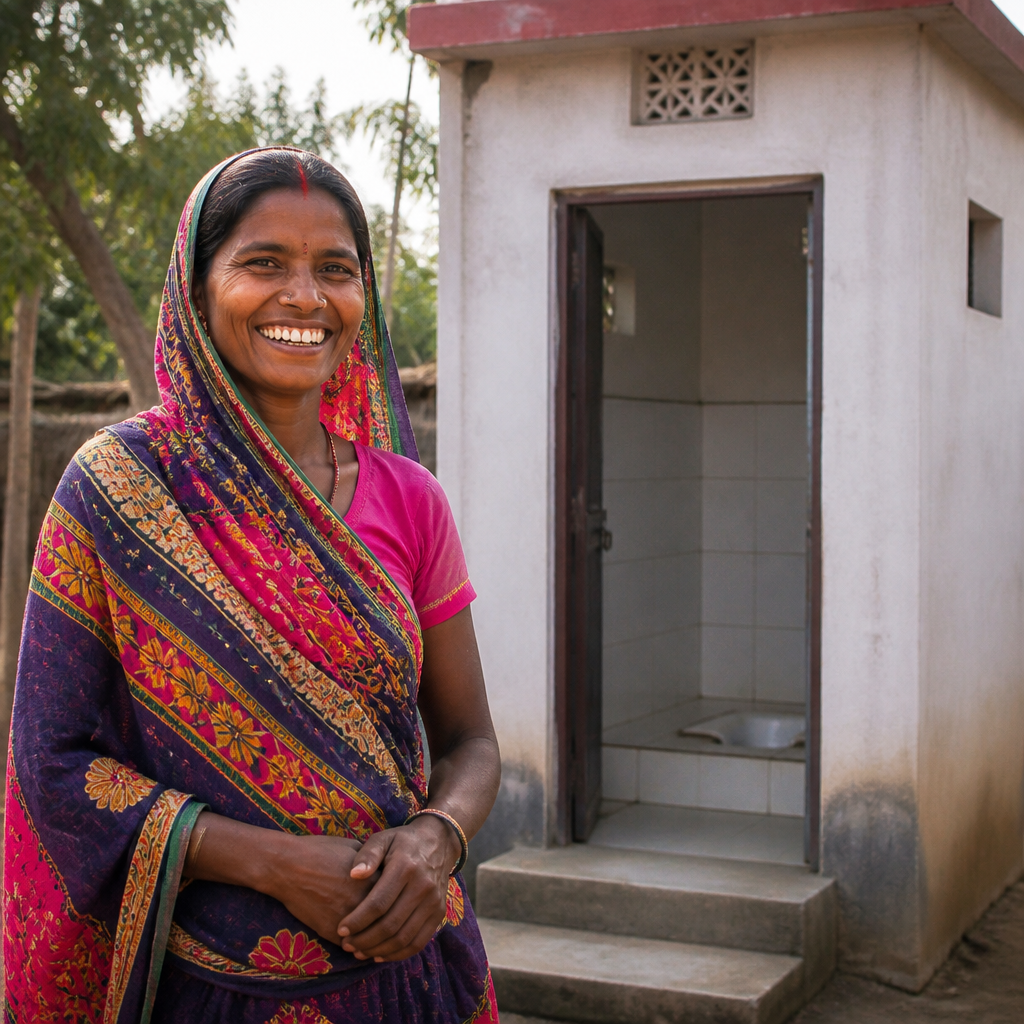
Rural sanitation programs succeed when they combine infrastructure access with behavior change grounded in local realities. I have seen toilet subsidy schemes fail because they delivered standard designs that ignored soil conditions, groundwater levels, and household preferences. By contrast, community-led approaches work better when facilitators help villages analyze contamination pathways, local masons are trained to build durable options, and households can choose from a range of price points. The goal is not merely toilet ownership. It is consistent toilet use, safe child feces disposal, handwashing with soap, and maintenance over time.
Community-Led Total Sanitation has influenced rural programming in many countries by emphasizing collective action to end open defecation. It can be effective when implemented ethically, with strong follow-up and without coercive shaming. Results are stronger when communities have access to sanitation marketing, microfinance, and supply chains for slabs, rings, vent pipes, and repair materials. Monitoring also matters. Slippage is common if villages are declared open-defecation free once and never revisited. Sustainable rural sanitation requires periodic verification, local government support, and mechanisms for upgrading basic pits into safer, longer-lasting systems.
Urban sanitation, wastewater, and fecal sludge management
Urban sanitation is more complex because density magnifies both risks and opportunities. A single overflowing drain in a crowded settlement can expose thousands of residents. At the same time, dense populations can support viable service markets for desludging, sewer connections, and wastewater treatment. The most effective city strategies begin with sanitation mapping: identifying where people live, which containment systems exist, who empties them, how sludge moves, and where untreated discharges occur. Tools such as shit flow diagrams, often used by the Sustainable Sanitation Alliance and city planners, help translate fragmented data into a clear picture of service failures.
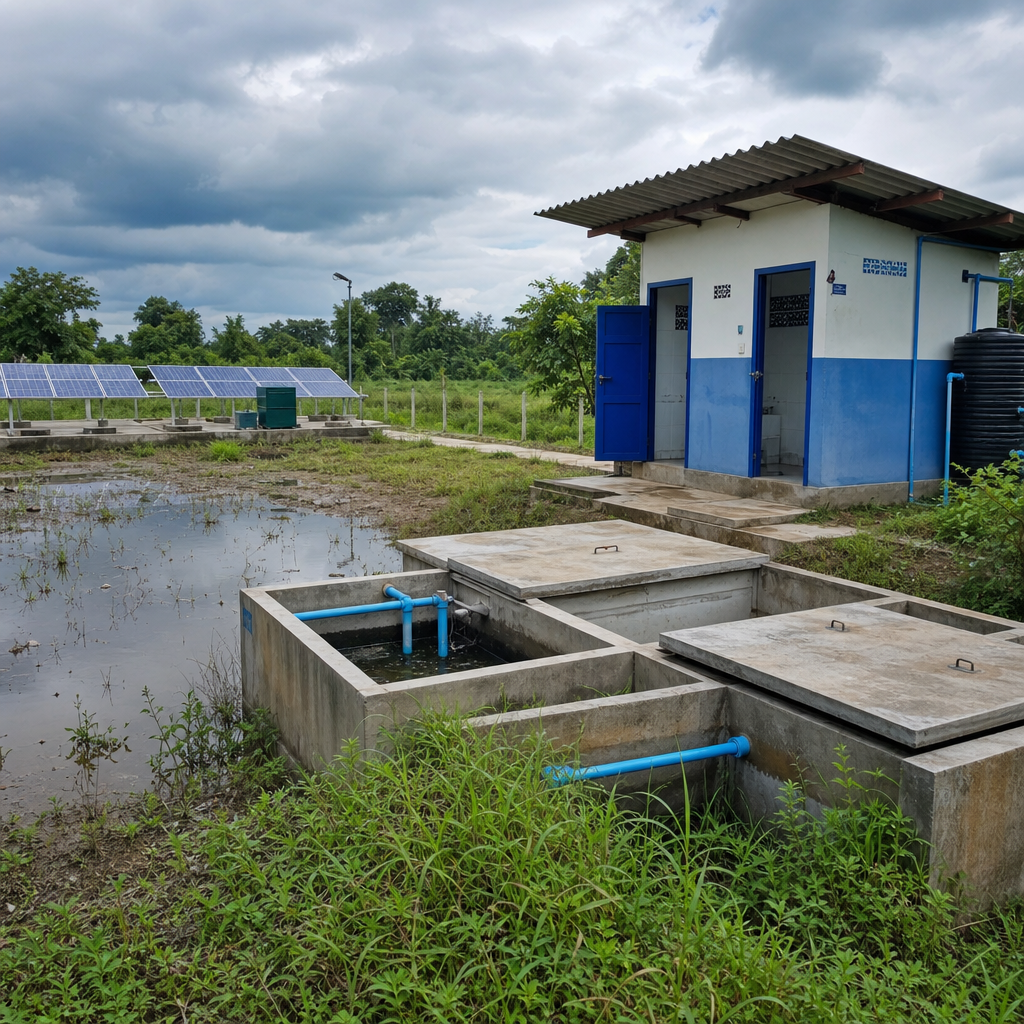
Fecal sludge management is often the highest-return intervention in cities dominated by pits and septic tanks. A functioning model includes containment standards, scheduled or on-demand emptying, safe transport, transfer stations where needed, treatment plants sized for local volumes, and reuse pathways such as compost, fuel briquettes, or co-treatment with wastewater. Worker safety must be non-negotiable. Manual pit emptying without protective equipment exposes workers to pathogens, toxic gases, and physical injury. Municipal licensing, mechanized equipment, training, and occupational safeguards are essential public health measures, not optional upgrades.
Where sewers are justified, treatment performance matters more than pipe length alone. Primary treatment removes settleable solids; secondary treatment reduces organic load through biological processes; tertiary treatment can address nutrients and pathogens depending on system design. Many low- and middle-income cities have treatment plants operating below capacity because households are not connected, or above capacity because networks expanded without plant upgrades. Good urban sanitation planning therefore integrates land use, utility finance, wastewater engineering, and realistic maintenance costs over decades.
Sanitation in schools, healthcare facilities, and humanitarian settings
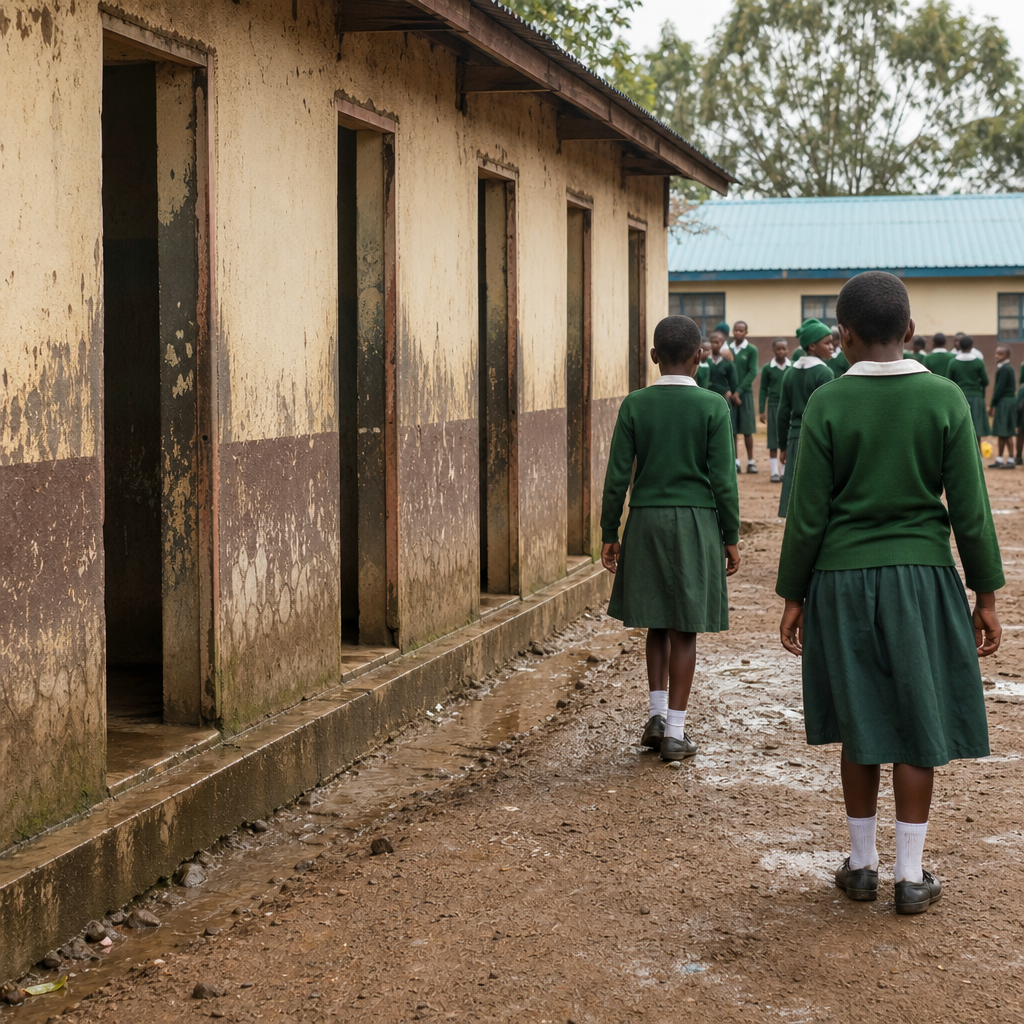
Institutional sanitation has outsized health impact because schools and healthcare facilities serve vulnerable populations daily. In schools, the minimum standard is not simply a toilet block. Students need safe, private, functional toilets; handwashing stations with soap and water; regular cleaning; menstrual hygiene materials and disposal options; lighting; and accessibility for children with disabilities. When those elements are missing, attendance suffers, especially for girls during menstruation. Better school sanitation improves concentration, dignity, and health literacy, while also shaping lifelong hygiene habits that spread into households.
Healthcare facilities require even stricter sanitation standards. The World Health Organization emphasizes water, sanitation, hygiene, waste management, and environmental cleaning as core elements of quality care. Without dependable sanitation, childbirth becomes riskier, isolation areas cannot control infection effectively, and basic procedures such as hand hygiene break down. I have audited facilities where toilets existed on paper but lacked water, cleaning staff, or drainage, rendering them functionally unusable. In outbreak response, that gap can be deadly.
In humanitarian settings, sanitation must be deployed fast but designed for longer-term reality. Emergency trench latrines may be appropriate in the first phase of displacement, but protracted crises require upgraded facilities, sludge removal plans, inclusive design, and strong community management. Agencies such as UNHCR, UNICEF, and the International Committee of the Red Cross have repeatedly shown that sanitation planning must begin on day one, not after shelters and food systems are established.
Financing, policy, and the path to lasting progress
Lasting sanitation improvement depends on policy and finance as much as engineering. Governments need clear institutional mandates, service standards, and regulatory enforcement across ministries, utilities, municipalities, and environmental agencies. National sanitation policies should define who is responsible for rural sanitation, urban onsite services, sewerage, treatment compliance, and support for schools and clinics. Where mandates overlap or remain vague, investments stall and accountability disappears. Strong countries also maintain monitoring systems aligned with safely managed service definitions, rather than counting infrastructure alone.
Financing must reflect sanitation’s public good value. Households can often contribute to toilet construction or user fees, but many health benefits accrue community-wide, which justifies public subsidy. Smart financing blends taxes, tariffs, and transfers. Output-based aid, revolving funds, results-based grants, and microloans can help households upgrade facilities, while utilities may need capital grants paired with performance targets. Development banks increasingly support citywide inclusive sanitation because it recognizes that universal service will require multiple technologies and service models, not a single network solution.
The path forward is clear. Countries that reduce disease burden and build healthier communities invest in sanitation as essential infrastructure, then manage it as a continuous service. For this hub on tackling sanitation challenges on a global scale, the central lesson is practical: stop thinking only about toilets and start planning the whole system, from behavior change and financing to treatment and resilience. Use this page as your starting point, then explore the connected topics in wastewater, school sanitation, rural adoption, and fecal sludge management to build a stronger global response.
Frequently Asked Questions
What does sanitation include, and why is it so important for global health?
Sanitation includes the full set of systems and behaviors that keep people separated from human waste and reduce exposure to disease-causing organisms. That means safe toilets, latrines, sewer networks, septic systems, fecal sludge management, wastewater treatment, drainage, solid waste handling, and hygiene practices such as handwashing with soap. It also includes the safe collection, transport, treatment, and disposal or reuse of waste so that it does not contaminate drinking water, food, soil, or the home environment.
Its importance to global health is hard to overstate. When sanitation fails, pathogens from human waste spread easily through water, hands, surfaces, crops, insects, and floodwater. This increases the risk of diarrheal diseases, cholera, typhoid, intestinal worm infections, hepatitis A, and other illnesses that can be prevented. Poor sanitation also contributes to undernutrition, stunting in children, missed school days, reduced productivity, and higher healthcare costs. In many communities, improving sanitation produces broader public health gains than expensive treatment after people become sick, because it interrupts disease transmission at the source.
How does improved sanitation help prevent disease more effectively than treatment alone?
Improved sanitation works upstream, meaning it stops many infections before they begin. Medical treatment is essential once someone is ill, but sanitation reduces the number of people exposed in the first place. Safe toilets prevent open defecation and reduce the likelihood that human waste will enter rivers, groundwater, streets, agricultural land, and shared living spaces. Proper waste containment and treatment keep bacteria, viruses, and parasites from moving through communities.
This preventive effect is especially important in densely populated areas, informal settlements, schools, healthcare facilities, and places vulnerable to flooding. If one contaminated water source or drainage channel serves many households, the health impact can be widespread. Sanitation improvements break that chain. Combined with clean water access and regular handwashing, they reduce recurring infections that weaken immune systems and disproportionately affect infants, young children, older adults, and people with chronic health conditions. In practical terms, sanitation lowers disease burden, eases pressure on clinics and hospitals, and supports healthier communities over the long term.
What are the most important sanitation improvements for communities with limited resources?
The most important improvements are those that safely contain waste, protect water sources, and can be maintained reliably over time. In lower-resource settings, that often starts with access to safe, usable toilets that households are willing and able to use consistently. Solutions may include improved pit latrines, ventilated latrines, pour-flush systems, shared facilities that are properly managed, septic systems, or simplified sewer connections where feasible. The best option depends on local soil conditions, population density, flood risk, water availability, land tenure, and available funding.
However, toilets alone are not enough. Communities also need a plan for what happens after the waste leaves the toilet or fills a pit or tank. Fecal sludge must be emptied safely, transported without spills, and treated appropriately. Drainage matters as well, because standing water and poor stormwater management can spread contamination and create breeding grounds for pests. Handwashing stations with soap, public education on hygiene, and routine maintenance are equally important. In short, resource-limited communities benefit most from sanitation systems that are practical, safe, affordable, and supported by local governance rather than one-time construction projects with no long-term service plan.
Why are sanitation, clean water, and hygiene usually discussed together?
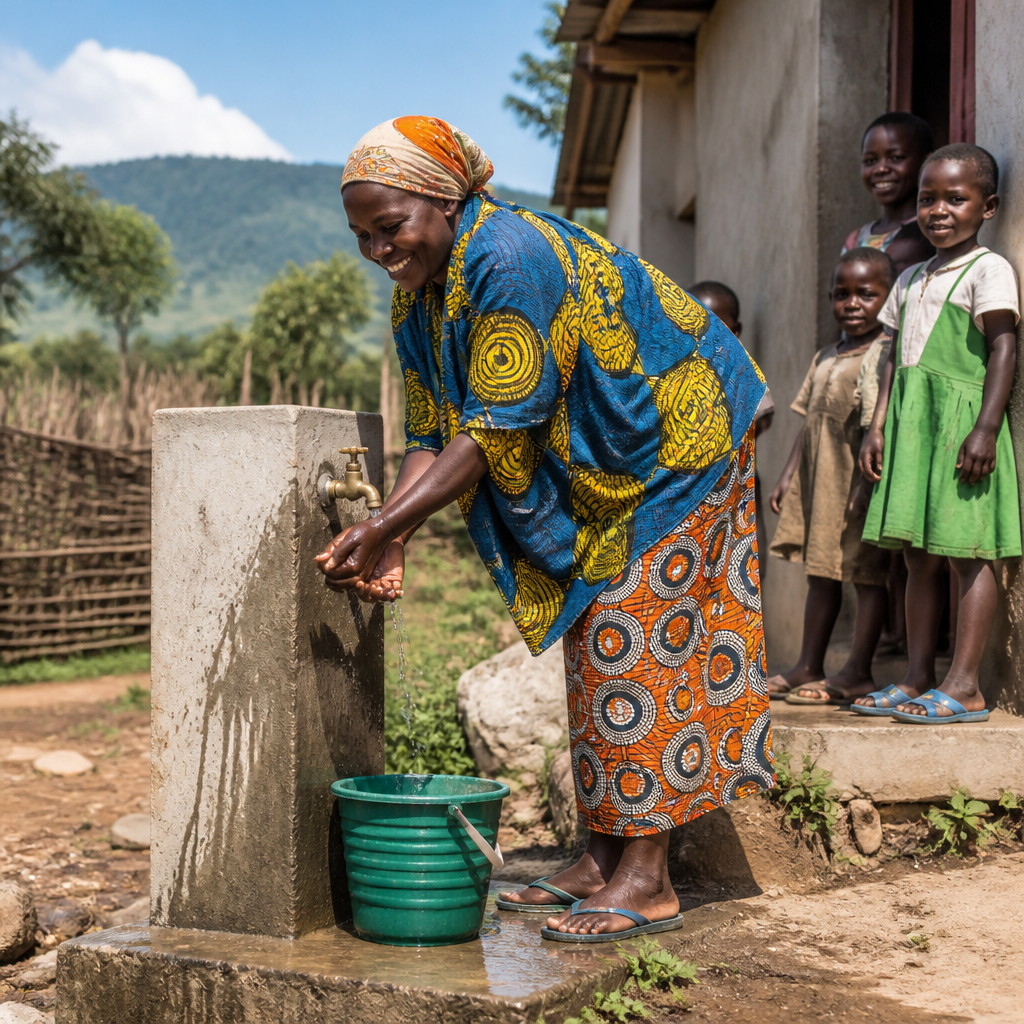
They are discussed together because they function as a connected public health system. Safe sanitation reduces the release of pathogens into the environment. Clean water ensures people have a safe supply for drinking, cooking, and washing. Hygiene practices, especially handwashing with soap after toilet use and before handling food, prevent pathogens from moving from contaminated surfaces or hands into the mouth. If one part of this system is missing, health risks remain much higher.
For example, a community may have improved toilets, but if the drinking water source is contaminated or people cannot wash their hands, infections can still spread. Likewise, access to clean water alone is not enough if open defecation or unmanaged wastewater continues to pollute the environment. Public health professionals often refer to this combined approach as essential for reducing fecal-oral transmission pathways. When sanitation, water, and hygiene are improved together, the results are stronger and more durable: fewer infections, better child growth and development, safer schools and clinics, and greater resilience during outbreaks and emergencies.
What are the wider social and economic benefits of investing in sanitation?
Investing in sanitation produces benefits that extend far beyond disease prevention. Healthier populations miss fewer days of work and school, which improves household stability, educational outcomes, and local economic productivity. Families spend less on medical care and lose less income caring for sick relatives. Children, especially girls, are more likely to attend school regularly when toilets are safe, private, and accessible. In healthcare settings, effective sanitation also helps protect patients and staff from healthcare-associated infections.
There are important dignity and safety benefits as well. Private, well-maintained sanitation facilities reduce stress, improve quality of life, and can lower the risks faced by women and girls when they must travel long distances or wait until dark to relieve themselves. Environmentally, better sanitation protects rivers, groundwater, and coastal ecosystems from untreated waste. Over time, these gains strengthen public trust, support urban development, and make communities more resilient to population growth and climate-related shocks such as flooding. For governments and development organizations, sanitation is not just a basic service; it is a foundational investment in public health, education, gender equity, environmental protection, and long-term economic development.