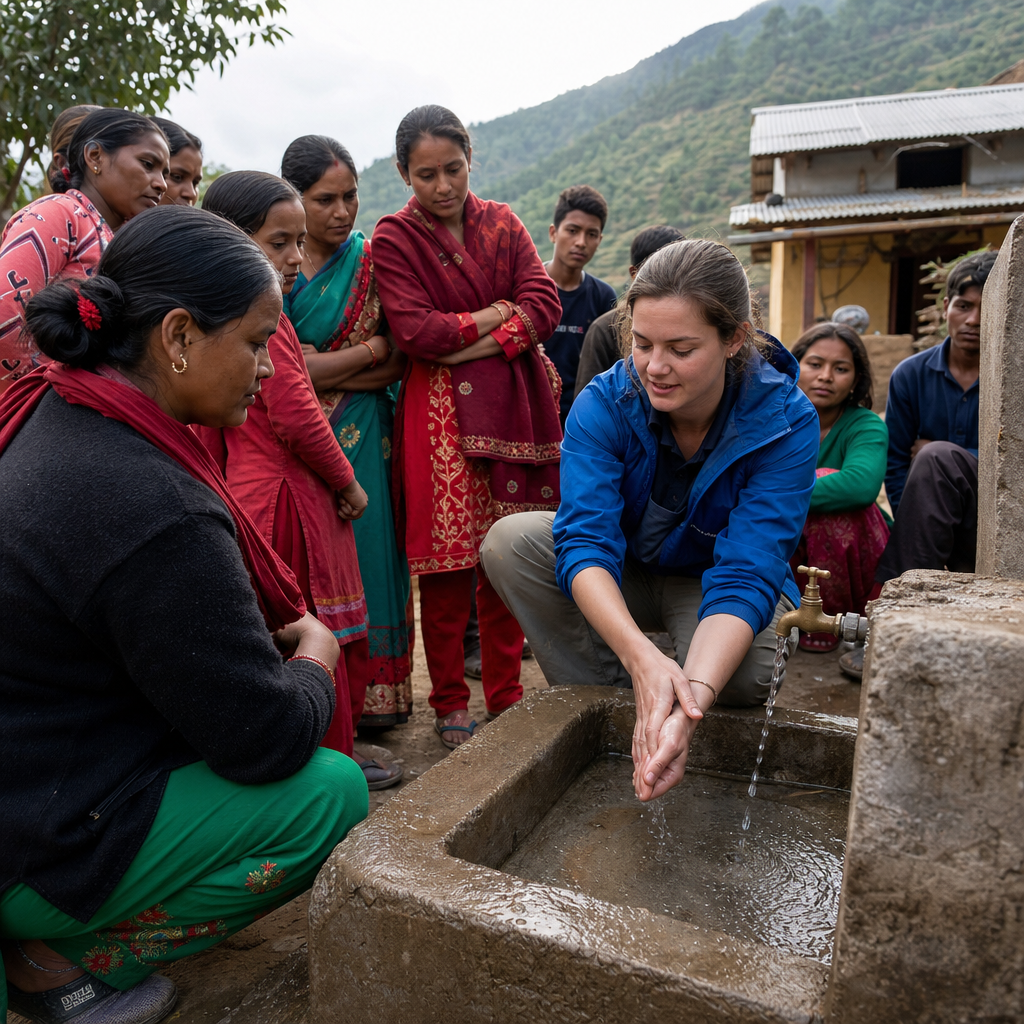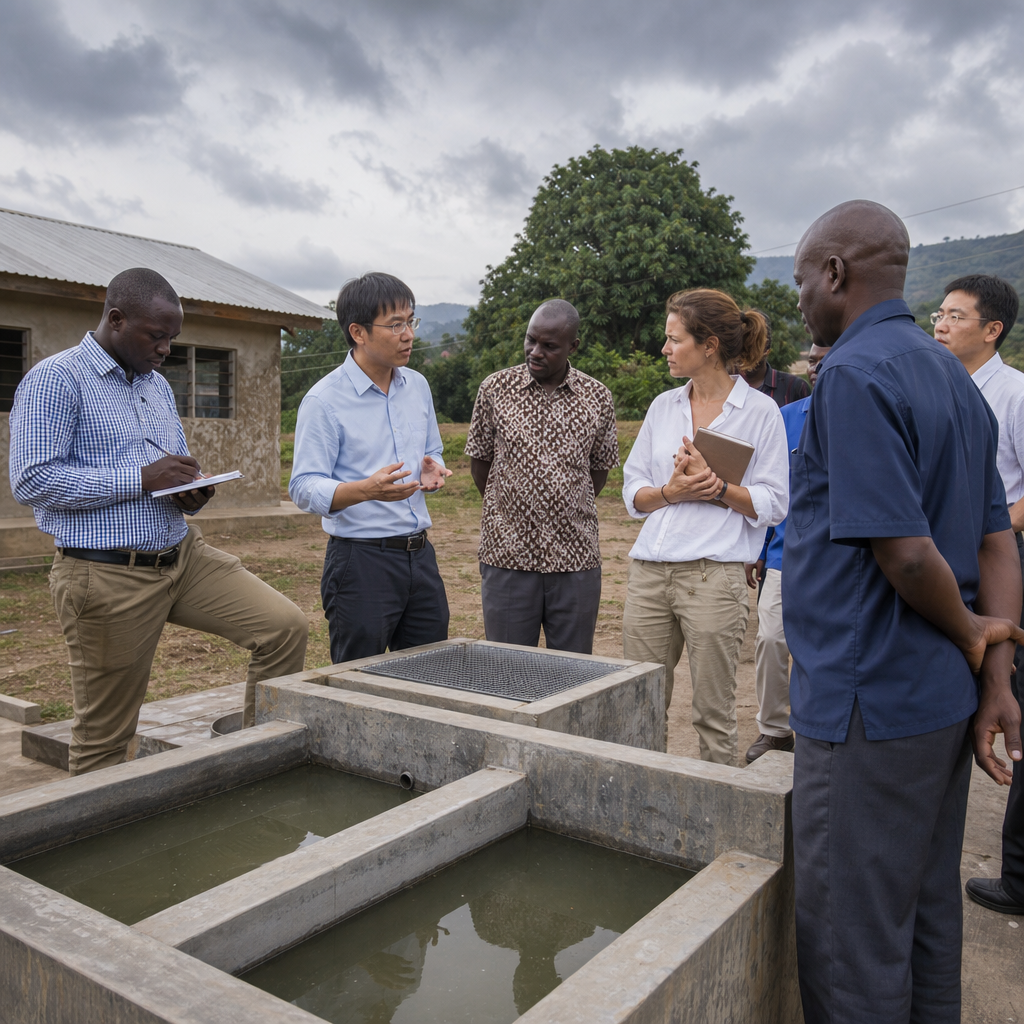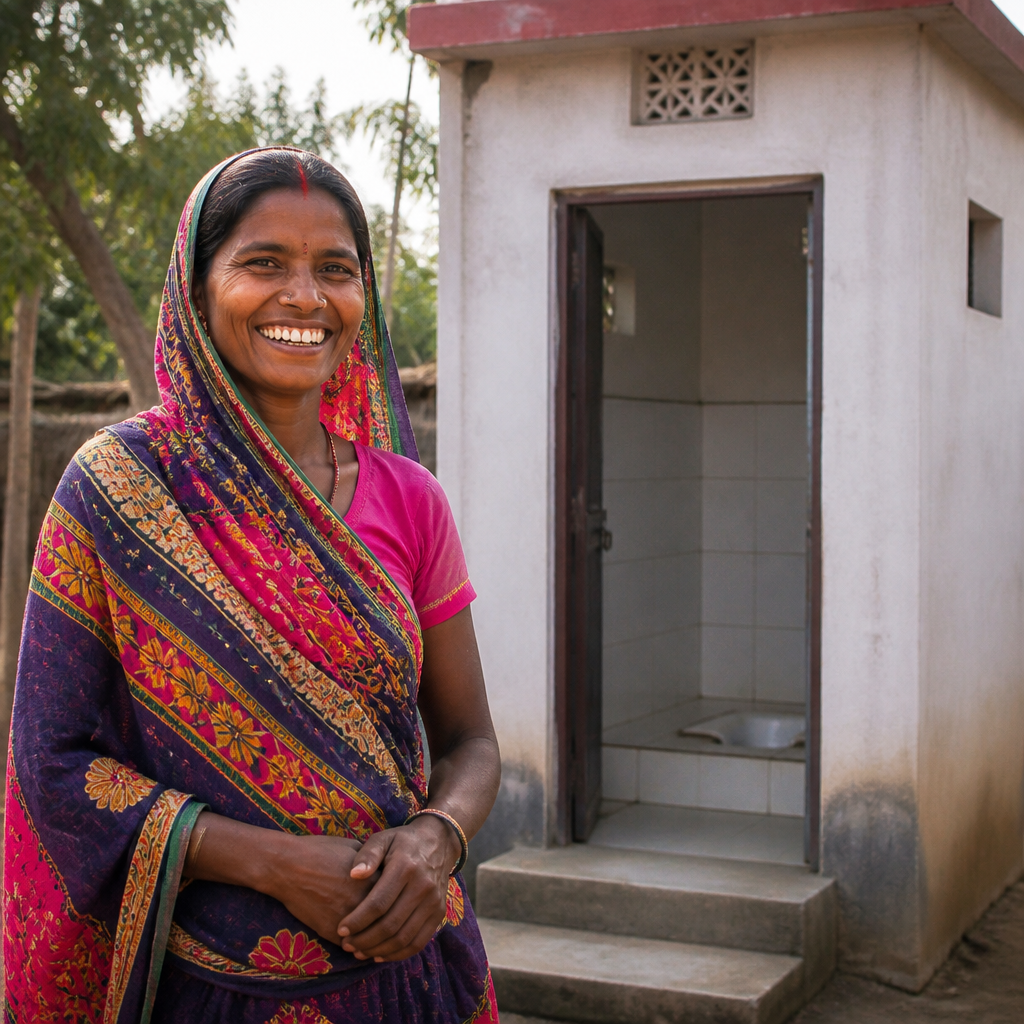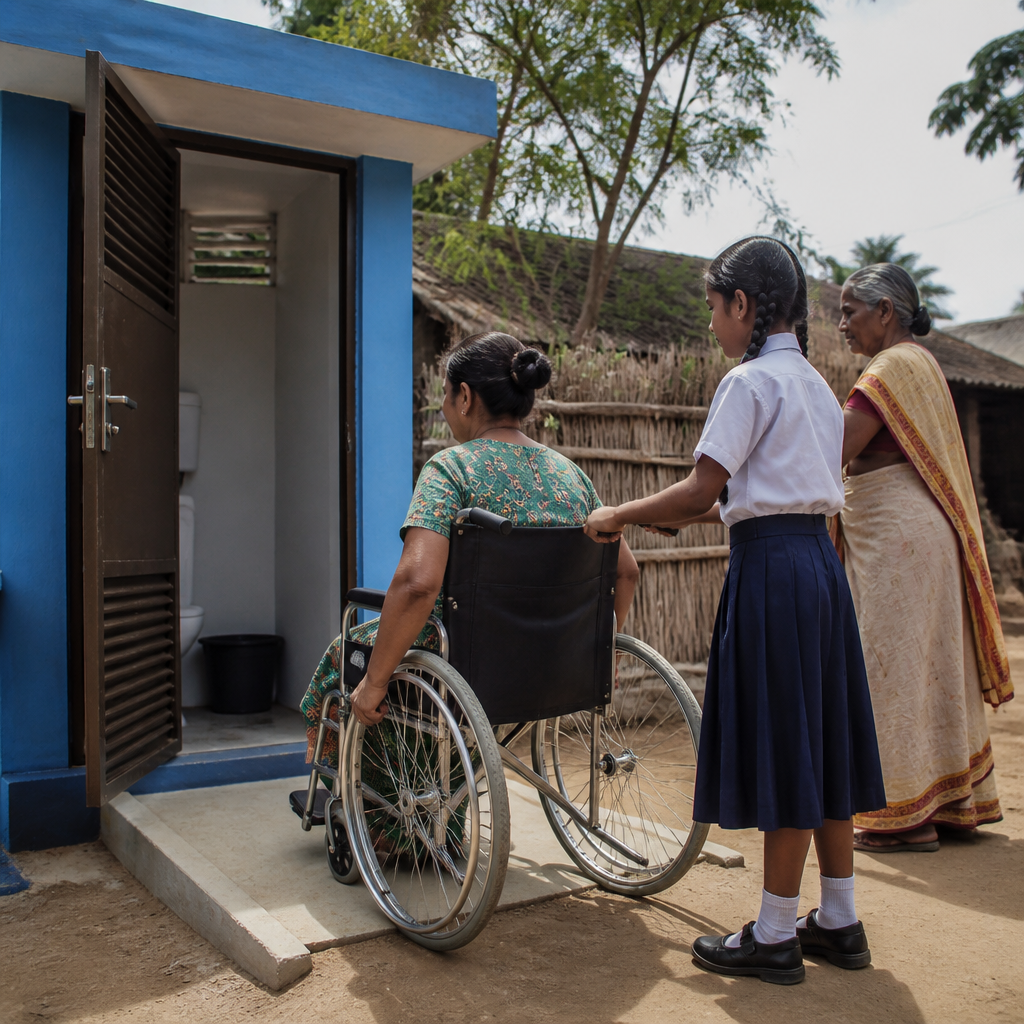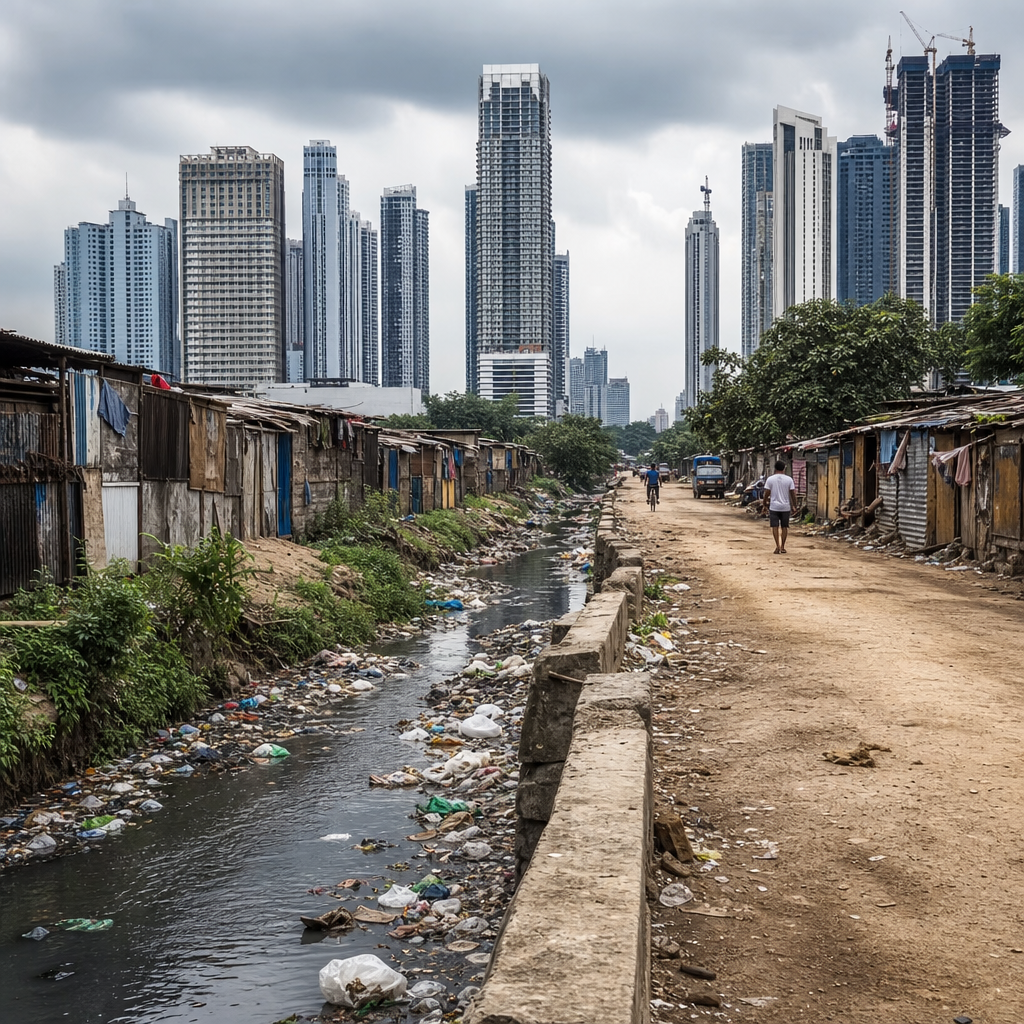
Urbanization is reshaping sanitation services faster than most cities can plan, finance, and build them. As people move from rural areas into towns and metropolitan regions, the systems that manage toilets, wastewater, drainage, solid waste, and public hygiene face intense pressure. The impact of urbanization on sanitation services is not only a technical issue; it is a public health, environmental, economic, and governance challenge that sits at the center of broader global development. In fast-growing cities, sanitation gaps can spread disease, contaminate water sources, reduce school attendance, weaken productivity, and deepen inequality. In well-managed cities, however, urban growth can create the density, tax base, and institutional momentum needed to expand safe sanitation at scale.
Sanitation services include the full chain: access to toilets, containment of excreta, emptying, transport, treatment, reuse, and safe disposal. That full-chain view matters because a toilet alone does not equal safe sanitation. The World Health Organization and UNICEF Joint Monitoring Programme distinguish between improved facilities and safely managed sanitation, with the latter requiring that waste be safely contained and treated or removed off-site for treatment. In many urban areas, especially informal settlements, households may have a latrine or septic tank but no reliable desludging service, no treatment plant capacity, and no regulated disposal route. That gap is where many sanitation failures begin.
I have seen this pattern repeatedly in rapidly expanding cities: housing appears long before trunk sewers, drainage, treatment works, land records, or utility staffing catch up. Urbanization concentrates people, but it also concentrates risk. Shared toilets become overused, septic tanks are built too small, pit latrines flood during storms, and untreated sewage enters canals and rivers. The result is familiar across regions from South Asia to Sub-Saharan Africa to Latin America: recurring outbreaks of diarrheal disease, polluted urban waterways, methane emissions from unmanaged waste, and mounting costs for health systems and local governments. Understanding how urbanization changes sanitation demand is the starting point for solving these problems.
Why urban growth strains sanitation systems
Urbanization increases sanitation demand in three ways at once: more people, higher density, and more complex waste flows. A rural settlement can often rely on on-site systems with space for soak pits or household latrines. In dense urban neighborhoods, the same approach may fail because plots are small, groundwater is shallow, and buildings are packed tightly together. When population density rises beyond the design assumptions of pits or septic systems, waste accumulates faster than it can be safely contained. This is why dense cities need either high-quality fecal sludge management, sewer networks where appropriate, or hybrid approaches that match neighborhood conditions.
Migration patterns also matter. Many cities grow through peri-urban expansion, where agricultural land is converted into housing before municipal boundaries, service standards, and budgets are updated. These fringe areas often fall into administrative blind spots. Residents may not qualify for utility connections, landlords may build unregulated sanitation systems, and roads may be too narrow for vacuum trucks. In practical terms, that means waste is more likely to be dumped into drains, vacant land, or waterways. The sanitation crisis in such areas is usually not a single failure but a chain of disconnected responsibilities.
Climate stress amplifies the impact of urbanization on sanitation services. Heavier rainfall overwhelms combined sewers, floods pit latrines, and spreads fecal contamination into homes and streets. Water scarcity creates a different problem: flush systems become unreliable, sewer blockages increase, and treatment performance drops. Coastal cities face saline intrusion and sea-level rise that can damage buried infrastructure and contaminate shallow aquifers. Sanitation planning that ignores climate conditions will underperform, even if coverage rates look acceptable on paper.
The most common urban sanitation challenges
Urban sanitation challenges are usually described as infrastructure deficits, but the reality is broader. Land tenure is a major barrier. In informal settlements, utilities often hesitate to invest where legal land status is unclear, yet residents still need safe services immediately. Financing is another constraint. Sewer systems require high capital expenditure, long construction timelines, and consistent operation and maintenance budgets. On-site systems can be cheaper initially, but they still need regulated emptying, treatment sites, and enforcement. Governance fragmentation is equally serious. Water utilities, municipalities, health departments, environmental regulators, and private desludging operators may each control part of the sanitation chain without a single accountable lead agency.
Equity is central to this discussion. Women, children, older adults, and people with disabilities bear disproportionate harm when sanitation fails. Shared toilets without lighting or locks increase safety risks. Schools without adequate toilets reduce attendance, especially for girls during menstruation. Health clinics without reliable water and sanitation compromise infection prevention. In low-income settlements, households may pay more per liter for water and more per use for toilet access than wealthier residents connected to subsidized networks. Urbanization can therefore widen service inequality unless planning explicitly targets underserved communities.
Data quality remains a persistent weakness. Citywide sanitation planning often relies on outdated census figures, incomplete utility maps, or broad assumptions about septic tank performance. In my experience, one of the quickest ways to improve decisions is to map the full service chain neighborhood by neighborhood: who has what type of toilet, where sludge goes, which drains overflow, where treatment plants actually function, and where private operators work. Tools such as GIS mapping, remote sensing, and digital desludging logs can reveal service gaps that aggregate city statistics hide.
Service models cities use to respond
No single sanitation model works for every city. Sewerage is effective in dense cores with sufficient water supply, financing, technical capacity, and treatment infrastructure. Cities such as Singapore and many European municipalities show what integrated sewerage and treatment can achieve when governance is strong. Yet full sewer expansion is often unrealistic across entire low- and middle-income cities in the short term. The capital cost per household can be prohibitive, especially where settlements are unplanned and roads are narrow.
That is why many successful cities use mixed systems. Simplified sewers, settled sewers, communal sanitation blocks, container-based sanitation, septic tanks, and pit latrines with professional emptying all have roles when selected carefully. Fecal sludge management has become especially important in African and Asian cities where most residents depend on on-site sanitation. A functioning system includes licensed emptying providers, transfer stations where needed, treatment plants designed for sludge characteristics, tipping fee structures, and enforcement against illegal dumping. When those pieces align, cities can improve public health quickly without waiting decades for full sewer coverage.
The comparison below shows how common urban sanitation approaches differ in cost, operational needs, and suitability.
| Service model | Best fit | Main strengths | Main limitations |
|---|---|---|---|
| Conventional sewerage | Dense formal urban cores | High user convenience; centralized treatment possible | Very high capital cost; needs water, energy, and strong utility management |
| Simplified or condominial sewers | Dense low-income areas with organized layouts | Lower cost than conventional sewers; adaptable to community layouts | Requires maintenance discipline and local acceptance |
| Septic tanks with desludging | Medium-density neighborhoods | Lower upfront network cost; flexible deployment | Performance depends on proper design, emptying, and treatment access |
| Container-based sanitation | Informal settlements, flood-prone zones | Works where pits and sewers are impractical; service can scale quickly | Needs strong logistics, user payment systems, and safe transfer chain |
| Communal or public toilets | High-transit zones and very dense settlements | Useful where household toilets are impossible initially | Often poor quality without clear maintenance and accountability |
Public health, environmental, and economic impacts
The public health case for better sanitation is direct and well established. Unsafe sanitation contributes to diarrheal disease, cholera, typhoid, intestinal worm infections, and stunting linked to repeated enteric exposure. Urban outbreaks spread quickly because density shortens the pathway between contamination and contact. During heavy rains, overflowing drains and mixed stormwater-sewage systems carry pathogens into markets, schools, and homes. Wastewater exposure also affects sanitation workers, who often operate without adequate protective equipment, vaccination, insurance, or formal labor protections.
Environmental damage is equally significant. Untreated wastewater degrades rivers, lakes, and coastal ecosystems, increases biochemical oxygen demand, drives eutrophication, and harms fisheries and biodiversity. Poorly managed sludge can release methane and nitrous oxide, adding to greenhouse gas emissions. In water-stressed regions, untreated discharges also reduce the future supply of usable water. By contrast, wastewater and sludge can be valuable resources when cities invest in treatment and reuse. Biogas recovery, compost, nutrient recycling, and reclaimed water for industry or landscaping can improve financial sustainability, though reuse must meet health and quality standards.
The economic costs of inadequate sanitation are broader than utility budgets. Households lose income through illness, caregiving time, transport to distant toilets, and damaged property after flooding. Businesses face lower productivity and reputational risk when surrounding environments are polluted. Cities lose tourism value and spend more on emergency drainage clearance, disease control, and environmental remediation. The World Bank and other institutions have repeatedly found that poor sanitation imposes substantial losses as a share of national GDP in many countries. Investment in sanitation is therefore not a social expense alone; it is core economic infrastructure.
What effective citywide sanitation planning looks like
Addressing global sanitation challenges in cities requires citywide inclusive sanitation, a planning approach now backed by organizations such as the World Bank, the Bill & Melinda Gates Foundation, and the CWIS partnership. The key idea is simple: focus on outcomes for everyone across the full sanitation chain, rather than assuming one technology will solve all neighborhoods. In practice, that means combining infrastructure investment with regulation, service contracts, behavior change, land-use planning, and clear institutional accountability. It also means counting tenants, informal residents, and users of shared facilities, not only formal property owners.
Effective plans start with service diagnostics. Cities need baseline data on population growth, settlement patterns, groundwater conditions, flood risk, toilet access, sludge flows, treatment performance, and affordability. They then need zoning that matches technology to context. For example, a flood-prone informal settlement may need raised toilets and container-based collection, while a planned apartment district may justify decentralized wastewater treatment or sewers. Tariff design should protect low-income users while funding operations. Regulation should license operators, set discharge and emptying standards, and define penalties that are actually enforced. Procurement should reward service quality, not just lowest capital cost.
Institutional leadership is decisive. The strongest sanitation improvements I have seen came when one agency was given authority to coordinate utility operations, fecal sludge services, drainage interfaces, and treatment performance with public reporting. Cities also benefit from routine asset management, preventive maintenance, and customer feedback systems. Digital work-order platforms, scheduled desludging programs, and laboratory monitoring make sanitation more predictable and less reactive. If your organization is exploring related issues, this hub should connect naturally to deeper pages on wastewater treatment, informal settlement upgrading, climate-resilient infrastructure, financing models, hygiene behavior, and sanitation workforce safety.
The path forward for rapidly urbanizing regions
The impact of urbanization on sanitation services will intensify as cities continue to grow, especially in Africa and Asia, where much of the world’s urban expansion is expected this century. The right response is neither blind faith in mega-infrastructure nor acceptance of low-quality stopgaps. Cities need phased, evidence-based sanitation strategies that prioritize health protection now while building long-term resilience. That means investing in mixed service models, protecting vulnerable communities, strengthening utilities and regulators, and treating sanitation as essential urban infrastructure rather than a secondary afterthought.
The most important takeaway is that safe sanitation depends on the entire service chain working together. Toilets, sewers, desludging trucks, transfer stations, treatment plants, drainage systems, data platforms, and governance rules are parts of one urban system. When one link fails, contamination spreads through the rest. When cities plan inclusively and manage services professionally, urbanization can become an opportunity to extend safe sanitation to millions more people. Use this hub as your starting point, then explore the connected topics needed to design, finance, and deliver sanitation systems that keep growing cities healthy, productive, and resilient.
Frequently Asked Questions
1. How does rapid urbanization affect sanitation services in growing cities?
Rapid urbanization puts sanitation systems under pressure because population growth often happens faster than infrastructure planning, financing, and construction. As more people move into cities, the demand for toilets, sewer connections, wastewater treatment, stormwater drainage, solid waste collection, and public hygiene facilities rises sharply. In many cases, urban authorities are forced to serve expanding populations with systems that were designed for much smaller communities. This leads to overloaded sewers, inadequate fecal sludge management, unsafe wastewater disposal, more frequent flooding, and service gaps in low-income or informal neighborhoods.
Urban growth also changes the physical layout of cities. High-density settlements, unplanned housing, and informal developments can make it difficult to install conventional sanitation infrastructure. Narrow roads, insecure land tenure, and limited space for treatment facilities can slow or block service expansion. At the same time, climate-related stresses such as heavier rainfall and heat can worsen sanitation failures by overwhelming drainage systems and increasing contamination risks. In practical terms, the impact of urbanization on sanitation services is not just about needing more toilets or pipes. It is about managing a much more complex urban environment where public health, land use, engineering, governance, and affordability all intersect.
2. Why is sanitation considered a major public health issue in urban areas?
Sanitation is a major public health issue in cities because when human waste, wastewater, and solid waste are not safely contained, collected, treated, and disposed of, disease can spread quickly through dense populations. Urban areas concentrate people, businesses, schools, transport hubs, and markets into relatively small spaces. If sanitation systems fail, contamination can move through water supplies, floodwaters, open drains, food systems, and shared public spaces. This increases the risk of diarrheal diseases, cholera, typhoid, intestinal infections, and other illnesses linked to poor hygiene and unsafe waste management.
The health impacts are especially severe in informal settlements and underserved neighborhoods, where residents may rely on shared toilets, poorly maintained pits, open drains, or illegal waste dumping. Children, older adults, and people with weakened immune systems are particularly vulnerable. Poor sanitation also contributes to broader health burdens by encouraging mosquito breeding in blocked drains, increasing exposure to harmful chemicals and pathogens, and creating unhealthy living conditions that affect nutrition, school attendance, and productivity. In other words, sanitation is not a separate urban service operating in isolation. It is one of the foundational systems that protects community health, reduces healthcare costs, and supports safer, more resilient cities.
3. What are the biggest sanitation challenges in informal settlements and low-income urban communities?
Informal settlements and low-income urban communities often face the most serious sanitation challenges because they are frequently excluded from formal infrastructure investment even as they absorb a large share of urban population growth. Many of these neighborhoods lack sewer networks, reliable drainage, regular waste collection, and sufficient household toilets. Residents may depend on shared sanitation facilities that are overcrowded, unsafe for women and girls, poorly lit, or not maintained. In some cases, people resort to open defecation, plastic-bag disposal, or discharging wastewater into nearby drains and waterways simply because no safer option exists.
These challenges are rarely caused by technology alone. They are also tied to poverty, insecure land tenure, weak local governance, and limited political representation. Service providers may hesitate to invest in areas where property rights are unclear or where roads are too narrow for vacuum trucks and waste collection vehicles. Even when solutions exist, affordability remains a barrier, since connection fees, user charges, and maintenance costs can be too high for vulnerable households. Effective responses usually require a mix of approaches, including simplified sewer systems, decentralized treatment, container-based sanitation, improved fecal sludge management, better drainage, and stronger community engagement. The most successful strategies recognize that sanitation in low-income urban areas must be practical, inclusive, safe, and financially sustainable rather than based only on traditional citywide sewer expansion.
4. How does urbanization influence wastewater management, drainage, and environmental quality?
Urbanization has a direct effect on wastewater management and drainage because it increases water use, sewage generation, and the amount of paved land that prevents rainwater from soaking into the ground. As cities grow, more wastewater is produced by households, industries, institutions, and commercial activities. If collection and treatment systems do not expand at the same pace, untreated or partially treated wastewater may be discharged into rivers, lakes, wetlands, or coastal waters. This can damage ecosystems, contaminate drinking water sources, reduce biodiversity, and increase exposure to harmful pathogens and pollutants.
Drainage systems also come under stress as urban expansion replaces natural surfaces with roads, rooftops, and concrete. This increases runoff and raises the risk of urban flooding, especially where drains are undersized, poorly maintained, or clogged with solid waste. Flooding can mix stormwater with sewage, spreading contamination through homes, streets, schools, and public spaces. The environmental consequences can be long lasting, including soil pollution, degraded waterways, foul odors, and reduced quality of life. Strong urban sanitation planning must therefore include integrated wastewater treatment, stormwater management, drain maintenance, pollution control, and land-use planning. Cities that treat sanitation and drainage as part of a broader environmental system are much better positioned to protect public health and natural resources while adapting to rapid growth.
5. What can cities do to improve sanitation services as urban populations continue to grow?
Cities can improve sanitation services under rapid urban growth by moving from reactive, piecemeal responses to long-term, integrated planning. That starts with understanding where growth is happening, which communities are underserved, and how waste actually moves through the city from containment to collection, transport, treatment, reuse, or disposal. Authorities need accurate data, realistic investment strategies, and clear institutional responsibilities. In many cases, this means combining sewered and non-sewered sanitation solutions rather than assuming one model will work everywhere. Dense urban cores may benefit from sewer expansion, while peri-urban areas and informal settlements may need decentralized treatment, fecal sludge management systems, and adaptable service models.
Financing and governance are just as important as engineering. Cities need sustainable funding for construction, operations, maintenance, and upgrading, as well as regulations that support safe service delivery across both formal and informal areas. Partnerships with utilities, local governments, community groups, and private operators can help close service gaps, especially when accountability and service standards are clear. Public education also matters because household behavior, hygiene practices, and willingness to use and maintain facilities influence system performance. Ultimately, improving sanitation in urbanizing areas requires inclusive planning, equitable investment, climate resilience, and a public health mindset. Cities that act early and strategically can reduce disease risks, protect the environment, and create healthier urban futures for all residents.