EcoSan in conflict zones addresses one of the hardest public health problems in fragile contexts: how to provide safe sanitation when water systems fail, infrastructure is damaged, and displacement happens faster than conventional toilets can be built. Ecological sanitation, often shortened to EcoSan, is an approach that treats human waste as a resource to be safely contained, processed, and, where feasible, reused rather than flushed away. In stable settings, that can mean urine-diverting dry toilets, composting systems, and decentralized treatment. In conflict zones, the idea must be adapted for insecurity, rapid deployment, and extreme operational constraints.
This matters because sanitation is never just about toilets. It is about disease prevention, dignity, gender safety, environmental protection, and whether a camp, collective shelter, or damaged urban neighborhood can function without repeated outbreaks of diarrhea, cholera, hepatitis E, and parasitic infection. The World Health Organization and UNICEF’s Joint Monitoring Programme has repeatedly shown that unsafe sanitation remains a major driver of preventable illness, especially where water, hygiene, and health services are disrupted at the same time. In emergencies, fecal contamination spreads quickly through shallow groundwater, floodwater, food handling chains, and crowded living conditions.
I have worked on sanitation planning for low-resource and emergency-adjacent settings, and the same lesson appears every time: systems fail when they depend on assumptions that do not hold under pressure. Flush toilets assume reliable water. Sewer networks assume power, pumping, spare parts, and access for repair crews. Even pit latrines assume suitable soil, enough space, and security for excavation and desludging. Conflict removes those assumptions. Roads close, fuel disappears, treatment plants are shelled, and municipal staff flee. Sanitation choices must therefore be low-water, modular, repairable, and realistic about who will operate them.
As a hub article on addressing global sanitation challenges, this page connects the conflict-zone use case to the broader sanitation agenda. The central questions are practical: What sanitation options work when institutions are weak? How can agencies reduce disease without creating long-term waste hazards? What standards guide decisions in camps, host communities, schools, clinics, and informal urban settlements? And where does EcoSan fit alongside pit latrines, container-based sanitation, septic systems, fecal sludge management, and sewer rehabilitation? The answer is not that one model fits all. The answer is that ecological sanitation offers a valuable set of principles for fragile contexts when applied with careful design, community engagement, and strong public health controls.
Why sanitation becomes a crisis multiplier in fragile contexts
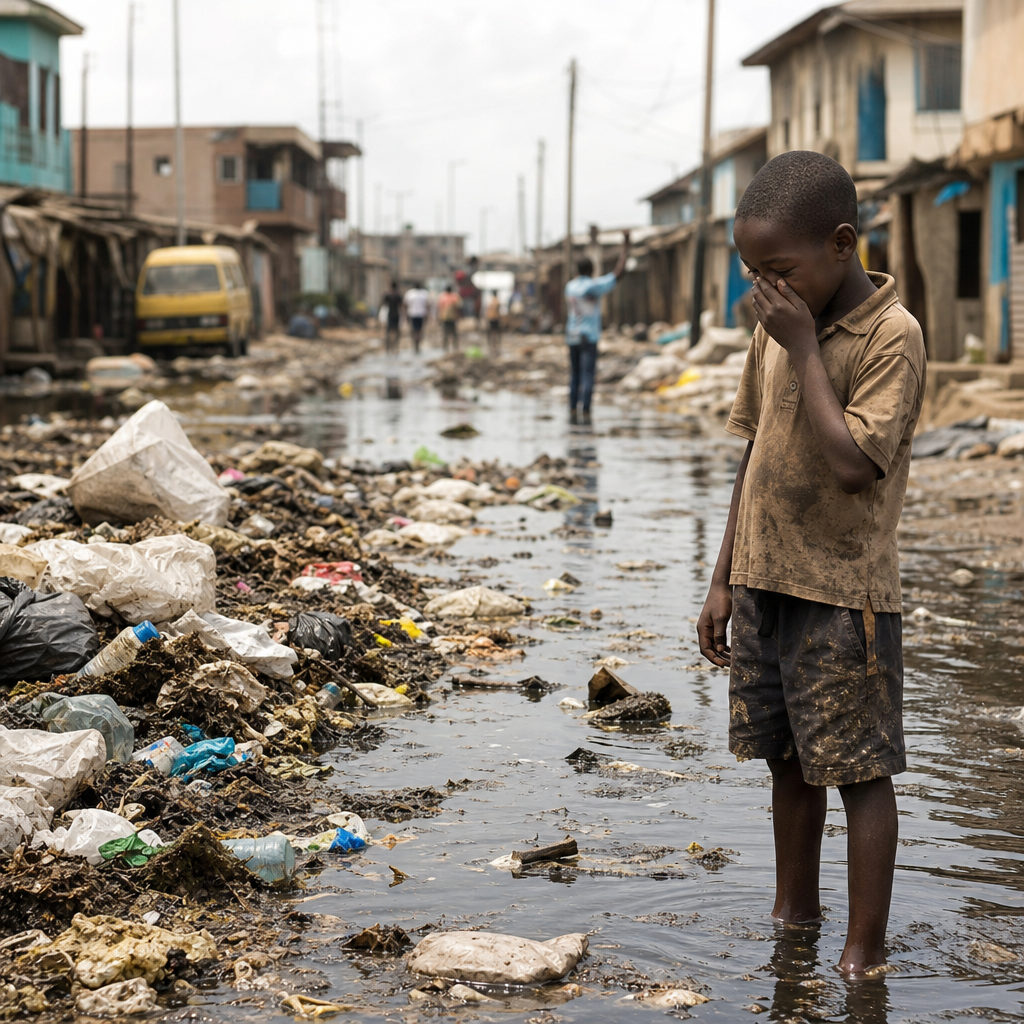
Conflict magnifies every sanitation risk at once. Population displacement concentrates thousands of people into schools, unfinished buildings, and camps with no drainage, no waste collection, and little privacy. Health systems struggle to diagnose and contain waterborne disease. Women and girls may avoid using unsafe facilities at night, increasing risks of urinary tract infection, dehydration, and gender-based violence. Children face the highest burden because repeated exposure to fecal pathogens contributes not only to acute diarrhea but also to undernutrition and impaired development.
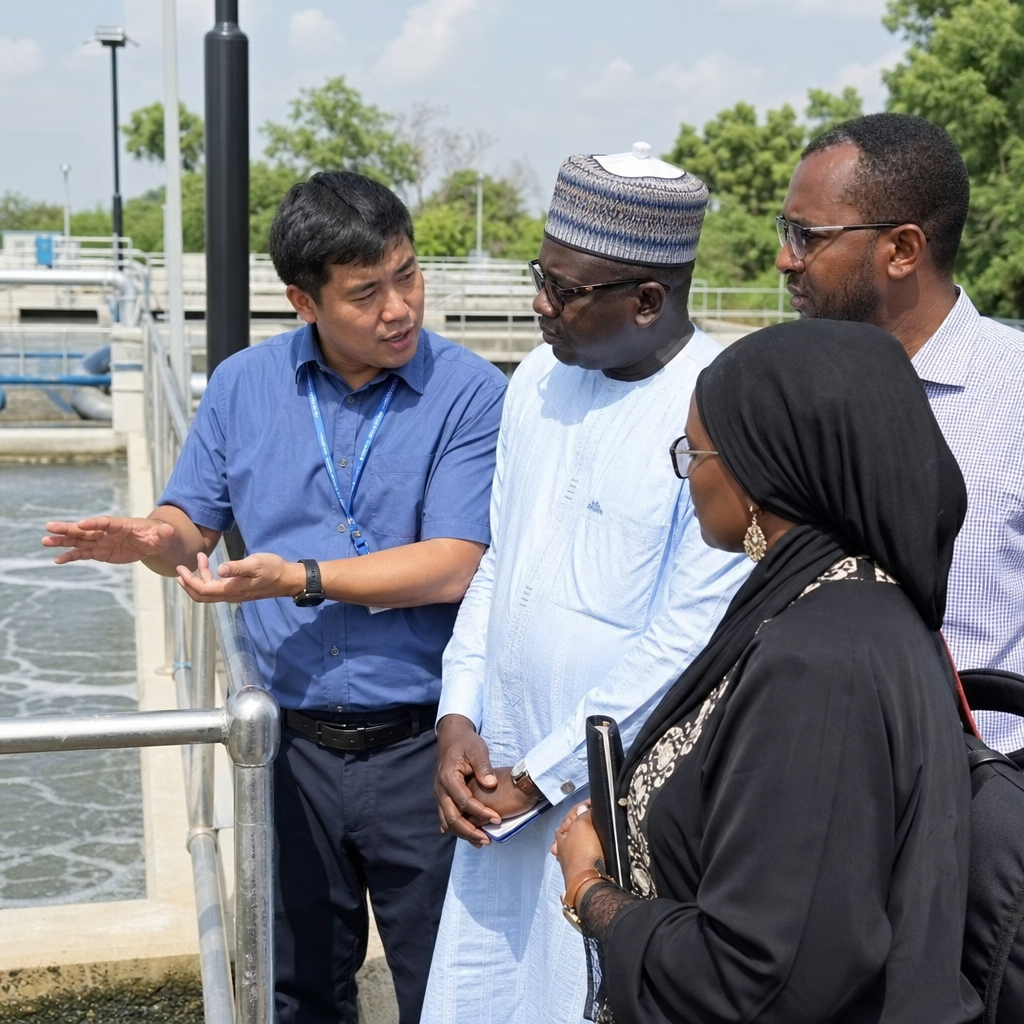
Urban conflict creates a distinct sanitation emergency. In cities, people may still live in damaged apartments connected to broken sewers that leak into streets and basements. Pumps stop when electricity fails. Wastewater treatment plants can be overwhelmed or inaccessible. In these settings, the sanitation challenge is not merely toilet access; it is the collapse of the entire service chain from containment to transport to treatment to final disposal. A household can have a toilet and still live amid a sanitation disaster if the downstream system has failed.
Standards from the Sphere Handbook remain essential here. Emergency sanitation planning should aim for rapid, equitable access, separation of excreta from human contact, handwashing facilities, menstrual hygiene support, and safe management across the whole chain. The key operational point is speed with quality. Poorly sited latrines near water points, overflowing pits, or inaccessible toilets for older adults can turn a response into a secondary hazard. Sanitation in fragile contexts is therefore a systems problem, not a hardware procurement exercise.
What EcoSan means in conflict zones
EcoSan in conflict settings is best understood as a family of approaches built around source separation, minimal water use, decentralized treatment, and reduced dependence on sewerage. The most relevant models include urine-diverting dry toilets, raised container-based units, composting or dehydration toilets where conditions allow, and hybrid systems that combine emergency containment with later treatment or reuse. The goal is immediate health protection first, with resource recovery considered only when safety, acceptance, and logistics make it possible.
Urine diversion is especially important because it reduces moisture in fecal chambers, lowers odor, improves user experience, and can simplify treatment. In dry systems, ash, lime, or dry cover material helps suppress flies and reduce smell. In flood-prone or rocky terrain, raised toilets with removable containers can outperform pits because they avoid groundwater contamination and do not require excavation. In siege-like conditions where fuel and vacuum trucks are unavailable, container-based service models can preserve access if collection routes are secured and treatment is localized.
However, EcoSan is not automatically the best choice everywhere. In high-density camps with little management capacity, poorly supervised dry toilets can become unusable quickly. Composting requires time, temperature control, moisture management, and trained operation. Reuse of treated excreta in agriculture may be impossible where land is mined, movement is restricted, or public trust is low. The strength of EcoSan is resilience and decentralization; its weakness is that success depends on disciplined operation, user education, and a complete plan for by-products.
Choosing the right sanitation system under conflict constraints
Decision-making should start with constraints, not preferences. Planners need to assess water availability, groundwater depth, soil stability, flood risk, settlement density, security of access, desludging options, local construction skills, cultural practices, and expected duration of displacement. A camp intended for three months may need a different solution than a host settlement likely to function for five years. Health facility sanitation, school sanitation, and household sanitation also have different performance requirements.
The table below summarizes how common options compare in fragile contexts. The best system is the one that can be safely operated for the full service chain, not the one that looks most familiar on paper.
| System | Best use case | Main advantages | Main limitations |
|---|---|---|---|
| Trench or simple pit latrines | Very rapid onset emergencies with available land | Fast to construct, low upfront cost, familiar to responders | Groundwater risk, poor performance in floods or rock, difficult desludging |
| Raised latrines | High water table, flood zones, dense camps | Reduces contamination risk, can be prefabricated | Requires materials, stable superstructure, regular emptying |
| Urine-diverting dry toilets | Water-scarce settings with trained management | Low water use, odor control, decentralized treatment potential | User training essential, handling streams separately adds complexity |
| Container-based sanitation | Urban displacement, insecure access, no excavation possible | Controlled containment, flexible placement, service-based model | Needs reliable collection, transfer, and treatment logistics |
| Septic tanks | Semi-stable facilities like clinics or host institutions | Familiar technology, useful where water is available | Needs desludging, effluent management, and watertight construction |
| Sewer rehabilitation | Damaged cities with recoverable networks | High long-term service potential at scale | Slow, expensive, power dependent, vulnerable to renewed damage |
In practice, mixed models often work best. I have seen camp perimeters use emergency trench solutions in week one, transition to raised shared units by month two, and then add container-based services for people with disabilities or areas inaccessible to excavators. That phased approach reflects a reality humanitarian teams know well: sanitation systems must evolve as settlements stabilize, seasons change, and disease risks become clearer.
Public health, protection, and community acceptance
Any sanitation intervention in a conflict zone fails if people do not use it consistently and safely. Community acceptance depends on privacy, lighting, distance, cleanliness, cultural norms around anal cleansing, and whether facilities are segregated or designed for family use. It also depends on whether users understand the system. Dry toilets without clear instructions often fail because people add water, dispose of solid waste in vaults, or avoid separate urine channels they do not trust.
Protection concerns must be designed in from the start. Toilets should be close enough to dwellings to be reached safely, but not so close that odors and insects become intolerable. Internal locks, gender-sensitive layout, menstrual hygiene disposal, child-friendly seats, and accessibility rails materially improve use. In many responses, the sanitation team and protection team should plan together rather than sequentially. A technically sound toilet placed in an unsafe location is not a successful sanitation outcome.
Risk communication is equally important. When EcoSan includes treatment and possible reuse, agencies must explain pathogen reduction clearly. Standards from WHO on safe use of wastewater, excreta, and greywater provide a useful framework: multiple barriers, defined treatment targets, and restricted use where uncertainty remains. In fragile contexts, that usually means prioritizing safe containment and treatment over ambitious reuse messaging. Communities are more likely to trust a system that first proves clean, functional, and respectful.
Operations, fecal sludge management, and treatment pathways
The hardest part of sanitation is rarely the toilet itself. It is the service chain behind it. Fecal sludge management includes containment, emptying, transport, treatment, and final disposal or reuse. In conflict zones, each link can break. Vacuum trucks may not reach sites because roads are blocked or shelling is active. Disposal lagoons may be too far away. Staff may lack personal protective equipment. If planners do not map the full chain before installation, facilities can become hazardous within weeks.
EcoSan can reduce some of this pressure by minimizing liquid volumes and creating separate waste streams, but it does not eliminate management needs. Urine requires storage or controlled disposal. Fecal solids require drying, composting, co-composting, alkaline treatment, or transport to a designated treatment site. Container-based models require cleaning protocols, route planning, and occupational health measures. The Sanitation Safety Planning approach promoted by WHO is valuable because it forces teams to identify hazards and control measures from toilet to end use or disposal.
Examples from protracted crises show that decentralized treatment can be more realistic than restoring large centralized systems quickly. Small-scale drying beds, lined sludge treatment units, and transfer stations can stabilize waste where full wastewater plants are offline. In cholera-prone settings, lime treatment, chlorine for surfaces, and strict hand hygiene become more important, though chlorine is not a substitute for proper excreta treatment. The operational rule is simple: build only what you can empty, treat, and monitor safely.
From emergency response to long-term resilience
Conflict sanitation planning should not stop at immediate outbreak control. Many fragile settings remain displaced for years, and temporary toilets often last far beyond their design life. A sound hub strategy for addressing global sanitation challenges therefore links emergency WASH response to municipal recovery, climate resilience, and local livelihoods. EcoSan contributes by offering decentralized options that can later be integrated into schools, health posts, peri-urban settlements, and water-scarce communities where sewer expansion is unrealistic.
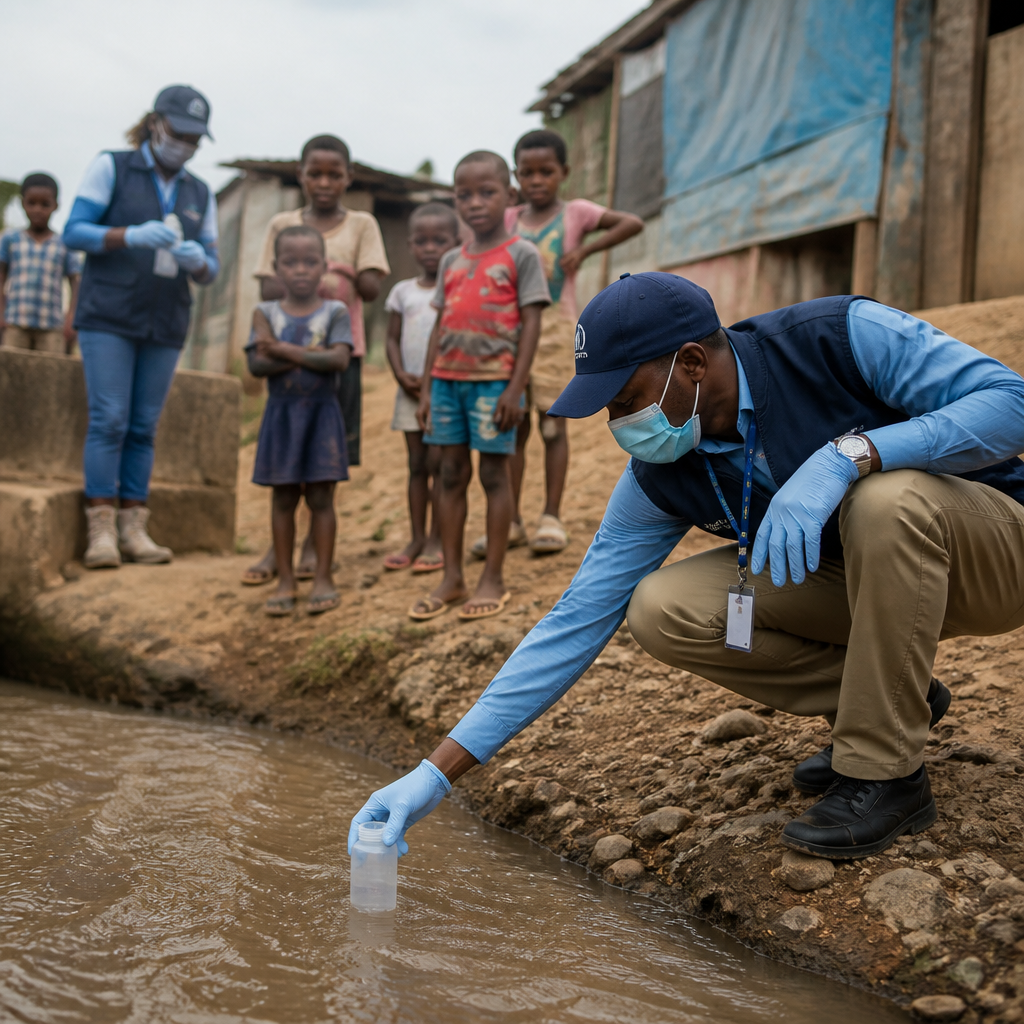
Long-term success depends on institution building as much as technology. Local authorities, utilities, camp managers, and community committees need clear roles for cleaning, fee collection where appropriate, spare parts supply, and monitoring. Data matters. Agencies should track usage rates, fill levels, desludging intervals, handwashing functionality, groundwater quality, and disease trends. Digital tools such as KoboToolbox, mWater, and GIS-based service maps can improve accountability and route planning even in insecure environments.
The wider lesson for global sanitation is that fragile contexts expose the weaknesses of conventional models and accelerate practical innovation. Container-based services in dense informal areas, urine diversion in water-stressed regions, and decentralized sludge treatment are not niche ideas anymore. They are part of a broader toolkit for achieving safe sanitation where water is scarce, land is constrained, and institutions are under strain. If designed well, lessons from conflict zones can improve sanitation planning far beyond emergencies.
EcoSan in conflict zones is not a silver bullet, but it is a serious, adaptable response to one of the world’s most urgent sanitation challenges. It works best when responders start with public health outcomes, assess the entire service chain, and match technology to local constraints rather than importing standard designs. The strongest options are usually low-water, modular, easy to maintain, and backed by clear user guidance and trained operators.
For practitioners, the priority is straightforward: protect people from contact with fecal waste today while building systems that can still function tomorrow. That means combining emergency standards, decentralized treatment, safe fecal sludge management, and protection-focused design. It also means recognizing tradeoffs honestly. Some settings need pits, some need containers, some need repaired sewers, and many need a phased mix. EcoSan adds resilience, especially where water is unreliable and centralized infrastructure has failed.
As the hub for addressing global sanitation challenges, this article points to the core principle that should guide every related topic: sanitation succeeds only when containment, behavior, operations, and governance are planned together. Use that principle to evaluate every camp layout, urban recovery plan, school upgrade, or health facility intervention you review next. When fragile contexts are approached with that level of discipline, sanitation can shift from a crisis multiplier to a foundation for health, dignity, and recovery.
Frequently Asked Questions
What is EcoSan, and why is it relevant in conflict zones?
Ecological sanitation, or EcoSan, is a sanitation approach that focuses on safely containing, treating, and managing human waste as a resource rather than relying on water-intensive flushing systems and centralized sewer networks. In conflict zones, this matters because conventional sanitation systems often break down quickly. Water supplies may be interrupted, pumps and pipes may be damaged, fuel for desludging trucks may be unavailable, and displacement can create urgent sanitation needs long before permanent infrastructure can be established.
EcoSan is especially relevant in fragile contexts because it can be adapted to low-water or no-water conditions, deployed in decentralized ways, and designed for rapid installation. Instead of depending on fragile utility systems, many EcoSan options use dry or near-dry containment, source separation, and on-site or localized treatment processes. This makes them practical in camps, informal settlements, damaged urban neighborhoods, and remote areas where access is limited or security conditions are unstable.
Just as importantly, EcoSan supports public health protection in emergencies by reducing open defecation, limiting environmental contamination, and creating safer pathways for waste handling. In conflict settings, the goal is not simply to introduce a new toilet technology. It is to create a sanitation system that can keep functioning under stress, protect vulnerable communities from disease, and remain manageable when roads, institutions, and services are disrupted.
How does EcoSan work when water systems have failed or are unreliable?
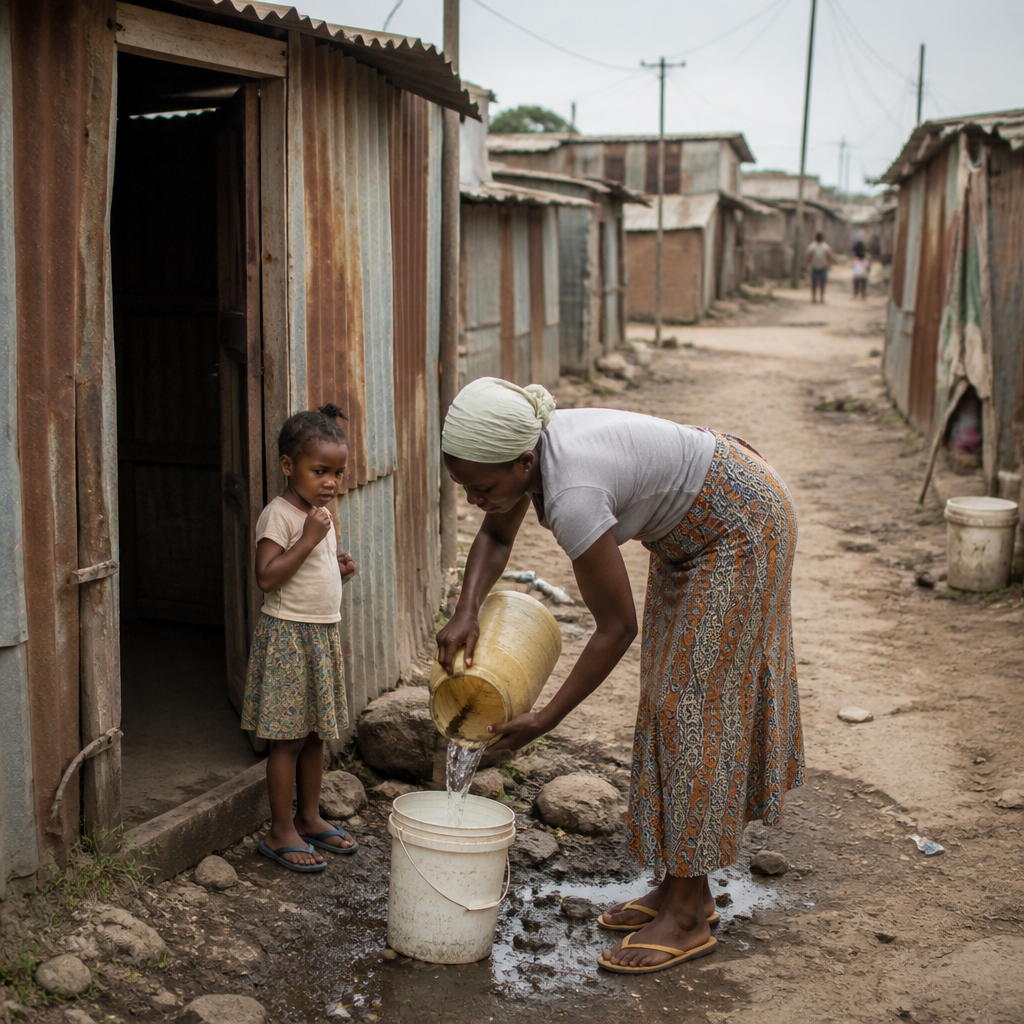
One of the core strengths of EcoSan in conflict-affected environments is that it does not require a continuous water supply to function effectively. Many EcoSan systems are dry toilets or low-water units designed to contain feces and urine separately or together in ways that minimize odor, reduce pathogen risks, and make downstream treatment more manageable. This is critical where water trucking is inconsistent, handwashing water is scarce, or damaged pipelines make flushing impossible.
In practice, EcoSan systems may include urine-diverting dry toilets, container-based sanitation units, raised toilets in flood-prone areas, and temporary superstructures linked to sealed storage systems. The design selected depends on ground conditions, population density, cultural preferences, available materials, and the capacity for ongoing maintenance. For example, in a rapidly formed displacement site, the priority may be robust containment and safe collection. In a more stable but still fragile setting, treatment and reuse options may be introduced where they can be done safely and with community acceptance.
Even without a functioning water network, EcoSan still requires a service chain. That means planning for user access, cleaning, collection or emptying, transport where necessary, treatment, and final disposal or reuse. The most successful implementations recognize that the toilet is only one part of the system. If containment is strong but collection fails, the public health benefits collapse. That is why emergency EcoSan planning in conflict zones must match technology choice with realistic operation and maintenance arrangements under difficult field conditions.
Is EcoSan safe to use in emergency and displacement settings?
Yes, EcoSan can be safe in emergency and displacement settings, but safety depends on correct design, disciplined operation, and a complete sanitation management plan. The key principle is that human waste must be contained in a way that prevents direct contact, limits leakage into the surrounding environment, and supports safe handling by users and sanitation workers. In conflict zones, where disease outbreaks can spread quickly and health services may already be overwhelmed, these safeguards are essential.
Safety begins with physical design. Toilets should be stable, accessible, well-ventilated, and positioned to reduce risks to women, children, older adults, and people with disabilities. Containment chambers or containers must be sealed or otherwise managed to prevent overflow, insect breeding, and groundwater contamination. Handwashing facilities, even simple low-water setups, remain a critical part of safe sanitation, because pathogen transmission can continue if hygiene practices are neglected.
Worker protection is equally important. Any EcoSan system in a fragile context should include protocols for emptying, transport, storage, treatment, and cleaning, supported by protective equipment, training, and supervision. If waste is intended for reuse, that should happen only after appropriate treatment and only where monitoring, community acceptance, and clear health protections are in place. In many conflict settings, the immediate priority is safe containment and treatment rather than reuse. When implemented responsibly, EcoSan can be a highly effective and safe sanitation strategy under emergency conditions.
What are the biggest challenges to implementing EcoSan in fragile contexts?
EcoSan offers strong advantages in conflict zones, but implementation is rarely simple. One major challenge is insecurity itself. Ongoing violence, movement restrictions, damaged roads, and interrupted supply chains can make it difficult to deliver materials, train staff, monitor facilities, or maintain regular waste collection services. A toilet that works well technically can still fail if teams cannot access the site safely or consistently.
Another challenge is the pace and unpredictability of displacement. Populations may arrive suddenly, relocate repeatedly, or settle in places with poor soil, flooding risks, or limited space. These conditions affect what type of EcoSan system is feasible. High-density settlements may require more frequent collection and stronger management systems, while remote rural displacement sites may struggle with spare parts, skilled labor, or treatment capacity. There is also the social dimension: sanitation solutions must align with user habits, privacy expectations, gender considerations, and cultural norms around waste handling.
Institutional and operational constraints are equally significant. In fragile contexts, local authorities may be weakened, humanitarian actors may rotate frequently, and funding may prioritize rapid installation over long-term service management. Yet EcoSan depends on follow-through. Communities need orientation on proper use. Operators need training. Supply chains for cover material, containers, or cleaning products must be maintained. Waste treatment and final disposal pathways must be defined from the beginning, not improvised after facilities are full. The most durable EcoSan interventions succeed because they treat sanitation as an ongoing service, not a one-time construction project.
Can EcoSan systems support resource recovery or reuse in conflict-affected areas?
They can, but only where conditions allow it and where safety comes first. A defining feature of EcoSan is the idea that human waste, once properly treated, may be transformed into useful products such as soil amendments or nutrients for agriculture. In stable settings, that can be one of the most attractive aspects of the approach. In conflict-affected areas, however, reuse should be viewed as a potential secondary benefit rather than the primary objective.
The reason is straightforward: fragile contexts often lack the time, oversight, and stable operating conditions needed to ensure consistently safe treatment for reuse. Public health protection must come before circular economy goals. If a site cannot guarantee proper storage, treatment duration, pathogen reduction, and controlled handling, then reuse should be postponed or avoided. In many emergencies, the most appropriate application of EcoSan is safe containment and decentralized treatment, with final disposal managed in the safest feasible way under the circumstances.
That said, there are situations where resource recovery can make sense, particularly in protracted crises where communities remain in place for extended periods and humanitarian response shifts toward longer-term resilience. In those cases, treated outputs may have local value, reduce waste burdens, and support livelihoods if managed under clear health standards and strong community engagement. The practical takeaway is that EcoSan always begins with safe sanitation. Reuse is possible, but it must be carefully assessed, locally appropriate, and implemented only when the technical and public health conditions are truly in place.