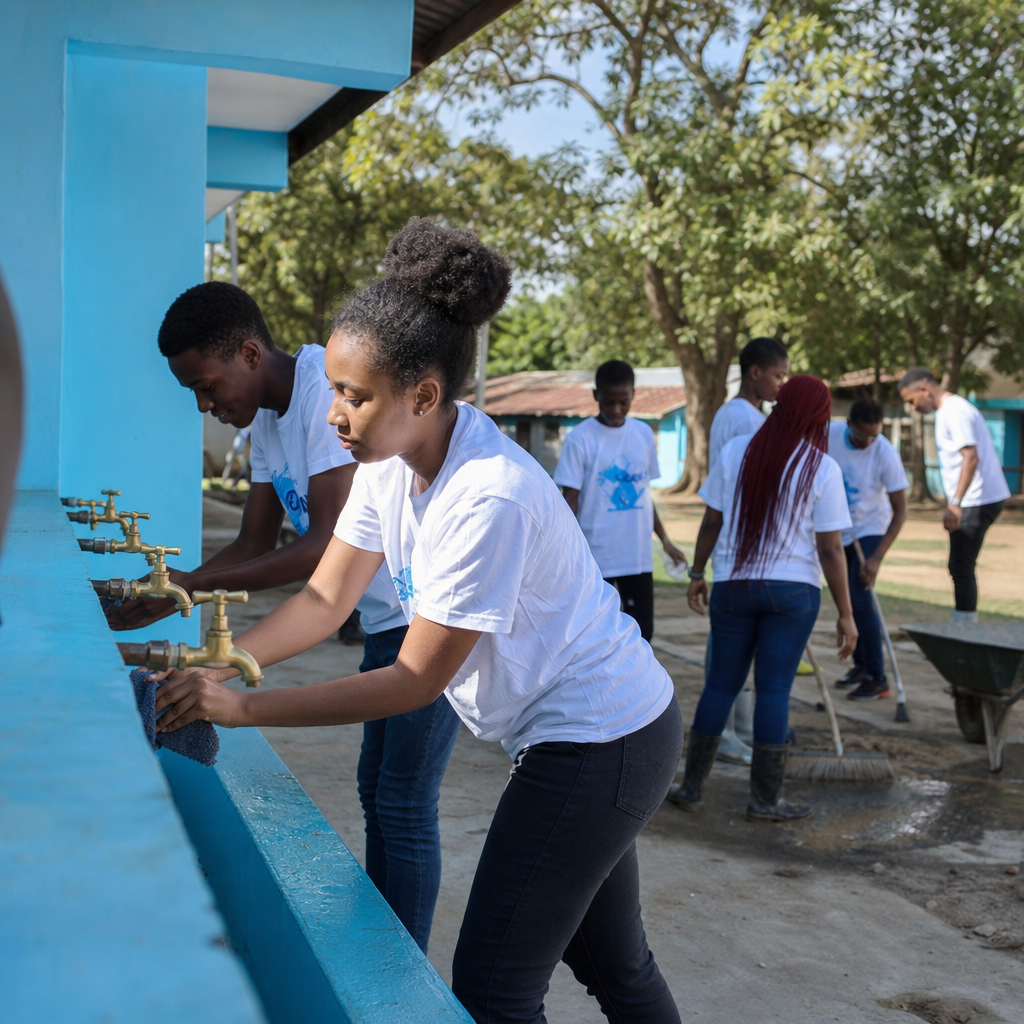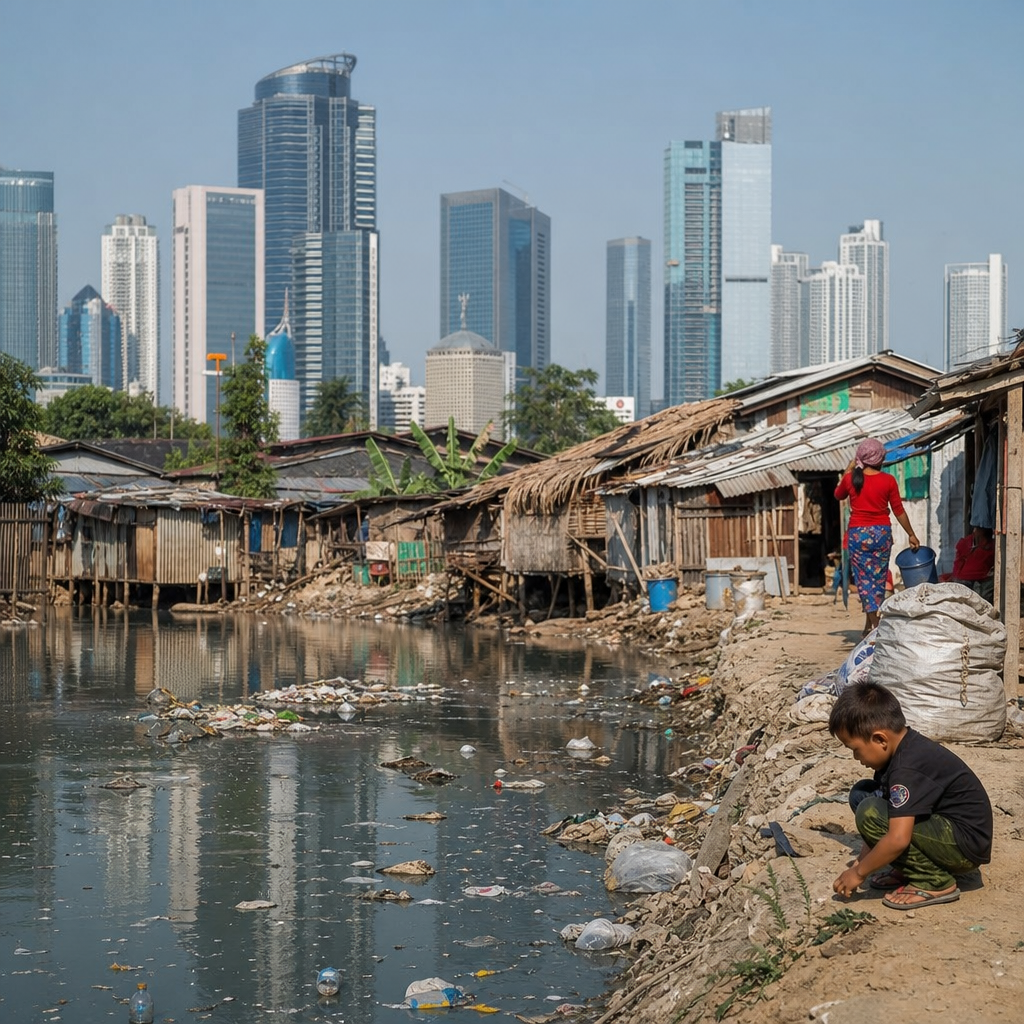
Sanitation for sustainable cities is the foundation of public health, climate resilience, and inclusive urban growth. In city planning, sanitation means the systems and services that safely manage human waste, wastewater, stormwater contamination risks, and hygiene conditions from the toilet to treatment, reuse, or final disposal. When these systems fail, the consequences are immediate: diarrheal disease spreads, rivers and coastal waters become polluted, informal settlements face disproportionate exposure, and local economies absorb avoidable costs in healthcare, lost productivity, and environmental cleanup. I have worked with municipal wastewater programs and urban infrastructure assessments, and the same pattern appears across regions: cities that treat sanitation as a core urban service perform better on health, housing, resilience, and investment attraction than cities that approach it as a narrow utility problem.
The scale of the challenge is global and growing. According to the WHO and UNICEF Joint Monitoring Programme, billions of people still lack safely managed sanitation, while rapid urbanization is concentrating demand in dense neighborhoods where land, finance, and institutional capacity are limited. Climate change compounds the problem by increasing flood risk, damaging aging sewer networks, and overwhelming drainage systems that were never designed for current rainfall patterns. Sustainable cities therefore need more than toilets or pipes. They need integrated sanitation planning, clear regulation, realistic tariffs, fecal sludge management, industrial pretreatment, wastewater treatment, reuse standards, and governance that includes low-income communities rather than bypassing them. This hub article maps the main dimensions of tackling sanitation challenges on a global scale and uses case studies to show what actually works.
Three terms are essential. First, safely managed sanitation refers to improved facilities where excreta are either treated and disposed of in situ or transported and treated off site. Second, fecal sludge management describes the chain for on-site systems such as pit latrines and septic tanks, including containment, emptying, transport, treatment, and reuse or disposal. Third, citywide inclusive sanitation is the planning approach many practitioners now use to ensure every resident is served through a mix of sewered and non-sewered solutions rather than a one-size-fits-all network model. These distinctions matter because most fast-growing cities cannot sewer every district quickly or affordably. The most successful sanitation strategies match service models to urban form, groundwater conditions, household affordability, and local institutional capacity, then improve the whole service chain instead of fixing only one point.
As a hub within the broader Global Challenges and Opportunities topic, this article is designed to orient decision-makers, researchers, students, and practitioners to the central questions: what makes urban sanitation sustainable, which city models have delivered results, where projects fail, and how sanitation connects to water security, housing, climate adaptation, circular economy goals, and social equity. The answer is not one technology or one funding source. It is disciplined coordination among engineering, public health, land use, finance, and community engagement, supported by measurable service standards and long-term operations. The case studies below show that progress is possible in high-income and low-income settings alike when cities focus on service outcomes, not just infrastructure counts.
Why sanitation is central to sustainable urban development
Urban sanitation matters because it protects four systems at once: human health, ecosystems, local economies, and social stability. Poor sanitation contributes to cholera, typhoid, helminth infections, stunting, and antimicrobial resistance risks linked to untreated wastewater. It also degrades rivers, lakes, and coastal zones through nutrient loading, pathogens, and chemical pollution. In practical city terms, sanitation influences whether children miss school, whether hospitals face preventable caseloads, whether tourism areas remain attractive, and whether investors trust local infrastructure. Sustainable urban development cannot be achieved if neighborhoods flood with sewage during storms or if wastewater plants discharge untreated effluent due to power failures and weak maintenance.
Sanitation also has a strong equity dimension. In many cities, formal central districts are sewered while peripheral settlements rely on poorly built pits, shared toilets, or open drains carrying greywater and fecal waste. Women, children, older adults, and people with disabilities bear the highest burden when facilities are unsafe or distant. I have seen sanitation master plans fail because they counted network length rather than actual access in underserved districts. The sustainable city approach reverses that logic. It begins with service levels for all residents, then selects the engineering and financing pathways that can realistically deliver those levels over time.
Global case studies: what cities are doing differently
Singapore is one of the clearest examples of sanitation integrated with water strategy. Its Deep Tunnel Sewerage System was designed to move wastewater efficiently to centralized reclamation facilities, reduce dependence on multiple pumping stations, and support advanced reuse through NEWater. The lesson is not that every city should copy Singapore’s capital-intensive model. The lesson is that sanitation planning works best when linked to land efficiency, water reuse, and long-term urban growth. By treating wastewater as a resource stream and aligning infrastructure with national water security, Singapore turned sanitation from a hidden cost center into strategic infrastructure.
Durban, South Africa, provides a different but equally important lesson. eThekwini Municipality became well known for expanding services through a mix of sewered and non-sewered systems, including urine-diverting dry toilets in peri-urban areas where conventional sewer expansion was costly and water supply constrained. The city’s experience shows the value of matching technology to context and investing in user engagement, maintenance arrangements, and realistic expectations. Not every dry sanitation program succeeds, but Durban demonstrated that alternatives to full sewerage can be legitimate urban services when design, training, and support are taken seriously.
In Dakar, Senegal, fecal sludge management became a central urban sanitation strategy because large parts of the city depend on on-site containment rather than sewers. Structured reforms helped professionalize emptying services, improve treatment capacity, and attract private participation under clearer public oversight. This case is especially relevant for rapidly urbanizing cities in Africa and Asia, where the majority of households may continue using septic tanks or pits for decades. The policy insight is decisive: ignoring fecal sludge because it is less visible than sewers creates a citywide public health hazard. Managing it systematically creates measurable gains much faster than waiting for universal sewer coverage.
Tokyo illustrates how mature sewered cities still face sanitation challenges, especially around resilience and combined systems. Japanese utilities have invested heavily in treatment performance, flood control tunnels, asset management, and earthquake resilience. The takeaway for other advanced urban systems is that sanitation is never finished. Aging pipes, infiltration, storm surges, and more intense rainfall require continuous upgrades. Sustainable cities must budget for rehabilitation, monitoring, and redundancy, not just new construction.
Curitiba and Medellín show how sanitation intersects with broader urban policy. In both cities, environmental restoration and utility governance were tied to social development goals. Medellín’s publicly owned Empresas Públicas de Medellín supported major wastewater investments while maintaining a wider civic development role. Curitiba integrated sanitation with river management and planning discipline. These examples underscore that strong institutions matter as much as technology. Cities achieve better outcomes when utilities have clear mandates, stable revenue, and accountability for service quality.
Core sanitation models and where each fits
City leaders often ask which urban sanitation model is best. The correct answer is that the best model is the one that safely serves the local population at sustainable cost under actual environmental conditions. Conventional gravity sewerage works well in dense urban cores with sufficient water supply, road access, and financing for treatment plants and network maintenance. Simplified or condominial sewerage, used in parts of Brazil and elsewhere, can reduce costs through smaller pipes and community-aligned layouts where topography and settlement patterns allow. On-site systems such as septic tanks and improved pits remain necessary in many lower-density or hard-to-reach areas, but only if the downstream sludge chain is regulated and functional.
Decentralized wastewater treatment can fill important gaps for satellite settlements, institutions, industrial parks, or areas where trunk sewer extension is uneconomic in the near term. However, decentralized systems are not inherently cheaper over their lifecycle. I have seen small plants installed without operator training, spare parts planning, or laboratory support, leading to rapid decline. Sustainable sanitation depends less on whether the system is centralized or decentralized than on whether responsibilities, financing, and monitoring are clear from the start.
| Sanitation model | Best fit | Main advantages | Common risks |
|---|---|---|---|
| Conventional sewerage | Dense urban cores | High service level, centralized treatment control | High capital cost, infiltration, difficult expansion |
| Simplified sewerage | Dense low-income areas with suitable layouts | Lower cost, faster rollout | Requires strong community coordination and maintenance |
| Septic and pit systems | Lower-density or peri-urban districts | Flexible, lower upfront network cost | Unsafe emptying, groundwater contamination |
| Decentralized treatment | Satellite developments and institutional clusters | Modular, can defer trunk infrastructure | Weak operations, variable effluent quality |
Financing, governance, and regulation
Sanitation finance is difficult because benefits are diffuse while costs are immediate. Households benefit from convenience and safety, but public health gains, cleaner waterways, and resilience benefits extend far beyond the paying customer. That is why successful city sanitation usually combines tariffs, taxes, transfers, and sometimes development finance. Tariffs alone rarely fund universal expansion, especially in low-income cities. At the same time, systems that rely entirely on intermittent grants often deteriorate because operators lack stable revenue for electricity, chemicals, staffing, and repairs.
Governance is equally important. Effective sanitation systems require a lead institution, service standards, operator licensing where relevant, discharge permits, sludge hauling rules, and data on actual service coverage. Regulators need to oversee not only sewered utilities but also private emptiers, treatment contractors, and large wastewater generators. Standards from bodies such as the World Health Organization and guidance embedded in national environmental regulations help define safe treatment and reuse thresholds, but enforcement capacity determines real-world performance. In many countries, the hidden problem is fragmented responsibility across water departments, municipalities, health agencies, and environmental authorities. Clear assignment of authority is often the first reform that unlocks investment.
Climate resilience, public health, and the circular economy
Climate change is reshaping urban sanitation faster than many capital plans acknowledge. Flooding can submerge pit latrines, spread untreated sludge, overwhelm combined sewers, and knock out treatment plants. Sea-level rise can corrode infrastructure and raise groundwater tables, reducing septic effectiveness. Heat can intensify odor and biological process instability. A resilient sanitation strategy therefore includes flood-safe siting, backup power, telemetry, storm separation where feasible, inflow and infiltration control, and emergency response protocols. Cities such as Rotterdam and Tokyo illustrate how water-sensitive planning and redundancy reduce vulnerability, but the same principles apply in lower-resource settings through simpler measures such as elevating assets and protecting access roads to treatment facilities.
Sanitation is also central to circular economy thinking. Properly treated wastewater can support irrigation, industrial cooling, aquifer recharge, or even indirect potable reuse under strict standards. Biosolids and treated sludge can yield compost, soil conditioner, or energy through anaerobic digestion, depending on contamination levels and regulatory controls. Yet reuse is not automatically sustainable. If industrial effluent is poorly controlled, sludge may carry heavy metals or persistent chemicals. The cities that succeed in reuse establish source control, laboratory testing, and transparent quality standards first. Done correctly, resource recovery can offset operating costs and strengthen water security without compromising health.
What city leaders should prioritize next
The most practical roadmap for tackling sanitation challenges on a global scale starts with diagnosis rather than construction. Cities need a service chain assessment that identifies how waste is contained, moved, treated, discharged, and paid for in each district. They need geospatial mapping of informal settlements, flood exposure, treatment bottlenecks, and unserved households. They need utility performance indicators such as noncompliant effluent events, sewer blockages, desludging response time, and cost recovery. Without this baseline, even well-funded projects miss the real gaps.
Next, cities should adopt phased investment plans built around universal service outcomes. In dense cores, that may mean sewer rehabilitation and treatment upgrades. In peri-urban zones, it may mean regulated desludging, transfer stations, and fecal sludge treatment plants before sewers arrive. In climate-vulnerable districts, it may mean drainage integration and flood-resilient sanitation design. Community engagement must be operational, not symbolic: households need to understand service options, payment expectations, maintenance responsibilities, and grievance channels. Finally, sanitation should be linked to housing, health, watershed management, and economic development strategies. When cities make those connections explicit, sanitation stops being buried infrastructure and becomes a visible driver of sustainable urban performance.
Sanitation for sustainable cities is not a niche infrastructure issue. It is a city-shaping system that determines whether growth is healthy, resilient, and equitable. The global case studies in this hub show that there is no single blueprint. Singapore demonstrates the power of long-term integration with water security and reuse. Durban shows that non-sewered solutions can be credible urban services when they fit local realities. Dakar proves that fecal sludge management deserves the same policy seriousness as sewer networks. Tokyo, Curitiba, and Medellín highlight the importance of resilience, environmental planning, and strong institutions. Across all of them, the pattern is consistent: progress comes from managing the full sanitation service chain, setting clear standards, funding operations as well as capital works, and choosing technologies that match local conditions.
For readers exploring tackling sanitation challenges on a global scale, the main benefit of this hub is clarity. It brings together the essential concepts, models, and examples that frame every deeper article in this subtopic, from wastewater treatment and informal settlement services to climate adaptation and reuse. If you are shaping policy, planning research, or evaluating urban infrastructure, start with the service outcomes you need, then examine governance, finance, and technical options in that order. Use this hub as your reference point and build outward into the linked subtopics that matter most for your city, project, or fieldwork.
Frequently Asked Questions
What does sanitation mean in the context of sustainable cities?
In sustainable cities, sanitation goes far beyond toilets or sewer pipes. It refers to the full chain of systems, services, governance, and behaviors that safely manage human waste, wastewater, hygiene conditions, and contamination risks from the point of generation to treatment, reuse, or final disposal. That includes household toilets, shared and public facilities, sewer and non-sewered systems, fecal sludge management, drainage that reduces exposure to polluted stormwater, wastewater treatment plants, handwashing infrastructure, and the policies and financing that keep everything functioning over time.
This broader definition matters because urban sanitation is deeply connected to public health, environmental protection, climate adaptation, and social equity. When sanitation systems work well, they reduce the spread of diarrheal disease and other infections, protect rivers, lakes, and coastal ecosystems, support safer neighborhoods, and improve dignity for women, children, older adults, and people with disabilities. When they fail, the impacts are immediate and unequal, especially in informal settlements where overcrowding, weak drainage, and limited public services can intensify health risks. In short, sanitation in sustainable cities is not just a utility issue; it is a core building block of inclusive and resilient urban development.
Why is sanitation considered essential for public health, climate resilience, and inclusive urban growth?
Sanitation is essential for public health because it interrupts the transmission of pathogens that spread through unsafe waste disposal, contaminated water, and poor hygiene conditions. Cities with inadequate sanitation often face higher rates of diarrheal disease, parasitic infections, and environmental contamination that can affect entire communities. Reliable sanitation systems protect households, schools, health facilities, markets, and workplaces, creating healthier urban environments and reducing pressure on healthcare systems. They also contribute to child development, school attendance, and overall productivity, making sanitation one of the most practical public health investments a city can make.
It is equally important for climate resilience. Intense rainfall, flooding, sea-level rise, drought, and heat can all disrupt sanitation services or worsen exposure to contaminated water. A resilient sanitation system is designed to withstand shocks, prevent sewage overflows, protect treatment operations, and reduce pollution after extreme weather events. For example, better drainage planning, decentralized treatment options, flood-protected facilities, and safe sludge management can help cities adapt to changing climate conditions. Inclusive urban growth depends on sanitation because cities cannot be sustainable if large portions of the population are excluded from safe basic services. Expanding sanitation to underserved neighborhoods improves safety, supports economic participation, and makes growth more equitable rather than leaving vulnerable communities to absorb the highest environmental and health costs.
What global case studies show how cities are improving sanitation sustainably?
Global case studies show that there is no single model for urban sanitation, but many cities are making progress by matching solutions to local conditions. In Durban, South Africa, city authorities became well known for advancing approaches that include non-sewered sanitation where conventional sewer expansion is difficult or too costly. This helped demonstrate that sustainable sanitation planning can include a mix of technologies rather than assuming every neighborhood must follow the same model. The city’s work also highlighted the importance of ongoing maintenance, community engagement, and realistic budgeting for long-term service delivery.
In Singapore, integrated wastewater planning has often been cited as a leading example of sanitation linked to water security and urban sustainability. The city-state invested heavily in wastewater collection, treatment, water reuse, and catchment protection, showing how sanitation can be part of a broader circular resource strategy. Treated wastewater became a valuable source of reclaimed water, reducing dependence on imported supplies and strengthening resilience. Meanwhile, cities in Latin America and Asia have demonstrated the value of combining sewer upgrades, wastewater treatment, river restoration, and neighborhood-level interventions. Examples from places such as Medellín, Colombia, or parts of India also show that sanitation progress often depends as much on institutions, financing, and local accountability as on engineering. The strongest case studies tend to share common features: clear governance, measurable public health goals, attention to informal and low-income areas, and a willingness to use both centralized and decentralized solutions.
How do sustainable sanitation strategies address informal settlements and underserved urban communities?
Sustainable sanitation strategies address informal settlements by starting with the reality that many fast-growing urban areas are not easily served by conventional infrastructure alone. In dense settlements, land tenure issues, narrow pathways, flood exposure, limited water access, and low household incomes can make standard sewer expansion slow, expensive, or technically impractical. Effective city strategies respond by using a service-based approach instead of focusing only on pipes. That can include shared or community-managed toilets designed for safety and accessibility, container-based sanitation in difficult locations, decentralized wastewater treatment, scheduled desludging services, public hygiene facilities, and better drainage to reduce direct contact with contaminated runoff.
Just as important, successful strategies involve residents in planning and decision-making. Communities often know best which facilities are safe to use, which routes are accessible for waste collection, and what payment models are realistic. Inclusive sanitation also means considering gender, disability, age, and personal safety. A toilet that is technically present but unsafe at night, inaccessible to wheelchair users, or unaffordable for the poorest households is not delivering true sanitation access. Cities that make progress in underserved areas typically pair infrastructure with regulation, service monitoring, behavior change support, and targeted subsidies. This creates a more durable system in which low-income communities are not treated as an afterthought but as a central priority in urban service delivery.
What lessons can city planners and policymakers learn from international sanitation case studies?
The first major lesson is that sanitation planning must be citywide, but not one-size-fits-all. International experience shows that effective systems often combine centralized sewers, on-site sanitation, decentralized treatment, drainage improvements, and resource recovery depending on neighborhood conditions. Planners who focus narrowly on a single technology can miss opportunities to expand service more quickly and more affordably. A second lesson is that sanitation should be planned as part of the wider urban system, alongside housing, water supply, public health, land use, flood management, and climate adaptation. This integrated approach helps cities reduce duplication, improve resilience, and capture co-benefits such as cleaner waterways, safer streets, and stronger water reuse opportunities.
Another consistent lesson is that governance and financing are just as important as infrastructure. Case studies from around the world show that cities need clear institutional responsibilities, reliable operation and maintenance budgets, good data on service gaps, and accountability mechanisms that track outcomes in all neighborhoods, not only formal ones. Policymakers also learn that progress depends on serving the entire sanitation chain, from containment and collection to transport, treatment, reuse, and disposal. If any link is ignored, contamination simply shifts location rather than being solved. Finally, the best international examples remind city leaders that sanitation is a long-term public investment with measurable returns: healthier populations, cleaner ecosystems, greater resilience to climate shocks, and more inclusive urban growth. Treating sanitation as foundational infrastructure rather than a secondary service is one of the clearest lessons that global case studies provide.