Sanitation for all is the principle that every person, regardless of income, gender, age, disability, location, or legal status, should have access to safe, dignified systems for managing human waste, hygiene, and wastewater. In global development practice, sanitation includes toilets, handwashing facilities, fecal sludge management, sewerage, treatment, drainage connections, menstrual hygiene support, and the policies that keep services affordable and reliable. When I have worked with city utilities and nonprofit implementers, the most important lesson has been simple: a toilet alone is not sanitation unless the whole service chain works, from containment to transport, treatment, reuse, and safe disposal.
This matters because inadequate sanitation drives disease, stunting, school absence, lost productivity, water pollution, and gender-based risk. The World Health Organization has consistently linked poor sanitation to diarrheal disease, neglected tropical infections, and preventable child deaths, while the World Bank has shown that weak sanitation systems depress economic growth through healthcare costs and lower labor output. At the same time, sanitation is a major global opportunity. It creates jobs in construction, operations, desludging, treatment, analytics, and circular economy businesses that recover water, nutrients, and energy. For governments and investors, inclusive sanitation is not only a social obligation; it is resilient infrastructure with measurable returns.
Inclusivity is the defining test. A national strategy can report high coverage yet still fail informal settlements, remote villages, refugees, renters, transgender users, older adults, and people with limited mobility or continence needs. Inclusive sanitation means designing for the people most often excluded: wider doors, handrails, lighting, privacy, menstrual disposal, child-friendly seats, safe school facilities, affordable tariffs, and services available to households without land tenure. It also means listening to users early. In practice, some of the best projects I have seen succeeded because planners mapped underserved groups first, then chose technologies and financing around those realities rather than forcing a single standard everywhere.
As a hub for global opportunities in sanitation, this article explains where the biggest gains now lie: citywide inclusive planning, financing models, climate-smart systems, market development, digital tools, institutional reform, and partnerships that turn pilots into lasting services. It also answers the practical questions policymakers, funders, and practitioners ask: what works in dense urban areas, how rural programs scale, which business models attract capital, and how to measure whether inclusion is real. The central point is clear. The sanitation challenge is global, but the opportunity is even larger when strategies are built for everyone from the start.
Why inclusive sanitation is the foundation of global opportunity
Inclusive sanitation expands impact because it addresses the full population instead of the easiest households to serve. Traditional infrastructure programs often focused on neighborhoods with legal plots, road access, and higher willingness to pay. That approach improves headline numbers but leaves disease transmission and environmental contamination in place. Fecal pathogens do not respect property boundaries. If an informal settlement lacks safe containment or nearby schools have unusable toilets, the wider city still bears public health costs. Citywide Inclusive Sanitation, promoted by organizations including the World Bank, UNICEF, WaterAid, and the Bill & Melinda Gates Foundation, emerged precisely to correct this gap by prioritizing equitable service outcomes over one technology model.
The opportunity side is substantial. Inclusive planning expands demand across the sanitation value chain: household toilet upgrades, shared and public facilities, desludging fleets, transfer stations, wastewater treatment, spare parts, cleaning services, and user training. In Dakar, Senegal, structured fecal sludge management created space for private emptiers and treatment operators while improving oversight. In India, the scale of sanitation investment under Swachh Bharat changed market demand for pans, pits, masons, and behavior change services, though long-term quality and fecal sludge management remain essential follow-on priorities. These examples show that inclusion is not a cost center alone; it opens broader, more stable markets.
Inclusion also improves resilience and social legitimacy. Facilities built without considering women’s safety, disability access, or affordability often become underused or abandoned. By contrast, when communities help define siting, opening hours, cleaning standards, and tariff rules, utilization rises and vandalism falls. This is especially visible in schools and health centers, where sanitation quality directly affects attendance, infection prevention, and workforce retention. For decision-makers, the message is practical: global opportunities in sanitation are strongest where policies align public health goals with user-centered design and financially viable service delivery.
Where the biggest growth opportunities are emerging
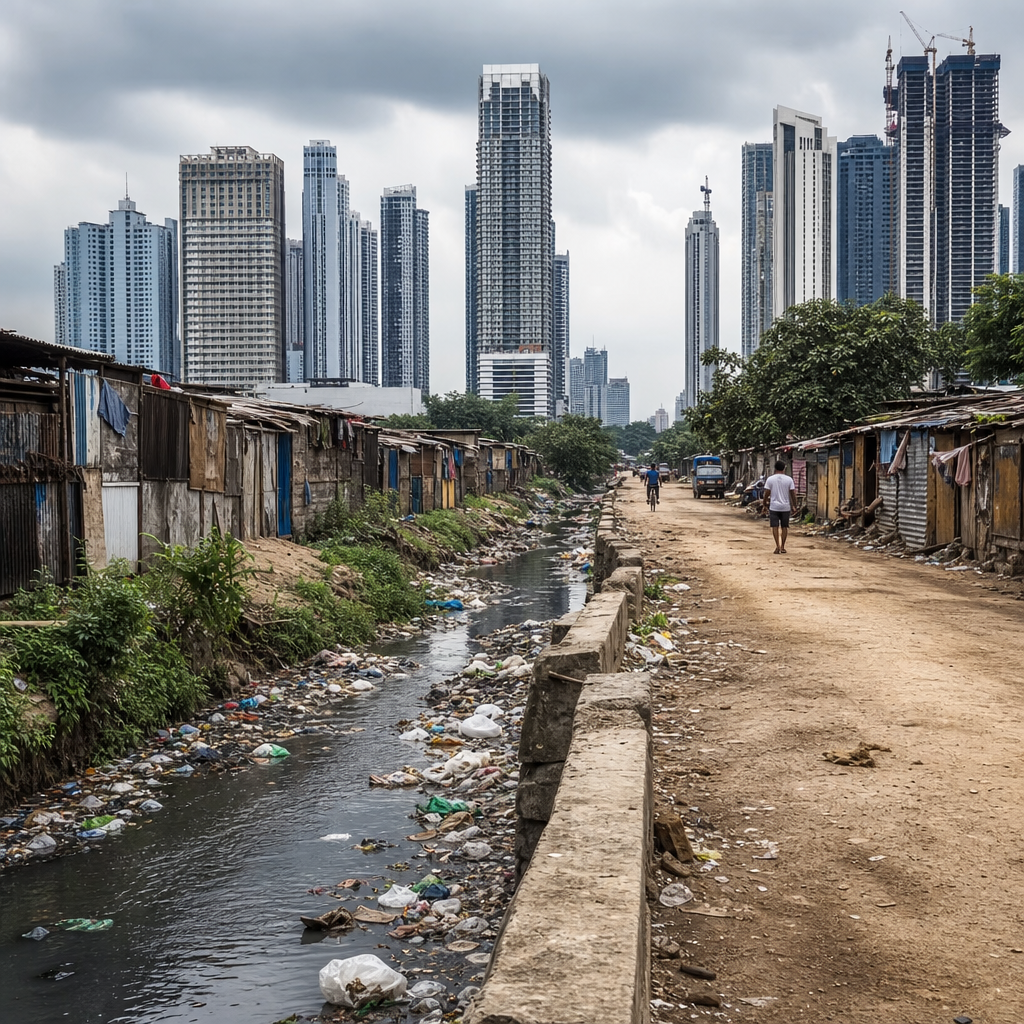
Urban sanitation is the largest near-term opportunity because cities are growing faster than networks. Many low- and middle-income cities will not reach universal sewer coverage soon, especially in peri-urban and informal areas. That creates a major role for non-sewered and hybrid systems: septic tanks built to standard, container-based sanitation in constrained settings, scheduled desludging, decentralized treatment units, and transfer logistics that connect neighborhoods to safe processing. The most successful city programs treat sanitation as a service ecosystem, not a construction project. Utilities in places such as Lusaka and Freetown have used service mapping and phased planning to identify where sewers are justified, where on-site systems are safer, and where subsidies should target the poorest users.
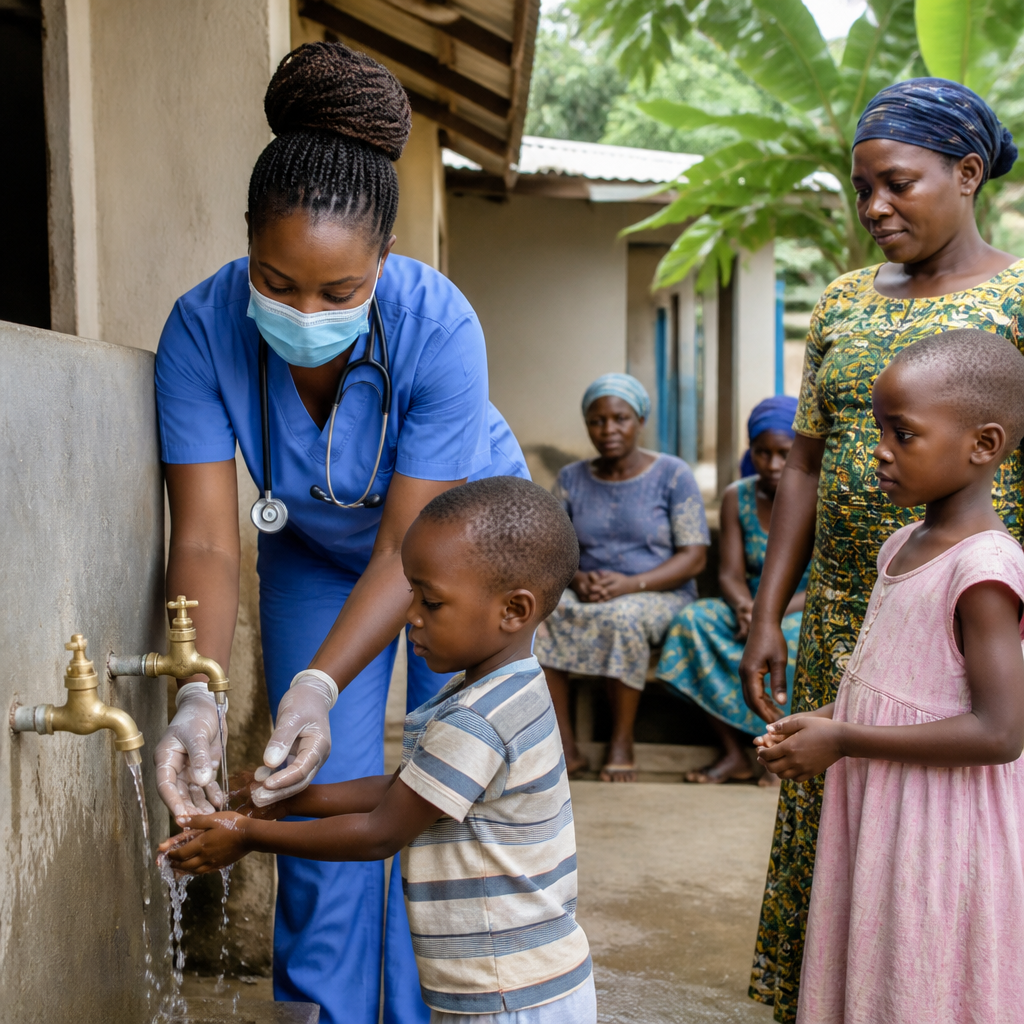
Rural sanitation remains a major field of opportunity, but the model differs. The key challenge is not only toilet construction; it is sustained use, safe pit emptying where feasible, groundwater protection, and long-term upgrading as incomes rise. Community-Led Total Sanitation helped shift global thinking toward behavior and collective outcomes, yet experience has shown that behavior change alone is not enough without supply chains, technical quality control, and post-open-defecation support. That opens opportunities for local enterprises selling slabs, durable superstructures, handwashing stations, and maintenance services. Countries such as Bangladesh have shown that dense networks of small producers and NGOs can move rural sanitation markets at scale when standards and financing support them.
Institutions are another growth area. Schools, clinics, transport hubs, markets, and workplaces need sanitation solutions tailored to high footfall and diverse users. These facilities create visible public demand and can anchor local service contracts. Menstrual hygiene management, accessible cubicles, and infection-prevention standards are especially important here. During project evaluations, I have repeatedly seen how one well-managed clinic toilet block can influence community expectations more than dozens of isolated household messages. Public facilities become demonstration sites for quality, inclusion, and accountability.
| Opportunity area | Main need | Promising models | Example outcome |
|---|---|---|---|
| Dense urban settlements | Safe services without universal sewers | Scheduled desludging, shared toilets, decentralized treatment | Lower illegal dumping and better service coverage |
| Rural communities | Sustained use and affordable upgrades | Local sanitation marketing, mason training, targeted subsidies | Higher durability and less slippage back to open defecation |
| Schools and clinics | Accessible, high-quality facilities | Service contracts, menstrual hygiene support, inclusive design | Better attendance, dignity, and infection control |
| Refugee and crisis settings | Rapid deployment with safety and dignity | Modular toilets, fecal sludge logistics, lighting and protection measures | Faster access and reduced protection risks |
Designing services that include everyone
Inclusive sanitation starts with disaggregated understanding. Planners need data on disability, tenancy, settlement type, gendered safety risks, school attendance patterns, and emptying constraints, not just household coverage. The Washington Group Short Set can help identify disability in surveys, while service-level frameworks from the WHO/UNICEF Joint Monitoring Programme distinguish between basic, limited, and safely managed sanitation. Those distinctions matter. A household may technically own a toilet but still lack privacy, handwashing, or safe sludge removal. Good strategy therefore begins with service gap mapping and user journey analysis: who can access a toilet easily, who avoids it, who cleans it, and where the waste goes afterward.
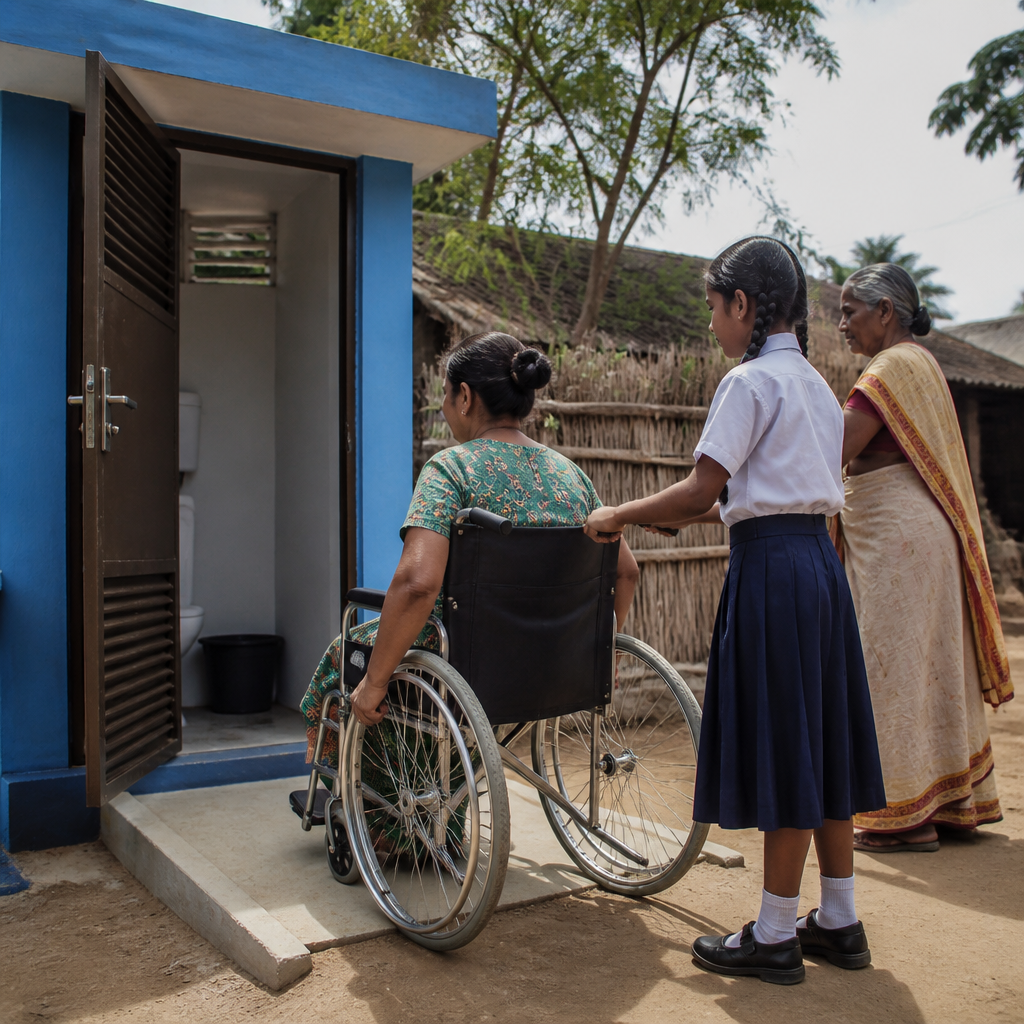
Design choices should reflect those realities. For older adults and people with mobility limitations, ramps, handrails, raised seats, non-slip floors, and adequate turning space are not optional extras. For women and girls, locks, lighting, water access, menstrual product disposal, and predictable cleaning schedules are essential. For children, seat adaptors or child-friendly pans increase safe use. For transgender and nonbinary users, privacy and low-conflict layout matter. For renters and residents without secure tenure, service eligibility must not depend entirely on formal land documents. The most inclusive city programs separate public health entitlements from tenure disputes, because exclusion on paper quickly becomes contamination in practice.
Affordability is equally important. Even low-cost toilets can be unaffordable when paid upfront, and emptying fees often hit households at the worst possible moment. That is why smart strategies combine targeted subsidies, output-based aid, microfinance, installment payments, and transparent tariff structures. Subsidies should be precise rather than universal, aimed at the poorest households, people with disabilities, and public-good facilities such as schools. Utilities and municipalities also need grievance channels and service standards. Inclusion is credible only when users can report failures, get responses, and see operators held to measurable obligations.
Financing, markets, and the business case
Global opportunities in sanitation increasingly depend on blended finance and stronger markets. Public funds remain indispensable because sanitation produces large health and environmental benefits that private buyers alone will not fully pay for. Yet public money goes further when it crowds in commercial activity. Common mechanisms include viability gap funding for treatment plants, guarantees for sanitation loans, results-based contracts for operators, and revolving funds for household upgrades. Development finance institutions have supported these structures because sanitation projects often need long payback periods and credit enhancement before lenders become comfortable.
The business case improves when decision-makers value the entire service chain. A treatment plant without a regulated emptying market underperforms. Toilet promotion without spare parts and trained masons produces premature failure. Conversely, integrated programs create multiple revenue streams: user fees, service contracts, sludge tipping fees, compost sales where quality controls permit, carbon-related value in some waste-to-energy models, and reduced municipal cleanup costs. Not every circular economy claim is realistic, and many reuse markets remain local and modest, but nutrient recovery and co-composting can strengthen economics when feedstock quality, transport costs, and end-user demand are properly assessed.
Private operators are critical, especially in fecal sludge management. In many cities, small emptiers know the terrain better than utilities do. The right policy response is not to displace them blindly but to professionalize and integrate them through licensing, safety requirements, digital dispatch, approved discharge points, and fair enforcement against illegal dumping. I have seen this work best when municipalities recognize informal operators early and build transition pathways rather than criminalizing the whole segment. Market formalization, done well, protects workers, improves service quality, and expands tax and data visibility for the city.
Technology, climate pressure, and system performance
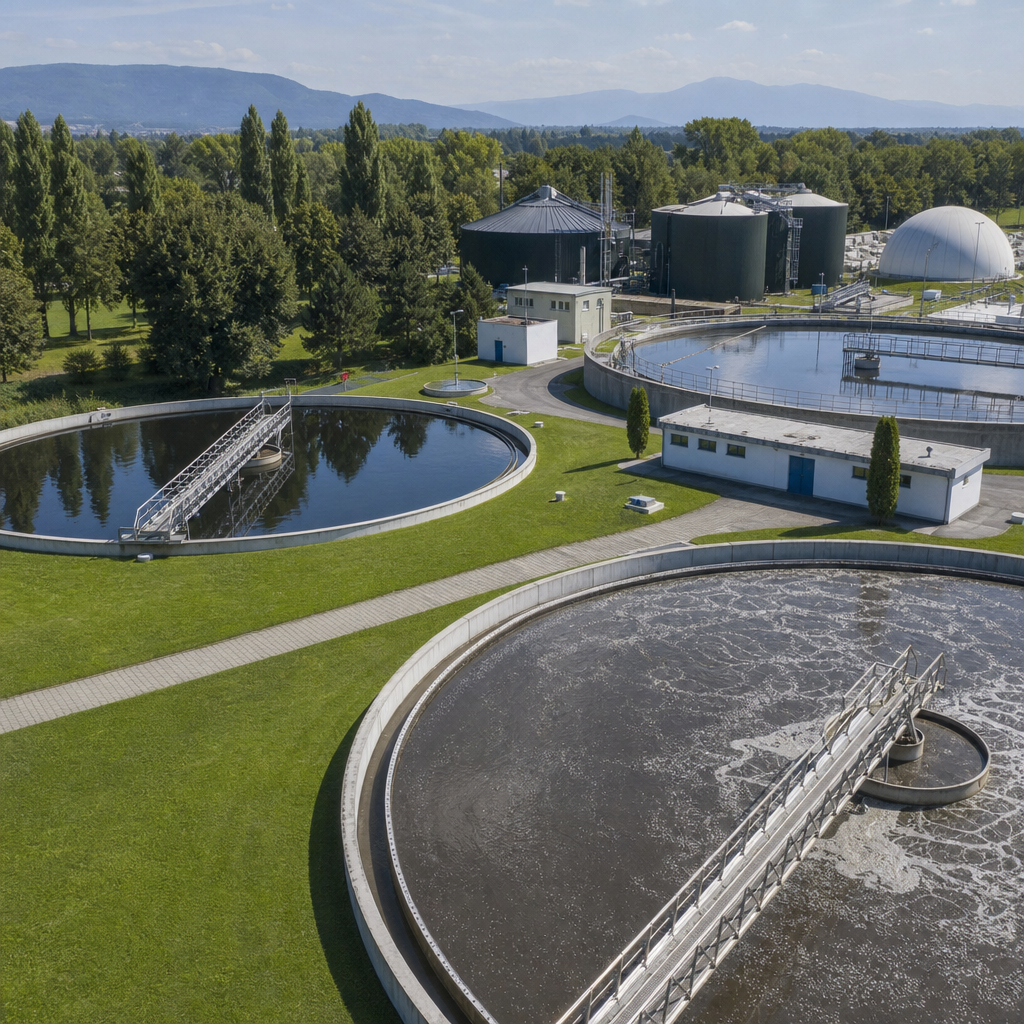
Technology choices should follow context, not fashion. Sewerage is highly effective in dense areas with water supply, financing capacity, and institutions able to maintain networks and treatment. But sewers are not the only modern option. In many settings, septic systems, simplified sewers, urine-diverting dry toilets, biodigesters, container-based sanitation, and decentralized wastewater treatment can provide safer, more affordable results. The priority is performance across the chain: containment that does not leak, transport that is safe, treatment that meets standards, and end uses or disposal routes that do not recreate risk.
Climate change raises the stakes. Flooding can inundate pits and treatment plants, spread contamination, and disable roads needed for emptying trucks. Drought makes water-intensive flushing systems less practical in some regions. Heat affects worker safety and treatment efficiency. Climate-smart sanitation therefore includes elevated or sealed containment in flood-prone areas, diversified water sources for hygiene, decentralized redundancy, and asset planning based on hazard maps. Utilities already use tools such as GIS service mapping, remote sensors for plant performance, and mobile payment platforms to improve uptime and accountability. Digital monitoring is not a substitute for management, but it helps cities catch failures before they become outbreaks.
Standards and workforce capacity are just as important as hardware. Emptying crews need personal protective equipment, vaccination access, safe discharge sites, and training in confined-space risk. Engineers need design norms suited to local soil, water table, and usage patterns. Regulators need sampling protocols and enforceable permits. High-performing sanitation systems are built by institutions that understand operations, not by one-time construction alone. That is why technical assistance and professional training remain among the highest-return investments in the sector.
Governance, measurement, and how to scale what works
Sanitation fails when responsibilities are fragmented. One agency may promote toilets, another regulate water quality, another manage drainage, and none own fecal sludge end to end. Effective national strategies define mandates clearly, align budgets with those mandates, and require local service plans with measurable inclusion targets. Good governance also uses realistic service ladders. A city does not need to wait for universal sewers to deliver public health gains; it can set phased targets for safe containment, licensed emptying, treatment coverage, and neighborhood prioritization. That sequencing is how pilots become systems.
Measurement must move beyond counting toilets. Track usage, accessibility, emptying frequency, treatment compliance, customer satisfaction, school absenteeism, and exposure risk in underserved areas. Disaggregate by gender, disability, income, and settlement type. Public dashboards, citizen report cards, and independent audits can strengthen trust. For this subtopic hub, the practical takeaway is straightforward: the most promising global opportunities in sanitation sit at the intersection of inclusion, finance, climate resilience, and accountable service delivery. Organizations that invest there will improve health, create jobs, and build infrastructure that lasts. If you are shaping policy, funding programs, or developing services, start by mapping who is excluded today and design the next sanitation strategy around them.
Frequently Asked Questions
What does “sanitation for all” mean in global development?
“Sanitation for all” means designing and delivering sanitation systems so every person can safely and affordably use them, without discrimination or exclusion. In practice, that goes far beyond simply building toilets. It includes the full chain of services: access to safe and usable toilets, handwashing facilities with soap and water, menstrual hygiene support, drainage connections where relevant, fecal sludge emptying and transport, sewerage networks, wastewater treatment, and the public policies and financing mechanisms that keep these services reliable over time. The goal is not just infrastructure coverage, but dignified, continuous service that protects health, privacy, safety, and the environment.
An inclusive sanitation strategy recognizes that people experience barriers differently. A low-income household may struggle with user fees or connection costs. A person with a disability may face inaccessible toilet designs. Women and girls may need privacy, menstrual hygiene facilities, and safe access at night. Older adults may need handrails, nearby facilities, or seated options. Migrants, tenants, and people in informal settlements may be excluded because they lack land tenure or legal status. Rural communities may need different service models than dense urban neighborhoods. “For all” means planning for these realities from the beginning, rather than treating them as exceptions later.
Global development organizations increasingly use this principle to shift sanitation from a narrow construction agenda to a public service agenda. That means asking whether systems are equitable, financially sustainable, resilient to climate impacts, and accountable to users. It also means focusing on the outcomes people actually experience: fewer disease risks, greater dignity, reduced time burdens, improved school attendance, safer public spaces, and cleaner local environments. At its core, sanitation for all is about making sure no group is invisible in policy, budgeting, service design, or implementation.
Why is inclusivity so important in sanitation strategies?
Inclusivity is essential because sanitation systems fail in both moral and practical terms when they leave people behind. Poorly designed sanitation does more than inconvenience users; it can expose them to disease, violence, stigma, social exclusion, and lost economic opportunity. If a toilet is too far away, unsafe at night, inaccessible for a wheelchair user, unaffordable for a low-income family, or unavailable to people living in informal areas, then sanitation access on paper does not translate into sanitation access in reality. Inclusive strategies close that gap by making services usable for the people who need them most.
There is also a strong public health reason to prioritize inclusion. Sanitation works best when the whole service chain reaches everyone. If some households rely on unsafe disposal, open defecation, overflowing pits, or poorly managed sludge because formal systems do not serve them, the health and environmental risks spread far beyond those individual households. Contaminated water sources, blocked drains, and untreated waste affect entire communities. Inclusive sanitation reduces those system-wide risks by improving coverage, safe containment, transport, treatment, and reuse or disposal for all population groups.
Inclusivity also strengthens long-term service performance. When planners understand user diversity, they make better investments. Facilities are more likely to be used, maintained, and accepted by communities when they reflect real needs. Schools with separate, functional, private sanitation facilities often see better attendance for girls. Workplaces and public spaces with accessible toilets support broader social participation. Cities that plan for tenants, residents of dense settlements, and people off the sewer network can expand service more effectively than those relying on one-size-fits-all models. In short, inclusion is not an add-on; it is a core requirement for sanitation systems that are equitable, efficient, and sustainable.
Which groups are most often excluded from sanitation services, and what barriers do they face?
Many groups are routinely underserved by sanitation systems, often for different reasons that overlap. People living in poverty may be unable to afford toilet construction, sewer connections, desludging fees, monthly tariffs, or hygiene supplies. Residents of informal settlements may be excluded from formal utility plans because of unclear land tenure, narrow pathways that prevent service vehicles from entering, or political neglect. Rural communities may face long distances, low population density, and limited public investment. People experiencing displacement, homelessness, or irregular legal status are also frequently overlooked because they do not fit standard service models or are not included in official planning data.
Women and girls face barriers related to privacy, safety, and menstrual hygiene. A sanitation facility that lacks locks, lighting, water, disposal options for menstrual materials, or gender-sensitive design can be effectively unusable. Children may struggle with toilets built only for adults, especially in schools or public settings. Older adults may face mobility challenges that make stairs, squat pans, distant facilities, or slippery surfaces difficult and dangerous. People with disabilities often encounter physical barriers such as narrow doors, steps, lack of handrails, insufficient turning space, poor signage, or inaccessible handwashing stations. They may also face information barriers if hygiene messaging is not available in accessible formats.
Social stigma can be just as limiting as physical design. In some communities, caste, ethnicity, occupation, disability, or illness can influence who is allowed to use shared facilities, who is responsible for sanitation work, and whose needs are considered legitimate. Tenants may be dependent on landlords who do not invest in adequate sanitation. Public toilet operators may set fees that exclude the poorest users. Service schedules may ignore neighborhoods with less political influence. Because these barriers are interconnected, inclusive sanitation strategies need more than technical fixes. They require targeted financing, community engagement, regulation, accountability, and service designs tailored to the lived realities of underserved groups.
How can governments, utilities, and development organizations make sanitation systems more inclusive?
Inclusive sanitation starts with planning that recognizes diverse needs instead of assuming one standard solution will work everywhere. Governments and utilities can begin by mapping who is currently unserved or underserved, including people in informal settlements, peri-urban areas, remote rural communities, schools, health facilities, markets, and public transport hubs. Data should be broken down by income, gender, age, disability, and location wherever possible, because average coverage figures often hide deep inequalities. Once those gaps are visible, service providers can choose technologies and delivery models that fit local conditions, from sewer extensions and simplified networks to well-regulated onsite sanitation and fecal sludge management systems.
Affordability is another major priority. Even when infrastructure exists, up-front connection charges, toilet construction costs, emptying fees, and recurring tariffs can push sanitation out of reach. Inclusive strategies often use targeted subsidies, flexible payment plans, social tariffs, cross-subsidization, and public financing for low-income areas. Regulation matters too. Landlords, private emptiers, and public toilet operators need clear standards for safety, pricing, accessibility, and maintenance. Procurement rules can require universal design features such as ramps, handrails, sufficient space, lighting, locks, and child-friendly elements. Service contracts can include obligations to reach hard-to-serve neighborhoods rather than only the easiest or most profitable areas.
Meaningful participation is what turns good intentions into workable systems. Women, people with disabilities, older adults, sanitation workers, tenants, and community-based organizations should be involved in design, site selection, operation, and monitoring. Their feedback often identifies barriers that engineers and policymakers might miss. At the same time, inclusion must extend across the entire sanitation chain. A household toilet is not truly safe if pits overflow, sludge is dumped untreated, drains spread contamination, or treatment plants fail. Stronger institutions, reliable operations and maintenance, worker protections, and transparent accountability mechanisms are all part of inclusive sanitation. The most effective strategies treat sanitation as a continuous public service shaped by user experience, not just a one-time construction project.
How does inclusive sanitation support health, education, gender equality, and climate resilience?
Inclusive sanitation creates benefits across multiple development goals because it addresses one of the most basic foundations of daily life: safe management of waste and hygiene. From a health perspective, better access to toilets, handwashing facilities, sludge management, and wastewater treatment reduces exposure to pathogens that cause diarrhea, parasitic infections, and other sanitation-related diseases. These improvements are especially important for children, older adults, and people with weakened immune systems. Cleaner local environments also reduce contamination of water sources, lower pressure on health systems, and improve overall community well-being.
The education impacts are significant as well. Children are more likely to attend and stay in school when sanitation facilities are safe, clean, and age-appropriate. For girls in particular, private toilets, water access, and menstrual hygiene support can make a major difference in attendance, comfort, and dignity. Inclusive school sanitation also benefits children with disabilities, who are often excluded when facilities are inaccessible. In workplaces and public institutions, reliable sanitation improves participation, productivity, and user confidence. It allows more people to travel, study, work, and engage in public life without facing avoidable barriers.
Gender equality and climate resilience are also closely linked to inclusive sanitation. Women and girls often carry disproportionate burdens when sanitation is inadequate, including caregiving responsibilities, time spent finding safe facilities, and exposure to harassment or violence. Better sanitation reduces these burdens and supports greater autonomy and safety. On the climate side, inclusive systems are more resilient when they are designed for flooding, drought, heat, and rapid urban growth. That can mean elevating toilets in flood-prone areas, protecting treatment systems from extreme weather, choosing technologies suited to water-scarce conditions, and ensuring emergency sanitation plans include displaced and vulnerable