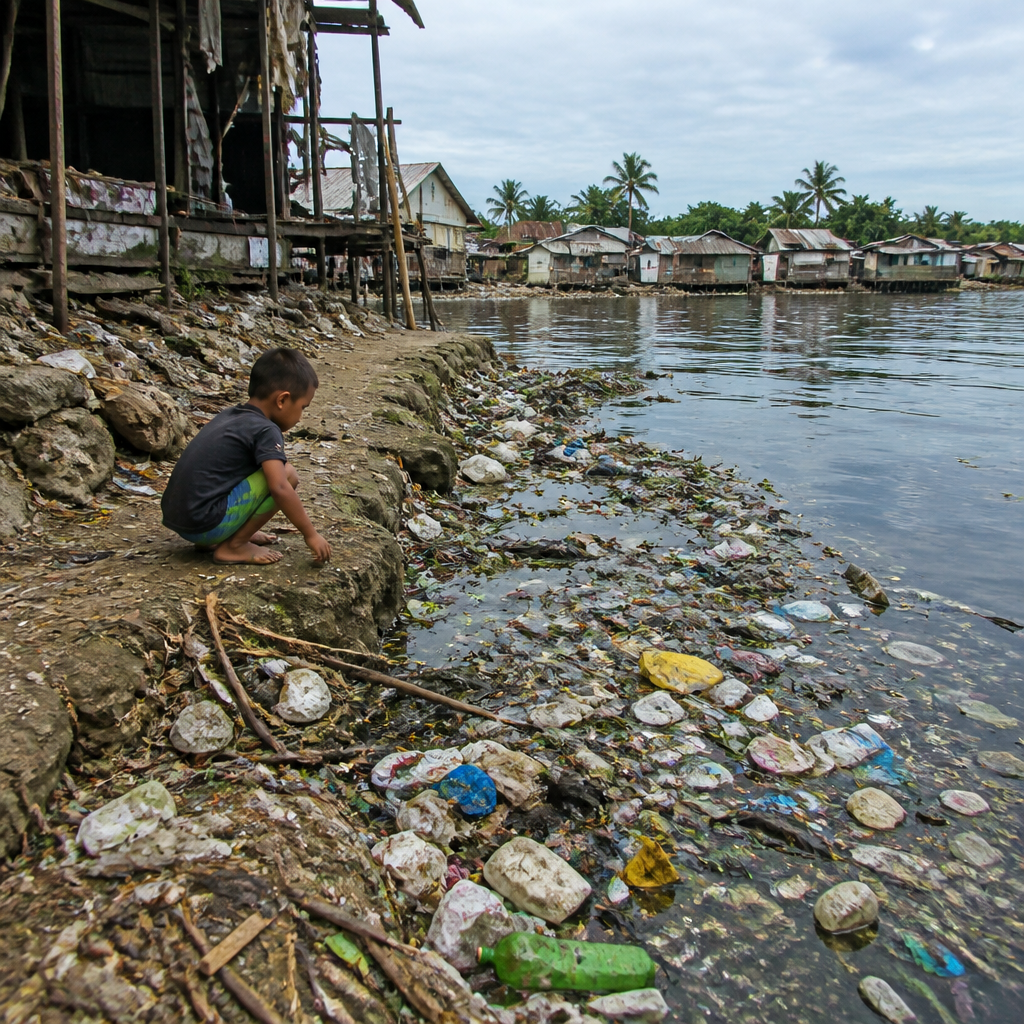
Sanitation startups are reshaping one of the world’s oldest public health challenges into a field of urgent innovation, measurable impact, and global business opportunity. In practical terms, sanitation covers the safe management of human waste, wastewater, hygiene infrastructure, sludge treatment, drainage, and the services that keep those systems working. When people talk about toilets, sewers, septic systems, handwashing stations, container-based collection, or fecal sludge treatment plants, they are talking about sanitation. The subject matters because sanitation sits at the intersection of health, urban growth, climate resilience, gender equity, labor productivity, and environmental protection.
I have worked with sanitation projects where the biggest barrier was not technology but service design: a toilet installed without reliable emptying, a treatment plant built without a revenue model, or a low-income settlement mapped without understanding how residents already paid for informal services. That experience makes one fact clear. Sanitation is not a single product category. It is a chain of infrastructure, logistics, financing, behavior change, regulation, and data. Startups are rising precisely because they are tackling specific weak links in that chain with focused business models.
The global need is enormous. Billions of people still lack safely managed sanitation, and many cities in fast-growing regions cannot extend sewer networks quickly enough to keep up with demand. In dense informal settlements, conventional systems are often too expensive, too slow to build, or physically impossible because of land tenure, narrow alleys, high water tables, or flood risk. Rural areas face different constraints, including scattered households, lower incomes, and weak maintenance systems. These gaps create room for companies that can lower costs, improve reliability, and make sanitation services easier to buy, monitor, and scale.
This hub article explores global opportunities in sanitation through the lens of startup innovation. It explains where the market is expanding, which technologies are proving useful, how service-based models differ from hardware sales, what investors and governments look for, and where the biggest risks remain. For readers tracking global challenges and opportunities, sanitation is a core subtopic because it produces broad social returns while opening pathways for profitable, durable enterprises.
Why sanitation has become a startup opportunity
Sanitation has long been seen as a public sector responsibility, yet the pressure on public systems has created clear openings for private innovation. Urbanization is a major driver. Cities across Africa, Asia, and Latin America are growing faster than underground networks can be financed and built. Even where sewers exist, treatment capacity often lags behind connections, causing untreated discharge into rivers, groundwater, or coastal zones. Startups respond by offering modular systems, decentralized treatment, route-optimized emptying, monitoring software, pay-per-use access, and waste-to-value processing.
Public health is another catalyst. Poor sanitation contributes to diarrheal disease, parasitic infections, undernutrition, school absenteeism, and unsafe working conditions for sanitation laborers. The business case grows stronger when governments and employers recognize the economic cost of missed workdays, healthcare spending, and contaminated water supplies. During field assessments, I repeatedly saw that households already paid significant amounts to informal pit emptiers or for bottled water because sanitation failures contaminated local sources. A startup that reduces those hidden costs can unlock demand even in price-sensitive communities.
The climate angle also matters. Flooding can overwhelm latrines and septic systems, spreading waste into homes and streets. Drought can limit water-flush options. Methane and nitrous oxide from poorly managed waste streams increase emissions. Startups that recover nutrients, reduce water use, capture biogas, or build resilient off-grid systems are increasingly relevant to adaptation and mitigation agendas.
Where the strongest global opportunities are emerging
The most promising sanitation markets are not defined only by need; they are defined by the combination of unmet demand, enabling policy, payment capacity, and operational feasibility. Dense low-income urban areas remain a major opportunity because shared sanitation, communal facilities, and container-based systems can serve residents more quickly than network expansion. In cities such as Nairobi, Lagos, Dhaka, and Accra, service gaps have created room for operators that combine customer acquisition, digital payment, scheduled collection, and treatment partnerships.
Secondary cities are another overlooked segment. They often receive less donor attention than capitals but are expanding rapidly and have weaker utility capacity. For startups, these cities can be easier places to pilot because decision-making is more centralized and service areas are manageable. Industrial sanitation also presents a strong opportunity. Food processing, textiles, hospitality, construction camps, logistics hubs, and large markets all need reliable wastewater handling and worker sanitation. Commercial customers can offer steadier revenue than household users, which improves cash flow and makes blended models more viable.
Schools, healthcare facilities, and transport hubs form a distinct institutional market. The opportunity here is not merely toilet construction. It includes maintenance contracts, sensor-based cleaning schedules, menstrual hygiene support, handwashing systems, and sludge management. In several projects I reviewed, the facilities with the best long-term performance were not those with the most expensive hardware, but those with clear service responsibilities, routine inspection, and dedicated operating budgets.
Business models that are gaining traction
The strongest sanitation startups rarely rely on one-time equipment sales. They build recurring revenue. Subscription-based toilet access, scheduled pit emptying, container collection memberships, software licensing for utilities, and service agreements for institutions all create more predictable income than standalone hardware. This matters because sanitation assets require maintenance, and customers judge value over time, not on installation day.
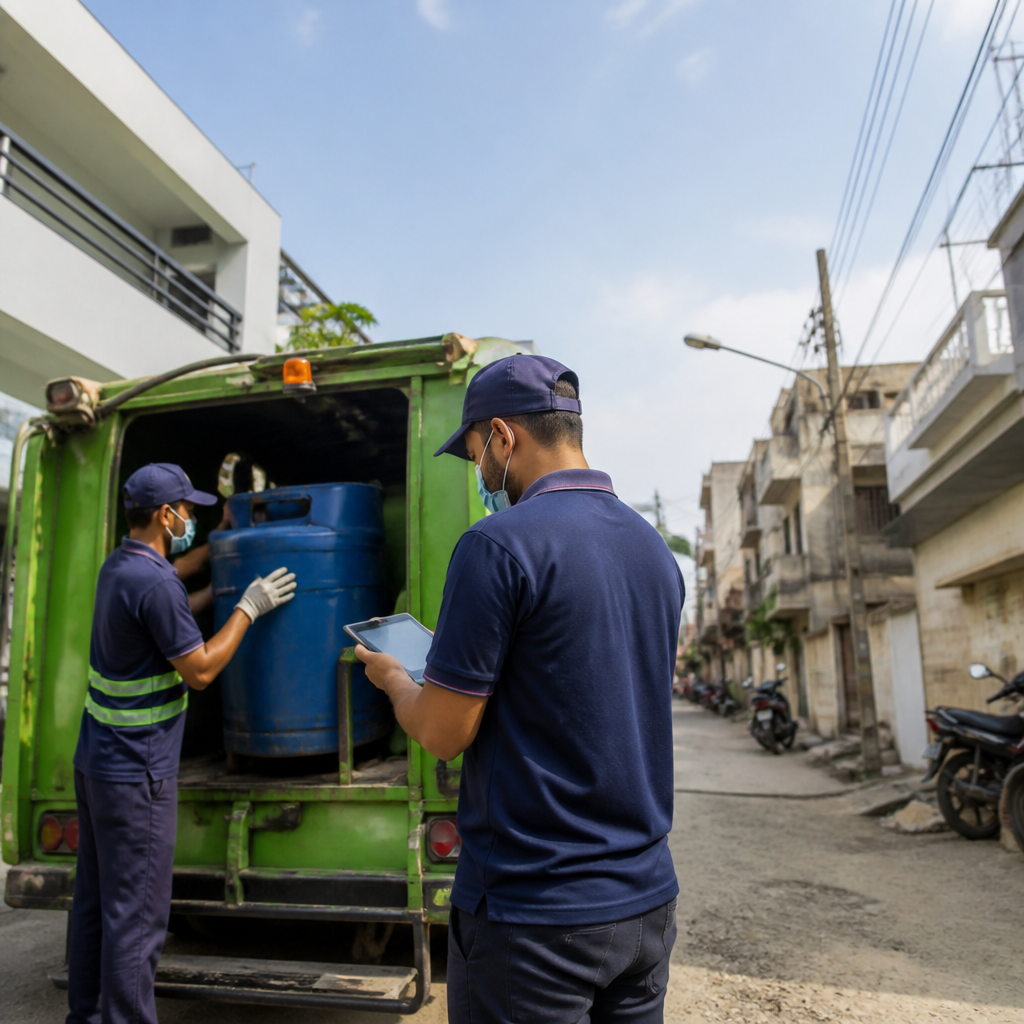
Container-based sanitation is one example. Instead of connecting homes to sewers, companies provide sealed household toilets whose waste is collected regularly and transported to treatment sites. This model works best where density is high and road access, while limited, still allows reliable collection logistics. Another model is marketplace aggregation: a startup uses an app or call center to connect households with licensed emptiers, standardize pricing, confirm service quality, and direct waste to approved disposal points.
Resource recovery can improve unit economics, but it should be treated carefully. Converting sludge into compost, fuel briquettes, black soldier fly protein inputs, or biogas can create secondary revenue, yet these products require quality control, stable demand, and regulatory approval. I have seen companies overestimate waste-to-value income and underestimate the cost of drying, pathogen reduction, packaging, and distribution. The better operators treat byproduct sales as an upside, not the only source of viability.
| Model | Primary customer | Main revenue source | Best-fit context |
|---|---|---|---|
| Container-based sanitation | Urban households | Monthly subscription | Dense settlements without sewers |
| Scheduled pit emptying | Households and landlords | Service fees | Peri-urban septic and pit systems |
| Utility software and monitoring | Municipal utilities | SaaS contracts | Cities improving asset management |
| Institutional sanitation management | Schools and clinics | Maintenance agreements | Facilities needing reliable operations |
| Resource recovery processing | Municipalities and agribusiness | Tipping fees plus product sales | Areas with treatment bottlenecks |
Technology trends powering the new wave
Innovation in sanitation is less about futuristic toilets and more about systems engineering. Sensors can track fill levels, pump performance, water use, and cleaning frequency. Geographic information systems support route planning and service mapping. Mobile money lowers collection risk by replacing cash. Treatment technologies are becoming more modular, including membrane bioreactors, anaerobic digesters, planted drying beds, urine diversion systems, and prefabricated decentralized units.
Digital verification is especially important in fragmented markets. If a city licenses desludging operators but lacks records of where waste is dumped, illegal discharge remains common. Startups now use GPS logs, digital manifests, and weighbridge integration to prove chain-of-custody from toilet to treatment site. That is valuable for municipalities, funders, and commercial clients that must document environmental compliance.
There is also real progress in inclusive design. Better toilet interfaces for children, elderly users, and people with disabilities are not marginal improvements; they affect adoption rates and public health outcomes. Materials innovation matters too. Durable, easy-to-clean surfaces reduce maintenance costs, while low-water or waterless designs improve performance in drought-prone settings. The key lesson from implementation is that technology must fit the use case. A technically elegant system will fail if spare parts are unavailable, operators are undertrained, or user behavior was ignored during design.
Financing, partnerships, and the path to scale
Sanitation startups typically scale through blended capital rather than venture funding alone. The revenue profile can be attractive, but payback periods are often longer than in pure software, and regulation shapes market entry. Grants, catalytic first-loss capital, development finance, carbon-related funding, municipal contracts, and results-based financing often work together. Investors look for evidence of repeatable unit economics, low customer churn, route density, regulatory compliance, and strong local operating teams.
Partnerships are decisive. Municipal governments control permits, dumping points, land access, and service standards. Utilities provide data and integration opportunities. Nongovernmental organizations can support community engagement and early demand creation. Large employers, schools, clinics, and property managers can anchor revenue. In markets where trust is low, the fastest-growing companies are often those that combine local partnerships with transparent pricing and visible service reliability.
Scaling internationally requires discipline. Founders sometimes assume a model proven in one city will transfer directly to another. In reality, differences in land tenure, tariff rules, fuel prices, road quality, rainy season severity, and treatment regulation can alter margins quickly. The startups that expand successfully build playbooks for licensing, operator training, customer education, maintenance, and data reporting, then adapt those playbooks city by city.
What success looks like and what can still go wrong
A successful sanitation startup does more than deploy toilets or trucks. It increases the proportion of waste that is safely contained, transported, treated, and either disposed of or reused without harming people or ecosystems. It reduces customer pain points such as overflow, unpredictability, stigma, and unsafe access. It protects workers with proper equipment and protocols. It also produces data that cities can use for planning.
Common failure points are predictable. Pricing can be set too low to sustain operations or too high for target users. Founders may focus on product design while neglecting after-sales service. Treatment capacity may become the bottleneck after collection improves. Regulatory uncertainty can delay facilities. Community acceptance can stall if privacy, cleanliness, gender safety, or cultural norms are mishandled. Worker safety is another nonnegotiable issue. Mechanization, personal protective equipment, vaccination, and standard operating procedures are essential, not optional extras.
For readers using this page as a hub, the central lesson is straightforward: global opportunities in sanitation are real because the problem is structural, urgent, and solvable through better services. Startups are rising by combining practical technology, disciplined operations, and partnerships that turn fragmented waste systems into accountable service chains. The best opportunities lie where demand is obvious, public systems are stretched, and entrepreneurs can prove safer, cheaper, or more reliable outcomes. Follow this subtopic closely, compare models by context, and look for the operators that treat sanitation as a long-term service business rather than a one-time hardware sale.
Frequently Asked Questions
What are sanitation startups, and why are they gaining so much attention now?
Sanitation startups are companies developing new products, services, technologies, and delivery models to improve how human waste, wastewater, and hygiene systems are managed. Their work can include everything from smarter toilets and handwashing stations to container-based sanitation, decentralized wastewater treatment, sludge collection logistics, drainage monitoring, and software platforms that help utilities or municipalities run systems more efficiently. What makes this sector especially important is that sanitation is not a niche issue; it sits at the center of public health, environmental protection, urban development, and economic productivity.
These startups are gaining attention because the world is confronting a sanitation gap that traditional systems alone have not solved. Rapid urbanization, population growth, informal settlement expansion, water stress, aging sewer infrastructure, and climate-related flooding have all exposed weaknesses in conventional sanitation models. At the same time, investors, governments, NGOs, and development institutions are increasingly recognizing that sanitation is not just a public service challenge but also an innovation opportunity. Better collection systems, modular treatment units, digital monitoring tools, and lower-cost service models can create measurable impact while building scalable businesses.
Another reason for the rise in attention is that sanitation outcomes are easier to connect to broader priorities than ever before. Improved sanitation reduces disease transmission, supports school attendance, protects groundwater and rivers, lowers healthcare costs, and strengthens community resilience. Startups that can show real-world performance, affordability, and operational reliability are finding growing interest because they offer practical solutions where large infrastructure projects may be too slow, too expensive, or poorly suited to local conditions.
How are sanitation startups different from traditional sanitation providers or public utilities?
Traditional sanitation providers and public utilities often operate large, centralized systems designed around long-term infrastructure planning, regulatory compliance, and public service delivery. Their role is essential, but they may face constraints related to procurement processes, budget cycles, legacy infrastructure, and slow adoption of new methods. Sanitation startups, by contrast, tend to be more flexible and experimental. They often focus on specific pain points such as toilet access in dense urban areas, fecal sludge pickup in neighborhoods without sewer connections, real-time monitoring of treatment performance, or affordable off-grid sanitation for schools, clinics, and low-income communities.
One major difference is in the business model. A startup may offer sanitation as a service rather than simply selling equipment. For example, instead of installing a toilet and leaving operations to the user, a company might bundle the toilet, collection, transport, treatment, and customer support into a recurring service plan. Others may use digital tools to optimize routing, payment collection, maintenance scheduling, or compliance reporting. This service-oriented approach can make sanitation more accessible and more dependable, especially in places where municipal coverage is incomplete.
Startups also tend to move quickly in testing new technologies and decentralized approaches. While a utility may be responsible for an entire citywide network, a startup can pilot a modular treatment system in one district, improve it based on user feedback, and adapt it for another setting. That agility does not replace public systems, but it can complement them. In many cases, the most effective sanitation innovation happens when startups work alongside municipalities, utilities, landlords, employers, schools, and community organizations rather than trying to replace them outright.
What kinds of innovations are sanitation startups bringing to the industry?
Sanitation startups are introducing innovation across the full sanitation value chain, not just at the toilet level. On the user side, some companies are designing safer, more affordable, and easier-to-maintain toilets for homes, workplaces, schools, and public spaces. In areas where sewer connections are impractical, startups are building container-based systems that collect waste in sealed units and transport it for treatment. Others are improving handwashing infrastructure with durable, water-efficient stations that can be deployed quickly in high-traffic or underserved locations.
In transport and operations, many startups are using logistics software, sensors, GPS tracking, and mobile payments to make waste collection more reliable and transparent. This matters because one of the biggest failures in sanitation is not necessarily the absence of a toilet, but the breakdown of what happens after waste is generated. Better scheduling, route optimization, equipment monitoring, and customer communication can dramatically improve service delivery. Digital tools also help operators generate performance data, which is increasingly important for regulators, funders, and institutional partners.
On the treatment side, startups are developing decentralized plants, compact processing systems, sludge drying methods, pathogen reduction technologies, and resource recovery models. Some convert waste into fuel, compost-like products, reusable water, or other valuable outputs where regulations and market conditions allow. The most promising innovation is often not a single breakthrough technology but the integration of sanitation hardware, service design, financing, and data management into a workable system. That systems-level thinking is what allows sanitation startups to move from pilot projects to scalable, sustainable solutions.
Why is sanitation considered a major business opportunity as well as a public health necessity?
Sanitation has traditionally been viewed mainly as a government responsibility or humanitarian issue, but that perspective is changing. The unmet need is enormous, and it spans households, businesses, schools, construction sites, healthcare facilities, transport hubs, refugee settings, informal settlements, and expanding peri-urban areas. Every one of those environments needs safe waste management, hygiene access, ongoing maintenance, and dependable service. That creates demand for products, contracts, subscription services, infrastructure management tools, treatment technologies, and compliance solutions.
From a business standpoint, sanitation is attractive because it is essential rather than optional. People, institutions, and cities cannot function without it. As regulations tighten, environmental enforcement increases, and public expectations rise, the market for more effective sanitation services grows stronger. There is also increasing interest from impact investors and blended finance providers because sanitation sits at the intersection of commercial viability and social return. A startup that lowers service costs, improves health outcomes, and reduces pollution can demonstrate multiple forms of value at once.
The opportunity is especially significant in markets where centralized sewer systems cannot realistically reach everyone in the near term. In those settings, decentralized and hybrid models can fill a critical gap. Startups can create revenue through installation, maintenance, collection, treatment, software licensing, or enterprise partnerships. The key point is that sanitation is no longer being seen only as hidden infrastructure in the background. It is emerging as a sector where operational excellence, customer experience, measurable outcomes, and scalable innovation can translate into real commercial growth while addressing one of the world’s most persistent public health challenges.
What challenges do sanitation startups face when trying to scale their solutions?
Despite the momentum in the sector, scaling sanitation innovation is difficult. One of the biggest challenges is that sanitation is deeply local. Regulations, land use rules, utility structures, customer behavior, climate conditions, and infrastructure constraints vary widely from one city or region to another. A model that works well in one setting may need substantial redesign elsewhere. Startups must often navigate permits, environmental standards, public health requirements, and municipal relationships before they can expand, which can slow growth compared with less regulated sectors.
Another challenge is that sanitation systems are operationally complex. Success depends on more than good product design. A startup may need to manage user adoption, maintenance, collection frequency, worker safety, transport logistics, treatment quality, odor control, disposal compliance, and payment reliability all at once. If any link in that chain fails, the service can quickly lose trust. That is why scaling in sanitation often requires strong field operations, workforce training, local partnerships, and ongoing performance monitoring rather than a simple software-style rollout.
Financing can also be a hurdle. Some sanitation solutions require upfront capital for vehicles, treatment equipment, site preparation, or manufacturing. At the same time, customers may need affordable payment terms, especially in underserved communities. This creates pressure on startups to build creative financing structures, secure patient capital, or partner with public and philanthropic funders while they prove long-term unit economics. Even with these challenges, the sector is advancing because the need is too significant to ignore. Startups that combine technical credibility, operational discipline, and strong stakeholder partnerships are increasingly showing that sanitation can scale when innovation is grounded in real service delivery.