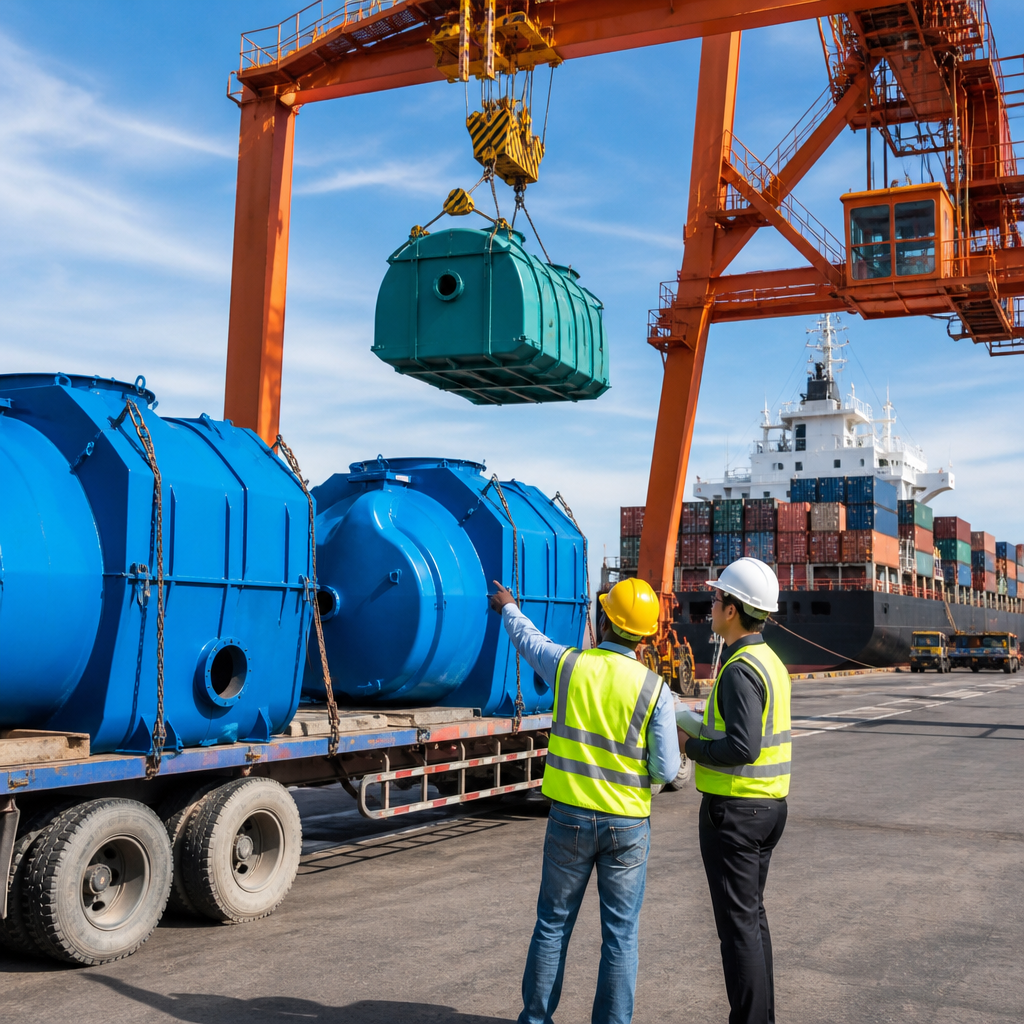
Global impact investing in the sanitation sector has moved from a niche development idea to a practical strategy for addressing one of the world’s most persistent infrastructure gaps. In simple terms, impact investing means allocating capital with the intention to generate measurable social or environmental benefits alongside financial returns. In sanitation, that capital supports toilets, fecal sludge management, wastewater treatment, hygiene services, circular economy businesses, and the digital systems that make those services reliable. The sanitation sector includes both on-site solutions, such as pit latrines and septic tanks, and networked systems, such as sewers and treatment plants. It also includes the institutions, operators, regulators, and community organizations that determine whether sanitation services are safe, affordable, and sustained.
This topic matters because sanitation is foundational to health, education, gender equity, climate resilience, and economic productivity. The World Health Organization has long linked poor sanitation to diarrheal disease, stunting, and preventable deaths, while the World Bank has documented the economic losses caused by inadequate water and sanitation services. In my work reviewing sanitation finance transactions and blended capital structures, I have seen the same pattern across markets: demand exists, proven technical options exist, and the public benefits are undeniable, yet projects stall because revenues are fragmented, assets are politically sensitive, and risks are misunderstood. That is precisely where global initiatives and collaborations can change outcomes. They reduce uncertainty, create standards, align incentives, and make sanitation investable without pretending it behaves like a conventional utility in every setting.
As a hub topic, global initiatives and collaborations in sanitation cover multilateral programs, public-private partnerships, catalytic funds, philanthropic platforms, municipal finance, corporate engagement, and local enterprise support. The most effective efforts do not focus on toilets alone. They build full service chains, from containment to transport, treatment, reuse, and monitoring. They also connect sanitation to health systems, urban planning, agriculture, carbon markets, and resilience planning. For investors, development finance institutions, governments, and social enterprises, the key question is not whether sanitation deserves capital. It is how to structure capital, partnerships, and accountability so that sanitation services reach low-income communities at scale and continue operating years after ribbon cuttings.
Why sanitation attracts impact capital and where conventional finance falls short
Sanitation attracts impact capital because the sector produces large social returns that markets often fail to price. A safely managed toilet reduces disease exposure, protects groundwater, improves dignity, and lowers the time burden on households, especially women and girls. A fecal sludge treatment plant can reduce pollution loads in rivers and create inputs for compost, biogas, or solid fuel. Yet many of these benefits accrue to the public rather than directly to the operator. That creates a classic mismatch between social value and cash flow. Traditional investors often look for predictable tariffs, hard collateral, and stable demand curves. Sanitation businesses, particularly in low-income or peri-urban areas, may have seasonal revenue, high customer acquisition costs, and a need for behavior change before uptake accelerates.
That gap explains why concessional finance, guarantees, results-based incentives, and technical assistance are so common in sanitation transactions. In East Africa and South Asia, for example, container-based sanitation companies and desludging operators have used grant-backed pilots to prove collection routes, pricing, and retention before seeking commercial debt. Municipal wastewater projects often depend on sovereign support or multilateral lending because tariffs alone do not cover capital expenditure. Even where users pay, affordability constraints limit cost recovery. Impact investors can accept longer timelines, layered returns, or blended structures in exchange for measurable outcomes. The most credible investors in this space understand that sanitation is not a single asset class. It spans utility infrastructure, service logistics, consumer finance, manufacturing, and environmental services, each with different risk profiles and return expectations.
Global initiatives shaping sanitation investment
Several global initiatives have made sanitation finance more structured and more visible. The Sustainable Development Goals, especially the target on universal access to adequate and equitable sanitation and hygiene, created a shared policy benchmark and a common language for funders and governments. Sanitation and Water for All has strengthened high-level political coordination by bringing together finance ministers, sector ministers, donors, and civil society around national commitments. The World Bank’s sanitation work, including citywide inclusive sanitation approaches, has pushed the sector beyond a narrow sewer-first model and toward service outcomes across entire urban areas. UNICEF and WHO’s Joint Monitoring Programme has been equally important because investors and policymakers need trusted definitions and comparable data on service levels, open defecation, and safely managed sanitation.
Philanthropic and market-building initiatives have also mattered. The Gates Foundation has funded sanitation innovation, non-sewered technologies, market development, and evidence generation for more than a decade, helping move frontier ideas closer to bankable models. The Toilet Board Coalition has connected corporates, entrepreneurs, and investors around what it calls the sanitation economy, emphasizing business models in toilets, treatment, data, and resource recovery. Development finance institutions and bilateral agencies have expanded blended finance windows that de-risk pilots, fund project preparation, and support early-stage enterprises. These collaborations matter because sanitation projects rarely fail for one reason. They fail when technology, regulation, consumer trust, land access, and financing are treated separately. Global initiatives are most effective when they coordinate these variables instead of funding isolated hardware.
Collaboration models that unlock scale
No single institution can deliver sanitation scale alone. The strongest collaboration models combine public authority, private execution, donor patience, and local accountability. Public-private partnerships are one route, especially for wastewater treatment, sewer expansion, and treatment plant operations. Governments can retain ownership of assets while contracting design, build, operate, or maintenance functions to private firms under performance standards. Another route is municipal-enterprise collaboration, where cities license or aggregate small desludging operators, designate discharge points, and improve enforcement so the private market can function legally and profitably. In low-income settlements, partnerships with community-based organizations are essential because they help map demand, build trust, and design payment systems that fit household cash flow.
Blended finance is often the mechanism that holds these collaborations together. A philanthropic grant may fund feasibility studies and customer research. A development agency may provide a first-loss tranche or guarantee. A commercial lender may then finance vehicles, treatment equipment, or working capital once baseline risk is reduced. Results-based financing can be layered in to reward verified household connections, safe sludge disposal, or service to underserved areas. I have seen this work best when responsibilities are explicit from the start: who owns the customer relationship, who bears collection risk, who pays for major repairs, and who verifies impact metrics. Collaboration fails when every party assumes another will absorb the noncommercial pieces. It succeeds when contracts, subsidies, and incentives reflect the real economics of inclusive sanitation service delivery.
| Collaboration model | Typical participants | Best use case | Main investment advantage |
|---|---|---|---|
| Public-private partnership | Municipality, utility, operator, lender | Wastewater plants, sewer operations | Clear long-term contracts and asset oversight |
| Blended enterprise finance | Impact fund, donor, sanitation startup, bank | Desludging, container-based sanitation, treatment services | Early risk reduction for scalable businesses |
| Results-based financing | Government, donor, verifier, service provider | Household access expansion, safe disposal targets | Pays for verified outcomes rather than inputs |
| Citywide inclusive sanitation platform | City government, communities, multiple operators | Mixed on-site and off-site urban systems | Matches finance to real service chains |
Investment themes across the sanitation value chain
Impact investing in sanitation is broader than financing toilet construction. The value chain starts with user interface products: household toilets, communal facilities, school sanitation blocks, handwashing stations, and the manufacturers and distributors behind them. It then moves to containment, emptying, transport, treatment, and reuse. Each segment supports different types of investment. Consumer finance and microfinance can help households purchase improved toilets or septic upgrades. Equipment leasing can help desludging companies acquire vacuum trucks or smaller transfer systems suited to dense settlements. Growth equity or revenue-based financing may fit software-enabled service providers that use route optimization, digital payments, and customer management tools.
Treatment and resource recovery present another set of opportunities. Fecal sludge and wastewater can produce compost, briquettes, biogas, reclaimed water, and, in some cases, nutrients for agriculture. These revenue streams rarely transform weak sanitation economics on their own, but they can improve viability when paired with reliable tipping fees or service contracts. Non-sewered sanitation systems are receiving more attention because they can lower capital costs and expand access faster where full sewer networks are unrealistic. The ISO standard for non-sewered sanitation systems has helped legitimize this category by establishing performance and safety expectations. Investors should still be disciplined. Technology novelty does not remove the need for maintenance networks, consumables supply, trained operators, and user acceptance. The right question is whether the whole service model works under local conditions, not whether a single device performs well in a demonstration.
Regional examples and lessons from collaboration
Global sanitation collaboration looks different by region, and that variation matters for investors. In India, national campaigns combined public funding, political visibility, and behavior change efforts to accelerate toilet access, but long-term impact still depends on fecal sludge management, wastewater treatment, and service quality beyond construction counts. In Bangladesh, social enterprises and NGOs have shown how sanitation marketing, microfinance, and local manufacturing can expand improved household toilets while creating local livelihoods. Across sub-Saharan Africa, utilities and municipalities are increasingly testing citywide inclusive sanitation frameworks because informal settlements and low-density growth make universal sewering financially unrealistic in the near term.
In parts of Latin America, wastewater treatment concessions and utility reforms have attracted private participation where regulation is stronger and cost recovery mechanisms are clearer. In East and Southern Africa, donor-backed programs have helped formalize pit emptying markets, support treatment plants, and improve data for urban sanitation planning. One lesson repeats across these examples: financing follows institutional clarity. Where discharge regulations are enforced, tariffs or service fees are predictable, and land for treatment is secured, investors can underwrite risk with greater confidence. A second lesson is that local adaptation matters more than copying models. A successful sanitation enterprise in Nairobi may rely on mobile payments and dense route logistics, while a viable model in secondary towns may depend on municipal contracts and transfer stations rather than household subscriptions.
Measuring impact, managing risk, and building investable pipelines
Sanitation investors need more than mission alignment; they need disciplined measurement and risk management. At minimum, impact metrics should cover access, safety, affordability, service continuity, and environmental performance. Useful indicators include households served, number of safely emptied containments, volume treated to standard, reduction in open defecation, school attendance effects, and service to low-income communities. IRIS+ can support standardized impact reporting, while JMP definitions help anchor claims about service levels. For environmental projects, monitoring effluent quality, pathogen reduction, or sludge disposal pathways is essential. Weak measurement undermines credibility and makes it harder for future capital to enter the sector.
Risk in sanitation usually falls into five categories: policy and regulatory risk, demand and payment risk, operational risk, technology risk, and foreign exchange risk. Mitigation tools vary. Guarantees can reduce credit risk. Output-based aid can backstop demand. Insurance and maintenance reserves can protect against operational shocks. Local currency lending matters where revenues are domestic and volatile exchange rates can wipe out margins. Pipeline development is equally important. Many sanitation opportunities are too small, too early, or too fragmented for institutional capital. Transaction support facilities, standardized contracts, pooled vehicles, and municipal project preparation can turn scattered opportunities into investable programs. The central benefit of global collaboration is not abstract solidarity. It is the practical creation of stronger projects, better data, clearer incentives, and more durable sanitation services.
Global impact investing in the sanitation sector works when capital is matched to the realities of service delivery. The sector needs grants for public goods, concessional funding for early risk, and commercial capital where revenues can support it. Global initiatives have already shown what effective collaboration looks like: common standards, credible data, municipal engagement, enterprise support, and outcome-based accountability. Investors should focus on full sanitation value chains, not isolated assets, and they should favor partnerships that clarify who pays, who performs, and who verifies results.
For readers exploring global initiatives and collaborations in sanitation, the main takeaway is straightforward. Sanitation becomes investable when policy, operations, and finance are designed together. That is the opportunity within this subtopic and across the broader global challenges and opportunities landscape. Use this hub as a starting point to examine citywide inclusive sanitation, blended finance, sanitation enterprise models, wastewater investment, and impact measurement in greater depth, then identify where your organization can participate with capital, technical expertise, or convening power.
Frequently Asked Questions
1. What is global impact investing in the sanitation sector?
Global impact investing in the sanitation sector refers to deploying capital into sanitation-related businesses, infrastructure, and service models with the dual goal of achieving measurable social or environmental outcomes and earning a financial return. Rather than viewing sanitation only as a public health or aid issue, impact investors treat it as a vital, investable sector that can improve lives while supporting sustainable business growth. This includes investments in toilets and containment systems, fecal sludge collection and treatment, decentralized wastewater solutions, hygiene services, recycling and resource recovery models, and digital platforms that improve operations, payments, and service delivery.
The “global” aspect matters because sanitation challenges and investment opportunities exist across emerging markets, frontier economies, and underserved urban and rural communities worldwide. In many places, public funding alone cannot close the sanitation access gap, especially where infrastructure is underdeveloped or municipal capacity is limited. Impact investing helps fill that gap by bringing in patient, purpose-driven capital that can support innovation, scale, and long-term system improvements.
What makes impact investing different from conventional investing is intent and measurement. Investors are not only asking whether a sanitation business can generate revenue, but also whether it can reduce disease risk, improve dignity and safety, protect water resources, lower pollution, and expand access for low-income populations. In practice, that means sanitation investments are often evaluated through both financial indicators and impact metrics such as households served, toilets installed, wastewater treated, sludge safely managed, or emissions avoided through circular resource recovery. This approach has made sanitation increasingly attractive to foundations, development finance institutions, family offices, ESG-focused funds, and private investors looking for solutions that combine resilience, social value, and scalable commercial models.
2. Why is the sanitation sector attracting more impact investors worldwide?
The sanitation sector is drawing more global impact investors because it sits at the intersection of several urgent and investable themes: public health, climate resilience, urbanization, water security, social equity, and sustainable infrastructure. For years, sanitation was overlooked because it was seen as too fragmented, too public-sector dependent, or too difficult to monetize. That perception has changed significantly. Investors now recognize that poor sanitation creates enormous economic and social costs, while effective sanitation systems can unlock measurable value for communities, cities, employers, healthcare systems, and the environment.
Another reason for growing investor interest is the emergence of clearer business models. Sanitation is no longer limited to large sewer systems funded solely by governments. Today, investable models include container-based sanitation, pay-per-use toilet networks, fecal sludge logistics, decentralized treatment systems, smart sanitation technologies, wastewater reuse, and circular economy businesses that convert waste into energy, fertilizer, industrial inputs, or other useful products. These models often generate income through user fees, service contracts, municipal partnerships, carbon-related value streams, or the sale of recovered resources, making the sector more understandable to investors seeking both impact and financial discipline.
Global development priorities have also helped elevate sanitation as an investment theme. Sanitation is directly linked to better health outcomes, stronger educational participation, improved gender safety, reduced groundwater contamination, and more productive local economies. It supports progress across multiple sustainable development objectives, which appeals to mission-driven capital providers. At the same time, technological improvements and better data systems have made it easier to track usage, payment behavior, treatment performance, and impact outcomes. That improved visibility lowers uncertainty and helps investors assess where capital can be deployed effectively.
Finally, sanitation is increasingly viewed as a resilience investment. As cities grow and climate pressures intensify, the need for safe, flexible, and affordable sanitation systems becomes even more urgent. Investors are paying attention because the sector offers the chance to back practical solutions to a longstanding global challenge while participating in a market that is becoming more structured, innovative, and commercially viable.
3. What types of sanitation projects and businesses are most suitable for impact investment?
The sanitation projects and businesses most suitable for impact investment are usually those that combine strong demand, clear service delivery, realistic revenue pathways, and measurable outcomes. These can range from early-stage enterprises to more mature infrastructure platforms, depending on the investor’s risk tolerance and return expectations. One major category includes access solutions such as household toilets, school and workplace sanitation facilities, and community toilet networks, especially when paired with financing options that make them affordable for low-income users. These models are often compelling when they solve a clear local need and are supported by strong operations and user adoption.
Another highly relevant category is fecal sludge management, which includes collection, transport, transfer stations, treatment plants, and safe disposal or reuse systems. In many rapidly growing cities, this is one of the most practical areas for impact investment because large portions of the population rely on onsite sanitation rather than sewer connections. Businesses that professionalize pit emptying, optimize routing, use digital payment systems, and expand treatment capacity can create substantial health and environmental benefits while developing recurring revenue streams.
Decentralized wastewater treatment is also attracting interest, particularly in areas where centralized sewer infrastructure is too costly, too slow to build, or poorly suited to local geography. These systems can serve housing developments, institutions, industrial users, and peri-urban communities. Investors may also look at businesses involved in wastewater reuse, nutrient recovery, biogas generation, sludge-to-fuel processing, compost production, or other circular economy applications. These models are especially attractive when they turn waste into marketable outputs and diversify income beyond customer service fees.
Technology and service-enablement businesses are another important segment. This includes software for sanitation operations, remote monitoring tools, digital customer management platforms, smart metering, mapping systems, and tools that improve compliance, maintenance, and asset performance. While these businesses may not always build toilets or treatment plants directly, they can significantly improve the efficiency and scalability of sanitation systems.
Ultimately, the best candidates for impact investment are organizations that understand the local sanitation value chain, have a credible path to scale, can demonstrate demand from users or institutions, and are prepared to report both financial performance and real-world impact. In sanitation, strong execution and local relevance matter just as much as innovative ideas.
4. How do investors measure impact and financial performance in sanitation investments?
Measuring both impact and financial performance is central to successful sanitation investing. On the impact side, investors typically look for metrics that show whether the investment is improving sanitation access, safety, affordability, environmental quality, and service reliability. Common indicators include the number of people served, toilets installed or upgraded, volume of fecal sludge safely collected and treated, amount of wastewater processed, reduction in open defecation, reuse of water or nutrients, and the percentage of low-income households reached. Depending on the business model, investors may also monitor school attendance improvements, health outcomes, time saved, reduced exposure to contaminated water, or gains in women’s safety and dignity.
What matters most is not just reporting activity, but demonstrating outcomes. For example, installing toilets is useful to measure, but investors also want to know whether those toilets are being used, maintained, emptied safely, and integrated into a functioning sanitation chain. Likewise, a treatment plant’s impact depends on actual treatment effectiveness, environmental compliance, and consistent operations over time. This is why more sophisticated investors often combine quantitative reporting with field verification, operational dashboards, customer data, and independent evaluation where appropriate.
On the financial side, sanitation investments are assessed using many of the same fundamentals applied in other sectors: revenue growth, margins, cash flow, unit economics, customer acquisition and retention, debt service capacity, capital expenditure requirements, and scalability. Investors want to understand whether a sanitation enterprise can cover operating costs, maintain assets, navigate regulation, and expand without excessive subsidy dependence. In infrastructure-oriented deals, they may focus more on contract structures, utilization rates, payment security, and long-term asset performance. In venture-style sanitation businesses, they may emphasize product-market fit, customer behavior, and operational efficiency.
Leading investors increasingly use blended frameworks that connect impact and financial outcomes rather than treating them separately. For example, serving lower-income communities may advance mission goals but can affect pricing and margins, so investors need to understand how affordability, subsidy support, grants, concessional capital, or cross-subsidization influence sustainability. The strongest sanitation investment strategies are built around realistic assumptions, transparent reporting, and a clear explanation of how social impact and financial resilience reinforce one another over time.
5. What are the main risks and opportunities in global impact investing for sanitation?
Global impact investing in sanitation offers significant opportunities, but it also comes with risks that investors need to understand clearly. On the opportunity side, sanitation addresses a vast unmet need across low-income and middle-income countries, as well as underserved communities in more developed markets. Demand is persistent, the social value is high, and the long-term relevance of the sector is undeniable. Investors who identify effective models early can help scale essential services, support healthier communities, reduce environmental damage, and build enterprises that benefit from recurring demand and long asset lives. There is also growing potential in circular economy businesses, climate-linked sanitation solutions, and digital tools that can improve collection, treatment, and payment systems.
At the same time, the sector can be complex. One major risk is that sanitation revenues are not always straightforward, especially when customers have low ability to pay or when municipal contracting systems are weak. Tariffs may be politically sensitive, payment delays can strain cash flow, and infrastructure projects can take time to reach full utilization. In some