Worldwide initiatives for clean water and sanitation shape public health, economic development, education, gender equity, and climate resilience in every region. Clean water means water that is safe for drinking, cooking, hygiene, and essential services, while sanitation refers to the systems that safely manage human waste, wastewater, and hygiene practices from households to entire cities. In my work reviewing infrastructure and policy programs, I have seen that sanitation is often treated as a narrow engineering issue, yet the strongest results come when governments, utilities, health agencies, community groups, and financiers coordinate around one goal: safely managed services for everyone. This topic matters because unsafe water, poor sanitation, and weak hygiene systems still drive preventable disease, lost school days, lower productivity, and environmental damage at enormous scale.
The global benchmark is Sustainable Development Goal 6, which calls for universal access to safe water and sanitation, better water quality, efficient use of water resources, and stronger ecosystem protection. The Joint Monitoring Programme of WHO and UNICEF gives the standard service ladder used by governments and donors, distinguishing between basic access and safely managed services. That distinction is critical. A handpump near a village may improve access, but if water is contaminated, unavailable for long periods, or unaffordable, the public health benefit falls sharply. Likewise, a toilet is not enough if waste is discharged untreated into drains, rivers, or groundwater. Worldwide initiatives therefore span infrastructure, regulation, financing, behavior change, utility reform, data systems, and emergency response.
This hub article covers the major global initiatives and collaborations in sanitation and explains how they fit together. It addresses the questions decision-makers, students, nonprofit leaders, and researchers usually ask first: who leads these efforts, how programs are funded, what technologies work, where sanitation intersects with climate and urbanization, and why some projects succeed while others stall. It also serves as a starting point for deeper reading across the wider Global Challenges and Opportunities topic, because sanitation is tightly linked to health systems, food security, migration, and environmental governance. The central lesson is straightforward: progress depends less on isolated projects than on durable institutions, accountable financing, and partnerships built around measurable service outcomes.
Global frameworks that organize action
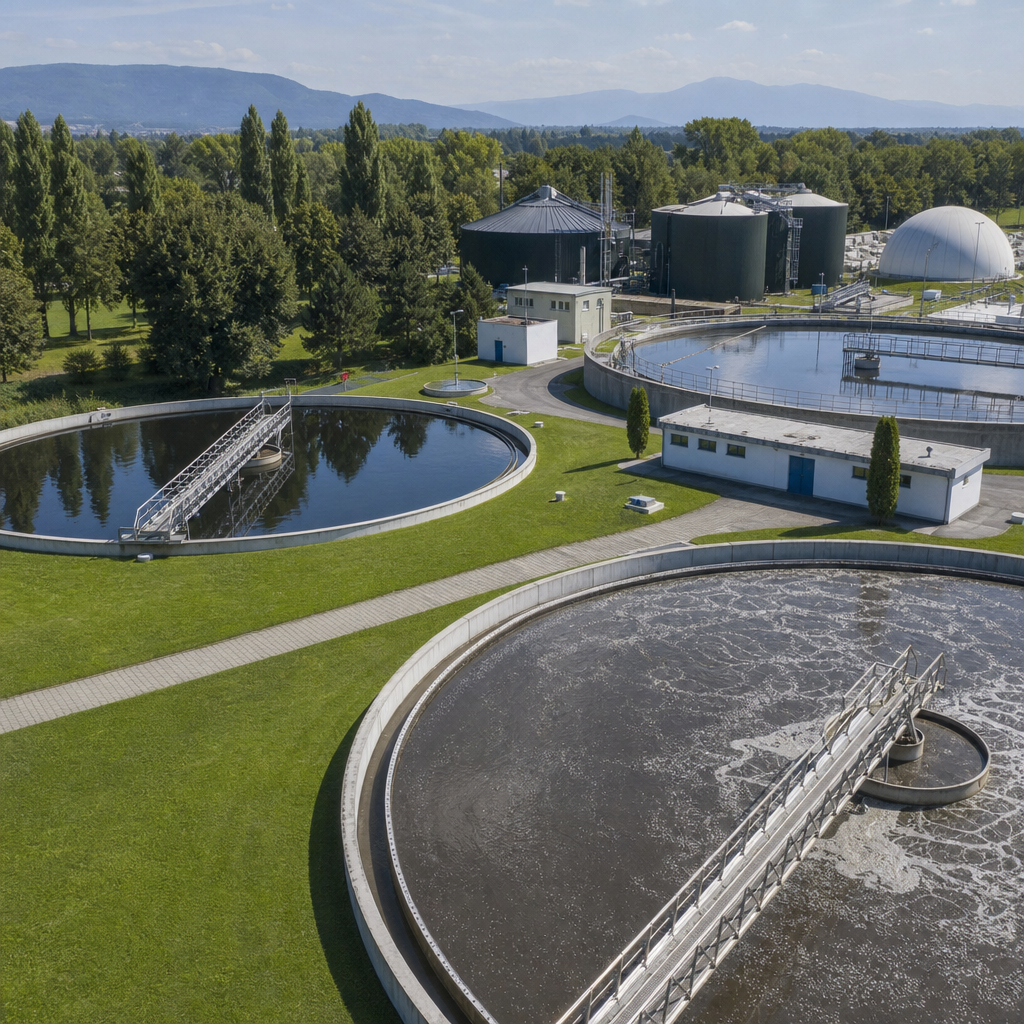
The most important international framework is the 2030 Agenda, with SDG 6 providing the shared target language used by national ministries, multilateral lenders, utilities, and civil society networks. Within that agenda, target 6.1 addresses safe drinking water, target 6.2 focuses on sanitation and hygiene, target 6.3 covers wastewater and water quality, and related targets deal with water-use efficiency, integrated water resources management, and ecosystems. In practice, this means sanitation planning cannot stop at toilet construction. It must consider containment, emptying, transport, treatment, disposal, and reuse. That full chain is often described as the sanitation service chain, and it is now the basis for serious urban and rural planning.
WHO, UNICEF, UN-Water, UNDP, UN-Habitat, and the World Bank each play distinct roles. WHO links sanitation to disease prevention, infection control, and health standards. UNICEF supports national systems, schools, health facilities, and community-based programming. UN-Water coordinates across the UN system. The World Bank and regional development banks finance large infrastructure and sector reforms. Sanitation and Water for All has become a notable multistakeholder partnership because it brings ministers of finance, water, and health into one accountability process rather than keeping sanitation inside a technical silo. That structure matters: when finance ministries are engaged early, countries are more likely to move from pilot projects to national programs.
Another major organizing principle is the human rights framework recognizing access to safe drinking water and sanitation. This framing has practical consequences. It pushes governments to focus on affordability, non-discrimination, access for people with disabilities, service quality, and accountability mechanisms for underserved communities. It also changes how performance is measured. A city can report high coverage while still failing residents of informal settlements, displaced populations, or remote communities. The rights-based lens exposes those gaps and supports more equitable planning.
How global sanitation collaborations work in practice
Successful collaborations combine international funding with national ownership and local delivery capacity. I have repeatedly seen that donor enthusiasm cannot compensate for weak utility governance or fragmented mandates between water, health, environment, and local government agencies. The better model starts with a country-led plan, clear institutional responsibilities, reliable monitoring, and financing that covers both capital expenditure and long-term operation and maintenance. Programs that ignore maintenance usually underperform within a few years, especially where spare parts, trained operators, or electricity supply are unreliable.
Citywide Inclusive Sanitation has emerged as one of the most influential approaches because it accepts a basic reality: in many cities, sewer networks alone will not reach everyone quickly or affordably. Instead, cities need a mix of solutions, including sewers where density supports them, septic systems built to standard, fecal sludge management services, decentralized wastewater treatment, and safe reuse where feasible. This approach has shaped guidance from the World Bank, the Bill & Melinda Gates Foundation, and urban practitioners across Africa and Asia. It is particularly relevant in fast-growing cities where informal settlements expand faster than networked infrastructure.
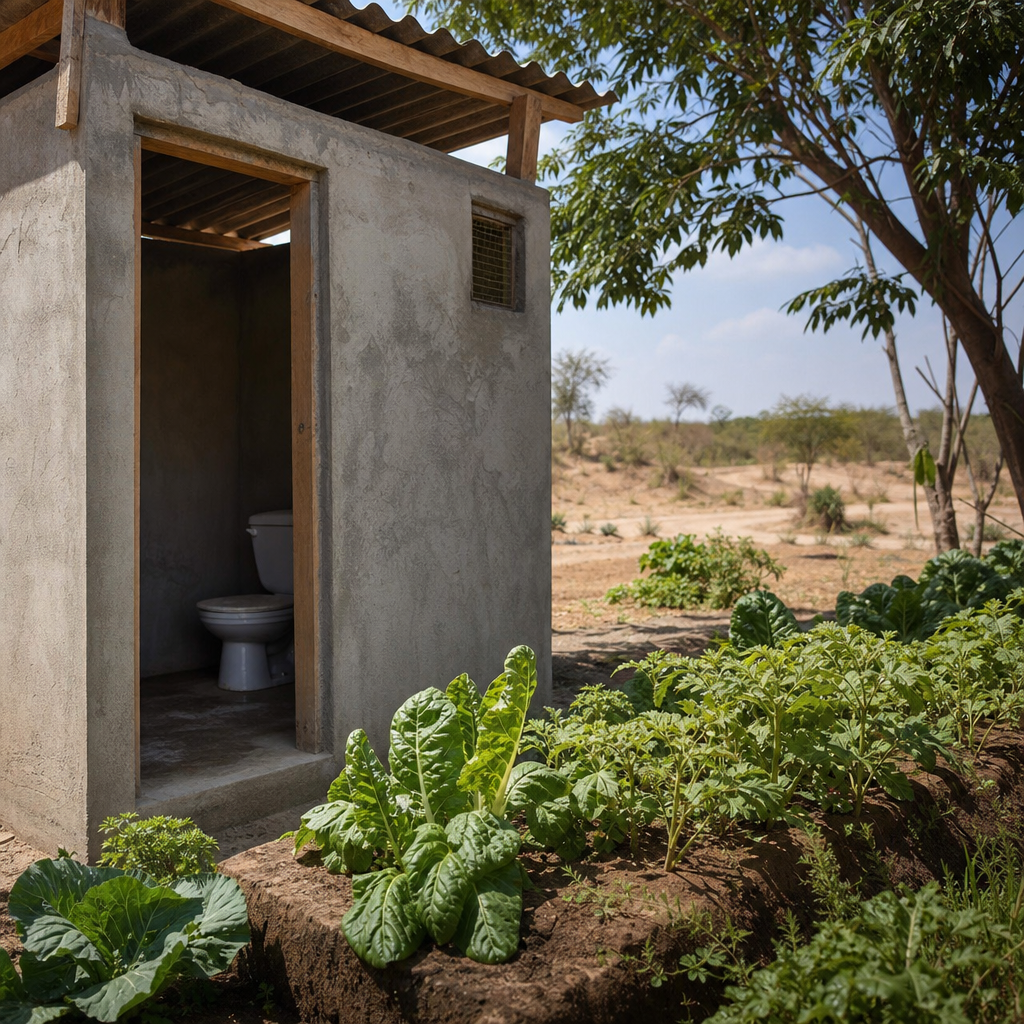
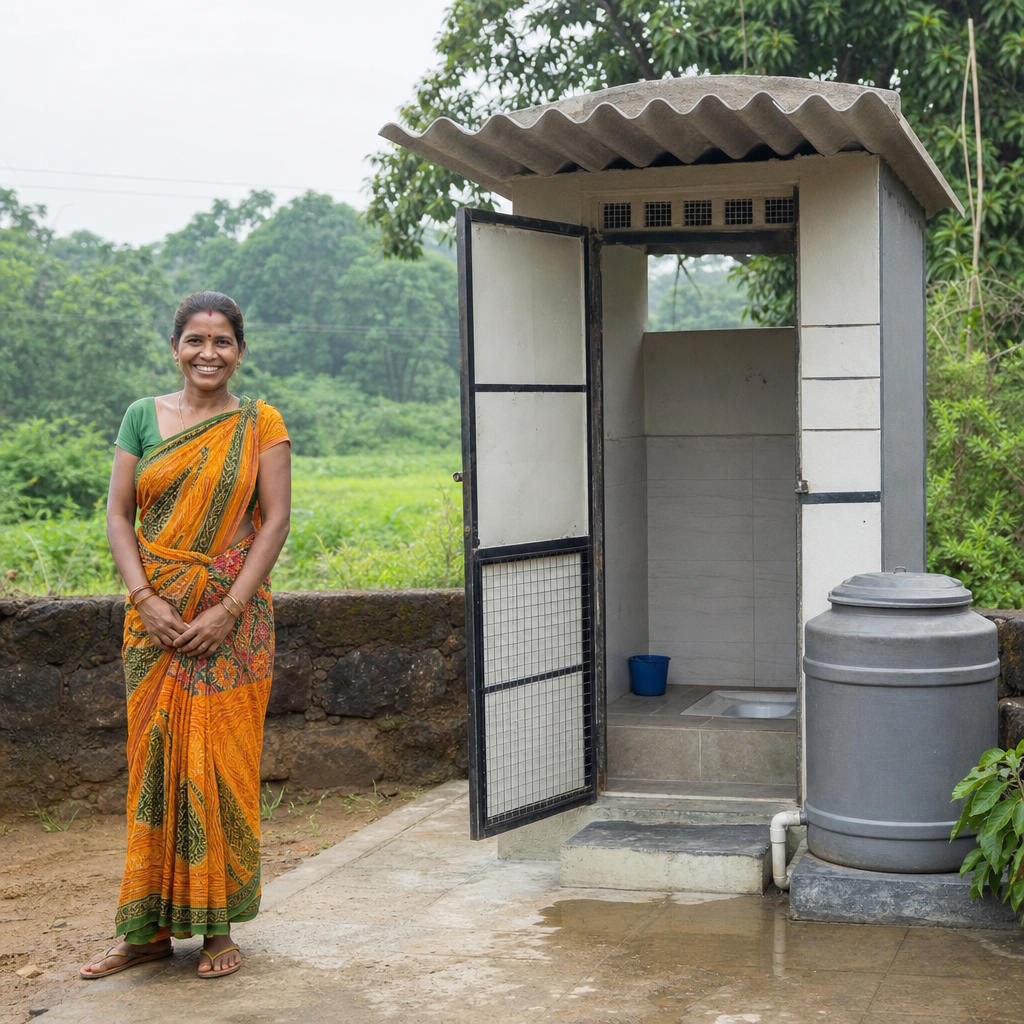
Rural sanitation collaborations often use community mobilization, supply-chain support, and targeted subsidies. Community-Led Total Sanitation influenced national campaigns by shifting focus from subsidy-driven toilet distribution toward behavior change and collective action against open defecation. The approach increased rural sanitation coverage in many places, but the record also shows limits. Without attention to toilet durability, pit emptying, water availability, and inclusion of the poorest households, gains can reverse. The most credible programs now blend behavior change with market development, sanitation financing, and stronger local government follow-up.
Leading organizations, tools, and examples
The range of actors in global sanitation is broad, but their functions are easier to understand when grouped by role. Multilateral agencies set standards and coordinate reporting. Development banks finance systems. Nongovernmental organizations pilot approaches, strengthen community engagement, and advocate for underserved groups. Research institutions test technologies and analyze impact. Private firms supply toilets, pumps, treatment units, sensors, and digital billing tools. Utilities and municipalities remain the core delivery institutions because they collect revenue, manage assets, and maintain service over decades.
| Actor or initiative | Main role | Practical example |
|---|---|---|
| WHO/UNICEF Joint Monitoring Programme | Global data and service definitions | Tracks safely managed water and sanitation coverage used in national reporting |
| World Bank Water Global Practice | Finance and sector reform | Supports utility performance improvement and fecal sludge management systems |
| Sanitation and Water for All | Political accountability platform | Convenes ministers to align policy commitments with budgeting |
| UNICEF WASH programs | Services for communities, schools, and clinics | Improves handwashing and sanitation in health facilities and rural districts |
| WaterAid | Advocacy and implementation support | Works with governments on inclusive sanitation and climate-resilient services |
Real-world examples show why collaboration design matters. India’s Swachh Bharat Mission dramatically expanded toilet construction and made sanitation a visible national priority through political leadership, mass communication, and local implementation. Its scale was extraordinary, but the next phase has necessarily focused more on sludge management, plastic and solid waste, and sustaining outcomes. In Bangladesh, sanitation progress has been supported by dense local networks, market-based toilet supply, and community engagement, while urban areas have pushed further into fecal sludge management. In sub-Saharan Africa, countries such as Senegal and Rwanda have drawn attention for stronger sector planning, though service gaps remain significant in informal settlements and remote rural areas.
Schools and health facilities represent another crucial front. UNICEF, WHO, and many bilateral donors support water, sanitation, and hygiene upgrades in clinics because infection prevention depends on basic services. A delivery room without clean water or handwashing facilities increases the risk of sepsis and maternal complications. Schools without toilets, menstrual hygiene facilities, or soap contribute to absenteeism, especially for girls. These are not secondary social benefits; they are direct service quality issues with measurable health and educational consequences.
Financing, governance, and the economics of sanitation
Sanitation is chronically underfinanced relative to its public value. The economics are well established: investment lowers disease burden, protects water resources, reduces time lost collecting water or finding private places for defecation, and improves labor productivity. Yet sanitation often struggles to attract sufficient budgets because many benefits accrue across sectors rather than inside one ministry. Health systems save money when diarrhea declines, schools benefit when attendance improves, and cities gain when waterways are cleaner, but those savings are rarely captured in one funding stream. This is why blended finance, intergovernmental transfers, and tariff reform are recurring features of serious sanitation strategies.
Good governance is as important as money. Utilities need clear mandates, realistic tariffs, pro-poor subsidy policies, and asset management systems. Municipalities need regulations for septic tank design, desludging frequency, discharge standards, and treatment plant operations. National governments need sector policies that define who is accountable for rural sanitation, urban on-site systems, wastewater treatment, and hygiene promotion. Where responsibilities are scattered across ministries without coordination, projects are delayed, data quality drops, and service gaps persist. I have seen technically sound projects slow to a crawl simply because land approval, environmental permitting, and procurement rules were never aligned.
Digital tools are improving accountability. Utilities now use geographic information systems, mobile payment platforms, remote sensors, and dashboard reporting to track service coverage and infrastructure performance. FSM planning tools help cities map septic tanks, estimate sludge volumes, and optimize treatment capacity. These systems do not solve governance problems on their own, but they make underperformance harder to hide and planning more evidence-based. The strongest programs combine digital monitoring with independent audits, customer grievance channels, and periodic public reporting.
Climate, urban growth, and the next generation of sanitation solutions
Climate change is now a central sanitation issue. Floods can overwhelm sewer networks, wash out pit latrines, and contaminate wells with fecal matter. Drought reduces water availability for flushing, hygiene, and treatment processes. Rising temperatures can intensify water quality risks and strain already fragile systems. For this reason, sanitation planning increasingly includes flood-resilient toilet design, elevated containment, decentralized systems that keep functioning during outages, and watershed protection linked to broader climate adaptation. Resilience is no longer optional infrastructure language; it is core public health planning.
Urban growth raises the urgency. By the time conventional sewer master plans are funded and built, settlement patterns may already have changed. That is why non-sewered sanitation, fecal sludge treatment plants, condominial sewers, simplified sewers, and container-based services are receiving more attention. No single technology wins everywhere. Dense formal neighborhoods may justify conventional sewerage. Peri-urban areas often need staged approaches. Informal settlements may require shared facilities, scheduled desludging, or modular treatment units before network expansion becomes viable. The right question is not which technology is best in theory, but which service model can safely reach people at scale under local financial and spatial constraints.
The next decade will likely reward countries and cities that treat sanitation as a managed service rather than a construction target. That means designing for the full lifecycle, budgeting for maintenance, integrating hygiene and public communication, and using performance data to revise programs quickly. It also means linking sanitation to broader Global Challenges and Opportunities, including health security, water scarcity, food systems, and resilient infrastructure. If this hub article serves one purpose, it is to make that systems view clear. Clean water and sanitation improve lives most when they are planned inclusively, financed realistically, and governed as essential public services. Explore the related articles in this subtopic to go deeper into urban sanitation, rural service delivery, wastewater treatment, and sanitation finance strategies worldwide.
Frequently Asked Questions
1. Why are worldwide initiatives for clean water and sanitation so important?
Worldwide initiatives for clean water and sanitation matter because they influence far more than access to a glass of safe drinking water. They affect public health, school attendance, maternal and child outcomes, food security, local business growth, environmental protection, and long-term economic stability. When communities have reliable access to safe water for drinking, cooking, handwashing, and essential services, rates of waterborne disease can fall significantly. When sanitation systems safely contain, transport, treat, and manage human waste and wastewater, the spread of infectious illness is reduced, healthcare systems face less pressure, and neighborhoods become safer and more dignified places to live.
These initiatives also have a strong connection to education and gender equity. In many parts of the world, women and girls still spend substantial time collecting water, which can reduce school attendance and limit opportunities for paid work. Schools without functioning toilets, handwashing stations, and menstrual hygiene support often see lower attendance, especially among adolescent girls. Clean water and sanitation programs help remove those barriers. They also improve climate resilience by supporting drought planning, flood-resistant infrastructure, watershed protection, and better wastewater management. In practice, the most effective global initiatives treat water and sanitation not as isolated technical issues, but as foundational systems that support healthier societies, stronger economies, and more equitable development.
2. What do global clean water and sanitation initiatives usually include?
Most worldwide initiatives combine infrastructure, governance, financing, and behavior change rather than focusing on a single construction project. On the water side, this may include protected wells, piped distribution networks, water treatment plants, household water treatment solutions, storage systems, leak reduction, water quality monitoring, and source protection for rivers, aquifers, and watersheds. On the sanitation side, initiatives can include toilets and latrines, sewer networks, septic systems, fecal sludge management, wastewater treatment facilities, stormwater planning, and handwashing infrastructure in homes, schools, clinics, and public spaces.
Strong initiatives also address the policy and institutional side of service delivery. That means setting water quality standards, defining utility responsibilities, improving tariff structures, training local operators, strengthening maintenance systems, and creating accountability mechanisms so services continue after initial funding ends. In my experience reviewing infrastructure and policy programs, sanitation is often treated as an afterthought compared with water supply, even though safe sanitation is equally essential to public health. The most successful programs correct that imbalance by planning the full service chain: containment, collection, transport, treatment, reuse or disposal, and ongoing monitoring. They also engage communities directly, because long-term success depends on whether systems are affordable, culturally acceptable, inclusive, and practical to maintain in real local conditions.
3. How do these initiatives improve public health and economic development?
Clean water and sanitation initiatives improve public health by reducing exposure to pathogens that cause diarrhea, cholera, typhoid, parasitic infections, and other preventable illnesses. Safe drinking water lowers the risk of contamination at the point of use, while sanitation systems help stop human waste from entering living spaces, water sources, and food systems. Handwashing facilities and hygiene education reinforce those gains by interrupting disease transmission in homes, schools, healthcare settings, and workplaces. The result is not only fewer illnesses, but often better child growth outcomes, lower mortality risk, and improved overall well-being.
The economic effects are equally important. Households save time when water is available closer to home. Workers lose fewer days to illness. Children miss fewer school days, which can improve learning and future earning potential. Businesses benefit from more reliable services, especially in agriculture, food processing, manufacturing, hospitality, and healthcare. Communities also avoid some of the hidden costs of poor sanitation, such as emergency medical spending, environmental cleanup, reduced tourism, and lost productivity. At the national level, countries with stronger water and sanitation systems are generally better positioned for sustainable growth because they are investing in human capital, urban resilience, and foundational public infrastructure. In other words, clean water and sanitation are not just social goods; they are economic multipliers.
4. What are the biggest challenges facing worldwide clean water and sanitation efforts?
One major challenge is that building infrastructure is easier than sustaining service quality over time. Many projects launch successfully but struggle later because of weak maintenance budgets, limited technical capacity, poor spare-parts supply, or unclear institutional responsibility. A water point can be installed quickly, but safe and reliable service requires regular testing, repairs, trained operators, and governance that works year after year. Sanitation is often even more difficult because it is less visible politically and requires coordination across households, utilities, municipalities, health agencies, and environmental regulators. If even one part of the sanitation chain breaks down, the public health benefits can disappear.
Other major barriers include rapid urbanization, informal settlements, conflict, climate change, water scarcity, pollution, and inequality. Fast-growing cities can outpace sewer, drainage, and water treatment capacity. Rural and remote communities may face high per-person service costs. Climate-related droughts reduce water availability, while floods can overwhelm sanitation systems and contaminate water sources. Industrial pollution and agricultural runoff add further stress. Financing is another persistent issue: many countries need more investment not just in new assets, but in rehabilitation, operations, and long-term system management. Finally, inequity remains central. The communities most affected by unsafe water and poor sanitation are often the least represented in decision-making. That is why effective initiatives increasingly focus on inclusion, affordability, local governance, and resilience rather than one-time construction alone.
5. How can worldwide initiatives become more effective and sustainable in the future?
Future success depends on shifting from short-term project thinking to long-term service delivery thinking. That means designing systems around reliability, affordability, maintenance, water quality assurance, and climate resilience from the start. Investments should be based on local conditions rather than one-size-fits-all models. Dense urban neighborhoods may need sewer upgrades, decentralized treatment, or improved fecal sludge services, while rural areas may benefit more from protected local sources, community management support, and practical onsite sanitation solutions. Governments and development partners also need better data on coverage, functionality, water safety, wastewater treatment, and service gaps so they can target resources where they have the greatest impact.
Programs also become more effective when they integrate sectors that are often managed separately. Water, sanitation, hygiene, public health, education, housing, and environmental management are deeply connected. Schools need toilets and handwashing facilities. Clinics need reliable water and safe waste systems. Cities need drainage and wastewater planning that account for flooding and population growth. Communities need tariffs and subsidies that balance financial sustainability with equitable access. Private sector participation can help in some contexts, especially in innovation and service delivery, but public oversight remains essential because water and sanitation are fundamental public-interest services. The strongest path forward is a balanced approach: sound policy, durable infrastructure, local ownership, professional operations, transparent financing, and a clear commitment to reaching underserved populations first.