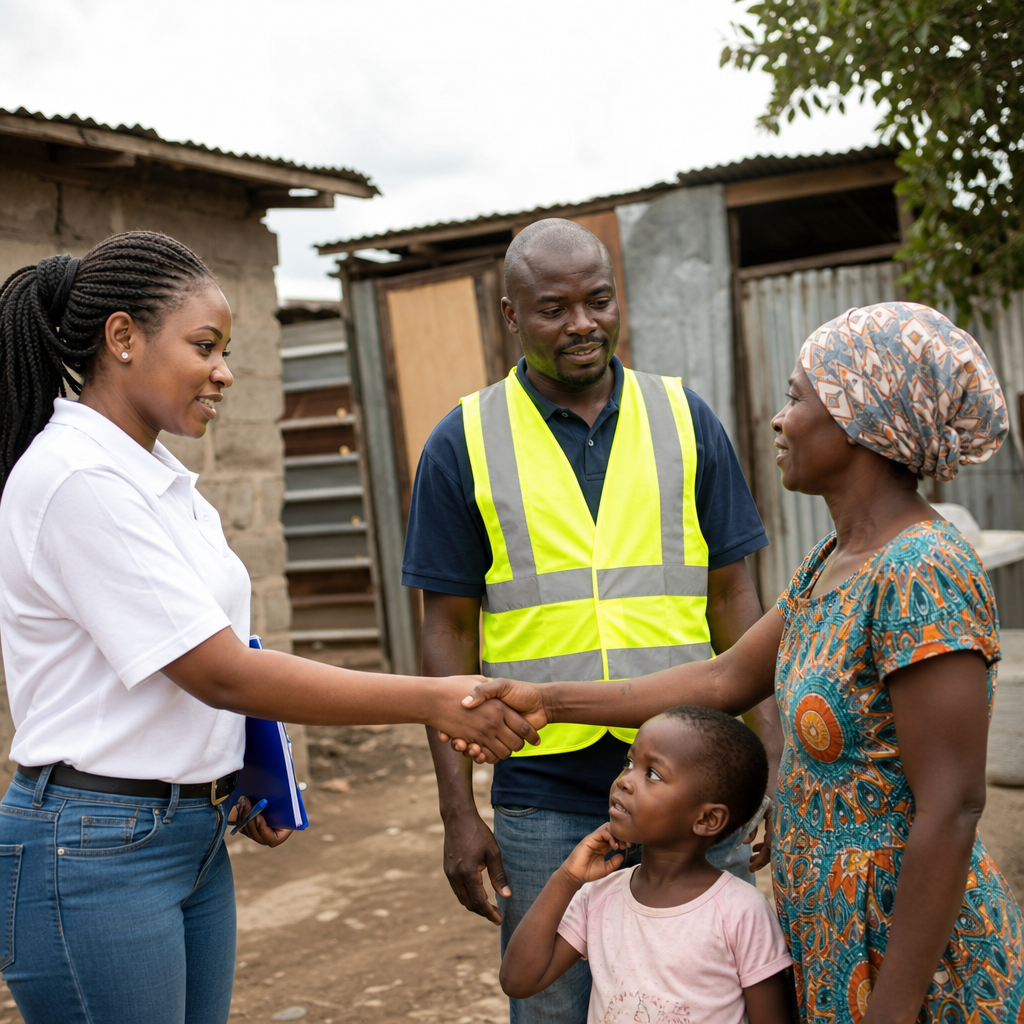
The United Nations’ role in promoting sustainable sanitation is central to global public health, environmental protection, gender equality, and economic development. Sustainable sanitation means managing human waste, wastewater, stormwater, and hygiene services in ways that protect health today without damaging water resources, ecosystems, or public budgets tomorrow. In practice, it includes toilets that people can safely use, systems that collect and treat waste, behavior change that supports hygiene, and governance that keeps services functioning for decades rather than months. I have worked on sanitation content and policy analysis long enough to see a recurring pattern: where sanitation is treated as a narrow construction problem, systems fail; where it is treated as a service chain supported by institutions, finance, and community ownership, results last.
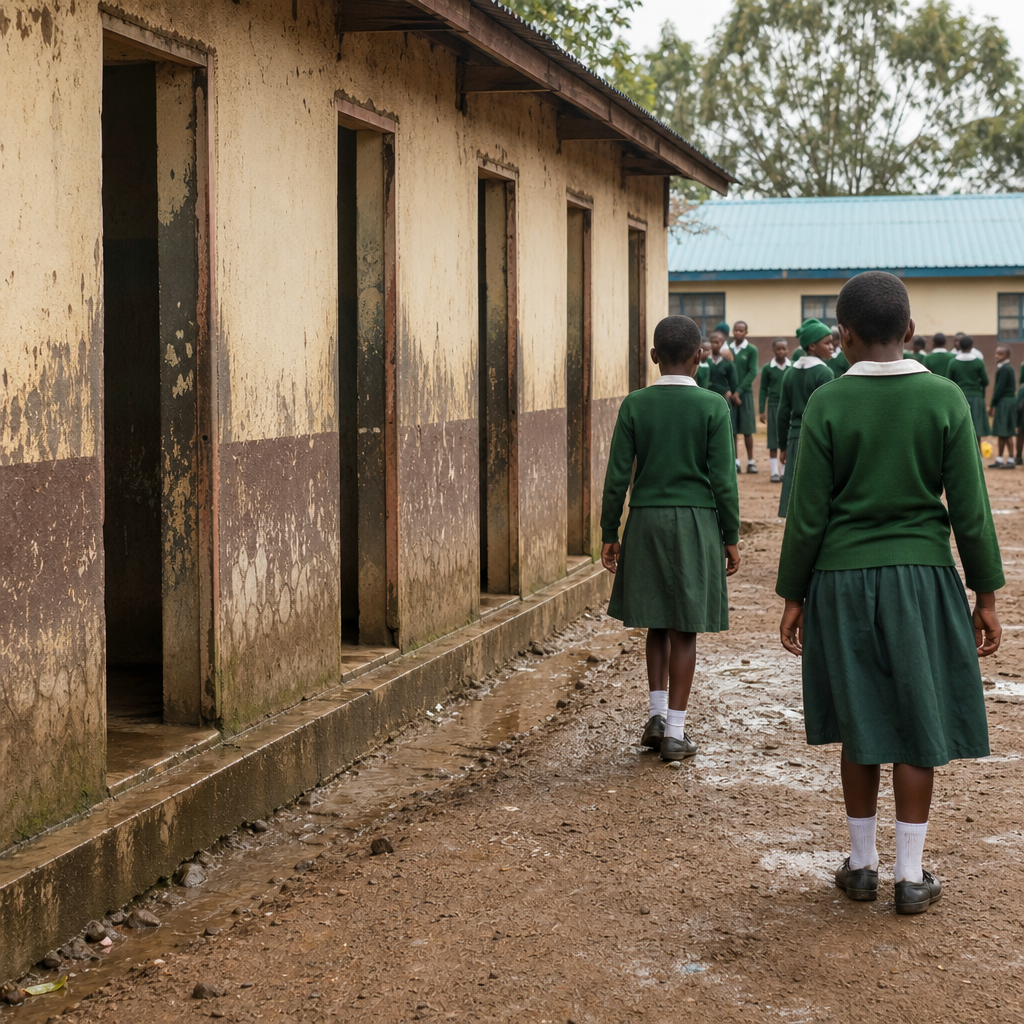
The scale of the challenge explains why the United Nations remains so influential. According to the WHO and UNICEF Joint Monitoring Programme, billions of people still lack safely managed sanitation services, and hundreds of millions practice open defecation. Unsafe sanitation spreads diarrheal disease, cholera, typhoid, intestinal worms, and undernutrition, while also contaminating groundwater, rivers, and coastal zones. Women and girls face disproportionate risks, including safety concerns when facilities are absent, inadequate menstrual health support, and school absenteeism. Urban growth compounds the problem as informal settlements expand faster than sewer networks, while climate change raises flood risks that can overwhelm pit latrines and wastewater plants. Sanitation, therefore, is not a side issue. It sits at the intersection of health systems, housing policy, water security, climate resilience, education, and labor productivity.
The UN matters because it does three things few other actors can do at the same scale. First, it sets global goals and standards that give governments a common direction. Second, it convenes countries, development banks, NGOs, utilities, researchers, and community organizations around shared commitments. Third, it translates broad ambitions into measurable targets, financing platforms, technical guidance, and accountability processes. This hub article explains how UN agencies, member states, and international partners shape global initiatives and collaborations in sanitation, where progress is occurring, where gaps remain, and what practical lessons emerge for policymakers, practitioners, investors, and advocates.
How the United Nations defines and advances sustainable sanitation
Within the UN system, sanitation is not limited to toilets. The accepted approach follows the full sanitation service chain: containment, emptying, transport, treatment, reuse, or safe disposal. That framing matters because a household toilet is only the visible front end. If fecal sludge is dumped untreated into drains or waterways, the health outcome remains poor. UN agencies increasingly align with sanitation planning methods that address entire urban and rural systems, including sewered and non-sewered options. This is why terms such as safely managed sanitation, fecal sludge management, wastewater treatment, and circular sanitation now appear regularly in UN guidance and country reporting.
The anchor point is Sustainable Development Goal 6, especially target 6.2, which calls for access to adequate and equitable sanitation and hygiene for all and an end to open defecation, with special attention to women, girls, and vulnerable groups. Target 6.3 adds wastewater treatment and water quality protection. Together, these targets moved the global conversation beyond counting basic latrines. The focus is now on service levels, equity, environmental outcomes, and functionality. In my experience reviewing country sanitation strategies, the strongest plans mirror this broader definition by linking public health indicators, utility performance, sludge treatment capacity, and household behavior change rather than reporting one construction figure in isolation.
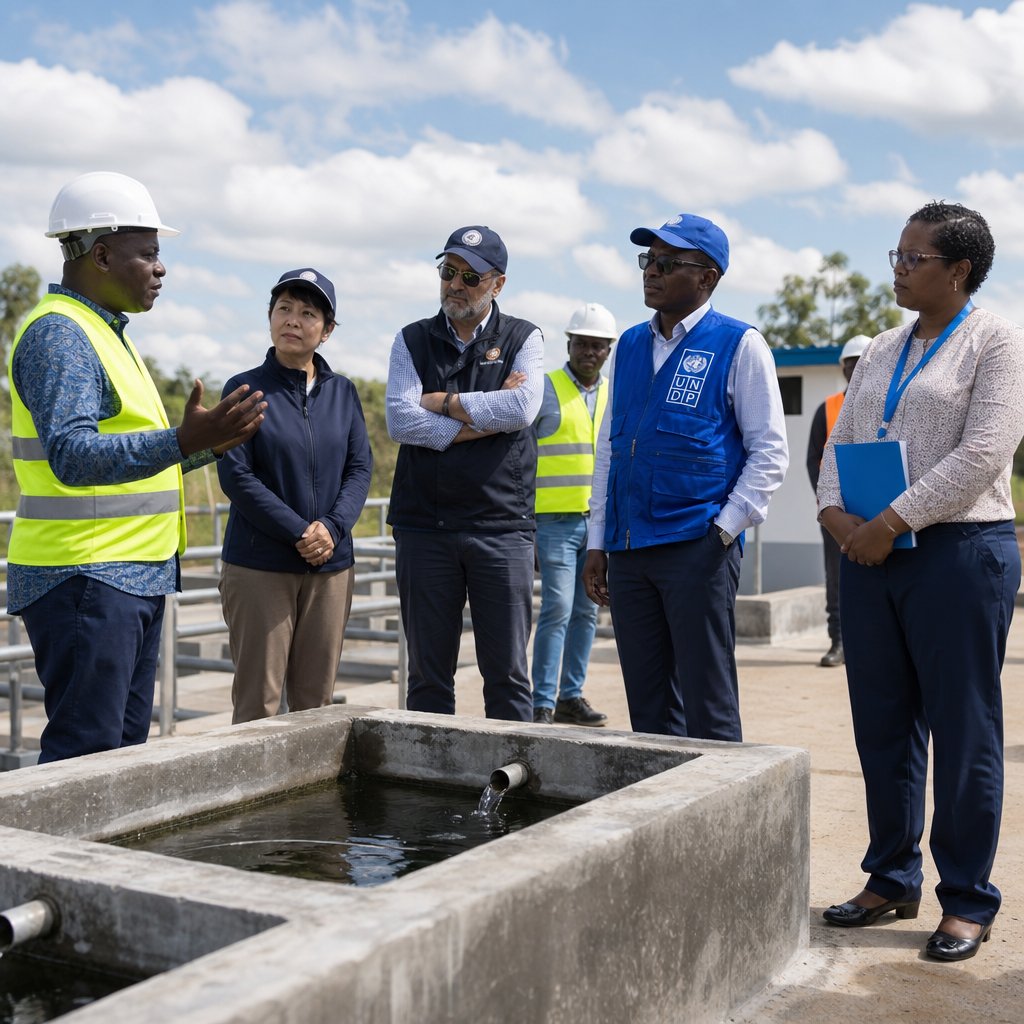
UN-Water plays a coordinating role across the wider system. It brings together UN entities working on water and sanitation so messaging, reporting, and global advocacy do not fragment. The WHO and UNICEF Joint Monitoring Programme provides the most widely cited global data set for drinking water, sanitation, and hygiene, giving governments and lenders a common evidence base. UN-Habitat addresses urban service delivery, slum upgrading, and city governance. UNICEF leads strongly on child-focused sanitation and hygiene, especially in schools and health facilities. WHO sets health-based norms and risk frameworks, including sanitation safety planning linked to the Sanitation Safety Planning manual. UNDP supports governance and development planning, while UNEP contributes on wastewater, pollution, and ecosystem protection. The result is a multi-agency architecture that connects sanitation to broader development systems.
Global initiatives and collaborations in sanitation shaped by the UN
The UN’s strongest influence appears through global initiatives that combine targets, financing, technical guidance, and political pressure. World Toilet Day, recognized by the UN since 2013, is sometimes dismissed as symbolic, but it has had practical value by making sanitation visible to finance ministries, school systems, media, and city leaders. Visibility matters because sanitation often loses out to sectors with more obvious political returns. When countries use global observances to launch national campaigns, release budget commitments, or publish progress data, awareness turns into policy movement.
Another major mechanism is the Sanitation and Water for All partnership, which works closely with governments, donors, civil society, development banks, and utilities. Its value lies in mutual accountability. Countries make commitments, partners align support, and progress is reviewed in a structured way. That process helps reduce a classic problem in sanitation: fragmented investment. I have seen projects fail because one donor funded toilets, another funded hygiene promotion, and no one funded sludge treatment or municipal operations. Collaborative platforms reduce these gaps by forcing participants to discuss the full service chain and the institutional responsibilities behind it.
The UN also shapes sanitation through high-level review forums and cross-sector agendas. Voluntary National Reviews presented at the High-level Political Forum often include sanitation progress, exposing weak areas in national implementation. Climate conferences increasingly highlight resilient water and sanitation services, especially after floods and droughts disrupt infrastructure. Human rights mechanisms reinforce sanitation as a right linked to dignity, non-discrimination, and accountability. This rights-based framing matters in practice because it pushes governments to prioritize underserved groups rather than only areas where delivery is easiest or cheapest.
| UN-linked mechanism | Main sanitation function | Practical example |
|---|---|---|
| SDG 6 framework | Sets measurable global targets | Countries track safely managed sanitation, not just toilet access |
| WHO/UNICEF JMP | Provides comparable data | Donors use JMP baselines to target rural open defecation hotspots |
| Sanitation and Water for All | Builds accountability and alignment | Finance ministries coordinate budgets with sector plans and partner support |
| UNICEF WASH programs | Supports services for children and institutions | School sanitation standards improve attendance for girls |
| UN-Habitat urban programs | Addresses citywide inclusive sanitation | Municipal plans include fecal sludge treatment for informal settlements |
How UN agencies influence national policy, finance, and implementation
UN influence becomes tangible when countries revise policy, budgets, regulation, and delivery models. In many low- and middle-income countries, sanitation responsibilities are split across ministries of water, health, education, local government, housing, and environment. Without a coordinating framework, programs overlap or leave critical gaps. UN agencies often support national sanitation policies that clarify mandates, define service standards, and establish monitoring systems. This is not administrative detail. Clear institutional roles are one of the strongest predictors of sustained service delivery.
Financing is another area where the UN shapes outcomes indirectly but significantly. The system does not fund global sanitation needs at the scale of multilateral development banks, yet it influences how money is prioritized and spent. By generating evidence on disease burden, school attendance, stunting, groundwater contamination, and gender impacts, UN agencies help ministries justify sanitation investment. They also promote costed national road maps and advocate blended approaches that combine public finance, concessional loans, climate finance, and targeted household contributions. In dense low-income urban areas, for example, expecting full cost recovery from poor users is unrealistic. Sustainable finance requires public support for network expansion, treatment infrastructure, and services to underserved communities.
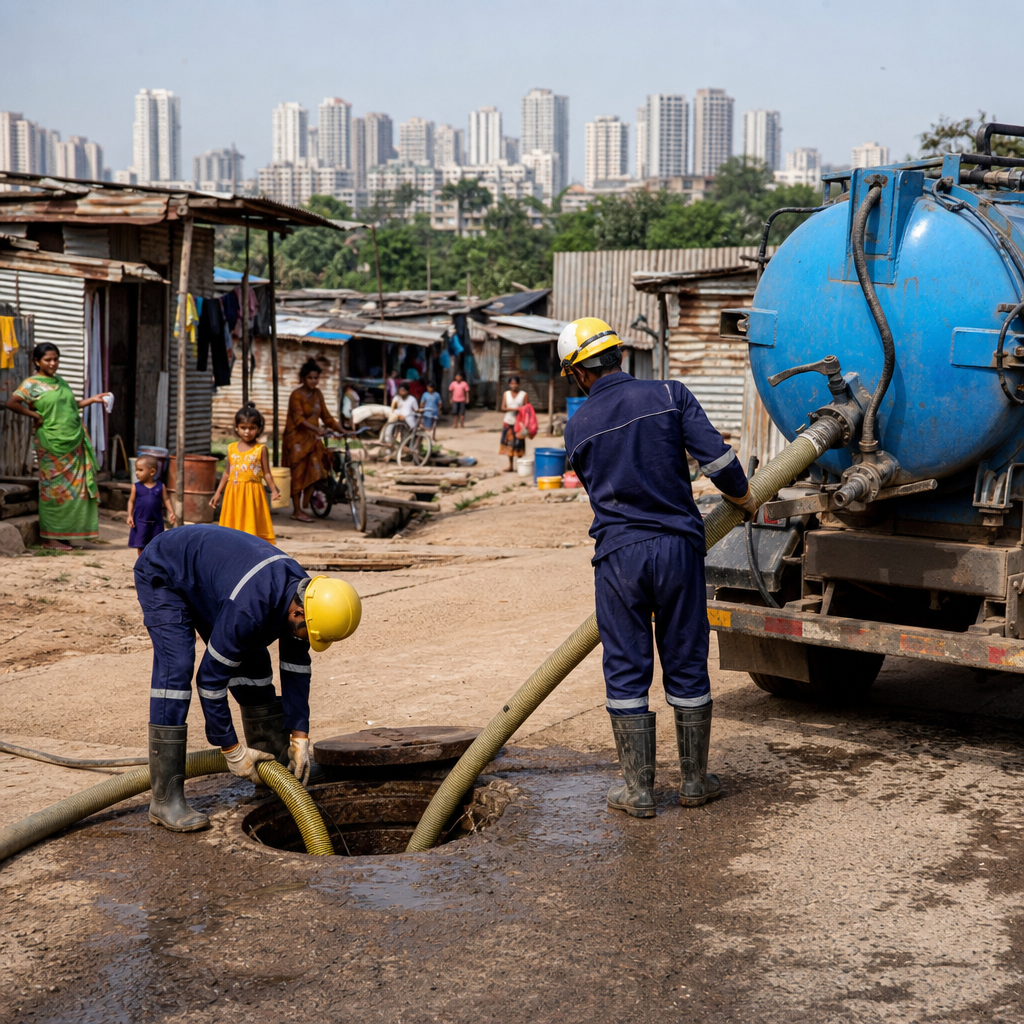
Implementation support often centers on proven approaches rather than one universal model. In rural settings, many UN-backed programs have used community-led approaches to eliminate open defecation, while gradually integrating stronger post-triggering support, supply chain development, and inclusion safeguards. In urban areas, agencies increasingly support citywide inclusive sanitation, which accepts that sewers alone will not reach everyone soon enough. Instead, cities plan for mixed systems: simplified sewers where feasible, septic management where appropriate, scheduled desludging, transfer stations, and fecal sludge treatment plants. This shift reflects practical field experience and better evidence about how most rapidly growing cities actually function.
Equity, public health, and climate resilience in sanitation collaboration
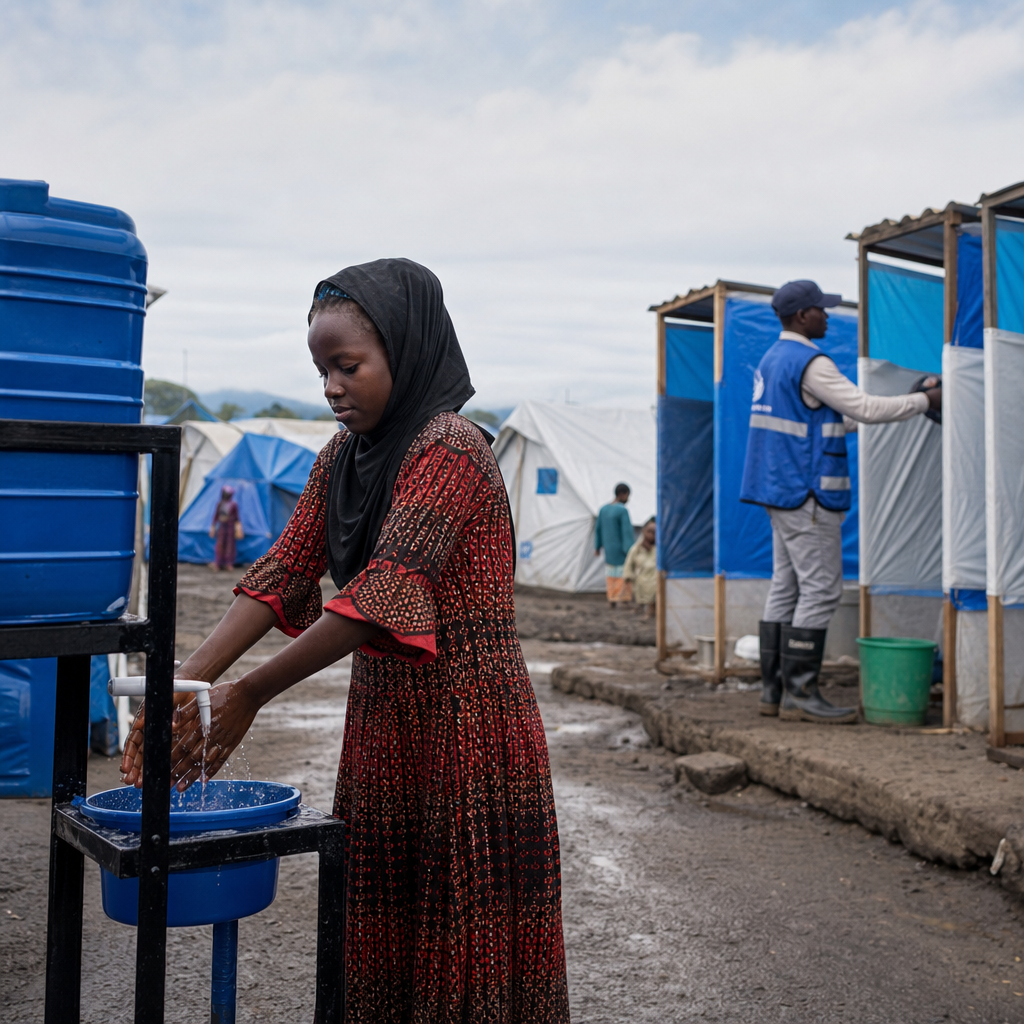
The most effective UN sanitation work addresses who is left out and why. Equity is not a rhetorical add-on. It determines whether national gains reach people in informal settlements, remote rural communities, refugee camps, Indigenous territories, schools, prisons, and health care facilities. The JMP’s service ladders help expose these inequalities by distinguishing between limited, basic, and safely managed services. When disaggregated by wealth, geography, disability, or institution type, the data shows where average national progress can hide deep exclusion.
Public health is the clearest reason sustained sanitation collaboration matters. WHO estimates have repeatedly shown that sanitation and hygiene improvements reduce diarrheal disease risk, especially when combined with safe water and handwashing. Cholera control is a stark example. Countries that treat outbreaks only as emergency medical events often face recurrence because transmission pathways remain open. UN-supported cholera strategies now emphasize surveillance, oral cholera vaccine where needed, and long-term investment in water, sanitation, and hygiene in hotspots. That integrated model has stronger evidence than isolated emergency responses.
Climate resilience has become impossible to separate from sanitation planning. Flooding can inundate pit latrines, spread fecal contamination, and disable pumping stations. Drought can reduce water available for sewer operation and hygiene. Sea-level rise threatens coastal aquifers and low-lying wastewater infrastructure. UN agencies increasingly promote risk-informed sanitation design, including elevated latrines in flood-prone zones, decentralized treatment where central systems are fragile, wastewater reuse where water scarcity is acute, and emergency preparedness protocols for utilities and municipalities. These are not abstract recommendations. In climate-vulnerable regions, sanitation systems that ignore hydrology and hazard mapping often fail during the first severe event.
What global sanitation partnerships are getting right, and where gaps remain
Several strengths stand out in current global collaboration. First, sanitation is far better measured than it was two decades ago. Comparable global data has improved priority setting and exposed the difference between nominal access and safe management. Second, sanitation is now framed more consistently as a service and governance issue, not just a construction target. Third, collaboration has improved across health, education, urban development, and environmental institutions. That integration is essential because a school toilet program, a municipal sludge strategy, and a cholera prevention plan often depend on the same local capacity.
Important gaps remain. Financing is still too low and too short term relative to need. Operation and maintenance remain underfunded almost everywhere. Many political leaders still prefer ribbon-cutting for visible hardware over less visible investments in treatment plants, operator training, regulation, and monitoring. Data quality is stronger at global level than at municipal service-chain level, where cities often lack reliable information on sludge volumes, emptying practices, plant performance, or industrial discharge. Inclusion also remains inconsistent. People with disabilities, tenants, migrants, and residents of informal settlements are still frequently underserved because land tenure, regulatory barriers, or discriminatory service models block investment.
The practical lesson is clear: sustainable sanitation depends on coordinated institutions, realistic financing, and accountability from household to treatment endpoint. The United Nations has helped move the world toward that systems view by setting common goals, standardizing evidence, and convening partnerships that connect policy to implementation. For governments and organizations working within global challenges and opportunities, this hub topic is foundational. Use it to explore linked issues such as citywide inclusive sanitation, school WASH, wastewater reuse, cholera prevention, and sanitation finance. The next step is simple: assess the sanitation service chain in your context, identify the missing link, and align action with partners who can close it.
Frequently Asked Questions
1. What does the United Nations mean by sustainable sanitation?
The United Nations uses the term sustainable sanitation to describe sanitation systems and services that protect human health, preserve the environment, and remain affordable and workable over the long term. This goes far beyond simply building toilets. It includes the safe management of human waste, wastewater, stormwater, and hygiene services from the point of use to collection, treatment, reuse, or disposal. A sanitation system is considered sustainable when it prevents disease today without creating pollution, water scarcity, or unaffordable infrastructure burdens tomorrow.
In practical terms, sustainable sanitation means people have access to safe, dignified, and reliable toilets; waste is contained and transported safely; treatment systems reduce pathogens and pollution; and the entire process supports the protection of rivers, groundwater, soils, and ecosystems. It also means services are designed to work for different communities, including dense cities, informal settlements, rural areas, schools, and healthcare facilities. The UN emphasizes that sanitation must be inclusive, meaning it should be accessible for women and girls, children, older adults, and people with disabilities.
The concept is also linked to resource efficiency. In many UN-backed approaches, treated wastewater, nutrients, and energy can be recovered and reused when safe and appropriate. This supports climate resilience, reduces pressure on freshwater resources, and contributes to more circular and efficient local economies. So, when the United Nations promotes sustainable sanitation, it is promoting a full system that supports public health, environmental stewardship, social equity, and long-term development.
2. Why is the United Nations so important in advancing sustainable sanitation worldwide?
The United Nations plays a central role because sanitation is not just a local infrastructure issue; it is a global development priority tied to health, education, gender equality, environmental protection, and economic progress. The UN helps define sanitation as a human rights and development issue, which encourages governments to treat it as essential rather than optional. Through international agreements, policy guidance, technical support, and global advocacy, the UN brings sanitation to the attention of national leaders, donors, civil society groups, and development agencies.
One of the UN’s most important contributions is setting shared goals. Sustainable sanitation is strongly embedded in the Sustainable Development Goals, especially SDG 6, which calls for clean water and sanitation for all. By establishing measurable targets, the UN creates a common framework that countries can use to plan investments, monitor progress, and identify service gaps. This global benchmarking matters because it turns sanitation from a vague aspiration into something governments are expected to track and improve.
The UN also helps mobilize cooperation. Different UN agencies, along with member states and partner organizations, support sanitation through public health programs, urban planning initiatives, environmental safeguards, education efforts, and emergency response systems. In addition, the UN amplifies evidence showing that poor sanitation leads to disease outbreaks, lost productivity, school absenteeism, water contamination, and higher healthcare costs. By connecting sanitation to broader national priorities, the organization strengthens the case for long-term funding and policy reform. In short, the UN matters because it provides leadership, legitimacy, coordination, and sustained international pressure to improve sanitation systems in ways that are equitable and durable.
3. How does the United Nations connect sanitation to public health, gender equality, and economic development?
The United Nations consistently presents sanitation as a cross-cutting issue because its effects extend into nearly every area of daily life and national development. From a public health perspective, safe sanitation prevents the spread of waterborne and fecal-related diseases, reduces exposure to harmful pathogens, and helps protect entire communities from outbreaks. Where sanitation systems are weak, children are especially vulnerable to diarrhea, parasitic infections, and chronic health problems that can affect growth and learning. The UN supports sanitation because it is one of the most cost-effective foundations of disease prevention.
Sanitation is also deeply connected to gender equality. The UN highlights that women and girls often face disproportionate burdens when sanitation is inadequate. They may have to travel long distances to find safe facilities, face increased risks of harassment or violence, or miss school and work when toilets and menstrual hygiene support are unavailable. Clean, private, and accessible sanitation facilities improve dignity, safety, school attendance, and participation in public life. This is why the UN frequently frames sanitation as both a development issue and a matter of equality and human dignity.
Economically, the benefits are substantial. Poor sanitation leads to medical expenses, lost workdays, reduced educational attainment, lower labor productivity, and damage to tourism, fisheries, and agriculture through environmental pollution. By contrast, sustainable sanitation can reduce health costs, create jobs in construction, operations, maintenance, treatment, and resource recovery, and improve the productivity of communities and cities. The UN promotes this broader view because sanitation investments are not merely expenses; they are foundational investments in healthier populations, safer communities, and stronger economies.
4. What specific actions does the United Nations take to promote sustainable sanitation?
The United Nations promotes sustainable sanitation through a combination of norm-setting, technical guidance, data collection, advocacy, and support for implementation. At the global level, it helps define standards, goals, and policy priorities that member states can adopt in national planning. UN agencies produce guidance on sanitation system design, hygiene promotion, wastewater management, fecal sludge management, and service delivery for vulnerable populations. This gives governments and local institutions practical tools for moving from broad commitments to real-world action.
Another key role is monitoring progress. The UN supports international reporting systems that track access to sanitation services, including whether facilities are safely managed, accessible, and equitable. Reliable data is essential because it shows where progress is happening, where inequalities persist, and which groups remain underserved. This evidence base helps governments direct funding more effectively and allows development partners to target support where it is needed most.
The UN also works in partnership with national governments, municipalities, NGOs, researchers, and financial institutions to strengthen sanitation capacity. That can include helping countries develop sanitation strategies, improve regulation, build institutional coordination, or prepare investment plans. In humanitarian settings, the UN often helps deliver emergency sanitation and hygiene services to protect displaced populations from disease and environmental contamination. Just as importantly, the organization promotes public awareness and political commitment, reminding leaders that sanitation requires ongoing maintenance, behavior change, and system management, not just one-time construction projects. This combination of policy leadership, technical support, and global accountability is what makes the UN so influential in sanitation progress.
5. What are the biggest challenges the United Nations faces in promoting sustainable sanitation, and what needs to happen next?
Despite major progress in awareness and policy, the United Nations still faces significant challenges in promoting sustainable sanitation at the scale the world needs. One of the biggest obstacles is underinvestment. Many countries do not allocate enough funding for sanitation infrastructure, operations, maintenance, and workforce development. Even when toilets are built, services can fail if waste is not safely emptied, transported, treated, and managed. The UN repeatedly stresses that sanitation must be financed as a full service chain, not just as a construction target.
Inequality is another major challenge. Rural communities, informal urban settlements, low-income households, refugees, and people living in fragile or conflict-affected settings are often left behind. The same is true for schools and healthcare facilities that lack safe, functional sanitation. Climate change adds further pressure by increasing flooding, drought, and infrastructure stress, all of which can undermine sanitation systems and contaminate water supplies. Rapid urbanization also creates difficulties, especially where city growth outpaces planning and public service expansion.
Looking ahead, the UN’s role will remain vital, but progress will depend on stronger national ownership and local implementation. Countries need integrated sanitation policies, better governance, reliable monitoring, professionalized service delivery, and financing models that support both expansion and maintenance. Communities need education and behavior-change support, and systems must be designed for resilience, inclusion, and environmental protection. The next phase of sustainable sanitation will require treating it not as a narrow engineering issue, but as a long-term public service essential to health, equality, climate adaptation, and sustainable development. That is exactly the approach the United Nations continues to champion.