Integrating sanitation with global health initiatives is one of the most practical ways to reduce disease, strengthen health systems, and expand opportunity across low, middle, and high income countries. Sanitation refers to the safe management of human waste, including toilet access, fecal sludge collection, wastewater treatment, drainage, hygiene-supporting infrastructure, and the policies that keep these services functioning. Global health initiatives include coordinated programs in maternal health, child survival, nutrition, infectious disease control, climate resilience, urban development, and emergency response. When these fields operate separately, progress is slower and more expensive. When they are designed together, the effects compound: fewer infections, safer births, better school attendance, lower healthcare costs, cleaner water sources, and more resilient communities.
I have seen sanitation treated as a narrow construction issue, usually reduced to toilets installed or pipes laid. That framing misses the real function of sanitation as a public health system. The World Health Organization and UNICEF Joint Monitoring Programme defines safely managed sanitation as improved facilities that are not shared with other households and where excreta are safely disposed of in situ or transported and treated off-site. That definition matters because health gains depend on the entire service chain, not just access at the household level. A latrine that overflows into a drainage canal during heavy rain can worsen exposure even if it counts as improved infrastructure on paper.
This topic matters because sanitation intersects with nearly every major global challenge. Diarrheal disease, cholera, helminth infections, stunting, antimicrobial resistance, environmental contamination, and gender-based safety risks all connect to sanitation conditions. The economic stakes are also substantial. The World Bank, WHO, and national planning agencies consistently find that poor sanitation reduces productivity through illness, lost school days, tourism damage, environmental cleanup, and healthcare spending. For countries trying to meet health and development targets, sanitation is not a side project. It is core infrastructure that supports population health, economic participation, and human dignity.
As a hub topic, global opportunities in sanitation include financing, technology, service delivery, governance, climate adaptation, market development, and cross-sector integration. The strongest opportunities come from linking sanitation outcomes to existing health platforms that already reach households and communities. Immunization campaigns, primary care networks, school health programs, antenatal care, nutrition outreach, and urban upgrading projects all create delivery channels for sanitation behavior change, risk surveillance, and infrastructure targeting. The rest of this article maps those opportunities, explains where integration works best, and highlights what decision-makers should prioritize if they want sanitation investments to produce measurable public health gains.
Why sanitation belongs inside health strategy
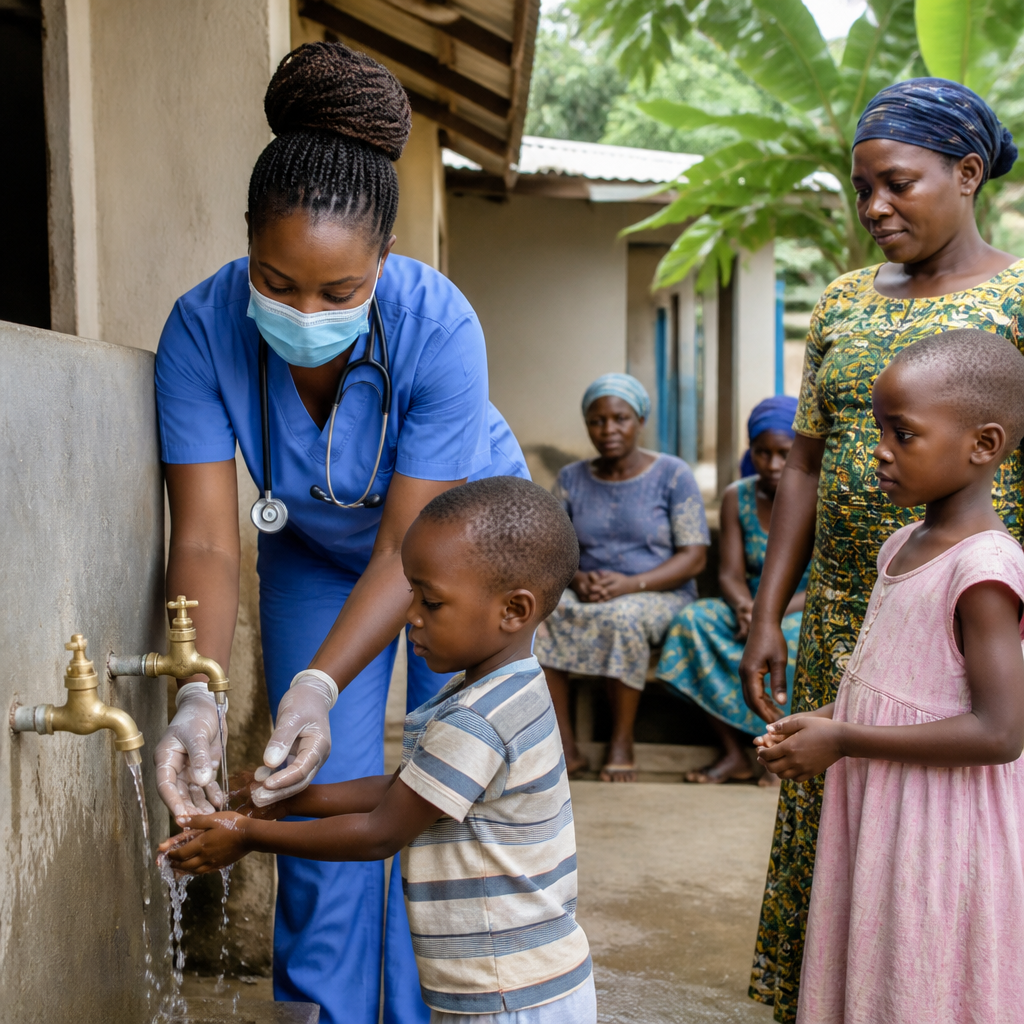
Sanitation belongs inside health strategy because exposure pathways are biological, environmental, and behavioral at the same time. Pathogens spread through fecal contamination of water, food, soil, surfaces, and hands. That means clinicians can treat diarrhea, intestinal parasites, or enteric fever, but without sanitation improvement the exposure cycle continues. In practice, the most effective disease prevention packages combine sanitation, handwashing, safe drinking water, vaccination where available, nutrition support, and case management. This is especially true for children under five, pregnant women, older adults, and immunocompromised people, who experience the highest risks from repeated enteric infection.
Integrated planning also improves value for money. Ministries of health often pay for the consequences of poor sanitation through clinic caseloads, outbreak response, and undernutrition programs, while sanitation budgets sit elsewhere under utilities, public works, or local government. When agencies quantify shared benefits, investment cases become stronger. For example, cholera control plans that include wastewater management, fecal sludge treatment, and hotspot mapping are more durable than plans built only around emergency water trucking and treatment centers. The same logic applies to maternal and newborn health: clean toilets, hand hygiene stations, menstrual hygiene support, and safe waste management in facilities reduce infection risk and improve respectful care.
Major global opportunities in sanitation
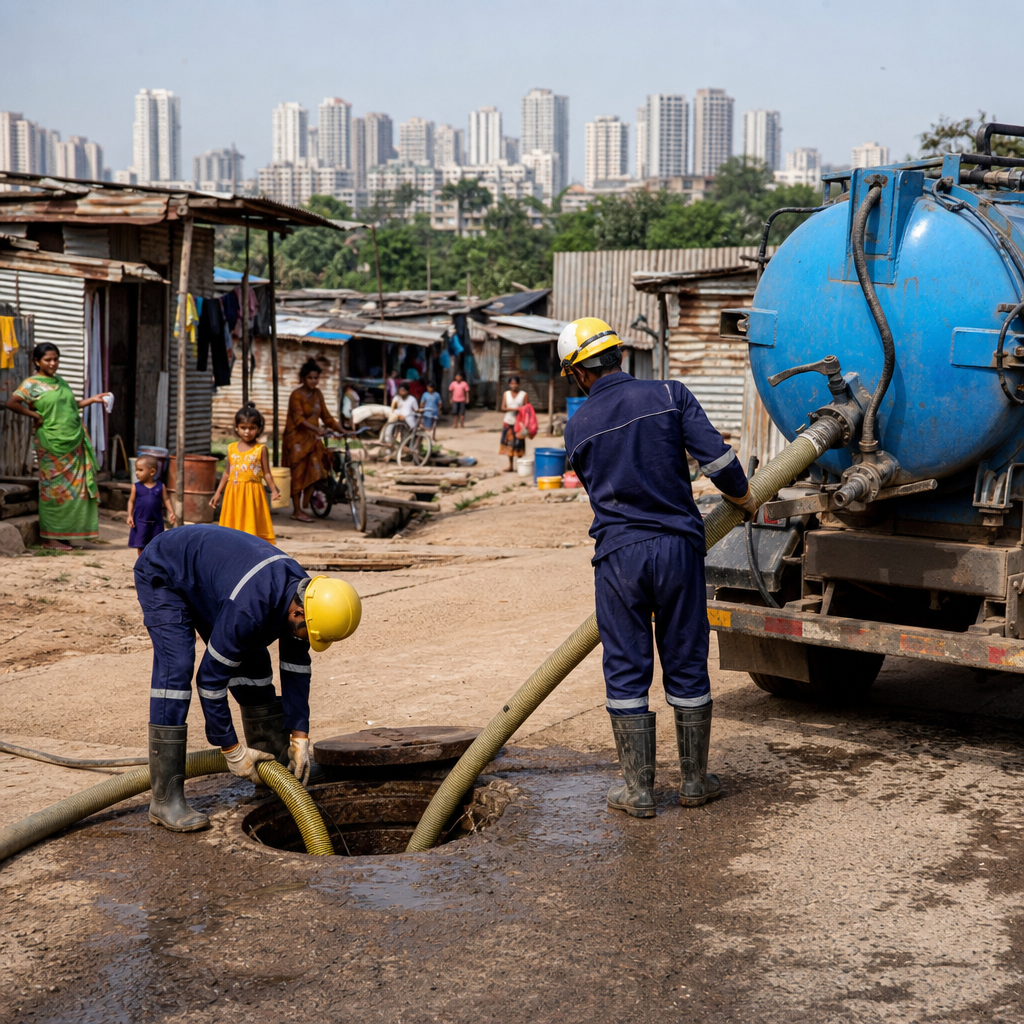
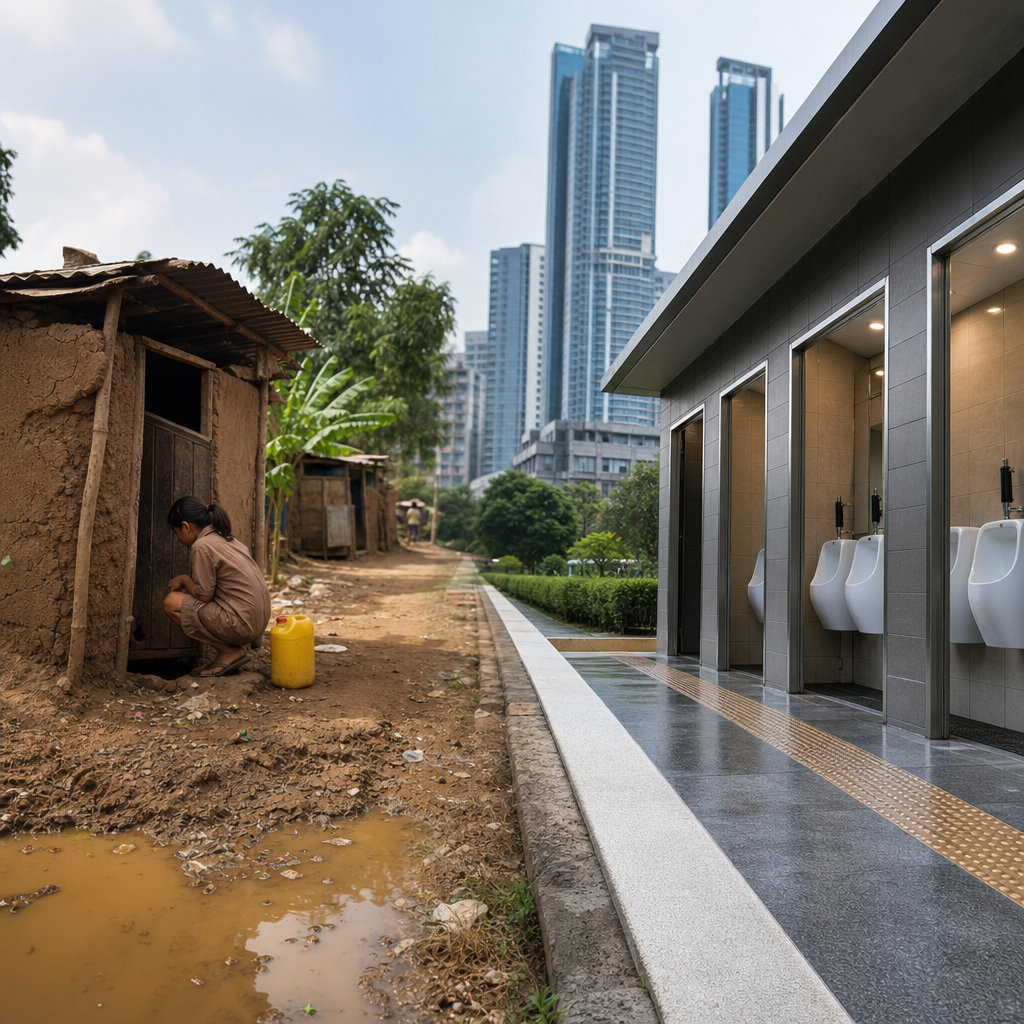
Global opportunities in sanitation are concentrated in places where health goals and service gaps overlap. Rapid urbanization creates demand for low-cost fecal sludge management in informal settlements, where sewer expansion may take decades. Rural districts need climate-resilient onsite systems that withstand flooding, drought, and high water tables. Schools and healthcare facilities need inclusive sanitation designed for girls, people with disabilities, and infection prevention standards. Humanitarian settings need modular systems that can move from emergency use to longer-term service. Across all contexts, digital tools now make it easier to map service chains, monitor overflow risks, schedule desludging, and target subsidies.
One of the clearest opportunities is sanitation market development. In many cities, households already pay informal providers for pit emptying or wastewater disposal, but the service is unsafe, unregulated, or illegal. Formalizing those markets through licensing, transfer stations, treatment plants, and performance-based contracts can reduce contamination while creating jobs. Another opportunity is results-based finance tied to verified outcomes such as safe containment, regular emptying, treatment compliance, or reduced fecal contamination in the environment. Carbon and climate finance are also emerging where sanitation projects cut methane emissions, recover energy from waste, or improve resilience to flood-related contamination.
| Opportunity area | Health linkage | Practical example | Main implementation challenge |
|---|---|---|---|
| Healthcare facility sanitation | Lower infection risk and safer childbirth | Upgrading toilets, handwashing points, and waste zones in district hospitals | Maintenance funding after construction |
| Urban fecal sludge management | Reduced exposure in dense settlements | Licensed emptying operators delivering waste to treatment plants | Weak enforcement and fragmented mandates |
| School sanitation | Attendance, menstrual health, and hygiene habits | Sex-separate toilets with water and disposal systems | Cleaning budgets and caretaker capacity |
| Climate-resilient rural sanitation | Lower flood contamination and diarrheal disease | Raised latrines in high water table areas | Affordability for poorer households |
| Emergency sanitation | Outbreak prevention in displacement settings | Rapid latrine deployment with desludging plans | Transition from temporary to durable service |
How sanitation supports disease control, nutrition, and maternal health
Sanitation is central to disease control because many high-burden illnesses depend on environmental exposure. Cholera is the obvious example, but the sanitation link is broader. Repeated enteric infections contribute to undernutrition by reducing nutrient absorption and increasing inflammation. Soil-transmitted helminths spread where feces contaminate soil. Trachoma transmission is reduced by hygiene and environmental improvement. In my work reviewing district health plans, the strongest programs do not isolate these issues. They align sanitation improvements with deworming schedules, oral cholera vaccine campaigns, nutrition counseling, and community health worker visits.
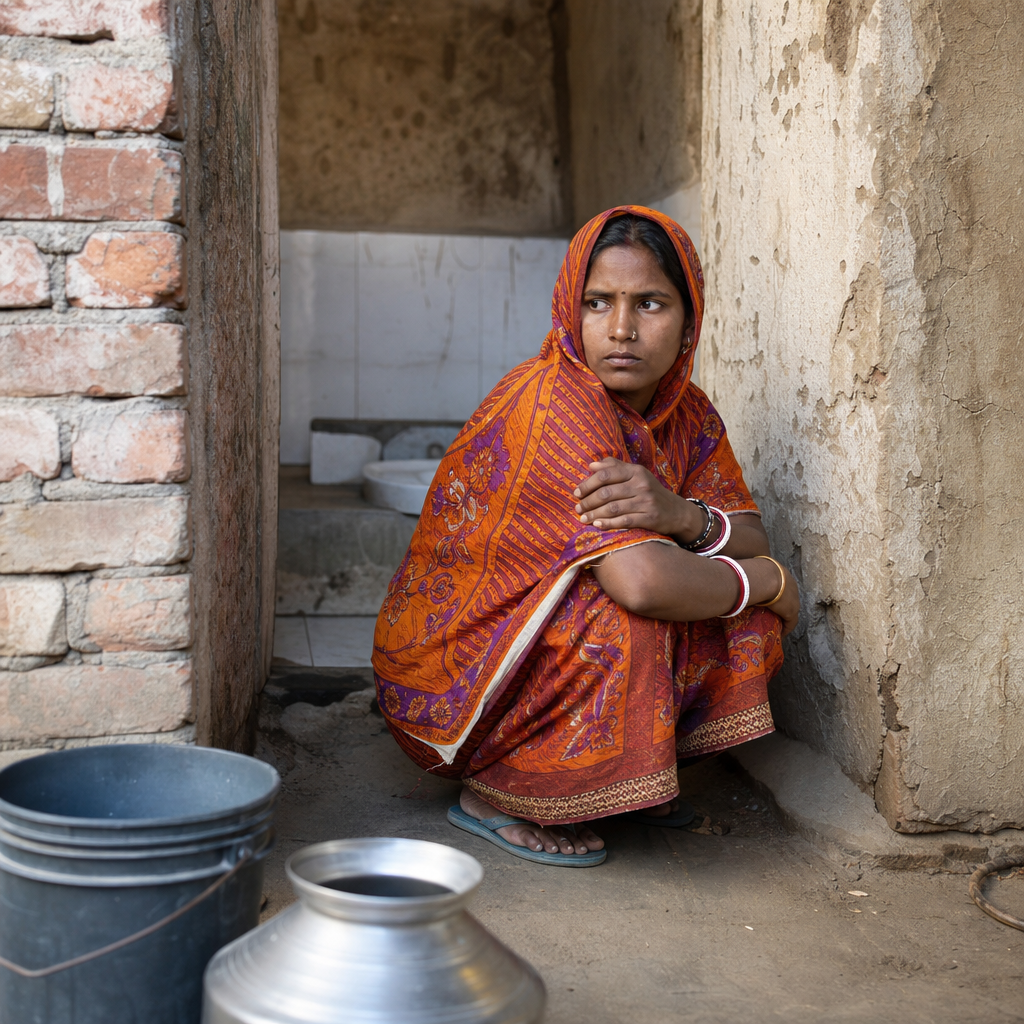
Maternal and newborn health gains are equally important. WHO and UNICEF have documented gaps in water, sanitation, hygiene, waste management, and environmental cleaning in many healthcare facilities, especially in low-resource settings. A labor ward without functional toilets, safe placental waste disposal, and hand hygiene stations exposes mothers, newborns, and staff to preventable infections. The same is true at household level. Pregnant women need accessible toilets, privacy, menstrual hygiene support, and reduced exposure to contaminated standing water. Integrating sanitation into reproductive, maternal, newborn, child, and adolescent health programs is not an add-on; it is an infection prevention requirement.
Delivery models that make integration work
Successful integration depends on delivery models that match local institutions. Community-led approaches can increase demand and shift norms, but they need follow-up, technical options for poorer households, and realistic verification standards. Utility-led models work best in dense urban areas where service regulation, tariffs, and treatment capacity can be managed at scale. Public-private partnerships are useful when governments can define service standards and monitor compliance, particularly for desludging, transport, and treatment. In fragile settings, nongovernmental organizations may lead early delivery, but long-term plans should transfer operations to municipalities or service authorities as capacity grows.
Primary healthcare systems are an underused platform. Community health workers already visit households for immunization follow-up, growth monitoring, malaria prevention, and antenatal outreach. Adding simple sanitation screening questions can identify households with unsafe containment, frequent flooding, or disability-related access barriers. Referral pathways can then connect those families to subsidy programs, local masons, microfinance, or municipal desludging schedules. Data systems matter as much as frontline work. Geographic information systems, mobile reporting, and service chain dashboards help planners identify hotspots where poor sanitation, child illness, and population density overlap, allowing more precise investment than broad district averages ever could.
Financing, governance, and innovation
Sanitation usually fails not because solutions are unknown, but because incentives are misaligned. Capital projects are easier to fund than operations and maintenance, yet health protection depends on consistent service over time. Effective governance assigns clear responsibility for regulation, public health oversight, land use approval, tariff policy, and environmental enforcement. Countries that progress tend to establish service standards, permit safe emptying and transport, and require treatment rather than informal dumping. They also use blended finance: public subsidies for public health benefits, household contributions where affordable, concessional lending for infrastructure, and private capital where revenue streams are dependable.
Innovation is expanding the opportunity set, but it should solve operational problems rather than chase novelty. Container-based sanitation can work in dense settlements where pit access is limited. Decentralized wastewater treatment can serve peri-urban clusters faster than conventional sewer networks. Remote sensors can track fill levels in public or institutional toilets, improving maintenance. Resource recovery models turn sludge into compost, fuel briquettes, or biogas when treatment quality and market demand are reliable. However, every innovation faces the same test: can it deliver safe, affordable, regulated service at scale? If not, it remains a pilot instead of a public health solution.
What global leaders should prioritize next
The next phase of progress requires discipline. First, countries and donors should target healthcare facilities, schools, cholera hotspots, and rapidly growing informal settlements because these settings produce immediate and visible health returns. Second, monitoring should move beyond counting toilets toward service quality indicators: safe containment, emptying frequency, treatment compliance, accessibility, cleanliness, and user safety. Third, climate planning must include sanitation because floods, droughts, and sea-level rise directly affect fecal containment and treatment performance. Fourth, local governments need technical assistance in procurement, regulation, and asset management, since many sanitation failures happen after construction when responsibilities become blurred.
Global health initiatives will achieve more when sanitation is treated as enabling infrastructure rather than a peripheral sector. The evidence is consistent, the delivery channels already exist, and the benefits extend well beyond disease prevention into education, gender equity, climate resilience, and economic productivity. For organizations building a sanitation strategy under broader global challenges and opportunities, the practical path is clear: integrate sanitation into health planning, fund the full service chain, measure outcomes that reflect actual safety, and back local institutions that can keep systems running. Start by reviewing where your health programs already reach vulnerable populations, then design sanitation actions that fit those platforms and close the exposure gaps that medicine alone cannot solve.
Frequently Asked Questions
Why is integrating sanitation with global health initiatives so important?
Integrating sanitation with global health initiatives matters because sanitation is not a side issue in public health; it is a foundation for preventing disease, protecting dignity, and improving the performance of health systems. When human waste is not safely contained, collected, treated, and disposed of, pathogens spread through water, soil, food, hands, surfaces, and insects. That creates a direct link between inadequate sanitation and diarrheal disease, intestinal parasites, cholera, typhoid, undernutrition, and a wide range of infections that place pressure on clinics, hospitals, and already stretched public health programs.
When sanitation is built into maternal and child health, immunization, infectious disease control, nutrition, and school health efforts, the impact of those programs becomes stronger and more sustainable. For example, children who live in cleaner environments are less likely to suffer repeated infections that contribute to stunting and missed school days. Pregnant women and newborns benefit when health facilities have functioning toilets, handwashing stations, wastewater management, and reliable cleaning systems. Communities are also more likely to trust and use health services when facilities are safe, private, and hygienic.
Integration also improves efficiency. Instead of treating sanitation as a separate infrastructure issue and health as a separate service issue, governments and development partners can align planning, financing, and data systems. That means a vaccination campaign, rural health initiative, or urban disease prevention strategy can simultaneously address the environmental conditions that allow illness to spread. Across low, middle, and high income countries, this joined-up approach helps reduce preventable disease, lowers long-term costs, strengthens resilience during outbreaks, and supports broader goals in education, gender equity, and economic development.
What does sanitation include beyond just building toilets?
Sanitation includes much more than toilet construction. Toilets are important, but they are only one part of a complete sanitation system. Effective sanitation begins with access to safe, usable, and acceptable toilets for households, schools, workplaces, health facilities, and public spaces. Those toilets must also work for different users, including children, older adults, people with disabilities, and women and girls who need privacy and menstrual hygiene support.
Beyond access, sanitation depends on what happens after waste leaves the toilet. That includes fecal sludge collection, transport, treatment, reuse, or safe disposal, as well as sewer networks where they exist and wastewater treatment systems that prevent contamination of water bodies and neighborhoods. In many cities and informal settlements, the biggest sanitation challenge is not the toilet itself but the absence of reliable service chains for emptying pits, maintaining septic systems, and handling waste safely. Without these steps, contamination simply shifts from one place to another.
Sanitation also includes drainage, stormwater management, cleaning infrastructure, handwashing-enabling design, behavior support, regulation, financing, workforce training, and public institutions that keep services running over time. In healthcare settings, sanitation further includes infection prevention measures such as safe waste handling, environmental cleaning, and wastewater controls. In practical terms, a true sanitation strategy is not a one-time construction effort. It is an ongoing public service that combines infrastructure, operations, governance, public health planning, and accountability.
How does sanitation support major global health priorities like maternal health, child health, and infectious disease control?
Sanitation supports nearly every major global health priority because it reduces exposure to pathogens and creates safer environments for care, recovery, and daily life. In maternal health, access to clean, private, and functional toilets is essential during pregnancy, childbirth, and the postnatal period. Women need safe sanitation at home, in transit, and in health facilities. Poor sanitation increases the risk of infection, stress, and delayed care-seeking, while inadequate facility hygiene can contribute to dangerous complications for both mothers and newborns.
For child health, sanitation plays a central role in preventing diarrheal disease and recurrent infection, both of which can undermine growth, cognitive development, and school attendance. Children are particularly vulnerable to contaminated environments because of developing immune systems and frequent contact with unsafe surfaces, water, and soil. Sanitation improvements, especially when paired with hygiene and safe water, help break disease transmission pathways that affect infants and young children most severely. This makes sanitation directly relevant to nutrition, early childhood development, and efforts to reduce under-five mortality.
In infectious disease control, sanitation helps contain both endemic and outbreak-prone illnesses. Cholera control, for instance, is difficult to sustain without safe waste management and wastewater handling. In healthcare facilities, sanitation supports infection prevention and control by reducing environmental contamination and making safe care possible. Even for diseases not traditionally labeled as “sanitation diseases,” cleaner environments can reduce co-infections, improve treatment adherence, and make communities more resilient during emergencies. This is why sanitation is increasingly viewed not as a separate sectoral concern, but as a practical enabler of stronger, more effective global health programs.
What are the biggest barriers to integrating sanitation into global health programs?
One of the biggest barriers is that sanitation often falls between sectors. Health ministries may recognize its importance but lack authority over infrastructure and utility services, while sanitation agencies may focus on construction and engineering without fully connecting their work to health outcomes. This fragmentation can lead to isolated budgets, disconnected data systems, and programs that miss opportunities to coordinate. As a result, sanitation may be acknowledged in policy language but remain underfunded or weakly implemented in practice.
Another major challenge is financing. Sanitation requires both capital investment and long-term operational funding. Building facilities is only the beginning; systems need maintenance, waste collection, treatment capacity, trained workers, regulation, monitoring, and community engagement. Many programs struggle because they emphasize short-term outputs, such as counting toilets installed, rather than funding the service systems that make sanitation safe and sustainable. In lower-resource settings, these constraints are especially visible, but even wealthier countries can face underinvestment in aging wastewater systems, underserved rural areas, and marginalized communities.
Social and political factors also matter. Sanitation can be stigmatized, politically less visible than curative healthcare, and harder to communicate because benefits are often preventive and long-term. Inequities compound the problem, especially in informal settlements, remote regions, refugee settings, and institutions such as schools and clinics that serve vulnerable populations. Reliable measurement is another barrier; if health programs do not track sanitation conditions, they may underestimate the role sanitation plays in disease patterns and service quality. Overcoming these barriers usually requires cross-sector governance, better targeting of funds, stronger accountability, community involvement, and a shift from project-based thinking to service-based planning.
What does successful integration of sanitation with global health initiatives look like in practice?
Successful integration looks like sanitation being treated as a core component of health planning rather than an optional add-on. In practice, that means health strategies for maternal care, child survival, nutrition, outbreak preparedness, school health, and primary care include sanitation indicators, budgets, and implementation responsibilities from the beginning. Clinics and hospitals are designed and upgraded with functioning toilets, handwashing stations, cleaning protocols, drainage, and wastewater management. Community health outreach also includes sanitation promotion, referral pathways, and local coordination with service providers and municipal systems.
At the systems level, successful integration involves ministries, utilities, local governments, and health institutions sharing data and working toward common goals. For example, a district health plan might map disease hotspots alongside sanitation service gaps, then prioritize investments where health burdens are highest. Monitoring might track not only infection rates but also whether schools, clinics, and households have safely managed sanitation services. Procurement, workforce training, and emergency preparedness plans can also be aligned so that sanitation infrastructure and supplies remain functional during outbreaks, disasters, and seasonal flooding.
Most importantly, successful integration is equitable and sustained. It reaches rural communities, urban informal settlements, healthcare facilities, schools, and populations often excluded from conventional infrastructure planning. It accounts for gender, disability, affordability, and cultural acceptability. And it focuses on outcomes that last: lower disease transmission, safer births, stronger infection prevention, improved attendance in school and work, and more resilient health systems overall. When sanitation is integrated well, the benefits extend far beyond cleaner facilities. It becomes a practical driver of healthier communities, more effective public programs, and broader social and economic opportunity.