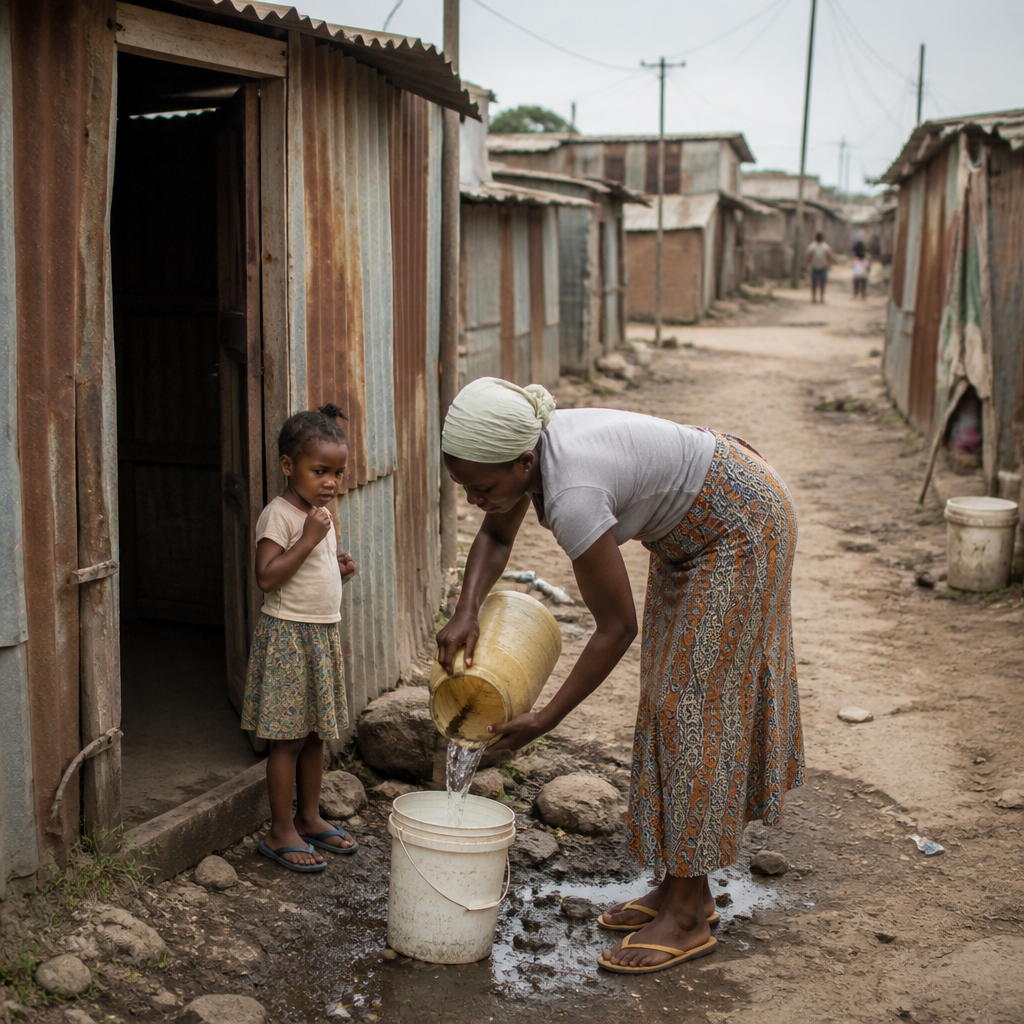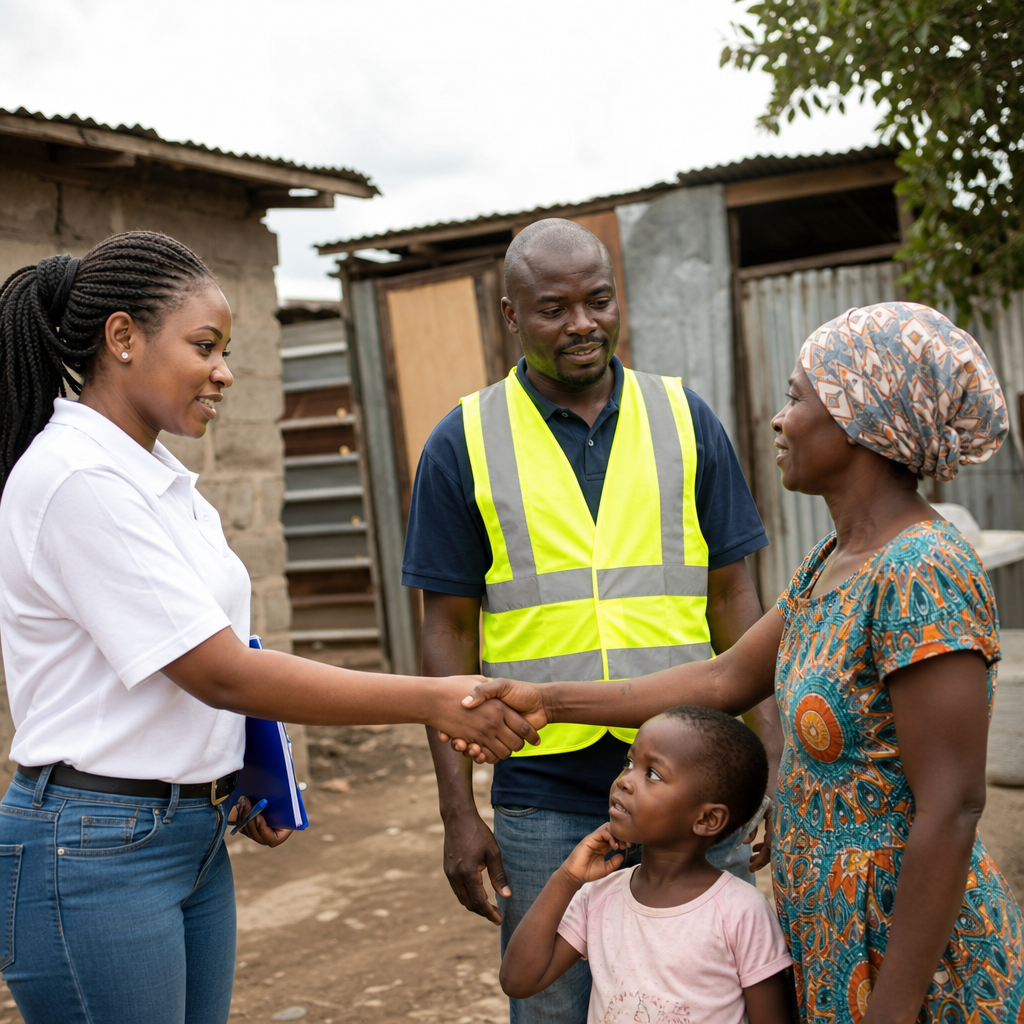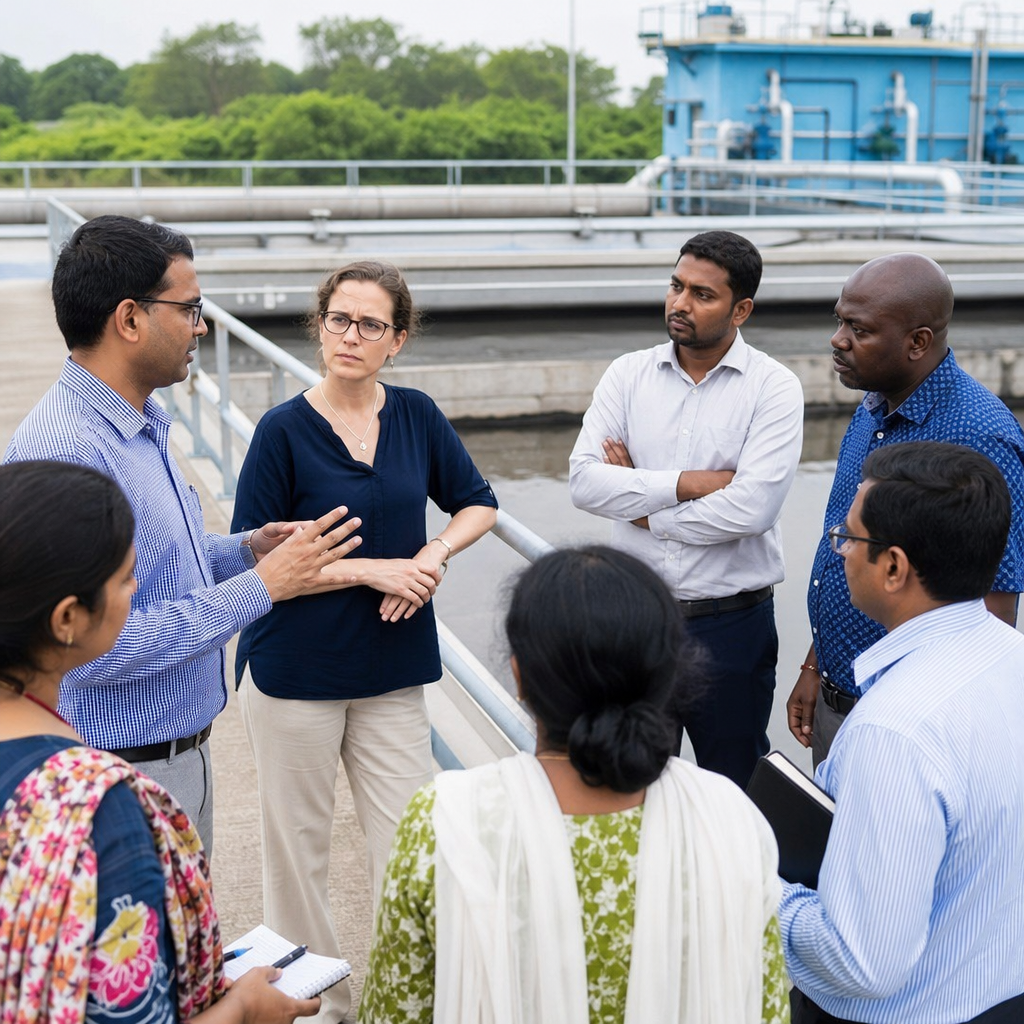
Networking for knowledge sharing in sanitation is one of the fastest ways to improve public health, strengthen local services, and scale practical solutions across borders. In sanitation, networking means the deliberate exchange of experience, data, technical guidance, and operational lessons among utilities, governments, researchers, nongovernmental organizations, funders, and community groups. Knowledge sharing is the structured process that turns isolated project learning into usable practice, whether through peer exchanges, communities of practice, digital platforms, conferences, utility partnerships, or regional working groups. I have seen sanitation programs move from repeated pilot failures to steady service gains once practitioners stopped working in silos and started borrowing what already worked elsewhere.
Sanitation covers the safe management of human waste across the full service chain: containment, emptying, transport, treatment, reuse, and final disposal. That definition matters because many collaborations fail when partners discuss toilets alone and ignore faecal sludge management, wastewater treatment, worker safety, financing, behavior change, and regulation. A city can increase toilet access and still worsen contamination if pit emptying remains unsafe or treatment plants are underdesigned. Strong sanitation networks help participants see the whole system, compare context-specific options, and avoid expensive mistakes. They also accelerate progress toward public health goals, climate resilience, cleaner waterways, and more dignified urban development.
As a hub within global challenges and opportunities, this article maps the major global initiatives and collaborations in sanitation, explains how knowledge networks function, and shows what makes them valuable in practice. It addresses common questions directly: Which international actors shape sanitation agendas? How do cities and utilities learn from each other? What role do standards, evidence, and financing play? Where do collaborations fall short? The central point is straightforward: countries and organizations that build strong sanitation knowledge networks make better decisions faster, because they can adapt proven models rather than start from zero.
Why global sanitation networks matter
Sanitation is local in delivery but global in learning. Every municipality deals with geography, land tenure, affordability, public health risk, institutional fragmentation, and political tradeoffs. Yet the technical and management problems are often familiar. Dense informal settlements in Nairobi, Dhaka, and Lagos may differ in layout and governance, but all raise comparable questions about shared toilets, sludge logistics, operator licensing, and service affordability. Networking allows practitioners to compare these cases, identify transferable principles, and understand which variables truly change outcomes. That is why global collaboration has become a core feature of sanitation progress rather than an optional extra.
Knowledge sharing also improves the quality of investment. Multilateral banks, bilateral donors, and national governments increasingly ask for evidence that proposed sanitation interventions are bankable, inclusive, and sustainable. Networks help cities produce that evidence by circulating benchmark costs, engineering assumptions, tariff models, service-level indicators, and procurement lessons. When one utility documents why a decentralized wastewater scheme outperformed a sewer expansion in peri-urban terrain, peers can test that logic before spending millions. In my experience, this peer evidence often carries more operational weight than generic guidance because it reflects the institutional constraints teams actually face.
Another reason networks matter is speed. Disease outbreaks, flooding, displacement, and rapid urbanization create urgent sanitation challenges. During emergencies, agencies need trusted contacts, pre-existing protocols, and quick access to tested field guidance. A functioning network can connect a local authority to desludging operators, emergency WASH specialists, treatment design references, and procurement templates within days. Without those relationships, organizations waste time recreating tools, negotiating terminology, and validating basics that are already well understood elsewhere. In sanitation, delays mean exposure pathways stay open.
Major global initiatives and collaborations in sanitation
Several international platforms shape sanitation knowledge exchange. Sanitation and Water for All brings governments, donors, utilities, civil society, and development banks together around policy reform, financing, and accountability. Its value lies in convening decision-makers across ministries and sectors, which is essential because sanitation responsibilities are usually split among health, water, urban development, environment, and finance agencies. The World Health Organization contributes normative guidance on sanitation safety planning, health risk reduction, and links between sanitation and disease prevention. UNICEF remains central on service delivery, equity, schools, and support to governments, especially where child health and rural sanitation are priorities.
The World Bank, regional development banks, and bilateral agencies such as GIZ, FCDO, USAID, and Sida have funded major learning agendas tied to urban sanitation, utility reform, and citywide inclusive sanitation. That last concept has become especially influential because it frames sanitation as a public service delivered through multiple technical solutions, not only sewerage. The Gates Foundation has also had an outsized role by backing research, market development, non-sewered sanitation technologies, and global convenings that connect innovators with implementers. SuSanA, the Sustainable Sanitation Alliance, is one of the most recognizable open knowledge-sharing networks, offering thematic working groups, publications, webinars, and a broad community of practitioners from every region.
Professional associations and specialist organizations add depth. The International Water Association supports practitioner exchange through specialist groups, publications, and events focused on wastewater, utility management, and resource recovery. WaterAid, WSUP, BORDA, SNV, and Practical Action have all generated field-based learning on urban sanitation, fecal sludge management, behavior change, and service models for low-income areas. The Toilet Board Coalition has linked private sector actors to market-based sanitation development. Universities and research centers, including the London School of Hygiene & Tropical Medicine, Eawag, and the University of Leeds, contribute evidence that helps separate fashionable ideas from effective practice.
| Initiative or actor | Primary contribution | Typical knowledge shared |
|---|---|---|
| Sanitation and Water for All | High-level coordination and accountability | Policy commitments, financing priorities, national reform lessons |
| WHO | Normative guidance and health standards | Risk frameworks, safety planning, public health evidence |
| UNICEF | Government support and equity-focused implementation | Rural sanitation, school WASH, service monitoring, inclusion |
| World Bank and development banks | Investment design and sector reform | Economic analysis, utility models, citywide planning, procurement |
| SuSanA | Open practitioner network | Case studies, webinars, thematic discussions, publications |
| IWA | Professional exchange and technical depth | Wastewater operations, treatment performance, utility management |
How knowledge sharing works in practice
Effective sanitation networking is rarely a single event. Conferences can open doors, but lasting learning usually comes from repeated interaction around a defined problem. The strongest collaborations use a mix of formats: peer-to-peer city exchanges, technical working groups, online repositories, webinars, mentoring, study tours, and joint pilots with structured documentation. A utility manager may first hear about container-based sanitation at a conference, then join a webinar on regulatory models, then visit a city using the approach, and finally adapt procurement documents with help from a peer network. That sequence turns awareness into implementation.
Communities of practice are especially useful because they organize exchange around a recurring challenge rather than an institution. For example, a fecal sludge management community can bring together municipal engineers, private emptiers, regulators, and researchers who would not normally sit in the same room. They can compare transfer station designs, discuss occupational health protocols, review treatment plant loading assumptions, and share enforcement approaches for illegal dumping. The practical benefit is that operations staff hear directly from policy actors and vice versa. In my work, these mixed forums produce better decisions than expert-only spaces because they expose operational realities early.
Digital tools have expanded reach, but they do not replace trust. Platforms that host design manuals, mapping data, service indicators, and recorded webinars make knowledge more accessible, especially to smaller organizations with limited travel budgets. Geographic information systems, utility dashboards, and open data repositories also let cities compare sanitation coverage and service gaps more objectively. Still, sensitive topics such as contract failure, weak treatment performance, or political resistance are usually discussed honestly only within trusted professional relationships. The most useful networks therefore combine public resources with smaller spaces for candid peer discussion.
Priority themes in global sanitation collaboration
Global initiatives and collaborations in sanitation tend to cluster around a few high-value themes. First is citywide inclusive sanitation, which has gained traction because it matches the reality of growing cities where centralized sewers alone cannot serve everyone. This approach encourages public authorities to plan for the whole city and the whole service chain using sewers, onsite systems, decentralized treatment, and scheduled desludging where appropriate. Networks share examples from cities such as Dakar, Lusaka, and Khulna to show how regulation, service contracts, and financing can support mixed sanitation systems rather than force a single model.
Second is fecal sludge and septage management, an area long neglected despite its central role in urban health. Collaboration has improved desludging business models, treatment standards, transfer logistics, and occupational safety practices. Third is rural sanitation and behavior change, where countries exchange lessons on community engagement, sanitation marketing, and post-triggering follow-up. Fourth is climate resilience. Flooding, drought, sea-level rise, and extreme heat affect containment systems, treatment reliability, and reuse options, so networks increasingly connect sanitation with adaptation planning and disaster risk management. Fifth is resource recovery, including biogas, compost, nutrients, and water reuse, though these opportunities depend heavily on local markets and quality control.
Inclusion cuts across all themes. Strong networks now pay more attention to gender, disability, menstrual health, affordability, and the rights and safety of sanitation workers. This shift matters because technical performance alone does not define success. A treatment plant that operates well but relies on unsafe manual emptying upstream is not a sound sanitation system. Similarly, a household toilet program that excludes renters, people with disabilities, or residents of informal settlements can widen inequity. The best collaborations put these issues into design criteria, training content, monitoring systems, and funding conditions rather than treat them as side discussions.
What makes a sanitation network effective
Not all networks create usable knowledge. The most effective ones have a clear purpose, active facilitation, and a disciplined approach to evidence. They define the problem narrowly enough to support action, such as reducing noncompliant sludge disposal, improving school sanitation maintenance, or financing service expansion in low-income settlements. They also curate information instead of flooding members with documents. Good facilitators summarize findings, identify disagreement, and connect members to relevant examples. Without that curation, participants leave with information overload and no implementation path.
Credibility depends on grounding discussion in operational data and named methods. In sanitation, that can include service chain analysis, sanitation safety planning, utility performance indicators, lifecycle costing, and structured monitoring under the WHO/UNICEF Joint Monitoring Programme service ladders. Effective networks compare like with like and explain context. A low-cost toilet design that performs in dry, low-density areas may fail in flood-prone neighborhoods with high groundwater. A scheduled desludging tariff that works with strong utility billing systems may not transfer to municipalities where revenue collection is weak. Useful collaboration states these limits plainly.
Finally, strong networks create feedback loops into policy and finance. Learning has little value if it never reaches budget holders, regulators, or procurement teams. The best examples translate peer knowledge into design standards, operator training modules, investment pipelines, and national guidelines. They also support local ownership. Global expertise should strengthen domestic institutions, not overshadow them. When networks treat local practitioners as co-authors of knowledge rather than end users, adoption rises because recommendations reflect real incentives, capacities, and political constraints.
Barriers, tradeoffs, and the next step
Sanitation collaboration still faces persistent barriers. Language divides, uneven internet access, donor-driven agendas, and short project cycles can distort whose knowledge gets heard. Smaller utilities and community-based organizations often have practical insights but limited visibility in global forums. There is also a tendency to reward novelty over maintenance, even though many sanitation gains come from better operations, safer emptying, stronger enforcement, and steadier financing rather than new technology. Another challenge is fragmented monitoring. If one program tracks toilets built, another tracks safely managed services, and a third tracks treatment throughput, comparison becomes difficult.
Even with these limits, the case for networking is overwhelming. Sanitation systems are too complex, too underfunded, and too important to public health for institutions to learn alone. Global initiatives and collaborations in sanitation work best when they connect strategy to field realities, blend technical guidance with peer honesty, and turn evidence into practical decisions. For readers using this page as a hub, the next step is to explore deeper topics under this sub-pillar: citywide inclusive sanitation, fecal sludge management, rural sanitation behavior change, sanitation finance, climate resilience, worker safety, and digital monitoring. Build connections, document what works, and contribute lessons back into the network. That is how sanitation progress compounds across countries and over time.
Frequently Asked Questions
What does networking for knowledge sharing in sanitation actually mean?
Networking for knowledge sharing in sanitation is the intentional process of connecting people and organizations so they can exchange practical experience, technical know-how, research findings, policy lessons, and operational data. In this field, it goes far beyond casual professional contact. It involves utilities learning from other utilities, local governments comparing service models, researchers translating evidence into usable guidance, nongovernmental organizations sharing community engagement methods, and funders identifying what works at scale. The goal is to make sure valuable lessons do not stay trapped within one project, city, or institution.
In practice, this kind of networking can happen through professional associations, regional working groups, conferences, peer-to-peer utility partnerships, online learning platforms, technical communities of practice, and collaborative research initiatives. What makes it effective is structure. Strong knowledge sharing turns scattered observations into documented lessons, tools, standards, and decision-making support. Instead of every sanitation actor solving the same problem from scratch, they can build on tested approaches and adapt them to local conditions.
This matters because sanitation systems are shaped by engineering, public health, governance, finance, behavior change, and environmental management all at once. No single actor holds all the answers. Networking creates the conditions for faster learning, fewer repeated mistakes, and more resilient services. It helps move knowledge from isolated success stories into broader practice where it can improve sanitation planning, service delivery, safety, and long-term sustainability.
Why is knowledge sharing so important in the sanitation sector?
Knowledge sharing is especially important in sanitation because the sector is complex, highly local, and directly tied to public health outcomes. Communities and service providers often face similar challenges, such as fecal sludge management, financing for low-income areas, maintenance failures, behavior change barriers, treatment plant underperformance, and weak regulatory systems. When organizations openly share what they have learned, others can avoid common pitfalls and adopt solutions that have already shown promise in real-world settings.
It also helps close the gap between policy, research, and operations. Many useful sanitation insights are generated during pilot projects, utility reforms, emergency responses, and field implementation, but those lessons can be lost if they are not documented and circulated. A structured knowledge-sharing approach captures not only success stories, but also setbacks, constraints, cost implications, staffing realities, and the local conditions that influenced results. That depth is what makes knowledge genuinely useful to planners and practitioners.
From an outcomes perspective, better knowledge sharing can lead to stronger service quality, safer waste management, more informed investment decisions, and faster adoption of effective technologies and management practices. It also supports capacity building. Staff turnover, institutional fragmentation, and uneven technical expertise can weaken sanitation systems over time. Networks help preserve institutional memory and create ongoing access to peers and evidence. In short, knowledge sharing helps the sanitation sector learn faster, act smarter, and deliver services that protect health and dignity more effectively.
Who should be involved in sanitation knowledge-sharing networks?
Effective sanitation knowledge-sharing networks should include a wide range of participants because sanitation challenges cut across multiple disciplines and levels of responsibility. Utilities and service providers are central because they manage day-to-day operations and understand what works in practice. Local and national governments are also essential because they shape regulation, financing, urban planning, and public accountability. Researchers contribute evidence, evaluation methods, and technical analysis that can strengthen decision-making and help validate good practice.
Nongovernmental organizations and community-based groups bring critical insight into household behavior, inclusion, informal settlements, gender considerations, and the realities faced by underserved populations. Private sector actors, including engineering firms, desludging operators, technology providers, and waste treatment businesses, contribute operational innovation and implementation experience. Donors and development finance institutions also play an important role because they can encourage learning across projects, support documentation, and fund the systems needed to share knowledge effectively.
Community voices should not be treated as optional. Residents, user groups, frontline workers, and local leaders often understand service gaps, cultural constraints, and affordability issues better than anyone else. Including them improves the relevance and legitimacy of shared knowledge. The strongest networks combine strategic decision-makers, technical experts, implementers, and end users. That mix creates a more complete picture of sanitation challenges and makes it more likely that the lessons exchanged will lead to practical, equitable, and scalable improvements.
How can organizations build an effective sanitation networking and knowledge-sharing strategy?
Building an effective strategy starts with clarity about purpose. Organizations should first identify the key problems they want knowledge sharing to solve. That could include improving treatment performance, reducing noncompliance, strengthening citywide inclusive sanitation planning, expanding rural sanitation services, or increasing the effectiveness of hygiene promotion. Once the objective is clear, it becomes easier to identify the right network participants, the types of knowledge that matter most, and the best channels for exchange.
A strong strategy usually includes several components: regular peer engagement, documentation of lessons learned, easy-to-access knowledge products, and processes for applying new information in practice. Organizations may create case studies, technical notes, operational dashboards, webinars, exchange visits, staff learning sessions, and communities of practice. They should also establish simple systems for capturing tacit knowledge, especially from field staff and operators whose experience is often highly valuable but rarely recorded in formal reports.
Trust is another critical factor. People are more willing to share meaningful knowledge when the network encourages openness, acknowledges local context, and allows honest discussion of failures as well as successes. Leadership support also matters. If managers treat knowledge sharing as part of core performance rather than an optional extra, staff are more likely to participate consistently. Finally, organizations should measure results. Useful indicators might include adoption of shared practices, improvements in service outcomes, reduced implementation delays, stronger staff capability, or policy changes influenced by the network. The most successful strategies do not just circulate information; they help turn shared learning into better sanitation decisions and better service delivery.
What are the main benefits and challenges of cross-border sanitation networking?
Cross-border sanitation networking offers major benefits because many sanitation problems are shared across countries, especially in rapidly growing cities, climate-vulnerable regions, and low-resource settings. When practitioners learn from peers in other countries, they gain exposure to different policy models, financing approaches, treatment technologies, regulatory tools, and community engagement strategies. This can accelerate innovation and reduce the time and cost required to test solutions independently. It is also valuable for benchmarking. Comparing performance and institutional arrangements across borders can help organizations identify realistic pathways for reform and service improvement.
Another major benefit is scale. Successful sanitation approaches often need wider visibility before they influence regional policy, donor priorities, or national planning frameworks. Cross-border networks can amplify locally proven ideas and connect them with technical support, research partnerships, and funding opportunities. They also help build professional capacity by giving practitioners access to broader expertise than they may find in their immediate environment. In this way, networking supports not only project-level learning, but also long-term sector strengthening.
At the same time, cross-border knowledge sharing comes with real challenges. Context matters enormously in sanitation. A model that works in one country may not transfer directly because of differences in governance, land use, infrastructure, climate, population density, social norms, or affordability. Language barriers, uneven digital access, limited documentation standards, and institutional competition can also weaken participation. In some cases, networks become too focused on high-level discussion and do not translate learning into field-level action.
To address these challenges, networks need strong facilitation, practical documentation, and a clear emphasis on adaptation rather than imitation. Shared knowledge should include the conditions under which a solution worked, the costs involved, the constraints encountered, and the institutional requirements for replication. When done well, cross-border networking becomes one of the most effective ways to spread sanitation knowledge responsibly, strengthen systems across regions, and improve public health outcomes at scale.