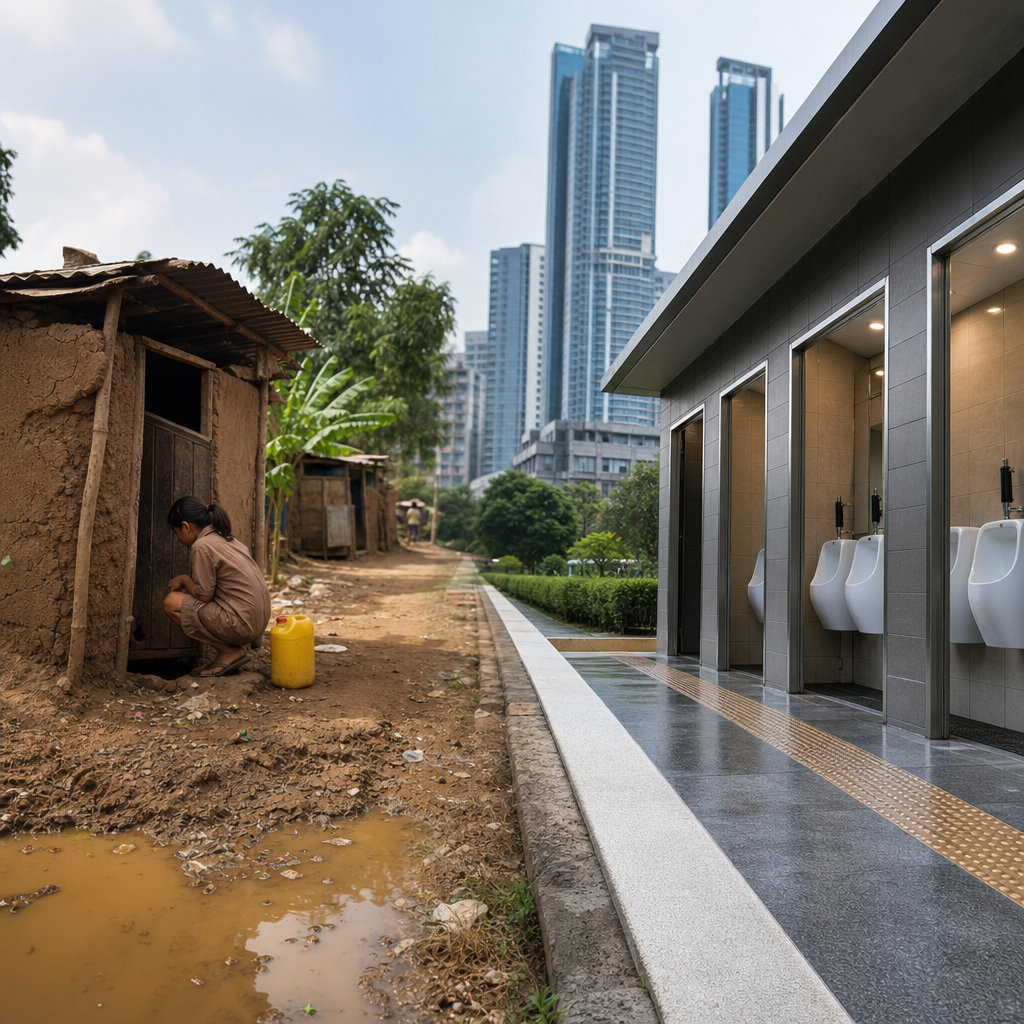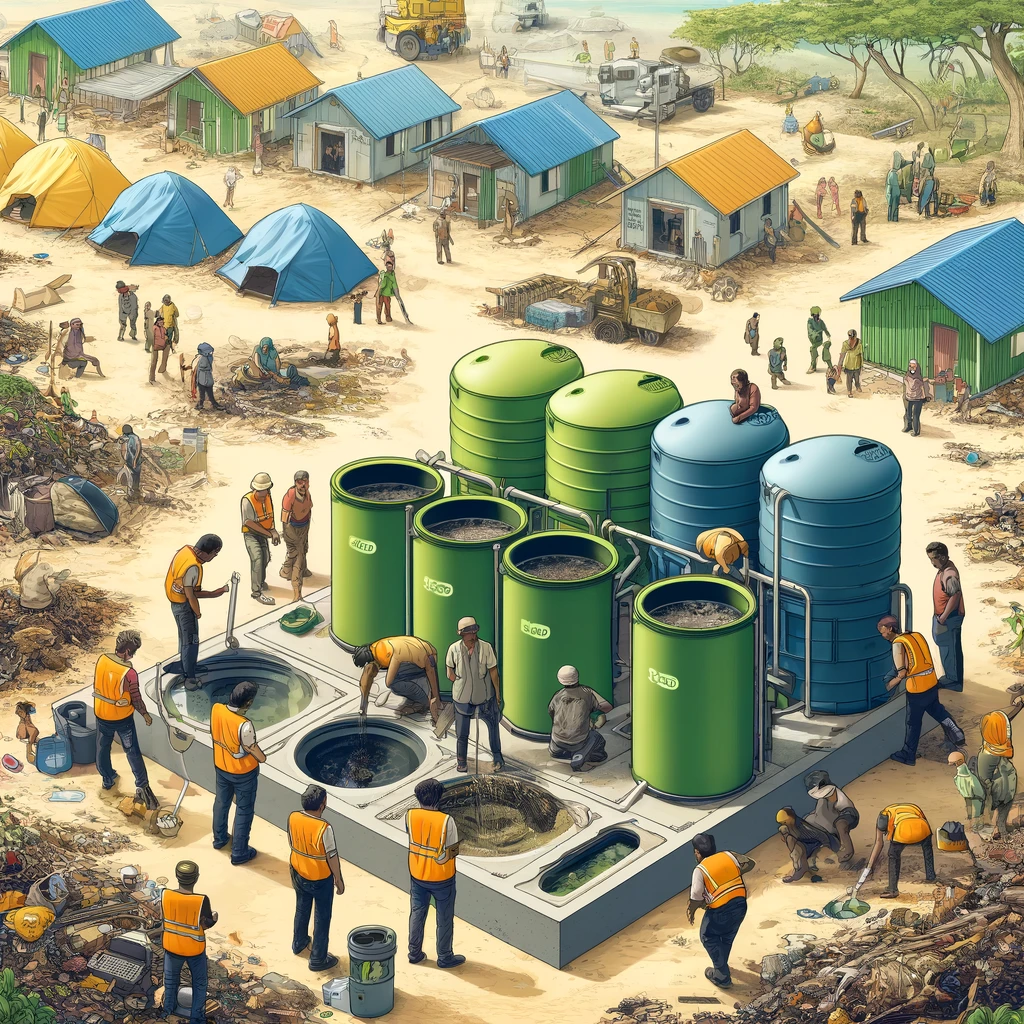
In the wake of a disaster, whether natural or human-made, one of the most critical challenges that emerge is maintaining basic sanitation. The disruption caused can severely impact water and sanitation infrastructures, posing grave public health risks. Traditional sanitation systems often fail under such stress, leading to urgent needs for alternative, sustainable solutions. This is where Ecological Sanitation (EcoSan) comes into play, offering a resilient approach to manage waste and protect water resources in crisis situations.
Understanding EcoSan
Ecological Sanitation, commonly referred to as EcoSan, is a sanitation approach that sees human waste as a resource rather than a waste product to be disposed of. The core principle behind EcoSan is to prevent the pollution of water resources while recovering nutrients and organic matter from waste, turning them into a resource for agricultural use, such as compost or biofuel. This not only minimizes environmental impact but also provides a sustainable loop of resource reuse.
The Role of EcoSan in Disaster Relief
Immediate Response Capability
In the immediate aftermath of a disaster, rapid deployment of sanitation facilities is crucial to prevent the outbreak of diseases. EcoSan units, being modular and easily deployable, can be quickly set up to provide immediate relief. These units do not require water, which is a significant advantage in areas where water supply may be compromised. Additionally, the containment and treatment of human waste at the source prevent the further contamination of the surrounding environment.
Sustainability and Resource Recovery
The sustainability aspect of EcoSan is especially beneficial in prolonged recovery phases. By transforming waste into compost, disaster-affected communities can start rehabilitating their land, improving soil fertility for future agricultural activities. This is particularly valuable in regions where soil degradation or contamination has occurred as a result of the disaster.
Adapting to Various Scenarios
The flexibility of EcoSan systems allows them to be adapted to a variety of disaster scenarios. Whether it’s a flood-prone area where raised latrines are necessary, or earthquake-hit regions where quick setup and mobility are crucial, EcoSan can be configured to meet specific needs. This adaptability extends to different scales of impact, from small communities to large displaced populations in emergency camps.
Implementation Challenges
While the benefits of EcoSan in disaster relief are clear, several challenges need addressing to leverage its full potential. Logistics of deploying EcoSan units quickly and efficiently, ensuring adequate training for local personnel on maintenance and management, and overcoming cultural hurdles related to the acceptance and use of human-derived fertilizers are significant considerations. Engaging communities early in the process and providing clear, transparent information about the benefits and operation of EcoSan are critical steps towards wider acceptance and success.
EcoSan in Action: Case Studies
Earthquake Response in Nepal
Following the devastating earthquakes in Nepal in 2015, several non-governmental organizations deployed EcoSan units to provide immediate sanitation relief in remote villages. The units not only provided essential services but also helped in soil recovery, which was vital in mountainous regions where agricultural land is scarce.
Flood Resilience in Bangladesh
In Bangladesh, known for its vulnerability to flooding, EcoSan systems have been introduced to ensure that sanitation remains uninterrupted during monsoon seasons. The raised design of these toilets prevents floodwaters from contaminating water sources and spreading disease.
The Way Forward
For EcoSan to be more widely adopted in disaster relief, there must be a concerted effort from governments, international agencies, and local organizations to invest in research, development, and training. Building local capacities to manage EcoSan systems and integrating them into disaster preparedness and response plans can amplify their impact. Moreover, public-private partnerships can be instrumental in advancing the technology and making it more accessible and affordable.
EcoSan represents a transformative approach to sanitation in disaster relief and emergency situations. Its ability to provide immediate, sustainable sanitation solutions, while also contributing to resource recovery and environmental protection, makes it an invaluable tool in the global sanitation challenge. As the world faces increasing environmental and humanitarian crises, the role of innovative solutions like EcoSan will be crucial in ensuring resilient, sustainable responses that uphold human dignity and promote ecological recovery.
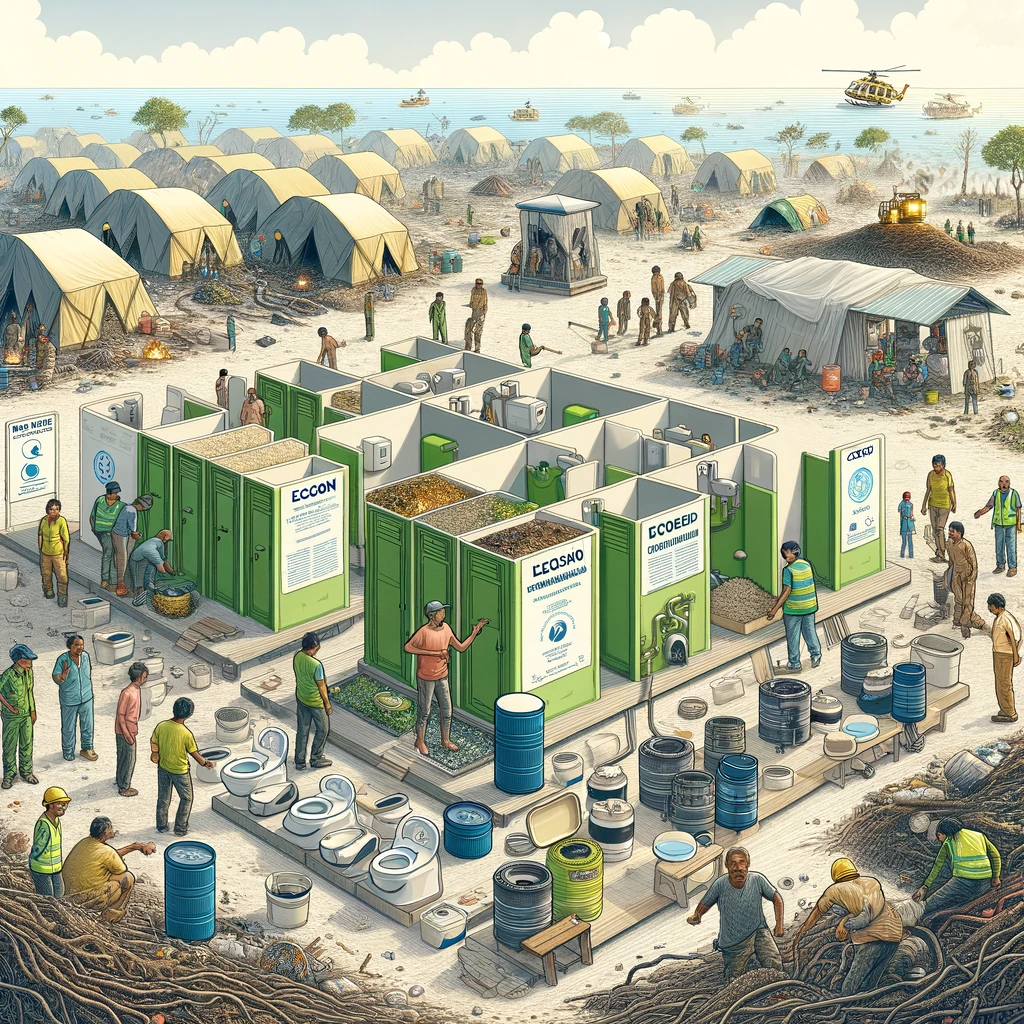
Building on the foundation laid in understanding EcoSan’s applications in disaster and emergency contexts, it’s crucial to dive deeper into the practicalities, innovations, and strategic integrations that can enhance its effectiveness and adoption globally.
Enhancing EcoSan with Technology
Incorporating modern technology into EcoSan systems can further increase their efficiency and user-friendliness. For instance, solar-powered units can ensure functionality even when conventional energy sources are unavailable. Additionally, IoT (Internet of Things) sensors can be integrated to monitor usage and alert maintenance teams about the need for service or compost removal, optimizing the operational lifecycle of these units.
Educational and Training Programs
Education plays a pivotal role in the adoption and proper use of EcoSan systems. Tailored educational programs that focus on the benefits and maintenance of EcoSan can help mitigate cultural resistance and enhance community acceptance. Training local champions and influencers to advocate and demonstrate the use of these systems can lead to more widespread adoption and sustained use.
Policy Integration and Support
For EcoSan to be effectively integrated into disaster relief efforts, supportive policies must be in place. Governments and regulatory bodies need to recognize the value of EcoSan and create favorable policies that facilitate its implementation. This includes zoning approvals for installation, guidelines for safe use of recycled waste, and subsidies or financial incentives for organizations and communities adopting EcoSan.
Collaborations for Greater Impact
Collaboration between governments, NGOs, private companies, and local communities can lead to innovative solutions and stronger implementation frameworks. Partnerships can provide the necessary resources, knowledge, and legitimacy needed to scale EcoSan solutions effectively. Additionally, collaboration can spur innovations that tailor EcoSan systems to specific regional needs and challenges, making them more effective and widely acceptable.
Global Knowledge Sharing
Sharing knowledge and experiences globally can catalyze the improvement and adaptation of EcoSan systems. Platforms for international dialogue and conferences dedicated to sustainable sanitation in disaster relief can help disseminate successful case studies and encourage the exchange of ideas and technologies.
Overcoming Financial Barriers
The initial cost of setting up EcoSan systems can be a barrier for many disaster-affected communities. Financial mechanisms such as international aid, grants, and microfinancing can be utilized to support the deployment of EcoSan. Furthermore, demonstrating the long-term cost savings and environmental benefits can help justify the upfront investments to stakeholders and donors.
Case Study: Hurricane Response in the Caribbean
In the Caribbean, where hurricanes are a recurrent threat, EcoSan has been trialed to provide resilient sanitation solutions. The systems are designed to withstand high winds and flooding, ensuring that sanitation services remain operational during and after hurricane events. The success of these trials has led to increased interest and investment in EcoSan from local governments and international relief agencies.
Future Innovations in EcoSan
Future innovations in EcoSan may include enhanced nutrient recovery techniques to increase the safety and value of the byproducts, making them more appealing for agricultural use. Additionally, the development of more compact, aesthetically pleasing designs could increase their acceptability and integration into more permanent urban and rural settings.
Conclusion
Ecological Sanitation offers a robust solution to the sanitation challenges posed by disaster and emergency situations. Its ability to operate independently of water supply, coupled with its environmental benefits, positions EcoSan as a key player in sustainable disaster response strategies. By focusing on technological enhancements, educational efforts, supportive policies, and collaborative initiatives, the potential of EcoSan to provide safe, sustainable sanitation in the face of global challenges can be fully realized. As communities around the world increasingly face the impacts of climate change and environmental degradation, embracing innovative solutions like EcoSan is more important than ever.