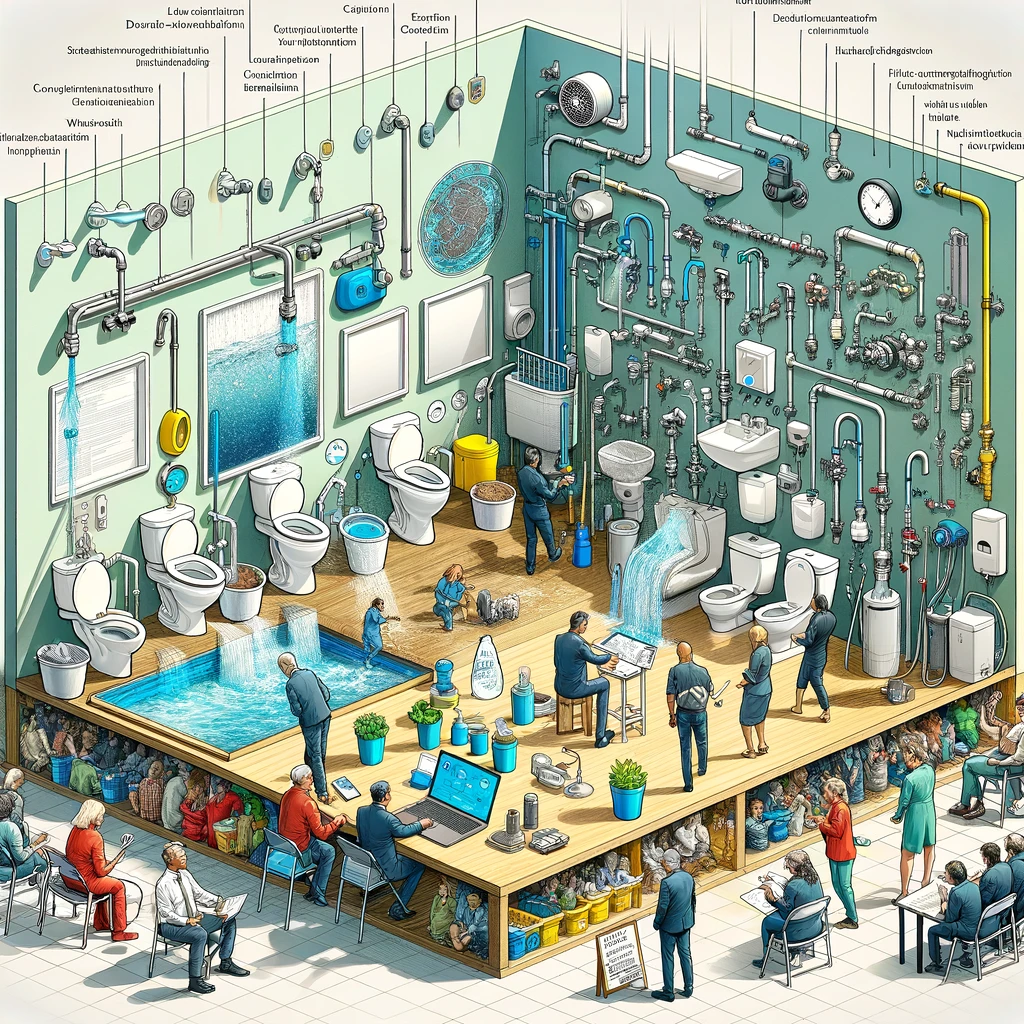
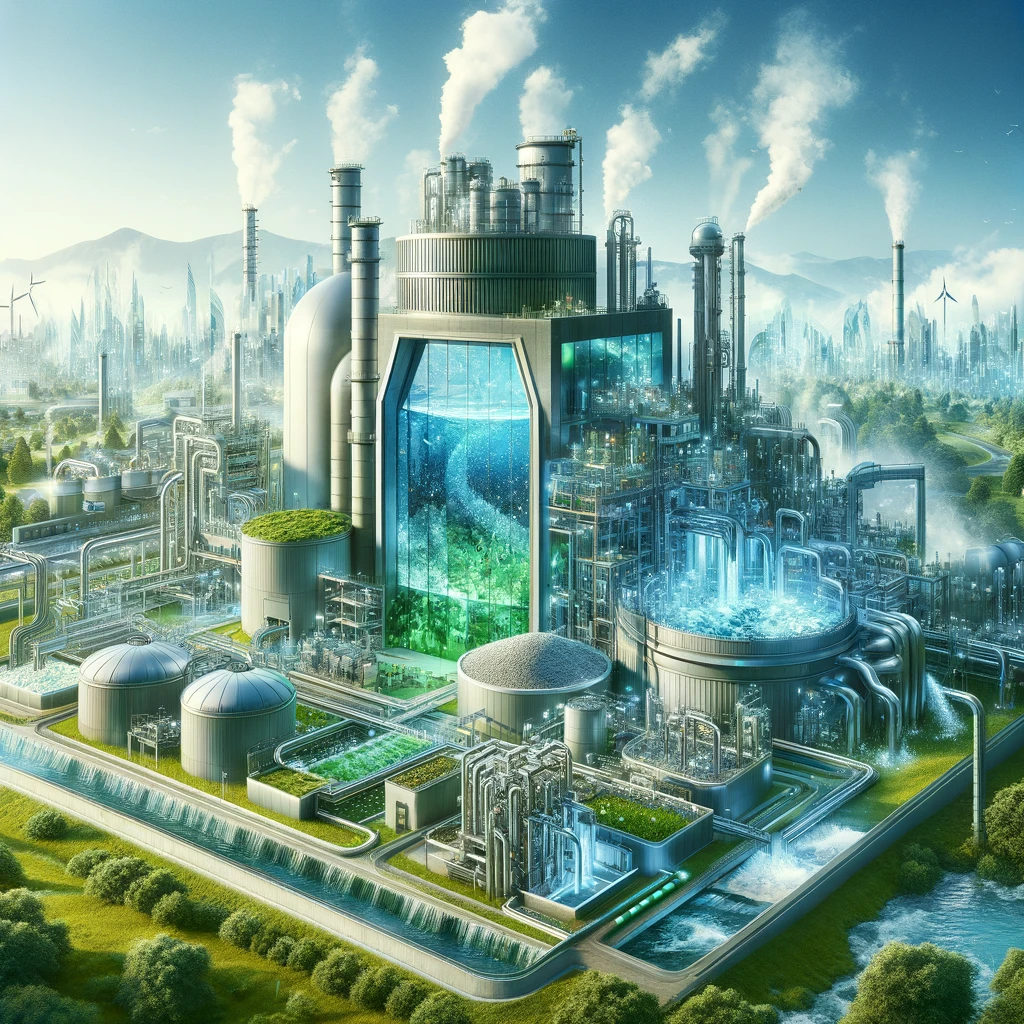
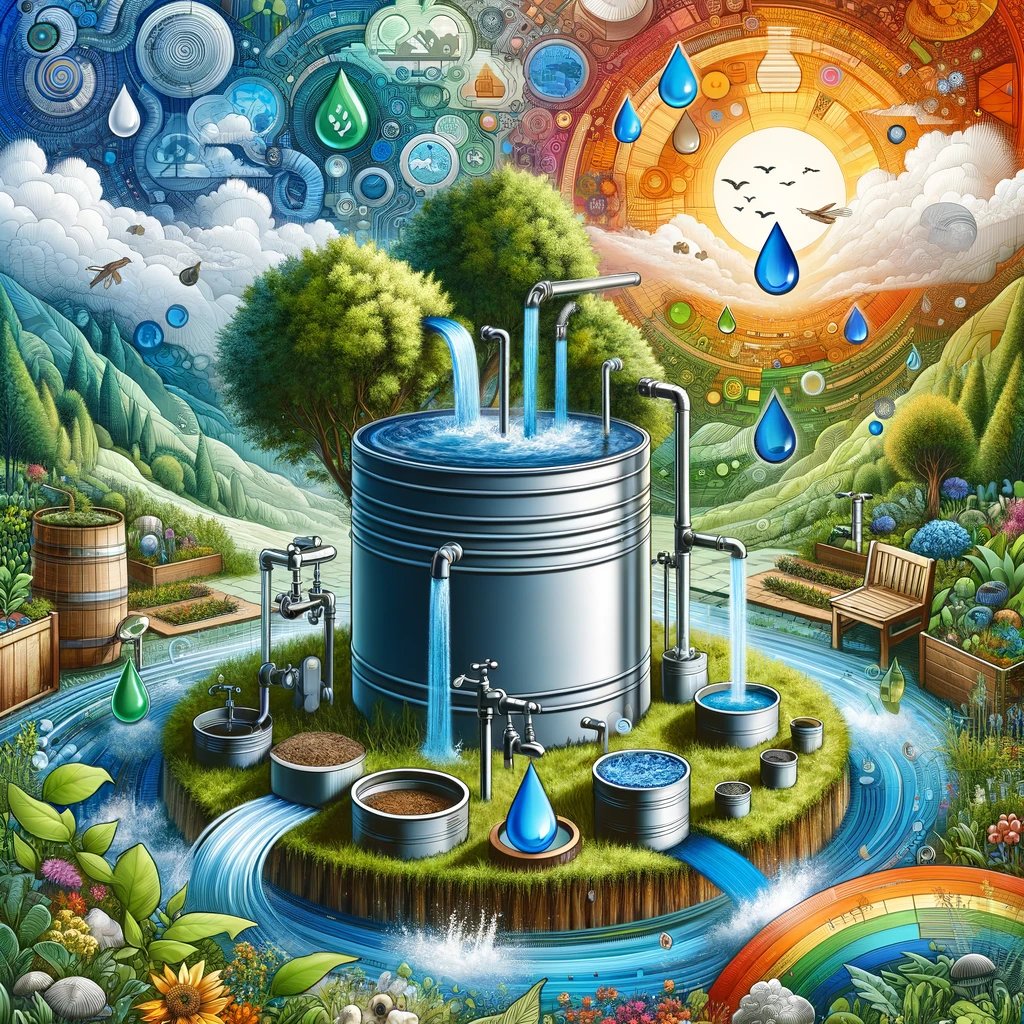
Human excreta, commonly considered a waste product, actually holds significant potential as a resource in sustainable environmental management. The shift from viewing human waste solely as a disposal problem to recognizing its value in resource recovery offers numerous ecological, economic, and social benefits. This article delves into the sustainable management of human excreta, exploring its practical applications and the overall impact on resource conservation.
Understanding Human Excreta as a Resource
The idea of using human excreta as a resource is not new. Historical records show that many ancient civilizations used human waste as fertilizer. However, modern sanitation systems have typically focused on sanitation and hygiene, often overlooking the resource potential of excreta. Sustainable management of human excreta involves utilizing it as a source of nutrients, energy, and water, thus contributing to a more circular economy.
Nutrient Recovery
Human excreta is rich in nitrogen, phosphorus, and potassium, essential nutrients for plant growth. These elements can be recovered and transformed into fertilizer, reducing the need for chemical alternatives. This not only lessens the environmental impact associated with synthetic fertilizers but also enhances soil health and fertility.
Energy Production
Biogas technology allows for the conversion of human excreta into energy. This process involves anaerobic digestion, where microorganisms break down organic matter in the absence of oxygen, producing methane and carbon dioxide. The methane captured from this process can be used as a renewable energy source, powering households or communities and reducing reliance on fossil fuels.
Water Reclamation
Advanced treatment technologies can reclaim water from human waste, making it safe for agricultural or industrial use. This is particularly crucial in regions facing water scarcity. Reusing water from treated excreta not only conserves fresh water resources but also provides a reliable water supply for non-potable applications.
Implementation Challenges and Solutions
While the benefits are clear, the implementation of sustainable human excreta management faces several challenges. These include technological, social, and regulatory hurdles.
Technological Barriers
The technologies for nutrient recovery, energy production, and water reclamation from human excreta are still developing. High costs and maintenance requirements can be significant barriers, especially in low-resource settings. Research and development into cost-effective and low-maintenance technologies are crucial for wider adoption.
Social Acceptance
The ‘yuck factor’ associated with human excreta can hinder its acceptance as a resource. Public education and awareness campaigns are vital in changing perceptions and demonstrating the safety and benefits of recycled products. Success stories and pilot projects can also help in building trust and acceptance among communities.
Regulatory Frameworks
Appropriate regulatory frameworks are necessary to support the implementation of technologies that handle human excreta. These regulations need to ensure public health and environmental protection while encouraging innovation and adoption of sustainable practices.
Benefits of Sustainable Management
Adopting sustainable management practices for human excreta offers several benefits:
- Environmental Conservation: Reduces the environmental impact of waste disposal and chemical fertilizers, promoting biodiversity and ecosystem health.
- Economic Efficiency: Lowers the costs associated with waste management and provides cheaper alternatives to traditional fertilizers and energy sources.
- Public Health Improvements: Enhances sanitation and reduces the incidence of diseases associated with poor waste management.
Real-World Applications
Several countries have successfully implemented projects that showcase the potential of managing human excreta sustainably:
- In Sweden, projects have been developed to convert human urine into a liquid fertilizer that is used in agriculture.
- In Kenya, the introduction of biogas toilets has enabled communities to generate energy from human waste, improving sanitation and providing a renewable energy source.
- In Singapore, the NEWater initiative recycles treated wastewater, including from human excreta, into clean water used for various non-potable purposes.
The sustainable management of human excreta, from a resource perspective, is not only a viable alternative to traditional waste management but a necessary step towards a sustainable future. By rethinking waste as a resource, we can unlock significant environmental, economic, and social benefits. The challenges involved in this transformation are substantial, but with continued innovation, public education, and supportive policies, they are surmountable. Embracing the circular economy concept in waste management can lead to more resilient and sustainable communities worldwide.
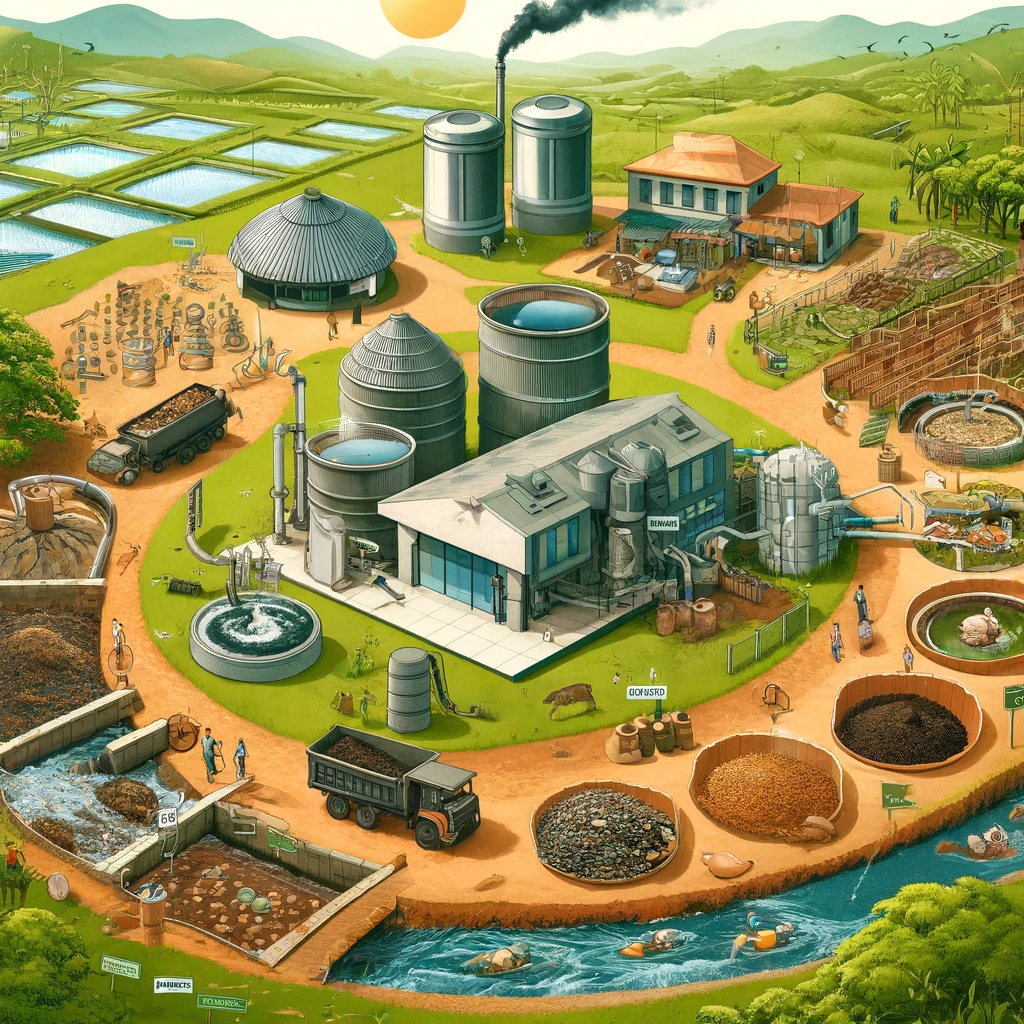
Case Studies in Sustainable Excreta Management
To better understand how sustainable practices in managing human excreta can be implemented, it’s instructive to look at successful case studies from around the world. These examples highlight the diverse approaches and technologies used to turn human waste into a valuable resource.
Case Study 1: EcoSan Toilets in India
In India, the EcoSan (ecological sanitation) toilets are an example of how human excreta can be managed sustainably. These toilets are designed to separate urine from feces, making it easier to treat and reuse each component. The urine is stored and treated to be used as a liquid fertilizer, while the feces are composted into a safe soil conditioner. This system not only provides a sanitary toilet option for rural areas but also produces valuable agricultural inputs, reducing the need for chemical fertilizers.
Case Study 2: Biogas Digesters in Rural China
China has one of the largest implementations of biogas technology at the household level. Rural households use small-scale biogas digesters to process human waste along with animal manure. The methane gas produced is used for cooking and heating, while the residue is used as fertilizer. This approach provides a dual benefit of waste treatment and energy production, demonstrating an effective model of integrated resource recovery.
Case Study 3: Sanergy in Nairobi, Kenya
Sanergy is an innovative social enterprise in Nairobi, Kenya, that builds and franchises sanitation facilities called Fresh Life Toilets. These facilities are designed to collect human waste safely and hygienically. The collected waste is then processed into organic fertilizer and insect-based animal feed, creating a closed-loop system that benefits both urban sanitation and agriculture. Sanergy exemplifies how a business model can be built around the sustainable management of human excreta, providing sanitation solutions and creating economic opportunities in urban settings.
The Role of Innovation and Collaboration
The successful implementation of sustainable human excreta management systems often hinges on innovation across technology, business models, and policy. Collaboration between governments, non-profits, businesses, and communities is crucial. Sharing knowledge, resources, and technology can accelerate the adoption of these systems and amplify their impact.
Innovation in Technology
Ongoing advancements in treatment technologies are critical. Innovations such as low-cost, high-efficiency biogas digesters and waterless toilets can make sustainable excreta management accessible to a broader range of communities, including those in low-income and water-scarce regions.
Business Models
Developing business models that can operate profitably while addressing sanitation needs is vital. Models like that of Sanergy in Kenya demonstrate how sanitation can be turned into a profitable venture that also serves a critical public health function.
Policy and Regulation
Supportive policies and regulations are essential to create an enabling environment for sustainable excreta management. Policies need to facilitate investment in new technologies, streamline approvals for innovative sanitation solutions, and set standards for recycled products to ensure they are safe and effective.
Future Directions
Looking ahead, the integration of sustainable human excreta management into broader urban and rural development plans is vital. As cities and populations grow, the need for efficient, sustainable sanitation will become more acute. Planning for waste as a resource from the outset can alleviate future sanitation challenges and provide ongoing benefits for communities and the environment.
Furthermore, as climate change impacts become more pronounced, the role of sustainable excreta management in mitigating environmental impacts will become increasingly important. Managing human waste in a way that reduces greenhouse gas emissions and recycles nutrients locally can significantly contribute to climate resilience strategies.
Conclusion
Sustainable management of human excreta represents a paradigm shift in how we view and handle waste. From being a mere disposal challenge, human excreta is now being recognized as a valuable resource that can contribute significantly to agriculture, energy production, and water conservation. The journey towards widespread adoption of these practices is filled with challenges, but the potential benefits make it a crucial endeavor. By fostering innovation, encouraging collaboration, and supporting adaptable policies, sustainable excreta management can become a cornerstone of ecological and economic sustainability.