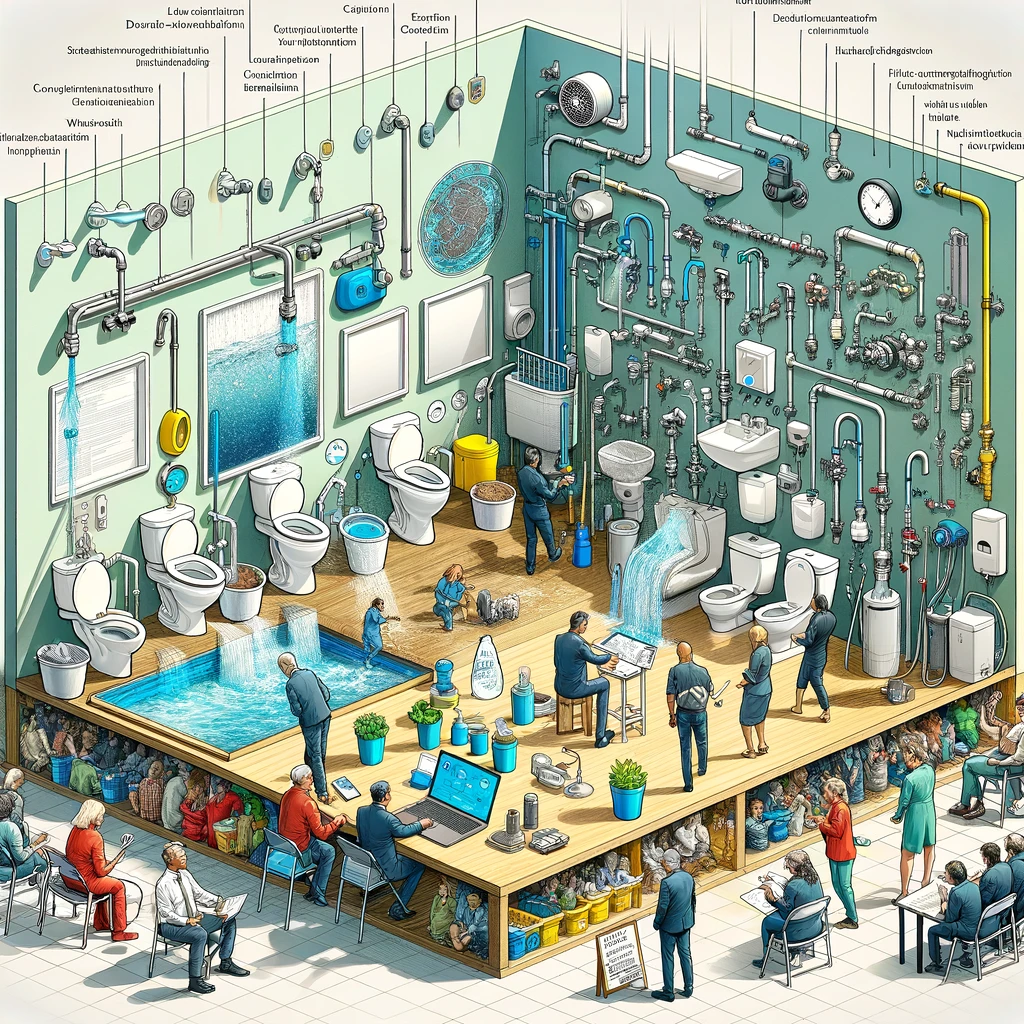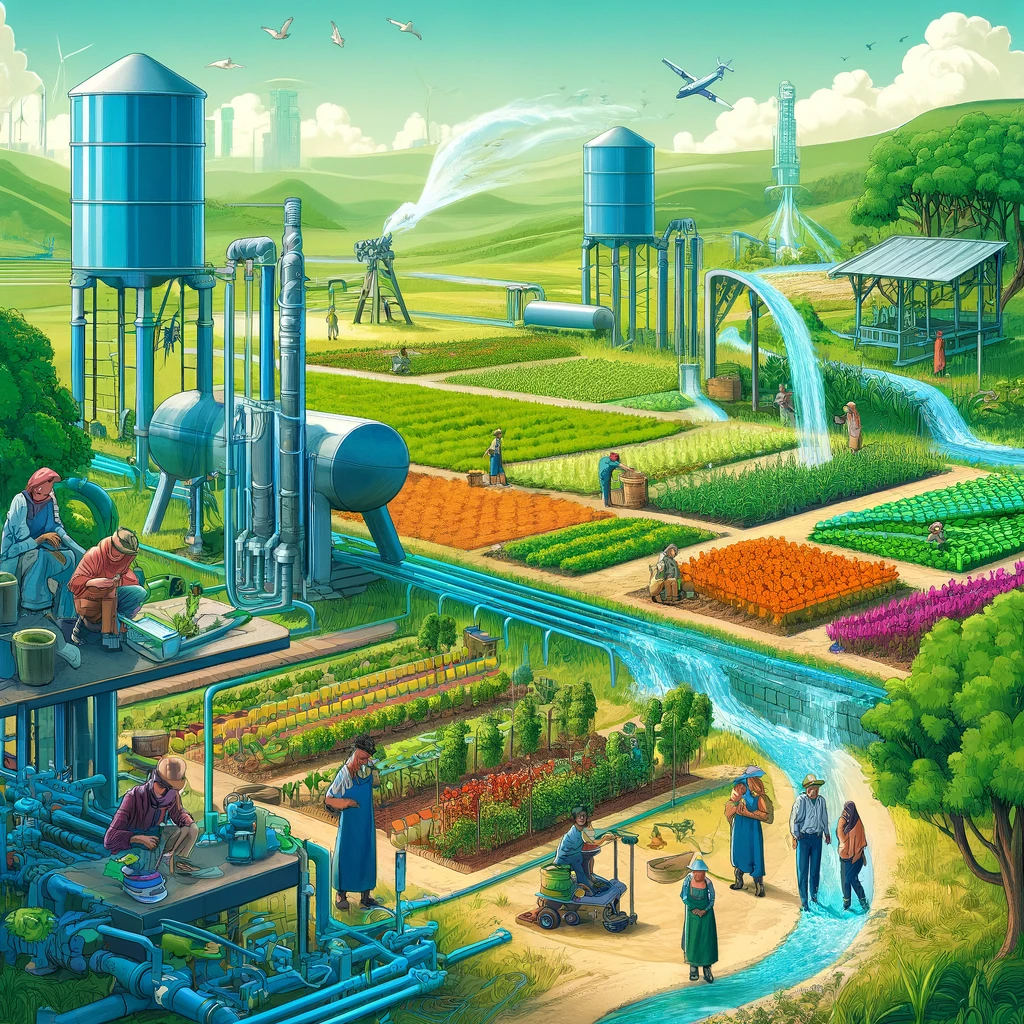
In an era where sustainable practices are increasingly crucial, ecological sanitation (EcoSan) presents a transformative approach to managing human waste. This article delves into the essentials of water conservation within EcoSan systems, offering insights into how these systems not only preserve vital resources but also contribute to a more sustainable future.
The EcoSan Concept: A Revolutionary Approach
Ecological sanitation, commonly abbreviated as EcoSan, is an innovative approach that views waste as a resource rather than a disposal problem. Central to this philosophy is the idea of creating a circular economy biological cycle, where waste materials are repurposed, thus reducing pollution and conserving water resources (CircuLab).
Principles of EcoSan: Beyond Traditional Sanitation
At the core of EcoSan systems are several key principles:
- Source Separation: EcoSan systems segregate waste at the source. Urine and feces are collected separately from other wastewater streams like graywater, helping to preserve their quality and nutritional content for reuse (Assignment Point).
- Nutrient Recycling: EcoSan emphasizes the safe recycling of nutrients found in human waste, particularly nitrogen and phosphorus, to enhance soil quality and agriculture. Techniques such as composting and urine diversion are commonly employed (Assignment Point).
- Water Conservation: A hallmark of EcoSan systems is their emphasis on minimizing water use. This is achieved through the use of dry or low-flush toilets, dramatically reducing the volume of water needed for flushing and sanitation (Assignment Point).
- Treatment and Disinfection: Ensuring the safe reuse of human waste is paramount. EcoSan systems incorporate various treatment and disinfection methods, such as composting and solar drying, to eliminate pathogens and reduce health risks (Assignment Point).
- Environmental Impact Reduction: By treating and separating waste effectively, EcoSan systems reduce pollution of water bodies and soil, preventing contamination of natural ecosystems (Assignment Point).
- Community Engagement: Successful implementation of EcoSan requires active community involvement. Education about the benefits and maintenance of these systems is critical for their long-term success (Assignment Point).
- Adaptability: EcoSan can be adapted to various settings, from rural to urban areas, and implemented at different scales, providing a versatile solution to sanitation challenges (Assignment Point).
Challenges and Criticisms
Despite its many benefits, EcoSan faces challenges, such as ensuring user acceptance and managing the costs effectively. Some critics argue that EcoSan has been overly focused on reuse in agriculture, sometimes at the expense of other important criteria for sustainable sanitation. Additionally, the safety of EcoSan systems in terms of pathogen destruction during treatment processes remains a topic of debate (Wikipedia).
EcoSan and Global Health
The potential of EcoSan to address global sanitation issues is immense. About 4.2 billion people worldwide lack access to safely managed sanitation, with a significant portion lacking basic sanitation altogether. EcoSan systems can play a critical role in improving these conditions, especially in non-sewered environments where conventional sewage systems are impractical or unaffordable (Frontiers in).
EcoSan in Action: Transforming Lives
One striking example of EcoSan’s impact is its implementation in rural communities. In the Philippines, EcoSan toilets have been a game-changer, enabling farmers like Federico Talaman to manage waste safely, enhance soil fertility through organic compost, and reduce expenses on commercial fertilizers. Such projects demonstrate EcoSan’s ability to improve sanitation practices and contribute to sustainable agriculture (Surge for Water).
EcoSan systems represent a paradigm shift in sanitation and resource management. By emphasizing water conservation, nutrient recycling, and sustainable practices, these systems offer a viable solution to some of the most pressing environmental and health challenges of our time. However, for EcoSan to achieve widespread adoption, it must overcome challenges related to cost, user acceptance, and safety. With continued innovation and community engagement, EcoSan has the potential to transform sanitation practices globally, leading to a healthier, more sustainable future.

Technologies and Innovations in EcoSan Systems
EcoSan’s success lies in its diverse technological applications. The most commonly used technology in EcoSan systems is the urine-diverting dry toilet (UDDT). However, EcoSan’s flexibility allows for the integration of various other technologies, including vacuum toilets with biogas plants, constructed wetlands, and composting toilets (Wikipedia). This array of options means that EcoSan can be tailored to meet specific needs and contexts, offering optimal and economical solutions.
Case Studies: EcoSan’s Global Reach
EcoSan’s impact can be seen worldwide, with successful implementations in different socio-economic and cultural contexts. In Haiti, for example, container-based toilets coupled with aerobic, thermophilic composting have been introduced. This system, managed by non-profit organizations, has shown promise in medium-scale settings, serving thousands of users daily (Frontiers in). These case studies demonstrate EcoSan’s adaptability and effectiveness in various settings, from densely populated urban areas to remote rural communities.
Overcoming Barriers for Widespread Adoption
Despite its potential, EcoSan’s widespread adoption faces economic, institutional, and political barriers. There’s also a need for more research on the use of organic amendments from EcoSan in agriculture to fully understand their impact on crop production, nutrient cycling, and water quality. Addressing these challenges is crucial for decision-makers and stakeholders to fully embrace EcoSan systems (Frontiers in).
EcoSan and Water Conservation
A critical aspect of EcoSan is its approach to water conservation. Traditional sanitation systems often rely on large quantities of water for waste transport and treatment. In contrast, EcoSan systems use minimal or no water, significantly reducing the demand for this precious resource. This aspect is particularly important in regions where water scarcity is a pressing issue (Assignment Point).
The Role of Education and Awareness
Community education and awareness are vital for the successful implementation of EcoSan. People need to understand the benefits of EcoSan, how it works, and how to maintain these systems. This involves changing long-standing habits and perceptions about waste and sanitation. Efforts to educate communities can lead to greater acceptance and more effective use of EcoSan systems (Wikipedia).
EcoSan’s Contribution to Sustainable Development Goals
EcoSan aligns closely with several United Nations Sustainable Development Goals (SDGs), particularly those related to clean water and sanitation (SDG 6), sustainable cities and communities (SDG 11), and responsible consumption and production (SDG 12). By promoting efficient resource use and reducing environmental impact, EcoSan contributes significantly to these global objectives.
The Future of EcoSan: Scaling Up and Innovations
The future of EcoSan lies in its ability to adapt and innovate. As communities and technologies evolve, so too must EcoSan systems. This could involve integrating more advanced technologies, improving the efficiency of existing systems, or finding new ways to engage communities. Scaling up EcoSan to serve larger populations while maintaining its sustainability and effectiveness will be key to its continued success.
Conclusion
Ecological sanitation offers a comprehensive, sustainable approach to managing human waste. By emphasizing water conservation, nutrient recycling, and environmental protection, EcoSan systems present a viable solution to global sanitation challenges. Overcoming barriers to adoption, coupled with continued innovation and community engagement, will be critical for EcoSan’s future. As we look towards a more sustainable future, EcoSan stands out as a key player in transforming our approach to sanitation and resource management.