Water is a vital resource, essential not only for survival but also for maintaining sanitation. In many parts of the world, water scarcity has prompted the need for innovative strategies to ensure that water usage in sanitation systems is both efficient and sustainable. This article explores various strategies that can be implemented to manage water resources effectively in the context of ecological sanitation.
Understanding the Importance of Water Efficiency in Sanitation
Water efficiency in sanitation is crucial for several reasons. It helps to conserve water, reduce environmental impact, and ensure that future generations have access to clean water. Efficient water use in sanitation also reduces the energy required for pumping, treating, and heating water, which in turn lowers greenhouse gas emissions.
Low-Flow Fixtures and Appliances
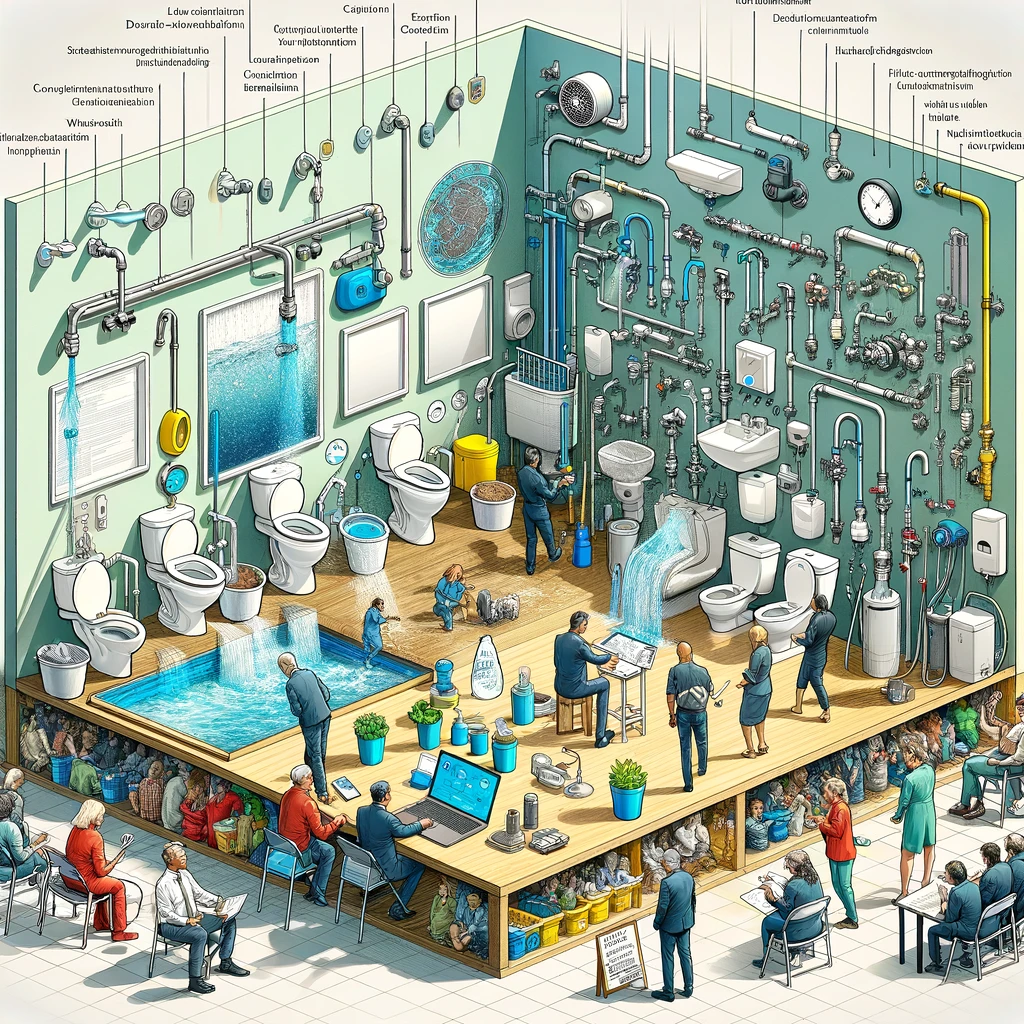
One of the simplest yet most effective strategies is the installation of low-flow fixtures and appliances. Low-flow toilets, showerheads, and faucets can significantly reduce water usage without compromising service quality. For example, modern low-flow toilets use less than half the water of older models per flush, while providing the same level of functionality.
Water Recycling and Reuse
Recycling greywater, which includes water from sinks, showers, and laundry, is another excellent way to enhance water efficiency. Greywater can be treated and reused for non-potable purposes such as flushing toilets, watering gardens, and landscape irrigation. This not only reduces the demand for fresh water but also minimizes the volume of wastewater that needs to be treated and disposed of.
Rainwater Harvesting
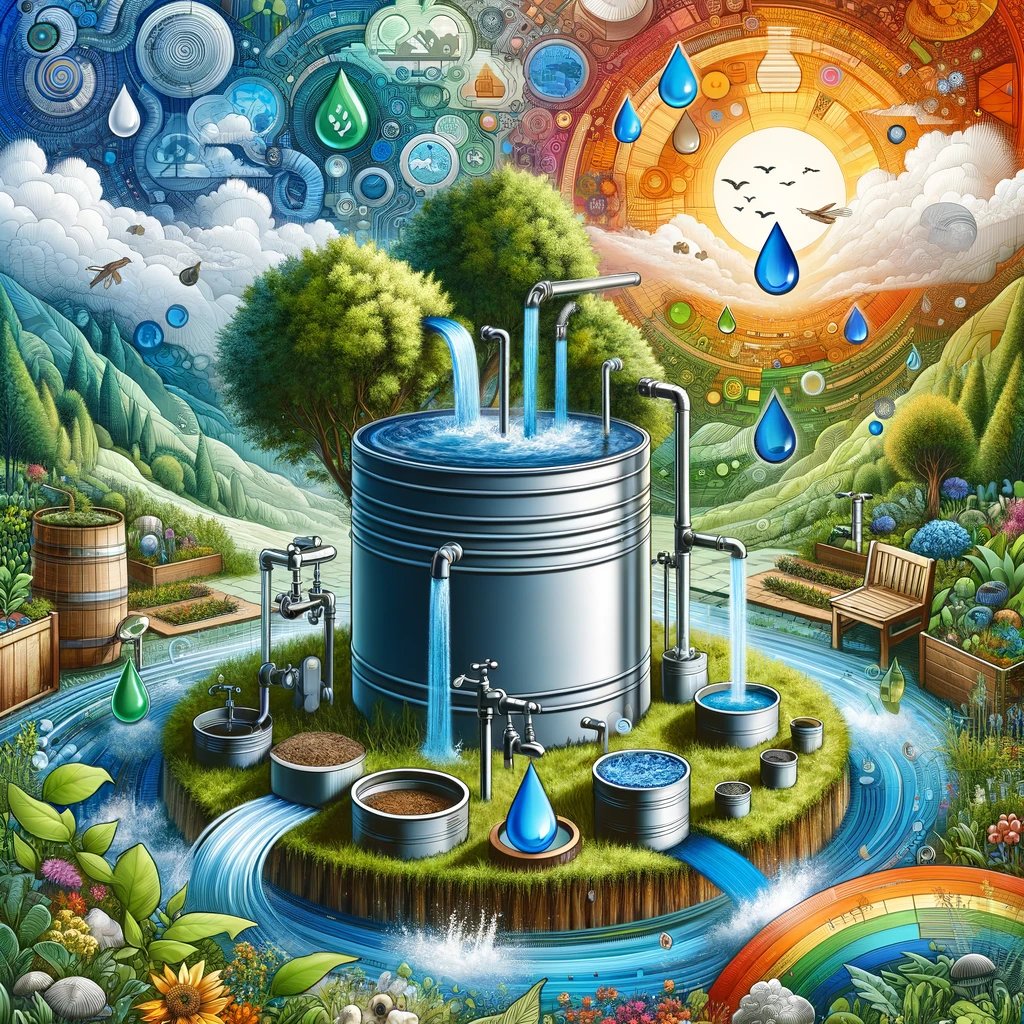
Collecting and storing rainwater is a viable solution in both urban and rural settings. Rainwater harvesting systems capture rainwater from rooftops and direct it into storage tanks. The stored water can then be used for various applications, including sanitation. This practice not only reduces dependence on local water supply systems but also mitigates the impact of runoff on local water bodies.
Behavioral Changes
Promoting behavioral changes through education and awareness campaigns is critical to enhancing water efficiency. Simple practices such as turning off the tap while brushing teeth or fixing leaks promptly can have a significant impact on water conservation. Community-based programs that engage and educate residents about the importance of water conservation can lead to substantial reductions in water usage.
Smart Water Management Systems
Advancements in technology have led to the development of smart water management systems that can optimize water use. These systems use sensors and data analytics to monitor water flow and detect leaks in real-time. By providing detailed insights into water usage patterns, these systems can help in making informed decisions about water management in sanitation facilities.
Policy and Regulation
Government policies and regulations play a pivotal role in promoting water efficiency. Policies that mandate the installation of water-efficient fixtures in new buildings or major renovations can drive widespread adoption of these technologies. Additionally, regulations that encourage or require greywater recycling and rainwater harvesting in certain areas can enhance water sustainability.
Community-Led Initiatives
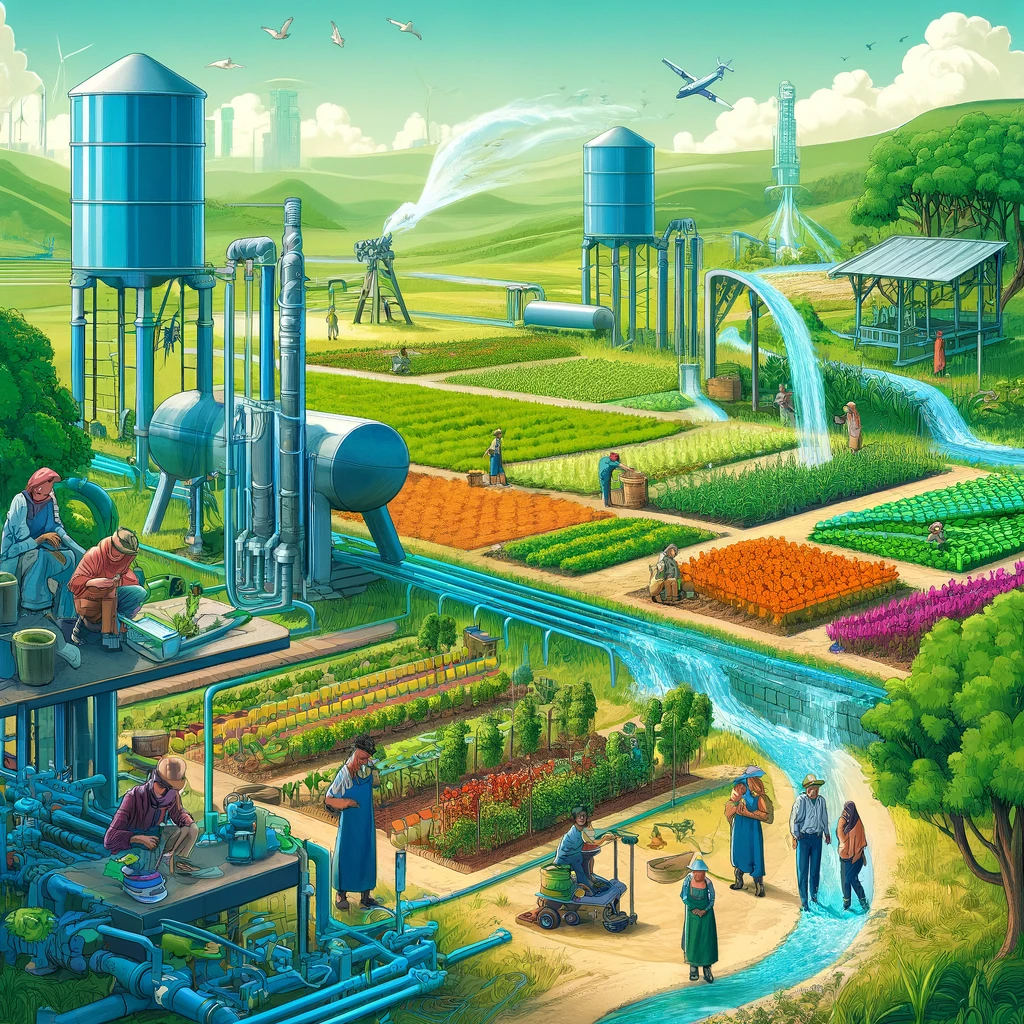
Empowering communities to take charge of their water management can lead to innovative and sustainable practices. Community-led initiatives, such as building and maintaining local sanitation facilities that incorporate water-saving technologies, can foster a sense of ownership and responsibility towards local water resources.
Integrating Water Efficiency into Wider Environmental Goals
Efficient use of water in sanitation should be integrated into broader environmental management and urban planning strategies. This integration can help in creating systems that not only meet the immediate needs of sanitation but also contribute to the overall sustainability of urban ecosystems.
Partnerships and Collaborations
Building partnerships between governments, non-governmental organizations, and the private sector can accelerate the implementation of water-efficient practices. These partnerships can leverage the strengths and resources of different stakeholders to innovate and scale up effective solutions.
Efficient use of water in sanitation is imperative for sustainable development. Through a combination of technological innovations, policy interventions, and community engagement, it is possible to significantly enhance water efficiency. Adopting these strategies will not only conserve water resources but also promote a healthier environment and improved quality of life for all. Ensuring the sustainable management of water in sanitation requires commitment and collaboration across all levels of society. Together, we can achieve a water-efficient future.

Emphasizing Education and Training
Education and training are fundamental to fostering a culture of water efficiency. Educational programs targeted at both professionals in the water management sector and the general public can significantly improve the understanding and implementation of efficient water use practices. Workshops, seminars, and online courses can equip individuals with the necessary skills to identify and address inefficiencies in water use within their communities and workplaces.
Innovative Technologies and Techniques
Technological innovation continues to offer new opportunities to enhance water efficiency in sanitation. For example, vacuum toilets, similar to those used in airplanes, use minimal water for flushing. Another innovative approach is the use of waterless urinals, which can drastically reduce the amount of water used in public restrooms.
Emerging technologies such as Internet of Things (IoT) devices also play a crucial role. These devices can control the operation of water systems, ensuring optimal performance and alerting maintenance teams about issues before they become serious problems.
Sustainable Building Design
Integrating water efficiency into building design from the outset is another effective strategy. Sustainable building design includes planning for green infrastructure, such as permeable surfaces and green roofs, which help manage rainwater and reduce the need for treated water in outdoor applications. Additionally, building designs that incorporate natural light and ventilation reduce the need for energy-intensive air conditioning and artificial lighting, further conserving resources.
Economic Incentives
Economic incentives can be a powerful tool in promoting water-efficient behaviors. Water pricing, rebates for water-efficient appliances, and tax incentives for businesses that implement water-saving technologies can motivate both individuals and corporations to invest in efficient water use. Furthermore, offering financial assistance for retrofitting old systems or installing water-efficient systems in low-income communities can help ensure that all segments of the population can contribute to water conservation efforts.
Public-Private Partnerships
Public-private partnerships are essential for driving innovation and deploying water-saving technologies at scale. By collaborating, the public sector can leverage the agility and technological capabilities of the private sector, while the private sector can benefit from the public sector’s regulatory and policy-making capabilities. These partnerships can help roll out large-scale projects like city-wide water recycling systems or community-based rainwater harvesting solutions.
Monitoring and Evaluation
To ensure the effectiveness of water conservation measures, robust monitoring and evaluation frameworks are necessary. These frameworks should include metrics to assess the performance of installed systems, the impact of behavioral change programs, and the overall reduction in water use. Data collected from these evaluations can then inform future policies and practices, creating a feedback loop that continuously improves water efficiency.
Adapting to Climate Change
As climate change continues to affect water availability globally, adapting sanitation systems to be more water-efficient is increasingly important. Strategies such as using drought-resistant plant species in green infrastructures or designing adaptable water storage systems that can cope with fluctuations in water availability are examples of how sanitation systems can be made resilient to climate variations.
Community Engagement and Ownership
Finally, engaging communities in the planning and execution of water management strategies ensures that the solutions developed are tailored to the specific needs and preferences of the local population. Community ownership of water and sanitation projects also leads to better maintenance and sustainability of these systems over the long term.
Conclusion
Efficient use of water in sanitation systems is not just about implementing new technologies or stricter policies. It’s about creating a comprehensive approach that combines technology, community involvement, education, and regulatory frameworks. As we move forward, it will be crucial for all stakeholders involved—governments, businesses, communities, and individuals—to work collaboratively to implement these strategies effectively. By doing so, we can ensure that our water resources are managed wisely, benefiting both the environment and future generations. Together, we can build a more sustainable and water-wise world.