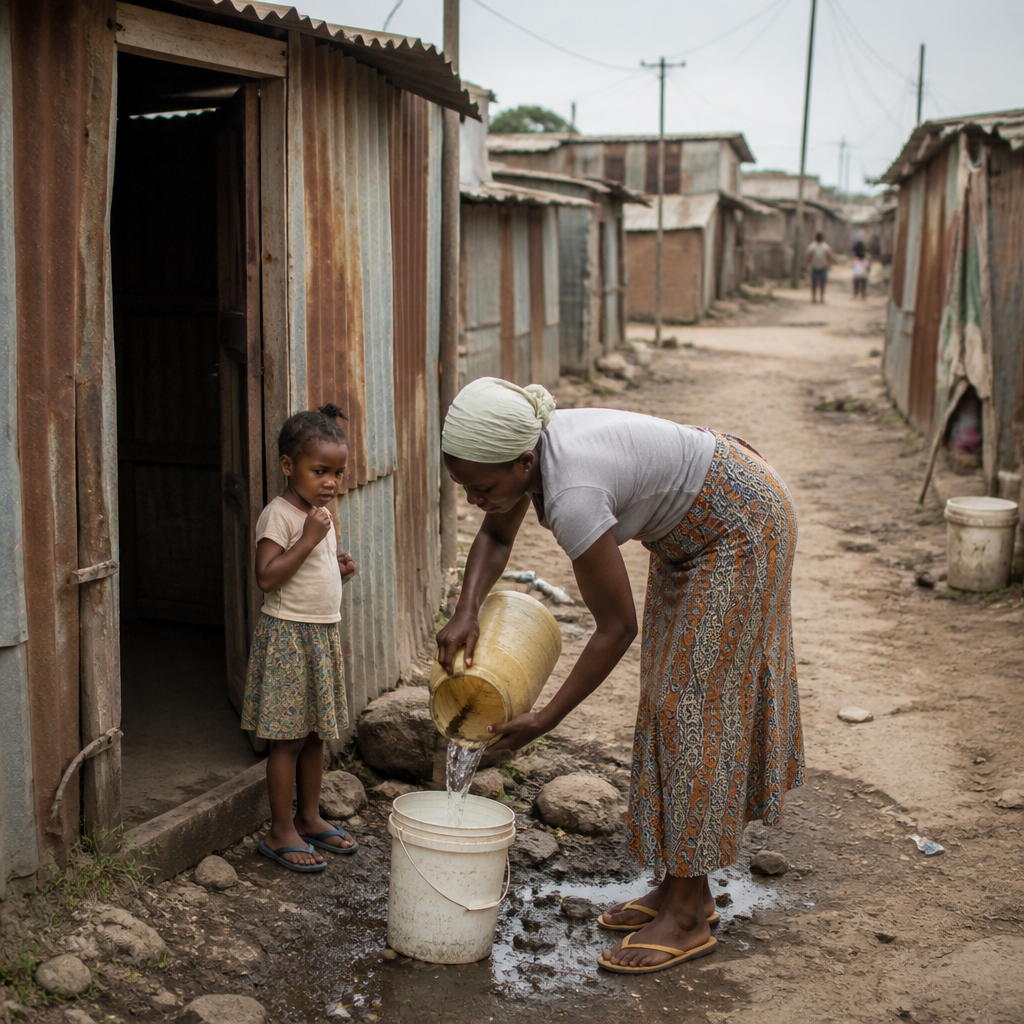
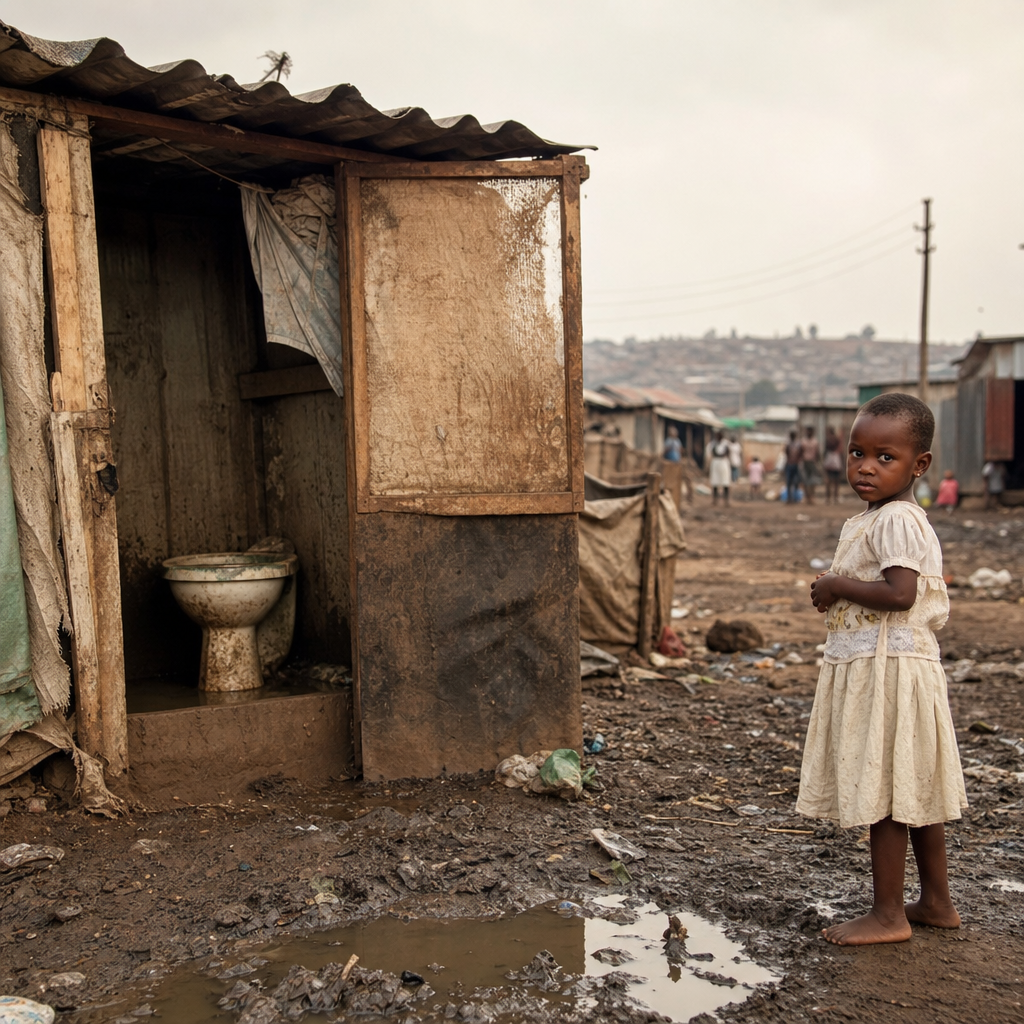
Global health and sanitation are inseparable because communicable diseases spread fastest where safe water, toilets, drainage, waste management, and hygiene systems fail. In public health practice, sanitation means the services and behaviors that safely contain, transport, treat, and dispose of human waste while protecting water, food, and living environments from contamination. Communicable diseases are illnesses caused by pathogens such as bacteria, viruses, parasites, and fungi that pass between people directly or indirectly through water, food, surfaces, insects, and shared environments. When sanitation systems break down, pathogens move easily through communities, schools, clinics, markets, and entire regions. That is why sanitation is not a side issue in development policy; it is one of the strongest defenses against diarrheal disease, cholera, typhoid, hepatitis A, intestinal worms, trachoma, and other preventable infections.
I have worked on sanitation content and program analysis long enough to see a consistent pattern: the most effective disease-control strategies combine infrastructure, behavior change, financing, governance, and local ownership. A new toilet block alone does not stop transmission if water is unavailable, sludge is unmanaged, or handwashing stations stay empty. Likewise, hygiene campaigns rarely last if municipalities lack budgets, utilities lack technical capacity, or informal settlements are excluded from planning. The global sanitation field has learned this through decades of trial, from rural latrine drives to large urban fecal sludge management programs. The lesson is clear: communicable disease control improves when sanitation is treated as a complete service chain rather than a single construction project.
This matters globally because sanitation gaps remain immense. According to the WHO and UNICEF Joint Monitoring Programme, billions of people still lack safely managed sanitation services, and hundreds of millions practice open defecation or rely on unsafe facilities. The burden falls hardest on low-income communities, people living in fragile states, displaced populations, women and girls, and people with disabilities. Poor sanitation also weakens health systems by increasing clinic caseloads, worsening child malnutrition, and raising antimicrobial use during preventable infections. As a hub article on global initiatives and collaborations in sanitation, this page explains how international agencies, governments, NGOs, donors, researchers, and communities work together to reduce communicable disease risk through sanitation policy, funding, innovation, and accountability.
Why sanitation is a frontline defense against communicable diseases
Sanitation interrupts disease transmission at multiple points. Fecal pathogens leave the body through excreta, then reach new hosts through contaminated hands, water, food, soil, flies, floodwater, and surfaces. Public health professionals often describe this exposure pathway through the F-diagram, which shows how feces can spread through fluids, fields, flies, fingers, and food. Barriers such as toilets, sewerage, fecal sludge treatment, handwashing with soap, and safe drinking water break those routes. This is not abstract theory. During cholera outbreaks, rapid access to safe sanitation, chlorinated water, hygiene promotion, and case management reduces both incidence and mortality. In schools, functioning toilets and handwashing facilities lower absenteeism and support menstrual hygiene, which matters for education as well as infection prevention.
Communicable disease outcomes improve most when sanitation investments are targeted to local epidemiology. In dense urban settlements, the priority may be fecal sludge collection, drainage, and shared toilet management because overflowing pits and flood-prone lanes create constant exposure. In rural areas, eliminating open defecation and protecting water points may yield the biggest gains. In healthcare facilities, sanitation affects patient safety directly. The WHO and UNICEF have documented major gaps in water, sanitation, and hygiene services in clinics and hospitals, especially in low-resource settings. Without basic WASH services, infection prevention and control cannot be reliable. Newborn sepsis, surgical infections, and outbreaks linked to poorly managed waste become more likely. Sanitation therefore supports both community health and the safe delivery of healthcare itself.
Global initiatives shaping sanitation action
International sanitation efforts are anchored by clear frameworks and measurable targets. Sustainable Development Goal 6 calls for clean water and sanitation for all, with Target 6.2 focused on access to adequate and equitable sanitation and hygiene and ending open defecation. The WHO and UNICEF Joint Monitoring Programme provides the standard service ladders used by governments and donors to track progress, distinguishing between unimproved, limited, basic, and safely managed sanitation. That distinction matters because communicable disease risk does not disappear when a household simply has a toilet. Waste must be safely contained, emptied, transported, treated, and disposed of or reused without exposing people to pathogens.
Several major collaborations translate global goals into implementation. Sanitation and Water for All brings together governments, development banks, civil society, research institutions, and private sector actors to align financing and political commitments. UNICEF supports behavior change, school WASH, and emergency sanitation across many countries, while WHO sets health guidance, including standards relevant to wastewater, infection control, and environmental health. The World Bank finances urban sanitation systems, utility reform, and citywide inclusive sanitation approaches. NGOs such as WaterAid, Plan International, and World Vision help bridge policy and field delivery, often piloting models later adopted by governments. The Gates Foundation has also influenced the sector by funding sanitation innovation, non-sewered technologies, and research on service delivery models.
One of the most important shifts in recent years has been the move from counting toilets to managing systems. Citywide Inclusive Sanitation, promoted by the World Bank and sector partners, recognizes that many fast-growing cities will not achieve universal sewer connections in the near term. Instead, they need mixed solutions: sewers where feasible, decentralized treatment where appropriate, and regulated fecal sludge management for pit latrines and septic tanks. This approach is especially relevant to communicable disease control because it addresses the actual pathways by which untreated waste reaches drains, canals, groundwater, and households. The core question is no longer only whether sanitation infrastructure exists, but whether excreta are safely managed across the full chain.
How collaboration works in practice across governments, cities, and communities
Successful sanitation collaboration is usually multi-level. National governments establish policy, regulation, standards, and budget frameworks. Municipalities plan services, manage contracts, enforce bylaws, and respond to neighborhood realities. Utilities, public works departments, and private operators run treatment plants, desludging fleets, sewer networks, or transfer stations. Community organizations help identify barriers such as safety, affordability, stigma, and land tenure. Researchers contribute disease surveillance, environmental testing, and impact evaluation. Donors provide capital, but lasting progress depends on domestic revenue and institutional ownership. In my experience reviewing sanitation programs, the strongest results come when each actor has a defined role and reporting structure rather than vague partnership language.
India’s Swachh Bharat Mission illustrates both the power and limits of large-scale collaboration. The campaign accelerated toilet construction and put sanitation at the center of national politics. It also mobilized local governments, community workers, media, and schools. The result was a dramatic increase in reported toilet access. At the same time, independent assessments highlighted persistent challenges in usage, water availability, waste management, and verification. The lesson is useful globally: national campaigns can create momentum, but communicable disease reduction depends on sustained service quality and behavior adoption after the ribbon-cutting stage.
| Collaboration area | Lead actors | How it reduces communicable disease risk |
|---|---|---|
| Policy and regulation | National ministries, regulators, parliament | Sets standards for toilets, wastewater, sludge treatment, and public health enforcement |
| Urban service delivery | Municipalities, utilities, private emptiers | Prevents overflow, illegal dumping, and contamination of water sources and drains |
| Rural sanitation | Local government, NGOs, community leaders | Reduces open defecation and contamination around homes, schools, and wells |
| Healthcare WASH | Health ministries, hospital managers, donors | Lowers healthcare-associated infections and improves infection prevention control |
| Emergency response | Humanitarian agencies, local authorities, NGOs | Contains outbreaks in camps and disaster settings through rapid sanitation deployment |
Bangladesh provides another practical example. The country has made major gains in reducing open defecation through local engagement, social marketing, and low-cost sanitation options. Yet dense settlement patterns, flooding, and arsenic concerns show why progress must extend beyond initial coverage figures. In urban areas, safely managing fecal sludge and protecting drainage systems remain essential to limiting diarrheal disease and environmental contamination. Similar patterns appear across sub-Saharan Africa, where rapidly growing secondary cities often need better pit emptying services, transfer logistics, and affordable treatment technologies more than headline megaprojects.
Key strategies: financing, technology, behavior change, and accountability
Sanitation initiatives succeed when strategy matches context. Financing is the first constraint. Toilets, sewers, treatment plants, sludge trucks, operations staff, laboratory testing, and maintenance all require ongoing funding. Blended finance models often work best, combining public budgets, concessional loans, tariffs, and targeted subsidies for poor households. Output-based aid and performance grants can improve accountability if indicators measure sustained service rather than construction alone. For communicable diseases, underfunded operations are especially dangerous because broken systems can become active sources of exposure.
Technology choice also matters. Sewerage can deliver strong public health protection in dense formal areas when water supply, treatment capacity, and maintenance are reliable. However, septic systems and pit latrines remain common worldwide, and without scheduled emptying and regulated treatment they frequently leak or overflow. Container-based sanitation, simplified sewers, decentralized wastewater treatment, and mechanized desludging have expanded options for informal settlements and difficult terrain. The best technology is the one a city or district can operate safely over time. In sanitation planning, shiny infrastructure without a viable operating model is usually a warning sign, not an achievement.
Behavior change is equally important. Community-Led Total Sanitation helped shift sector thinking by confronting open defecation as a collective risk rather than a private habit. The approach increased attention to social norms, local leadership, and demand creation, though critics rightly note that coercive or shame-based implementation can cause harm. Stronger programs now pair behavior change with inclusive design, affordability support, and follow-up monitoring. Handwashing with soap after toilet use and before food handling remains one of the most effective household practices for reducing fecal-oral transmission, but it depends on water access, soap availability, and habit formation, not messaging alone.
Accountability closes the loop. Good sanitation governance uses service-level indicators, not just construction counts. These indicators include containment safety, emptying frequency, treatment compliance, functionality rates in schools and clinics, customer complaints, and affordability for low-income users. Tools such as shit flow diagrams, often called SFDs, help cities visualize where excreta leak into the environment. That level of transparency is valuable because it turns invisible failures into concrete management problems. When mayors, health departments, and utilities can see how much waste is safely managed versus dumped or discharged, prioritization improves quickly.
Persistent barriers and the future of global sanitation partnerships
Despite progress, major barriers remain. Rapid urbanization outpaces infrastructure investment. Informal settlements are often omitted from official plans because of unclear land tenure, yet these are the neighborhoods with the highest exposure risks. Climate change adds stress through floods, droughts, storm damage, and saltwater intrusion, all of which can compromise toilets, septic systems, and wastewater plants. Conflict and displacement create acute sanitation emergencies where communicable diseases spread fast. Gender and disability inclusion also remain uneven; facilities that are unsafe, inaccessible, or lacking privacy are not truly effective public health assets.
The future of sanitation collaboration will be defined by integration. Health surveillance must connect with WASH planning so outbreak data influence infrastructure priorities. Urban planning must include sanitation corridors, drainage, and fecal sludge logistics from the start rather than as afterthoughts. Schools and healthcare facilities need ring-fenced budgets for operation and maintenance, not one-time donor installations. Wastewater and environmental surveillance, expanded during the COVID-19 era, can also strengthen early warning for pathogens when paired with public health response systems. Across all of this, local government capacity is decisive. International partnerships can catalyze progress, but durable communicable disease control depends on institutions that can plan, regulate, finance, and maintain sanitation services every day.
Global health and sanitation policy works best when it stays grounded in one practical truth: pathogens exploit service gaps. Ending communicable disease threats linked to poor sanitation requires more than building facilities. It requires safe service chains, durable financing, competent local institutions, inclusive design, and collaboration that survives political cycles. The strongest global initiatives already reflect this systems view, whether through SDG monitoring, citywide sanitation planning, healthcare WASH standards, or coordinated donor support. For readers using this page as a hub, the central takeaway is simple: sanitation collaborations matter because they turn fragmented efforts into measurable reductions in infection risk.
If you are mapping the broader global challenges and opportunities landscape, use this topic as a lens for understanding how infrastructure, governance, and public health intersect. Follow the linked subtopics on rural sanitation, urban fecal sludge management, school and healthcare WASH, emergency response, financing, and behavior change to build a complete picture. Better sanitation is not only a development goal. It is a direct, proven strategy for tackling communicable diseases at scale, and it deserves sustained attention from policymakers, practitioners, researchers, and communities alike.
Frequently Asked Questions
Why is sanitation considered one of the most important defenses against communicable diseases?
Sanitation is one of the most powerful public health protections because it interrupts how infectious organisms move through communities. Many communicable diseases spread when human waste contaminates drinking water, food, soil, household surfaces, or hands. When toilets are unavailable, sewage is poorly managed, drainage is inadequate, or waste disposal systems break down, bacteria, viruses, parasites, and other pathogens can circulate quickly from one person to another. This is why sanitation is not just about cleanliness in a general sense; it is about safely containing, transporting, treating, and disposing of waste in ways that stop exposure before illness begins.
Strong sanitation systems reduce the risk of diseases such as cholera, typhoid, dysentery, hepatitis A, polio, and many diarrheal infections. They also help limit secondary impacts, including malnutrition, dehydration, lost school attendance, reduced worker productivity, and increased strain on health systems. In practical terms, sanitation works best when it is paired with safe water, handwashing with soap, proper drainage, and hygiene education. Together, these measures break multiple links in the chain of transmission. That is why public health experts consistently view sanitation not as a narrow infrastructure issue, but as a foundational disease-prevention strategy that protects entire populations.
Which communicable diseases are most closely linked to poor sanitation and unsafe hygiene conditions?
The diseases most strongly associated with poor sanitation are those that spread through the fecal-oral route, meaning pathogens from human waste enter another person’s mouth through contaminated water, food, hands, or surfaces. Diarrheal diseases are among the most common examples, including cholera, shigellosis, rotavirus infection, and infections caused by pathogenic strains of E. coli. Typhoid fever and hepatitis A are also closely tied to environments where sanitation systems are weak and safe water access is limited. In communities without effective waste management, intestinal parasites such as roundworm, whipworm, and hookworm may also spread more easily, especially where open defecation or soil contamination is common.
Poor sanitation can also contribute indirectly to broader infectious disease patterns. Stagnant water caused by bad drainage may increase breeding sites for mosquitoes, raising the risk of vector-borne diseases in some areas. Overcrowded settlements with weak sanitation and poor waste collection can create conditions where multiple infections spread more rapidly and are harder to control. Children, older adults, pregnant women, and people with weakened immune systems tend to face the highest risks. Understanding which diseases are sanitation-related helps governments and communities prioritize prevention efforts that target root causes rather than only treating illness after outbreaks occur.
How do safe water, toilets, drainage, and waste management work together to improve global health?
These systems are most effective when they operate as a connected public health network rather than as isolated services. Safe water protects people from drinking and using contaminated supplies. Toilets and latrines help contain human waste at the source so pathogens do not spread into the environment. Drainage prevents wastewater and stormwater from accumulating in homes, streets, and public spaces, where contamination can worsen and insects can breed. Solid waste management reduces exposure to garbage, fecal matter, and polluted surroundings that can attract flies, rodents, and other disease carriers. When one part of this system fails, the protection offered by the others is weakened.
For example, a community may have improved water access, but if sewage leaks into nearby wells or flooding overwhelms latrines, disease transmission can still occur. Likewise, toilets alone are not enough if waste is not safely emptied, transported, and treated. Global health improves most when the entire sanitation chain functions reliably from household use to final disposal or treatment. This integrated approach supports healthier families, safer schools, stronger health facilities, and more resilient cities and rural communities. It also creates long-term benefits that go beyond disease control, including dignity, gender safety, environmental protection, and better economic stability.
What are the biggest barriers to better sanitation worldwide, and why do they matter for disease prevention?
The barriers are often a mix of infrastructure, financing, governance, geography, and social inequality. In many low-resource settings, communities lack reliable toilets, sewer connections, drainage systems, wastewater treatment, or regular waste collection. Rapid urbanization can overwhelm existing services, especially in informal settlements where population density is high and basic infrastructure was never designed to meet current demand. Rural areas may face different obstacles, such as remote locations, limited technical support, and seasonal water shortages or flooding. These gaps matter because pathogens spread fastest where sanitation services are inconsistent, inaccessible, or unsafe.
There are also important social and institutional barriers. Poverty can make household sanitation unaffordable. Weak regulation and underfunded local governments can delay maintenance and treatment upgrades. Cultural norms, stigma, and lack of health education may affect toilet use, handwashing practices, or acceptance of new sanitation technologies. In schools and healthcare settings, inadequate sanitation can undermine infection prevention on a wider scale. These barriers are not minor inconveniences; they directly affect whether communicable diseases are contained or allowed to spread. Effective disease prevention therefore requires investment not only in hardware such as pipes, toilets, and treatment plants, but also in policy, community engagement, education, and long-term system management.
What public health strategies are most effective for reducing communicable diseases through sanitation improvements?
The most effective strategies combine infrastructure, behavior change, and strong public health systems. At the community level, expanding access to safe toilets, fecal sludge management, sewerage where appropriate, clean water supplies, and handwashing facilities creates the physical foundation for disease prevention. These improvements are especially important in schools, clinics, refugee settings, and densely populated urban areas where transmission risks are high. Public health agencies also rely on surveillance, outbreak monitoring, water quality testing, vaccination programs, and rapid response systems to reduce the impact of sanitation-related infections.
Behavioral measures are just as important as infrastructure. Handwashing with soap, safe food handling, household water treatment where needed, regular cleaning of sanitation facilities, and community education all help reduce everyday exposure to pathogens. The strongest results usually come from interventions that are locally adapted and consistently maintained, rather than one-time construction projects without follow-up. Policymakers increasingly recognize that sanitation investments should be designed with equity in mind, ensuring access for low-income households, people with disabilities, women and girls, and underserved rural populations. When sanitation is treated as a core public health priority, communicable disease rates can fall significantly, and communities become healthier, safer, and better prepared for future outbreaks.