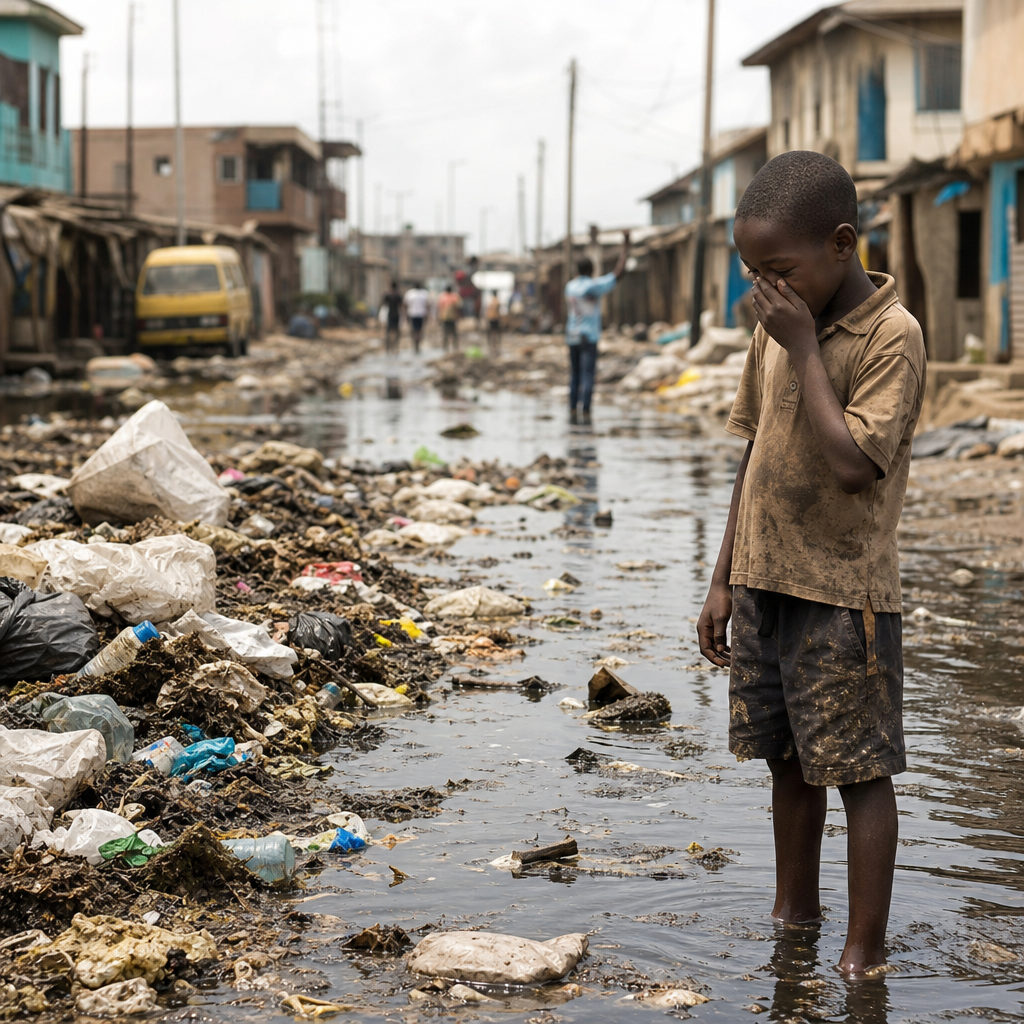
Public health crises often begin where sanitation systems fail, because unsafe water, inadequate toilets, poor waste management, and weak hygiene practices create the conditions for disease to spread quickly. In public health, sanitation means the safe collection, treatment, and disposal of human waste, wastewater, solid waste, and contaminated runoff, along with the behaviors and infrastructure that keep people from contact with pathogens. I have worked on health communication around outbreak prevention, and one lesson stays constant: sanitation is not a secondary development issue. It is a frontline defense that shapes survival during cholera surges, flood emergencies, conflict displacement, and everyday urban growth. The urgency of sanitation matters because it directly affects infection rates, child mortality, school attendance, maternal health, environmental safety, and economic resilience. According to the World Health Organization and UNICEF Joint Monitoring Programme, billions of people still lack safely managed sanitation, and hundreds of thousands of diarrheal deaths each year remain linked to unsafe water, sanitation, and hygiene. This hub on addressing global sanitation challenges explains how sanitation breakdowns trigger public health crises, why the burden falls unequally, which interventions work, and where governments, utilities, health systems, and communities should focus next. It also serves as a foundation for deeper articles on wastewater treatment, hygiene behavior, menstrual health, urban informal settlements, climate adaptation, and financing models. If the question is why sanitation deserves urgent global attention, the answer is simple: when sanitation fails, health systems absorb the shock, families carry the cost, and preventable disease becomes normal.
How sanitation failures become public health emergencies
Sanitation failures become emergencies when exposure pathways multiply faster than public systems can contain them. Fecal contamination enters drinking water through leaking sewers, open defecation, overflowing pit latrines, damaged pipes, and floodwater intrusion. Pathogens then move through the classic fecal-oral routes, often summarized in outbreak control through fluids, fields, flies, fingers, food, and fomites. Cholera is a clear example. Vibrio cholerae can spread rapidly where sewage contaminates water supplies, especially in crowded settlements with limited chlorination and weak surveillance. Acute watery diarrhea can then overwhelm clinics in days. Typhoid, hepatitis A, rotavirus, polio, intestinal worms, and other enteric infections follow similar sanitation-linked patterns. During the West Africa Ebola epidemic, sanitation and hygiene failures in clinics and households also worsened transmission risk, showing that sanitation is not limited to latrines alone but includes safe cleaning, disinfection, waste handling, and infection prevention protocols.
Public health crises intensify when sanitation weaknesses intersect with fragile governance. In many cities, informal settlements are excluded from sewer maps, fecal sludge collection routes, and municipal budgets. Residents may rely on shared toilets that are unsafe at night, unaffordable to empty, or physically inaccessible for older adults and people with disabilities. When pits fill, waste is sometimes dumped into drains, canals, or vacant land, contaminating neighborhoods and creating breeding conditions for vectors. After heavy rain, these same drains backflow into homes. I have seen outbreak messaging fail when it tells families to wash hands frequently without acknowledging that water is rationed, soap is expensive, and toilets are shared by dozens of households. Sanitation emergencies are therefore infrastructure problems, service delivery problems, and communication problems at the same time.
The burden is measurable far beyond immediate illness. Repeated diarrheal disease contributes to undernutrition, stunting, and impaired cognitive development in children. Schools without adequate toilets lose girls during menstruation and lose all students during outbreaks. Health facilities without water, sanitation, and hygiene cannot reliably prevent infections, protect births, or maintain patient trust. Economically, sanitation failures increase treatment costs, reduce productivity, depress tourism, and damage local ecosystems that support agriculture and fisheries. A sanitation crisis is never only about cleanliness. It is a systems failure with medical, social, and financial consequences.
Who is most affected by global sanitation challenges
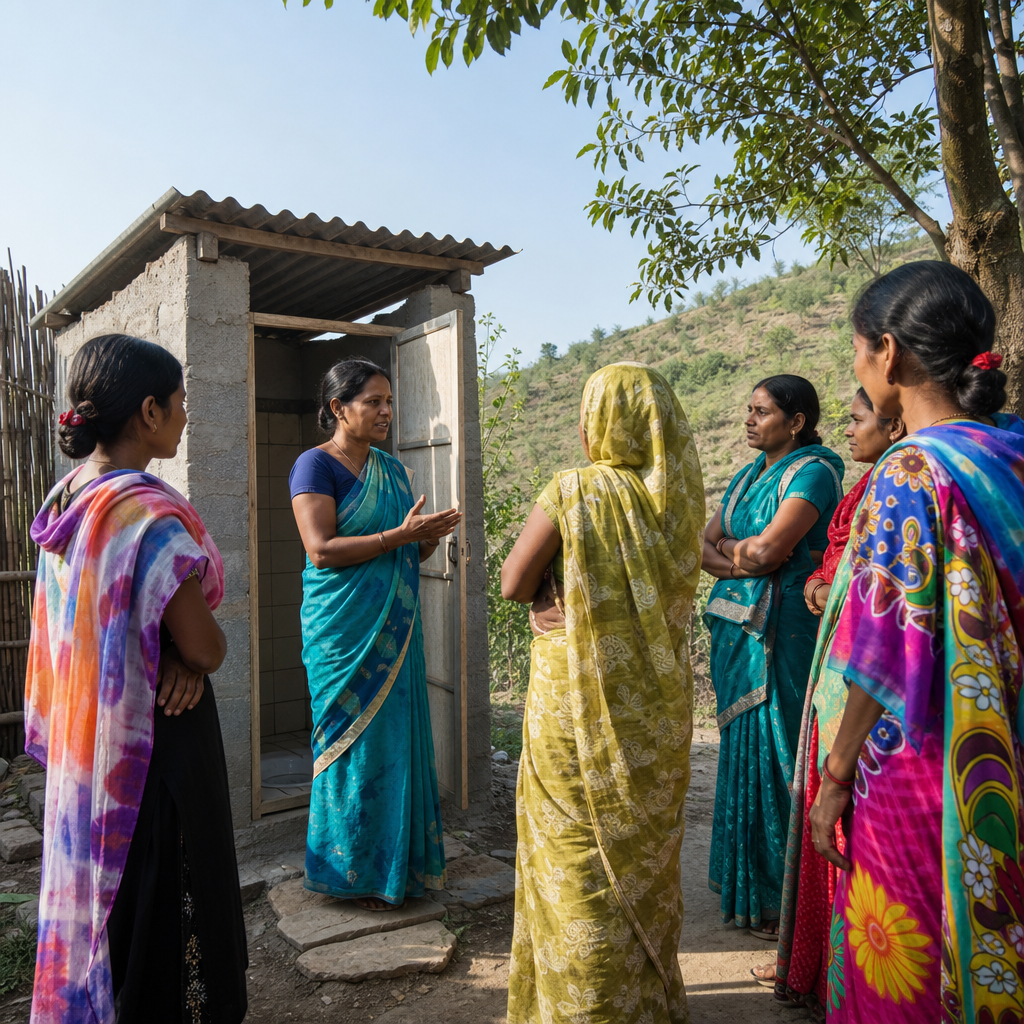
Global sanitation challenges are unequally distributed, and effective policy starts by naming who faces the highest risk. Children under five bear a disproportionate share of diarrheal mortality. Women and girls face specific harms when toilets are distant, poorly lit, or nonprivate, including harassment, urinary tract complications from delayed use, and school absenteeism linked to inadequate menstrual hygiene support. People living in informal urban settlements often pay more per liter for water and more per use for toilets than wealthier residents connected to formal networks. Rural communities may have land for pit latrines but lack safe sludge management, groundwater protection, or financing for durable upgrades. In conflict zones and displacement camps, sanitation systems are often assembled quickly under extreme constraints, making maintenance, drainage, and waste removal persistent weak points.
Climate vulnerability adds another layer. Low-lying coastal areas face saltwater intrusion that compromises freshwater sources and damages sanitation infrastructure. Flood-prone neighborhoods experience routine latrine overflow and sewer surcharge. Drought-affected regions struggle with handwashing adherence and toilet functionality when water is scarce. The same household can move from scarcity to contamination within one season. This is why sanitation planning must align with climate risk mapping rather than relying on static engineering assumptions.
Marginalization also occurs inside institutions. Schools may have toilets, but not separate facilities for girls and boys, not enough handwashing stations, and no maintenance budget. Clinics may install sinks without reliable water pressure or safe medical waste disposal. Prisons, care homes, and shelters are frequently omitted from sanitation reform despite being high-risk environments for rapid disease transmission. A serious hub on addressing global sanitation challenges must therefore keep equity central. Sanitation is most urgent where exposure is highest and voice is weakest.
What effective sanitation systems include
Effective sanitation systems do not begin and end with toilet construction. They require a full service chain: user access, containment, emptying, transport, treatment, disposal, and, where safe and regulated, reuse. In dense urban areas, conventional sewers can work well, but they demand high capital investment, steady water supply, energy, and strong utility management. In many fast-growing cities, decentralized options are more practical, including septic systems, simplified sewers, container-based sanitation, and scheduled fecal sludge management. The key principle is safe separation of people from waste at every stage. A toilet that empties into an open drain is not improved sanitation in any meaningful health sense.
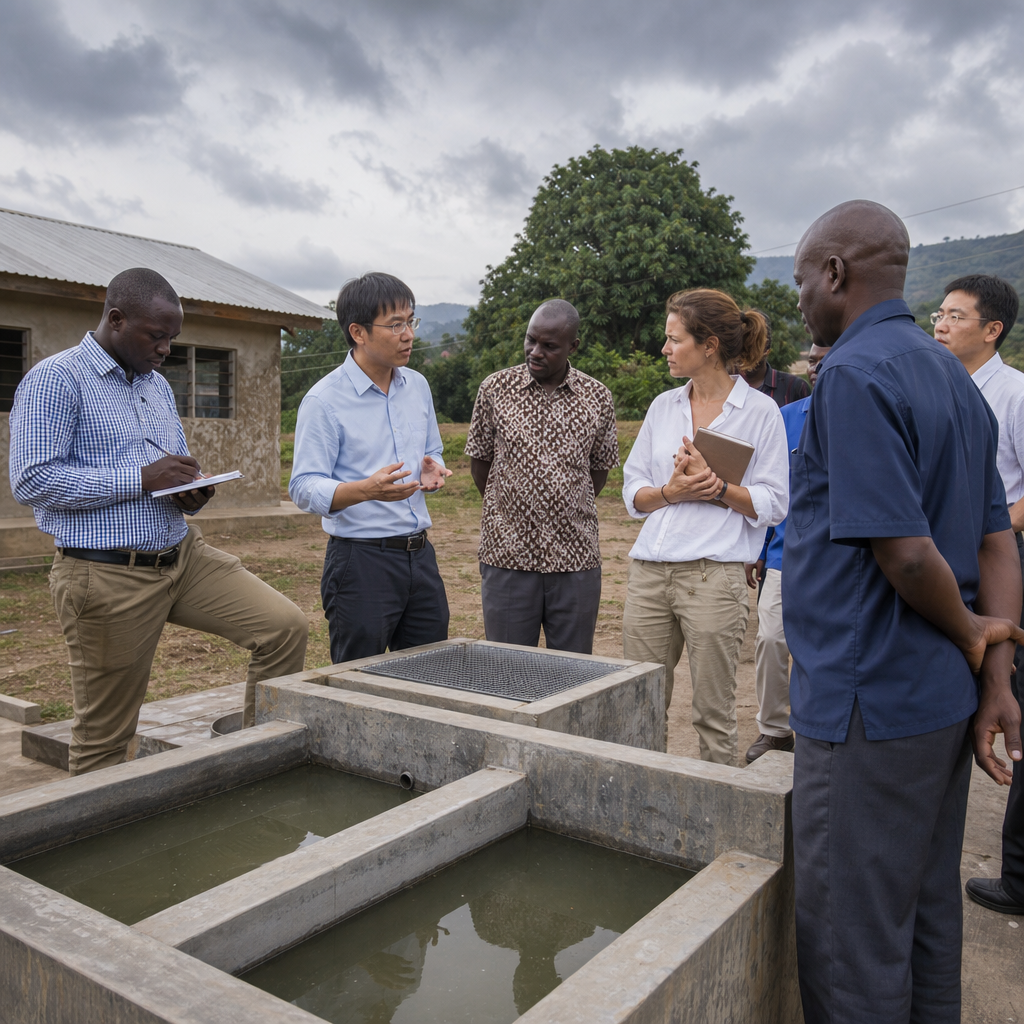
Health protection depends on standards and operations, not just hardware counts. Utilities need asset registries, leak detection, chlorination protocols, wastewater monitoring, and emergency response plans. Municipalities need licensed emptiers, transfer stations, treatment plants sized for actual sludge characteristics, and enforcement against illegal dumping. Facilities need cleaning schedules, supply chains for soap and disinfectant, and behavior-informed design so people will consistently use what is built. In schools, that means age-appropriate stalls, privacy locks, menstrual waste bins, and enough stations to avoid long lines. In health care settings, that means segregation of infectious waste, sterilization routines, and hand hygiene at the point of care.
| Sanitation challenge | Common failure | Effective response |
|---|---|---|
| Urban informal settlements | Shared toilets overflow and sludge is dumped illegally | Scheduled desludging, transfer stations, regulated private operators, drainage upgrades |
| Rural communities | Latrines contaminate shallow groundwater | Site-specific designs, lined pits where needed, water quality testing, safe emptying plans |
| Schools | Low toilet use and absenteeism | Gender-separated facilities, maintenance budgets, soap, menstrual hygiene support |
| Health facilities | Health care-associated infections | Reliable water, hand hygiene stations, waste segregation, cleaning protocols |
| Flood-prone areas | Latrine overflow and sewer backflow | Raised systems, flood barriers, resilient drainage, contingency chlorination |
Technology choices must match context. I have seen expensive treatment systems fail because spare parts were unavailable and operator training was minimal. By contrast, simpler systems with clear maintenance responsibility often protect health more effectively. The best sanitation solution is the one that can be financed, operated, monitored, and repaired over time.
Why sanitation is central to outbreak prevention and health system resilience
Outbreak prevention depends on reducing pathogen exposure before patients appear at clinics. Sanitation does exactly that. During cholera preparedness, authorities focus on water quality monitoring, rapid repair of leaks, chlorination points, safe burial protocols where relevant, community hygiene communication, and case area sanitation. Wastewater surveillance has also become an important public health tool. It helped track poliovirus circulation and, during the COVID-19 pandemic, provided population-level signals of viral trends independent of clinic testing volume. This is a powerful reminder that sanitation infrastructure can function as an early warning system, not only a background utility.
Health system resilience improves when sanitation is built into primary care, emergency planning, and municipal management. Hospitals cannot isolate infections safely without adequate toilets, drainage, laundry systems, and waste treatment. Vaccine campaigns struggle when target communities distrust public services that have long neglected basic sanitation. Nutrition programs have weaker impact when repeated enteric infection prevents children from absorbing nutrients. Even antimicrobial resistance has a sanitation dimension, because untreated wastewater can spread resistant organisms and antibiotic residues through the environment. The One Health perspective is useful here: human health, animal health, and environmental health are connected, and sanitation sits at that intersection.
Prevention is also financially rational. The cost of maintaining fecal sludge services, handwashing infrastructure, and basic wastewater treatment is far lower than the cost of repeated outbreak response, hospitalization, productivity loss, and school disruption. Countries that treat sanitation as crisis prevention rather than post-crisis repair consistently gain better health outcomes. The evidence is strong enough that sanitation should be viewed as essential public health infrastructure, alongside vaccination, surveillance, and primary care.
What blocks progress and where the biggest opportunities lie
The biggest barriers are political fragmentation, underinvestment, weak regulation, and the mistaken belief that sanitation is too local or too unglamorous to merit strategic attention. Responsibility is often split across health ministries, water agencies, municipalities, education departments, and private operators, leaving no single institution accountable for results. Data gaps make this worse. Many governments count toilet access but not safe treatment, continuity of service, affordability, or disability access. That produces inflated success stories while contamination persists downstream.
Financing is another challenge, but not in the simplistic sense of needing more money alone. Sanitation requires blended approaches: public finance for public goods, tariffs where affordable, targeted subsidies for poor households, performance-based contracts, and development finance for capital-intensive upgrades. Utilities also need realistic revenue models for operation and maintenance. Donor-funded construction without long-term service financing is one of the most common reasons systems fail within a few years.
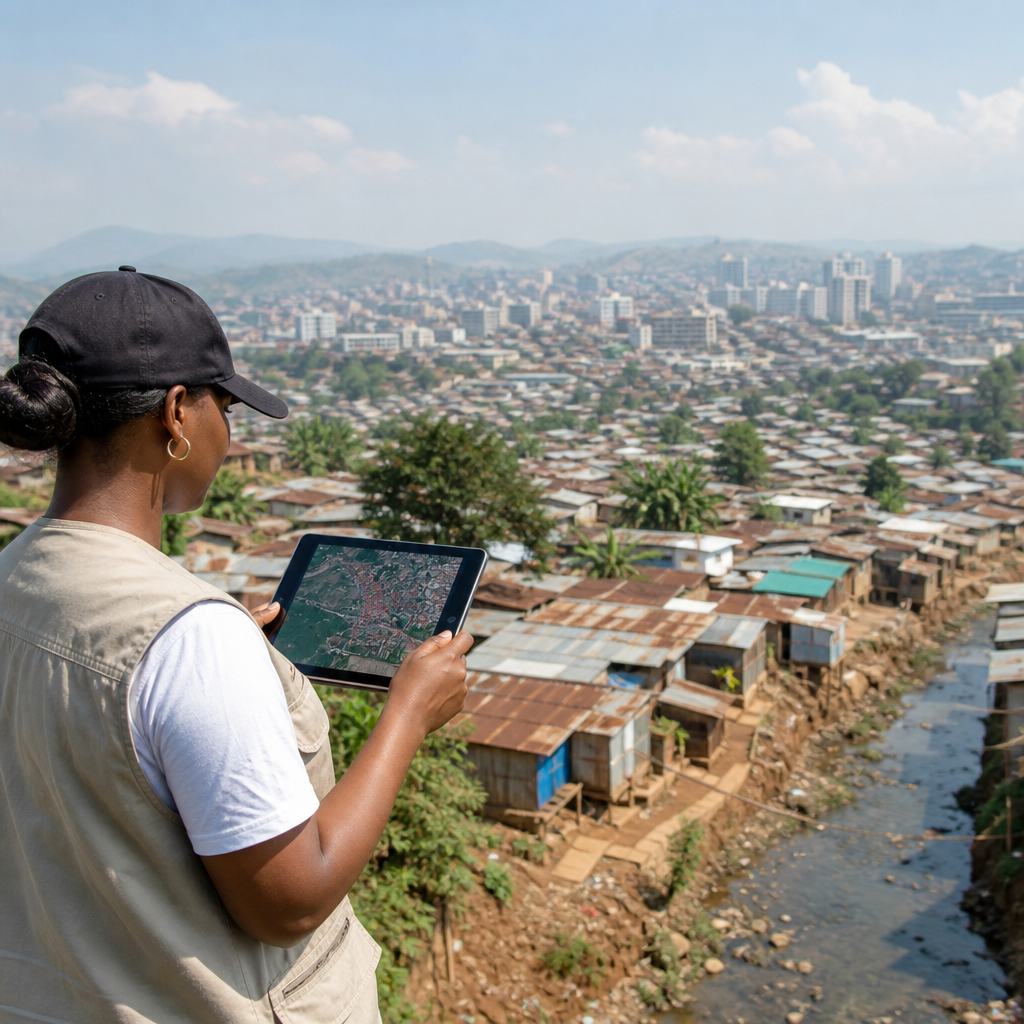
The opportunities are substantial. Citywide inclusive sanitation offers a practical planning model by focusing on universal service outcomes across both sewered and non-sewered areas. Digital tools now help map toilets, optimize desludging routes, monitor treatment plant performance, and target repairs. Community-led behavior change still matters, but it works best when paired with reliable services people can actually use. Stronger building codes, climate-resilient design, school and clinic standards, and transparent public dashboards can all raise accountability. Wastewater reuse, when properly treated to recognized standards, can also support water security in stressed regions. The path forward is not a single technology. It is coordinated governance, context-specific engineering, public health discipline, and long-term maintenance.
Building a global sanitation agenda that protects health
Addressing global sanitation challenges starts with a clear principle: safe sanitation is one of the fastest ways to reduce preventable disease and strengthen community resilience. The most effective agenda prioritizes underserved populations, measures the full sanitation service chain, links sanitation planning to climate and outbreak risk, and funds maintenance as seriously as construction. Governments should set enforceable standards, cities should plan for both formal and informal areas, schools and clinics should meet minimum service levels, and health agencies should treat sanitation data as core prevention intelligence. Communities must also be involved early, because systems last when design reflects actual daily use, safety concerns, and affordability.
This hub article has outlined the essential logic of sanitation and public health: exposure causes transmission, systems reduce exposure, and resilience depends on service reliability. It has also shown why sanitation must be discussed across urban development, education, gender equity, environmental protection, and emergency preparedness. The main benefit is straightforward but profound: when sanitation works, fewer people get sick, health systems perform better, children learn more consistently, and societies recover faster from shocks. Use this page as the starting point for deeper exploration of wastewater, hygiene, fecal sludge management, school sanitation, and climate-resilient infrastructure, then turn that knowledge into action by supporting policies and investments that deliver safe sanitation for everyone.
Frequently Asked Questions
Why is sanitation so urgent during a public health crisis?
Sanitation becomes urgent during a public health crisis because it directly affects whether disease remains contained or spreads rapidly through a community. When toilets are unavailable or unsafe, human waste can contaminate soil, water sources, food preparation areas, and shared living spaces. When wastewater is not collected or treated, it can carry bacteria, viruses, and parasites into places where people drink, wash, bathe, and cook. In overcrowded settings, including informal settlements, shelters, evacuation centers, and clinics under pressure, even small sanitation failures can quickly create large health risks.
The urgency is also practical. Public health emergencies often overwhelm normal systems, which means waste builds up faster, water becomes harder to access safely, and hygiene routines break down under stress. This creates ideal conditions for outbreaks of diarrheal disease, cholera, typhoid, hepatitis A, and other infections that thrive where pathogens move easily between people and the environment. Strong sanitation reduces those transmission pathways. It helps interrupt the cycle of contamination, exposure, and reinfection. In simple terms, sanitation is not a secondary issue that can wait until after the emergency. It is one of the first lines of defense that protects both immediate survival and long-term recovery.
What does sanitation include in public health, beyond just toilets?
In public health, sanitation is much broader than access to toilets alone. It includes the safe collection, transport, treatment, and disposal or reuse of human waste; the management of wastewater from households, health facilities, and businesses; the handling of solid waste such as garbage and contaminated materials; drainage systems that reduce standing water and polluted runoff; and the everyday hygiene practices that limit contact with pathogens. Toilets matter enormously, but they are only one point in a much larger system that must function well from beginning to end.
That broader view is important because a toilet by itself does not protect health if fecal sludge is dumped untreated, if sewage overflows into streets, if waste is burned or discarded near homes, or if people cannot wash their hands after use. Public health professionals often think in terms of barriers that prevent pathogens from moving from waste into water, food, surfaces, hands, and ultimately human bodies. Effective sanitation therefore depends on infrastructure, maintenance, behavior, regulation, and communication working together. It is a systems issue, not just a hardware issue, and public health crises often reveal what happens when any part of that system fails.
How do sanitation failures make outbreaks worse?
Sanitation failures make outbreaks worse by accelerating transmission and expanding the number of ways people can be exposed to infectious agents. If waste is not safely contained, pathogens can enter wells, storage containers, drainage channels, food markets, schools, and homes. In places where people share water points or sanitation facilities, one breakdown can affect hundreds or thousands of people very quickly. This is especially dangerous during heavy rains, floods, displacement, or infrastructure damage, when contaminated water and waste can spread farther and remain harder to control.
Sanitation failures also complicate the response itself. Health facilities facing an outbreak need reliable toilets, clean water, wastewater disposal, sharps and infectious waste management, and hand hygiene stations to avoid becoming sites of additional transmission. Communities need clear guidance and practical support so that prevention measures are realistic, not just theoretical. Without sanitation, treatment efforts are constantly undermined because new exposures keep happening. That is why outbreak control is not only about medicine, testing, or vaccination. It is also about stopping pathogens from circulating through daily life. Good sanitation reduces environmental contamination, lowers the burden on health systems, and gives other public health interventions a much better chance of succeeding.
What are the most important sanitation actions during an emergency?
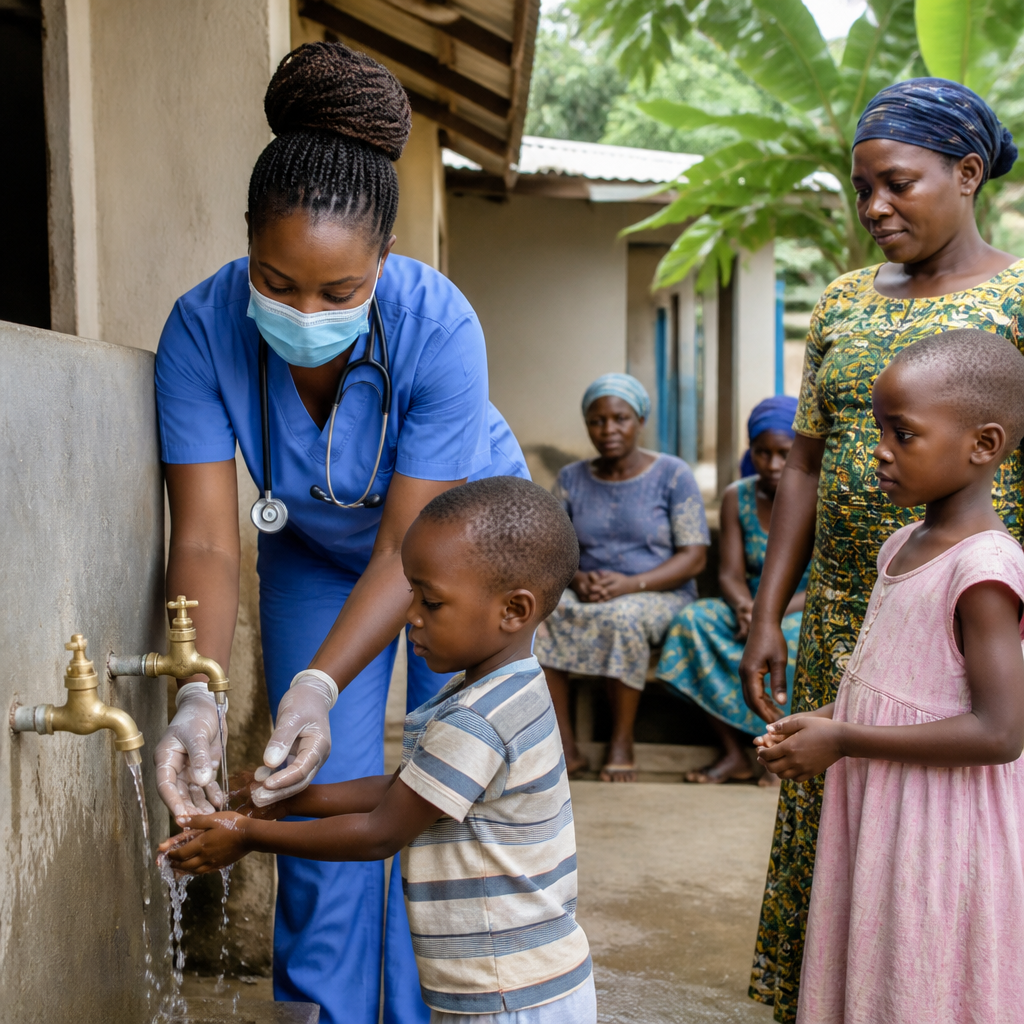
The most important sanitation actions during an emergency are the ones that reduce exposure quickly, consistently, and at scale. That usually starts with ensuring access to safe, usable toilets or latrines, especially in densely populated or displaced settings. Facilities must be accessible, well lit, separated when appropriate for safety and dignity, and maintained regularly so people will actually use them. At the same time, communities need safe water for drinking and hygiene, reliable handwashing stations with soap, and systems for emptying, transporting, and treating waste without exposing workers or residents.
Emergency sanitation also includes proper solid waste collection, safe cleaning and disinfection practices, drainage management to prevent stagnant or contaminated water, and targeted support for hospitals, clinics, schools, and shelters. Communication is just as important as infrastructure. People need practical, trusted information about handwashing, toilet use, water storage, child feces disposal, and what to do if services fail. The most effective response combines engineering, logistics, public health surveillance, and community engagement. In other words, emergency sanitation is not a single intervention. It is a coordinated package of actions designed to break transmission routes as fast as possible while protecting dignity, safety, and access for everyone.
Why is sanitation also a communication issue, not just an infrastructure issue?
Sanitation is a communication issue because even the best infrastructure cannot protect public health if people do not understand how to use it, trust it, maintain it, or adapt to changing conditions during a crisis. Health communication helps explain why sanitation matters, which behaviors reduce risk, and what people should do when systems are disrupted. That includes messages about handwashing, safe water storage, toilet use, waste disposal, cleaning shared surfaces, and protecting children, older adults, and immunocompromised people from exposure. During an outbreak, communication must be timely, practical, and grounded in the realities people face every day.
It is also a matter of trust and behavior change. Communities may avoid facilities that feel unsafe, inaccessible, culturally inappropriate, or poorly maintained. Rumors and misinformation can spread quickly, especially when fear is high and official guidance is confusing. Clear communication helps public health teams listen to community concerns, correct false information, and design sanitation responses that people will actually use. That is one reason sanitation should never be treated as purely technical. It depends on public understanding, local participation, and credible messaging. When communication and sanitation planning reinforce each other, communities are better equipped to prevent disease spread and respond effectively under pressure.