The connection between poverty and sanitation access is direct, measurable, and one of the clearest examples of how basic infrastructure shapes health, education, safety, and economic mobility. Sanitation access means the availability of toilets, safe waste disposal, sewerage, septic systems, handwashing facilities, and services that prevent human contact with excreta. Poverty, in this context, is not only low income; it also includes insecure housing, weak public services, exposure to disease, and limited political influence. When families cannot afford a toilet, when settlements are excluded from utility networks, or when local governments lack revenue to maintain systems, poor sanitation becomes both a symptom and a driver of poverty. That feedback loop matters because sanitation affects daily survival and long-term development at the same time.
Across global health and development work, I have seen sanitation treated as a narrow engineering issue, but that misses the scale of its impact. Unsafe sanitation contributes to diarrheal disease, intestinal worm infections, stunting, school absenteeism, groundwater contamination, and loss of dignity, especially for women and girls. The World Health Organization and UNICEF Joint Monitoring Programme has repeatedly shown that sanitation progress lags behind drinking water access in many low-income settings, especially in rural areas and informal urban settlements. The central question is not simply whether a toilet exists. It is whether sanitation is safely managed: whether waste is contained, emptied, transported, treated, and kept out of homes, streets, rivers, and food systems. Understanding that full chain is essential for addressing global sanitation challenges in a practical way.
This article serves as a hub for the broader sanitation topic by connecting the key issues that shape outcomes: public health, household economics, gender and safety, urbanization, financing, climate resilience, and policy design. If you are asking why poor communities still lack sanitation, what interventions work, how governments and nonprofits should prioritize action, or how sanitation links to broader global challenges and opportunities, the answer begins with systems, not single products. Toilets matter, but financing, land tenure, behavior change, sludge management, regulation, and maintenance matter just as much. The most effective sanitation strategies recognize that poverty raises barriers at every step, and lasting progress comes from reducing those barriers with affordable, reliable, inclusive services.
Why poverty and sanitation are tightly linked
Poverty limits sanitation access through three mechanisms: affordability, infrastructure exclusion, and weak service quality. At household level, even a low-cost latrine can be unaffordable when families are deciding between rent, food, medicine, and school fees. In dense settlements, the problem is often physical as well as financial. Tenants may not control the land, plots may be too small for pit latrines, and informal status may keep utilities from extending sewer lines. In rural areas, distance from markets raises the price of cement rings, slabs, pipes, and transport. I have worked on projects where a toilet design looked inexpensive on paper, yet the delivered cost doubled once transport, excavation, and seasonal labor shortages were included. For poor households, these details determine adoption.
Once sanitation is missing or unsafe, poverty deepens. Recurrent illness raises medical spending and reduces working days. Children miss school because of diarrhea, parasitic infections, or lack of school toilets. Adults, especially women, lose time finding safe places to defecate or water for cleaning. Small businesses suffer when workers are sick and neighborhoods become less attractive for commerce. This is why sanitation is often described as a high-return public investment. It reduces disease transmission while increasing productivity, attendance, and property value. The return is not abstract. It appears in fewer clinic visits, lower child undernutrition, safer streets, and stronger local labor participation. Communities trapped in poverty usually face several deficits at once, and sanitation is one of the deficits that amplifies all the others.
Health impacts: disease, nutrition, and child development
The health case for sanitation is straightforward: pathogens spread when human waste enters water, soil, food, hands, and household surfaces. Open defecation, overflowing pit latrines, broken sewers, and unmanaged fecal sludge create multiple transmission routes. Diarrheal disease remains a major threat to young children in low-resource settings, but the burden goes beyond acute illness. Repeated enteric infections can contribute to environmental enteric dysfunction, a chronic inflammatory condition of the gut associated with poor nutrient absorption and impaired growth. That helps explain why sanitation is linked to stunting and cognitive development, not just short-term sickness.
Sanitation interventions work best when paired with handwashing and safe water, yet sanitation itself is a distinct driver. A village may improve its water source and still see outbreaks if waste remains unmanaged. Likewise, a household toilet offers limited protection if nearby drainage channels carry fecal contamination through the neighborhood. This is one reason safely managed sanitation has become the standard benchmark. The service chain must function from containment to treatment. In practice, cities that rely on on-site systems such as pits and septic tanks need regular desludging services, licensed haulers, treatment plants, and disposal controls. Without those pieces, waste simply moves from a household plot to a riverbank or open field, and the health risk persists.
Gender, dignity, and safety
The connection between poverty and sanitation access is especially severe for women and girls. Where toilets are absent or unsafe, women may wait until dark to defecate, increasing risk of harassment, assault, dehydration, and urinary tract problems. Menstrual hygiene management becomes difficult without private toilets, water, disposal bins, and soap. In schools, the absence of separate, functional toilets can reduce attendance among adolescent girls and contribute to dropout. These are not secondary effects. They directly shape educational attainment and economic opportunity.
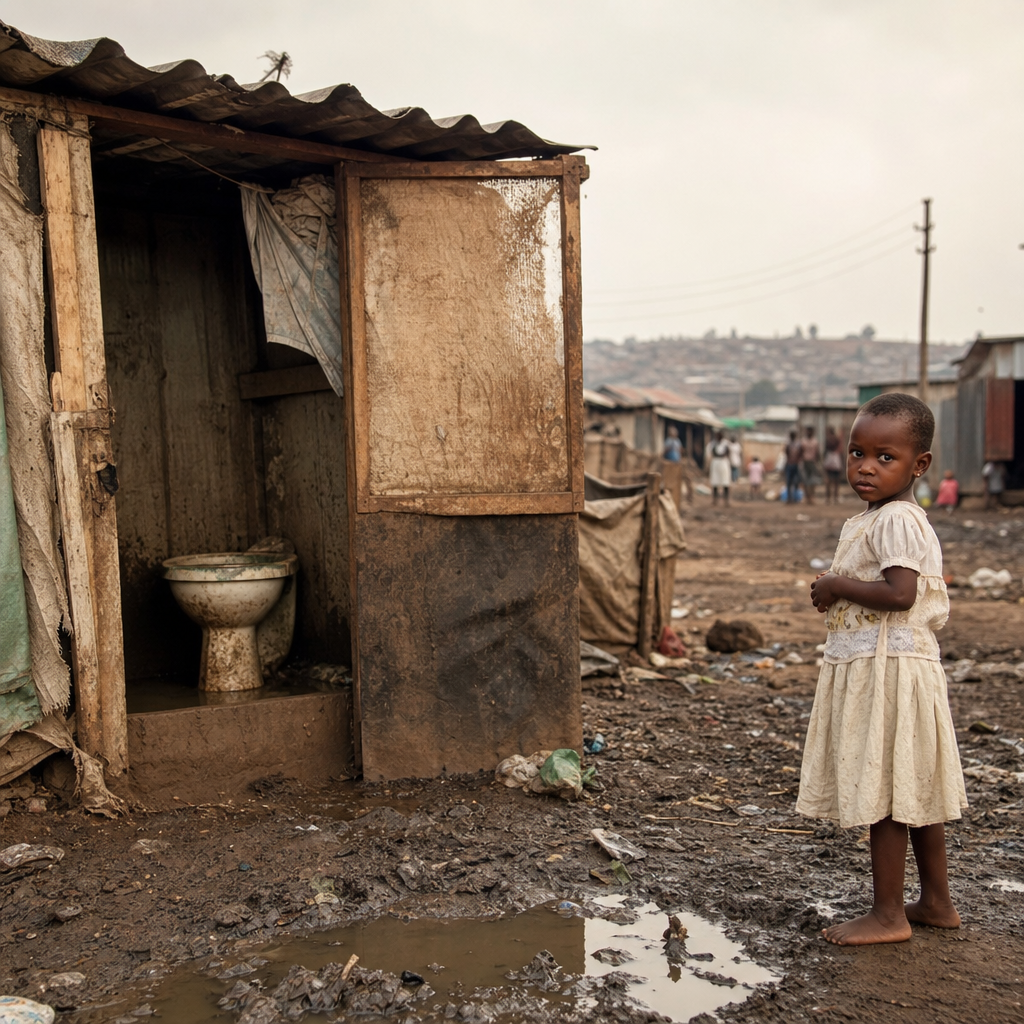
Dignity also matters in ways that policymakers sometimes underestimate. Shared toilets can be acceptable when they are clean, lit, maintained, and secure. In many informal settlements, however, shared facilities are overcrowded, poorly ventilated, and expensive per use. I have seen households choose open defecation or plastic bags not because they preferred them, but because pay-per-use public toilets were too far, unsafe at night, or closed during working hours. Designing for dignity means considering locks, accessibility, lighting, cleaning contracts, menstrual waste disposal, and child-friendly features. Good sanitation policy treats privacy and safety as core service standards, not optional extras.
Urban slums, rural isolation, and service delivery gaps
Sanitation challenges look different in urban and rural poverty, and solutions must match that reality. In informal urban settlements, density is the defining constraint. Conventional sewerage can be expensive where lanes are narrow, tenure is insecure, and housing is unplanned. Yet on-site systems also struggle because pits fill quickly and vacuum trucks cannot reach them. Container-based sanitation, simplified sewers, communal toilet blocks with professional management, and scheduled fecal sludge collection have emerged as practical options in some cities. Their success depends on operations, not only construction. The lesson is clear: urban sanitation is a service business as much as an infrastructure business.
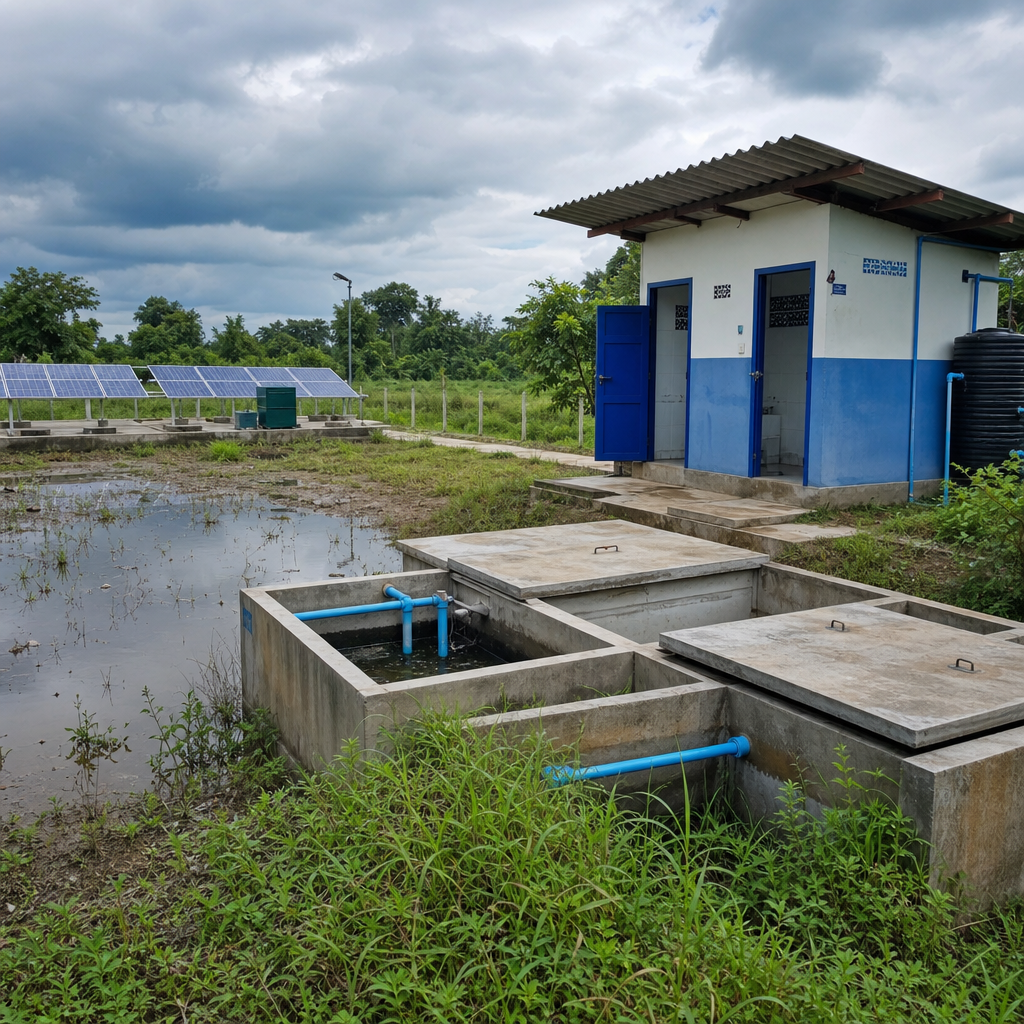
In rural areas, the challenge is often dispersed populations, lower incomes, and weak local supply chains. Community-led approaches helped reduce open defecation in some regions by focusing on collective behavior, but experience has shown that behavior change alone is not enough for the poorest households or for areas with difficult soils, flooding, or high water tables. Rural sanitation programs work better when they combine social mobilization with targeted subsidies, local mason training, access to spare parts, and post-construction follow-up. Technologies must fit the environment. A pit latrine that works in dry ground may fail in flood-prone areas, contaminate shallow aquifers, or collapse in unstable soil.
| Setting | Main sanitation barriers | Promising responses |
|---|---|---|
| Informal urban settlements | High density, insecure tenure, limited truck access, weak drainage | Simplified sewers, container-based systems, managed communal toilets, scheduled sludge services |
| Rural low-income communities | Low purchasing power, scattered households, weak supply chains, difficult terrain | Targeted subsidies, trained local masons, context-specific latrine designs, follow-up maintenance support |
| Peri-urban growth areas | Rapid expansion, unclear regulation, mixed housing forms, underfunded utilities | Phased network extension, fecal sludge management plans, land-use coordination, blended finance |
Affordability, financing, and the sanitation market
One of the biggest mistakes in sanitation planning is assuming that demand automatically becomes effective demand. Families may want a toilet and still be unable to pay the upfront cost. For that reason, sanitation finance needs segmentation. Some households can purchase improved toilets through savings or microloans. Others require partial subsidies. The poorest, older adults, people with disabilities, and tenants often need heavily supported solutions or public provision. Smart subsidy design matters. Poorly targeted subsidies can crowd out local markets or benefit better-off households, while no subsidy at all can leave the most vulnerable behind.
At city level, financing must cover the entire sanitation value chain, including treatment and long-term operations. User fees alone rarely fund everything, especially in low-income areas. Utilities and municipalities often need transfers, cross-subsidies, development finance, or results-based funding. There is also a growing case for treating fecal sludge management as essential urban infrastructure rather than an informal afterthought. Cities such as Dakar have shown that structured desludging markets, treatment sites, and clearer operator rules can improve service quality. The broader point is that sanitation markets work best when governments set standards, enforce safety, and reduce risk for responsible providers.
Policy, governance, and what successful programs do differently
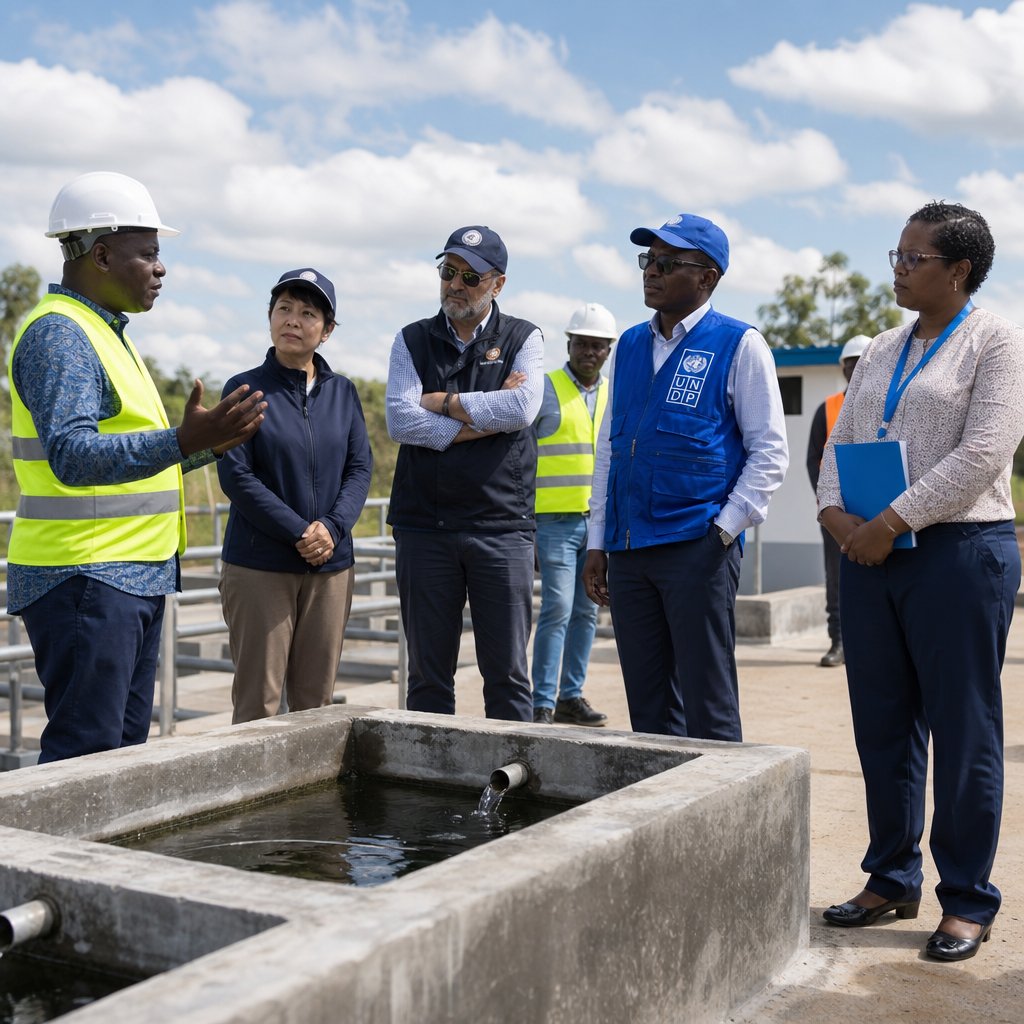
Countries that make real sanitation progress usually do five things well. First, they define clear service levels, distinguishing basic access from safely managed sanitation. Second, they assign institutional responsibility so utilities, health departments, municipalities, and regulators are not working at cross-purposes. Third, they invest in monitoring, because counting toilets is not enough; authorities need data on functionality, emptying, treatment, and equity. Fourth, they align sanitation with housing, drainage, health, and education policy. Fifth, they budget for maintenance and behavior support, not just ribbon-cutting construction.
Successful programs also accept tradeoffs. Sewerage can deliver high public health benefits in dense cities, but it is capital intensive and slower to expand. On-site systems can scale faster, but only if sludge is safely managed. Public toilets can fill urgent gaps for commuters and tenants, yet they fail when maintenance contracts are weak or tariffs exclude the poorest users. The strongest policies are pragmatic. They use a portfolio of solutions based on settlement type, income profile, and environmental risk. They also include schools, clinics, and workplaces, since household sanitation alone cannot solve community exposure. That systems perspective is the core of addressing global sanitation challenges effectively.
Climate change, resilience, and the future of sanitation access
Climate change is making sanitation inequality worse. Flooding can inundate pit latrines, spread waste through neighborhoods, and disable treatment plants. Drought reduces water available for flushing and handwashing. Sea-level rise threatens coastal aquifers and low-lying sanitation infrastructure. Heat accelerates odor and sludge management problems. Poor communities face the highest risk because they are more likely to live in floodplains, informal settlements, or drought-prone rural areas with limited adaptive capacity. Resilient sanitation therefore requires climate-sensitive design: raised latrines in flood zones, lined pits where groundwater is vulnerable, non-sewered options where water is scarce, and drainage planning that prevents contamination during storms.
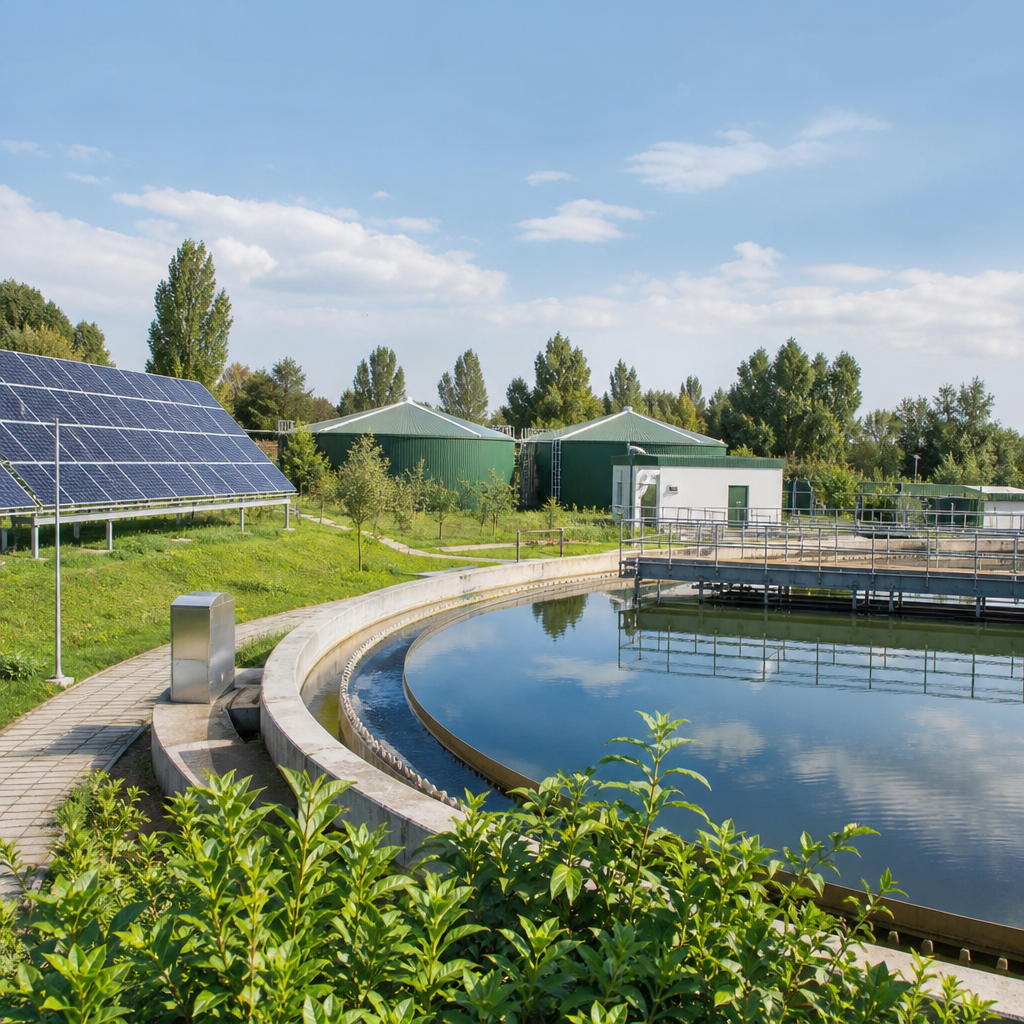
The opportunity is that sanitation improvement can also support broader development goals. Better waste treatment protects waterways, supports tourism, improves school attendance, and can create jobs in construction, pit emptying, operation, and maintenance. In some contexts, treated wastewater reuse, nutrient recovery, or biogas can add value, though these options require technical discipline and viable business models. The main lesson from practice is simple: sanitation should be planned as a core public service that protects health, advances dignity, and strengthens economic resilience. If your organization is mapping global challenges and opportunities, sanitation belongs near the center because it connects infrastructure, equity, climate, and human development in one concrete agenda.
The connection between poverty and sanitation access is not accidental; it is structural, and that is why it persists across countries and settlement types. Poor households face higher barriers to building, accessing, and maintaining safe sanitation, while unsafe sanitation pushes them deeper into illness, time loss, insecurity, and missed opportunity. The evidence is consistent: sanitation affects child survival, nutrition, school participation, women’s safety, urban livability, and local economic productivity. It is one of the few development investments that delivers benefits at household, community, and national levels simultaneously, provided the full service chain is addressed.
For anyone working within global challenges and opportunities, the practical takeaway is to stop treating sanitation as a single hardware problem. Effective action combines infrastructure, behavior support, regulation, financing, climate resilience, and targeted inclusion for the poorest users. It also requires honest choices between sewered and non-sewered approaches, between household and shared solutions, and between rapid expansion and long-term service quality. The right answer depends on context, but the standard remains the same: human waste must be safely contained, removed, treated, and kept out of the environment.
Use this hub as the starting point for deeper work on addressing global sanitation challenges, from rural latrine adoption and fecal sludge management to school sanitation, urban service models, and climate-resilient infrastructure. If you are shaping policy, funding projects, or building research, prioritize sanitation where poverty is deepest and systems are weakest. That is where the gains in health, dignity, and opportunity are greatest.
Frequently Asked Questions
1. How does poverty directly affect access to sanitation?
Poverty affects sanitation access in immediate and practical ways. Households with very limited income often cannot afford to build or maintain a private toilet, connect to a sewer network, pay for septic tank emptying, or purchase basic hygiene supplies such as soap and cleaning materials. In low-income settlements, the problem is usually not just household income but also the absence of reliable public infrastructure. Poor communities are more likely to live in informal housing, overcrowded neighborhoods, flood-prone areas, or places where local governments have underinvested in drainage, sewerage, waste collection, and water services. That means even when people understand the importance of safe sanitation, the systems needed to support it may simply not exist.
Poverty also limits choice. Families may have to rely on shared toilets, unsafe pit latrines, open defecation, or improvised waste disposal because those are the only options available within their budget or neighborhood. These arrangements often come with health and safety risks, including contamination of drinking water, exposure to fecal pathogens, and poor conditions for women, children, older adults, and people with disabilities. In this way, poverty is closely tied to sanitation deprivation: low income, insecure tenure, and weak public services combine to make safe sanitation harder to obtain and harder to sustain.
2. Why is poor sanitation considered both a cause and a consequence of poverty?
Poor sanitation is a consequence of poverty because communities with fewer resources typically have less infrastructure, lower-quality housing, and weaker access to essential services. But it is also a cause of poverty because the effects of inadequate sanitation create ongoing barriers to health, education, and earning potential. When waste is not safely contained, transported, treated, and disposed of, people are more likely to experience diarrheal disease, intestinal infections, parasitic illness, and other sanitation-related health problems. These illnesses lead to medical costs, missed workdays, reduced productivity, and long-term physical harm, especially for young children.
The economic effects can be significant. A family that already struggles financially may lose wages when adults stay home sick or care for children who are ill. Children who frequently miss school due to sanitation-related disease may fall behind academically, reducing future opportunities. In communities where toilets are distant, unsafe, or unavailable, time is also lost each day finding a place to defecate, collecting water for hygiene, or waiting to use overcrowded facilities. That lost time has a real economic cost. Over the long term, poor sanitation helps trap households and neighborhoods in a cycle where disease, low productivity, educational disruption, and weak infrastructure reinforce one another.
3. What are the health and social impacts of inadequate sanitation in poor communities?
The health impacts are among the clearest and most measurable consequences of inadequate sanitation. When human waste is not safely managed, harmful bacteria, viruses, and parasites spread through water, soil, food, hands, and surfaces. This increases the risk of diarrheal diseases, cholera, typhoid, intestinal worms, and other infections. Repeated illness can contribute to undernutrition, stunting in children, and weakened immune systems. In dense, low-income areas where drainage is poor and toilets are insufficient or badly maintained, disease transmission can happen quickly and affect large numbers of people at once.
The social impacts are just as serious. Lack of safe sanitation affects dignity, privacy, and personal safety. Women and girls often face heightened risks when they must use distant or poorly lit toilets, especially at night. Menstrual hygiene becomes much harder to manage without private, clean facilities and dependable water access. Children may avoid school if toilets are dirty, unavailable, or unsafe, and adults may avoid public participation or employment opportunities when sanitation needs are not met. People with disabilities, older adults, and those with chronic illness face additional barriers if facilities are inaccessible. So while poor sanitation is often discussed as a public health issue, it is equally a matter of safety, inclusion, education, and human dignity.
4. How does sanitation access influence education and economic mobility?
Sanitation access plays a major role in whether people can learn consistently, work productively, and pursue long-term economic improvement. In schools, the presence or absence of safe toilets and handwashing stations affects attendance, concentration, and student well-being. Children are more likely to miss class when they are sick from sanitation-related disease, and they may avoid school entirely if facilities are unusable or unsafe. This is especially important for girls, who need privacy and adequate hygiene support to manage menstruation with dignity and continue attending school regularly.
Economic mobility is shaped by many of the same factors. Good sanitation reduces disease burden, lowers healthcare expenses, and protects time that would otherwise be lost to illness or obtaining basic services. Workers who are healthier miss fewer days of work and are generally more productive. Businesses and local economies also benefit when communities have functioning sanitation systems because cleaner environments reduce outbreaks, improve quality of life, and make neighborhoods more stable and investable. In short, sanitation is not a secondary comfort; it is a foundational condition that supports education, labor participation, and the ability of households to move beyond survival toward greater financial security.
5. What solutions are most effective for improving sanitation access in areas affected by poverty?
The most effective solutions combine infrastructure investment with affordability, local planning, and long-term service delivery. Building toilets alone is not enough if there is no safe system for waste collection, transport, treatment, and disposal. Successful sanitation strategies usually include a mix of sewer expansion where feasible, well-designed septic systems and pit latrines where appropriate, fecal sludge management, drainage improvements, and reliable handwashing facilities. Public policy matters as much as engineering: low-income households often need subsidies, flexible payment systems, and targeted service delivery to ensure sanitation remains accessible over time.
Community needs should guide implementation. Sanitation programs work better when they reflect local geography, population density, water availability, and land tenure conditions. Schools, clinics, and public spaces also need inclusive sanitation facilities that are safe, private, and accessible for women, children, older adults, and people with disabilities. Strong governance is essential, because sanitation systems require maintenance, regulation, monitoring, and public accountability. Ultimately, reducing the sanitation gap linked to poverty means treating sanitation as core social infrastructure rather than a minor household issue. When governments, utilities, NGOs, and communities coordinate around that goal, the returns are broad: better health, stronger school attendance, greater safety, cleaner environments, and more durable pathways out of poverty.