Building resilience in global sanitation systems means creating toilets, sewers, treatment plants, fecal sludge services, drainage links, governance models, and financing mechanisms that continue protecting health during shocks such as floods, droughts, conflict, rapid urbanization, disease outbreaks, and economic instability. Sanitation is more than infrastructure. It includes the full service chain: user interface, containment, emptying, transport, treatment, reuse, safe disposal, regulation, behavior change, and long-term maintenance. A resilient system can absorb stress, adapt operations, recover quickly, and improve after disruption. I have worked with sanitation planning teams that focused heavily on construction targets, only to discover that the real points of failure were utility balance sheets, spare-parts supply, sludge hauling routes, and weak coordination between health, water, and municipal departments.
The issue matters because sanitation underpins nearly every development goal. Safe sanitation reduces diarrheal disease, lowers stunting risk, protects groundwater, supports school attendance, improves women’s safety, and cuts pollution in rivers and coastal zones. The World Health Organization and UNICEF Joint Monitoring Programme tracks progress toward safely managed sanitation, and the gap remains vast, especially in low-income countries and informal settlements. Climate change is raising the stakes. Flooded pit latrines contaminate neighborhoods, drought weakens flushing systems, and damaged treatment plants can release untreated waste at scale. Resilience therefore is not a niche engineering concern. It is central to public health security, climate adaptation, urban management, and social equity.
This hub article covers the major global initiatives and collaborations shaping resilient sanitation today. It explains how international goals, multilateral finance, city networks, humanitarian actors, private firms, research institutions, and community organizations work together, where they succeed, and where coordination still breaks down. As a hub, it also frames the core themes that related articles should explore in more depth: financing, climate adaptation, fecal sludge management, utility reform, inclusive service design, and data-driven monitoring. If you need a practical overview of who is doing what in global sanitation, what standards guide the field, and which collaborative models deliver durable results, this article provides that foundation.
Global goals, norms, and why collaboration is essential
International sanitation work is anchored by clear but demanding objectives. Sustainable Development Goal 6 calls for access to adequate and equitable sanitation and hygiene for all, with attention to ending open defecation and improving water quality. The JMP service ladder helps governments and donors distinguish between basic, limited, unimproved, and safely managed sanitation. That distinction matters because resilience is impossible if a system is judged only by toilet counts. A toilet that cannot be emptied safely, a sewer without treatment, or a plant that fails during power cuts does not deliver safe sanitation.
Global collaboration is essential because sanitation systems cross institutional boundaries. Health ministries monitor disease burdens, utilities manage networks, municipalities oversee land use, environment agencies regulate discharge, education departments influence school sanitation, and finance ministries shape affordability and capital investment. In fragile settings, humanitarian clusters and local nongovernmental organizations may temporarily fill service gaps. No single actor controls the entire chain. That is why resilient sanitation depends on shared standards, pooled finance, technical assistance, and interoperable data.
Established guidance already exists. The World Health Organization Sanitation Safety Planning framework offers a risk-based method for identifying hazards across the service chain and setting controls before failures become outbreaks. Citywide Inclusive Sanitation, promoted by the World Bank, CWIS partners, and many urban practitioners, broadens planning beyond conventional sewers to include onsite and non-networked solutions that can reach low-income areas faster and often more affordably. In practice, the best city programs combine these approaches: risk management, service-chain thinking, and inclusion of formal and informal neighborhoods.
Major international actors and what they contribute
Several institutions shape global sanitation resilience in distinct ways. UNICEF often drives rural sanitation, behavior change, school WASH, and emergency support. The World Bank finances large urban sanitation programs, policy reform, utility strengthening, and analytical tools such as economics studies and service diagnostics. The African Development Bank, Asian Development Bank, Inter-American Development Bank, and regional development banks bring long-term infrastructure capital with policy dialogue. UN-Habitat contributes urban planning expertise, especially where land tenure and informal growth complicate service expansion. The Gates Foundation has influenced innovation in non-sewered sanitation, treatment technologies, and evidence generation. NGOs such as WaterAid, SNV, Oxfam, and CARE often bridge national policy and local implementation.
Research institutions and standard-setting bodies also matter. The International Organization for Standardization has developed standards relevant to sanitation technologies, including non-sewered systems. IWA, the International Water Association, convenes utilities, researchers, and operators around treatment performance, utility management, and climate resilience. SuSanA, the Sustainable Sanitation Alliance, functions as a knowledge network where practitioners share case studies, policy notes, and technical guidance. These platforms are not merely academic. They help cities avoid repeating mistakes, such as importing treatment technologies that depend on power quality, chemical supply chains, or operator capacity that local institutions cannot sustain.
Private sector actors contribute engineering, desludging logistics, digital monitoring, treatment innovation, and blended finance. Yet their role is strongest when contracts are well designed and regulators define service standards clearly. In cities where I have reviewed sanitation operations, weak procurement frequently led to abandoned equipment because maintenance obligations were vague or spare parts were unavailable locally. Strong collaboration means not just inviting more partners, but assigning precise roles, incentives, and accountability.
Delivery models that make sanitation systems more resilient
Resilience improves when countries choose service models that fit density, hydrology, income, and institutional capacity. Conventional sewerage remains appropriate in many dense urban cores, but it is not automatically the most resilient option everywhere. In flood-prone peripheral settlements, decentralized wastewater treatment, simplified sewers, raised toilets, sealed containment, or regularly scheduled fecal sludge collection may outperform expensive trunk systems that take years to extend. CWIS has gained traction because it asks a practical question: how can every resident receive a safe service now, not after decades of network expansion?
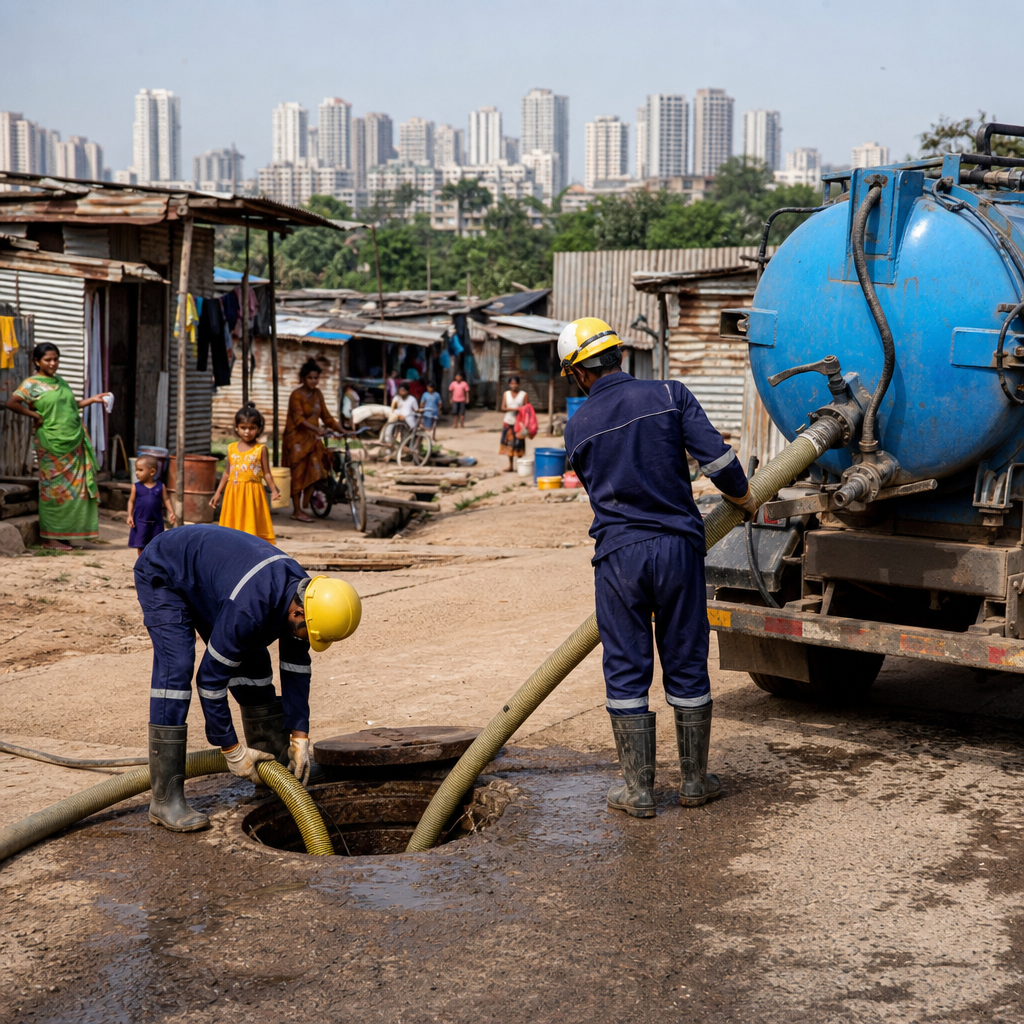
Fecal sludge management is one of the most important collaborative frontiers. In many low- and middle-income cities, most households rely on pits or septic tanks, yet public investment historically favored sewers. Resilience requires treating onsite sanitation as core urban infrastructure. That means licensing emptiers, planning transfer stations, investing in treatment capacity, tracking disposal routes, and protecting workers with equipment and training. Dakar’s fecal sludge reforms are often cited because they linked private emptiers, public oversight, and treatment planning more effectively than many peer cities. India’s growing emphasis on fecal sludge and septage management has likewise shown how national programs can shift local investment toward practical service-chain improvements.
| Approach | Best fit | Resilience strengths | Main limitation |
|---|---|---|---|
| Conventional sewerage | Dense urban cores with strong utilities | High service level, centralized control, large-scale treatment | High capital cost and vulnerability to power or flood damage |
| Simplified or condominial sewerage | Dense low-income areas | Lower cost, faster rollout, community connection options | Needs good operation and local acceptance |
| Septic tanks with regulated desludging | Peri-urban and smaller towns | Flexible expansion, lower upfront cost, adaptable to growth | Fails without scheduled emptying and treatment capacity |
| Container-based sanitation | Very dense informal or unstable settings | Works where pits and sewers are impractical | Requires reliable collection and business viability |
Rural resilience depends on different collaborations. Community-led approaches can reduce open defecation, but durable outcomes require supply chains for slabs, pans, masonry skills, accessible finance, and post-triggering support. In floodplains, raised latrines and lined pits may be necessary. In drought-prone areas, low-water or dry systems can reduce failure risk. School and health facility sanitation needs separate planning because reliability requirements are higher and breakdowns have immediate social costs.
Financing, governance, and accountability at scale
One reason sanitation lags behind water supply is political invisibility. Treatment plants are distant, sludge trucks are unpopular, and household containment often sits on private land. Resilience improves when financing covers the full life cycle, not only construction. Capital expenditure must be paired with operating expenditure, rehabilitation reserves, electricity budgets, laboratory testing, and operator training. Tariffs alone rarely cover urban sanitation costs, especially for treatment and services to low-income households, so governments need transfers, cross-subsidies, taxes, climate funds, and targeted user fees.
Blended finance is increasingly important. Development banks can de-risk projects, bilateral donors can fund technical assistance, and local governments can support land, permits, and viability-gap financing. Results-based financing can help, but only if indicators reward safe service outcomes rather than narrow output counts. I have seen contracts that paid for toilet construction while ignoring whether pits filled within a year or whether sludge reached treatment. Better contracts link payment to verified service quality, continuity, and safe end use or disposal.
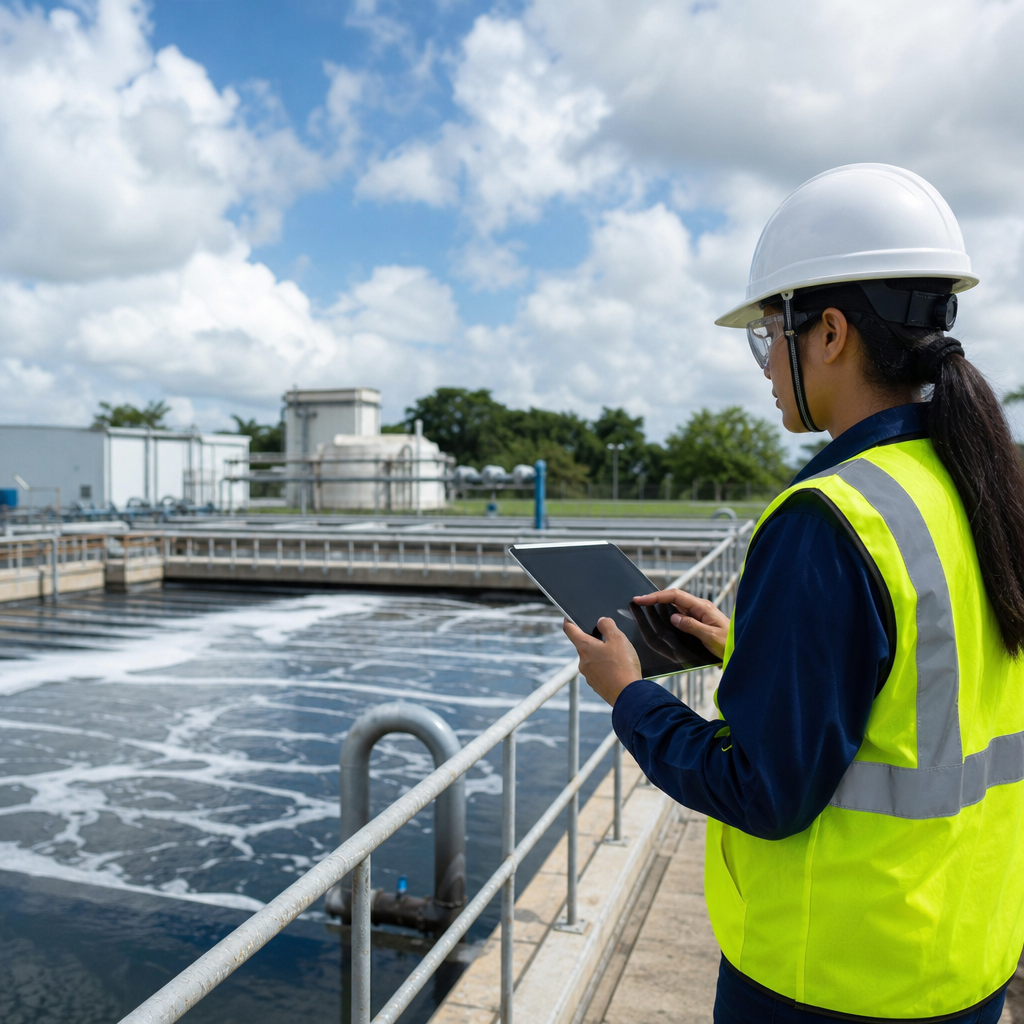
Governance is equally decisive. Countries that separate policy, regulation, and service delivery often perform better because regulators can enforce standards while utilities focus on operations. However, fragmentation can also slow decisions when mandates are unclear. A strong sanitation compact usually includes national policy direction, municipal responsibility for local planning, utility or operator accountability, public reporting, and community feedback channels. Digital tools help. GIS-based asset mapping, mobile desludging records, and remote plant monitoring make failures visible earlier and support evidence-based budgeting.
Climate adaptation, emergencies, and inclusive design
Sanitation resilience is now inseparable from climate adaptation. Flood risk maps should guide toilet siting, containment design, pumping station protection, and treatment plant elevation. Drought planning should assess whether flush demand is realistic and whether wastewater reuse can reduce freshwater pressure. Coastal cities must consider sea-level rise and saline intrusion that can damage infrastructure and affect biological treatment processes. The most resilient projects use scenario planning rather than historic averages alone.
Humanitarian collaboration is another critical dimension. In conflict zones, refugee camps, and disaster response, sanitation systems are established quickly under severe constraints. The Sphere Standards provide practical benchmarks for emergency WASH, but short-term installations often become semi-permanent. That transition is where resilience is won or lost. Emergency trench latrines may be necessary at first, yet agencies must rapidly plan for desludging, sludge treatment, menstrual hygiene management, disability access, lighting, and safety for women and girls. Coordination between humanitarian and development actors remains weak in many countries, which is why service collapse often occurs after the emergency phase ends.
Inclusive design is not optional. Systems fail socially when they exclude users with disabilities, older adults, renters, migrants, and informal workers. Public and shared toilets need handrails, adequate turning space, safe lighting, water for cleaning where culturally required, and management models that keep facilities functional. Gender-responsive sanitation also addresses privacy, menstrual waste disposal, school absenteeism, and security. The strongest global initiatives increasingly measure these factors, because access without usability is not access.
Data, innovation, and what successful collaboration looks like
Good collaboration depends on better data than the sector historically used. National household surveys remain essential, but resilience planning also needs service-chain metrics: emptying frequency, treatment uptime, effluent compliance, overflow incidents, groundwater contamination, customer complaints, and worker safety records. Utilities that track nonrevenue water are common; sanitation providers should similarly track non-compliant sludge, bypass events, and service interruption days. Without these indicators, governments underestimate risk and overestimate coverage.
Innovation is helping, but only when tied to operations. Examples include remote sensors for pit fill levels, satellite and drone mapping for flood exposure, digital dispatch systems for desludging fleets, and modular treatment units that expand incrementally with demand. Non-sewered sanitation technologies are advancing, yet pilots must be judged against maintenance burden, unit economics, local manufacturing potential, and user acceptance. The sector has a long history of impressive demonstrations that failed after donor funding ended. Successful scaling requires procurement pathways, standards, operator training, and financing that survives political turnover.
What does successful collaboration look like in practice? It aligns incentives from household to ministry level. It gives cities flexible technical options instead of ideological commitments to one technology. It funds maintenance, not just ribbon cuttings. It treats sanitation workers as essential public health professionals. It uses common indicators across donors and agencies. And it plans for shocks from the beginning. Countries and cities that adopt these principles build sanitation systems that keep functioning when the climate is harsher, budgets are tighter, and urban growth is faster than expected.
Global initiatives and collaborations in sanitation work best when they recognize a simple truth: resilience is built across the whole service chain, not at one construction site. International goals set direction, but progress depends on how well donors, governments, utilities, researchers, communities, and private operators coordinate daily decisions. The most effective collaborations combine risk-based planning, inclusive service design, realistic financing, accountable governance, and climate-aware engineering. They also accept that sewers are only one tool, and that onsite and hybrid systems often provide the fastest path to safe, citywide coverage.
For this subtopic hub, the main takeaway is clear. To understand global sanitation today, you must look beyond toilets and ask who empties, transports, treats, regulates, pays, monitors, and repairs. Resilient sanitation systems are practical systems: they match local conditions, protect vulnerable groups, keep operating during disruptions, and improve public health measurably. The strongest global efforts already show what works, from fecal sludge management reforms to emergency-to-development planning and better use of standards, data, and utility strengthening.
If you are building policy, funding programs, or researching the field, use this hub as your starting point for deeper articles on finance, climate resilience, urban service models, and inclusive implementation. The urgent task is not more isolated projects. It is stronger collaboration that turns sanitation from a periodic intervention into a dependable public service.
Frequently Asked Questions
What does resilience mean in global sanitation systems?
In global sanitation, resilience means the ability of the entire sanitation service chain to keep protecting public health and the environment before, during, and after disruption. That includes toilets, septic tanks, pits, sewers, pumping stations, treatment plants, fecal sludge emptying and transport services, drainage connections, safe disposal, reuse systems, regulation, financing, and the institutions that manage them. A resilient system is not simply one that is well built under normal conditions. It is one that can absorb shocks such as flooding, drought, disease outbreaks, displacement, conflict, power failures, supply chain interruptions, and rapid urban growth without collapsing into unsafe waste exposure.
Importantly, resilience is about both infrastructure and service continuity. A toilet is not resilient if it remains standing but overflows during heavy rain. A treatment plant is not resilient if it depends on uninterrupted electricity in a place with frequent outages and no backup. A fecal sludge management system is not resilient if trucks cannot reach informal settlements after a storm or if households can no longer afford desludging during economic hardship. Resilience therefore combines engineering design, operational flexibility, emergency planning, inclusive governance, and sustainable finance.
It also requires designing for local conditions rather than applying a single model everywhere. In flood-prone areas, resilience may mean elevated toilets, watertight containment, and decentralized treatment options. In water-scarce regions, it may involve low-water or dry sanitation technologies and safe reuse. In fragile or conflict-affected settings, resilience may depend on simpler systems that can be repaired quickly with locally available materials and managed by communities when formal institutions are disrupted. In every case, the goal is the same: maintain safe sanitation services that reduce disease risk and preserve dignity even when conditions become difficult.
Why is sanitation resilience so important during floods, droughts, conflict, and rapid urbanization?
Sanitation failures become public health emergencies very quickly, which is why resilience matters so much. During floods, pit latrines and septic systems can overflow, sewers can surcharge, treatment plants can be inundated, and fecal sludge can spread into streets, homes, and water sources. This increases the risk of diarrheal disease, cholera, typhoid, and other infections. When drainage and sanitation are poorly linked, stormwater can turn sanitation weaknesses into citywide contamination events. A resilient system reduces that risk by preventing leakage, protecting facilities from inundation, and maintaining safe collection and treatment even during extreme weather.
Drought creates a different but equally serious challenge. Water-dependent toilets may become unusable, sewer flows can drop and cause blockages, and utilities may struggle to operate treatment systems. In these settings, resilience means planning for water scarcity through efficient technologies, alternative service models, and reuse strategies that make the most of limited resources. It also means ensuring that poor households are not pushed toward unsafe practices when water becomes expensive or unavailable.
In conflict and displacement settings, sanitation systems are often damaged, underfunded, or abandoned, while population needs rise sharply. Governance may weaken, spare parts may be unavailable, and operators may be unable to access sites safely. Resilient sanitation in these circumstances depends on adaptable service models, emergency coordination, decentralized options, and clear roles for humanitarian actors, municipalities, and communities. Rapid urbanization presents another pressure: as cities expand, sanitation infrastructure often lags behind settlement growth, especially in informal areas. That leads to overloaded systems, unmanaged fecal sludge, and chronic exposure to contamination. Building resilience helps cities plan for growth, expand services equitably, and avoid locking in unsafe, overstressed infrastructure that will fail under future shocks.
What are the main components of a resilient sanitation system?
A resilient sanitation system includes much more than durable toilets. It starts with the user interface, meaning toilets or latrines that are safe, accessible, affordable, and suitable for the local environment. From there, containment must reliably isolate waste without leaking into groundwater, floodwater, or living areas. Emptying and transport services must function regularly and safely, especially in dense urban settlements where onsite systems fill quickly. Treatment facilities must be capable of handling expected waste volumes, including peak loads during emergencies or seasonal variation. Finally, safe disposal or reuse must be managed in a way that protects health and supports environmental sustainability.
Physical infrastructure is only one layer. Resilient systems also require strong operations and maintenance. That includes trained operators, spare parts, backup power, monitoring systems, standard operating procedures, and contingency plans for service disruptions. If a sewer network depends on pumping, there must be a plan for outages. If treatment relies on chemicals or imported parts, there must be alternative procurement arrangements. If roads become impassable during rainy seasons, service providers may need smaller vehicles, transfer stations, or decentralized treatment capacity to keep sludge moving safely.
Governance and finance are equally central. Clear regulation, institutional coordination, and accountability determine whether systems are maintained, upgraded, and expanded over time. Resilience is weakened when sanitation falls between agencies or when tariffs and subsidies are too unstable to support service delivery. Sustainable financing can include public budgets, user fees, cross-subsidies, climate adaptation funding, and private sector participation where appropriate. Social inclusion also matters: systems are more resilient when they serve women, children, older adults, people with disabilities, low-income households, and informal communities rather than excluding them until a crisis reveals the gap. In short, resilient sanitation depends on an integrated combination of infrastructure, services, people, institutions, and funding.
How can governments and utilities strengthen sanitation systems against future shocks?
Governments and utilities can strengthen sanitation resilience by starting with risk-informed planning. That means identifying the specific hazards most likely to affect the service chain, such as flooding, sea-level rise, drought, landslides, conflict, disease outbreaks, fuel shortages, or rapid population growth. Once these risks are mapped, planners can assess which assets and services are most vulnerable and prioritize upgrades where failure would have the greatest health impact. This approach is more effective than reacting after each crisis, because it builds resilience into investment decisions from the beginning.
Practical actions often include diversifying sanitation options rather than relying on a single system. In some cities, a mix of sewered and non-sewered solutions is the most resilient strategy, especially where informal growth outpaces network expansion. Utilities can protect treatment plants from flood damage, install backup energy systems, improve asset maintenance, modernize monitoring, and develop emergency operating protocols. Municipalities can strengthen fecal sludge management by licensing service providers, improving access to transfer and treatment sites, and ensuring that low-income or remote communities are included in service planning. Integrating sanitation with drainage, solid waste management, water supply, and land-use planning is also critical, since failure in one urban system often cascades into another.
Institutional resilience is just as important as technical resilience. Utilities and governments need trained staff, stable budgets, transparent performance data, and clear decision-making authority during emergencies. They should also build community engagement into planning, because households and local service workers often see problems first and can help shape workable solutions. Financially, resilience improves when funding covers not only new construction but also maintenance, operator training, emergency preparedness, and long-term asset replacement. Partnerships with development banks, climate funds, NGOs, and private operators can help, but strong public oversight remains essential to ensure that resilience investments translate into equitable, safe sanitation services for all residents.
What role do communities, innovation, and financing play in building resilient sanitation systems?
Communities play a foundational role because resilience depends on whether sanitation services actually work for the people who use them every day. Local residents understand seasonal flooding patterns, access constraints, affordability pressures, safety concerns, and cultural preferences that outside planners may miss. When communities are included in design, monitoring, and oversight, sanitation systems are more likely to be used correctly, maintained consistently, and adapted quickly when conditions change. Community engagement is especially important in informal settlements, rural areas, and fragile contexts where official service provision may be limited or inconsistent.
Innovation can strengthen resilience when it solves real service-chain problems rather than adding complexity for its own sake. Useful innovations may include flood-resistant toilet designs, container-based sanitation, urine-diverting or dry systems in water-scarce regions, digital tools for tracking pit emptying and service demand, remote monitoring for treatment plants, modular treatment units, and resource recovery approaches that turn waste into compost, energy, or other useful products. However, innovation must be matched to local capacity. A highly advanced system that cannot be repaired locally is often less resilient than a simpler one that communities and operators can maintain under stress.
Financing makes resilience possible at scale. Sanitation systems often fail not because the right solutions are unknown, but because there is not enough predictable funding for maintenance, expansion, regulation, and crisis preparedness. Resilient financing usually combines multiple sources, including government budgets, tariffs, targeted subsidies for poor households, donor support, blended finance, and climate adaptation or resilience funding. The most effective models also recognize that sanitation delivers broad public benefits, such as reduced disease, cleaner water, and greater economic stability, so it should not rely solely on household payments. When community knowledge, appropriate innovation, and long-term financing are brought together, sanitation systems become better able to withstand shocks while continuing to protect health, dignity, and the environment.