Green infrastructure and EcoSan in urban planning are no longer niche ideas for pilot projects; they are practical frameworks for building healthier, more resilient cities while improving sustainable practices in sanitation. Green infrastructure refers to networks of natural and semi-natural systems such as bioswales, constructed wetlands, permeable surfaces, urban forests, green roofs, and restored waterways that manage stormwater, cool neighborhoods, and support biodiversity. EcoSan, short for ecological sanitation, is a sanitation approach that treats human waste as a resource stream rather than a disposal problem. In practice, that means separating, treating, and safely reusing water, nutrients, and organic matter through methods such as urine diversion, composting toilets, decentralized wastewater treatment, and fecal sludge recovery.
Urban planners increasingly consider these systems together because cities face linked pressures: aging sewers, rising flood risk, heat islands, water scarcity, nutrient pollution, and unequal access to safe sanitation. I have worked on planning reviews where drainage, wastewater, and public realm teams operated in silos, and the result was expensive duplication: one project enlarged pipes while another paid to irrigate parks with potable water and haul biosolids to landfill. Integrated planning avoids that waste. When green infrastructure and EcoSan are designed as one urban system, stormwater can be slowed and cleaned locally, wastewater can be treated closer to source, and nutrients can be recovered for landscaping or agriculture under controlled conditions.
This matters because sanitation decisions shape public health, climate resilience, municipal budgets, and land use for decades. Conventional centralized sewerage remains essential in many dense districts, but it is not always the most adaptive option for informal settlements, peri-urban growth areas, campuses, industrial parks, and water-stressed neighborhoods. A sustainable sanitation strategy asks direct questions: What waste stream is being generated? What treatment level is required by regulation? Which resources can be recovered safely? How can the system reduce emissions, flooding, and operating costs? This hub article explains the core concepts, planning principles, technologies, governance issues, and implementation choices that define sustainable practices in sanitation within the broader environmental impact agenda.
Why green infrastructure and EcoSan belong in the same urban planning strategy
Green infrastructure and EcoSan solve different parts of the same city metabolism problem. Green infrastructure manages rain where it falls, reducing runoff volumes and pollutant loads before they overwhelm drains and waterways. EcoSan manages sanitation flows so water, carbon, nitrogen, phosphorus, and energy are not automatically wasted. Together, they reduce pressure on centralized infrastructure and create multiple public benefits from one coordinated investment.
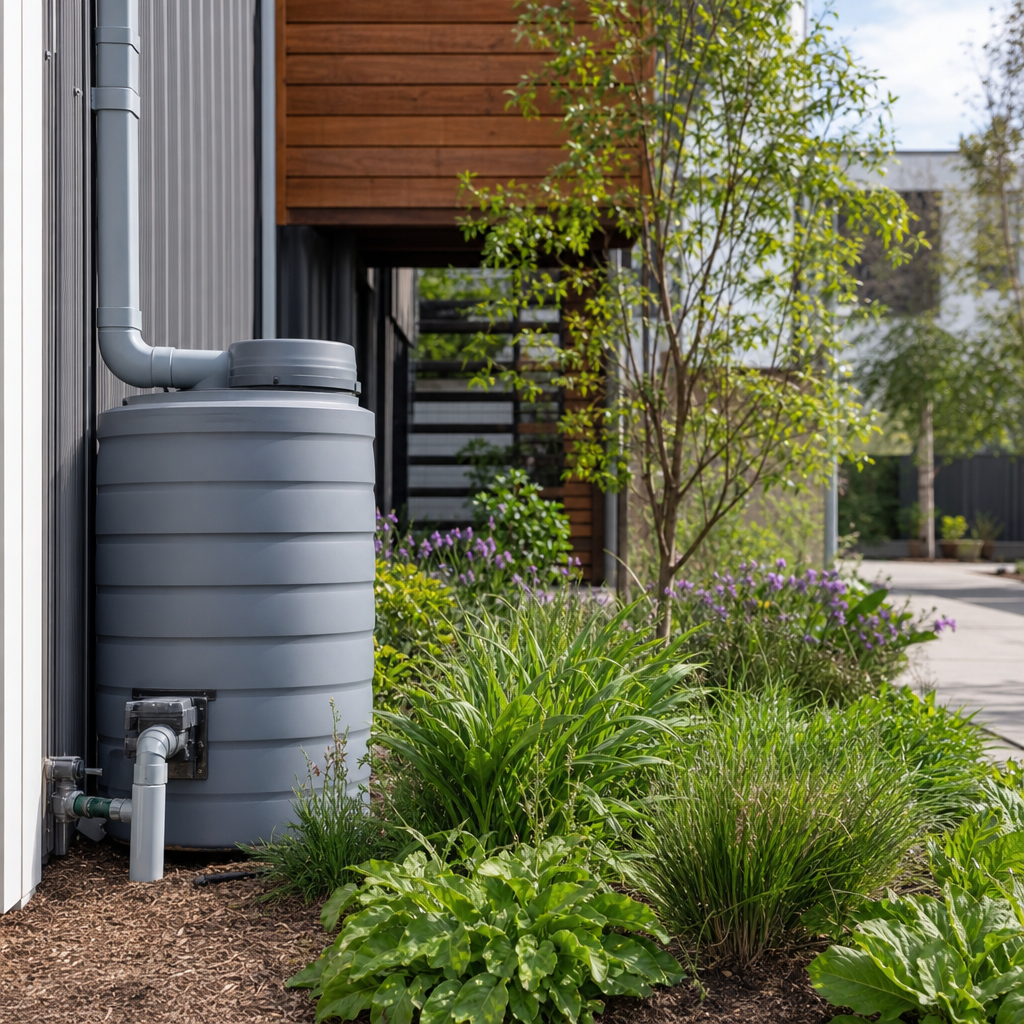
A common example is a neighborhood retrofit that combines permeable paving, tree trenches, and bioswales with decentralized blackwater or greywater treatment. During storms, runoff enters planted systems that infiltrate or detain water. At the same time, lightly contaminated greywater from sinks and showers can be treated on site through membrane bioreactors, sand filters, or constructed wetlands and then reused for toilet flushing or irrigation. This cuts potable water demand and reduces sewer loading. In districts with separate source collection, urine can be diverted and processed into nutrient products, reducing synthetic fertilizer demand for parks or nearby farms.
The planning advantage is systems efficiency. Instead of viewing sanitation as hidden underground hardware and green space as cosmetic surface design, cities can align hydrology, public health, streetscape design, and circular economy goals. Copenhagen, Singapore, and parts of Melbourne have shown in different ways that water-sensitive urban design works best when drainage, reuse, landscape, and utility operations are coordinated from the start. The same principle applies to sanitation: treat flows according to risk and value, not simply by habit.
Core sustainable practices in sanitation
Sustainable practices in sanitation are methods that protect health, conserve resources, minimize pollution, and remain financially and institutionally viable over time. The widely used Sustainable Sanitation and Water Management framework emphasizes health and hygiene, environment and natural resources, technology and operation, financial and economic issues, and social and institutional aspects. In project screening, I use these dimensions because a technically elegant system can still fail if households reject it, if spare parts are unavailable, or if no agency is responsible for monitoring reuse safety.
Key practices include source separation, decentralized treatment, fecal sludge management, water reuse, nutrient recovery, energy recovery, and low-impact stormwater integration. Source separation keeps waste streams cleaner and easier to process. Urine contains most of the nitrogen and a large share of the phosphorus in domestic wastewater, yet a much smaller volume than mixed sewage. Separating it at the fixture level can dramatically improve recovery efficiency. Decentralized treatment uses smaller plants serving buildings, blocks, or districts, often reducing pipe costs and enabling local reuse. Fecal sludge management is critical where septic tanks and pit latrines dominate; without scheduled emptying, safe transport, and proper treatment, containment simply shifts the hazard elsewhere.
Water reuse can range from simple greywater irrigation to advanced reclaimed water networks. Nutrient recovery includes struvite precipitation, composting of sanitized biosolids, and production of fertilizer concentrates. Energy recovery can involve anaerobic digestion producing biogas for heat or electricity. Low-impact stormwater integration connects sanitation planning with retention basins, wetlands, and green corridors that polish effluent, buffer floods, and improve urban habitat. The most sustainable option is context-specific, but the pattern is consistent: match treatment intensity to intended reuse and public health risk.
Technologies cities can apply at building, district, and metropolitan scales
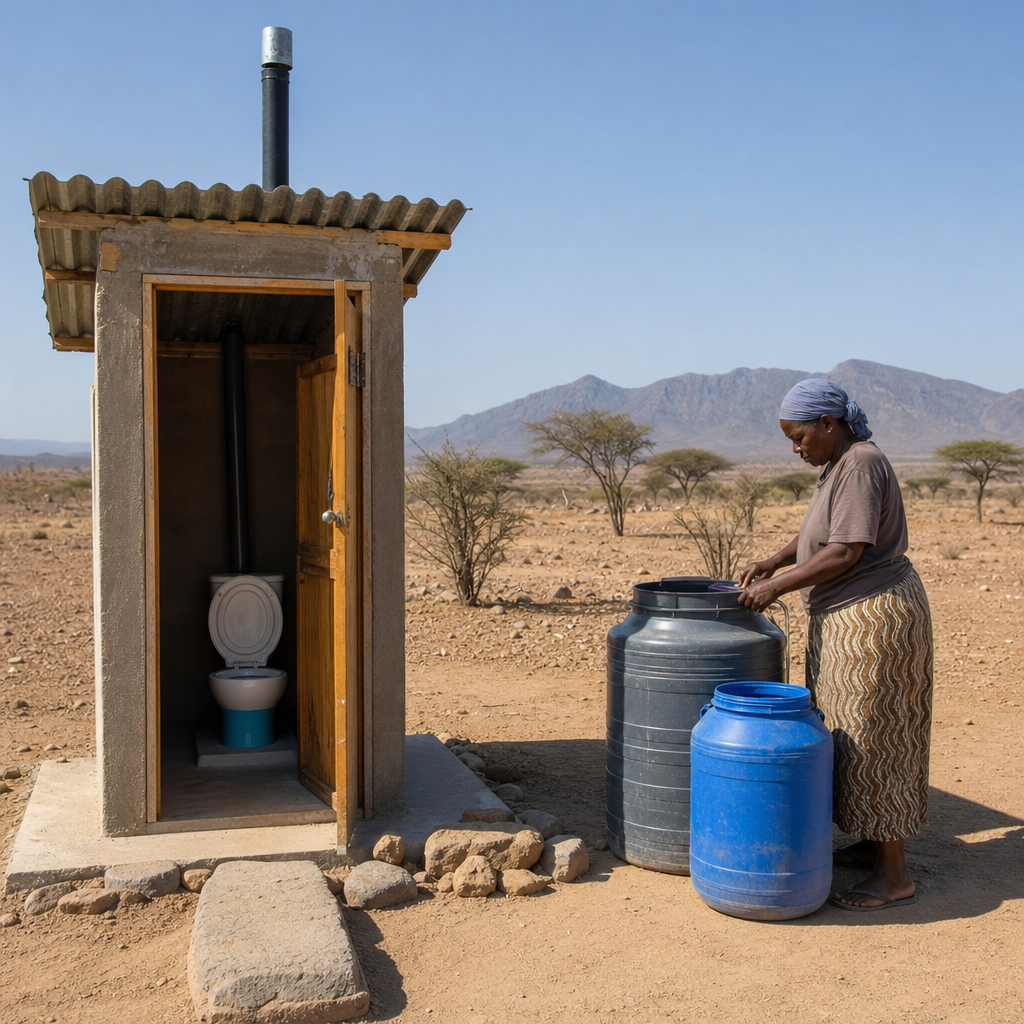
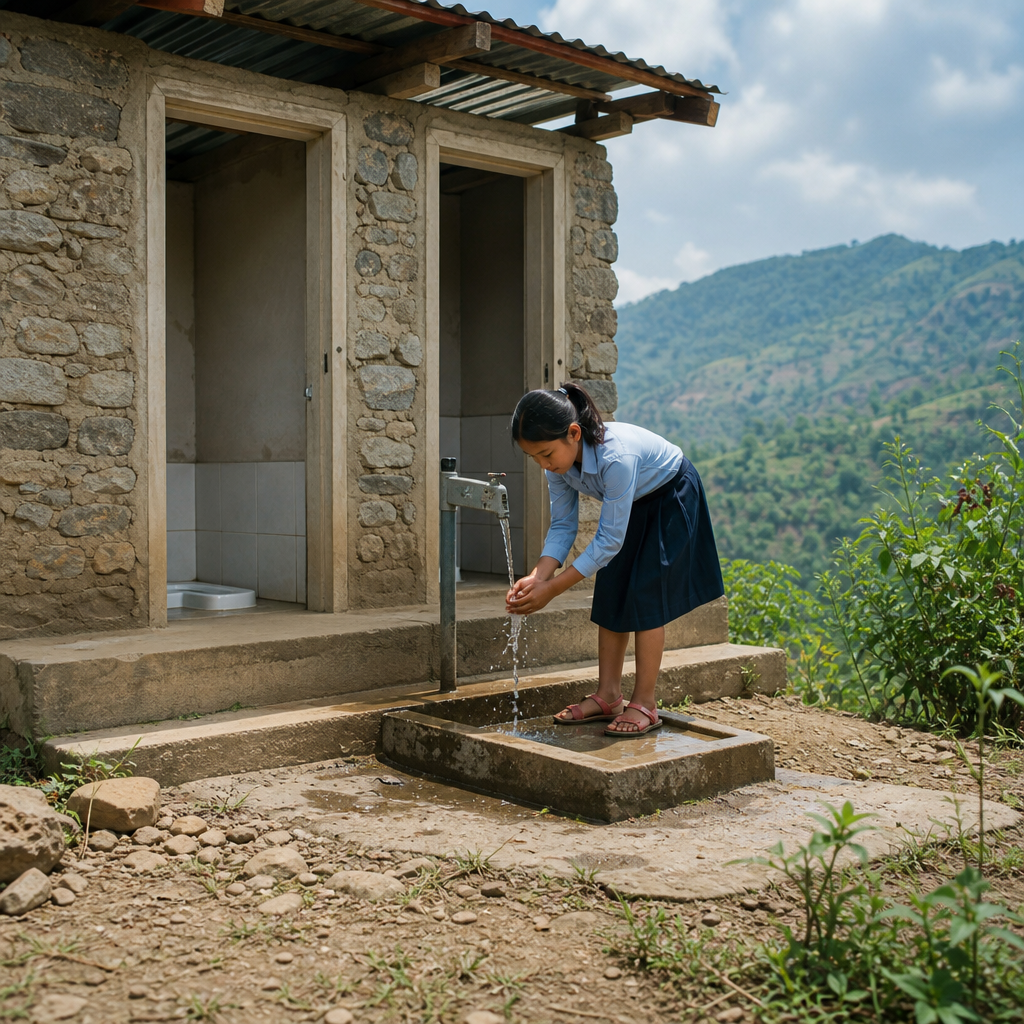
Urban planning needs a scale-based view because no single sanitation technology fits every district. At building scale, composting toilets, vacuum toilets, urine-diverting dry toilets, greywater reuse units, and packaged treatment systems can work in schools, parks, offices, and low-rise housing. These solutions are especially useful where water supply is constrained, sewer connection is impractical, or demonstration value is important. However, they require disciplined maintenance, user education, and clear rules for residuals handling.
At district scale, planners can use decentralized wastewater treatment systems, anaerobic baffled reactors, sequencing batch reactors, membrane bioreactors, and constructed wetlands. District systems often deliver the strongest balance between operational efficiency and local resource reuse. I have seen campuses reduce potable water demand materially by routing treated greywater to flushing and landscape irrigation, while landscaped wetland cells doubled as public open space. The public acceptance improved because the infrastructure was visible, maintained, and tied to amenities people used daily.
At metropolitan scale, conventional sewerage still plays a central role, but it can be upgraded with recovery-oriented processes. Wastewater treatment plants can capture biogas, recover phosphorus as struvite, produce reclaimed water for industry, and integrate green buffers or polishing wetlands around outfalls. Sewer mining is another urban option: extract wastewater from a trunk sewer, treat it locally, use the recycled water nearby, and return residuals to the network. This approach can serve parks, data centers, industrial precincts, or large residential redevelopments without waiting for full system expansion.
| Scale | Typical technologies | Main benefits | Main constraints |
|---|---|---|---|
| Building | Composting toilets, urine diversion, greywater units, vacuum fixtures | Low water use, visible savings, fast deployment | User behavior, maintenance discipline, storage space |
| District | Constructed wetlands, MBRs, anaerobic baffled reactors, local reuse networks | Balanced cost, reuse potential, lower pipe demand | Governance complexity, land allocation, operator skills |
| Metropolitan | Advanced WWTP upgrades, sludge digestion, struvite recovery, sewer mining | Large impact, economies of scale, utility integration | High capital cost, legacy networks, longer approvals |
Public health, regulation, and risk management
No discussion of EcoSan is credible without addressing health protection. Sanitation systems exist first to break disease transmission, so reuse must never outrank safety. The World Health Organization provides risk-based guidance for wastewater, excreta, and greywater reuse, and many countries supplement this with discharge permits, biosolids standards, building codes, and occupational safety rules. The practical planning lesson is straightforward: safe reuse depends on treatment performance, exposure control, monitoring, and end-use restrictions working together.
For example, untreated greywater may appear harmless because it comes from showers and sinks, yet it can contain pathogens, surfactants, salts, and household chemicals. If applied through spray irrigation in a public park, exposure risk rises sharply. With proper treatment and subsurface application, risk drops. Likewise, composting toilets can perform well, but only if retention time, moisture, temperature, and final handling are managed correctly. Fecal sludge can be transformed into useful soil products or fuel, but only after validated treatment such as drying, co-composting, alkaline stabilization, thermal processing, or digestion followed by curing.
Regulation often lags innovation, especially for source-separated streams and nutrient products. Planners should therefore involve environmental health authorities early, define measurable performance criteria, and specify who samples, who reports, and what happens when standards are missed. Risk communication matters too. Communities are more likely to support reclaimed water and nutrient recovery when authorities explain barriers, monitoring protocols, and intended uses in plain language instead of relying on broad sustainability claims.
Planning, finance, and governance for long-term success
The hardest part of sustainable sanitation is usually not technology; it is governance. Successful projects assign responsibility across the full service chain: user interface, collection, conveyance, treatment, reuse or disposal, maintenance, and compliance. In conventional systems, utilities often control most of that chain. In decentralized or hybrid systems, responsibility can fragment across building owners, housing associations, private operators, parks departments, environmental regulators, and public health agencies. Without a clear service model, assets deteriorate quickly.
Financial appraisal should include capital expenditure, operating costs, renewal cycles, avoided costs, and co-benefits. Green infrastructure and EcoSan often look expensive if judged only against the narrow cost of pipes or toilets. They compare far better when cities count avoided flood damage, reduced potable water purchases, lower energy use for pumping, deferred sewer expansion, improved heat mitigation, and value created from biogas or recovered nutrients. Life-cycle costing is essential. So is realistic budgeting for inspections, telemetry, operator training, and public engagement.
Procurement can also determine outcomes. Performance-based contracts are useful when municipalities want guaranteed effluent quality or reuse volumes rather than a prescribed proprietary technology. Development codes can require water-sensitive design, dual plumbing readiness, tree canopy targets, or on-site detention that complements local sanitation reuse. For informal or low-income settlements, inclusive governance is critical: affordable tariffs, scheduled desludging services, safe transfer stations, and support for community operators often deliver more environmental benefit than importing complex systems that cannot be maintained locally.
Design principles and real-world implementation lessons
Several design principles consistently improve outcomes. First, map urban flows before selecting technology. Quantify water demand, wastewater generation, stormwater runoff, nutrient loads, soil conditions, flood risk, land availability, and energy costs. Second, design for operation from day one. Every valve, inspection point, sludge storage area, and sampling location must be accessible. Third, keep the user interface simple. People will not protect a system they do not understand or trust.
Fourth, create visible value. A wetland integrated into a park, reclaimed water used to keep street trees alive during drought, or biogas powering a market facility makes the system legible to the public. Fifth, phase implementation. Pilot a district, monitor performance across seasons, then scale what works. I have seen cities overcommit to novel systems before establishing maintenance routines, and the reputational damage from one failure can delay better projects for years.
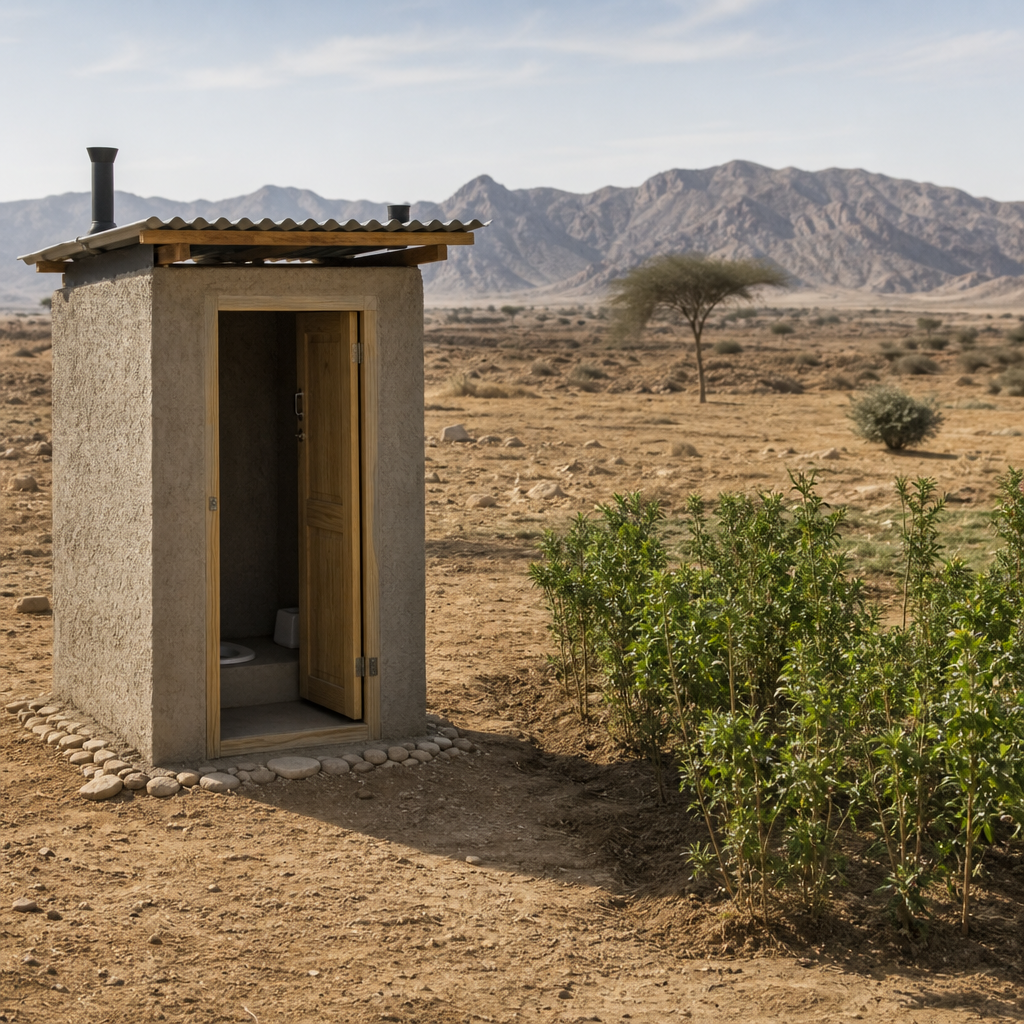
Real-world examples support this approach. In Durban, urine-diverting dry toilets were deployed in peri-urban areas where conventional sewers were impractical, paired with ongoing engagement about use and maintenance. In Hamburg, nutrient recovery from source-separated streams has been tested to reduce resource loss. In Singapore, integrated water planning demonstrates how reused water can become a mainstream urban supply when treatment standards, branding, and trust are aligned. In many European cities, constructed wetlands and blue-green corridors polish water, manage runoff, and create habitat simultaneously. The lesson is not to copy a single model, but to adapt proven elements to local climate, density, regulation, and institutional capacity.
Green infrastructure and EcoSan give urban planners a practical route to sustainable practices in sanitation that are healthier, more resource-efficient, and more resilient than single-purpose infrastructure alone. The core idea is simple: manage water, waste, nutrients, and landscape as connected systems rather than isolated departments or assets. When cities do that well, they reduce flooding, cut potable water demand, recover energy and fertilizer value, protect waterways, and stretch infrastructure budgets further.
The most effective strategies are context-driven. Dense city centers may need upgraded centralized treatment with recovery processes and selective sewer mining. Growth corridors, campuses, parks, and peri-urban settlements may benefit more from decentralized treatment, source separation, and reuse networks integrated with wetlands, swales, and public open space. In every case, success depends on clear governance, public health safeguards, realistic operations planning, and financing that recognizes life-cycle value instead of only first costs.
As a hub for sustainable practices in sanitation, this topic connects directly to related work on stormwater design, wastewater reuse, fecal sludge management, nutrient recovery, climate adaptation, and environmental impact assessment. If you are shaping a plan, policy, or development brief, start by mapping local water and sanitation flows, identifying where green infrastructure and EcoSan can share functions, and setting measurable outcomes for safety, reuse, and resilience. That is how urban planning turns sanitation from a hidden liability into long-term environmental infrastructure.
Frequently Asked Questions
1. What do green infrastructure and EcoSan mean in urban planning?
Green infrastructure and EcoSan are complementary approaches that help cities solve environmental, public health, and infrastructure challenges in more sustainable ways. Green infrastructure refers to interconnected natural and semi-natural systems integrated into the built environment to deliver practical services. These systems include bioswales, rain gardens, constructed wetlands, permeable pavements, green roofs, urban trees, restored streams, and open spaces designed to absorb, filter, store, and slowly release stormwater. In urban planning, they are used to reduce flooding, improve water quality, lower heat stress, support biodiversity, and create more attractive public spaces.
EcoSan, short for ecological sanitation, focuses on sanitation systems that safely manage human waste while viewing it as a resource rather than simply something to dispose of. Instead of relying only on conventional sewer-based models, EcoSan emphasizes treatment, reuse, nutrient recovery, water conservation, and local resilience. Depending on the context, this can include urine-diverting toilets, composting toilets, decentralized wastewater treatment, greywater reuse, and systems that recover nutrients such as nitrogen and phosphorus for agricultural or landscaping use. In urban planning, EcoSan is important because it can reduce pressure on centralized treatment plants, lower water demand, improve sanitation access, and contribute to circular economy goals. Together, green infrastructure and EcoSan help cities move from linear, resource-intensive systems toward healthier, more regenerative urban environments.
2. Why are green infrastructure and EcoSan becoming more important for modern cities?
These approaches are gaining importance because many cities are facing overlapping pressures that traditional infrastructure alone cannot manage effectively. Rapid urbanization has increased the amount of paved and built-up land, which prevents rainwater from soaking into the ground and leads to more frequent flooding, erosion, and polluted runoff. At the same time, climate change is intensifying storms, heat waves, droughts, and water stress. Conventional gray infrastructure such as pipes, drains, and centralized treatment plants remains essential, but it is often expensive to expand, difficult to adapt quickly, and not always designed to deliver broader environmental benefits.
Green infrastructure addresses these gaps by managing water closer to where it falls, reducing runoff volume, improving infiltration, and cooling urban neighborhoods through shade and evapotranspiration. It also improves public spaces, supports pollinators and urban wildlife, and can increase property values and neighborhood livability. EcoSan is increasingly important because water scarcity, aging sewer systems, and the high energy costs of centralized treatment are forcing cities to reconsider how sanitation is delivered. Ecological sanitation systems can reduce freshwater use, improve service delivery in underserved areas, and recover valuable nutrients and organic matter that would otherwise be lost.
Urban planners are also paying closer attention to resilience, equity, and long-term operating costs. Green infrastructure and EcoSan can often be phased in incrementally, tailored to local needs, and combined with community-based projects. That makes them especially useful in cities trying to improve environmental performance while also addressing health outcomes, informal settlement conditions, infrastructure affordability, and climate adaptation.
3. How do green infrastructure and EcoSan work together in a city?
Green infrastructure and EcoSan work especially well together because both approaches are based on decentralized thinking, resource efficiency, and ecosystem-based design. Green infrastructure helps manage stormwater, reduce pollution, and restore ecological function across urban landscapes. EcoSan improves how wastewater, greywater, and human waste are collected, treated, and potentially reused. When planned together, they can reduce the burden on sewers, improve local water cycles, and create multi-benefit systems that serve both environmental and human needs.
For example, decentralized wastewater treatment units can be linked with constructed wetlands that polish effluent naturally before it is reused for irrigation or safely released. Greywater from buildings can be treated and used to support landscaped corridors, parks, or urban agriculture. Nutrients recovered through EcoSan systems can support soil improvement and planting programs when managed under appropriate safety standards. Stormwater captured through bioswales, retention basins, and permeable surfaces can reduce flooding while also replenishing groundwater or supporting vegetation that improves urban microclimates.
In practice, this integration is most effective when planners think at multiple scales. At the building scale, green roofs, water-efficient fixtures, and source-separating sanitation systems can reduce runoff and wastewater generation. At the neighborhood scale, shared treatment landscapes, tree networks, and permeable streets can manage water and improve public space. At the city scale, these systems contribute to lower infrastructure stress, reduced pollution loads, and more resilient urban services. The key is coordinated planning across land use, water management, sanitation, transportation, and public health rather than treating each sector separately.
4. What are the main benefits of using green infrastructure and EcoSan in urban planning?
The benefits are broad and often reinforce one another. Environmentally, green infrastructure improves stormwater management by slowing runoff, increasing infiltration, and filtering pollutants before they reach rivers, lakes, or coastal waters. It also reduces the urban heat island effect, improves air quality, and creates habitats for birds, insects, and other species. EcoSan contributes by reducing freshwater consumption, lowering wastewater volumes, and enabling nutrient and organic matter recovery. Together, these systems support more circular urban metabolism, where water and materials are reused rather than wasted.
From a public health perspective, both approaches can make cities safer and healthier. Better stormwater control reduces flood-related contamination and infrastructure damage. More trees and green space can improve mental well-being, encourage physical activity, and reduce heat-related illness. Well-designed EcoSan systems can expand access to safe sanitation, particularly in areas where sewer connections are unreliable, unaffordable, or physically difficult to install. This is especially significant in fast-growing urban districts and informal settlements, where sanitation gaps can quickly become major health risks.
Economically, green infrastructure and EcoSan can lower long-term costs when compared with large-scale conventional upgrades alone. They may reduce the need for oversized drainage systems, decrease treatment loads, extend the life of existing infrastructure, and create local jobs in design, installation, maintenance, monitoring, and resource recovery. Socially, they can improve neighborhood quality, create greener public spaces, and support more equitable service delivery. For city leaders, one of the strongest advantages is that these systems provide multiple returns on investment at once: water management, climate adaptation, sanitation improvement, public health support, and urban regeneration.
5. What challenges should cities consider when implementing green infrastructure and EcoSan?
Although the benefits are strong, successful implementation requires careful planning, regulation, funding, and public engagement. One common challenge is that city institutions are often organized in silos. Stormwater may be managed by one department, sanitation by another, parks by another, and public health by yet another. Green infrastructure and EcoSan tend to cross all of these boundaries, so they need integrated governance and clear responsibility for design, operation, and maintenance. Without that coordination, projects can be delayed, underfunded, or poorly maintained.
Technical and regulatory barriers can also slow adoption. Building codes, sanitation standards, and water reuse regulations may not be fully updated to support decentralized or nature-based systems. Some technologies require specialized design and monitoring to ensure they perform safely and consistently, especially where nutrient reuse or treated wastewater reuse is involved. Maintenance is another important issue. Green infrastructure is not maintenance-free, and EcoSan systems require training, user acceptance, and reliable servicing. Cities must plan for long-term upkeep, not just installation.
Public perception matters as well. Residents, developers, and decision-makers may be unfamiliar with ecological sanitation or skeptical about reuse-based systems. That is why demonstration projects, transparent communication, and strong health safeguards are essential. Financial planning is equally important. While these systems can be cost-effective over time, they may require upfront investment, new procurement models, and revised performance metrics that capture long-term environmental and social value. The most successful cities typically start with pilot programs, establish clear standards, involve communities early, and scale up based on local evidence, performance data, and practical experience.