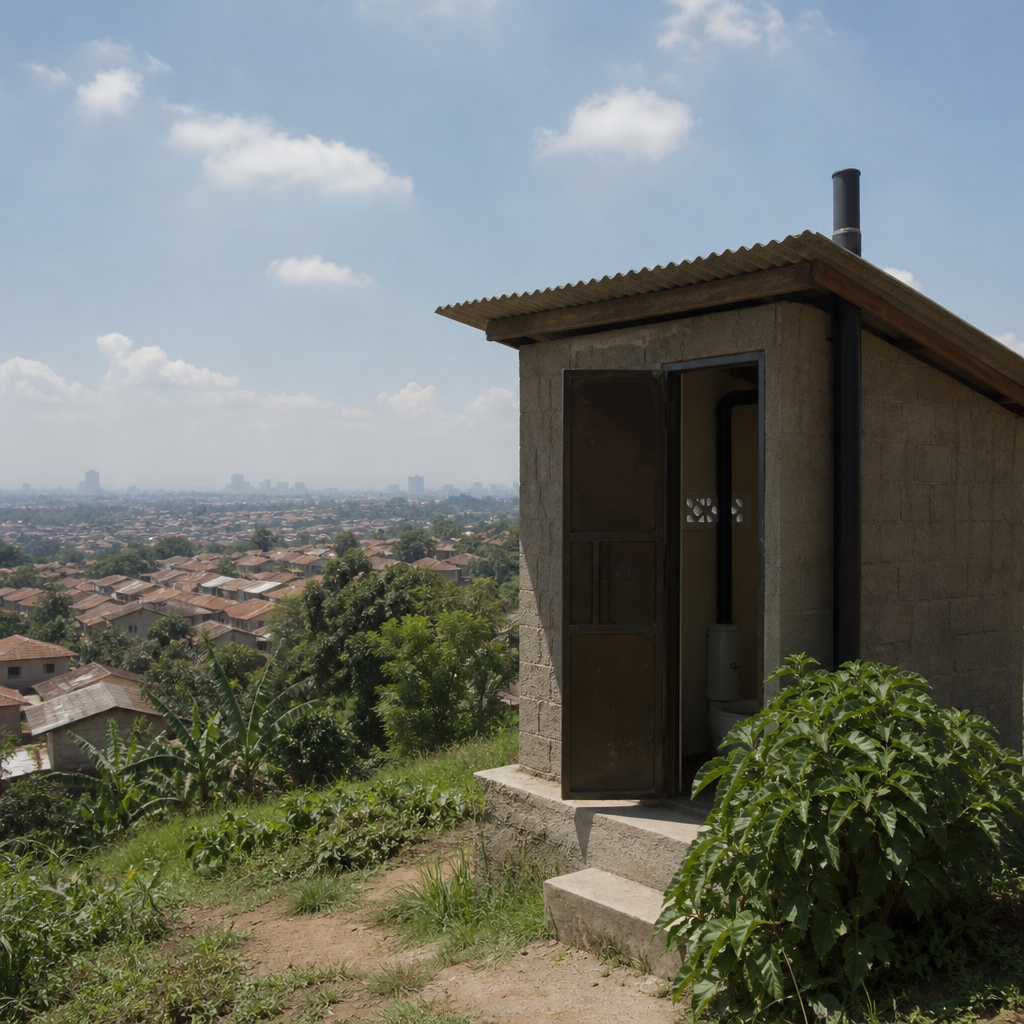
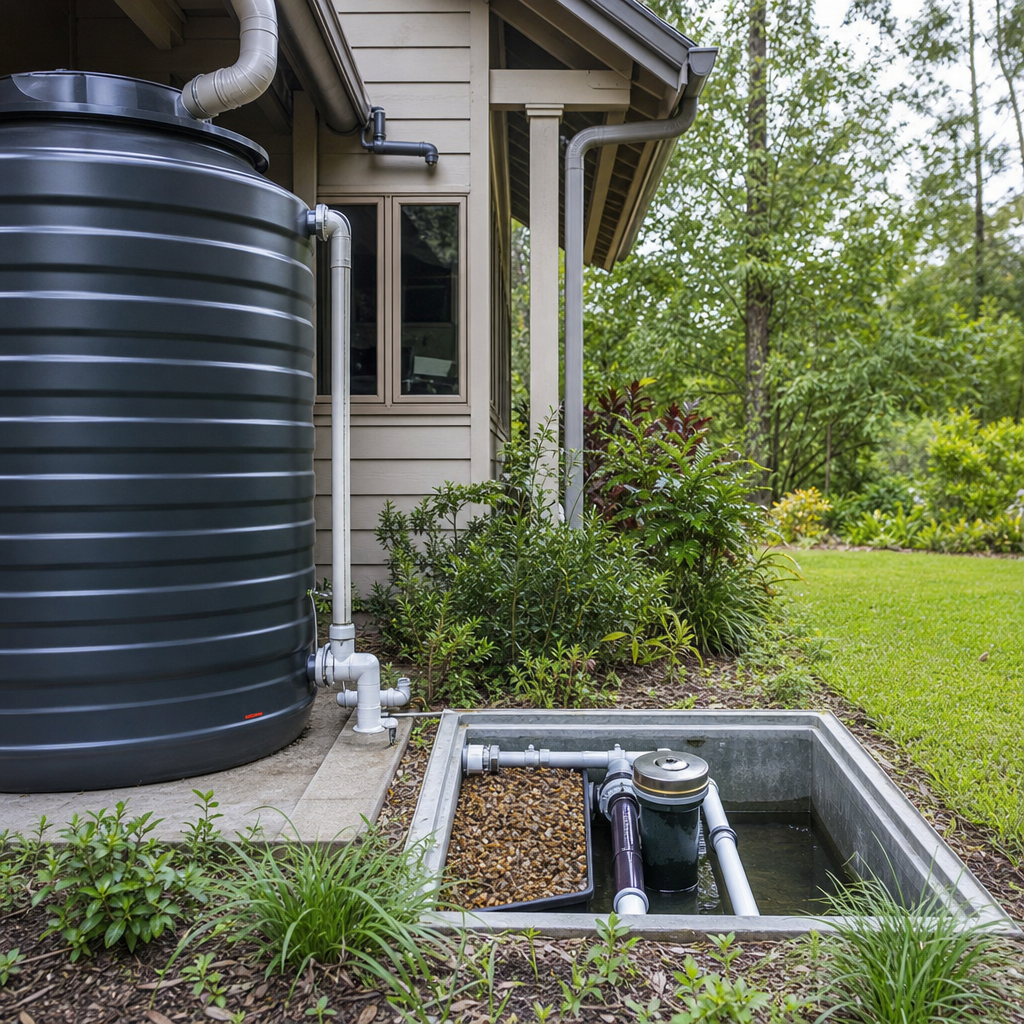
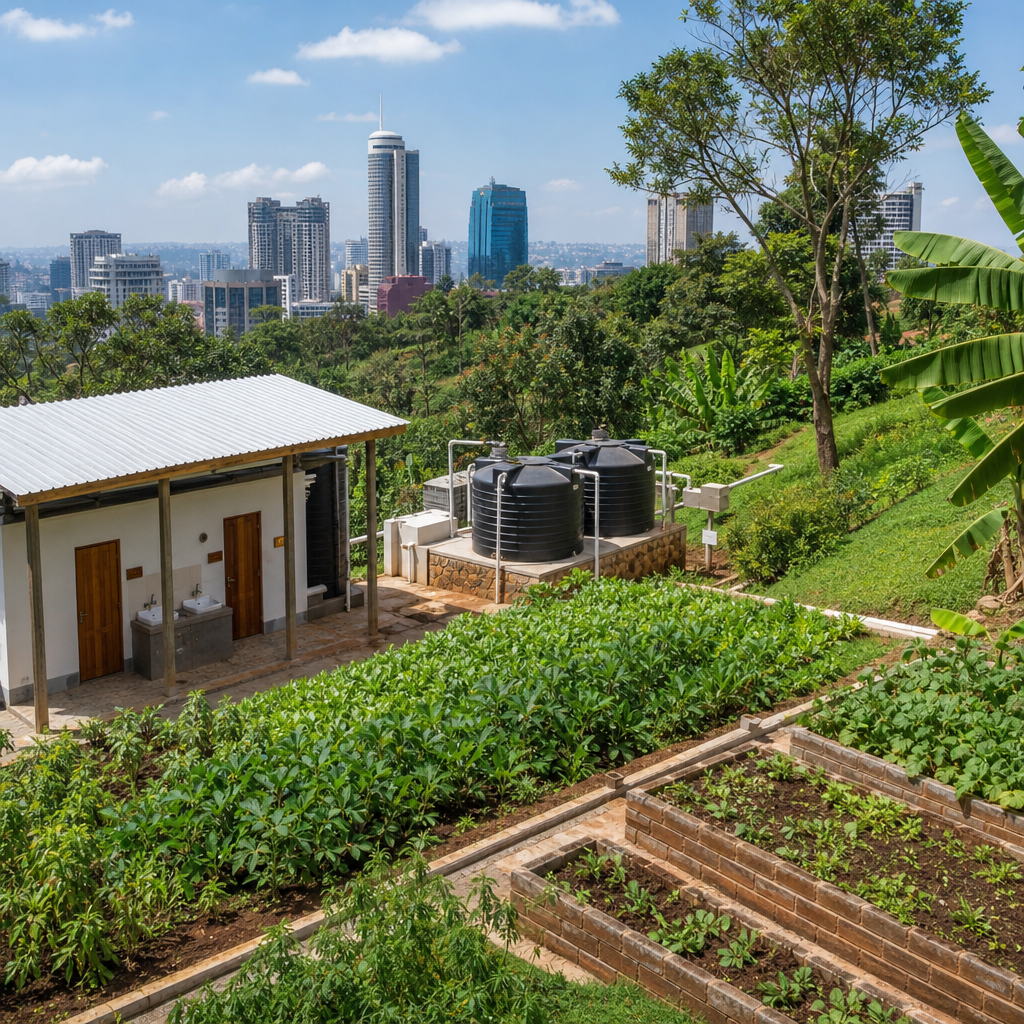
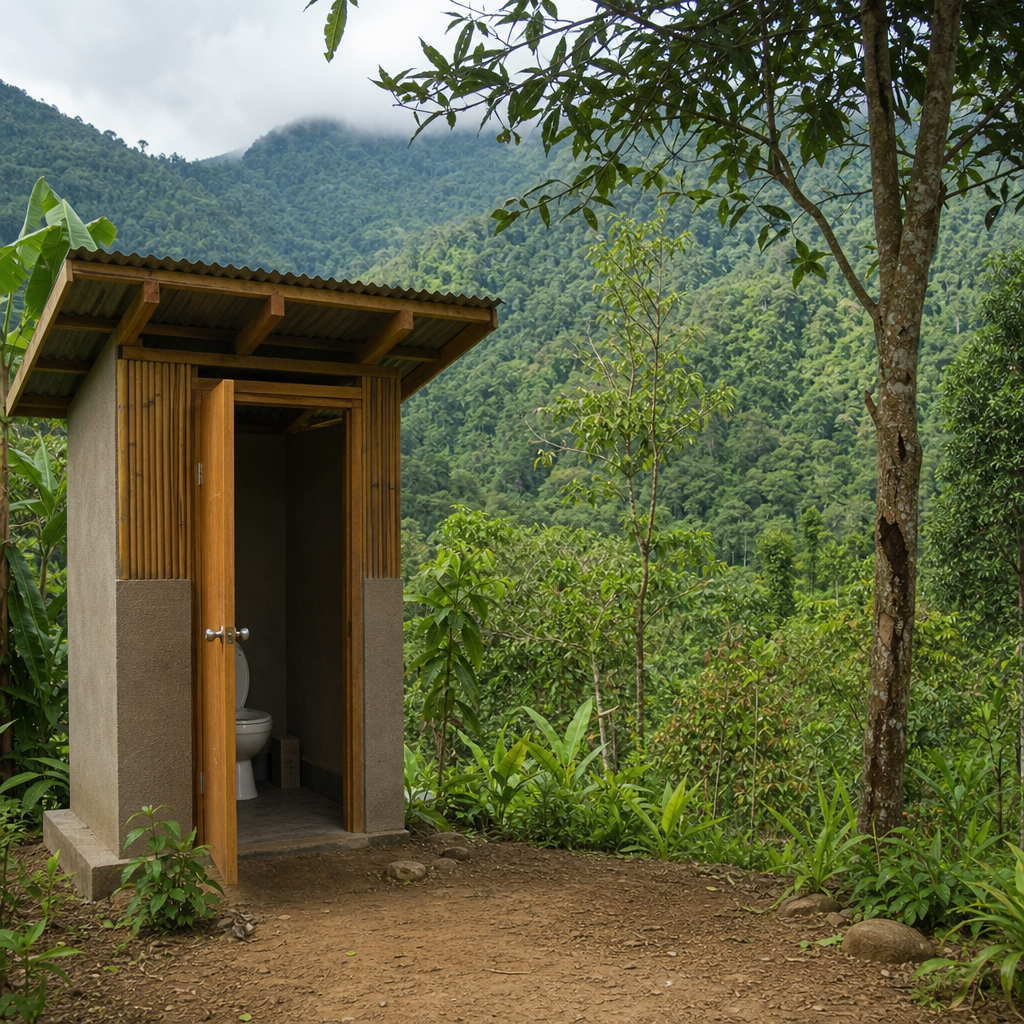
EcoSan, short for ecological sanitation, is a sanitation approach that treats human waste as a resource rather than a disposal problem, and it plays a critical role in alleviating water stress by reducing freshwater use, protecting groundwater, and recovering nutrients that would otherwise be lost. In practice, EcoSan systems separate, contain, sanitize, and reuse urine and feces safely, usually through dry or low-water technologies such as urine-diverting dry toilets, composting toilets, and dehydrating vaults. I have worked on sanitation planning projects where the most important early lesson was simple: conventional flush systems are excellent at transporting waste, but they are often poor at conserving water, retaining nutrients, or serving places without reliable sewer networks. That gap matters because water stress is no longer a distant risk. It affects cities with aging infrastructure, peri-urban settlements growing faster than utility coverage, and rural regions where households depend on shallow wells that are easily contaminated.
Water stress occurs when demand for safe, usable water exceeds available supply or when poor quality limits access. The World Resources Institute and UN agencies have repeatedly shown that many regions now face seasonal or chronic pressure from population growth, climate variability, aquifer depletion, and pollution. Sanitation sits at the center of that challenge. A standard flush toilet can use several liters per flush, and older models use much more, creating a constant draw on treated drinking water for a task that does not require potable quality. At the same time, inadequately managed sewage contributes pathogens, nitrogen, and phosphorus to rivers, lakes, and coastal zones. EcoSan addresses both sides of the equation: it cuts water demand and reduces contamination at source. As a hub for sustainable practices in sanitation, this article explains how EcoSan works, where it delivers the strongest environmental gains, what technologies are used, and what decision-makers, communities, and property owners should understand before adopting it.
How EcoSan Works and Why It Reduces Water Demand
EcoSan is built on a closed-loop principle: nutrients and organic matter are cycled back into productive use instead of being diluted and discharged. The core design logic is source separation, pathogen reduction, and controlled reuse. Urine contains most of the nitrogen and a large share of the phosphorus and potassium excreted by humans, while feces contain organic matter, pathogens, and additional nutrients. By separating these streams early, EcoSan systems make treatment simpler and safer. In a urine-diverting dry toilet, for example, the front section collects urine and the rear section collects feces. Urine can be stored for sanitization and later applied as fertilizer under local guidelines, while feces are dried, composted, or otherwise treated before reuse or final disposal.
The water-saving benefit is direct and measurable. A household using dry or very low-flush sanitation avoids thousands of liters of potable water consumption each year compared with conventional toilets. In field assessments, this has translated into lower pressure on municipal treatment plants and reduced household demand in areas with intermittent water service. The effect becomes even more important during drought. When utilities impose restrictions, sanitation systems that do not rely on continuous water supply remain functional. That resilience is one reason planners increasingly evaluate EcoSan alongside water-efficient fixtures, greywater reuse, rainwater harvesting, and decentralized wastewater treatment. EcoSan is not a single product; it is a framework for sustainable sanitation that prioritizes resource efficiency, public health protection, and local adaptation. For a sub-pillar on sustainable practices in sanitation, it connects naturally with topics such as wastewater reuse, nutrient recovery, fecal sludge management, and climate-resilient infrastructure.
Key EcoSan Technologies Used in Sustainable Sanitation
Several EcoSan technologies are widely used, and the right choice depends on climate, soil, density, user preferences, maintenance capacity, and agricultural demand. Urine-diverting dry toilets are among the best known because they separate waste at source and eliminate flush water entirely. Composting toilets rely on aerobic decomposition and require balanced moisture, ventilation, and bulking material such as sawdust. Dehydration toilets focus on drying feces quickly to suppress pathogens and odor. Container-based sanitation can also support EcoSan principles when sealed containers are collected regularly and waste is treated off-site for composting or other recovery. In schools, parks, and off-grid facilities, these systems can perform well where sewer connections are impractical or expensive.
I have seen projects succeed when technology selection was based less on marketing claims and more on operations. Ventilation design, urine pipe slope, ash or cover material availability, vault size, and emptying intervals matter as much as the toilet unit itself. A urine-diverting toilet installed without user training often fails because people do not understand why separation matters. By contrast, a basic model paired with clear instructions, easy cleaning access, and a reliable reuse plan usually delivers better results. Sustainable sanitation is operational, not only technical.
| Technology | Water Use | Main Benefit | Best Fit |
|---|---|---|---|
| Urine-diverting dry toilet | None | Strong nutrient recovery and low water demand | Water-scarce homes, schools, peri-urban areas |
| Composting toilet | Very low to none | Produces stabilized compost-like material | Rural properties, eco-lodges, parks |
| Dehydration toilet | None | Fast drying reduces odor and handling risks | Arid climates and off-grid sites |
| Container-based sanitation | None | Service-based model suits dense settlements | Informal urban areas without sewers |
Each option has tradeoffs. Composting toilets need disciplined moisture control. Urine diversion requires users to sit or position correctly for effective separation. Container systems depend on reliable collection logistics. None of these constraints are deal breakers, but they show why sustainable sanitation should be treated as a service chain, from user interface to treatment and end use, rather than a standalone fixture.
EcoSan, Nutrient Recovery, and Pollution Prevention
One of EcoSan’s strongest environmental advantages is nutrient recovery. Conventional sanitation mixes nutrients with large volumes of water, then spends energy removing them at wastewater treatment plants or, worse, releases them through underperforming systems into waterways. EcoSan keeps nutrients concentrated and usable. Urine is particularly valuable because it contains readily available nitrogen, commonly in the form of urea that converts to ammonium, along with phosphorus and potassium. When properly stored and applied at appropriate rates, it can substitute for part of a farm’s synthetic fertilizer demand. That matters economically for farmers and environmentally for watersheds affected by fertilizer runoff and energy-intensive fertilizer production.
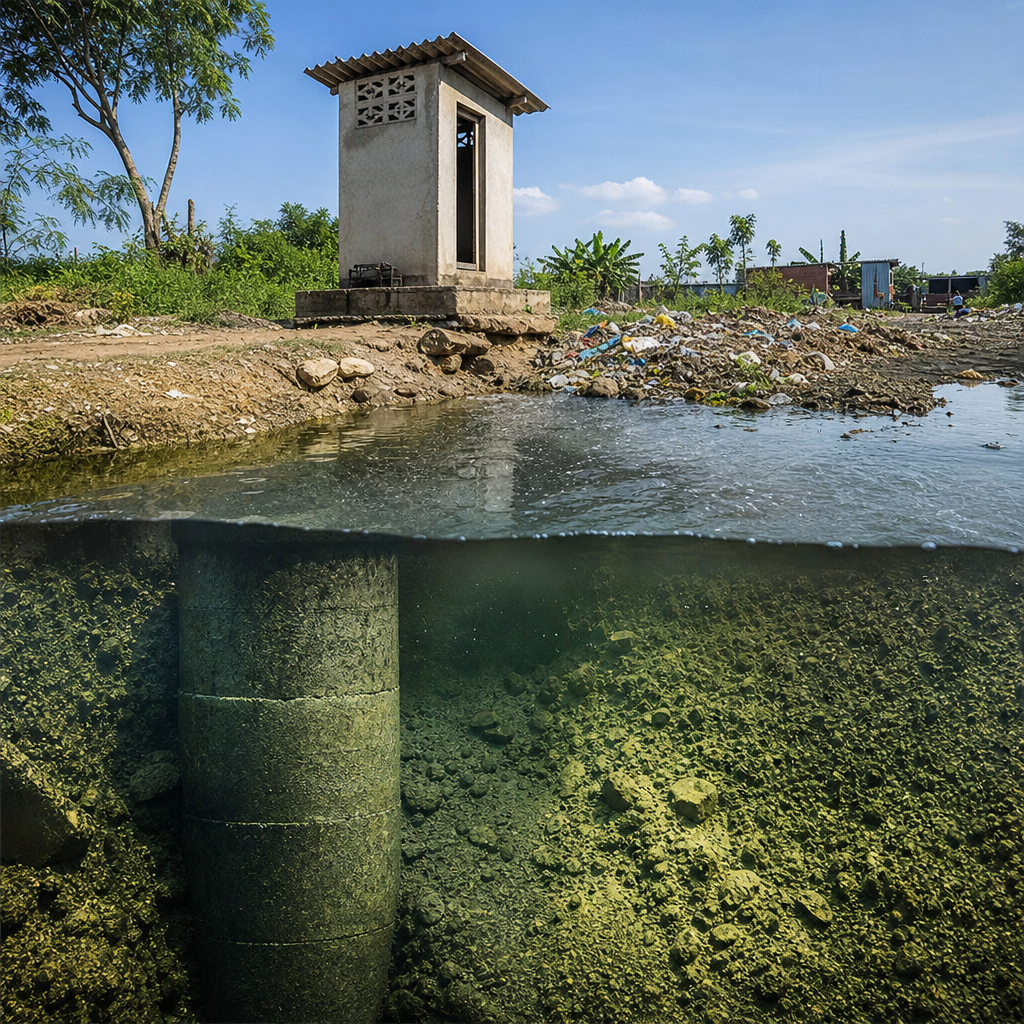
Pollution prevention is equally important. In many low-infrastructure settings, pit latrines and leaking septic systems are major sources of groundwater contamination. Nitrate pollution in drinking water is linked to health risks, and pathogen intrusion can trigger outbreaks of diarrheal disease. EcoSan systems, when well designed and maintained, reduce infiltration and make excreta management more controlled. This is especially relevant in areas with high water tables, fractured rock, flood exposure, or dense settlement where traditional pits are risky. Sustainable practices in sanitation must be judged not only by toilet access, but by how effectively they protect aquifers, streams, and downstream users.
There is also a climate dimension. Centralized sewerage requires significant energy for pumping and treatment, and unmanaged fecal waste can emit methane and nitrous oxide. Dry and decentralized systems can lower some of these emissions, especially where they reduce hauling distances, cut treatment loads, and recover nutrients that would otherwise require industrial production. The climate case varies by design, but the broader point is consistent: EcoSan often improves resource efficiency across water, energy, and nutrient cycles at the same time.
Where EcoSan Delivers the Greatest Impact
EcoSan is not universally the best answer, but it is exceptionally effective in specific settings. Water-scarce regions are the clearest example. Where households face rationing, tanker dependence, or deep borewell depletion, replacing flush demand with dry sanitation creates immediate savings. Peri-urban settlements also benefit because sewer expansion often lags population growth and septic systems are poorly regulated. In those areas, decentralized EcoSan can provide a safer interim or long-term solution. Rural households with agricultural land can gain additional value because sanitized urine and composted material can be reused nearby, lowering transport needs and improving soil fertility.
Institutions are another strong use case. I have seen schools adopt urine-diverting systems not only to save water, but to keep toilets operational during supply interruptions that would otherwise force closures or create hygiene problems. In eco-tourism sites and protected landscapes, EcoSan helps avoid wastewater discharge in sensitive ecosystems. Disaster-prone areas can also benefit, especially where floods disable pits or septic tanks and spread contamination. Raised, contained, serviceable systems are often more robust under those conditions.
Still, urban high-rise districts with strong sewer infrastructure may see less benefit from household-level EcoSan unless policies support nutrient recovery and building managers are prepared for separate collection. The practical lesson is to match the sanitation model to the local water balance, settlement pattern, governance capacity, and reuse market. Sustainable sanitation works best when it fits the broader environmental system rather than trying to copy a standard urban sewer model everywhere.
Implementation Challenges and How Successful Programs Address Them
The main barriers to EcoSan adoption are usually social acceptance, maintenance discipline, regulatory uncertainty, and weak service chains. Many people associate modern sanitation with flush toilets, so dry systems can be perceived as a step backward even when performance is strong. That perception changes when projects emphasize cleanliness, odor control, ease of use, and reliability. Demonstration sites are powerful because they allow users to experience a well-run system rather than imagine a poorly managed one. Training is non-negotiable. Users need clear instructions on separation, cover materials, cleaning practices, and what not to put into the toilet.
Maintenance is the second make-or-break factor. EcoSan fails when vaults are undersized, emptying is unsafe, or there is no end-use plan for recovered products. Successful programs define responsibilities from the start: who inspects, who empties, where material goes, how treatment is verified, and which standards apply. The World Health Organization’s Sanitation Safety Planning framework is useful here because it maps hazards along the service chain and links controls to specific risks. Local agricultural extension services can also help with safe reuse guidance, application rates, and crop restrictions where needed.
Policy support matters as well. Building codes, sanitation regulations, and fertilizer rules often lag behind practice. Where authorities formally recognize urine diversion, composting, and container-based services, scale becomes easier. Financing should reflect full life-cycle costs, not just installation. In my experience, the most durable projects combine affordable hardware, local maintenance capacity, scheduled service, and monitoring of user satisfaction and environmental outcomes. That is the standard sustainable sanitation should meet.
The Future of EcoSan in Water-Stressed Communities
EcoSan is becoming more relevant as utilities confront drought, rising treatment costs, nutrient pollution, and infrastructure gaps. The future is not a single universal toilet design; it is a diversified sanitation portfolio that assigns the right system to the right context. EcoSan will likely expand through hybrid models that combine dry toilets, containerized collection, decentralized treatment hubs, and digital service tracking. Product design is also improving. New urine-diverting pans are easier to clean, better at separation, and more acceptable in compact homes and public facilities. At the treatment end, advances in drying, thermophilic composting, and pelletized fertilizer production are making resource recovery more standardized.
For planners and property owners, the central question is no longer whether water-saving sanitation is possible. It is how quickly they can implement systems that save water without compromising hygiene, dignity, or operational reliability. EcoSan answers that challenge when it is designed as a complete service chain and supported by training, monitoring, and safe reuse rules. It reduces dependence on potable water for waste transport, lowers pollution risks, and turns sanitation into part of a circular resource economy. Those are practical benefits, not abstract ideals. If you are building a sustainable sanitation strategy under the broader environmental impact agenda, start by assessing local water stress, existing waste flows, and reuse opportunities, then identify where EcoSan can deliver the fastest and most durable gains.
Frequently Asked Questions
What is EcoSan, and how does it help reduce water stress?
EcoSan, or ecological sanitation, is a sanitation approach designed around the idea that human waste is not simply something to be discarded, but a resource that can be safely treated and reused. Instead of relying on conventional flush systems that use large volumes of clean water to transport waste, EcoSan systems typically separate, contain, sanitize, and recover urine and feces through dry or low-water technologies. Common examples include urine-diverting dry toilets and composting toilets.
This matters for water stress because conventional sanitation can consume significant amounts of freshwater every day. In regions already facing water scarcity, using drinking-quality water to flush toilets places unnecessary pressure on limited supplies. EcoSan reduces or even eliminates that demand, helping households, institutions, and communities conserve water for higher-value uses such as drinking, cooking, hygiene, and agriculture. By lowering water consumption at the source, EcoSan directly supports more sustainable water management, especially in drought-prone and rapidly growing areas.
How does EcoSan protect groundwater and local water sources?
One of EcoSan’s most important benefits is its ability to reduce the contamination of groundwater, rivers, lakes, and other local water bodies. In many conventional sanitation settings, especially where infrastructure is weak, human waste can leak from poorly built pits, overloaded septic systems, or damaged sewer networks. When this happens, pathogens and excess nutrients such as nitrogen and phosphorus can seep into groundwater or wash into surface water, creating health hazards and environmental damage.
EcoSan systems are designed to interrupt that pathway. By separating waste streams, containing them properly, and treating them before reuse, EcoSan lowers the risk of raw or partially treated waste entering the environment. This is especially valuable in areas with high water tables, fragile aquifers, flood risks, or dense settlements where contamination spreads easily. Protecting groundwater is not only a public health issue; it also supports long-term water security by preserving the quality of water sources communities depend on for daily life.
What types of technologies are commonly used in EcoSan systems?
EcoSan is not a single toilet design, but a broader sanitation framework that includes several practical technologies adapted to local conditions. Among the most common are urine-diverting dry toilets, which separate urine and feces at the source so each can be managed more safely and efficiently. Composting toilets are also widely used, allowing fecal matter to decompose under controlled conditions into a safer, more stable material. Other low-water or decentralized systems may also be used depending on climate, space, user preferences, and maintenance capacity.
The key principle behind these technologies is safe separation, treatment, and reuse. Urine can often be sanitized and applied as a nutrient source in agriculture, while treated fecal matter may be composted or otherwise processed for soil improvement where regulations and safety standards allow. Because these systems often function with little or no water, they are especially useful in water-scarce regions, remote communities, peri-urban areas, and places where sewer expansion is too costly or impractical. Their flexibility is one reason EcoSan is increasingly seen as an important part of resilient sanitation planning.
Can EcoSan safely recover nutrients from human waste for reuse?
Yes, nutrient recovery is one of the defining strengths of EcoSan, provided the system is well designed, correctly operated, and aligned with health and regulatory guidelines. Human urine and feces contain valuable nutrients, particularly nitrogen, phosphorus, and potassium, which are essential for plant growth. In conventional sanitation, many of these nutrients are diluted in wastewater and ultimately lost, or they contribute to pollution when treatment is inadequate. EcoSan aims to capture those nutrients and return them to productive use.
This reuse potential creates both environmental and economic benefits. It can reduce dependence on synthetic fertilizers, support soil fertility, and close nutrient loops in farming systems. Just as importantly, it changes sanitation from a purely disposal-based model into a circular resource management system. However, safe reuse depends on proper treatment, storage, handling, and user education. The goal is never to reuse untreated waste, but to transform it into safer outputs through established sanitation processes. When managed responsibly, EcoSan can support food production, reduce nutrient losses, and contribute to more sustainable water and sanitation systems overall.
Is EcoSan a practical solution for communities facing long-term water scarcity?
In many cases, yes. EcoSan is particularly practical for communities dealing with chronic drought, unreliable water supply, failing sewer infrastructure, or high costs associated with centralized wastewater treatment. Because it reduces the need for flushing water and can operate independently of extensive sewer networks, EcoSan offers a more decentralized and water-efficient sanitation option. This makes it especially relevant for rural settlements, informal urban areas, schools, emergency settings, and regions where conventional systems are financially or environmentally unsustainable.
That said, successful implementation depends on more than technology alone. Communities need appropriate system selection, clear maintenance routines, user acceptance, hygiene training, and institutional support. Cultural preferences, regulations, climate conditions, and land availability also influence whether a specific EcoSan model will work well. When these factors are addressed, EcoSan can become a highly effective long-term strategy that conserves freshwater, protects public health, reduces pollution, and recovers useful resources. In the context of growing water stress, it is increasingly recognized as a smart and adaptable component of sustainable sanitation planning.