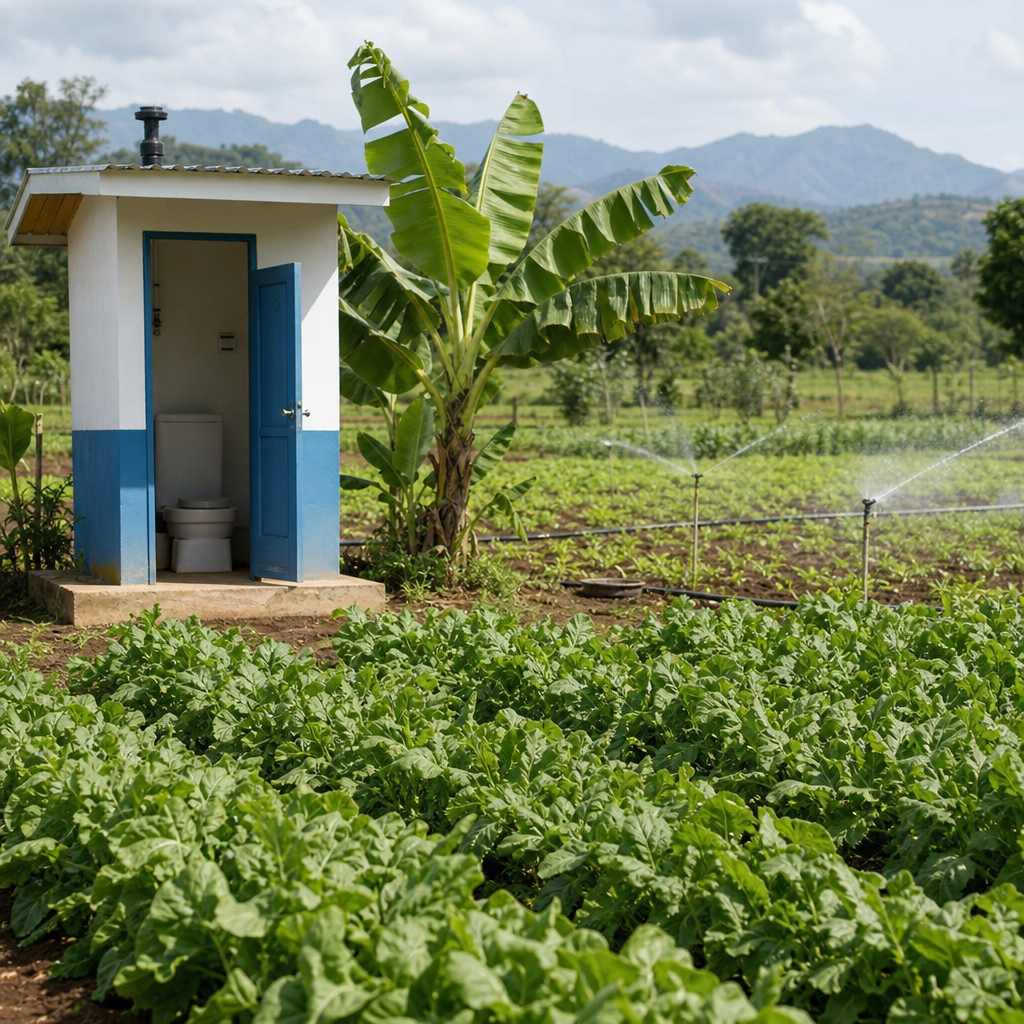
EcoSan as a solution to agricultural pollution is no longer a niche idea for sanitation specialists; it is a practical strategy for farms, rural communities, and planners trying to cut nutrient runoff, protect water, and recover resources that conventional waste systems often discard. EcoSan, short for ecological sanitation, treats human excreta and household organic waste as materials to be safely processed and returned to productive use rather than flushed away as a liability. In the field, that means separating waste streams, reducing pathogen risks through controlled treatment, and converting nutrients such as nitrogen, phosphorus, and potassium into soil inputs that can support crops. I have seen this shift change conversations with growers from disposal costs and contamination fines to nutrient budgets, soil health, and water stewardship.
Agricultural pollution is the contamination of soil, rivers, lakes, groundwater, and coastal areas by farming-related substances or by nutrient overload linked to land management. The main pollutants are excess nitrogen and phosphorus, pathogens, sediment, pesticides, salts, and organic matter that depletes oxygen in water. While fertilizers and manure are usually discussed first, poorly managed sanitation also contributes to the same problem set. Untreated sewage, leaking pits, open defecation, and unsafe sludge disposal can load farmsheds with nutrients and microbes, especially where villages, worker housing, and cropland share the same watershed. That overlap is why sustainable practices in sanitation belong inside any serious environmental impact strategy for agriculture.
This hub article explains how EcoSan works, where it fits among sustainable sanitation options, and why it matters for agricultural pollution control. It also serves as a guide to the wider subtopic of sustainable practices in sanitation, bringing together the core concepts behind source separation, composting toilets, urine diversion, fecal sludge treatment, biosolids management, constructed wetlands, and nutrient recovery. The central principle is simple: when sanitation systems prevent leakage and recover nutrients safely, they reduce pollution pressure while creating value. The hard part is implementation, because performance depends on design, maintenance, climate, regulation, farmer acceptance, and public health safeguards. Understanding those tradeoffs is essential before choosing any system at household, community, or farm scale.
Why does this matter now? Because the old separation between sanitation planning and agricultural planning is failing under water stress, eutrophication, fertilizer price volatility, and tighter environmental compliance. The World Health Organization and the Food and Agriculture Organization have long emphasized the importance of safe wastewater use and pathogen control, while the United Nations has tied sanitation, water quality, and sustainable food systems together through the Sustainable Development Goals. In practical terms, communities need solutions that protect health first, reduce pollution second, and recover resources third. EcoSan can do that when it is designed around treatment barriers, local behavior, and measurable reuse pathways rather than idealistic assumptions.
What EcoSan means in sustainable sanitation
EcoSan is best understood as a design philosophy rather than a single toilet model. Its goal is to close nutrient loops and minimize environmental damage by treating excreta close to the source, separating flows where useful, and matching treatment outputs to safe reuse. The most common systems include urine-diverting dry toilets, composting toilets, dehydration vaults, and small-scale treatment units that process fecal sludge into compost-like material or fuel. In each case, the sanitation chain matters: user interface, collection, storage, treatment, transport if needed, and final reuse or disposal. A toilet alone is not an EcoSan system unless every step protects health and prevents leakage.
For agricultural pollution, the relevance is direct. Nitrogen and phosphorus are valuable crop nutrients, but when they escape into waterways they trigger algal blooms, oxygen depletion, fish kills, and drinking water problems. Conventional sewerage can move nutrients away from farms and into overloaded treatment plants or rivers. Unlined pits and unmanaged sludge can leak them into groundwater or drainage channels. EcoSan aims to intercept those nutrients before they become pollutants. Urine diversion is especially important because urine contains most of the nitrogen and a large share of the phosphorus and potassium excreted by humans, yet it is usually low in pathogens compared with feces. Separating it makes treatment and reuse easier.
In projects I have reviewed, success came when implementers stopped presenting EcoSan as a moral upgrade and started presenting it as infrastructure with defined performance targets. Households needed clear instructions, storage times, ash or cover material protocols, and service support. Farmers needed proof that treated outputs were consistent enough to fit cropping schedules. Regulators needed evidence on pathogen reduction, metal content, and application rates. Sustainable sanitation works when responsibilities are visible and when the resource recovery claim is supported by monitoring, not slogans.
How EcoSan reduces agricultural pollution at the source
EcoSan reduces agricultural pollution through four mechanisms: nutrient capture, pathogen containment, water conservation, and reduced loading to fragile watersheds. Nutrient capture matters because every kilogram of nitrogen or phosphorus recovered into a controlled fertilizer stream is a kilogram less likely to wash untreated through settlements into creeks or irrigation canals. Pathogen containment matters because fecal contamination on fields or in drainage systems can spread helminths, bacteria, protozoa, and viruses to farm workers, produce, and livestock. Water conservation matters because dry or low-water systems reduce wastewater volumes, lowering the burden on treatment and reducing sewage overflows during storms.
A practical example is a village edge settlement near intensive vegetable production. With conventional pits, leakage can carry nitrate into shallow groundwater used for irrigation and household supply. During rainy periods, overflow can move fecal bacteria into drainage ditches that run through fields. A urine-diverting dry toilet with sealed storage and scheduled collection changes that pathway. Urine can be stored to inactivate most pathogens and then applied according to crop nutrient demand. Fecal material can be dehydrated, composted further, or sent to a treatment site. The result is less uncontrolled discharge and more predictable nutrient management.
EcoSan also helps address diffuse pollution, which is harder to regulate than a single pipe outfall. Agricultural watersheds often contain scattered homes, labor camps, schools, and market centers that are not connected to centralized sewers. Their sanitation failures accumulate into significant loads of nutrients and microbes. By using decentralized systems with local treatment, communities can cut those loads where they originate. That is especially valuable in areas with thin soils, karst geology, high water tables, or seasonal flooding, where conventional pits pose a high contamination risk.
| EcoSan practice | Pollution problem addressed | Agricultural benefit | Key limitation |
|---|---|---|---|
| Urine diversion | Uncontrolled nitrogen and phosphorus discharge | Recoverable liquid fertilizer for cereals, fodder, and trees | Requires storage, handling acceptance, and dosing guidance |
| Composting or dehydration of feces | Pathogen spread and sludge dumping | Safer soil amendment after adequate treatment | Treatment quality varies with moisture, temperature, and management |
| Container-based sanitation with off-site treatment | Leakage from pits in dense or flood-prone areas | Centralized quality control for reuse products | Needs reliable collection logistics and service financing |
| Constructed wetlands for greywater | Organic load and nutrient runoff from wash water | Cleaner water for landscape or restricted irrigation reuse | Needs land, maintenance, and pretreatment |
Core sustainable practices in sanitation that support EcoSan
Sustainable practices in sanitation extend beyond toilets. The hub concepts include source separation, safe containment, decentralized treatment, resource recovery, water-efficient conveyance, and end-use controls. Source separation means keeping urine, feces, greywater, and sometimes food waste apart when doing so improves treatment efficiency. Safe containment means tanks, vaults, or containers that do not leak into soil or floodwater. Decentralized treatment means handling waste near the point of generation instead of relying entirely on distant sewer networks. Resource recovery means turning treated outputs into fertilizer, compost, energy, or reclaimed water. End-use controls mean rules for where, when, and how recovered products are applied.
Composting toilets and dehydration toilets are often grouped together, but they are not identical. True composting requires biological decomposition under managed conditions with adequate carbon balance, aeration, and time. Many household units marketed as composting toilets mostly dehydrate material, which can reduce volume and some pathogen risks but may not produce fully stabilized compost. That distinction matters for agriculture, because partially treated material should not be spread casually on food crops. In contrast, urine diversion can be highly effective when application rates are tied to crop uptake and storage periods follow recognized guidance.
Constructed wetlands, anaerobic digesters, and fecal sludge treatment plants also sit within the sustainable sanitation landscape. Wetlands can polish greywater or treated effluent, reducing suspended solids and some nutrients before reuse or discharge. Digesters can process organic waste and some sludges into biogas and digestate, though pathogen reduction and digestate management still require care. Fecal sludge treatment plants are critical where pit emptying occurs, because emptying without treatment simply relocates pollution. The strongest EcoSan programs treat these components as linked infrastructure rather than isolated pilots.
Public health safeguards and treatment standards
No discussion of sanitation and agriculture is credible without putting health protection first. Reuse is only beneficial when treatment and handling reduce pathogens to acceptable levels. The World Health Organization’s Sanitation Safety Planning framework and its guidance on safe use of wastewater, excreta, and greywater provide a practical model: identify hazards across the whole chain, apply multiple barriers, and verify performance. Those barriers can include toilet design, storage time, dehydration, composting temperatures, protective equipment, restricted crop choice, application methods that avoid edible plant surfaces, withholding periods before harvest, and hand hygiene.
Helminth eggs are a major concern in many settings because they persist in the environment and can survive inadequate treatment. Bacterial pathogens such as Salmonella and pathogenic E. coli, protozoa, and viruses also matter, though their survival profiles differ. Temperature, pH, moisture, ammonia concentration, and time all influence inactivation. That is why simple labels such as organic or natural are meaningless in sanitation. A treated product should be judged by process control and testing where feasible. Metals and emerging contaminants may also require assessment, especially when waste streams are mixed with industrial inputs or urban sludge.
In field programs, the most reliable systems are not always the most technically advanced; they are the ones users can operate consistently. A sophisticated separation toilet fails if urine pipes clog, cover material runs out, or collection is irregular. A simple container-based service can outperform a complex on-site system if it keeps waste sealed and sends it to a competent treatment plant. For agricultural use, documentation matters. Farmers and extension officers need to know storage duration, nutrient content, recommended crops, and application precautions.
Economic, social, and policy factors that determine success
EcoSan succeeds when incentives align across households, service providers, farmers, and regulators. The economic case often starts with avoided costs: less groundwater contamination, fewer desludging emergencies, lower fertilizer purchases, and reduced burden on wastewater infrastructure. In regions where fertilizer prices are volatile, recovered urine and composted organics can become meaningful inputs, particularly for smallholders. Still, savings are not automatic. Collection vehicles, treatment sites, vault maintenance, user training, and monitoring all cost money. The business model may involve household fees, municipal support, carbon or nutrient credit pilots, or revenues from sale of soil products.
Social acceptance is equally decisive. Many programs fail because they underestimate taboos around handling excreta or because they ask users to maintain systems without clear benefits. Acceptance improves when designs are convenient, odor is controlled, and messages focus on cleanliness, farm productivity, and water protection rather than ideology. Demonstration plots help. Farmers who see maize, bananas, timber seedlings, or fodder grass respond to nutrient recovery more readily than those offered abstract sustainability claims. In my experience, involving women, school managers, and local masons early improves both design quality and long-term use.
Policy can either unlock or block adoption. Building codes may not recognize urine diversion or container-based sanitation. Agricultural regulations may classify treated products in ways that prevent legal reuse. On the other hand, nutrient management rules, watershed protection plans, and circular economy policies can support EcoSan by creating standards for treatment, transport, labeling, and application. The best public frameworks set performance targets instead of prescribing one technology. They allow different sanitation systems to compete as long as they protect health and water quality.
Where EcoSan fits in the environmental impact agenda
As a sub-pillar hub within environmental impact, sustainable practices in sanitation connect directly to water quality, soil restoration, climate resilience, biodiversity protection, and resource efficiency. EcoSan is not a universal replacement for sewers or for all on-farm manure systems, but it fills important gaps where centralized treatment is unavailable, unaffordable, or environmentally mismatched. It is especially relevant in peri-urban agriculture, rural institutions, climate-stressed regions, and watersheds with chronic nutrient loading. The most important insight is that sanitation choices shape agricultural pollution outcomes just as surely as fertilizer plans and manure storage do.
For readers building out this topic cluster, the next questions are practical: Which EcoSan system suits dense settlements? How safe is urine fertilizer? How should composting toilets be maintained? What standards govern biosolids reuse? When do constructed wetlands make sense? Answering those questions in dedicated pages strengthens decision-making, but the hub principle remains constant: sustainable sanitation works when waste is contained, treated, and reused or discharged under verifiable controls. If you are evaluating ways to reduce agricultural pollution, include sanitation in the assessment, map the full waste pathway, and prioritize solutions that recover nutrients without compromising health.
Frequently Asked Questions
What is EcoSan, and how does it help reduce agricultural pollution?
EcoSan, or ecological sanitation, is an approach that treats human excreta and organic household waste as recoverable resources instead of waste streams to be flushed away and diluted. In practical terms, EcoSan systems are designed to safely capture, treat, and reuse nutrients such as nitrogen, phosphorus, and potassium that would otherwise enter rivers, lakes, groundwater, or coastal areas through poorly managed sewage or runoff. This matters for agriculture because nutrient pollution is one of the main drivers of algal blooms, declining water quality, soil imbalance, and ecosystem stress.
By separating, sanitizing, and reusing these materials, EcoSan helps close the nutrient loop. Rather than allowing nutrients to escape into the environment, they can be converted into compost, soil amendments, or fertilizers for crops, trees, or non-food plantings, depending on local regulations and treatment standards. That reduces pressure on conventional fertilizer use, lowers the risk of contamination from unmanaged waste, and supports more circular farm systems. In regions where agricultural pollution is linked to both livestock waste and inadequate sanitation infrastructure, EcoSan can be especially valuable because it addresses nutrient leakage at the source while creating a practical reuse pathway.
How does EcoSan compare with conventional sanitation systems in farming and rural areas?
Conventional sanitation systems typically focus on transporting waste away from homes or facilities, often by using large volumes of water and centralized treatment processes. While that model can work well in urban settings with strong infrastructure, it is often expensive, water-intensive, and less practical in rural or agricultural regions where sewer networks are limited or absent. It also tends to treat nutrients in human waste as a disposal problem rather than as a resource that can be recovered and reused.
EcoSan takes a different approach. It emphasizes source separation, low-water or dry sanitation options, localized treatment, and safe resource recovery. For farms and rural communities, this can mean lower infrastructure costs, reduced dependence on water for flushing, and greater control over nutrient management. Instead of contributing to downstream pollution through leakage, overflow, or insufficient treatment, EcoSan systems can be integrated into broader land management strategies that improve soil fertility and reduce nutrient discharge into nearby waterways.
That said, EcoSan is not a one-size-fits-all replacement for every conventional system. Its success depends on thoughtful design, user participation, maintenance, pathogen reduction, and compliance with health and environmental standards. When those pieces are in place, EcoSan can outperform conventional approaches in settings where water conservation, decentralized sanitation, and nutrient recovery are priorities.
Is EcoSan safe to use, especially when recycled materials are applied in agriculture?
Yes, EcoSan can be safe when systems are properly designed, operated, and monitored. Safety depends on effective treatment processes that reduce or eliminate pathogens before reuse. Depending on the system, this may involve dehydration, composting, storage, pH treatment, heat, or a combination of methods. The goal is to transform excreta and organic waste into materials that meet health guidelines for their intended agricultural use.
The key point is that EcoSan is not about applying raw waste directly to land. Responsible EcoSan systems follow clear sanitation barriers and treatment timelines to ensure that harmful organisms are sufficiently controlled. In many cases, the final products are best suited for soil improvement, forestry, landscaping, or certain crop applications based on local public health rules. Site conditions, crop type, climate, storage duration, and handling protocols all influence what level of reuse is appropriate.
From an agricultural pollution perspective, safety also includes protecting groundwater, surface water, and surrounding soils. Well-managed EcoSan systems are designed to prevent leaks, uncontrolled runoff, and nutrient overload. Regular training, system inspection, and adherence to local standards are essential. When managed professionally, EcoSan can offer a safer alternative to open dumping, poorly lined pits, failing septic systems, or untreated discharge that contributes directly to environmental contamination.
What are the main environmental and economic benefits of EcoSan for farms and rural communities?
The environmental benefits of EcoSan are significant. First, it reduces nutrient runoff by capturing nitrogen and phosphorus before they enter water bodies. That can help limit eutrophication, fish kills, and algal blooms that damage aquatic ecosystems and create public health risks. Second, EcoSan supports soil health by returning stabilized organic matter and nutrients to the land, which can improve soil structure, moisture retention, and long-term fertility. Third, many EcoSan systems use little or no water for transport, which is a major advantage in drought-prone or water-stressed agricultural areas.
Economically, EcoSan can lower costs associated with fertilizer inputs by recovering nutrients that would otherwise be lost. For smallholders and rural households, this can improve resilience against rising fertilizer prices and supply disruptions. It may also reduce expenses linked to sewer expansion, water use, and waste hauling. In some cases, communities can create local value chains around composting, treatment services, and nutrient reuse, turning a sanitation challenge into a productive asset.
There are also indirect financial benefits. Cleaner local water can reduce treatment costs, improve livestock and crop productivity, and help farms meet sustainability requirements demanded by buyers, regulators, or certification programs. While there are upfront costs for system installation, training, and ongoing management, many communities find that the long-term environmental protection and resource recovery benefits make EcoSan a strong investment, especially where conventional sanitation is costly or ineffective.
What does it take to implement EcoSan successfully as part of an agricultural pollution reduction strategy?
Successful EcoSan implementation requires more than installing toilets or treatment units. It works best when sanitation planning is connected to agricultural nutrient management, water protection goals, and community participation. That means selecting technologies suited to local climate, soil, water table conditions, cultural preferences, land availability, and maintenance capacity. A system that performs well in one region may not be the best option in another, so local assessment is essential.
Training and user acceptance are just as important as engineering. People need to understand how the system works, why separation and correct use matter, how treatment protects health, and how recovered products should be handled and applied. Farmers and land managers also need guidance on nutrient content, application timing, crop suitability, and how to avoid overapplication. Without that operational knowledge, even a well-designed EcoSan system can fall short of its environmental goals.
Strong implementation also depends on governance and standards. Local authorities, agricultural agencies, public health officials, and community organizations often need to coordinate on permitting, treatment requirements, monitoring, and reuse rules. In the best cases, EcoSan is integrated into wider watershed protection and circular economy strategies, helping communities reduce pollution while recovering valuable resources. When planning, education, maintenance, and regulation are aligned, EcoSan becomes a practical and scalable tool for reducing agricultural pollution rather than just an experimental concept.