Natural disasters expose the weakest points in sanitation systems, and those failures quickly become public health emergencies. Floods inundate pit latrines, earthquakes rupture sewer mains, cyclones disable treatment plants, and droughts make conventional flushing impossible. EcoSan, short for ecological sanitation, offers a different model: treat human waste as a resource, separate waste streams where useful, conserve water, and recover nutrients safely. In disaster-prone regions, that approach is not only environmentally sound; it can be more resilient, faster to restore, and less dependent on fragile centralized infrastructure.
In my work reviewing sanitation planning for floodplains, informal settlements, and peri-urban schools, the same lesson keeps appearing: resilience begins with system design long before an emergency. A sanitation system is resilient when it continues functioning during shocks, protects users and downstream ecosystems, and can be repaired with locally available materials and skills. EcoSan systems can include urine-diverting dry toilets, composting toilets, container-based sanitation, decentralized wastewater treatment, greywater reuse, and fecal sludge treatment designed for nutrient recovery. Not every EcoSan option fits every hazard, but the framework helps communities reduce contamination pathways while advancing environmental sustainability with EcoSan as an everyday practice rather than a temporary fix.
This matters because sanitation failures after disasters have cascading consequences. The World Health Organization and UNICEF consistently link inadequate sanitation to diarrheal disease, groundwater contamination, malnutrition, and lost school and work days. After floods, pathogens move rapidly through standing water and damaged drainage networks. After earthquakes, broken pipes and power outages can halt treatment and force raw sewage into streets or rivers. Climate change is intensifying extreme rainfall, heat, drought, and coastal flooding, which means sanitation systems must now be designed for more volatile conditions. A hub article on advancing environmental sustainability with EcoSan therefore has to connect emergency preparedness, routine service delivery, resource recovery, and ecosystem protection in one practical framework.
At its core, EcoSan asks a straightforward question: how can sanitation protect health while closing material loops instead of wasting water and nutrients? Human excreta contain nitrogen, phosphorus, potassium, organic matter, and moisture. Conventional sewer-based systems often dilute these materials with large volumes of water and transport them through expensive networks that are vulnerable to damage. EcoSan aims to manage excreta safely near the point of generation or through decentralized chains, then convert outputs into compost, soil conditioner, irrigation water, biogas feedstock, or treated effluent, depending on the technology. For communities exposed to disasters, this decentralization can reduce single points of failure and create multiple recovery pathways when one component is disrupted.
Why EcoSan strengthens disaster resilience
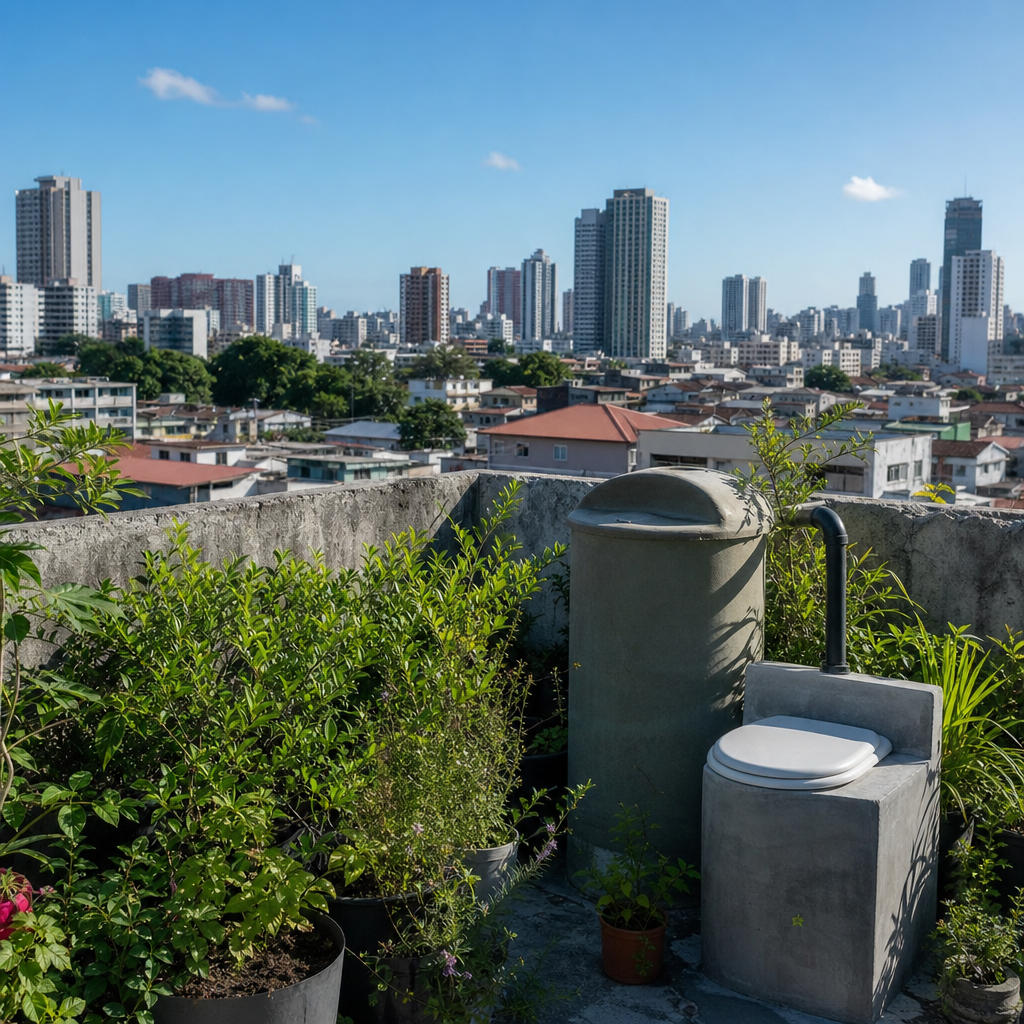
EcoSan strengthens resilience because it reduces dependence on continuous water supply, uninterrupted electricity, and long underground conveyance networks. A urine-diverting dry toilet, for example, can keep operating during a drought or after an earthquake when pumps fail. Raised composting vaults can be protected above flood levels more easily than deep pits. Container-based sanitation can continue service in dense settlements where flooding makes emptying impossible for vacuum trucks. Decentralized wastewater treatment units, including planted gravel filters and anaerobic baffled reactors, can isolate failures and prevent a citywide breakdown.
Resilience also comes from modularity. Instead of one treatment plant serving hundreds of thousands of people, EcoSan often uses smaller units distributed across neighborhoods, schools, markets, or health posts. If one module is damaged, others still operate. This is the same logic used in resilient energy systems that combine local microgrids with central supply. In sanitation, modularity improves continuity, simplifies repairs, and allows phased upgrades as funding becomes available. It also supports targeted adaptation: coastal areas may emphasize raised systems and salinity-tolerant reuse, while arid inland settlements may prioritize urine diversion and greywater recycling.
Another advantage is environmental performance. Conventional disaster responses often rely on trench latrines, chemical toilets, or emergency discharge, all of which solve an immediate problem but can create secondary pollution. Properly managed EcoSan reduces nutrient losses to waterways, lowers freshwater demand, and can improve soil structure through compost application. Those benefits matter between disasters as much as during them. A sanitation system that protects rivers, reduces eutrophication, and conserves water is already contributing to community resilience because healthy ecosystems buffer flood peaks, support agriculture, and recover faster after shocks.
Hazard-specific design: flood, drought, earthquake, and storm contexts
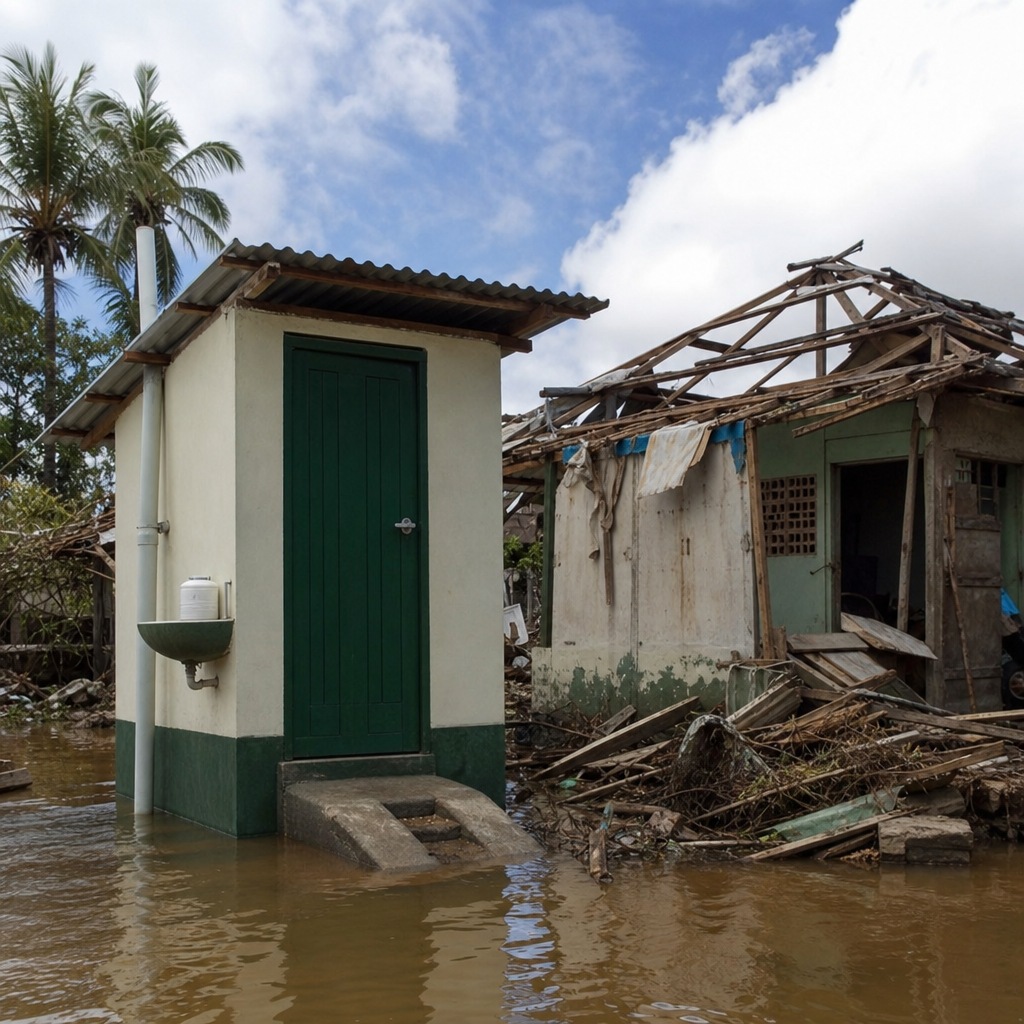
The right EcoSan system depends on the hazard profile. In flood-prone areas, the priority is preventing excreta from entering floodwater and groundwater. That usually means avoiding unlined pits below the water table, elevating toilets and storage chambers, sealing containers, and ensuring access routes for collection during wet seasons. In Bangladesh and parts of coastal India, raised latrines on mounds or plinths have been used to reduce flood contamination. For EcoSan, elevated urine-diverting toilets with secure storage can perform well if the superstructure is anchored and washwater is directed away from chambers.
In drought-prone regions, dry or very low-water systems are often the most resilient option. Urine-diverting dry toilets can drastically reduce or eliminate flushing demand, which is critical where households face intermittent supply or long collection times. I have seen schools choose dry systems not because they were ideologically committed to resource recovery, but because keeping flush toilets operational through repeated water shortages was simply unrealistic. Where users are trained properly and cleaning protocols are clear, these systems can remain hygienic and acceptable. Greywater reuse from handwashing and bathing can supplement irrigation of trees or non-food crops, easing pressure on scarce water.
Earthquake-prone areas create a different design challenge. Underground sewer lines, pump stations, and treatment works are vulnerable to structural failure, liquefaction, and power loss. Decentralized aboveground or shallow systems with flexible joints and accessible inspection points are easier to inspect and restore. Composting units, urine storage tanks, and small-bore decentralized treatment can be sited away from unstable slopes and built with reinforced slabs. The design objective is not that nothing breaks; it is that damage is visible, contained, and repairable without waiting for a citywide utility response.
For cyclone and hurricane zones, wind resistance and service logistics matter alongside water management. Toilet superstructures need tie-downs, corrosion-resistant fasteners, and roof detailing that can withstand uplift. Container-based systems can be particularly useful in dense coastal settlements because waste can be sealed before a storm and removed quickly afterward if road access returns. Saltwater intrusion must also be considered. If groundwater becomes brackish, conventional flush systems may fail due to reduced supply, while decentralized systems that depend less on potable water retain service continuity.
Core EcoSan technologies and where they fit best
EcoSan is not a single device. It is a family of approaches chosen according to soil conditions, density, user preferences, operation capacity, and end-use markets for recovered products. Urine-diverting dry toilets work well where water is limited and where users can manage separate collection. Composting toilets are suitable when carbon cover material such as sawdust, rice husk, or ash is consistently available and temperatures support pathogen reduction over time. Container-based sanitation is effective in informal settlements, rocky terrain, and high water table zones because it decouples toilet use from onsite infiltration.
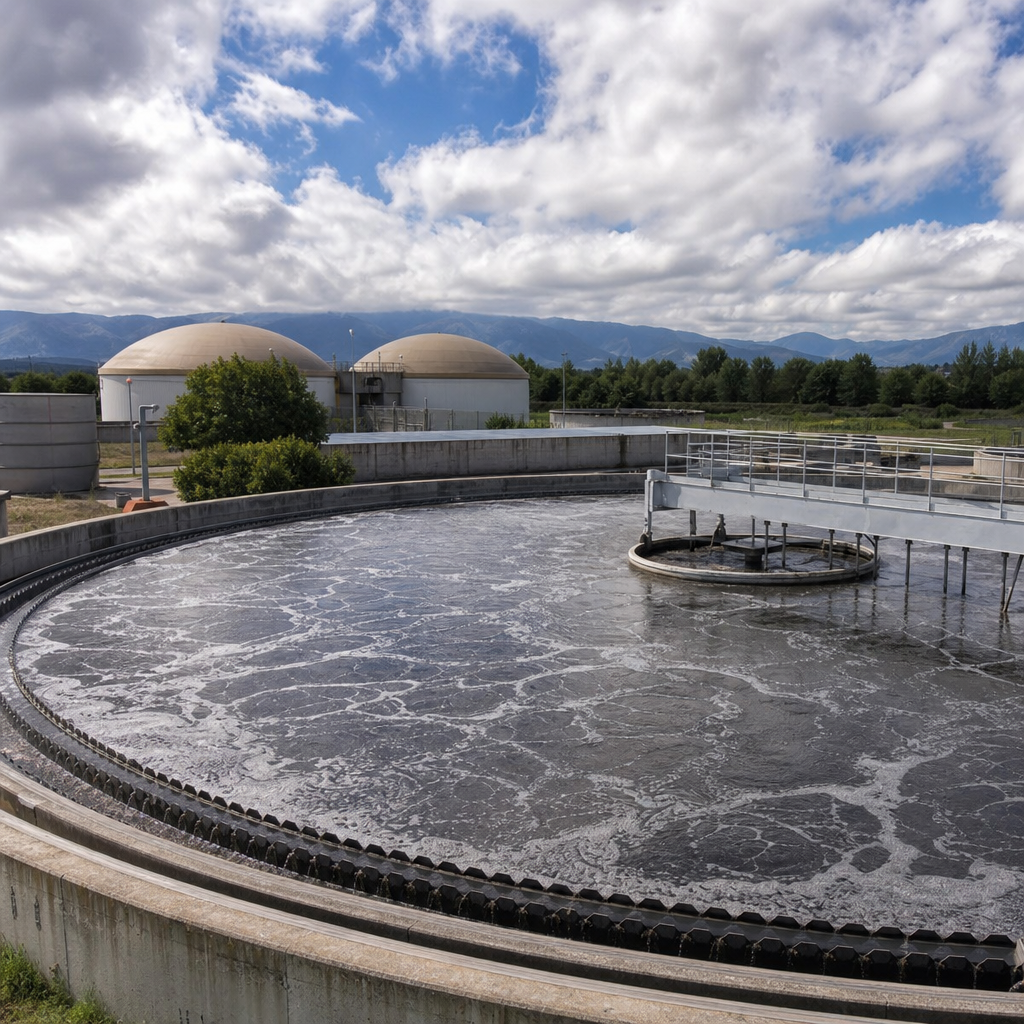
Decentralized wastewater treatment systems can complement onsite toilets where some waterborne flows remain necessary. Anaerobic baffled reactors, constructed wetlands, settling tanks, and planted drying beds can treat blackwater or mixed wastewater at cluster scale. These systems are common in schools, institutions, ecotourism sites, and peri-urban housing where full sewers are unaffordable or impractical. Fecal sludge treatment facilities then complete the chain by stabilizing solids, drying them, and producing compost-like material or fuel briquettes under controlled conditions. The most resilient projects map the full sanitation service chain: capture, storage, transport, treatment, reuse, and safe final disposal when reuse is not possible.
| EcoSan option | Best-fit conditions | Resilience benefit | Key limitation |
|---|---|---|---|
| Urine-diverting dry toilet | Drought areas, rocky ground, water-scarce schools | Operates without flushing water | User training and maintenance discipline required |
| Raised composting toilet | Flood-prone zones, high water table sites | Reduces groundwater contamination risk | Needs cover material and protected chambers |
| Container-based sanitation | Dense informal settlements, emergency recovery settings | Sealed waste collection during access disruptions | Requires reliable service logistics |
| Decentralized wastewater treatment | Institutions, cluster housing, peri-urban developments | Limits systemwide failure and supports reuse | Needs trained operators and land allocation |
No technology is universally superior. In practice, the strongest sanitation plans blend options. A flood-prone town might use raised household toilets, neighborhood transfer points for containers, and decentralized sludge treatment on higher ground. A drought-affected agricultural community might pair urine diversion with compost use in orchards and greywater infiltration basins. The hub principle behind advancing environmental sustainability with EcoSan is exactly this: start with local risk, then match technologies to service realities rather than copying a standard urban sewer model.
Public health, nutrient recovery, and environmental sustainability
Critics sometimes assume that disaster-resilient sanitation means accepting lower health protection. Well-designed EcoSan proves the opposite. The sanitation objective remains unchanged: break fecal-oral transmission, reduce exposure to pathogens, and protect water sources. What changes is the engineering pathway. Safe storage times, temperature management, pH conditions, dehydration, compost maturation, and sludge treatment standards all matter. WHO guidance on the safe use of wastewater, excreta, and greywater is especially relevant because it emphasizes multiple barriers: treatment, handling controls, crop restrictions where needed, and hygiene behavior. Resource recovery is beneficial only when these barriers are respected.
Nutrient recovery is one of EcoSan’s major environmental strengths. Phosphorus is a finite resource, and agriculture depends heavily on mined phosphate and synthetic nitrogen fertilizers. Urine contains most of the nitrogen and a large share of the phosphorus and potassium excreted by humans. When sanitized and applied correctly under local regulations, those nutrients can support tree crops, fodder, or soil restoration. Compost from treated solids can improve soil organic carbon, infiltration, and moisture retention, which is particularly valuable after drought and erosion. In communities rebuilding after a disaster, that link between sanitation and agriculture can support both recovery and long-term sustainability.
There are climate benefits as well. EcoSan can lower energy use by reducing pumping and centralized treatment demands. It can reduce methane generation when organic material is managed aerobically or directed into controlled anaerobic systems for biogas recovery. It can also avoid emissions associated with manufacturing and transporting some synthetic fertilizers. These gains should not be exaggerated; actual performance depends on treatment quality, transport distances, and user compliance. Still, when compared with failing pit latrines, tanker-dependent emergency toilets, or broken sewer systems discharging untreated waste, resilient EcoSan often delivers a measurably better environmental outcome.
Implementation lessons: governance, operations, and community acceptance
The hardest part of EcoSan is rarely the toilet itself. It is the operating model. Systems fail when municipalities install units without a plan for collection, spare parts, user education, occupational safety, and financing. Successful programs define responsibilities across the sanitation chain. Households need clear cleaning instructions. Service providers need routes, transfer stations, protective equipment, and payment systems. Regulators need standards for storage, transport, treatment, and reuse. Farmers or landscapers need confidence in product quality. Without that governance backbone, even technically sound designs degrade quickly.
Community acceptance depends on convenience, privacy, odor control, and social norms as much as environmental messaging. In school and camp settings, I have seen uptake improve dramatically when designers included handwashing, menstrual hygiene features, lighting, and easy-to-clean surfaces instead of treating the toilet as a standalone artifact. Messaging also matters. People respond better when EcoSan is framed as reliable, clean, and practical during disasters than when it is presented only as a moral duty to recycle nutrients. Demonstration sites, peer educators, and transparent maintenance records build trust faster than brochures.
Financing should reflect resilience value. A system that prevents flood contamination, reduces water demand, and recovers useful products creates public benefits beyond the household plot. That justifies blended finance, municipal support, climate adaptation funds, or results-based subsidies in many contexts. Monitoring is equally important. Track fill rates, downtime, pathogen indicators where applicable, user satisfaction, collection reliability, and reuse volumes. Those data make future investments smarter and help decision-makers compare EcoSan fairly with conventional alternatives. If your organization is building an environmental impact strategy, use this hub to evaluate technologies, service chains, and recovery models, then develop a local EcoSan roadmap before the next disaster tests your sanitation system.
Frequently Asked Questions
How do natural disasters affect conventional sanitation systems, and why does EcoSan offer a more resilient alternative?
Natural disasters tend to expose every weakness in conventional sanitation at once. During floods, pit latrines can overflow and spread pathogens into homes, wells, and surface water. In earthquakes, buried sewer pipes may crack or collapse, causing sewage leaks that are difficult to detect and even harder to repair quickly. Cyclones and storms often knock out electricity, which can disable pumping stations and treatment plants. Drought creates a different kind of failure by making water-dependent toilets impractical when flushing water is limited or unavailable. In all of these cases, sanitation breakdown can quickly trigger secondary crises such as diarrheal disease outbreaks, groundwater contamination, and unsafe living conditions in shelters and temporary settlements.
EcoSan, or ecological sanitation, is often more resilient because it does not depend as heavily on centralized infrastructure, continuous water supply, or complex energy-intensive treatment systems. Many EcoSan approaches use source separation, dry or low-water operation, and on-site containment or treatment. That means fewer vulnerable points of failure during emergencies. Instead of relying on long sewer networks and distant treatment plants, EcoSan systems can be designed as decentralized units that continue functioning even when roads, power, and water service are interrupted. Just as importantly, EcoSan frames human waste as a resource that can be safely treated and reused, which supports recovery and local self-reliance after a disaster. In disaster-prone areas, this combination of decentralization, water efficiency, and resource recovery makes EcoSan a practical resilience strategy rather than simply an environmental ideal.
What types of EcoSan systems are best suited for flood-prone, earthquake-prone, or drought-affected regions?
The best EcoSan system depends on the hazard profile, soil conditions, population density, maintenance capacity, and local cultural preferences. In flood-prone regions, raised toilets, sealed urine-diverting dry toilets, and above-ground composting or vault-based systems are often preferred because they reduce the risk of floodwater entering the waste chamber. Elevating the structure and keeping waste contained above anticipated flood levels helps prevent overflow and contamination of surrounding land and water sources. Good siting, watertight construction, and diversion of stormwater are essential design features in these settings.
In earthquake-prone areas, the priority is structural stability and minimizing dependence on buried networks that can rupture. Small-scale, decentralized EcoSan units can perform better because they avoid long sewer lines and can be built with reinforced, flexible, or modular components. Systems should be securely anchored, easy to inspect, and simple to repair if damage occurs. The goal is to prevent catastrophic failure from a single break in the network and to allow individual households, schools, clinics, or community facilities to keep operating independently.
In drought-affected regions, dry or very low-water EcoSan systems are especially valuable. Urine-diverting dry toilets and composting toilets help conserve scarce water while still providing safe sanitation. Because they separate or stabilize waste without requiring repeated flushing, they remain usable during prolonged water shortages and reduce competition between sanitation needs and drinking water needs. For areas facing multiple hazards, hybrid designs may be the strongest option. A well-planned EcoSan system can combine elevated construction, sealed containment, dry operation, and modular treatment components to address both flooding and water scarcity, or seismic risk and service disruption. The most resilient solution is rarely one-size-fits-all; it is a locally adapted design built around realistic disaster scenarios.
Can EcoSan systems protect public health during and after a disaster?
Yes, when they are properly designed, managed, and maintained, EcoSan systems can play a major role in protecting public health before, during, and after a disaster. The central public health challenge in any sanitation emergency is preventing human waste from contaminating water, food, hands, and living environments. EcoSan systems support that goal by improving containment, reducing uncontrolled discharge, and enabling safer treatment close to the point of generation. In an emergency, the ability to keep waste isolated from floodwater, groundwater, and household contact is extremely important, especially in crowded communities or displacement settings where disease can spread rapidly.
EcoSan can also improve health outcomes by reducing dependence on damaged infrastructure. If centralized sewers fail or treatment plants go offline, communities with decentralized EcoSan systems may still have functioning sanitation. That continuity matters because even a short disruption can lead to open defecation, overflowing waste pits, or improvised unsafe disposal. Some EcoSan approaches also make it easier to manage fecal sludge and urine separately, which can simplify treatment and reduce the volume of hazardous material requiring urgent transport.
That said, EcoSan is not automatically safe just because it is ecological. Public health protection depends on correct use, proper storage or treatment times, handwashing facilities, safe emptying procedures, and clear user education. Pathogen reduction must be taken seriously, especially after disasters when systems may be overloaded or maintenance routines disrupted. The strongest EcoSan programs pair infrastructure with training, monitoring, and emergency protocols so that sanitation remains safe under stress. In other words, EcoSan protects health not only through technology, but through preparedness and disciplined operation.
What role does resource recovery play in EcoSan resilience after a natural disaster?
Resource recovery is one of the defining advantages of EcoSan, and it becomes even more meaningful during disaster recovery. Traditional sanitation systems are usually designed around disposal: move waste away and treat it elsewhere. EcoSan shifts the focus toward safe recovery of nutrients, organic matter, and in some cases water. After a disaster, communities often face disrupted supply chains, damaged farmland, reduced household income, and shortages of agricultural inputs. Systems that can safely recover nutrients from human waste may help support local food production and reduce reliance on outside fertilizer supplies during rebuilding.
This does not mean untreated waste should ever be applied directly to land. Safe resource recovery requires proper treatment, adequate storage, and adherence to health safeguards. But when those steps are built into the system, the end products can have practical value. Urine, for example, contains significant nutrients and can be managed for agricultural reuse under controlled conditions. Treated composted solids may contribute to soil improvement where regulations, treatment standards, and local practices allow. This resource-oriented model can turn sanitation from a constant emergency cost into part of a broader resilience strategy that links health, agriculture, water conservation, and livelihoods.
There is also a systems-level benefit. Communities that recover value from sanitation are often more willing to maintain the infrastructure over time, which improves long-term functionality. That sustained attention matters in disaster-prone areas, where neglected systems fail first. Resource recovery therefore strengthens resilience in two ways: it creates useful outputs during recovery, and it gives communities an ongoing incentive to keep sanitation systems operational, safe, and locally relevant before the next hazard strikes.
What should communities and planners consider when implementing EcoSan in disaster-prone areas?
Successful EcoSan implementation in disaster-prone areas starts with risk-aware planning. Communities and planners need to assess which hazards are most likely, how often they occur, and how severe they can be. Flood depth, groundwater levels, soil type, slope, seismic risk, storm exposure, and seasonal water scarcity all influence which system design is appropriate. It is also important to understand how the community currently uses toilets, who is responsible for maintenance, what emptying services exist, and whether there are local rules governing reuse, waste transport, and treatment. A technically sound system can still fail if it does not match local behavior, affordability, or institutional capacity.
Design considerations should include accessibility, structural safety, water independence where possible, ventilation, vector control, privacy, and ease of cleaning. Storage and treatment components should be sized for realistic usage patterns, including emergency surges. In schools, health centers, and shelters, planners should think beyond normal daily demand and consider what happens during mass displacement or prolonged service outages. Spare parts, operator training, sludge handling procedures, and backup plans for extreme events are just as important as the toilet structure itself. EcoSan works best when it is integrated into wider disaster preparedness efforts rather than installed as a standalone sanitation project.
Community engagement is another critical factor. Users need to understand how the system works, why separation or dry operation matters, and how to use it hygienically. Local buy-in reduces misuse and helps establish maintenance routines that continue after the initial project phase. Finally, monitoring and adaptation should be built into the program. Disaster risk changes over time with climate patterns, urban growth, and land use changes. The most resilient EcoSan systems are not just installed once; they are reviewed, improved, and supported as living infrastructure that protects health and dignity under difficult conditions.