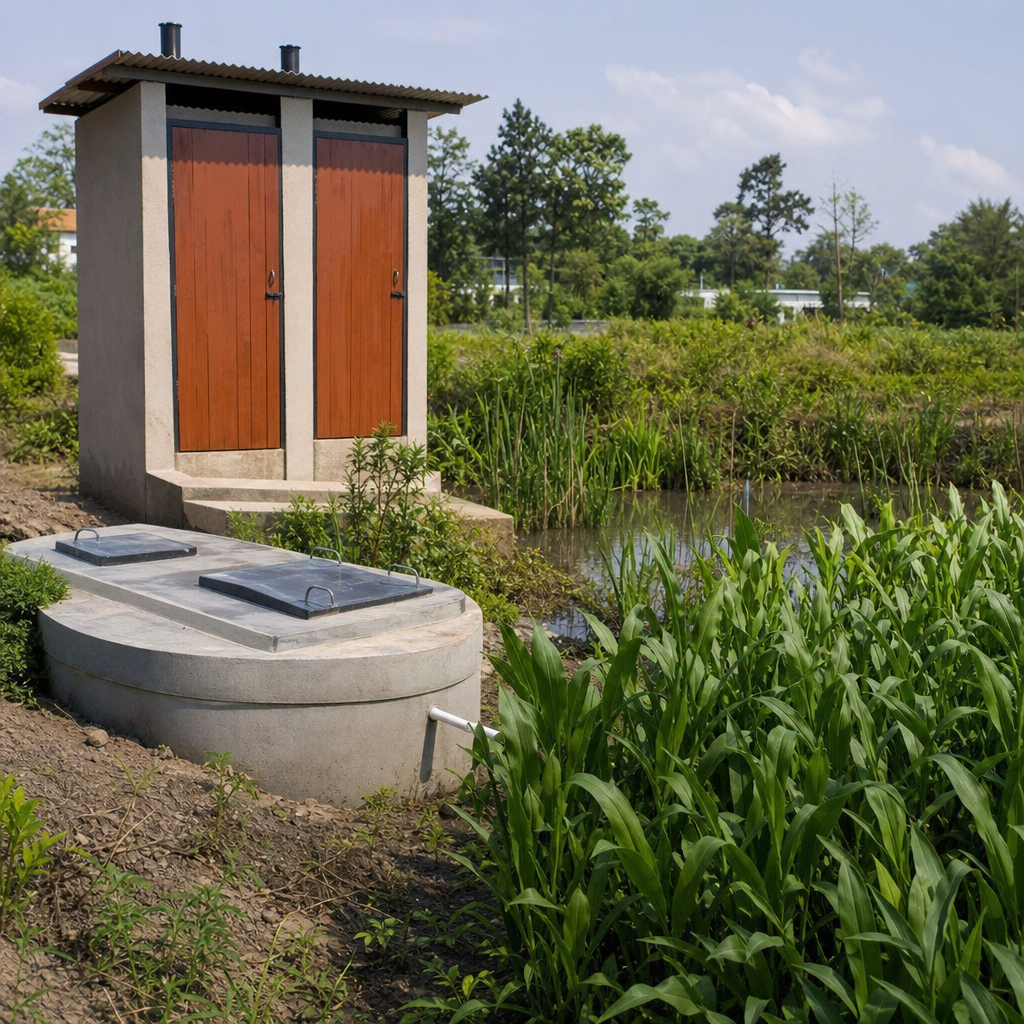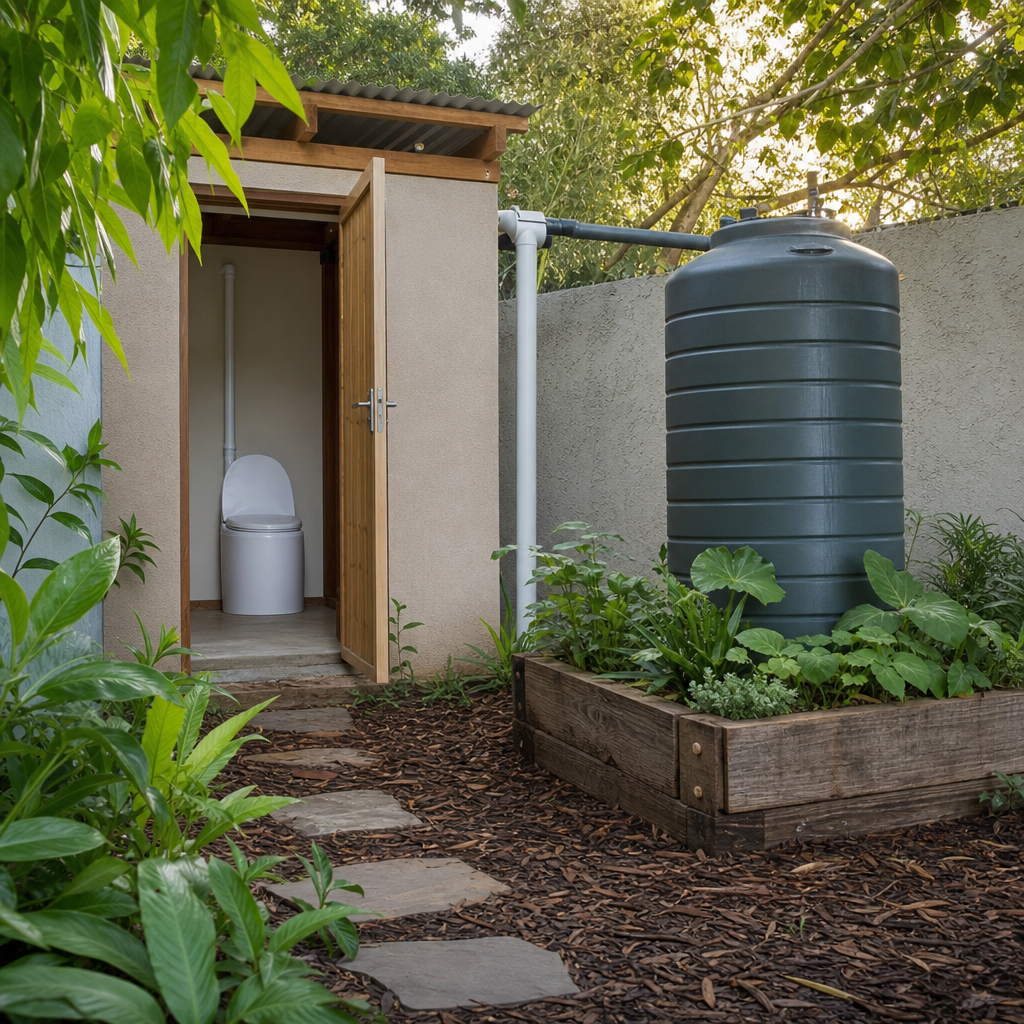
Coral reefs are among the most productive ecosystems on Earth, yet they are highly vulnerable to pollution from poorly managed human waste. EcoSan, short for ecological sanitation, offers a practical way to protect reefs by treating human excreta as a resource instead of a disposal problem. In coastal communities, islands, resorts, and reef-adjacent towns, conventional sanitation often leaks nutrients, pathogens, and chemicals into groundwater, rivers, and nearshore waters. Those pollutants fuel algal blooms, spread disease, lower oxygen levels, and weaken corals already stressed by warming seas. I have worked on sanitation planning in coastal settings where a failed septic tank upstream was enough to trigger beach closures and visible reef decline, so the connection is not abstract. It is immediate, measurable, and costly.
EcoSan systems are designed to safely contain, sanitize, and reuse nutrients and organic matter. Common approaches include urine diversion dry toilets, composting toilets, dehydrating toilets, and carefully managed fecal sludge treatment linked to agricultural reuse. The core principle is source separation and controlled treatment. Instead of flushing valuable nutrients into waterways, EcoSan captures nitrogen, phosphorus, potassium, and organic carbon for beneficial use, while reducing water demand and lowering contamination risk. That matters because reefs thrive in clear, nutrient-balanced water. Even modest increases in dissolved nitrogen can shift a reef from coral dominance to algae dominance, especially near populated coastlines with weak infrastructure.
This article explains EcoSan’s role in environmental protection with coral reef conservation at the center. It covers how wastewater damages reefs, why conventional systems underperform in many coastal areas, which EcoSan models work best, what standards and safeguards matter, and how communities can implement sustainable waste management without creating new risks. As a hub page, it also frames the wider environmental case for EcoSan: water conservation, nutrient recovery, climate resilience, soil improvement, and reduced pollution loads. If the goal is to protect coral reefs over the long term, sanitation must be treated as a frontline environmental intervention, not only a public health service.
How Poor Sanitation Damages Coral Reefs
The basic pathway is straightforward: waste escapes containment, pollutants reach coastal waters, and reef ecology changes. Untreated sewage and failing septic systems release nitrogen and phosphorus that stimulate fast-growing algae. Those algae compete with corals for light and space, trap sediments, and alter food webs. Sewage also carries pathogens, including bacteria, viruses, and protozoa, which can affect both humans and marine organisms. Studies in reef regions have linked wastewater exposure to coral disease prevalence, reduced calcification, and lower recruitment of juvenile corals. Where tourism depends on reef quality, sanitation failures quickly become economic failures as well.
Coastal geology makes the problem worse. On many small islands and limestone coasts, porous soils and shallow groundwater allow partially treated effluent to travel quickly from pit latrines or septic tanks to the sea. Heavy rain, storm surge, and flooding accelerate transport. I have seen monitoring results where nitrate levels rose sharply after the rainy season despite households technically having on-site sanitation. The infrastructure existed on paper, but hydraulic overload and poor maintenance meant nutrients still reached the lagoon. Conventional sewerage is not automatically safer if plants are undersized, power supply is unreliable, or outfalls discharge insufficiently treated effluent near reefs.
Corals are especially sensitive because nutrient pollution interacts with other stressors. Warmer water increases bleaching risk. Sedimentation reduces light. Overfishing removes herbivores that would otherwise graze algae. In that context, sewage becomes a force multiplier. A reef may tolerate one pressure for a time, but multiple pressures push it past recovery thresholds. That is why wastewater management appears in integrated coastal zone management, ridge-to-reef planning, and marine protected area strategies. Protecting reefs requires reducing land-based sources of pollution, and sanitation is one of the most controllable sources in many settlements.
Why EcoSan Fits Reef-Adjacent Communities
EcoSan is especially relevant where water is scarce, sewer expansion is unaffordable, terrain is difficult, or groundwater vulnerability makes infiltration unsafe. Dry and low-water systems reduce the volume of waste requiring transport or treatment. Source separation allows higher treatment efficiency because urine and feces have different risk and nutrient profiles. Urine contains most of the nitrogen and potassium and relatively few pathogens, while feces contain most pathogens and much of the phosphorus. Managing them separately creates options that are harder to achieve in mixed wastewater systems.
For coral reef protection, the key advantage is pollutant prevention at the source. A urine-diverting dry toilet can eliminate blackwater discharge entirely. A well-operated composting toilet avoids nutrient-rich effluent entering the subsurface. Container-based sanitation can remove waste from dense shoreline settlements where pits flood and septic systems fail. In resorts near sensitive reefs, decentralized EcoSan systems can complement greywater treatment and reduce dependence on marine outfalls. These approaches are not niche experiments. They are used in water-stressed regions, protected landscapes, ecotourism sites, and informal settlements where centralized sewerage would be slow, costly, or environmentally risky.
EcoSan also supports environmental protection beyond reefs. It reduces freshwater consumption by avoiding flush demand. It enables nutrient recovery, which lowers dependence on synthetic fertilizers produced through energy-intensive processes such as the Haber-Bosch method for nitrogen. It can improve soil structure when treated products are safely applied. And by reducing sewage generation, it can lower the load on downstream treatment plants, wetlands, or receiving waters. Those broader benefits matter because reef protection depends on whole-watershed management, not a single infrastructure asset.
Core EcoSan Models and Their Environmental Tradeoffs
No single EcoSan system suits every coastal community. Selection depends on climate, housing density, cultural acceptance, land availability, operation capacity, and end-use markets for recovered products. The best projects begin with a sanitation service chain assessment: user interface, containment, emptying, transport, treatment, reuse, and final disposal if reuse is not feasible. Weakness at any link can undermine environmental outcomes. I have seen excellent toilet designs fail because no licensed emptying service existed, and strong treatment systems underperform because users were not trained to keep inputs separated.
| EcoSan option | Best use case near reefs | Main environmental benefit | Key management requirement |
|---|---|---|---|
| Urine-diverting dry toilet | Water-scarce homes, islands, ecotourism sites | Prevents blackwater discharge and captures nutrients | Correct user separation and safe storage of urine |
| Composting toilet | Low-density settlements with space for curing | Reduces pathogen load and creates soil amendment | Moisture, carbon balance, and curing time control |
| Dehydrating toilet | Arid or seasonally dry climates | Volume reduction and easier transport | Ash or dry cover material and protected vaults |
| Container-based sanitation | Dense flood-prone coastal communities | Full waste containment and scheduled removal | Reliable collection logistics and treatment site |
Urine diversion systems are often the strongest fit for reef protection because they sharply reduce nutrient leakage. Stored urine can be sanitized through time and pH conditions and then used in agriculture according to established guidance from the World Health Organization and sanitation research institutions such as Eawag. Composting systems work well where households can manage bulking agents, aeration, and curing, but they demand disciplined operation. Container-based models are effective in dense settlements because they remove the containment risk from unstable soils, though they require a dependable service operator and financing model.
Tradeoffs are real. Poorly run composting toilets can produce odors, flies, and incomplete pathogen reduction. Reuse markets may be limited where farmers lack confidence in recovered products. Regulations in many countries still assume sewered sanitation and do not clearly permit nutrient reuse. These constraints do not invalidate EcoSan, but they make governance, training, and monitoring nonnegotiable. Reef protection depends on performance, not branding.
Design Principles That Prevent Nutrient and Pathogen Leakage
Effective EcoSan design starts with hydrogeology. In reef catchments, planners should map groundwater depth, permeability, flood exposure, and distance to wells, streams, and shorelines. Systems that rely on infiltration are generally poor choices where the water table is high or soils are karstic. Above-ground or sealed containment is often safer. Materials must withstand salt air, humidity, and intense rainfall. Ventilation is essential for odor control, but vents need insect screening and weather protection. Access for maintenance matters as much as user comfort; if vaults cannot be emptied safely, users will bypass the system.
Treatment targets should be explicit. For fecal matter, the goal is pathogen reduction through dehydration, composting, alkaline treatment, thermal drying, or longer-term storage under controlled conditions. For urine, the goals are containment, storage, and managed application rates that match crop needs. For greywater from kitchens, showers, and laundry, separate treatment is required because EcoSan toilets do not solve all household wastewater. Constructed wetlands, anaerobic baffled reactors, biofilters, and planted gravel filters can reduce organic load and suspended solids, but they must be sized correctly and maintained to avoid becoming hidden pollution sources.
Operational discipline is where projects succeed or fail. Users need simple instructions: what goes in, what stays out, how much cover material to add, when to report service issues, and why separation protects local water. Service providers need standard operating procedures, personal protective equipment, cleaning protocols, transport manifests, and emergency plans for spills. In higher-capacity programs, I recommend groundwater monitoring wells, effluent sampling where applicable, and shoreline water quality testing for indicators such as enterococci, nitrate, ammonium, and chlorophyll-a. If a project claims reef benefits, it should be able to show declining pollution loads over time.
From Waste to Resource Without Creating New Risks
The environmental promise of EcoSan depends on safe reuse. Nutrient recovery is valuable because nitrogen and phosphorus are essential for agriculture, yet both become pollutants when discharged to reefs. Urine can be used as fertilizer for non-leafy crops, orchards, timber, or fodder when storage and application guidance are followed. Treated composted solids can improve soil organic matter, water retention, and structure, especially in degraded tropical soils. In watershed terms, this closes nutrient loops that conventional sanitation breaks.
Safe reuse requires barriers. The WHO Sanitation Safety Planning framework is useful because it identifies hazards from toilet to end use and assigns control measures at each step. Typical barriers include storage time, restricted crop selection, application methods that avoid contact with edible plant parts, withholding periods before harvest, and worker hygiene protocols. Where formal agriculture markets are weak, reuse can start with municipal landscaping, tree planting, or soil restoration rather than food crops. That phased approach often builds trust faster than trying to scale farm use immediately.
Not every location needs full reuse from day one. In some reef-adjacent communities, the first environmental win is simply secure containment and off-site treatment. Reuse can follow after operators prove reliability and regulators establish quality criteria. Transparency matters. Communities are more willing to accept EcoSan when performance data, treatment steps, and health safeguards are clearly explained. The strongest programs treat reuse products as regulated inputs, not informal byproducts.
Implementation, Policy, and Community Adoption
Successful EcoSan for coral reef protection is not only an engineering project. It is a service, governance, and behavior change program. The most durable initiatives align utilities, health agencies, environmental regulators, tourism operators, and community leaders around shared coastal water quality goals. Financing usually blends household contributions, public investment, and in some cases tourism levies or watershed protection funds. Resorts and dive operators often support sanitation upgrades because clean reefs protect their revenue base.
Policy frameworks should recognize decentralized sanitation, define treatment and reuse standards, license service providers, and require monitoring in sensitive catchments. Building codes need to allow non-sewered options that meet performance criteria. Environmental impact assessments for coastal development should evaluate nutrient loading from sanitation choices, not merely whether a toilet is provided. Data systems are equally important. Mapping sanitation types, maintenance intervals, overflow incidents, groundwater trends, and reef condition indicators allows managers to target interventions where they will deliver the greatest benefit.
Community adoption improves when systems are convenient, dignified, and visibly linked to reef health. People rarely change sanitation habits because of nutrient cycle theory alone. They change when toilets are cleaner, water bills fall, flooding problems ease, beaches stay open, and fishing or tourism livelihoods improve. Start with pilot zones, document results, and use local champions. For any community living upstream of a reef, EcoSan is a practical step worth pursuing now.
Frequently Asked Questions
1. How does EcoSan help protect coral reefs from sewage pollution?
EcoSan helps protect coral reefs by stopping human waste from reaching the ocean in the first place. In many coastal and reef-adjacent areas, conventional sanitation systems such as poorly built septic tanks, leaking sewer lines, pit latrines, and direct discharge systems allow nutrients, pathogens, and chemical contaminants to move into groundwater, streams, lagoons, and nearshore waters. Once those pollutants enter reef ecosystems, they can trigger algal overgrowth, reduce water clarity, spread disease, and place major stress on corals that are already vulnerable to warming, acidification, and overfishing.
Ecological sanitation takes a different approach. Instead of treating excreta as waste to be dumped, EcoSan systems are designed to safely contain, treat, and reuse nutrients and organic matter. This often includes urine diversion, composting, dehydration, or other controlled treatment methods that reduce pathogen loads and keep nitrogen and phosphorus out of coastal waters. By interrupting the pathway between toilets and the reef, EcoSan lowers the risk of eutrophication, harmful microbial contamination, and chronic nutrient enrichment that can weaken coral resilience over time.
This is especially important in islands, low-lying coastal settlements, and tourism zones where soils are porous, groundwater is shallow, and treatment infrastructure is limited or unreliable. In these settings, even small sanitation failures can quickly affect fragile marine habitats. EcoSan offers a practical reef-protection strategy because it works at the source, can be adapted to local conditions, and supports cleaner water both on land and offshore.
2. Why are conventional sanitation systems often a problem in coastal communities near reefs?
Conventional sanitation systems frequently underperform in coastal environments because the conditions are difficult and the infrastructure is often not designed for long-term reef protection. Septic systems, soak pits, and pit latrines may function acceptably inland under certain soil and groundwater conditions, but in coastal zones they are much more likely to leak or overflow. Sandy or fractured soils can allow wastewater to move quickly through the ground with minimal natural treatment, while high water tables reduce the distance pollutants must travel before entering groundwater or surface waters.
Heavy rainfall, flooding, storm surge, and sea level rise make the problem worse. These conditions can inundate sanitation systems, flush untreated waste into drainage channels, and spread contamination over wide areas. Small islands and remote reef communities also face logistical barriers such as limited land, high construction costs, inconsistent maintenance capacity, and lack of centralized wastewater treatment. Resorts and fast-growing coastal towns may generate large waste volumes that exceed the ability of local systems to manage them safely.
For coral reefs, the consequences are serious. Nitrogen and phosphorus from sewage stimulate algal blooms that compete with corals for light and space. Pathogens from untreated waste can affect swimmers, fishers, and reef organisms, and sewage-derived organic matter can lower oxygen levels in nearshore waters. In short, conventional sanitation in these settings often fails not because sanitation is unimportant, but because the standard model does not match local environmental realities. EcoSan is attractive because it can be decentralized, water-efficient, and designed specifically to minimize contamination risks in reef-sensitive landscapes.
3. What types of EcoSan systems are most suitable for islands, resorts, and reef-adjacent towns?
The most suitable EcoSan system depends on local factors such as population density, water availability, soil conditions, climate, maintenance capacity, cultural acceptance, land area, and regulations. That said, several approaches are especially relevant for reef-protection settings. Urine-diverting dry toilets are a strong option where freshwater is scarce or where groundwater contamination is a major concern. These systems separate urine and feces at the source, which simplifies treatment, reduces odor when managed properly, and makes nutrient recovery more practical.
Composting toilets are also widely considered for eco-lodges, parks, small communities, and remote islands. When designed and operated correctly, they can stabilize waste, reduce pathogen risks, and produce a treated end product suitable for restricted agricultural or landscaping use under local guidelines. Dehydration toilets can work well in hot climates, where drying conditions support pathogen reduction. In larger facilities such as resorts or clustered coastal developments, container-based sanitation, decentralized treatment units, or hybrid systems that combine source separation with off-site treatment may offer better operational control.
The key is not choosing the most fashionable technology, but selecting a system that can be maintained consistently and monitored properly. A simple, well-managed EcoSan setup is far better than a sophisticated system that fails because spare parts, trained operators, or user education are missing. In reef-adjacent towns, planners often benefit from phased implementation: pilot projects, training programs, reuse protocols, and water-quality monitoring can all help confirm that the chosen sanitation model is actually reducing coastal pollution. The best EcoSan systems are those that fit the place, protect groundwater, and keep nutrients and pathogens away from the reef year-round.
4. Is EcoSan safe, and what is needed to manage human waste responsibly?
Yes, EcoSan can be safe and highly effective, but only when it is designed, operated, and monitored correctly. The central principle is controlled treatment. Human excreta can contain pathogens including bacteria, viruses, protozoa, and helminths, so the material must never be handled casually or assumed to be safe without adequate treatment time and process control. Properly managed EcoSan systems reduce risks through containment, source separation, drying, composting, storage, and other treatment steps that lower pathogen survival and prevent environmental release.
Responsible management starts with good design. Toilets and collection systems must prevent leakage, keep stormwater out, and be accessible for cleaning and servicing. Clear user instructions are essential, especially in public, shared, or tourism settings. Operators need training in safe handling, personal protective equipment, storage requirements, emptying schedules, and treatment verification. Reuse applications must also follow health-based rules. For example, treated outputs may be better suited for non-food crops, landscaping, forestry, or soil restoration depending on treatment quality and local regulations.
Monitoring is what turns EcoSan from a good idea into a dependable public health and environmental solution. That means checking for odors, moisture balance, structural integrity, vector control, overflow risks, and where relevant, treatment performance indicators. Communities and facility managers should also connect EcoSan efforts to wider reef-protection programs, including groundwater testing, shoreline water-quality sampling, and pollution reporting. When these safeguards are in place, EcoSan can protect both people and marine ecosystems while supporting a more circular, resource-efficient approach to sanitation.
5. What are the long-term environmental and community benefits of using EcoSan for coral reef protection?
The long-term benefits of EcoSan go well beyond reducing sewage pollution. First, it helps improve coastal water quality, which supports healthier coral reefs, seagrass beds, fisheries, and beach environments. Cleaner nearshore waters can improve coral recovery, reduce nuisance algal growth, and strengthen the ecological foundation that many coastal communities depend on for food security, shoreline protection, tourism income, and cultural identity. In places where reefs are central to local livelihoods, better sanitation is not just a health issue; it is an ecosystem and economic stability issue.
Second, EcoSan supports resource recovery. Nutrients in human waste, especially nitrogen, phosphorus, and potassium, can be captured and reused rather than lost as pollutants. That can reduce dependence on imported fertilizers, which is particularly valuable for islands and remote settlements where agricultural inputs are expensive. Many EcoSan systems also use little or no flush water, helping conserve freshwater supplies in drought-prone or water-limited areas. Reduced water demand can be a major advantage for resorts, coastal villages, and small islands facing infrastructure strain.
Third, EcoSan can build local resilience. Decentralized sanitation systems are often less vulnerable to single-point failures than centralized sewers, especially during storms, flooding, or power disruptions. They can be scaled gradually, adapted to local terrain, and integrated into community-based environmental management. With the right training and governance, EcoSan can create local jobs in installation, maintenance, treatment, monitoring, and reuse programs. Over time, that combination of reef protection, public health improvement, nutrient recovery, and climate resilience makes EcoSan a compelling strategy for communities that want sanitation systems aligned with both environmental conservation and sustainable development.