Reducing energy consumption in wastewater treatment is one of the most practical ways to cut operating costs, lower greenhouse gas emissions, and improve the long-term resilience of sanitation systems. Wastewater treatment includes the physical, biological, and chemical processes used to remove solids, nutrients, pathogens, and pollutants before water is discharged or reused. Energy consumption in wastewater treatment refers to the electricity and fuel required to move water, provide aeration, run pumps and blowers, process sludge, disinfect effluent, and support control systems. In most municipal plants, energy is among the largest controllable operating expenses, and in many regions it represents the biggest share of a facility’s carbon footprint. When utilities reduce demand without compromising compliance, they protect budgets and environmental performance at the same time.
This matters across the full sanitation chain, not only at large centralized plants. Sewer networks, lift stations, decentralized package systems, septage treatment units, and water reuse facilities all consume energy. Sustainable practices in sanitation therefore include efficient design, tighter process control, preventive maintenance, resource recovery, and smarter asset management. In projects I have worked on, the fastest savings rarely came from one dramatic upgrade; they came from identifying where kilowatt-hours were being wasted every hour, every day. A blower setpoint that is too high, a fouled diffuser grid, oversized pumps cycling inefficiently, or return activated sludge rates that no longer match loading can quietly drive up bills for years. Good energy management starts with measurement, but it succeeds through operational discipline.
For readers using this page as a hub within Environmental Impact, the key idea is simple: sanitation can be cleaner and cheaper when systems are designed to use less energy and recover more value. Reducing energy consumption in wastewater treatment supports climate goals, strengthens service reliability, and often improves effluent quality because stable, well-controlled processes perform better. The sections below explain where energy goes, which sustainable practices deliver the biggest returns, how treatment choices affect demand, and what managers should prioritize first when planning upgrades or linking to deeper topic pages on aeration, pumping, sludge handling, water reuse, and utility decarbonization.
Where wastewater treatment energy is used and why it is often wasted
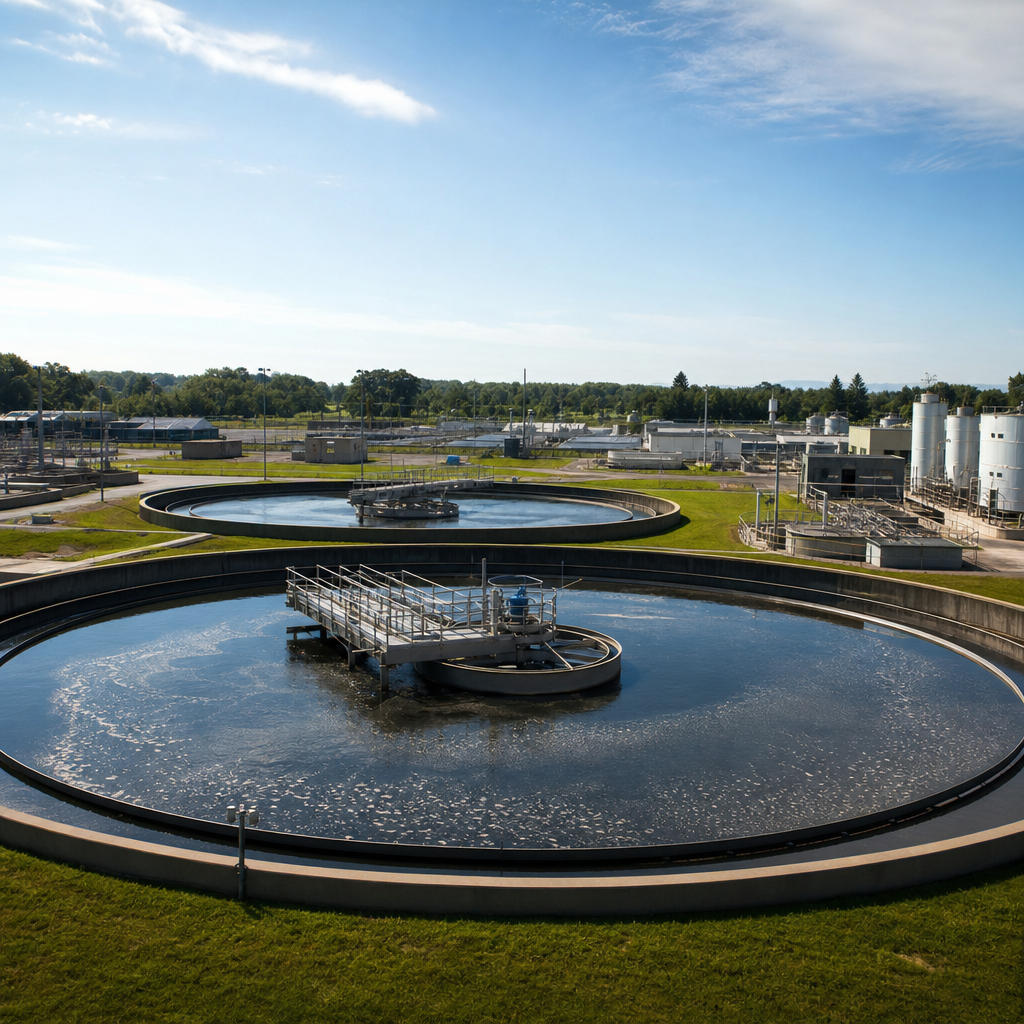
In a typical activated sludge plant, aeration is usually the largest electrical load, often accounting for 40 to 60 percent of total energy use. Pumping commonly follows, especially in systems with deep interceptors, multiple lift stations, significant infiltration and inflow, or advanced treatment trains that recirculate large flows. Sludge thickening, dewatering, digestion heating, ultraviolet disinfection, odor control, and building HVAC add further demand. The exact mix varies by process, climate, influent strength, topography, and permit limits, but the principle remains consistent: the biggest savings usually sit in the biggest loads.
Waste occurs when equipment operates outside its best efficiency range or when process settings are based on habit instead of current conditions. I often find dissolved oxygen targets held above what nitrification actually requires, with operators protecting compliance by adding too much air. That approach feels safe, yet it wastes power and can reduce denitrification opportunities. Similarly, pumps selected for future growth may run far from their best efficiency point during normal conditions. Throttling with control valves, excessive starts, clogged impellers, and worn wear rings all add hidden costs. Even simple solids buildup in channels or poorly maintained check valves can increase head and energy use.
Collection systems also deserve attention because treatment plants pay for unnecessary water. Inflow from roof drains or illegal cross-connections and infiltration through cracked pipes increase the volume that must be pumped and treated. Every extra cubic meter moved through screening, primary treatment, biological reactors, and disinfection carries an energy penalty. Sustainable sanitation is therefore not only about efficient equipment inside the fence line; it also includes sewer rehabilitation, source control, and hydraulic management upstream.
High-impact strategies for reducing energy consumption
The most reliable strategy is an energy audit tied to process data. Start with interval electricity data, motor inventories, pump curves, blower maps, dissolved oxygen trends, and flow profiles by hour and season. Benchmark performance using metrics such as kilowatt-hours per cubic meter treated, kilowatt-hours per kilogram of biochemical oxygen demand removed, and energy use per population equivalent. Then separate base load from variable load. This reveals whether the plant’s energy intensity is driven by essential treatment requirements or by operational inefficiencies that can be corrected quickly.
Aeration optimization is usually the first major opportunity. Fine-bubble diffusers paired with turbo or high-speed centrifugal blowers and variable frequency drives can significantly reduce demand compared with older constant-speed systems. However, hardware alone does not guarantee savings. Airflow must be matched to biological demand through dissolved oxygen control, ammonia-based aeration control, or cascaded control strategies using online sensors. Utilities that maintain sensors well and tune control loops carefully often achieve large reductions while stabilizing nitrification. Diffuser cleaning and periodic alpha factor assessment matter because fouling lowers oxygen transfer efficiency over time.
Pumping improvements can be equally valuable. Right-sizing pumps, trimming impellers where appropriate, adding variable frequency drives, and redesigning control logic to avoid inefficient low-flow operation can cut substantial energy. Real savings depend on system curves, so upgrades should always be validated against head conditions rather than assumed from motor nameplate size. In one municipal review, staggered pump scheduling reduced wet-well turbulence and stop-start cycling, lowering electricity use and extending equipment life. Maintenance basics matter too: aligned shafts, clear suction conditions, clean level sensors, and unobstructed force mains all support efficient pumping.
Sludge handling offers another strong path. Thickening sludge before digestion or dewatering reduces the volume that downstream equipment must process. Anaerobic digestion can convert organics into biogas, which can fuel combined heat and power units or boilers. Where solids concentrations and digester stability are adequate, this shifts the conversation from energy efficiency alone to energy recovery. Not every plant is large enough to justify full CHP economics, but regional co-digestion, accepting food waste, or sharing facilities across utilities can improve feasibility. The best sustainable sanitation plans evaluate these options early, because sludge line decisions shape both energy use and emissions.
| Area | Common energy issue | Practical improvement | Expected benefit |
|---|---|---|---|
| Aeration | Excess dissolved oxygen, fouled diffusers | Sensor-based control, diffuser maintenance, efficient blowers | Lower power use and steadier nutrient removal |
| Pumping | Oversized pumps, throttling, high cycling | VFDs, pump selection review, improved wet-well controls | Reduced electricity and longer asset life |
| Collection system | Infiltration and inflow increase treated volume | Smoke testing, lining, manhole sealing, source disconnection | Less pumping and lower plant loading |
| Sludge processing | High water content, missed recovery potential | Better thickening, anaerobic digestion, biogas use | Lower hauling, lower net energy demand |
| Controls | Manual setpoints and poor visibility | SCADA analytics, alarms, KPI dashboards | Faster correction of waste and better compliance |
Treatment process choices and their sustainability tradeoffs
Not all treatment processes have the same energy profile. Conventional activated sludge is widely used and flexible, but it is aeration intensive. Oxidation ditches provide robust treatment and can simplify operations for some communities, yet they may still carry significant energy demand if mixing and aeration are not controlled well. Sequencing batch reactors can work efficiently at smaller scales because they combine equalization and treatment in one basin, though cycle management is critical. Membrane bioreactors produce high-quality effluent for reuse and a compact footprint, but membrane scouring and transmembrane pressure increase energy requirements compared with many conventional systems.
For nutrient removal, advanced biological nutrient removal can increase internal recirculation and aeration complexity, but careful zone design and controls can offset some of that demand. Shortcut nitrogen removal pathways such as nitritation-denitritation or deammonification are attracting attention because they lower oxygen needs and reduce external carbon demand under the right conditions. These pathways are not universal solutions; they require stable control, suitable wastewater characteristics, and operational sophistication. Still, they demonstrate that sustainable practices in sanitation increasingly depend on process intensification and precision rather than simply adding more equipment.
Nature-based systems can deliver exceptionally low operational energy when land and climate allow. Waste stabilization ponds, constructed wetlands, and soil-based treatment systems rely more on natural processes and less on mechanical aeration. Their tradeoffs include land demand, hydraulic sensitivity, mosquito control needs, and in some cases lower winter performance. For small towns, peri-urban developments, and decentralized sanitation programs, they can be the most sustainable choice when designed correctly. The right answer is always context specific. A dense city with strict nutrient permits may need compact advanced treatment, while a rural community may gain more from gravity sewers, lagoon optimization, and solar-powered pumping.
Digital operations, maintenance, and the role of data
Data turns energy reduction from a one-time project into an ongoing management practice. Supervisory control and data acquisition systems should do more than display alarms; they should help operators understand specific energy performance by process area, shift, and loading condition. Useful dashboards connect power meters with flow, ammonia, nitrate, dissolved oxygen, sludge age, and weather data. When operators can see that overnight airflow stays high despite low influent load, or that one pump station consumes more kilowatt-hours per cubic meter than comparable stations, waste becomes visible and actionable.
Predictive maintenance supports these gains. Vibration analysis, thermal imaging, motor current signature analysis, and blower performance tracking identify deterioration before failure. That protects reliability while preserving efficiency, because worn mechanical systems consume more energy long before they stop working. Calibration discipline is equally important. A drifting dissolved oxygen probe can push blowers harder than necessary; a bad level sensor can trigger inefficient pump cycling. In practice, many plants lose expected savings not because the concept was wrong, but because instruments and controls were not maintained after commissioning.
Staff capability is therefore part of energy strategy. Operators need training in process control, not just equipment operation. Finance teams should understand lifecycle cost, not only lowest bid. Managers should set clear key performance indicators and review them regularly. Successful utilities build cross-functional teams so operations, maintenance, engineering, and procurement make aligned decisions. This is especially important when linking this hub to detailed sanitation topics such as leak reduction, biosolids management, decentralized treatment, asset management planning, and climate adaptation, because the same organizational habits underpin performance across all of them.
Resource recovery, renewables, and building a lower-carbon sanitation system
The strongest long-term model for sustainable sanitation is to reduce energy demand first, then recover and generate energy where practical. Wastewater contains chemical energy in organics, thermal energy in effluent, and nutrient value in biosolids. Anaerobic digestion remains the most established recovery route, particularly for medium and large plants with consistent sludge production. Combined heat and power can offset purchased electricity while providing useful heat for digesters or buildings. Heat exchangers can capture energy from effluent for district heating or facility space conditioning in suitable climates. Solar photovoltaic systems can support daytime loads, especially at remote pump stations and lagoons with available land.
None of these options removes the need for efficiency. A plant that wastes air, over-pumps flow, or ignores infiltration will still underperform even with solar panels or biogas engines. The sequence matters: optimize the process, stabilize controls, reduce avoidable load, then size recovery systems around realistic demand. Procurement should reflect whole-life value, including maintenance skill requirements, spare parts, utility tariffs, methane slip management, and resilience during outages. As regulations tighten and electricity prices remain volatile, utilities that treat energy as a core process variable will be better positioned to meet permits, control costs, and reduce environmental impact. The next step is straightforward: benchmark your system, target the largest loads first, and build a sanitation improvement plan that combines efficiency, recovery, and reliable service.
Frequently Asked Questions
Why is reducing energy consumption in wastewater treatment such a high priority?
Reducing energy consumption in wastewater treatment is a major priority because energy is often one of the largest operating expenses for treatment plants. Facilities use electricity and fuel for pumping, aeration, mixing, solids handling, disinfection, heating, and process control, and those costs can rise quickly as flow volumes increase or equipment ages. Lower energy use directly improves the financial stability of utilities and municipalities by reducing recurring operating costs, which can free up budget for maintenance, upgrades, resilience planning, and service improvements.
There is also a strong environmental reason to focus on energy efficiency. Wastewater treatment is essential for protecting public health and water quality, but it can also be energy intensive, especially in systems with continuous aeration and large pumping loads. Cutting energy demand helps reduce greenhouse gas emissions associated with grid electricity and on-site fuel use. In practical terms, that means a plant can continue meeting discharge standards and environmental goals while lowering its carbon footprint.
Energy reduction also supports long-term system resilience. Efficient plants are generally better positioned to handle rising power prices, stricter regulations, climate-related disruptions, and growing demand from expanding communities. In many cases, improving energy performance goes hand in hand with improving reliability, because the same measures that reduce wasteful energy use, such as better controls, upgraded blowers, and optimized pumping, also make plant operations more stable and predictable. For utilities trying to balance compliance, affordability, and sustainability, energy efficiency is one of the most practical and measurable places to start.
Which parts of a wastewater treatment plant typically use the most energy?
In most wastewater treatment plants, aeration is the largest single energy consumer, especially in facilities that rely on activated sludge or other biological treatment processes. Aeration systems supply oxygen to microorganisms that break down organic matter and remove nutrients, but delivering that oxygen requires significant power. Blowers, diffusers, and air distribution systems often run for long periods, and even small inefficiencies in oxygen transfer or airflow control can translate into substantial energy waste over time.
Pumping is another major contributor to total energy use. Wastewater must often be lifted and moved through multiple treatment stages, from influent pumping to sludge recirculation, effluent transfer, and dewatering support systems. If pumps are oversized, poorly maintained, or operated without variable speed control, they can consume far more electricity than necessary. Head loss caused by clogged pipes, worn components, or inefficient layouts can further increase pumping energy demand.
Solids handling and sludge treatment can also be energy intensive. Thickening, digestion, dewatering, drying, and hauling all require power, and in some plants these processes account for a significant share of total consumption. Additional loads come from mixing equipment, chemical feed systems, ultraviolet disinfection, instrumentation, heating, ventilation, and building operations. The exact energy profile varies by plant size, treatment level, climate, and process design, but in general, operators looking for the biggest efficiency gains typically begin by examining aeration, pumping, and solids processing because those areas often offer the greatest savings potential.
What are the most effective ways to reduce energy use in wastewater treatment without compromising treatment performance?
The most effective strategy is process optimization rather than simple energy cutting. Wastewater treatment plants must consistently meet effluent quality and regulatory requirements, so the goal is to eliminate wasted energy while maintaining or improving process performance. One of the best places to begin is with aeration control. Many plants supply more air than biological treatment actually needs, particularly when blower systems run at fixed output or dissolved oxygen setpoints are higher than necessary. Installing or refining dissolved oxygen controls, ammonia-based aeration control, high-efficiency blowers, and fine-bubble diffusers can significantly reduce power demand while still supporting strong treatment performance.
Pump optimization is another high-value measure. This can include replacing aging pumps with higher-efficiency models, using variable frequency drives, correcting oversizing, reducing unnecessary recirculation, and improving maintenance to prevent wear-related losses. Hydraulic improvements, such as reducing head loss and simplifying flow paths, can also lower the amount of energy required to move water through the plant. In many facilities, better scheduling and load management can further reduce energy intensity, especially when operations can be shifted to off-peak hours without affecting compliance.
Instrumentation, automation, and data monitoring are increasingly important as well. Real-time process monitoring allows operators to match energy use more closely to actual treatment demand instead of relying on conservative fixed settings. Energy audits and benchmarking can help identify hidden inefficiencies in motors, compressors, mixers, and support systems. On the solids side, digesters and biosolids systems can often be improved to recover energy through biogas production, which may offset purchased electricity or fuel. Even basic actions, such as cleaning diffusers, calibrating sensors, lubricating rotating equipment, repairing air leaks, and maintaining proper process balance, can deliver meaningful savings. The strongest results usually come from combining equipment upgrades with operator training and continuous performance review.
How do energy audits and performance monitoring help wastewater facilities cut consumption?
Energy audits provide a structured way to understand where, when, and how a treatment plant uses power. Rather than relying on assumptions, an audit measures actual consumption across key systems such as aeration, pumping, dewatering, lighting, and building services. This helps plant managers identify the largest loads, detect underperforming equipment, compare current conditions to design expectations, and prioritize the most cost-effective improvements. In many cases, audits reveal that a facility’s biggest opportunities are not obvious from utility bills alone, because high energy use may be tied to control settings, maintenance issues, or process imbalances rather than just old equipment.
Performance monitoring turns energy management into an ongoing operational practice instead of a one-time project. By tracking indicators such as kilowatt-hours per million gallons treated, blower efficiency, pump runtime, dissolved oxygen levels, sludge age, and nutrient removal performance, operators can see whether the plant is using energy effectively relative to treatment demand. This is especially useful because wastewater flows and loads can vary by season, rainfall, industrial discharge, and population patterns. Continuous monitoring helps facilities respond to those changes quickly and avoid unnecessary energy use during low-load periods or unstable operating conditions.
Another advantage is that monitoring supports better decision-making for capital planning. When a plant has reliable data, it becomes easier to justify upgrades, estimate payback periods, and verify savings after improvements are made. Utilities can also benchmark one facility against similar plants to understand whether their performance is competitive or lagging. Over time, a strong monitoring program creates accountability and helps build a culture of efficiency, where operators, engineers, and managers are all working from the same information. That combination of visibility, measurement, and follow-through is what allows energy-saving efforts to produce lasting results.
Can wastewater treatment plants generate their own energy and move toward energy neutrality?
Yes, many wastewater treatment plants can generate some of their own energy, and in certain cases they can approach or even achieve energy neutrality. The most common pathway is anaerobic digestion, in which microorganisms break down sludge in the absence of oxygen and produce biogas, primarily methane and carbon dioxide. That biogas can be used in combined heat and power systems to generate electricity and useful heat for plant operations. By turning biosolids into an energy resource, plants can offset a portion of their purchased power and reduce disposal-related costs at the same time.
Additional opportunities may include installing solar power, recovering heat from effluent, optimizing in-plant hydropower where site conditions allow, or capturing energy from high-strength industrial waste streams. Some advanced facilities co-digest food waste or other organic materials with sewage sludge to increase biogas production, though this requires careful process control, permitting, and infrastructure planning. Energy neutrality is more achievable when generation is paired with aggressive efficiency measures, because the lower the plant’s overall energy demand, the easier it is for on-site recovery and renewable systems to cover a meaningful share of the load.
That said, energy neutrality is not realistic for every facility. Smaller plants, lagoons, or systems with limited solids production may not have enough recoverable energy to support major on-site generation. The economics also depend on local utility rates, incentives, capital costs, operator capacity, and regulatory requirements. Even so, partial self-generation can still provide important benefits, including lower energy bills, improved resilience during grid disruptions, and reduced greenhouse gas emissions. For many wastewater utilities, the most practical path is to first reduce avoidable consumption, then add energy recovery and renewable technologies where they make technical and financial sense.