Sustainable sanitation is the design, operation, and governance of toilets, sewers, treatment plants, reuse systems, and hygiene services in ways that protect public health while conserving water, energy, land, and ecosystems. In urban ecology, the term matters because cities are not isolated built environments; they are living systems where water flows, nutrients cycle, microbes move, and human decisions shape rivers, soils, air quality, biodiversity, and climate resilience. When sanitation fails, the damage spreads far beyond bathrooms and drains. Untreated sewage contaminates waterways, overloaded sewers flood streets, excess nutrients trigger algal blooms, and poorly managed sludge releases methane, pathogens, and persistent pollutants. I have seen city sanitation planning sessions where engineers focused only on pipe diameter and plant capacity, while ecologists had to remind the room that every discharge point affects wetlands, fisheries, urban streams, and downstream drinking water intakes.
Sustainable sanitation expands that narrow engineering view. It asks a practical question: how can a city manage human waste safely across the full service chain, from containment and collection to treatment, resource recovery, and final reuse or disposal, without shifting costs onto vulnerable neighborhoods or future generations? That includes conventional sewered systems, decentralized wastewater treatment, fecal sludge management for onsite sanitation, stormwater separation, water-efficient fixtures, nutrient recovery, and biosolids standards. It also includes governance: tariff design, maintenance budgets, worker safety, and compliance with public health and environmental rules. Cities that treat sanitation as an ecological function rather than a hidden utility consistently perform better on water quality, flood management, urban heat mitigation, and circular resource use. As a hub topic within environmental impact, sustainable practices in sanitation connect directly to water conservation, waste reduction, climate mitigation, environmental justice, and healthier urban habitats.
Why sustainable sanitation is foundational to urban ecology
Urban ecology studies how organisms, infrastructure, climate, and human behavior interact in city environments. Sanitation sits at the center of that interaction because it governs one of the largest managed biological waste streams in urban life. A modern city produces wastewater from homes, hospitals, schools, industries, and commercial buildings every hour. If that wastewater is collected and treated effectively, rivers can recover, groundwater remains usable, and disease transmission drops sharply. If it is not, pathogens such as E. coli, norovirus, Giardia, and cholera-causing Vibrio can move rapidly through communities, especially after storm events.
The ecological stakes are equally serious. Nitrogen and phosphorus discharged from untreated or partially treated wastewater accelerate eutrophication, which reduces dissolved oxygen and kills aquatic life. Combined sewer overflows send sewage and stormwater into streams during heavy rain, a common problem in older cities from the United States to Europe. Impervious surfaces make those surges worse, and climate change is increasing short-duration extreme rainfall in many regions. Sustainable sanitation reduces these pressures through source control, separated sewer systems, green infrastructure, infiltration management, and treatment processes matched to actual loads. In practice, that means fewer contaminated overflows, lower nutrient releases, and stronger urban watershed health.
Core components of sustainable practices in sanitation
A sustainable sanitation system is only as strong as its weakest link, so the entire service chain must work. The first component is safe containment, whether through sewer connections, septic tanks, urine-diverting toilets, or sealed storage. The second is reliable collection and conveyance, which includes sewers, vacuum trucks, pumping stations, and monitoring networks. Third comes treatment, using physical, biological, and chemical processes to remove solids, pathogens, organic matter, nutrients, and sometimes micropollutants. Fourth is end use or disposal, where treated effluent may irrigate landscapes or recharge aquifers, and biosolids may be composted, digested, incinerated, or land-applied under strict controls.
From my experience reviewing sanitation upgrades, the biggest mistake cities make is assuming treatment technology alone creates sustainability. It does not. Water-efficient fixtures matter because lower flows reduce pumping and treatment demand. Asset management matters because neglected pipes leak and admit stormwater. Industrial pretreatment matters because heavy metals or toxic chemicals can disrupt biological treatment and contaminate biosolids. Worker protection matters because sanitation staff face exposure to hydrogen sulfide, sharps, and pathogens. Sustainable practice is therefore operational, not symbolic. It is built through preventive maintenance, real-time monitoring, emergency planning, and realistic lifecycle costing rather than one-time capital spending.
| Practice | Primary environmental benefit | Urban example |
|---|---|---|
| Low-flow fixtures and leak reduction | Less water extraction and lower treatment energy | Apartment retrofits that cut per capita water use |
| Separate stormwater and sewage systems | Fewer sewer overflows into rivers | District sewer rehabilitation in older neighborhoods |
| Anaerobic digestion of sludge | Biogas production and reduced methane emissions | Treatment plants generating onsite electricity |
| Nutrient recovery | Lower fertilizer demand and reduced eutrophication | Phosphorus capture from sludge streams |
| Decentralized treatment | Lower conveyance needs and local water reuse | Campus or housing development reuse systems |
Water efficiency, wastewater treatment, and resource recovery
Water conservation is one of the clearest entry points into sustainable sanitation. Toilets account for a major share of indoor water use in homes and commercial buildings, so high-efficiency fixtures can significantly reduce demand on municipal supplies and wastewater plants. In drought-prone cities, I have seen sanitation strategy linked directly to water security planning because every liter not flushed or leaked is a liter that does not need extraction, pumping, chemical treatment, or discharge management. Smart metering, pressure management, and fixture standards all support this shift.
Treatment technology then determines how much ecological protection a city actually delivers. Primary treatment removes settleable solids; secondary treatment uses microbial processes to break down organic matter; tertiary and advanced treatment can target nutrients, pathogens, and trace contaminants. Membrane bioreactors, ultraviolet disinfection, and biological nutrient removal are now standard options in many urban upgrades. However, sustainability is not simply about the most advanced plant. It is about appropriate treatment for local conditions, energy profile, operator skill, land availability, and discharge requirements. A well-run stabilization pond can outperform a poorly maintained mechanical plant in certain contexts.
Resource recovery is where sanitation shifts from linear disposal to circular urban metabolism. Anaerobic digestion converts sludge into biogas that can generate heat and electricity. Some facilities upgrade biogas to biomethane for injection into gas grids or use as vehicle fuel. Phosphorus can be recovered as struvite, reducing scaling problems in pipes while producing a usable fertilizer input. Reclaimed water can irrigate parks, supply industrial cooling, or support nonpotable urban uses. These approaches reduce environmental impact twice: they lower pollution and replace virgin resource extraction. The tradeoff is that reuse must be carefully governed. Contaminants of emerging concern, salinity, and public acceptance all require active management.
Decentralized systems, green infrastructure, and climate resilience
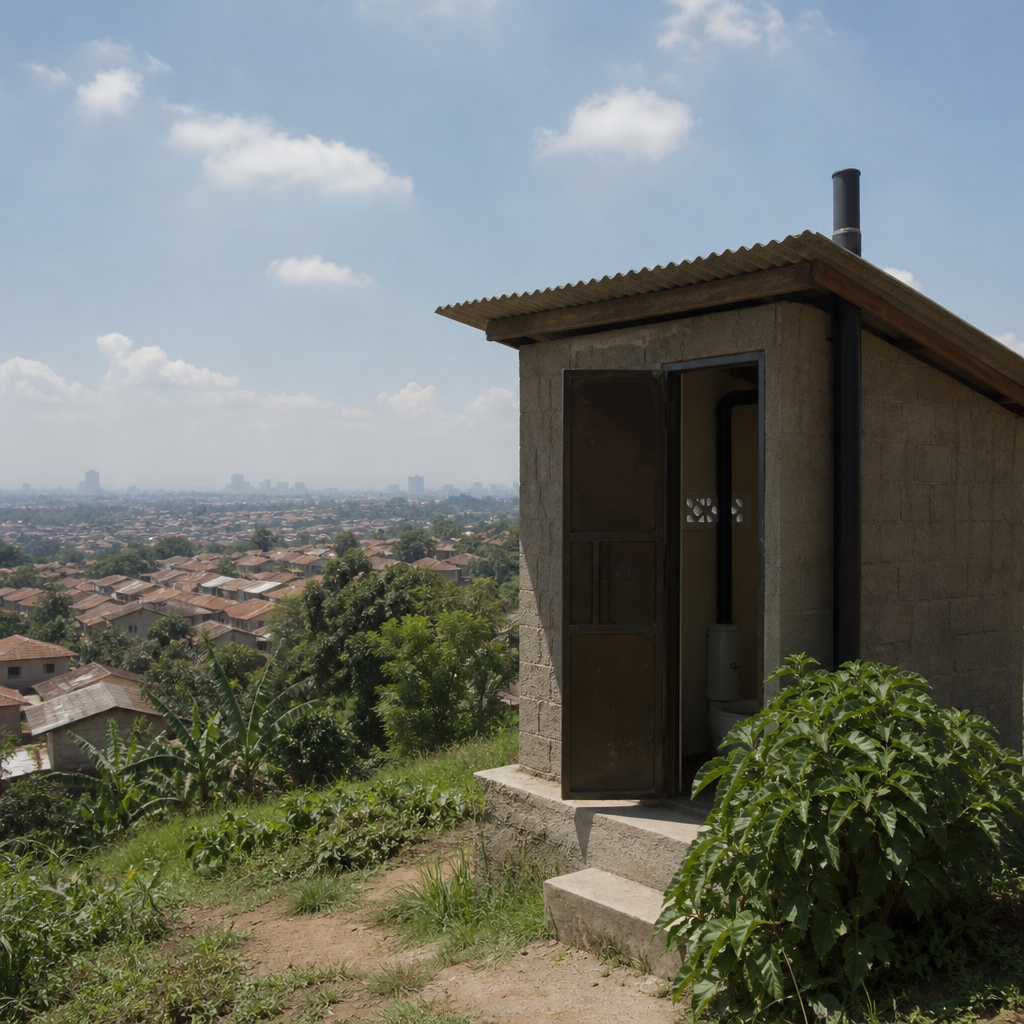
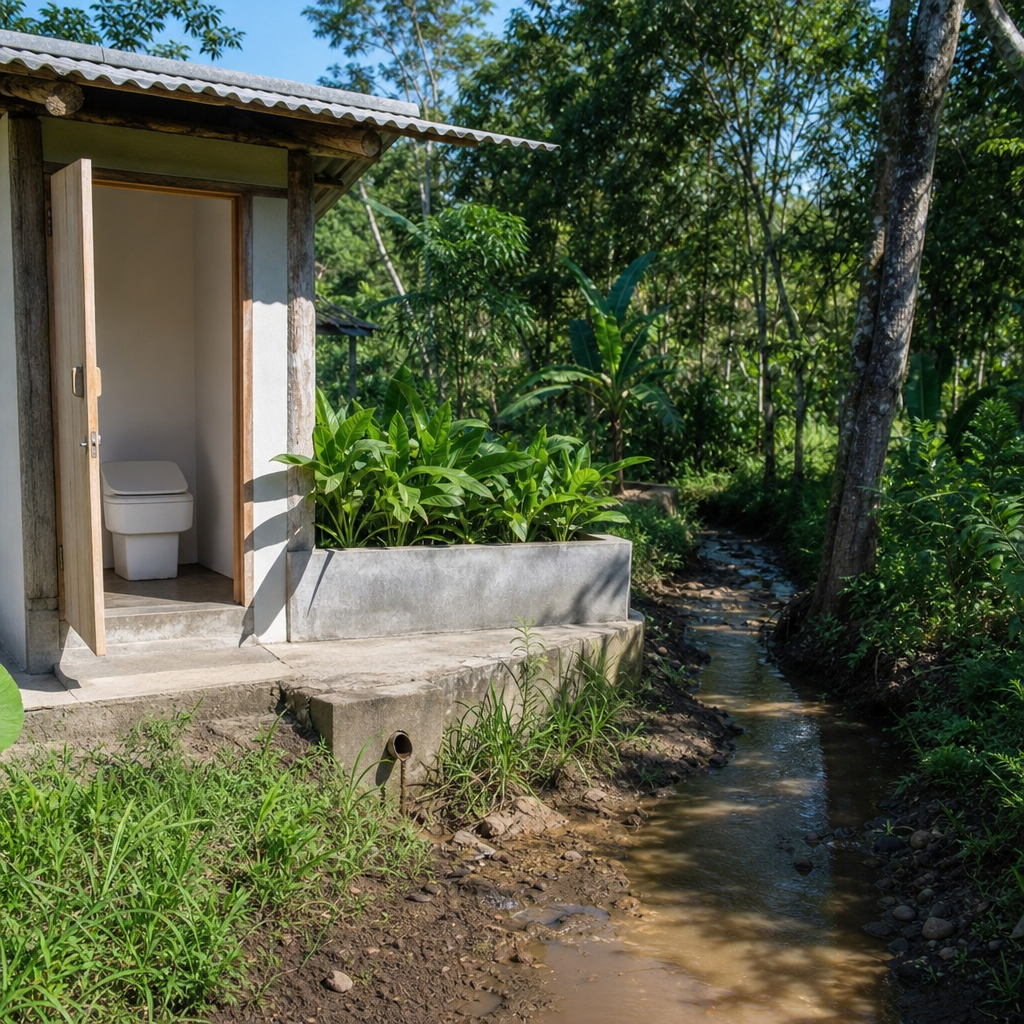
Not every city can or should rely exclusively on centralized sewers and large treatment plants. Decentralized sanitation systems serve peri-urban districts, informal settlements, new developments, campuses, and climate-vulnerable zones where network expansion is costly or slow. Examples include packaged treatment units, constructed wetlands, cluster systems, container-based sanitation, and managed fecal sludge collection from onsite toilets. When designed properly, these systems close service gaps quickly and reduce the ecological burden caused by open discharge or failing pits. They are especially important in rapidly growing cities where infrastructure lag creates chronic exposure risks.
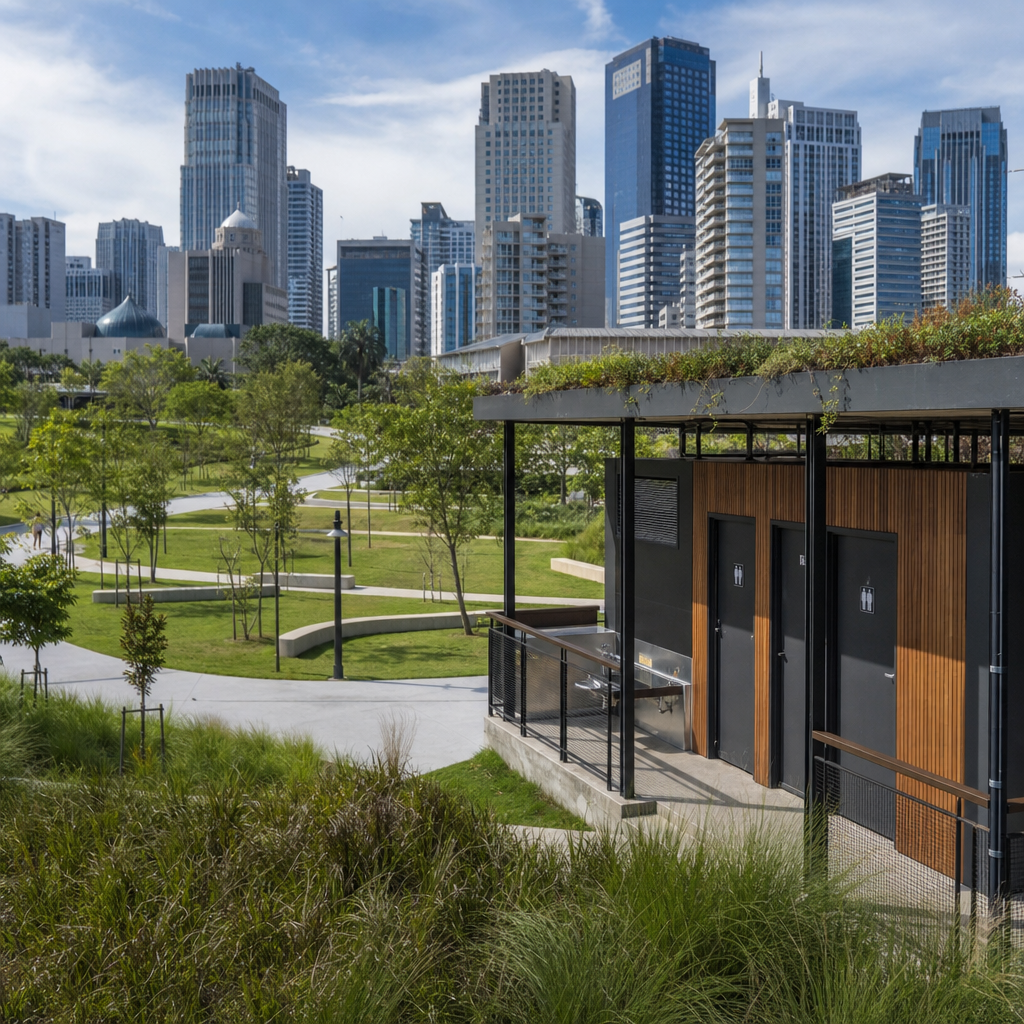
Green infrastructure strengthens sustainable sanitation by managing water where it falls and reducing pressure on drainage and sewer networks. Bioswales, permeable pavements, rain gardens, retention basins, and urban wetlands slow runoff, increase infiltration, and filter pollutants before they enter waterways. In combined sewer areas, these measures can reduce overflow frequency during storms. They also provide urban habitat, moderate heat, and improve neighborhood amenity. This is why sanitation planning should never be isolated from land use and stormwater design. When parks departments, utilities, and planners work together, cities gain ecological benefits that pipes alone cannot deliver.
Climate resilience adds urgency. Sea level rise threatens coastal wastewater plants and causes saltwater intrusion into sewers and aquifers. Heat can intensify odor and biological process instability. Floods can disable pumps, spread untreated waste, and overwhelm lagoons or sludge drying beds. Sustainable sanitation addresses these risks through elevating critical equipment, backup power, distributed treatment redundancy, floodproofed facilities, and hydraulic modeling based on future rainfall rather than historic averages. A resilient sanitation system is an ecological safeguard because it prevents disasters from becoming contamination events.
Public health, equity, regulation, and measurement
The environmental value of sustainable sanitation cannot be separated from public health and social equity. Low-income communities and informal settlements often bear the highest burden of inadequate sanitation, sewer backups, contaminated drainage, and neglected maintenance. In many cities, these same areas have less tree cover, more flood exposure, and fewer healthcare resources, compounding ecological and social harm. Sustainable practice therefore means universal service, not selective upgrades in high-revenue districts. It means accessible toilets in schools and transit systems, safe menstrual hygiene facilities, and sanitation planning that includes tenants, migrants, disabled residents, and sanitation workers.
Regulation provides the framework for accountability. Discharge permits, biosolids rules, occupational safety requirements, and water reuse standards turn sustainability goals into enforceable performance targets. Recognized frameworks such as the sanitation service chain, wastewater-based epidemiology, ISO-aligned management systems, and World Health Organization reuse guidance help cities move from aspiration to measurable control. Utilities should track core indicators including biochemical oxygen demand removal, total nitrogen and phosphorus reduction, effluent pathogen levels, overflow frequency, nonrevenue water, energy intensity per cubic meter treated, sludge reuse rates, and customer service coverage. Those metrics reveal whether an urban sanitation program is genuinely reducing environmental impact or simply shifting it out of sight.
For city leaders, the main lesson is straightforward: sustainable sanitation is not a niche environmental upgrade but essential urban ecological infrastructure. It protects rivers, reduces disease, conserves water, lowers emissions, and creates pathways for resource recovery. The strongest programs treat sanitation as an integrated system that links buildings, streets, drainage, treatment plants, energy, soils, and communities. They invest in maintenance as seriously as construction, combine centralized and decentralized solutions where appropriate, and plan for climate stress rather than ideal conditions.
As the hub for sustainable practices in sanitation, this topic should guide deeper exploration into water-efficient technologies, wastewater treatment methods, fecal sludge management, green stormwater design, biosolids reuse, environmental compliance, and sanitation equity. Each of those subtopics supports the same outcome: healthier cities that function more like balanced ecosystems and less like linear waste machines. If you are shaping an environmental impact strategy, start by mapping the full sanitation chain in your city or project, identifying where pollution, energy loss, service gaps, and reuse opportunities exist. That simple step turns sanitation from an invisible liability into a practical ecological asset.
Frequently Asked Questions
1. What is sustainable sanitation, and how is it different from conventional urban sanitation?
Sustainable sanitation is an approach to toilets, sewers, wastewater treatment, sludge management, drainage, hygiene services, and resource recovery that protects human health while also reducing environmental harm and conserving water, energy, land, and materials. Unlike conventional sanitation systems, which often focus narrowly on getting waste away from people as quickly as possible, sustainable sanitation looks at the full urban ecosystem. It asks where water comes from, how much energy is used to move and treat wastewater, what happens to nutrients and organic matter, how effluent affects rivers and soils, and whether the system can keep working under stresses such as population growth, flooding, drought, or aging infrastructure.
In practice, that means sustainable sanitation is not just about toilets or treatment plants in isolation. It includes decisions about sewer design, decentralized treatment options, fecal sludge management, stormwater interactions, safe reuse of treated wastewater, nutrient recovery, and access for low-income or informal communities. A conventional system may successfully transport waste out of a neighborhood, but if it overloads waterways, consumes large volumes of drinking-quality water for flushing, or leaves untreated sludge to contaminate land and groundwater, it is not truly sustainable. Sustainable sanitation aims to close those gaps by combining public health protection with long-term ecological performance, affordability, and social inclusion.
2. Why does sustainable sanitation matter so much in urban ecology?
It matters because cities function as living ecological systems, not sealed concrete containers. Water moves through streets, pipes, aquifers, wetlands, and rivers. Nutrients such as nitrogen and phosphorus circulate through food, human waste, soils, and waterways. Microbes travel through households, drains, treatment systems, and the wider environment. When sanitation systems fail, leak, overflow, or exclude portions of the population, the consequences spread across the urban ecosystem. Polluted runoff can degrade streams, untreated sewage can reduce oxygen in rivers, excessive nutrients can trigger algal blooms, and contamination can damage habitats for fish, birds, insects, and other urban wildlife.
Sustainable sanitation helps stabilize these ecological relationships. It reduces pathogen exposure, limits contamination of water bodies, and supports healthier urban soils and waterways. It can also improve resilience to climate pressures by reducing flood-related sewage overflows, lowering pressure on scarce freshwater supplies, and integrating with green infrastructure such as wetlands, bioswales, and water-sensitive urban design. In other words, sanitation is not only a public health service; it is a core ecological function of a city. When it is designed sustainably, it helps maintain cleaner rivers, healthier biodiversity, more efficient resource cycles, and better living conditions for both people and nature.
3. How does sustainable sanitation support public health and environmental protection at the same time?
The strongest sanitation systems do both together. From a public health perspective, sustainable sanitation safely separates people from pathogens in feces and wastewater, reduces disease transmission, improves hygiene conditions, and supports dignified, reliable access to sanitation services. This is essential for preventing diarrheal disease, parasitic infections, and other sanitation-related health risks, especially in dense urban settings where contamination can spread quickly through shared environments, drainage systems, and water supplies.
From an environmental perspective, sustainable sanitation reduces the ecological footprint of those same services. It can lower water use through efficient fixtures or non-potable reuse strategies, reduce energy demand through smarter treatment design, recover nutrients that would otherwise pollute waterways, and prevent untreated discharges that harm aquatic ecosystems. Advanced and well-managed systems may also capture biogas from sludge, produce biosolids or compost under safe conditions, or reuse treated water for landscaping, industry, or agriculture where appropriate.
The key point is that public health and environmental protection are not competing goals here. In fact, they reinforce one another. Cleaner waterways mean fewer exposure pathways for disease. Better sludge treatment means less contamination of land and groundwater. Lower sewer overflows mean cleaner neighborhoods and safer urban ecosystems. Sustainable sanitation works best when planners recognize that healthy people depend on healthy environmental systems, and healthy environmental systems depend on safe waste management.
4. What are some examples of sustainable sanitation strategies in cities?
Urban sustainable sanitation can take many forms depending on geography, density, climate, infrastructure, and local governance capacity. In some cities, it means upgrading aging sewer networks to reduce leaks, infiltration, and combined sewer overflows during storms. In others, it may involve decentralized wastewater treatment systems for neighborhoods that are difficult or too expensive to connect to large centralized plants. It can also include fecal sludge collection and treatment services for communities that rely on pit latrines or septic systems rather than sewers, ensuring waste is safely managed instead of dumped into drains, waterways, or vacant land.
Other important strategies include water-efficient toilets, urine diversion systems in specific contexts, nutrient recovery from wastewater, anaerobic digestion for energy generation, and the beneficial reuse of treated effluent where health standards can be maintained. Cities may also integrate sanitation planning with green infrastructure, such as constructed wetlands, retention landscapes, or flood-adapted drainage corridors that help manage stormwater and improve water quality. Just as important are governance strategies: clear regulations, equitable service delivery, routine maintenance, monitoring, financing models, and community engagement. Technology alone is not enough. A sustainable sanitation strategy succeeds when the technical system, the institutions running it, and the people using it all work together reliably over time.
5. What are the biggest challenges to implementing sustainable sanitation in urban areas?
One of the biggest challenges is that sanitation is often invisible until it fails. Because most infrastructure is buried, downstream, or politically fragmented, cities may underinvest in maintenance, treatment capacity, and service expansion. Rapid urban growth can outpace sewer networks and treatment plants, while informal settlements may be excluded from formal systems altogether. Financing is another major barrier, since sustainable sanitation requires not only construction costs but also long-term funding for operation, repairs, monitoring, staffing, and regulatory enforcement. When those ongoing responsibilities are neglected, even well-designed systems can deteriorate quickly.
There are also technical and environmental challenges. Older cities may struggle with combined sewer systems, leakage, and constrained space for upgrades. Water-scarce cities must rethink flush-based assumptions, while flood-prone cities face overflow risks and contamination during extreme rainfall. In addition, public acceptance can affect the success of water reuse, decentralized treatment, or resource recovery initiatives. People need confidence that these systems are safe, well-managed, and beneficial.
Perhaps the most important challenge is coordination. Sustainable sanitation sits at the intersection of public health, water management, housing, environmental protection, climate adaptation, and urban planning. If these sectors work in isolation, progress is slower and less effective. Overcoming that problem requires integrated governance, strong data, inclusive planning, and a commitment to serving all residents, especially those in underserved neighborhoods. When cities address sanitation as both an infrastructure issue and an ecological priority, they are far better positioned to build healthier, cleaner, and more resilient urban environments.