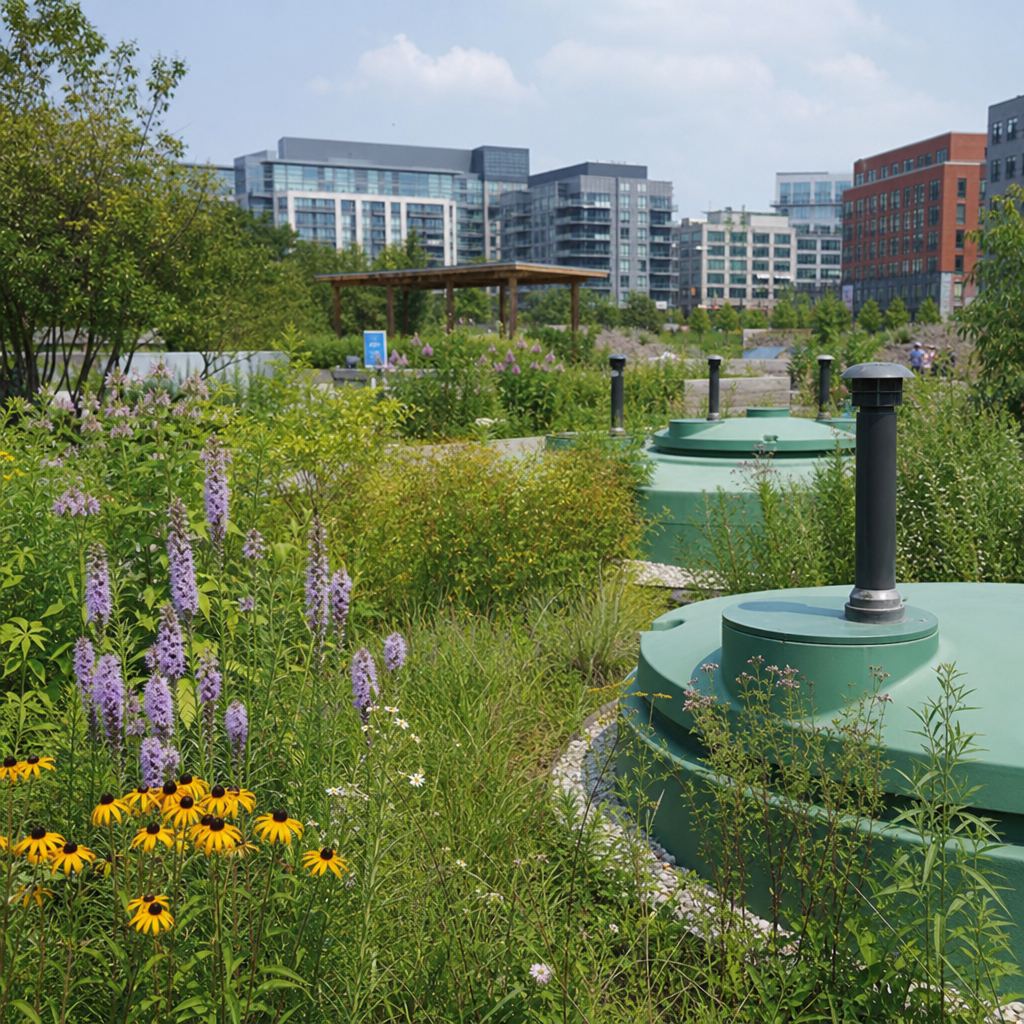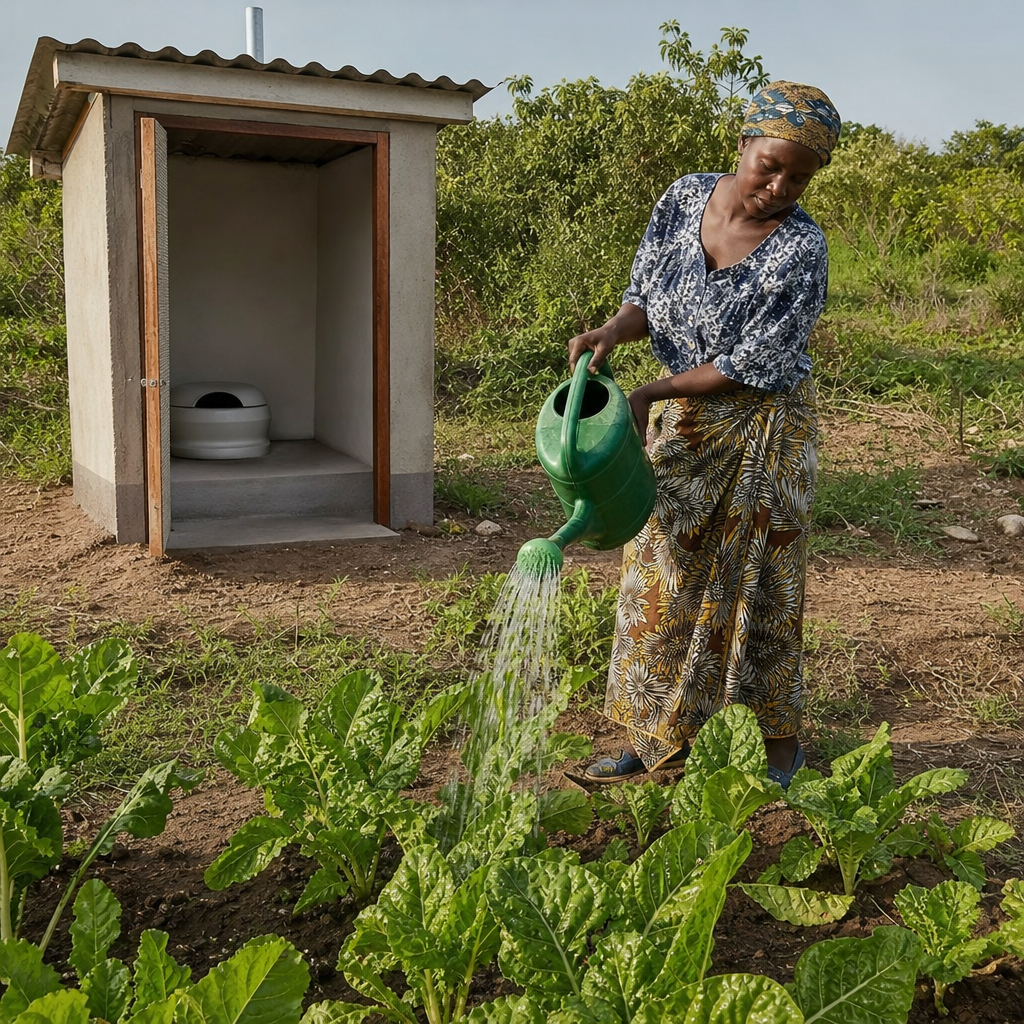
EcoSan and its impact on local water tables sit at the center of modern debates about sustainable practices in sanitation, because the way communities manage human waste directly affects groundwater quality, surface water health, and long-term water security. Ecological sanitation, usually shortened to EcoSan, is a sanitation approach that treats human excreta as a resource rather than only as waste. In practical terms, it often includes urine-diverting dry toilets, composting toilets, dehydration vaults, and systems that recover nutrients for safe agricultural reuse. The local water table is the upper level of groundwater in soil or rock, and it matters because many households, farms, and towns depend on shallow aquifers for drinking water, irrigation, and ecosystem balance. When sanitation systems leak pathogens, nitrates, phosphates, and chemical residues into the ground, the first environmental victim is often that nearby groundwater.
I have worked on sanitation planning discussions where engineers, public health teams, and local officials initially framed the problem as toilet access alone. That framing is too narrow. A latrine that contaminates a village well is not a durable sanitation success. Likewise, a flush toilet connected to an overloaded sewer network may shift pollution from the home to a river or recharge zone. EcoSan matters because it tries to close the nutrient loop while reducing water use and protecting aquifers. It is especially relevant in regions with high water tables, rocky terrain, flood-prone settlements, peri-urban growth, and areas where sewer expansion is financially unrealistic. It also matters in climate adaptation planning, since drought, intense rainfall, and population growth are stressing water systems everywhere. A hub page on sustainable practices in sanitation must therefore connect health, engineering, agriculture, behavior, regulation, and environmental monitoring into one practical framework.
The core question people ask is simple: does EcoSan help or harm local water tables? The direct answer is that well-designed EcoSan systems generally reduce contamination risk compared with poorly lined pits, failing septic tanks, and unmanaged wastewater discharge, but outcomes depend on design, maintenance, safe reuse protocols, and site conditions. If urine and feces are separated, stored, treated, and reused correctly, nutrient recovery can cut nitrogen and phosphorus losses to groundwater. If vaults crack, storage times are ignored, or runoff reaches infiltration zones, the benefits shrink quickly. That is why sustainable practices in sanitation are not defined by a single toilet type. They are defined by the entire sanitation chain: capture, containment, treatment, transport where needed, reuse or disposal, and verification. Understanding that chain is essential for anyone evaluating EcoSan as an environmental solution.
How EcoSan systems interact with groundwater
EcoSan systems influence groundwater through three main pathways: water consumption, infiltration, and nutrient fate. Conventional flush systems use large volumes of freshwater to transport waste, increasing wastewater loads that must be treated somewhere else. Dry or low-water EcoSan systems reduce that burden at the source. More importantly for local water tables, they can minimize direct infiltration of contaminated liquids into surrounding soils. A basic unlined pit latrine allows liquids to percolate into the subsurface. In sandy soils, fractured rock, or areas with a shallow aquifer, pathogens and nitrates can move surprisingly fast. Studies from multiple low-income and peri-urban settings have linked dense pit latrine use to elevated nitrate and microbial contamination in nearby wells, particularly where horizontal separation distances are short and seasonal flooding occurs.
Urine-diverting dry toilets change that equation. Urine, which contains most of the nitrogen and a large share of phosphorus and potassium excreted by humans, is collected separately and can be stored for agricultural use. Feces are kept drier, which inhibits pathogen survival and reduces leachate generation. Composting and dehydration systems further reduce moisture, volume, and odor when properly operated. In field projects I have reviewed, the environmental gains were strongest where toilet slabs were sealed, chambers remained above flood level, and users received clear instructions about ash, cover material, and storage time. The groundwater benefit was not theoretical. Wells downhill from dense sanitation clusters showed lower contamination risk where excreta were contained and removed from infiltration pathways.
Hydrogeology still decides the limits. No sanitation system is automatically safe in every setting. High water tables, coarse soils, karst geology, and steep slopes all increase vulnerability. A raised EcoSan toilet with watertight vaults may perform well in a floodplain where pits repeatedly fail. But if stored urine is dumped into open drains or if composting chambers overflow during storms, contamination simply shifts location. Sustainable practices in sanitation therefore require site assessment before technology selection. That means mapping groundwater depth, seasonal fluctuations, well locations, soil permeability, flood history, and land available for reuse. The best EcoSan projects treat the toilet as one component within a watershed, not as an isolated product.
Why conventional sanitation often threatens local water tables
To understand EcoSan’s value, it helps to compare it with common alternatives. Pit latrines are widespread because they are cheap and simple, yet their environmental performance varies sharply. Where pits are lined only partially or not at all, liquid effluent seeps into surrounding soil. Some infiltration is intentional, but in dense settlements that can become chronic groundwater loading. Septic tanks can perform better, though only when they are properly sized, watertight, and connected to a functioning soil absorption field with enough unsaturated depth. In practice, many tanks are undersized, never desludged, or installed where the water table rises into the drain field during wet seasons. That creates direct pathways for bacteria, viruses, and nitrate to move into shallow aquifers.
Centralized sewers are often presented as the gold standard, but their groundwater advantages depend entirely on treatment reliability. Leaking sewers can exfiltrate wastewater into the ground, and overloaded treatment plants can discharge nutrient-rich effluent into waterways that recharge aquifers downstream. In fast-growing cities, utilities may connect new neighborhoods faster than they expand treatment capacity. I have seen sanitation plans that celebrated sewer coverage while ignoring non-revenue water, illegal stormwater connections, and bypass events after heavy rain. From a water table perspective, that is not a complete success. Sustainable practices in sanitation must be judged by actual pollution reduction, not infrastructure prestige.
| System | Typical water use | Groundwater risk profile | Key management need |
|---|---|---|---|
| Unlined pit latrine | Very low | High in dense areas or shallow aquifers | Siting and eventual safe closure |
| Septic tank with drain field | Moderate to high | Moderate if designed well, high if poorly maintained | Regular desludging and soil suitability |
| Conventional sewer | High | Low locally if sealed, but dependent on treatment performance | Network integrity and plant capacity |
| Urine-diverting EcoSan | Low to none | Low when vaults are sealed and reuse is controlled | User training, storage, and product handling |
| Composting toilet | Low to none | Low when moisture is controlled and solids mature fully | Ventilation, carbon balance, and maintenance |
The comparison shows why EcoSan deserves a central place in environmental impact discussions. It reduces dependence on water transport, decreases leachate generation, and supports nutrient recovery. Those are strong advantages where utilities cannot maintain sewers and where household water is scarce. However, sustainable practices in sanitation also demand honesty about user effort. EcoSan usually asks more from households than a flush-and-forget system. That tradeoff is manageable when programs invest in training, service support, and clear accountability.
Nutrient recovery, agriculture, and aquifer protection
One of EcoSan’s most important environmental contributions is nutrient recovery. Human urine contains most of the excreted nitrogen and much of the potassium, while feces contain significant phosphorus and organic matter. If these nutrients enter groundwater unmanaged, they contribute to nitrate pollution, eutrophication, and long-term soil nutrient loss from communities already paying for imported fertilizer. If they are captured safely, they become agricultural inputs. This is where EcoSan moves beyond contamination prevention and into resource management. In several rural and peri-urban projects, stored urine has been applied to maize, vegetables, and fruit trees, while sanitized composted fecal matter has improved soil structure and moisture retention.
From a water table perspective, nutrient reuse works because it relocates nutrients from uncontrolled subsurface leaching to controlled plant uptake. Plants can absorb nitrogen during active growth, reducing the chance that rain will wash it below the root zone. This does not mean all reuse is automatically safe. Application rates must match crop demand, timing must avoid intense rain, and storage must meet pathogen reduction guidance. World Health Organization sanitation safety planning principles and reuse guidance are useful benchmarks here. When local extension agents help farmers calibrate dilution, application frequency, and withholding periods before harvest, EcoSan products can substitute for part of the synthetic fertilizer requirement without increasing groundwater risk.
The agricultural value also improves system sustainability. Communities are more likely to maintain separation and storage routines when they see a direct benefit. I have seen projects fail when reuse was treated as an afterthought and succeed when demonstration plots showed visible yield gains. The strongest programs document nutrient content, train users on protective equipment, and monitor acceptance among households and markets. That level of rigor matters because public confidence determines whether EcoSan remains a niche pilot or becomes a scalable sanitation strategy.
Design, operation, and monitoring factors that determine success
EcoSan performance depends less on branding and more on disciplined design and operation. First, containment must be watertight where required. Vault floors, joints, urine pipes, and collection containers should prevent leakage into soil. Second, systems should be elevated or flood-protected in areas with seasonal inundation. Third, ventilation and dryness are nonnegotiable in composting or dehydration designs, because excess moisture slows treatment and increases odor and vector problems. Fourth, households need simple operating rules: add cover material, keep urine channels clear, rotate chambers on schedule, and respect storage periods before reuse.
Monitoring is equally important. If a municipality promotes EcoSan to protect local water tables, it should verify outcomes through periodic groundwater testing, not assumptions. Useful indicators include nitrate, ammonium, electrical conductivity, Escherichia coli, and where feasible, viral or fecal source tracking markers. Sanitation mapping tools, GPS inventories, and well vulnerability assessments help target sampling. For larger programs, a sanitation safety plan creates structure by identifying hazards from household use through reuse or disposal, then assigning controls and verification steps. This is one reason sustainable practices in sanitation should be managed as services, not just installations.
Social design matters as much as engineering. A technically sound urine-diverting toilet can fail if cleaning is difficult, if anal cleansing practices were ignored, or if collection containers are too heavy for older users. Gender, disability access, privacy, and cultural acceptance all influence maintenance quality, which in turn affects environmental performance. In my experience, the most resilient EcoSan projects use iterative design: pilot, collect user feedback, adjust hardware, and only then scale.
Limits, risks, and where EcoSan fits best
EcoSan is not a universal replacement for every sanitation system. Dense high-rise districts usually need networked solutions. Emergency settings may need rapid temporary systems first. Some communities reject excreta reuse regardless of training, and some local governments lack a regulatory framework for handling recovered products. There are also technical risks: urine scaling can block pipes, composting can stall in humid climates, and poor chamber switching can expose users to fresh waste. These are manageable problems, but they are real.
Even with those limits, EcoSan fits exceptionally well in specific contexts: water-scarce regions, settlements with shallow or vulnerable aquifers, flood-prone areas where pits collapse, schools or institutions seeking low-water sanitation, and farming communities that can use recovered nutrients. For these settings, the main benefit is clear. EcoSan can protect local water tables while turning sanitation from a pollution source into part of a circular resource system. That is why it belongs at the center of any serious discussion about sustainable practices in sanitation.
The strongest takeaway is that EcoSan succeeds when communities treat sanitation as an environmental management system, not just a toilet purchase. Good site selection, sealed containment, user training, safe storage, monitored reuse, and groundwater testing are what protect aquifers. When those elements are present, EcoSan reduces leaching, lowers water demand, and captures nutrients that would otherwise pollute wells and streams. When they are absent, even promising designs underperform.
For planners, NGOs, utilities, and property owners building an environmental impact strategy, this hub topic should guide the next steps. Review local hydrogeology, compare sanitation options across the full service chain, and prioritize systems that prevent infiltration while creating safe reuse value. Then connect this page to deeper work on toilet design, fecal sludge management, nutrient recovery, school sanitation, flood resilience, and water quality monitoring. Start with one question: will this sanitation choice protect the water beneath our feet five years from now? If the answer is uncertain, redesign before you build.
Frequently Asked Questions
What is EcoSan, and how does it affect local water tables differently from conventional sanitation systems?
EcoSan, short for ecological sanitation, is an approach to managing human waste that focuses on safe containment, treatment, and resource recovery rather than simple disposal. Instead of flushing waste away with large volumes of water, EcoSan systems often rely on methods such as urine diversion, dehydration, composting, or controlled storage to make nutrients reusable in agriculture or landscaping. This shift matters for local water tables because conventional sanitation systems, especially poorly designed pit latrines, leaking septic tanks, or inadequate sewer infrastructure, can allow pathogens, nitrates, and other contaminants to seep into the soil and eventually reach groundwater.
When EcoSan systems are well designed and properly maintained, they can greatly reduce the amount of untreated waste entering the subsurface environment. Because many EcoSan models are dry or low-water systems, they also reduce hydraulic loading, which means less liquid percolates downward toward aquifers. In areas where the water table is shallow, this is especially important. A standard pit latrine in such conditions can become a direct pathway for pollution, while a sealed, above-ground, or urine-diverting EcoSan setup can interrupt that pathway and protect groundwater quality more effectively.
That said, EcoSan does not automatically guarantee protection of water tables. The outcome depends on design quality, site conditions, user behavior, and safe reuse practices. If urine or composted material is mishandled, stored incorrectly, or applied too heavily to land, nutrients can still migrate into groundwater. So the real advantage of EcoSan is not just that it is “green,” but that it offers a more controllable sanitation model that can significantly lower groundwater contamination risks when implemented responsibly.
Can EcoSan systems help prevent groundwater contamination in areas with high water tables?
Yes, EcoSan systems can be particularly valuable in regions with high water tables because these are the very places where conventional onsite sanitation often performs poorly. In areas where groundwater lies close to the surface, pits and soakaways may not provide enough unsaturated soil depth to naturally filter contaminants. During rainy seasons or floods, waste from traditional latrines can move quickly into groundwater or nearby surface water bodies, increasing the risk of disease transmission and nutrient pollution.
EcoSan offers alternatives that reduce or eliminate direct infiltration into the ground. For example, urine-diverting dry toilets separate liquid and solid waste at the source, allowing each stream to be managed more safely. Composting and dehydration systems can be built above ground or in sealed chambers, limiting contact between untreated waste and surrounding soil. This is a major advantage in flood-prone communities, coastal zones, and wetlands, where protecting water tables is both a health and environmental priority.
However, success depends on more than choosing the right toilet technology. Communities also need proper siting, strong operation and maintenance practices, and clear guidance on storage and reuse. If storage chambers are not watertight, if treatment times are shortened, or if users do not understand how to handle the outputs safely, contamination risks can return. In other words, EcoSan can be an excellent groundwater-protection strategy in high-water-table areas, but only when engineering, education, and local management work together.
How do urine-diverting and composting toilets influence nutrient levels in groundwater?
Urine-diverting and composting toilets influence groundwater nutrient levels mainly by changing how nitrogen and phosphorus are managed. In conventional systems, these nutrients often enter wastewater streams and can leach into soil and groundwater, especially where septic systems fail or pit latrines are overused. Elevated nitrate levels in groundwater are a serious concern because they can affect drinking water safety and contribute to broader ecosystem problems such as eutrophication when groundwater feeds rivers, lakes, or wetlands.
Urine-diverting toilets address this issue by separating urine, which contains most of the nitrogen and a significant share of the phosphorus excreted by humans, from feces at the point of use. This makes nutrient handling more precise. Rather than allowing nutrients to soak unpredictably into the ground, stored urine can be reused as fertilizer in controlled amounts. Composting toilets similarly reduce leaching risk by stabilizing solid waste before it is returned to soil. Proper composting lowers pathogen levels and creates a more manageable material that can be applied according to agronomic needs rather than simply discarded.
The key phrase here is “controlled amounts.” If urine or compost is overapplied, applied just before heavy rain, or used on unsuitable soils, nutrient runoff and leaching can still happen. Sandy soils, shallow aquifers, and steep slopes are especially sensitive. So while these systems can reduce nutrient pollution compared with unmanaged waste disposal, they must be paired with sound land application practices, including correct dilution where appropriate, timing, setback distances from wells and waterways, and application rates based on crop demand. When those safeguards are followed, urine-diverting and composting toilets can help keep nutrient loads out of groundwater while turning sanitation byproducts into useful resources.
What are the main risks to local water tables if EcoSan systems are poorly designed or mismanaged?
The biggest risks arise when EcoSan is treated as a simple technology choice rather than a complete sanitation management system. Poor design can lead to leakage from storage vaults, improper drainage around toilet structures, inadequate separation of waste streams, or insufficient protection from stormwater and flooding. Any of these weaknesses can allow pathogens, nitrates, and organic matter to enter surrounding soils and potentially reach local groundwater, especially in areas with permeable soils or shallow aquifers.
Mismanagement creates another layer of risk. If users remove compost too early, before it has fully stabilized, harmful organisms may still be present. If urine is stored for too short a period or discharged informally onto the ground, nutrients can move into the subsurface. If maintenance is irregular and chambers overflow, the system may start functioning more like an uncontrolled disposal point than a safe treatment method. These failures are not always immediately visible, which is why groundwater impacts can go unnoticed until water quality problems appear in wells or nearby ecosystems.
There are also social and institutional risks. EcoSan systems require user understanding, routine upkeep, and often a local framework for training, monitoring, and reuse. Without these supports, even technically sound systems may fail over time. That is why long-term groundwater protection depends on more than construction standards alone. It requires practical user education, periodic inspection, climate-appropriate design, and clear responsibility for maintenance. When those elements are missing, the potential water-table benefits of EcoSan can be weakened or lost.
Is EcoSan a realistic long-term solution for improving water security and protecting groundwater quality?
In many settings, yes. EcoSan can be a realistic long-term solution because it addresses several water-related challenges at once. It reduces dependence on flush water, lowers the burden on sewer infrastructure, limits the uncontrolled seepage of waste into groundwater, and recovers nutrients that would otherwise become pollutants. In water-scarce regions, that combination is especially valuable. A sanitation model that uses little or no water while also protecting drinking-water sources supports both environmental sustainability and public health.
EcoSan is particularly promising where conventional sanitation is expensive, unreliable, or poorly matched to local conditions. Rural communities, informal settlements, flood-prone regions, drought-affected areas, and places with shallow water tables often need alternatives to water-intensive or infiltration-based systems. In these contexts, a well-managed EcoSan strategy can improve sanitation access while reducing pressure on aquifers and helping communities build resilience against climate variability and population growth.
Still, EcoSan works best when it is part of a broader water and sanitation planning effort. Long-term success depends on local acceptance, affordable maintenance, technical training, safe reuse regulations, and ongoing monitoring of groundwater quality. It is not a universal fix, and it may not be the ideal option everywhere. But where the system is carefully adapted to local geology, climate, culture, and agricultural practices, EcoSan can play a major role in protecting water tables and strengthening long-term water security. The most important takeaway is that EcoSan is not just about toilets; it is about redesigning sanitation in a way that respects the water cycle rather than polluting it.